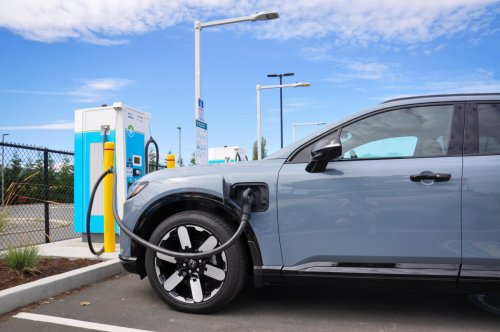
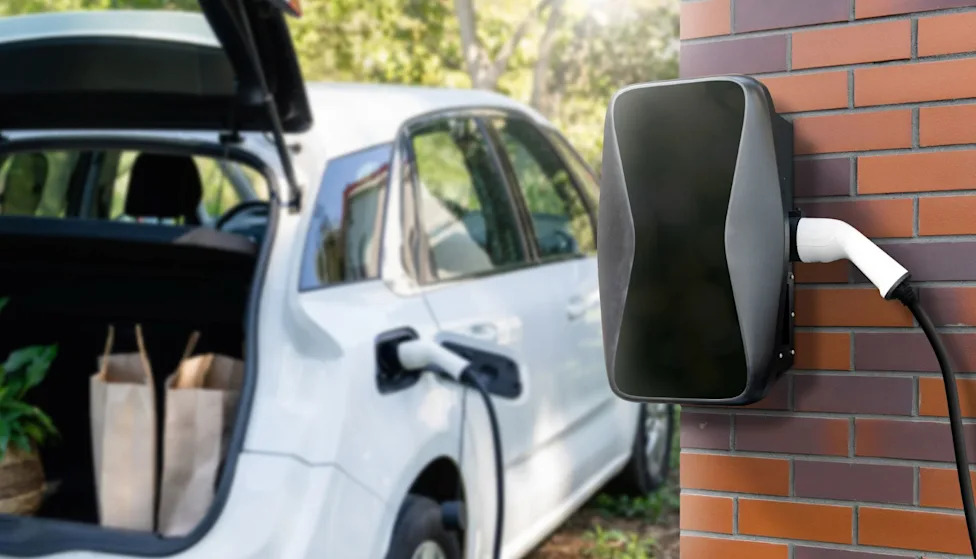
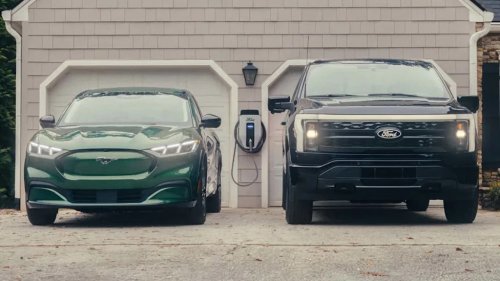
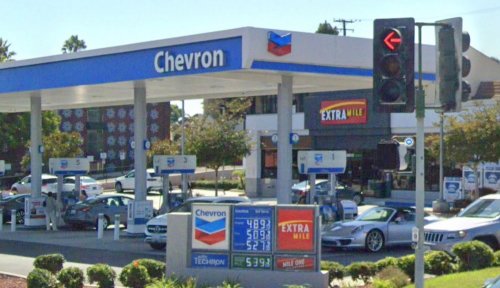
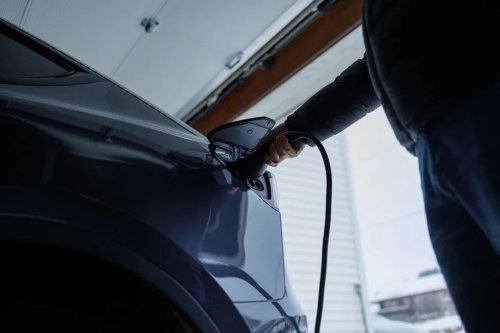
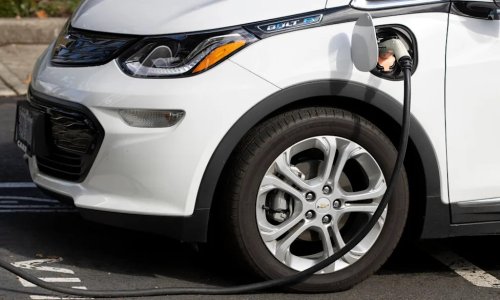
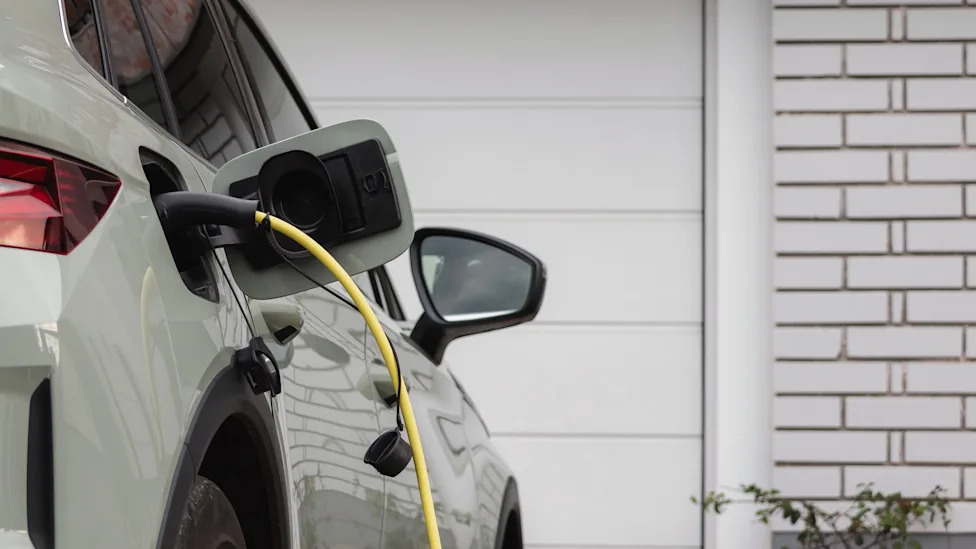
Photo Credit: iStockEven without a once-popular federal tax break, home charging still looks like one of the simplest ways for electric vehicle owners to lower driving costs.According to The EV Report, fresh estimates indicate that electricity remains far cheaper than gasoline for many households.What's happening?Put in driving terms, home-charger manufacturer EVIQO says 2026 home charging costs about 5 to 6 cents per mile at the national average residential electricity rate.AdvertisementAdvertisementUnder the same comparison, a 30-mile-per-gallon gasoline car costs roughly 13 cents a mile to operate when gas is around $3.80 per gallon.For someone traveling 1,000 miles in a month, that means about $50 to $65 in home charging instead of roughly $125 for gasoline.EVIQO based those figures on a typical EV efficiency of 25 to 35 kilowatt-hours per 100 miles and an average household electricity price of about 18.8 cents per kWh.Home Level 2 chargers placed in service after June 30, 2026, no longer qualify for the federal Section 30C credit. The incentive had covered 30% of charger and installation costs, up to $1,000.AdvertisementAdvertisementIn the company's view, the idea that charging at home costs about as much as buying gas does not hold up when the figures are compared directly.Why does it matter?The location of the charger can substantially change the total. EVIQO puts home electricity at about 19 cents per kWh and public charging at around 41 cents per kWh, which means a full charge on a typical midsize EV battery may cost about $14 at home but around $30 to $38 at a public DC fast charger.That gap in energy prices can amount to several thousand dollars over five years of ownership, especially for drivers who rely mostly on home charging.When more drivers replace gas-powered miles with electric ones, communities can benefit from less tailpipe emissions and lower planet-warming pollution.What's being done?The loss of the federal credit does not mean every charger incentive is gone. Many utilities still offer rebates, and some of those programs are sizable.AdvertisementAdvertisementComEd in Illinois is offering up to $1,000 toward a residential Level 2 installation, or up to $2,500 for qualifying customers, for chargers installed through the end of 2026.In Los Angeles, LADWP offers up to $1,000 for a qualified home charger.Consumers Energy in Michigan pays $500 to $1,000, depending on household eligibility.Drivers may be able to lower costs even more by moving charging to overnight, time-of-use rates.EVIQO estimated that shifting a 1,000-mile-per-month charging load to off-peak hours can save $15 to $20 a month, or about $900 to $1,200 over five years.EVIQO also recommends checking that a Level 2 charger is UL- or ETL-listed and Energy Star certified, looking up rebates by ZIP code before buying, and choosing amperage that matches both the vehicle and the home's electrical setup.AdvertisementAdvertisementTaken together, EVIQO's estimates suggest that home EV charging still costs less than gasoline for many Americans, even without the expired federal credit.Get TCD's free newsletters for easy tips, smart advice, and a chance to earn $5,000 toward home upgrades. To see more stories like this one, change your Google preferences here.



















 +59 others