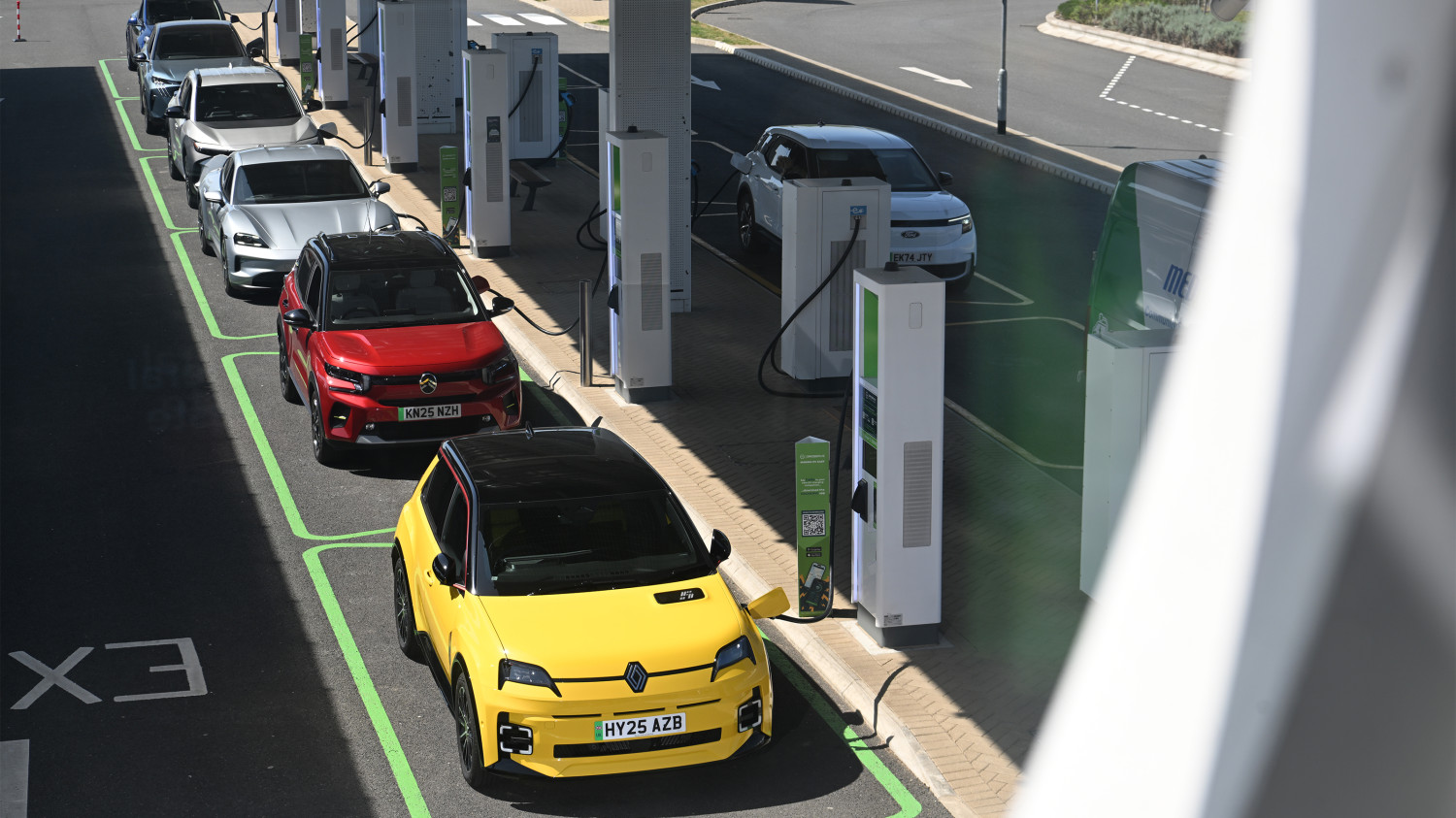
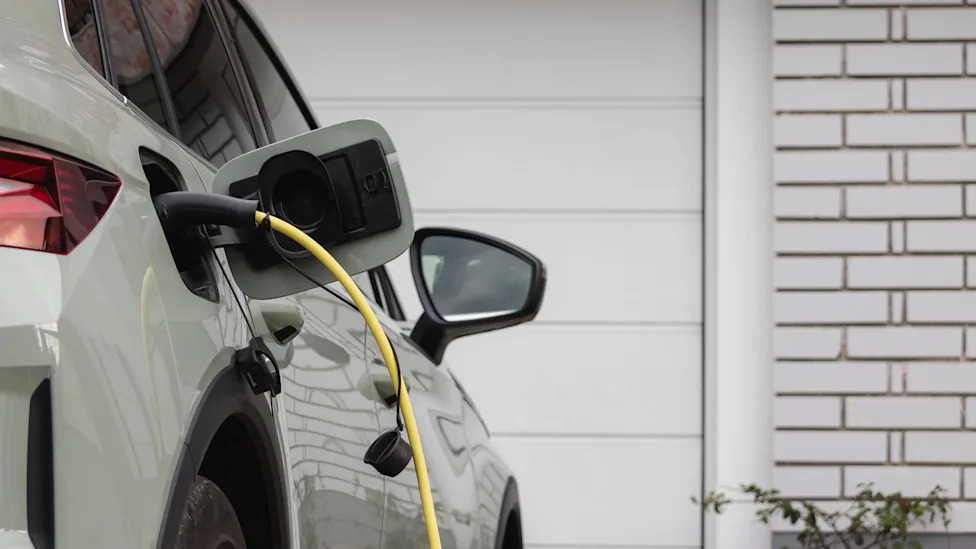
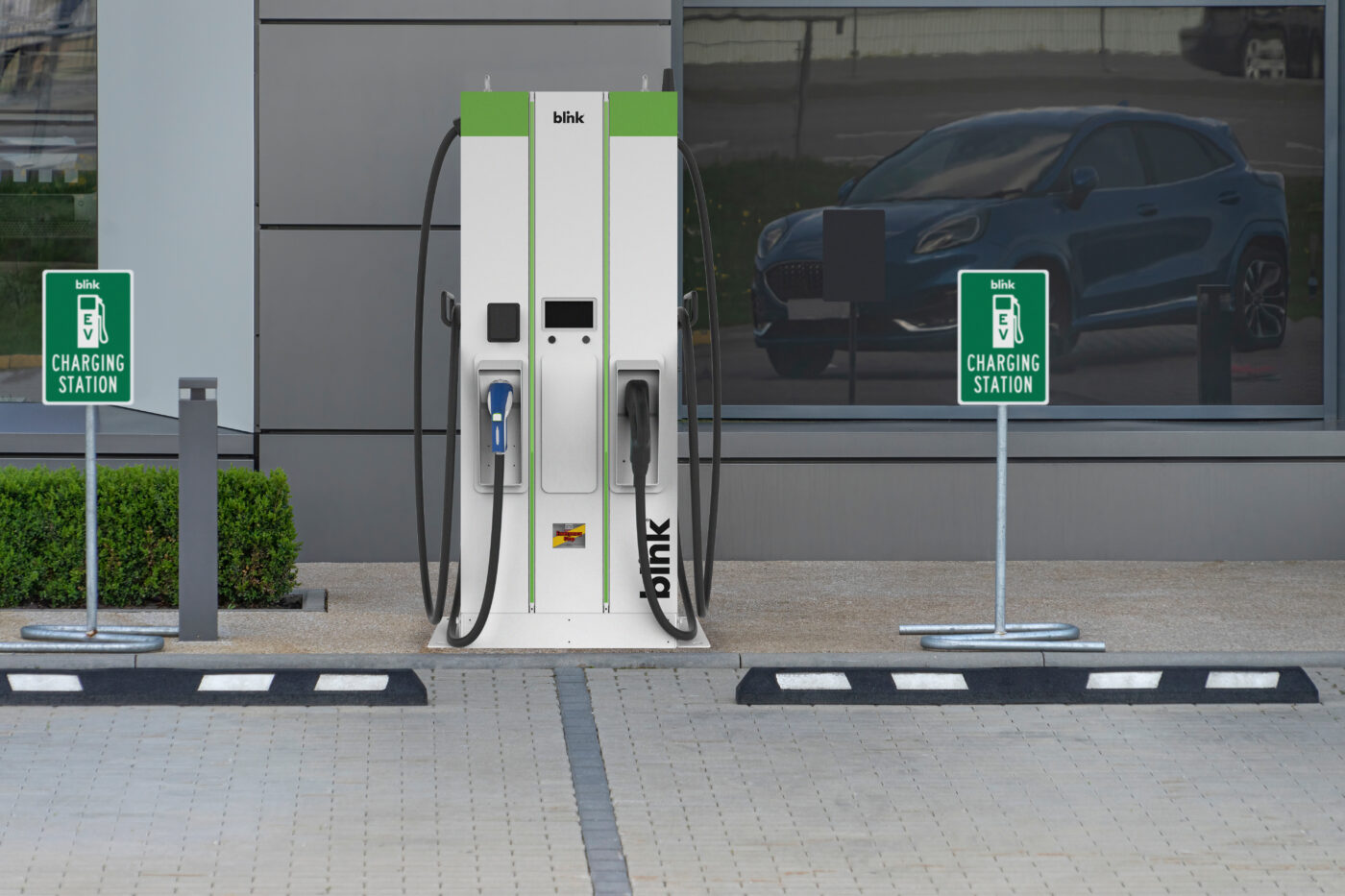
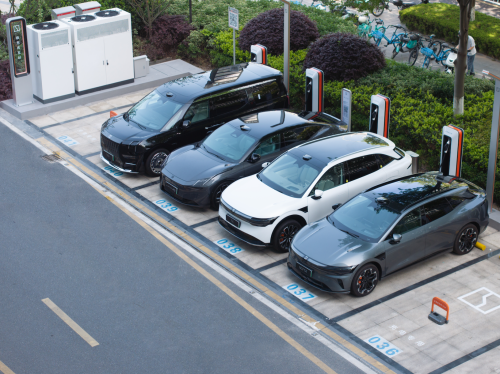
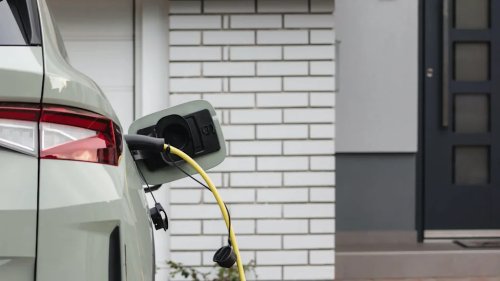
The Government has launched its promised review into the cost of public charging for electric vehicles, addressing one of the key stumbling blocks for EV adoption. Rising charge costs for anyone not able to plug in at home are increasingly cited as a blocker, with ChargeUK reporting a 38 per cent rise in public cost since 2021. The review, promised in the 2025 Budget statement, will look into how costs might rise in the future without intervention across the spectrum of low-speed on-street charging, destination charging and high-powered en route chargers. Other elements also under the spotlight will include the cost of charging versus fuelling ICE vehicles, and the extent to which policies that cut costs will be passed on to consumers. The recommendations will be published this autumn, divided into three sections covering reasons behind the current cost issues, an assessment of how these might change between now and 2030 and, the most important outcome, what government and industry can do to reduce costs, across both ongoing activity and recommendations for further action. According to the Office for Zero Emission Vehicles, future actions could include regulation, potential government funding, wider policy levers, actions by regulators, market-based trading schemes and dynamic pricing, and the report’s scope is purely covering public charging, rather than looking at domestic home-charging. Electric car advocate EVA England declared frustration that the issue of VAT on public charging, regularly cited as an easy way to bring costs down as it’s set at five per cent for home energy but 20 per cent for public charging, has been left outside of the scope of the report and was recently downplayed by the Government as a potential solution. “However, VAT is only one part of the huge challenge,” said EVA England chief executive Vicky Edmonds. “On its own, it wouldn’t be enough, and we need to see real structural reform that brings down chargepoint operating costs and that reflects a broader set of issues around pricing transparency, reliability and access to chargers, especially for renters, lower and middle-income households and people without driveways.”