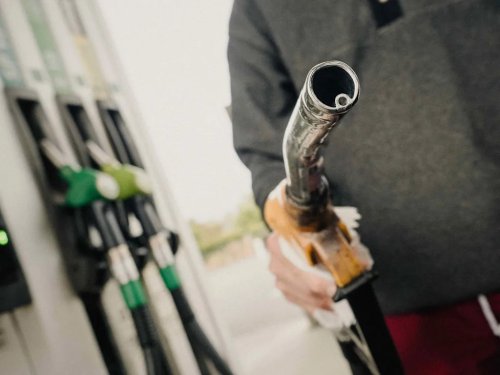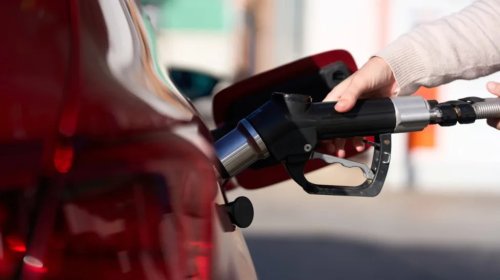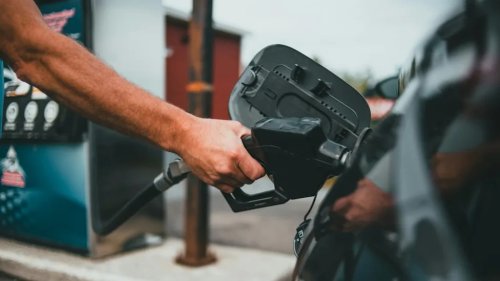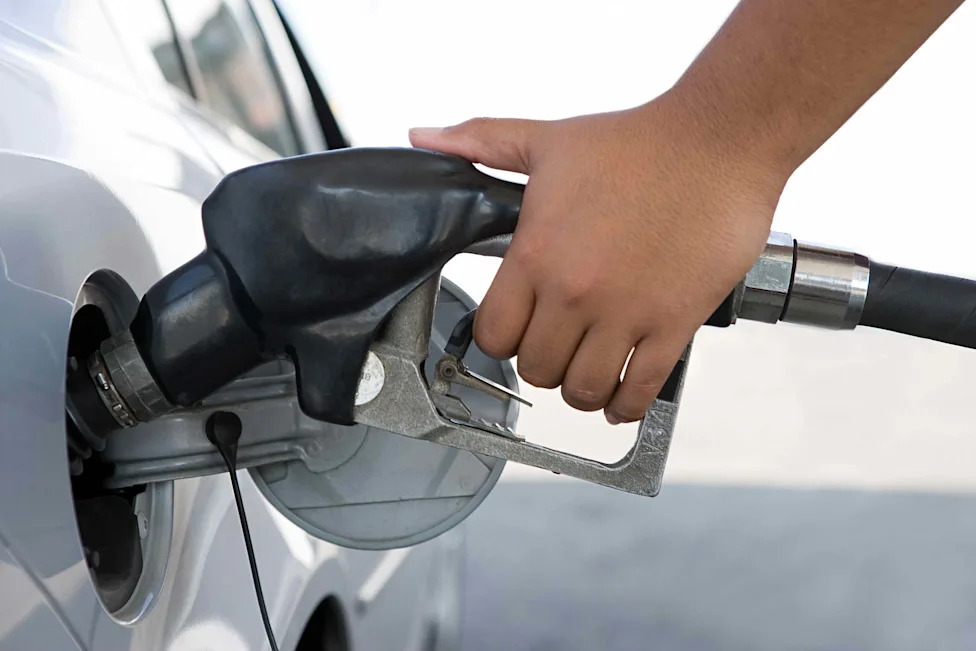



















Is sugar water bad for your gas tank?Credit: Stock photo/Image Source/Getty ImagesPumping gas is a routine task. You may not think about the movements and sounds because you do it so often. There is a click at the end of pumping that signals the nozzle shutting off. You may not have paid too much attention to this sound. You might have even looked at the price or gallons on the pump and thought you could squeeze in just a little more fuel. But once the nozzle clicks off, it is best to stop pumping and return the handle to the pump.Trying to round up your total or squeeze in another splash of gasoline is known as "topping off," and it can create problems that far outweigh the few extra cents' worth of fuel you manage to add.How Does A Gas Pump Know When To Stop?The automatic shutoff is not simply a timer. The nozzle is designed with a small sensing hole near its tip that helps detect when gasoline reaches the appropriate level in your vehicle's filler neck. As fuel flows into the tank, air and vapor are displaced. When gasoline rises high enough to cover the sensing hole, the pressure in the nozzle changes, triggering the automatic shutoff mechanism; that familiar click tells you the system has detected that the tank is full enough.AdvertisementAdvertisementThe exact mechanism can vary slightly depending on the pump and vehicle, but the important takeaway is the same: The shutoff is there for a reason.Topping Off Can Damage Your CarModern vehicles have sophisticated evaporative emissions systems designed to capture gasoline vapors rather than allowing them to escape into the atmosphere. A key component is the charcoal canister, which stores fuel vapors so the engine can eventually burn them.When you continue pumping after the nozzle clicks, liquid gasoline can make its way into parts of the evaporative emissions system that are intended to handle vapor, not liquid fuel. In some cases, this can saturate or damage the charcoal canister and potentially lead to costly repairs. A vehicle with a problem in its evaporative emissions system may also trigger the check engine light. You Could Also Be Wasting GasIt may seem like getting every last drop into the tank is the thrifty thing to do, but topping off can actually be counterproductive. If gasoline expands as temperatures rise, an overfilled tank can leave less room for that expansion. Depending on the car and circumstances, excess fuel may also end up where it should not, potentially increasing the chance of spills or vapor-related issues.AdvertisementAdvertisementAnd there is another simple reason to stop at the click: The extra fuel you are forcing into the tank may not stay there. Spilled gasoline is wasted money and can create an environmental hazard.What Should You Do When The Pump Clicks?When you hear that first click, simply release the handle and hang the nozzle back on the pump. You do not need to keep squeezing the trigger, even if the dollar amount on the display is an uneven number.If you are concerned about getting the most out of every fill-up, the better approach is to focus on maintaining proper tire pressure, keeping up with routine vehicle maintenance, and driving efficiently. Those habits can do far more for your fuel economy than trying to squeeze an extra few cents into an already full tank.Read the original article on Southern Living