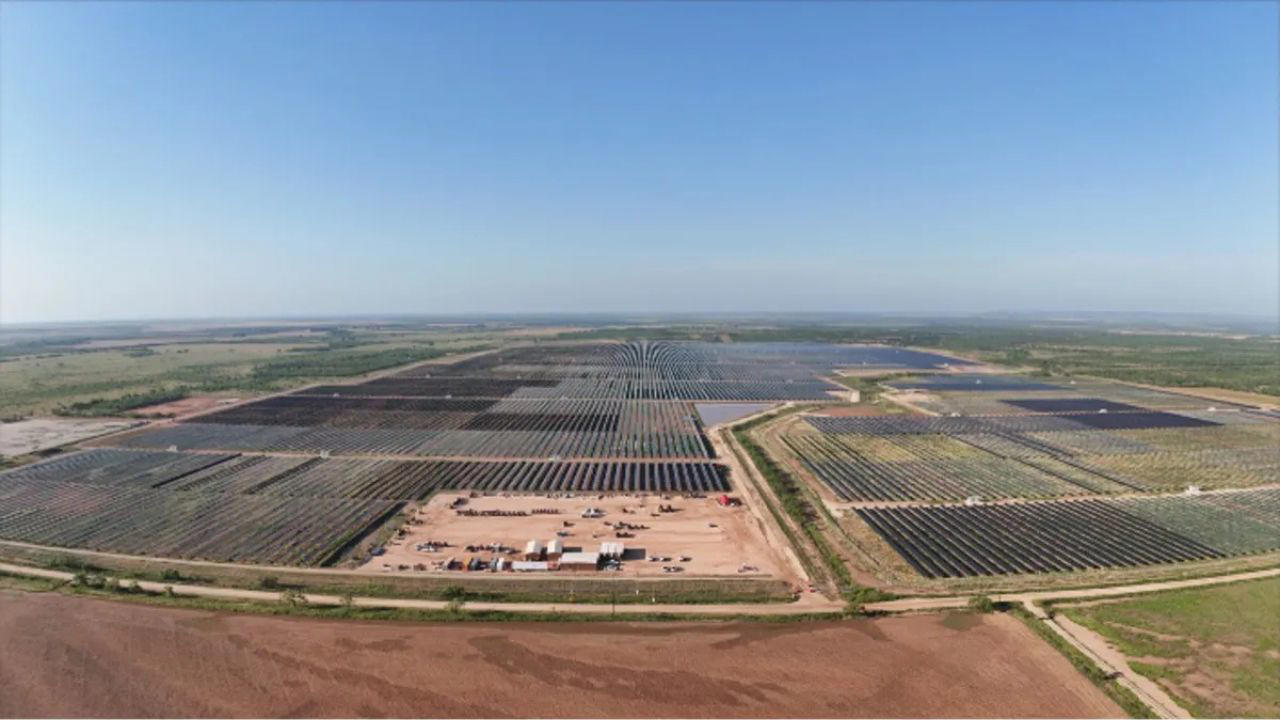



















Toyota signs deal for power from a large new Texas solar farmToyota is quietly reshaping how you think about carmakers and clean power. Instead of only selling more efficient vehicles, it is now locking in electricity from a large new Texas solar farm to run its own operations on cleaner energy. The deal deepens Toyota’s bet on long term renewable contracts and signals how quickly corporate demand is rewiring the Texas grid. What Toyota is buying from the Texas sun Your starting point is a virtual power purchase agreement, or VPPA, that Toyota Motor North America has signed with Lightsource bp for energy from the Jones City 2 solar project in Texas. The arrangement secures output from a 231 megawatt facility, often described as the Jones City Energy Center, and channels that clean power into the broader grid while Toyota settles the financial side through the contract. By using a VPPA instead of owning panels outright, you get a structure that lets Toyota claim the environmental attributes of the solar generation without becoming a utility. The Jones City 2 project sits within the broader Jones City Energy Center, which is designed as a sprawling complex of photovoltaic arrays. It is part of a cluster of utility scale projects that includes the nearby Norton Solar Project in Runnels County and the separate Jones City Solar installation, giving you a sense of how concentrated the solar buildout has become in this part of Texas. Inside the 15 year Lightsource bp deal Look at the details and the VPPA between Lightsource bp and Toyota Motor North America runs for 15 years and is framed as a way to match a significant share of Toyota’s electricity use in North America with renewables. The agreement commits Toyota to purchase power from the 231 megawatt Jones City 2 solar farm, and it is structured so that Toyota receives renewable energy certificates tied to that generation. Those certificates are what allow you to credibly claim that your factories and offices are effectively powered by solar, even if the electrons themselves are indistinguishable once they enter the grid. Lightsource bp has described the project as part of a strategy to pair large scale solar with long term corporate offtake, and Toyota has presented the contract as a tool to support its goal of meeting a growing share of its electricity needs with renewables in North America. In the official announcement, Lightsource bp and emphasized that the Jones City 2 arrangement is designed to bring new energy and economic development to Texas while supplying Toyota with predictable clean power pricing over the life of the deal. How the VPPA supports Toyota’s climate and manufacturing goals You can read this contract as more than a one off procurement. Toyota has signaled that it wants to cover a large share of the electricity used at its manufacturing sites with renewable generation. The company has pointed to the Jones City 2 VPPA as a key step toward aligning its North American operations with a global ambition to run manufacturing facilities on renewable power by 2035. The deal gives Toyota a sizable block of solar generation that it can count against the energy consumption of plants that build vehicles such as the Toyota Tundra and Toyota Camry in the United States. From a risk management perspective, the 15 year term smooths out your exposure to volatile power prices. Rather than riding the ups and downs of wholesale electricity markets, Toyota effectively locks in a price for the solar output. That price hedge matters if you are managing long lived manufacturing assets and planning capital investments that depend on stable operating costs. It also helps Toyota communicate a clearer decarbonization path to regulators and investors who increasingly expect large manufacturers to show how they will cut emissions tied to electricity use. Economic impact for Texas communities If you zoom out from Toyota’s balance sheet, the Jones City 2 project and its sister facilities are also designed to feed money into local governments and landowners. The Jones City Energy Center is expected to contribute $86 million in lifetime property taxes that support public services in the region. For rural counties that have historically depended on oil, gas, and agriculture, that kind of long term tax base from a single energy center can reshape school budgets and infrastructure plans. The Norton Solar Pro facility, which Avantus and Toyota Tsusho America have completed at 159 megawatts of direct current capacity, sits in Runnels County and adds another stream of investment to the same area. In reporting on the project, Avantus has highlighted that it has a total solar development pipeline of 24 gigawatts in the United States and that Toyota Tsusho America has agreed to take the entirety of the project’s output. That combination of large scale development and guaranteed offtake gives local officials more certainty that the promised jobs and tax payments will materialize. Avantus and Toyota Tsusho America’s Norton Solar Project To understand how deeply Toyota is tying itself to Texas solar, you should look at what Avantus and Toyota Tsusho America, known as TAI, have just finished building. The partners have completed the 159 megawatt Norton Solar Pro project, described as a 125-MWac and 159-MWdc Norton Solar installation in Texas. Avantus acted as the clean energy developer and construction lead, while Toyota Tsusho America secured rights to the full output. For you as an observer of corporate energy strategy, the Norton Solar project shows how Toyota is not only signing financial contracts but also backing concrete bricks and steel infrastructure. The facility in Runnels County is designed to feed power into the grid for decades, and Toyota Tsusho America’s involvement is framed as part of a broader diversification into renewables that can provide long term revenue streams. The Norton project also complements the Jones City 2 VPPA by adding another large solar source tied to Toyota in the same state. How Jones City 2 fits into the broader solar buildout Within the Texas market, the Jones City 2 solar farm is one node in a fast expanding web of utility scale projects that are increasingly financed by corporate buyers like you. Lightsource bp has presented the Jones City 2 facility as a 231 megawatt project that delivers power into the ERCOT grid while providing Toyota with renewable certificates to match its consumption. In coverage of the deal, analysts have noted that the Lightsource bp Toyota is part of a broader trend in which carmakers, tech companies, and retailers are stepping in as anchor buyers for large solar plants that might otherwise struggle to secure financing. That same reporting highlights how the Jones City 2 project fits into a new generation of solar plants that increasingly rely on sophisticated operations, including AI supported monitoring and optimization. A separate analysis of AI in PV notes that large projects like Jones City 2 are increasingly managed with digital tools that can forecast output, detect faults, and schedule maintenance in ways that squeeze more energy from each panel. For a buyer like Toyota, that kind of operational sophistication matters because it reduces the risk that the contracted plant underperforms over the 15 year term. What this means for you and for corporate energy buyers If you run a large energy consuming business, Toyota’s move in Texas offers a template for how to approach your own decarbonization strategy. Instead of waiting for utilities to clean up their generation mix, you can use a VPPA to directly finance new solar or wind capacity and claim the associated environmental benefits. The Jones City 2 VPPA, combined with Toyota Tsusho America’s role in projects like Norton Solar, shows how a manufacturer can stitch together multiple contracts and projects to cover a meaningful slice of its electricity use with renewables. More from Fast Lane Only Unboxing the WWII Jeep in a Crate 15 rare Chevys collectors are quietly buying 10 underrated V8s still worth hunting down Police notice this before you even roll window down