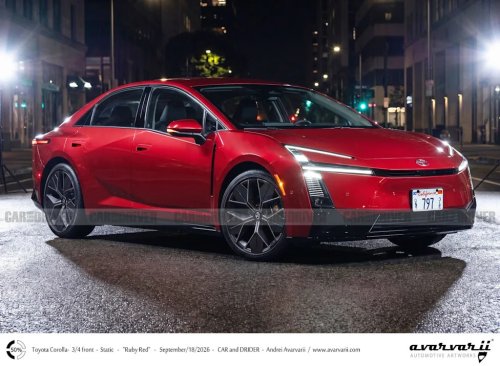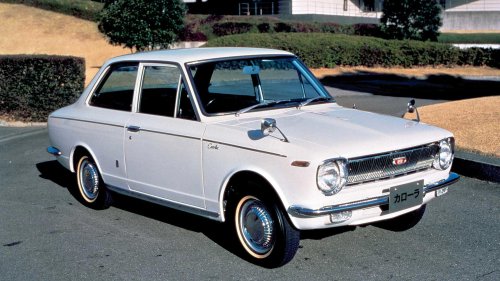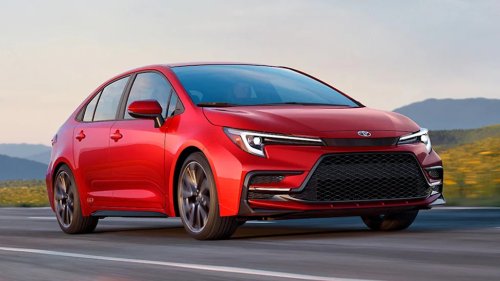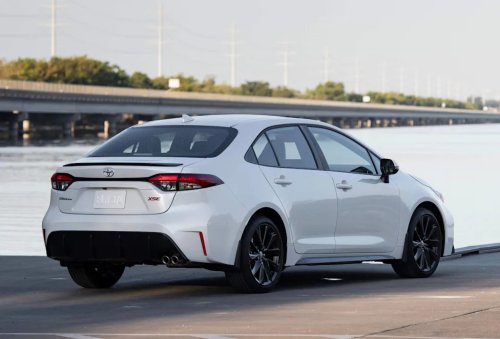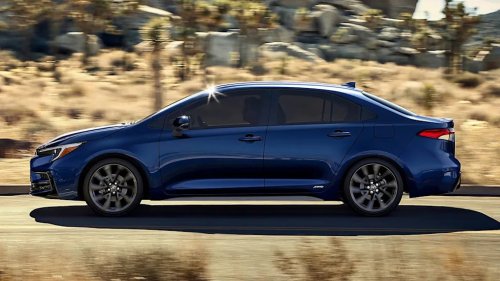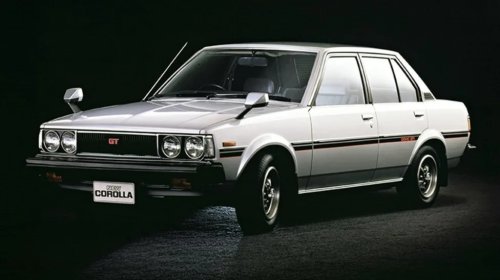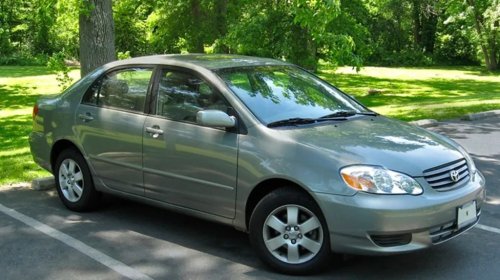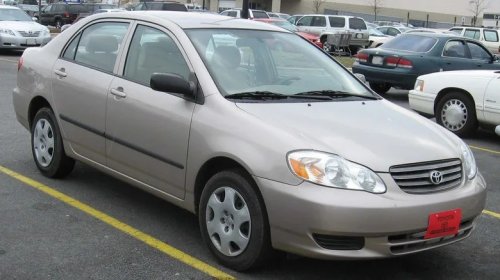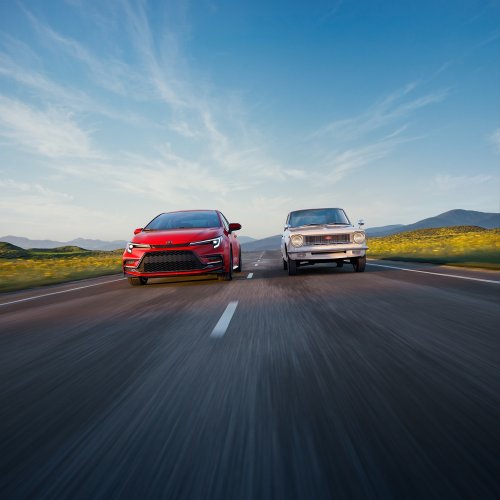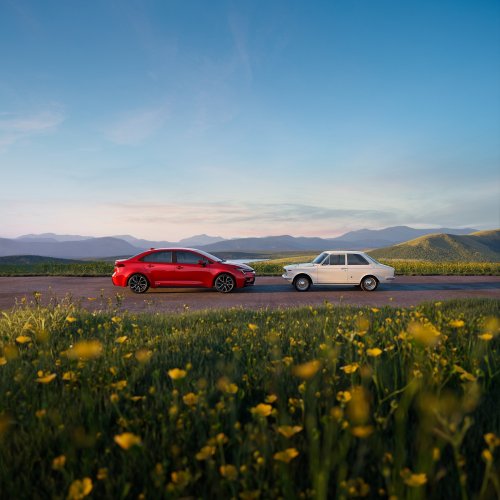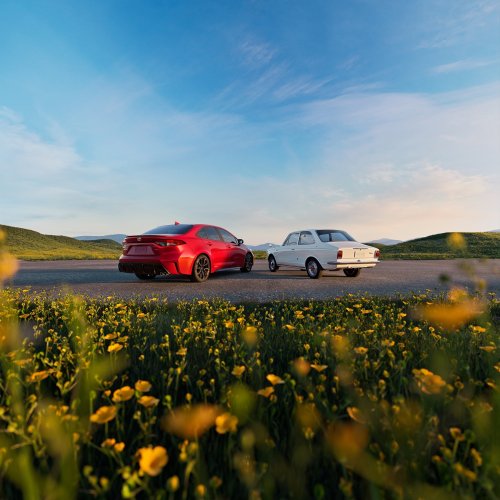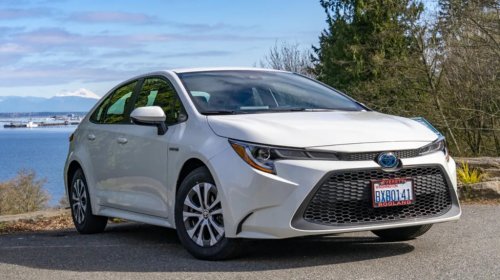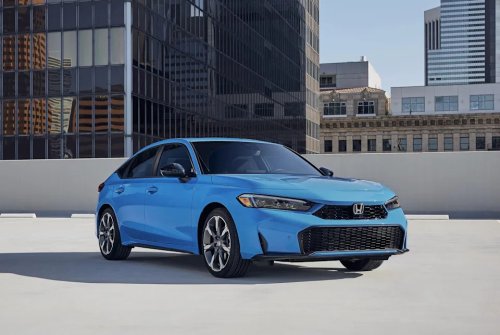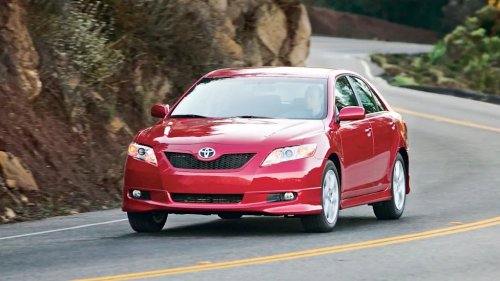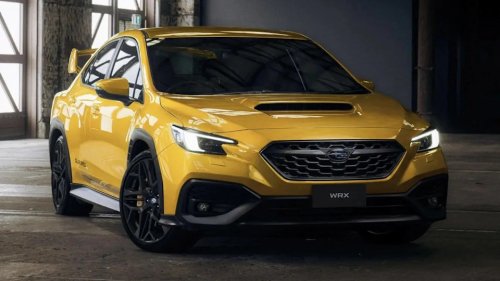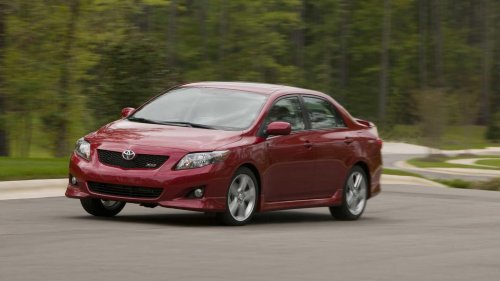
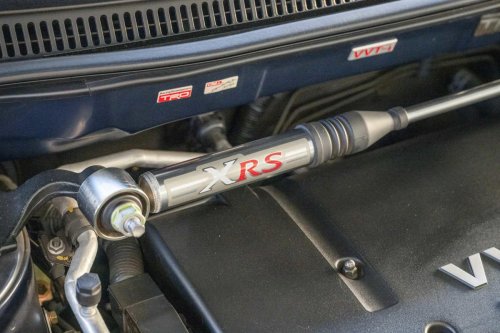
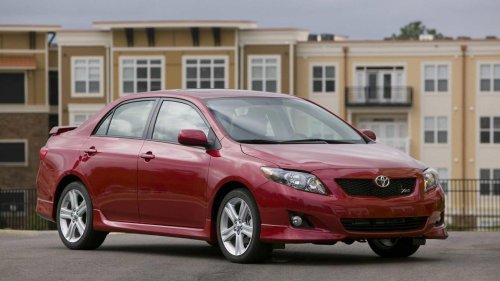
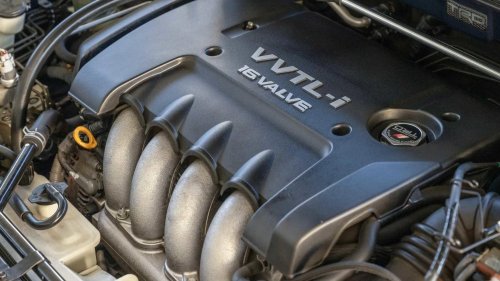
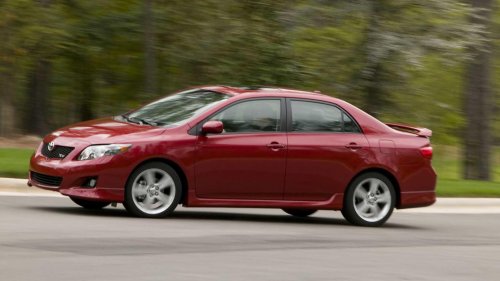
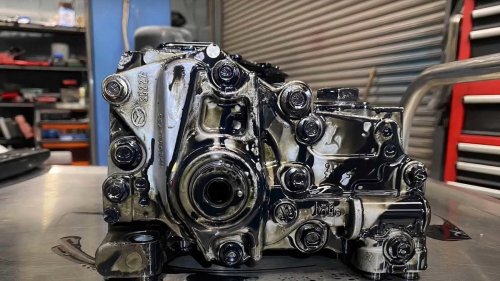
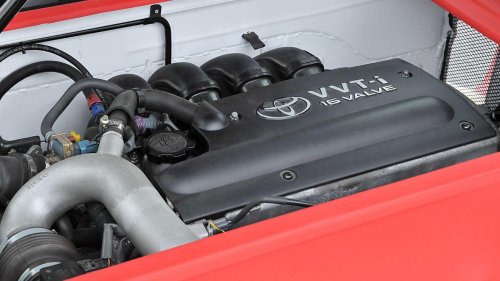
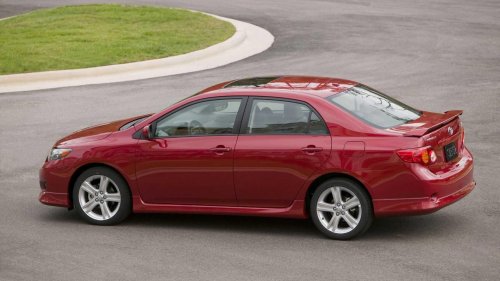



















Jump LinksThe Toyota With A Touch Of YamahaThe Touch Of Yamaha: The 2ZZ-GE EngineDid The Toyota Corolla XRS Punch Above Its Weight Class?Oil Pump FailureIntake Cam Lobe WearTiming Chain Tensioner FailureUn-baffled Oil PanPure Driving Joy In A Practical PackageAlthough Toyota is usually associated with building reliable, safe, and robust cars and trucks that have been known to last, it cannot be said that Toyota has never introduced a fun performance car that possessed the same qualities. Cars like the Toyota Supra or the Toyota Celica are well known to be top performers both on and off the track. Back in 2005, Toyota let another hot car sneak onto the showroom floor, but this one had four doors and its sights set on dethroning the esteemed Honda Civic Si.The rare Toyota Corolla XRS is one compact sedan worth remembering - and not just because it shares something with the revered Lexus LFA sports car.If your Corolla XRS has any of the issues listed below, it is highly advisable to have it inspected and repaired by a certified automotive technician for an accurate diagnosis and repair. While a 2009/2010 Corolla XRS was also sold, our focus here is the special 2005 model. A Brief Experiment: The Toyota Corolla XRS The Toyota With A Touch Of Yamaha Toyota The Corolla XRS was a limited production Corolla that was released in 2005 and 2009, toward the end of the import craze of the early to mid 2000s. With a total production run of only a few thousand units, coming across one today might be challenging. What made the Corolla XRS so special was it's co-developed Yamaha 1.8-liter dual overhead camshaft four-cylinder engine mated to a six-speed manual transmission - at least in the initial 2005 model run.It didn't stop there, though; the XRS package included four-wheel disc brakes, sport-tuned suspension that included a half inch lowered ride height, stiffer shocks and springs, and a Yamaha-designed front strut tower and rear 'X' brace for added rigidity. The XRS package also included a reinforced steering column, which reduced flex and offered better feedback, making the Corolla XRS feel more connected to the road.Bring A Trailer Additionally, Toyota fitted the XRS with a specially developed power steering rack that included a different gear ratio and modified tuning. It was reported by some owners to feel more direct or tighter, with less vagueness in the steering. The power steering assist would adjust its effectiveness based on engine rpm. This tuning made the steering feel firmer at high speeds, and lighter or sporty at low speeds. The sporty sedan rode on specific 16-inch alloy wheels with performance tires, in many cases Michelin tires, which helped the XRS standout from other Corollas. Also, the Corolla XRS came with unique badges, and a paint-matched grille and surround. The interior had some minor sporty touches, but otherwise shared its design with a basic Corolla.ToyotaAnother XRS was brought to market in 2009, but the original models from 2005 are our focus for this section. The Touch Of Yamaha: The 2ZZ-GE Engine Bring A TrailerLike the iconic LFA from Toyota's luxury division, this Corolla XRS has an engine co-developed with Yamaga. The 2ZZ-GE is a legendary four-cylinder used not only in the Corolla XRS, but the Lotus Elise/Exige sports cars as well. The 2ZZ-GE was a 1.8-liter with dual head camshafts and 16 valves. Slightly oversquare (as the bore is larger than the stroke), the 2ZZ-GE is known for its ability to achieve a high rpm, with a redline of 8,200 rpm. However, its power peaked at 7,600 rpm, making 170 horsepower and 127 lb-ft of torque. The 2ZZ-GE utilized Toyota's Variable Valve Timing and Lift Intelligent (VVT-i) system, which is Toyota's first and only mass production dual-camshaft profile, variable lift system. It combines continuous variable valve timing with camshaft phasing and a discrete cam lift switching system.The low lift/low rpm profile typically operated below 6,700 rpm depending on the engine's tune, while the high lift/high rpm profile took over, typically at over 6,700 rpm. The high lift cams offered more duration and a higher lift profile. The result was a noticeable, dramatic surge of power that made a distinct but glorious sound known by fans of the 2ZZ-GE engine. The internals of the 2ZZ-GE were robust and fortified for high rpm bursts. The rods were forged steel, with reinforced-ladder type main caps that together were able to handle 500 horsepower. The head was a high flow unit designed by Yamaha. A Slept-on Sleeper From Toyota Did The Toyota Corolla XRS Punch Above Its Weight Class? ToyotaAlthough it had a specially developed engine, the Toyota XRS was still only a moderate performer in the compact sports car segment. It only weighed 2,650–2,680 pounds, and paired with its high-revving four-cylinder, it felt quicker than its performance number led on. Due to the operation and power band of the 1.8-liter 2ZZ-GE, the Corolla XRS didn't really come alive until higher up in rpm. Often referred to as having "peaky" power delivery, taking advantage of its 170 horsepower meant having to rev the rpm to the stratosphere before shifting to the next gear. Once you make the up shift, the engine is back to operating on its low camshaft again, until the driver revs to 6,000 rpm again for the power-delivering high camshaft. The Civic Si has the advantage of keeping its more aggressive camshaft online during hard acceleration, lending to its straight-line performance dominance over the XRS. Other popular imports, such as the Acura RSX Type-S and the turbocharged Mazdaspeed 3 were also known to outperform the Corolla XRS not only in acceleration but fit and finish as well.The Corolla XRS would click off quarter-mile passes at 15.8 seconds, but the Civic Si narrowly edged out the XRS at 15.1 seconds. Toyota Corolla XRS: Common Problems Oil Pump Failure Mazda oil pump removed due to P06DE DTC (Kennedy's Garage/YouTube) The oil pump in the 2ZZ-GE is a known weak point. It's not an extremely widespread problem, but if the pump is starved of oil, even for a brief moment, the results can be extremely harmful to the engine. Oil pump failure doesn't just stop at the pump. A loss of oil pressure could mean failure of key engine components that rely on constant lubrication to function properly. Camshaft bearings, main engine bearings, and connecting rod bearings are very sensitive to improper lubrication, especially at high rpm, which the 2ZZ-GE is known for. Intake Cam Lobe Wear The 2ZZ-GE is notorious for premature wear or "wiping" of the intake camshaft lobes, namely the high lift camshaft lobes that are engaged during higher rpm. The high lift cam lobes use a "slipper follower" that rides directly on the cam lobe as opposed to a regular roller rocker. Under extreme pressure in the high rpm range, there is a large amount of stress put on the follower and the cam lobe. During high rpm and aggressive driving, due to the design of the oil pan, this sensitive friction area is easily starved of oil, causing excessive heat and wear. Some technicians and owners of cars with the 2ZZ-GE have also attributed this premature camshaft lobe wear to improper valve lash. Timing Chain Tensioner Failure Toyota The hydraulically charged timing chain tensioner on the 2ZZ-GE was prone to failure. Rattling from the timing chain is a good indicator that the tensioner is weak or has failed. This would allow for slack in the timing, potentially causing the chain to jump a tooth on the timing gears. Rough running, no starts, and even catastrophic engine damage can be the end result of a jumped timing chain from tensioner failure. Un-baffled Oil Pan Toyota chose to use an un-baffled oil pan on the 2ZZ-GE. A baffled oil tank does a better job of managing oil slosh during high rpm or aggressive, sporty driving. The baffle will keep the oil in place, ensuring the oil pump pick up is constantly immersed in oil. This guarantees that proper lubrication is possible for the oil pump, and all other key engine components that require steady lubrication. Many enthusiasts consider this un-baffled oil pan the main culprit of most of the 2ZZ-GE lubrication problems and related failures. Should You Buy A Corolla XRS In 2026? Pure Driving Joy In A Practical Package Toyota The Corolla XRS was a limited edition hidden gem in Toyota's history. As the Corolla was never seen as a good foundation for a performance car, the XRS never had the popularity as the Civic Si, or the Acura RSX. This is also why aftermarket performance support isn't as large as it is for the Honda B-Series, for example. However, this high-revving and unassuming four-door sedan had a split personality. One, a practical and sporty-looking economy sedan with that baked-in Toyota engineering that is known for longevity and superb reliability. The other, a manic performance compact, coming alive anywhere north of 6,000 rpm with a trademark scream once the high lift camshafts are engaged. Ever the underdog that offered a fun driving experience, the Corolla XRS should not be overlooked.A neat 2010 model should cost you around $10k in 2026, although cheaper models can be had. Make sure you check its maintenance history, though, and if it's been well-cared for, you're likely to have a good car on your hands. 2005 models are so exceedingly rare, we couldn't even find examples to use for price trends. As appreciative enthusiasts, however, we'd snatch one up if we did find one on the used car market.