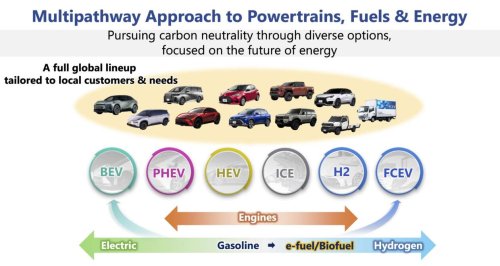
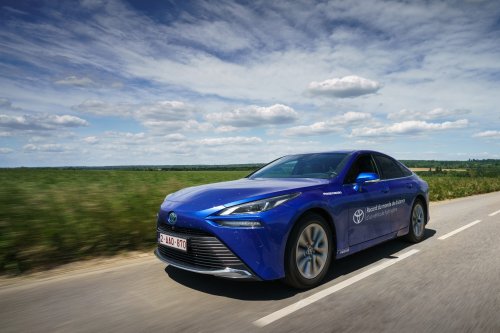
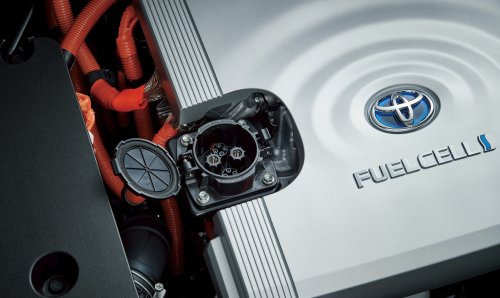
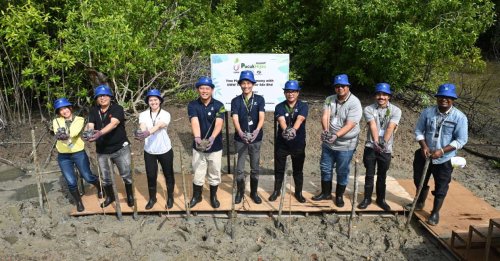
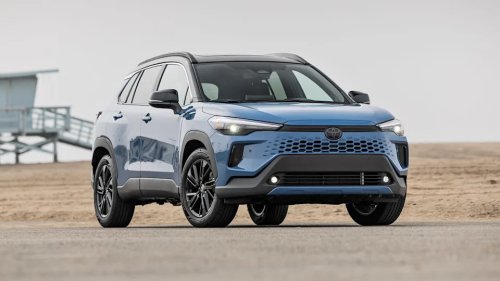
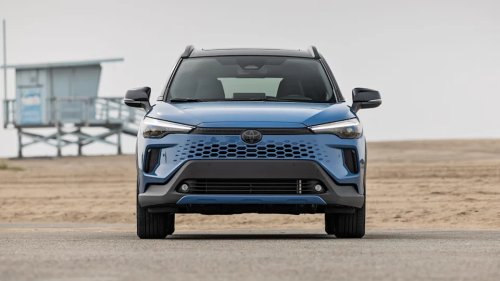
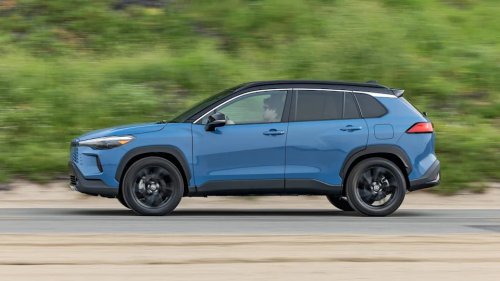
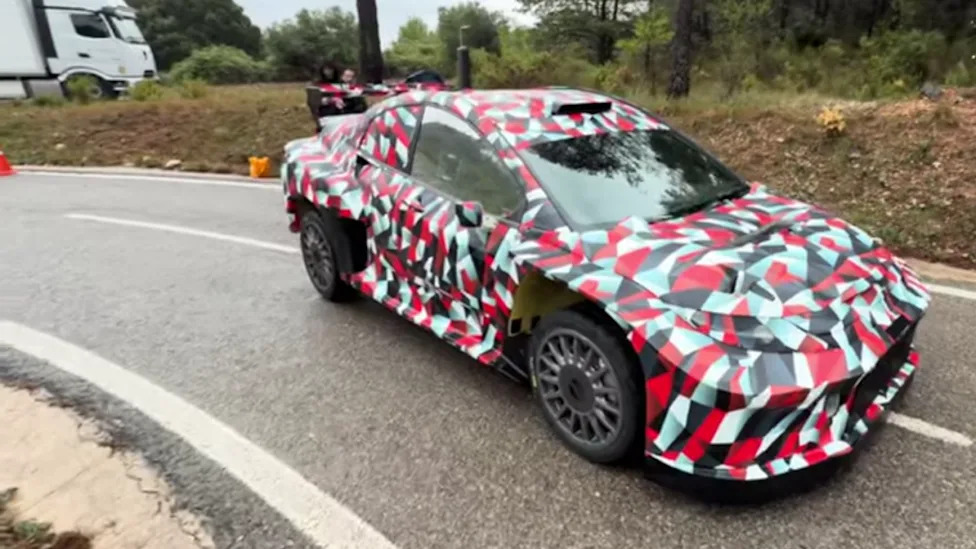
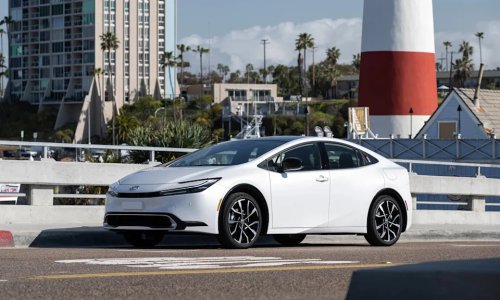
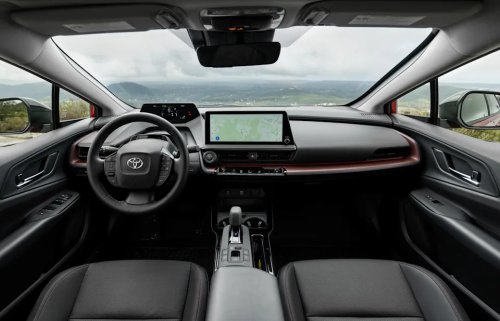
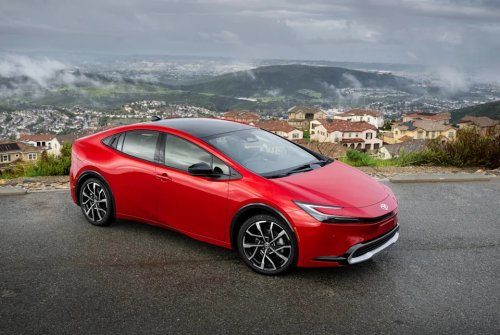
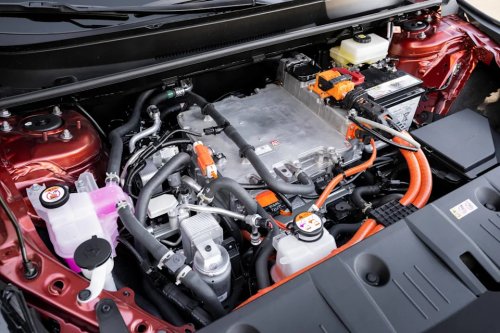
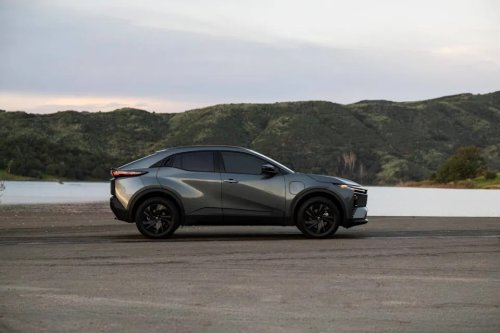
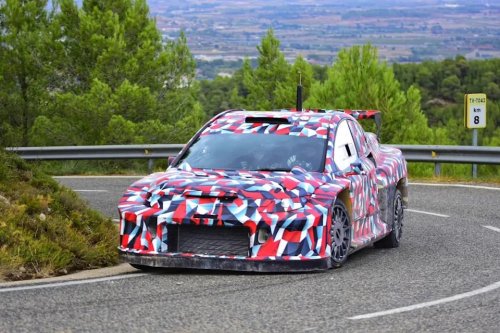
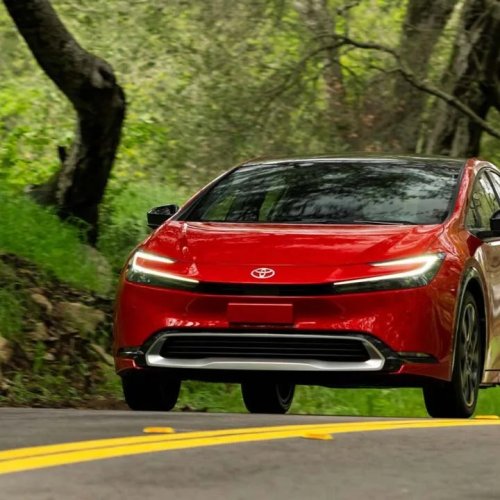
The drive towards sustainability is ultimately for the wellbeing of all, and the goal of reducing one’s carbon footprint for a sustainable way of life can be achieved in many ways. Among those is the multi-pathway strategy adopted by UMW Toyota Motor, which aims for carbon neutrality through the deployment of a wide range of vehicle powertrain types to meet the highly diverse transportation needs of Malaysians, which the company aims to do with the best fit-for-purpose solutions. Variety is key to the thinking behind Toyota’s multi-pathway strategy, as one’s commitment to environmental stewardship is only as good as the effectiveness of the approach towards reducing a carbon footprint. While there have been certain factions which have been especially vocal about an all-EV-or-nothing approach, Toyota is convinced that offering a range of solutions suited to consumers’ needs is more practical. To that end, the full spectrum of powertrain offerings from Toyota is comprised of hybrid, plug-in hybrid and battery-electric powertrains for developments in the direction of BEVs, while the development of hydrogen-fuelled powertrains include hydrogen combustion and hydrogen fuel-cell powertrains. In the centre of that spectrum is the conventional, internal-combustion engine, a powertrain type which Toyota continues to develop to be compatible with renewable, carbon-neutral fuels. As the internal combustion engine is the powertrain technology that is the most commonly used by far, continual improvement of the ICE stands to yield significant progress towards attaining carbon neutrality. As part of its efforts to decarbonise the internal-combustion engine, Toyota has developed a hydrogen combustion engine, which it has actively showcased in motorsport since 2021. A notable example is a hydrogen-powered Corolla that competed in a five-hour endurance race in Japan, demonstrating both the technology’s potential and Toyota’s commitment to innovation. Efforts brought towards a multi-pathway future, one that incorporates hydrogen solutions, also includes development of hydrogen fuel-cell technology. Toyota’s fuel-cell system is now in its third generation, and while its scope of application in private or passenger vehicles is limited compared to battery-electric avenues, it serves to broaden the range of decarbonisation options, especially when developed alongside commercial and heavy-duty haulage applications which will aid in lowering costs. Hybrid electric vehicles (HEVs) have a long history of proven reliability on Malaysian roads since 2009, the year that the third-generation Prius went on sale in Malaysia. The self-charging Toyota Hybrid System (THS) requires no additional public charging infrastructure, and at the same time promises immediate carbon reduction without compromising long-distance driving practicality and peace of mind usage. The next step in electrification from a purely internal combustion baseline is the hybrid solution. Widely adopted in Malaysia, hybrids provide practical benefits for everyday driving, from city commutes to long-distance trips, without requiring public charging infrastructure. By reducing fuel consumption and emissions, they offer both economic and environmental advantages, supporting Malaysia’s ongoing push for cleaner mobility. Combining efficiency, convenience, and reliability, the hybrid powertrain remains the most suitable electrified technology choice for Malaysian motorists seeking immediate impact without compromising practicality. Toyota’s commitment to sustainability extends beyond vehicles and technologies, reaching into the communities it serves. Beyond the development of sustainable vehicles and technologies, UMW Toyota Motor is continually committed to sustainable development and community empowerment. With the broader goal of achieving carbon neutrality by 2050, UMW Toyota Motor recognises the importance of not just reducing carbon output through its multi-pathway powertrain strategy, but also supporting carbon absorption initiatives. This approach is reflected in initiatives such as the UMW Green Shoots Initiative (UGS), part of the national 100 Million Tree-Planting Campaign 2020-2025. Awareness of the planet’s needs is central to achieving sustainability goals. Instilling environmental consciousness early in life is key to lasting impact. The Toyota Eco Youth programme, launched in 2001, has become a nationwide school environment awareness initiative that equips students with practical skills to address local environmental issues. Using Toyota’s eight-step problem-solving methodology, students learn to identify challenges, understand root causes and implement sustainable solutions. Just as Toyota’s robust reputation for quality automobiles has resulted from the Japanese philosophy of kaizen, which emphasises continuous development and improvement, the Toyota Eco Youth programme in Malaysia is all about resolving environmental issues within local communities. Through the use of Toyota’s eight-step problem-solving methodology that equips students with structured problem-solving skills, the approach helps students identify environmental issues, understand root causes, and implement practical solutions which are sustainable. The approach comes naturally in the goals pursued by Toyota, and at its core of making automobiles is to create solutions, as among the many concepts embodied by Toyota is monozukuri wa hitozukuri – making things is about making people, therefore products made should be in service of people. As demonstrated by Toyota’s initiatives beyond the products its customers drive, live with and enjoy, its approach to sustainability in Malaysia transcends machinery, reaching daily practices in Malaysian communities. With sustainability and people in mind, what Toyota does is helping shape a greener future for communities across Malaysia.