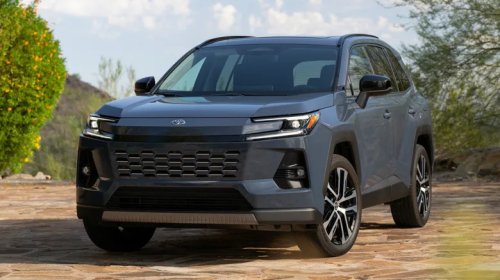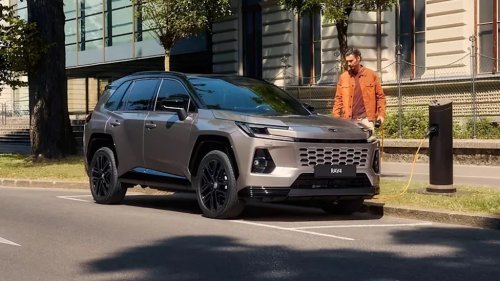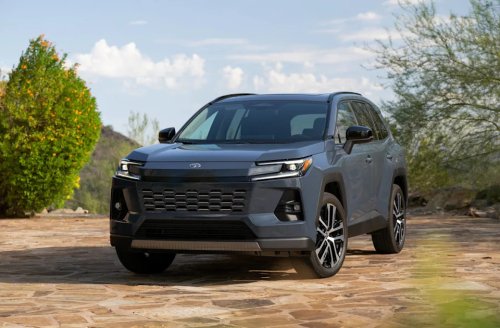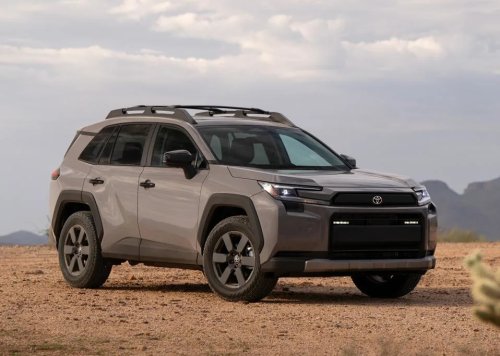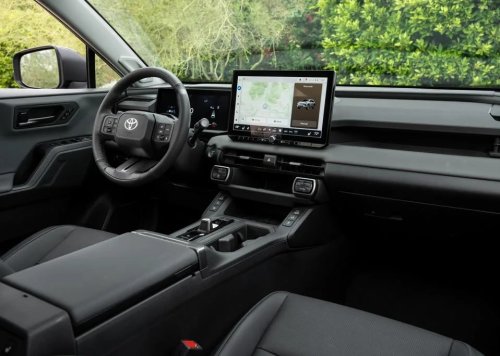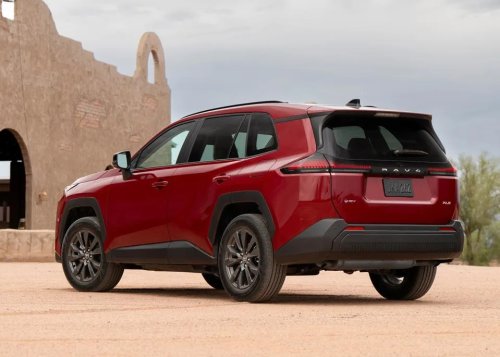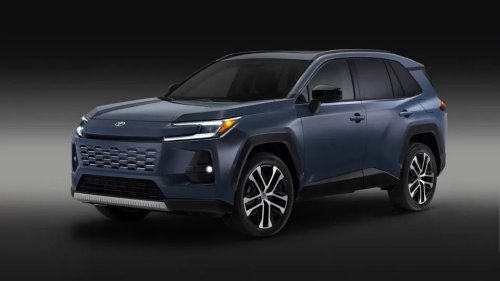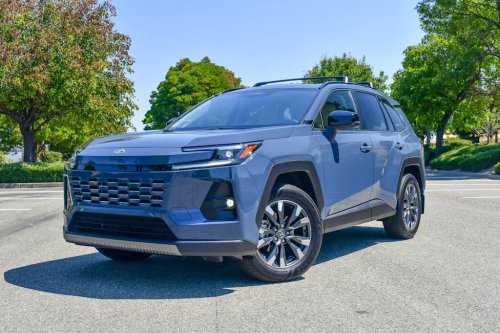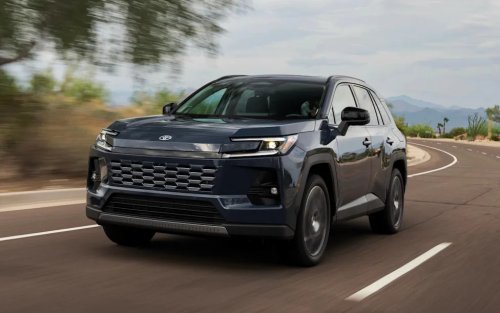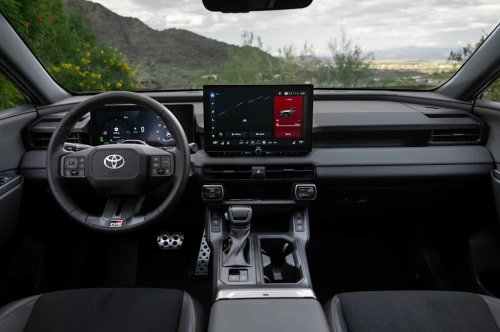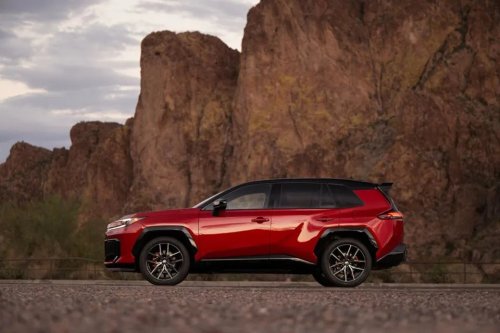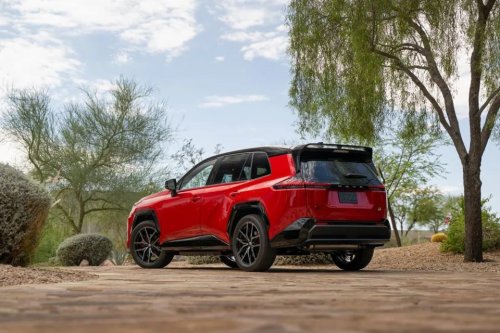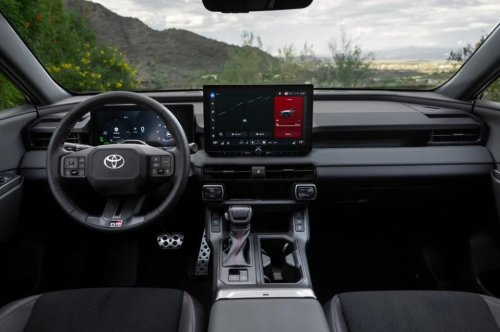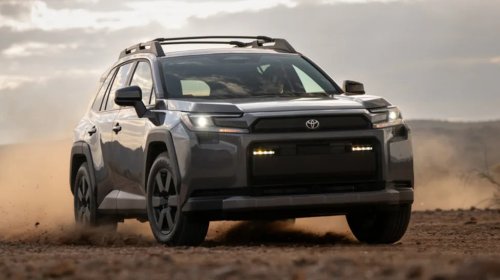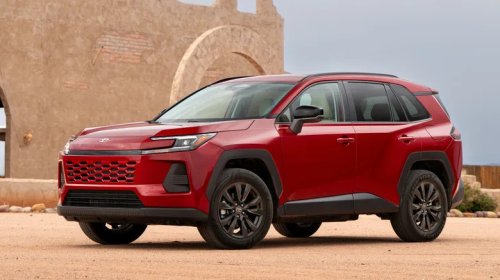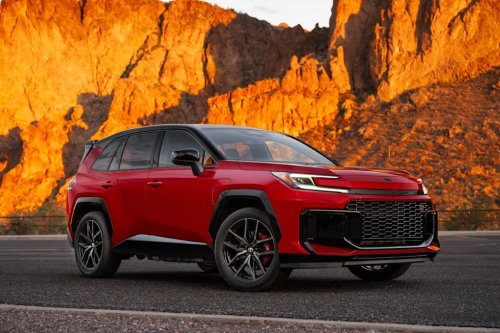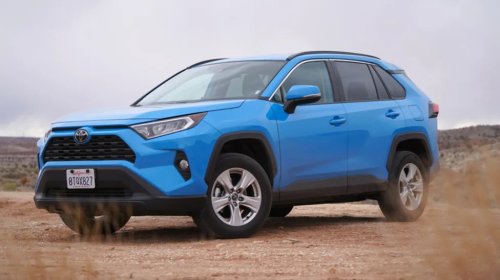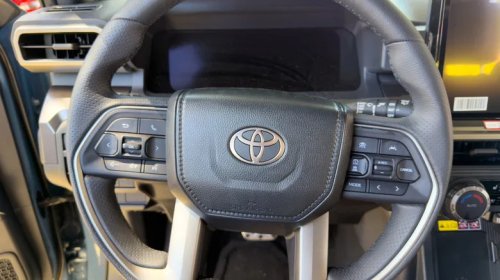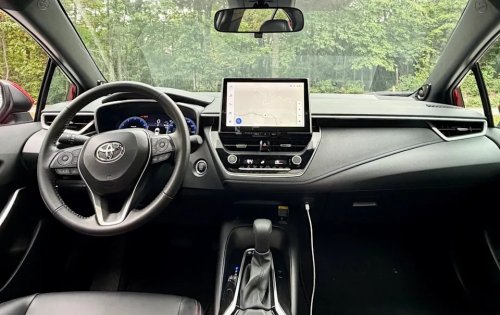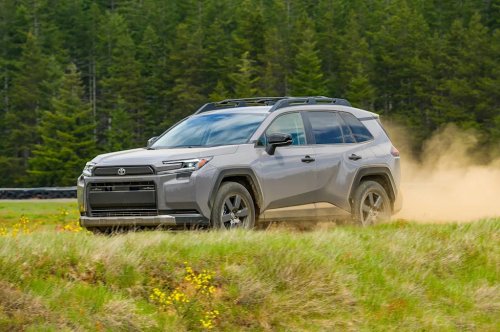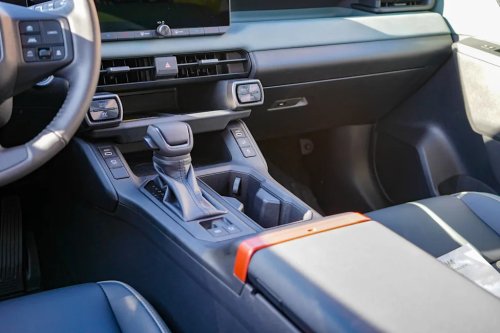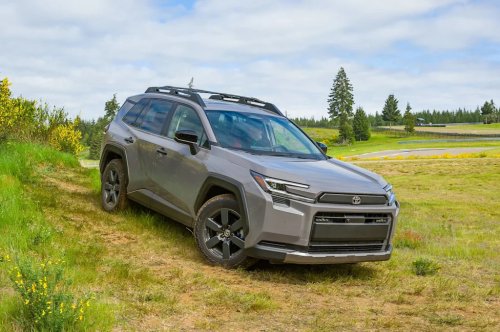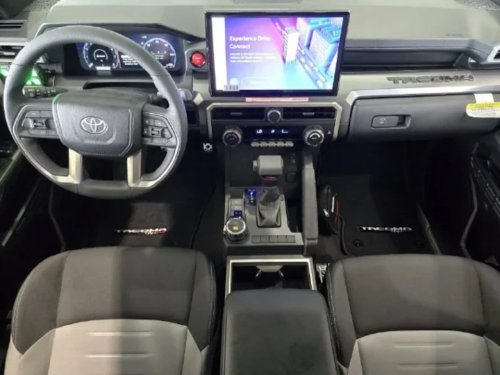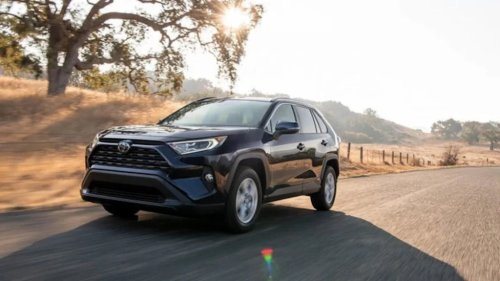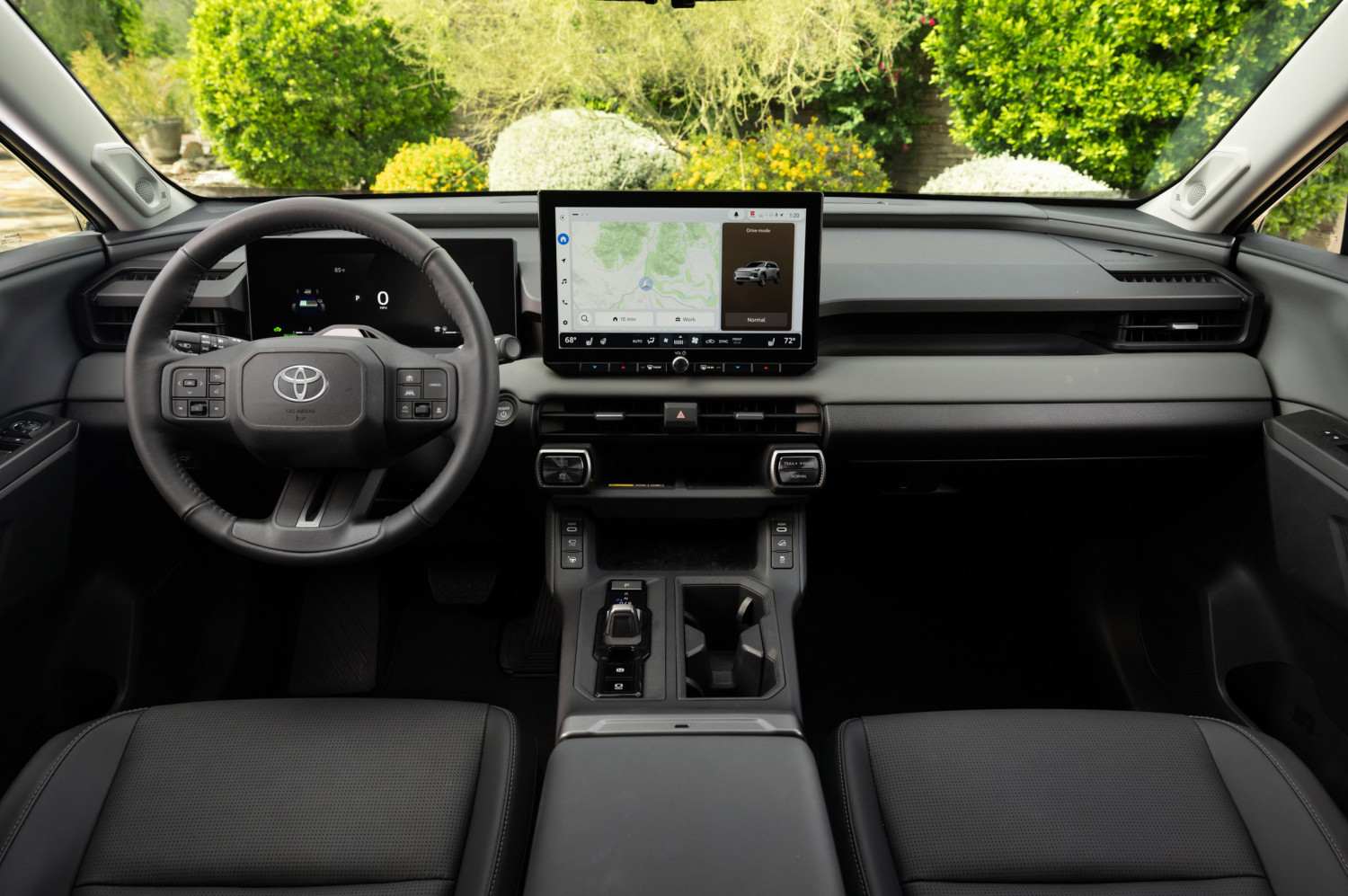
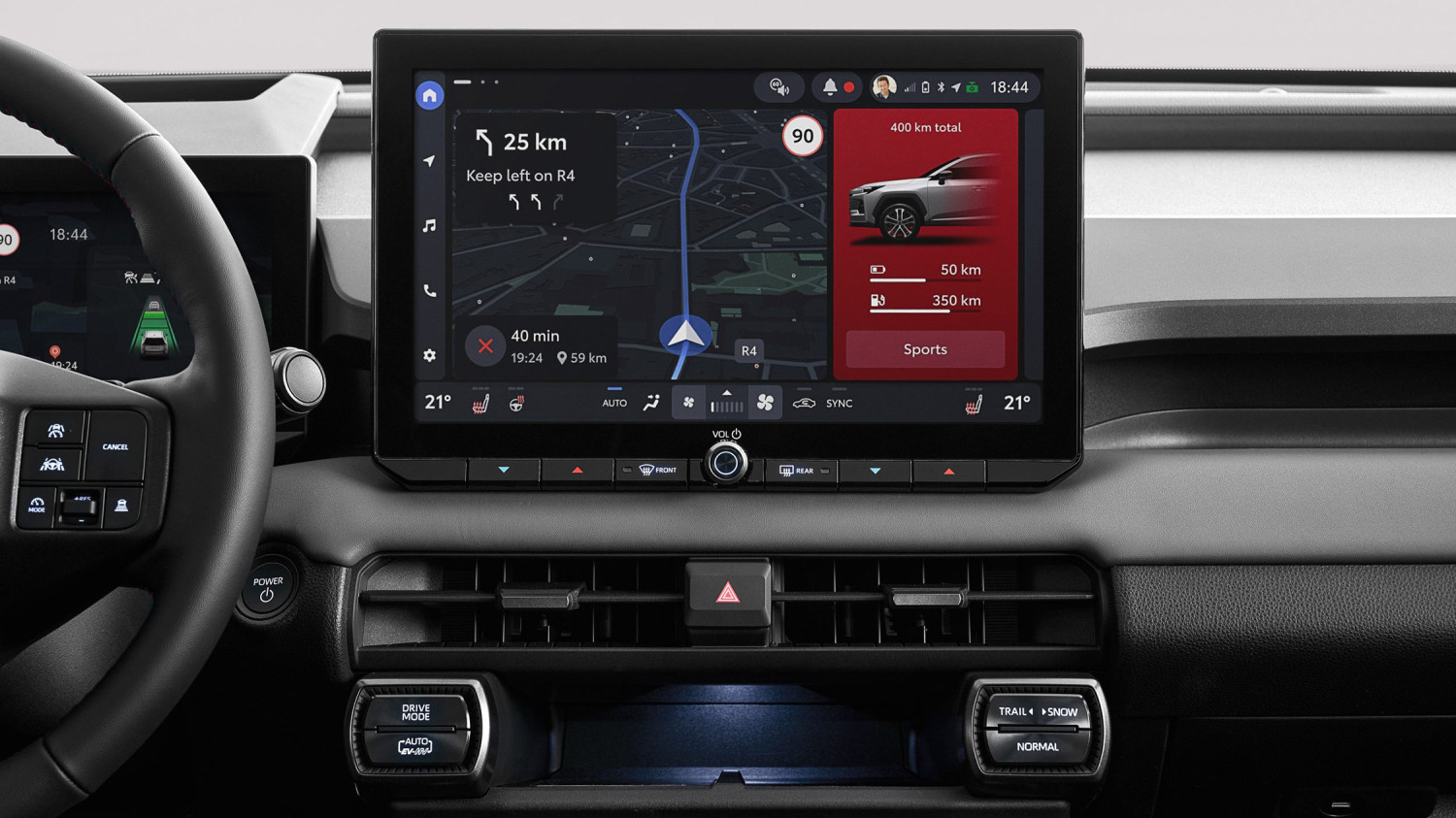
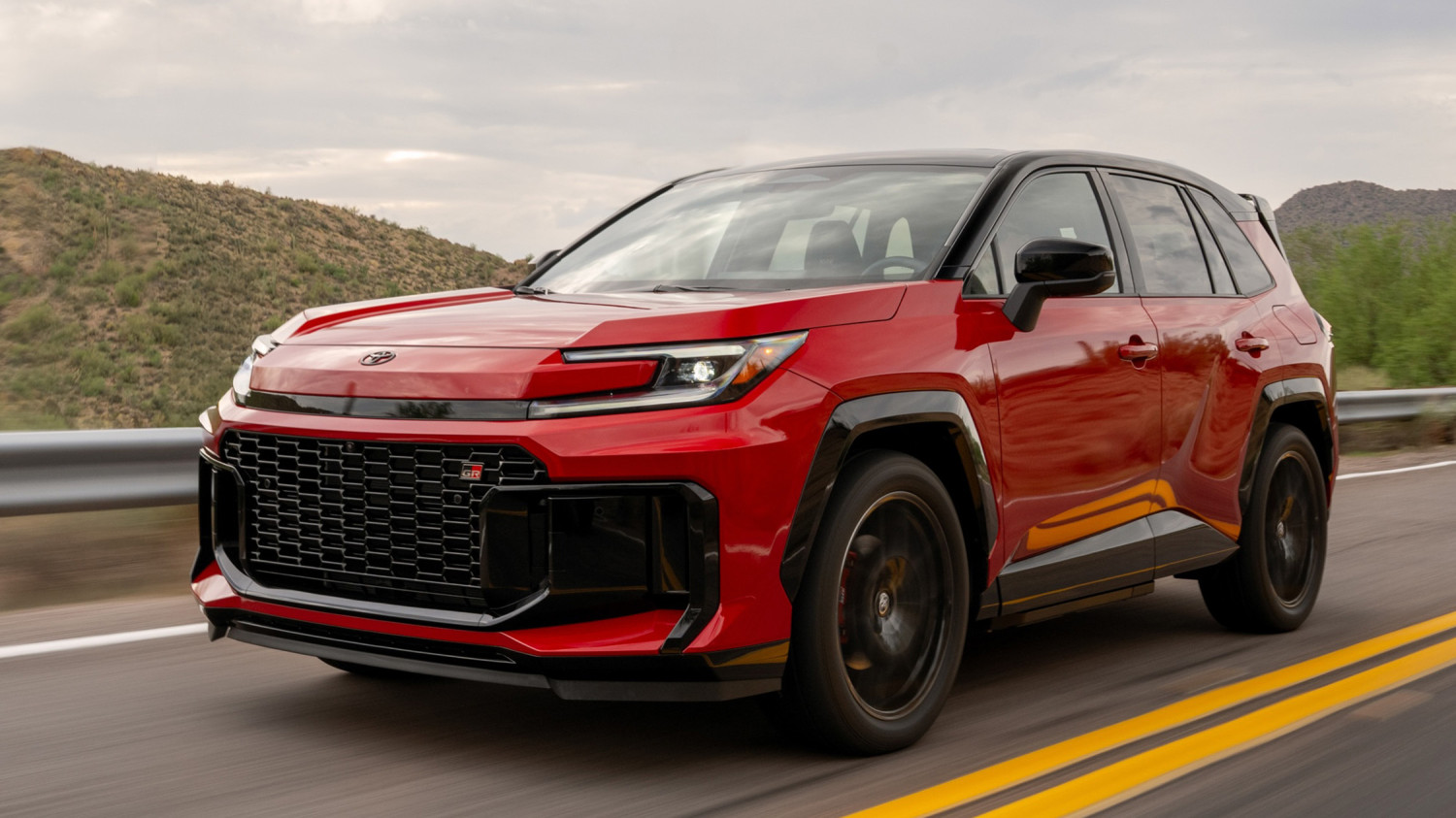



















Toyota says new RAV4 retains the fewest physical buttons possible inside. Customer feedback could bring climate and comfort controls back later. Even Chinese buyers are reportedly asking for more physical switches. Automakers have spent the last 15 years replacing buttons with touchscreens, often insisting it’s what customers want. Toyota just admitted the new RAV4 may have pushed that idea as far as it could, and it isn’t ruling out a partial retreat if owners aren’t happy. The redesigned RAV4 still features a handful of physical controls, including a volume knob, air temperature buttons, drive mode shortcuts, and a few other frequently used functions. But several controls that previously had dedicated switches now live inside the central touchscreen, including fan speed, air distribution, and seat heating settings. Related: A 50-Button Mazda Lost A Screen Distraction Test To A Four-Button Tesla Toyota originally planned to go even further, though, RAV4 chief engineer Yoshinori Futonagane told Australia’s Drive. “I see there’s so much stuff going on the screens at the moment,” Futonagane said. “What’s the minimum we can get away with using physical switches? Because we were trying to push more onto the screen.” Listening To Feedback But Toyota doesn’t appear entirely convinced it got the balance right. Futonagane revealed the company is closely tracking owner feedback and evaluating whether some controls should return to physical buttons in future updates. “If necessary, yes, we will,” he said when asked whether Toyota would consider bringing back more switches. Perhaps the most surprising revelation concerns China. Conventional wisdom suggests Chinese buyers are among the strongest supporters of large touchscreen interfaces, helping inspire many of the screen-heavy interiors now appearing around the world. According to Futonagane, however, customer preferences are shifting. Already Moving Back To Buttons “They didn’t want it,” he said of Chinese drivers’ reactions to Toyotas with screen-focused functionality. “They wanted knobs and switches,” he told Drive, adding that Toyota has already been moving back toward physical controls in some other vehicles. While climate functions were thrown onto the screen of the latest RAV4, drive mode controls remain prominently displayed as physical buttons. Futonagane explained that Toyota wants owners to engage with different driving settings and enjoy the SUV experience. Yet later in the discussion, he acknowledged he sometimes wonders whether customers use those modes very often at all. We suspect they don’t. The debate over screens versus buttons isn’t going away anytime soon. Some automakers continue to insist infotainment touchscreens are the safer solution, while others, like VW, are quietly bringing back physical controls. Toyota’s willingness to reconsider suggests the industry may not have reached a final answer just yet. What’s your view? Toyota