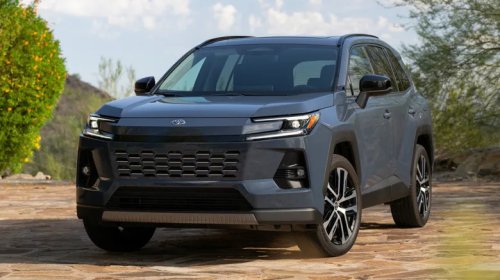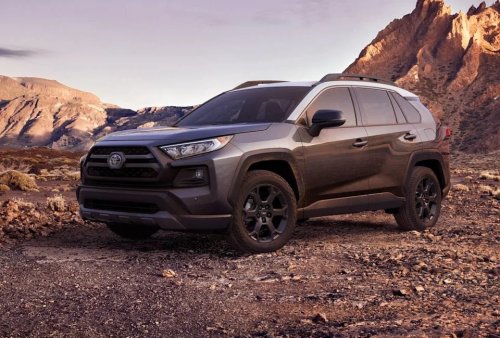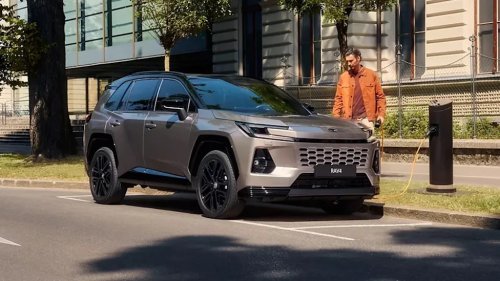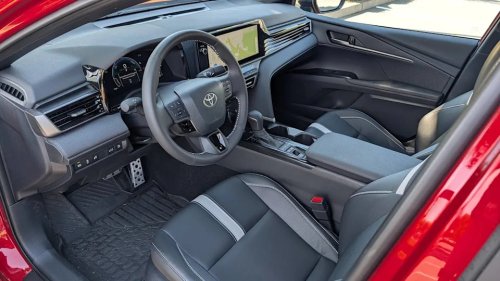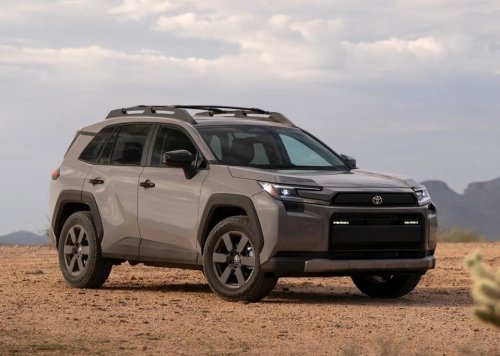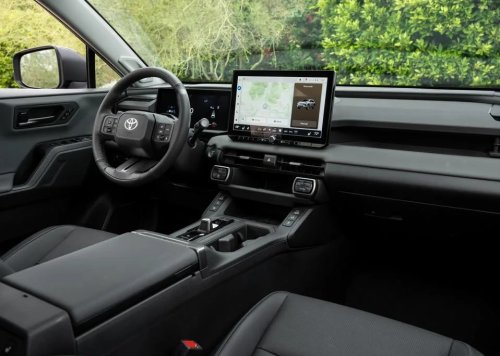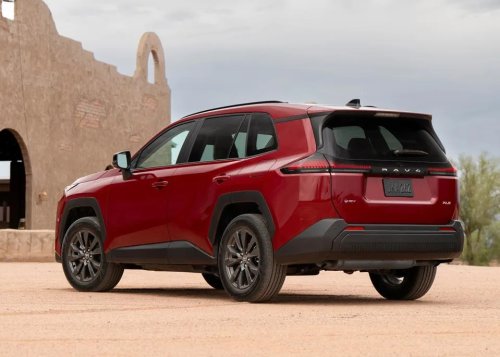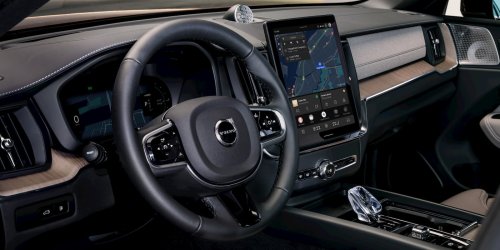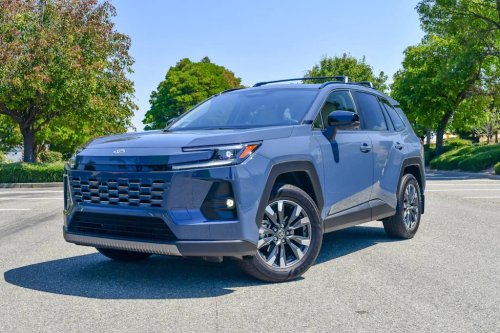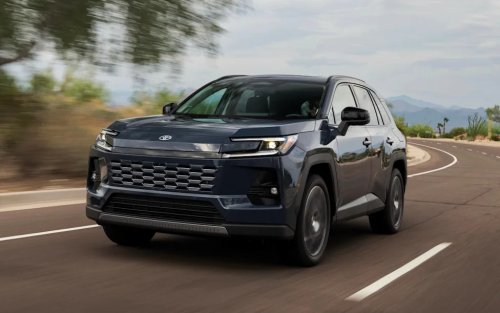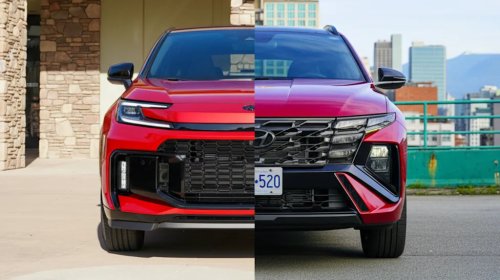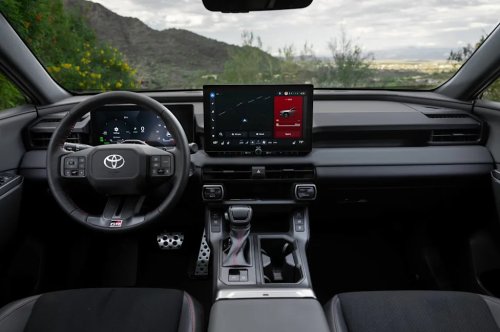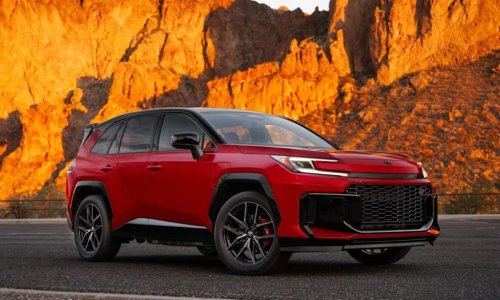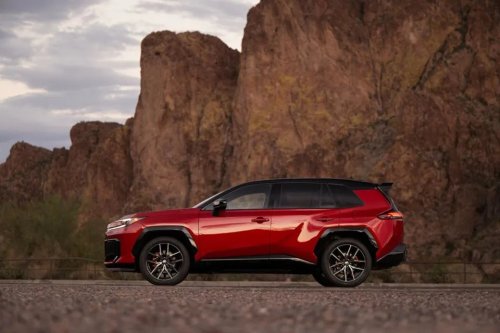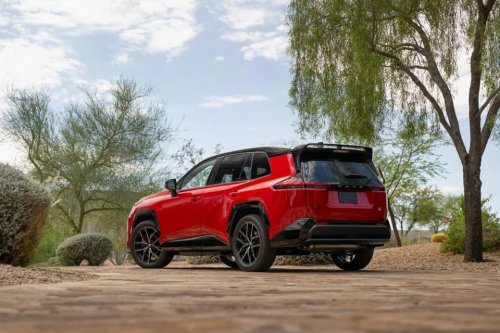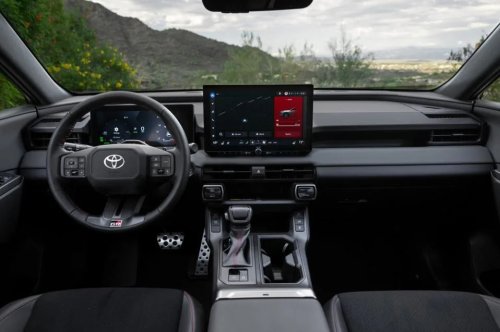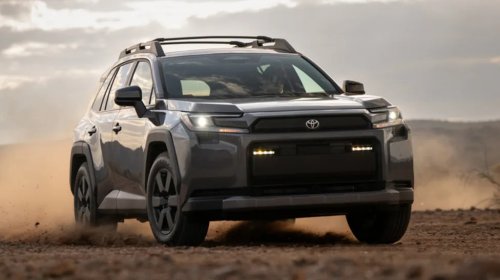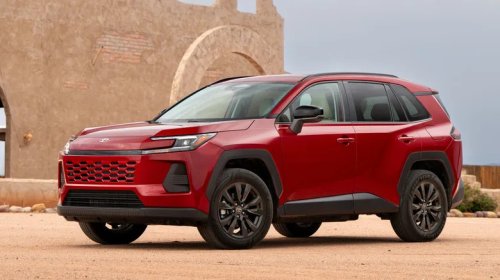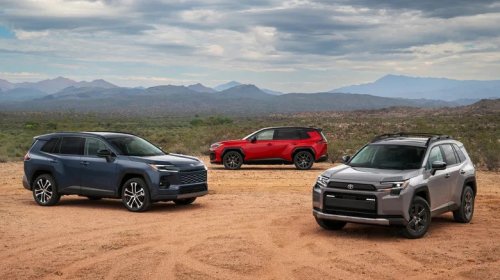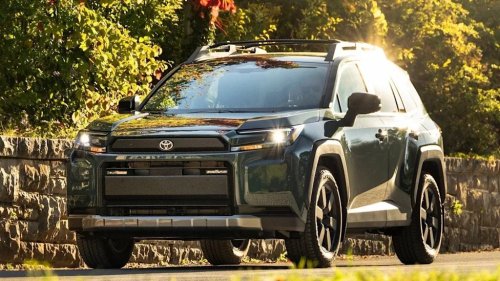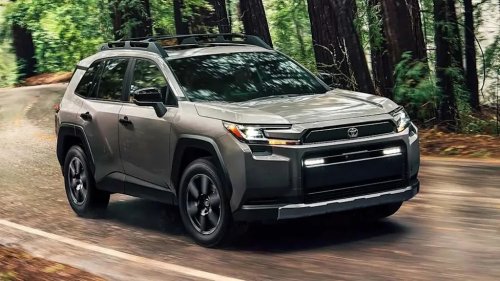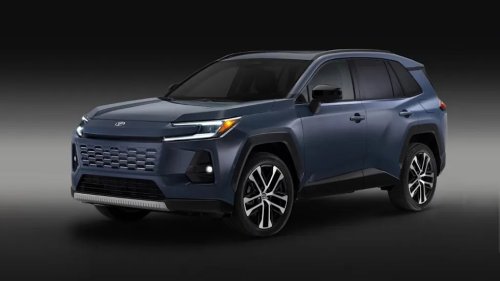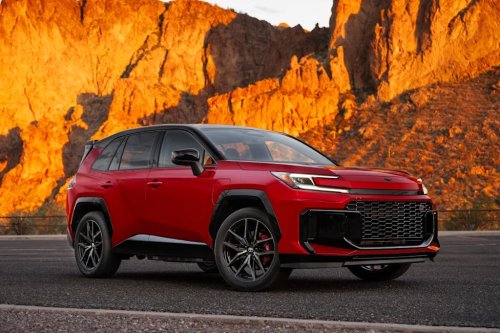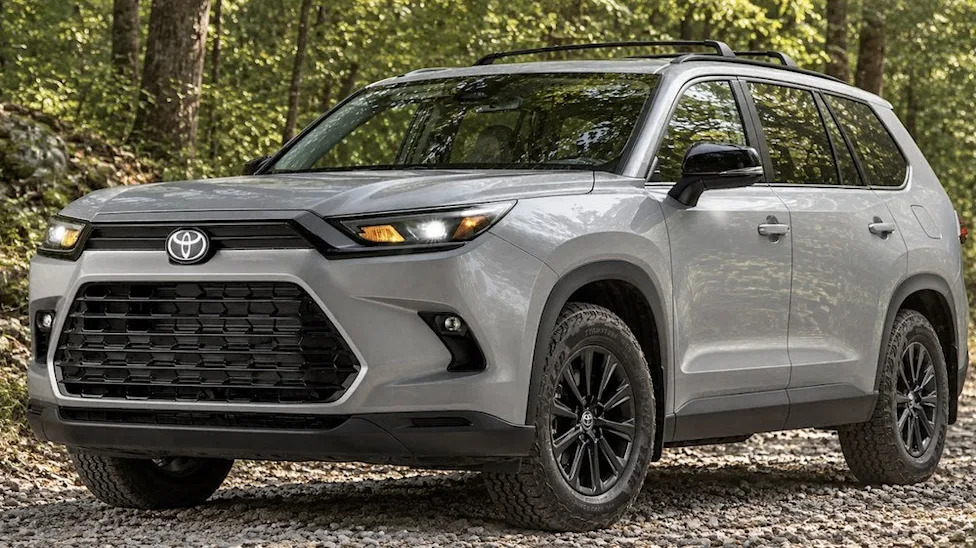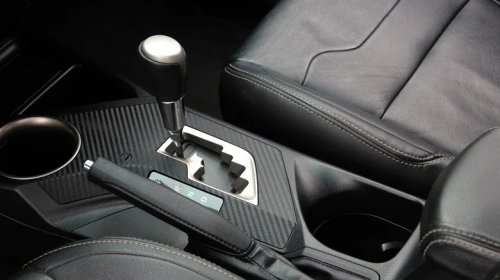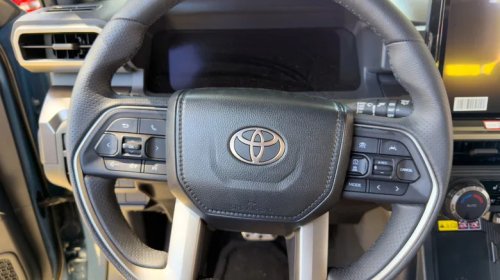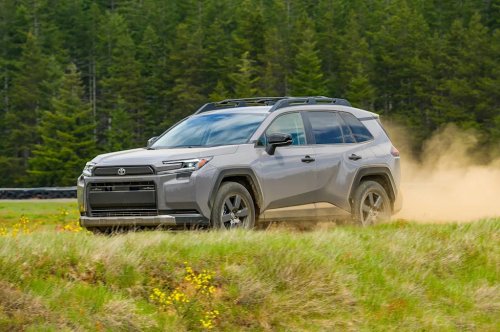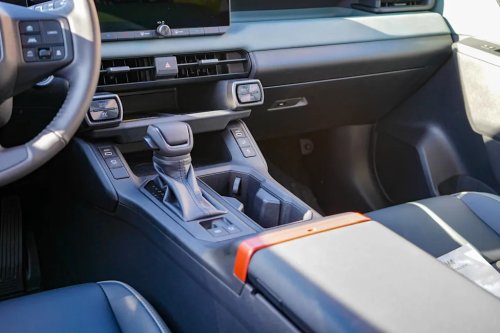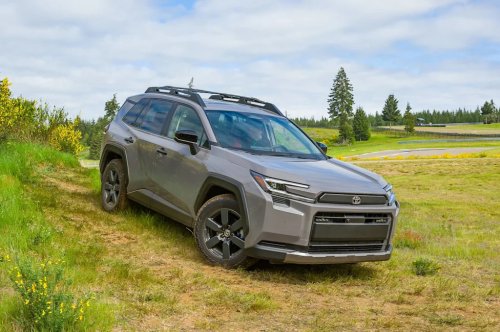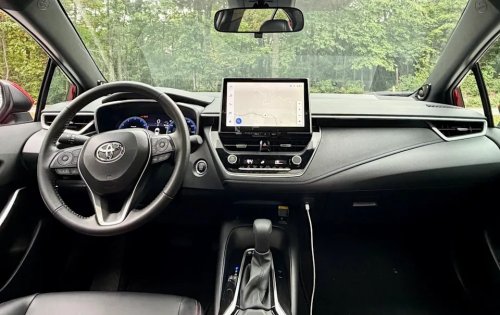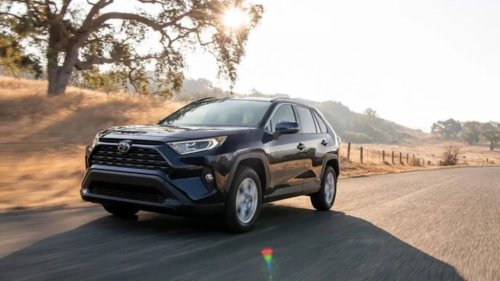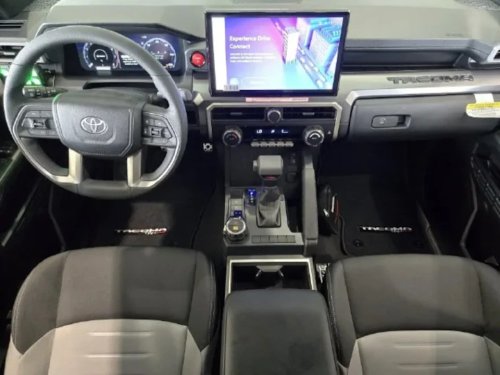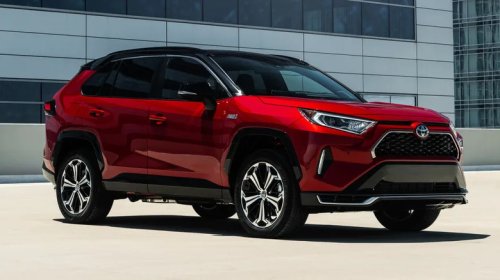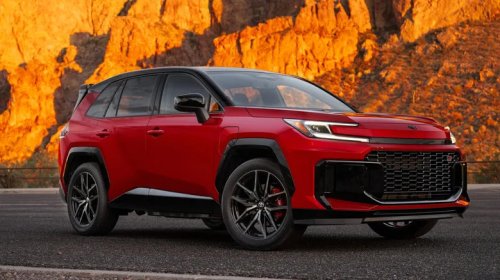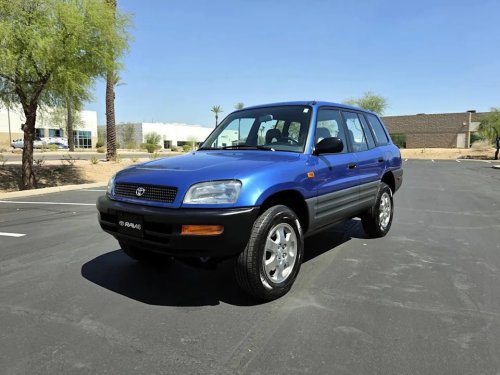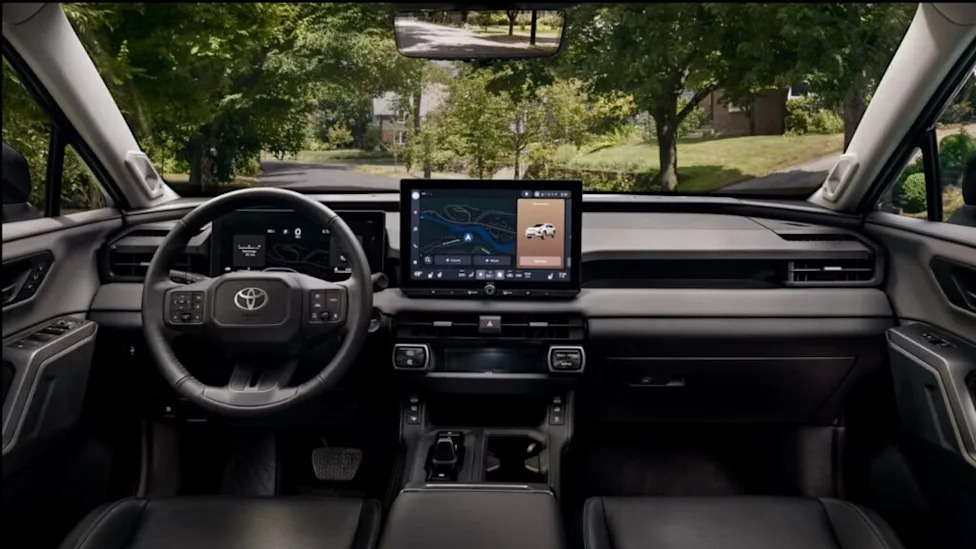



















There has been some chatter lately in the car world about using buttons or physical controls instead of screens to operate features like air conditioning and fan speed, mainly because of the dangers involved. Now, Toyota has heard those voices.As a result, it is keeping the option of bringing back buttons it deleted from the dashboard for those who realized they could be spending more time looking at the screen to set the fan speed while driving than they really should.In the pursuit of modernism, some elements may have been overdone, like the screen, which perhaps should have been left alone after automakers initially added it for infotainment and navigation. But then they thought of removing the functions that the buttons and knobs performed, and gave those functions to the screen.AdvertisementAdvertisementNow though, several manufacturers, such as Volkswagen, Hyundai, and Mercedes-Benz, have gone back to having physical controls in select models after realizing that maybe relying on screens to toggle in-cabin functions may not have been a very bright idea.Image Credit: ToyotaToyota Is Open to Having Buttons AgainToyota has also included itself in that group, in a subtle way, by admitting it could bring back physical controls for certain functions on its best-selling model in America, the RAV4, particularly the sixth-generation model.RAV4's chief engineer, Yoshinori Futonagane, revealed in an interview with Drive that the automaker was studying customer feedback on the SUV's new cabin after moving fan speed, air direction, recirculating air, heated/ventilated seats, and other key functions into the touchscreen.AdvertisementAdvertisementFutonagane admitted that the decision to move controls to the screen triggered a "drama" within Toyota. He said:"I see there's so much stuff going on the screens at the moment, and that was specifically the issue, which is, what's the minimum we can get away with [using] physical switches? Because we were trying to push more onto the screen."What you're looking at is what we thought was the minimum."It was not easy, to be honest. We went through a lot of drama trying to work out which of the things that we should have as physical switches, and which we can put onto the screen."He is now witnessing a shift in trends. Even Chinese customers, who once preferred screens over buttons, have been demanding physical controls in their cars. Futonagane explained:AdvertisementAdvertisement"It's a really regional preference thing, and I don't know if this is where you're coming from, but in China, we tried to put the stuff on the screen."They didn't want it. They wanted knobs and switches. We're reverting to the physical switches [in other cars]."He added:"We are reading surveys avidly to try to see what the consumer response is, and it's an open item at the moment, back at home is, okay, are we going to have to reinstate physical switches for some things? That's an ongoing project."Asked whether Toyota would revert the functions added to the touchscreens back to buttons, Futonagane said:"If necessary, yes, we will."