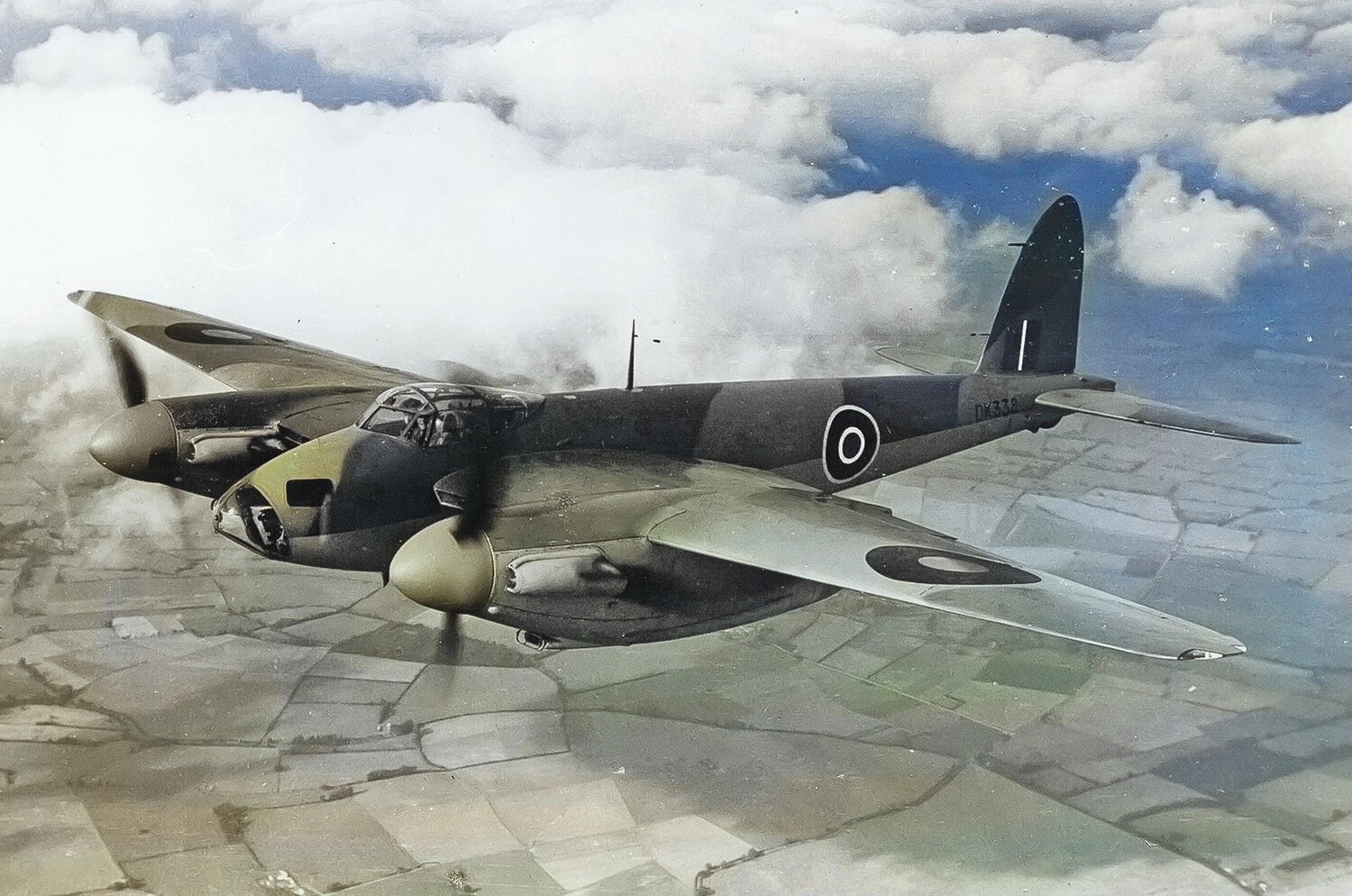
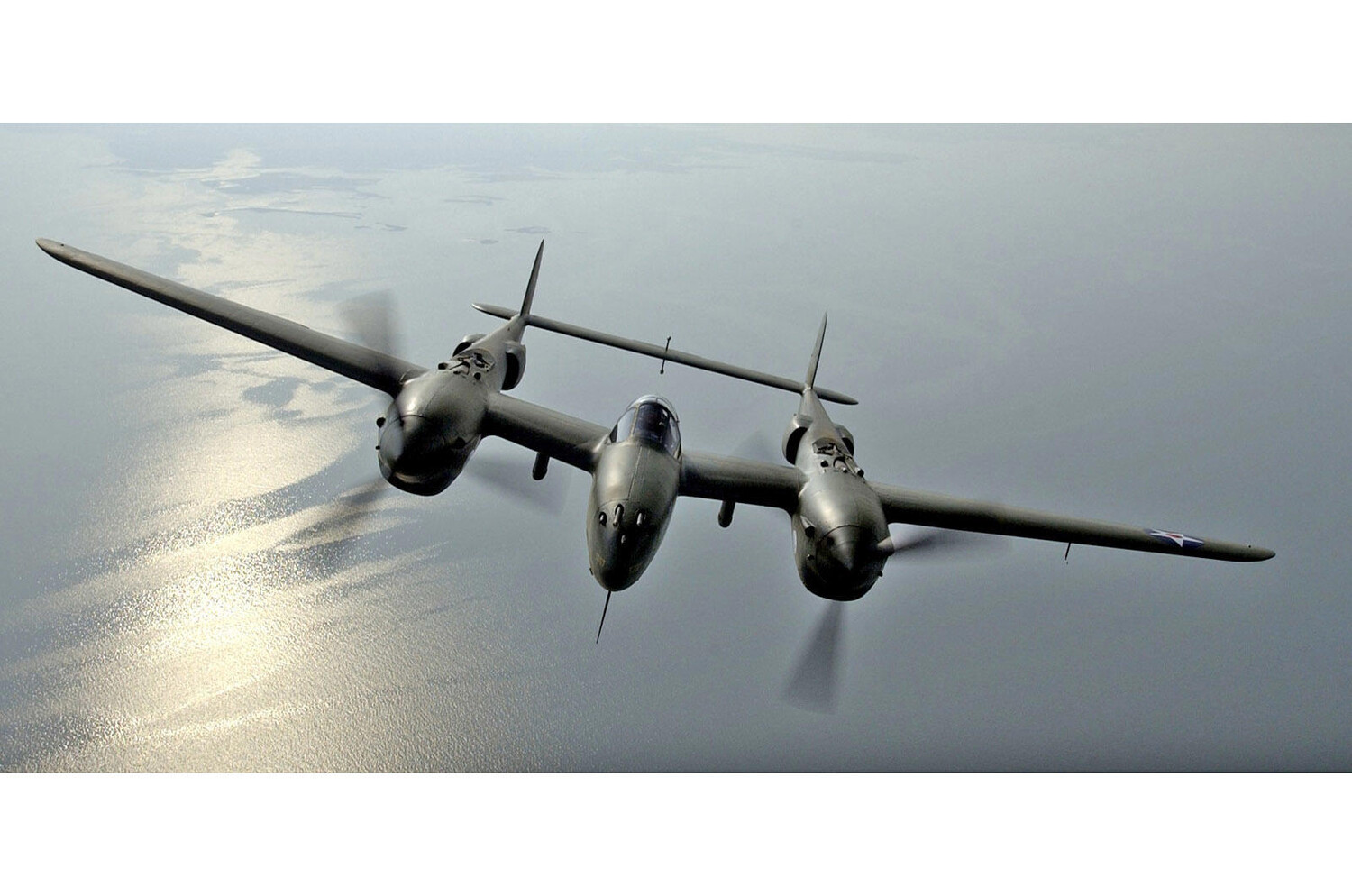
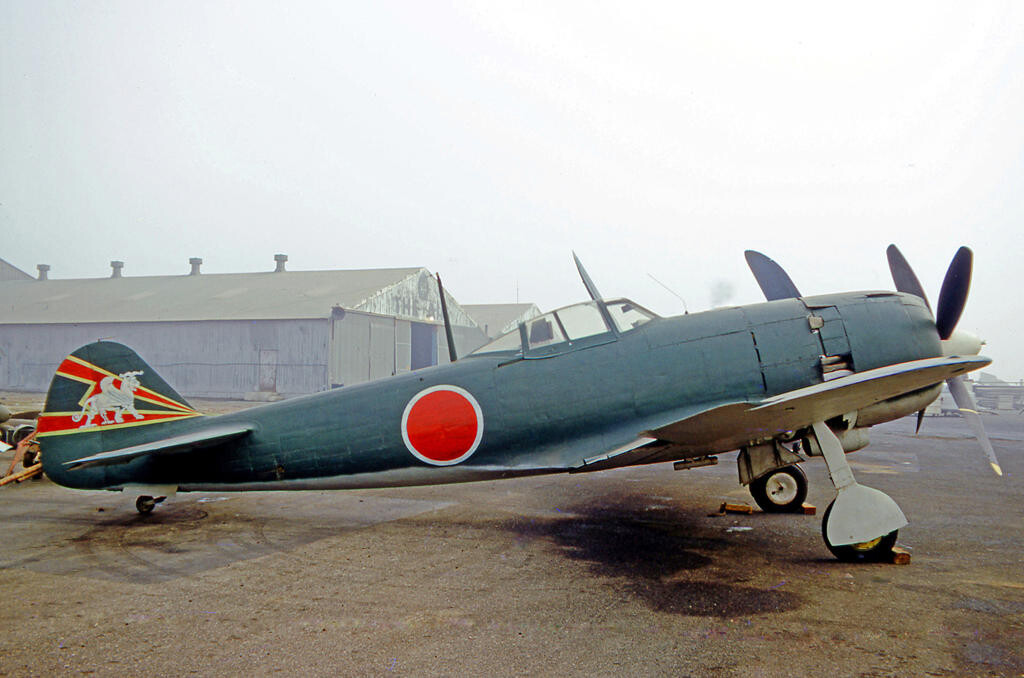
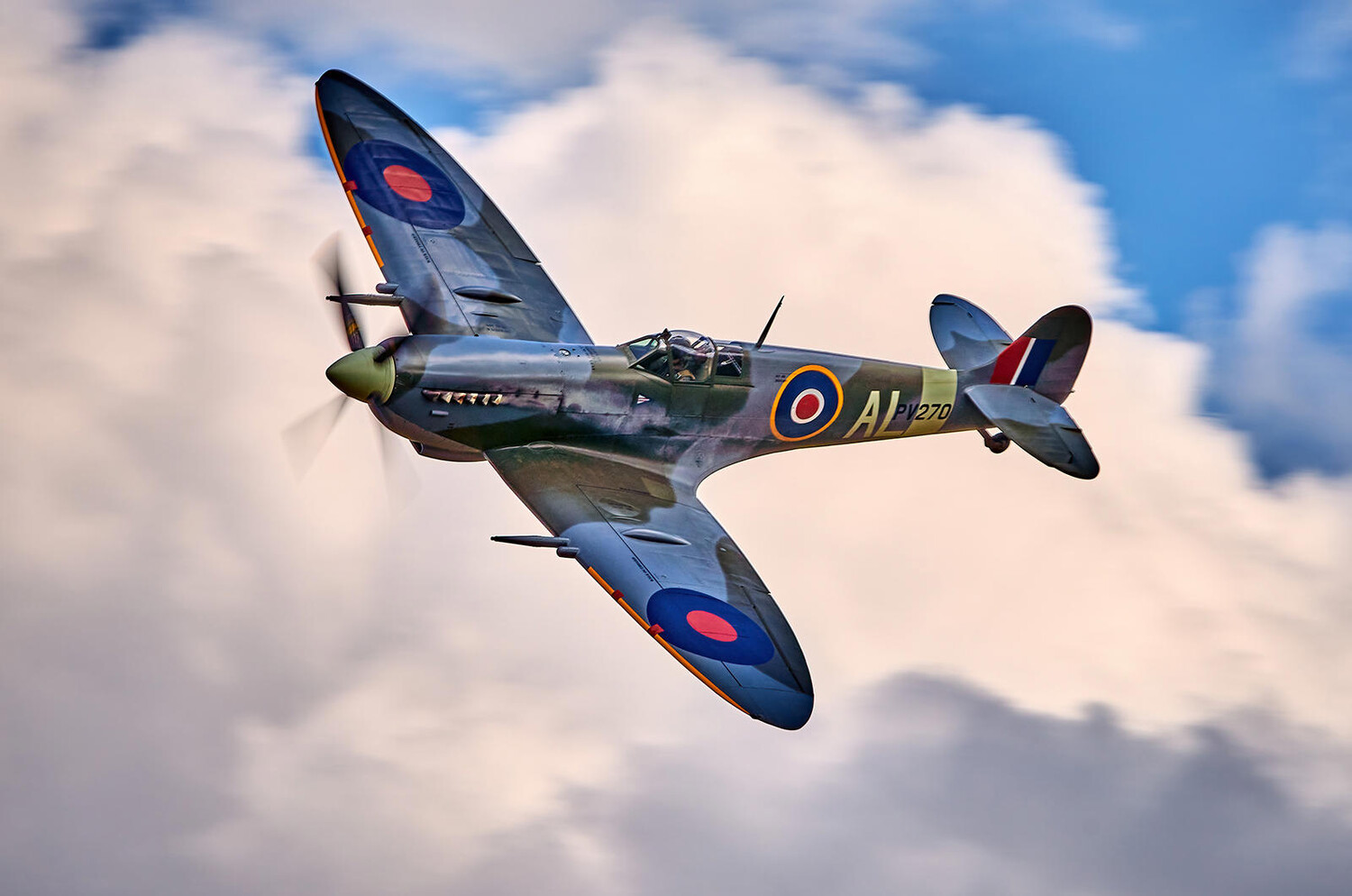
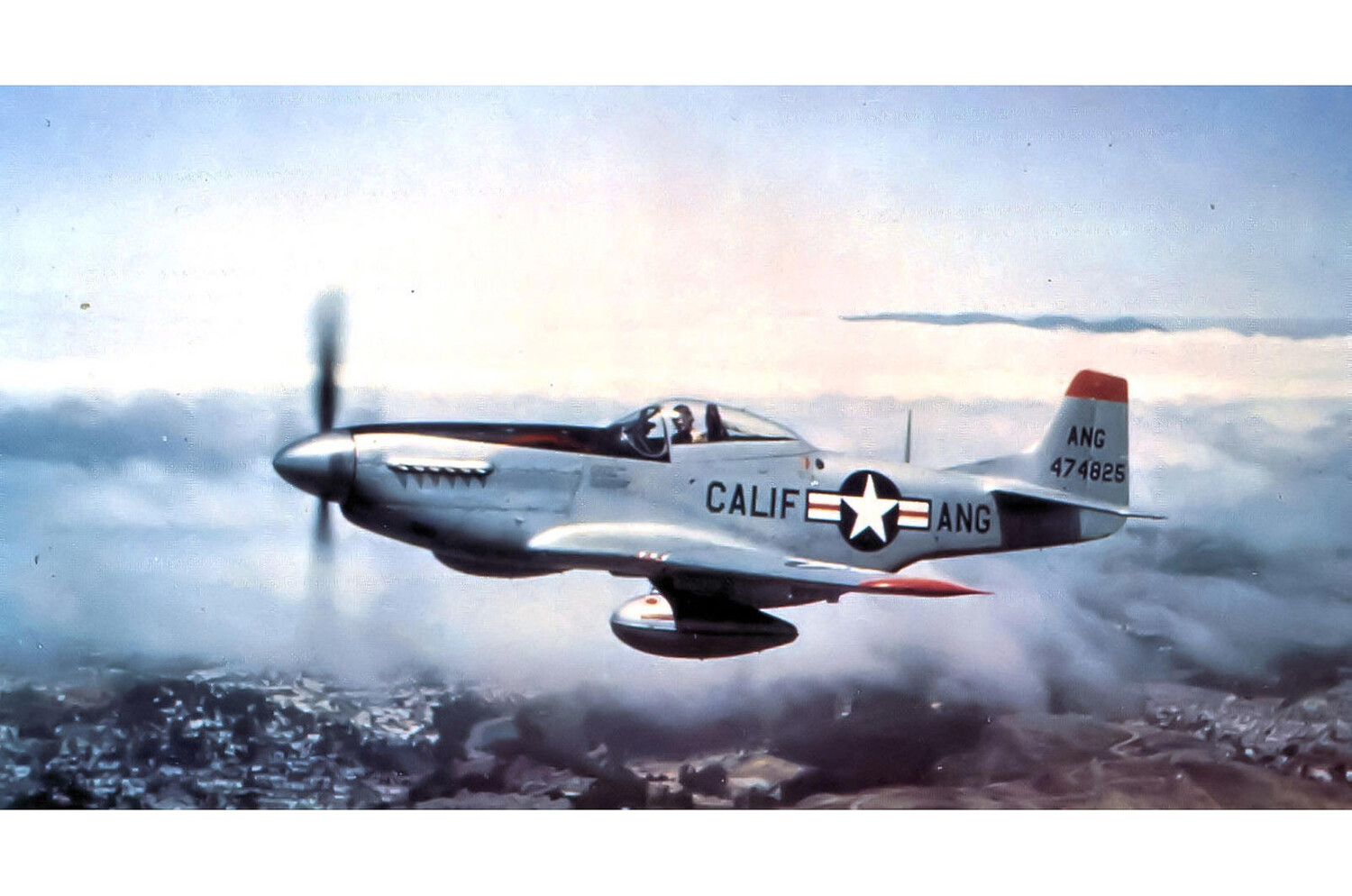
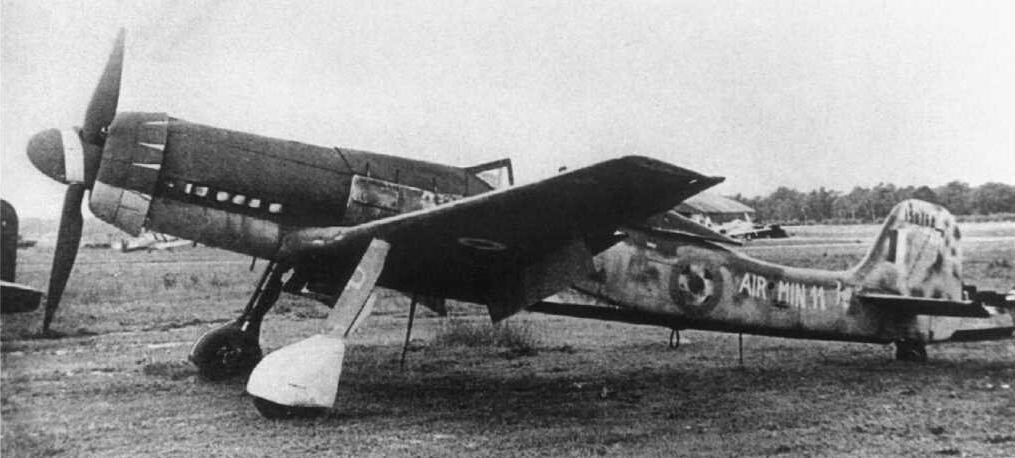
We recently shared with you the top 10 fighters at low altitude, but now we shove the throttle wide open, pull back firmly on the stick, and feel the aircraft surge upward as we tackle combat at high altitude.Fighting at high altitude is tough. First, there’s the cold, threatening pilots with hypothermia or worse, and freezing guns. Then there is the ‘thin air’. The air is less dense, leaving both pilots and engines gasping for oxygen. The thin air also makes wings less efficient, but fitting a massive wing would create more drag, impairing almost every other performance metric.These fighters overcame this seemingly impossible balancing act of compromises. We have ranked these by a combination of effectiveness and combat impact. When specially designed enemy bombers and recce aircraft were overflying with impunity, these challenges (and more) had to be overcome, resulting in the following 10 brilliant fighters, machines that could not just survive in this hostile environment, but fight and win.10: de Havilland MosquitoIn the summer of 1942, the Junkers Ju 86P high-altitude reconnaissance bomber flew several sorties over Britain. Although its bomb load was small, they overflew some sensitive areas, and an attempt to intercept it with a Spitfire was not successful. The Royal Air Force urgently needed to counter this new threat.In response, de Havilland took the prototype Mosquito and converted it into a high-altitude fighter. The span was increased from 54ft 2in (16.5 metres) to 59ft (18.0 metres). From the start of the conversion to first flight was just seven days. A low-pressure cabin was used, and some armour plating and fuel tanks were removed, making the HA Mk XV 2300lb (1045 kg) lighter than a standard Mk II.On 15 Sep, an altitude of 43,000ft (13,106 metres) was attained, some 5000ft (1524 kg) above the already high-achieving B Mk XVI. This was further evidence of the superb design of the Mosquito (the most versatile British combat aircraft of the war) and its astonishing capacity for improvement.It is worth noting that Vickers-Supermarine and Westland both produced specialist high-altitude interceptors: the Type 432 and the Welkin, respectively. The former had a service ceiling of 38,000 ft (11,582 metres). The latter had a ceiling of 44,000ft (13,411 metres), and only 77 complete airframes were built. Arguably, the time and effort expended on these types could have been better expended on improvements to the Spitfire’s range and the Whirlwind overall. The Mosquito is ranked so low not due to any lack of capability, but a failure to fully exploit it in this role.9: Lockheed P-38 LightningThe rather beautiful Lockheed P-38 Lightning retained performance well at high altitudes largely due to its twin turbo-supercharged engines. These maintained power in thin air where other engines struggled. The P-38 wasn’t originally designed as a pure high-altitude specialist, but it could operate effectively up high when escorting bombers, chasing reconnaissance aircraft, and covering long-range missions over the Pacific and Europe.However, despite having a decent amount of power at height, it was not perfect. Compressibility effects in high-speed dives (where airflow began to behave unpredictably as aircraft approached near-sonic speeds) created serious handling difficulties, and pilots often reported increasingly heavy controls as altitude rose and air density decreased. While turbocharging preserved engine output, aerodynamic development lagged behind later wartime designs, limiting sustained combat agility in comparison with more refined single-engined high-altitude fighters.Despite its strengths, the P-38 was eventually surpassed as a dedicated high-altitude fighter. The P-51 Mustang offered superior range and manoeuvrability, while late-war German jets entirely surpassed piston-engined performance (with half as many engines, the P-51 was far cheaper to maintain and operate). The P-38 was also inferior to the P-51 in roll rate, with higher high-speed control forces, and less responsive handling in dives and tight manoeuvres.In operational terms, the P-38 excelled where endurance, range, and altitude were critical, particularly across the vast distances of the Pacific theatre. Its complexity and limitations in compressibility, however, prevented it from achieving clear supremacy over later designs. It was feared by Japanese pilots and is mentioned in at least one Japanese pilot memoir as a formidable aircraft.8: Mitsubishi J2M Raiden (‘Jack’)Known by the Allies as ‘Jack’, its actual name, Raiden, translates as ‘Thunderbolt’. The Mitsubishi J2M Raiden was a point defence interceptor designed to counter the threat of high-flying B-29 bombers, which were able to bomb the Japanese main islands at will.The Americans were not noted for acknowledging the capability of their enemies, but the American Tactical Air Intelligence Unit (ATAIU) noted its strong climbing performance and controllability, qualities that made it a potentially effective counter to the B-29. With a maximum speed of 417 mph (671 km/h) at 16,600 ft (5060 metres), a service ceiling of around 38,000 ft (11,582 metres), and a maximum climb rate of around 4,000 ft/minute (1219 metres/minute), the J2M3 was certainly a high-altitude fighter to be reckoned with.The first production version was the J2M2 (Model 11) with a 1820 hp Kasei 23a engine, which entered production in late 1942. The J2M3 was the most important version, with a four-cannon armament, and production began in late 1943. The final production version was the J2M5, armed with four 20 mm cannons and powered by the 1820 hp Kasei 26a engine.Deployed largely in the defence of Japan itself, the Mitsubishi J2M Raiden was arguably the Imperial Japanese Navy’s most effective high-altitude interceptor by the end of the war, combining strong climb performance with heavy armament ideally suited to tackling B-29s. However, its impact was blunted by persistent reliability issues, limited pilot familiarity, and the disruption of production by bombing, with only 621 aircraft (all variants) completed.7: Nakajima Ki-84 Hayate (‘Frank’)Although much time and effort was expended by many nations on the development of high altitude fighters, only one nation, Japan, defended itself against a sustained large scale high altitude assault. In its fight against the Superfortresses at 30,000ft (9144 metres) or more, its finest weapon was likely the Ki-84.Nakajima’s own Homare 18-cylinder engine, which delivered 2040hp when it was working properly (which was far from guaranteed in 1944-45), conferred a 38,000ft (11,582 metres) service ceiling upon the Ki-84, well above B-29 operating altitude. The Ki-84 possessed excellent manoeuvrability and climb rate, and was powerfully armed with two 20mm cannon and two 12.7mm machine guns.7: Nakajima Ki-84 HayateOn 20 August 1944, the Ki-84 achieved its first success against the B-29 when two were shot down over Yawata. Top Ki-84 exponent against B-29s was 38-kill ace Isamu “Skilled” Sasaki who shot down six Superfortresses, including three in one night when he attacked bombers silhouetted against the burning city.Unfortunately for Japan, its radar was short-ranged and B-29s were able to approach in a shallow dive at very high speed, allowing for a brief interception window. This, combined with poor quality fuel supplies and inadequately trained aircrew resulted in the Ki-84 never achieving its true potential. The Ki-83 may have been even more impressive, but arrived too late.6: Messerschmitt Bf 109By 1944–45, Germany faced massive bombing raids at higher altitudes than before. The Messerschmitt Bf 109 K-4 entered service in late 1944, and its speed (up to 440 mph (710 km/h) in ideal conditions) made it one of the fastest German piston interceptors available. It was intended to counter Allied bombers and P-51 Mustang escorts. The K-4 had a powerful DB 605D engine, improved aerodynamics, and heavy armament, including a 30 mm MK 108 cannon.A key factor in its high-altitude performance was MW 50 and GM-1 boost systems. MW 50 improved low-to-medium altitude power by charge cooling, while GM-1 injected nitrous oxide to restore oxygen at height. GM-1-equipped G and K variants were important for true high-altitude interception, though supplies were limited and not always fitted in practice.The Bf 109K refined the G airframe with smoother surfaces, reduced protrusions, and tighter engine installation, lowering parasitic drag. Combined with high wing loading, this favoured speed and climb at altitude over low-speed handling. Its climb rate was among the best of late-war piston fighters, aiding rapid interception.The G-6/AS through K-4 represented the peak of Bf 109 high-altitude interception capability, but production was limited, and relatively few K-4s were built compared to earlier G-series variants. As a result, they were increasingly overwhelmed by Allied numbers and escort coverage.5: Republic P-47 ThunderboltThe Republic P-47 Thunderbolt is big in all ways: Big fuselage, big engine, big propeller, big wing, and enough ducting to air condition a 4-bedroom house. But also, big in numbers – 15,682 aircraft were delivered between March 1942 and VJ Day.The design of the aircraft was informed by air combat experience in Europe, leading to a decision to use a turbo-supercharger to deliver high power, sustained to high altitudes. This, in turn, led to a large, heavy aircraft with a fuselage packaging dominated by the enormous powerplant and supercharger system.The aircraft was powered by the Pratt and Whitney R2800 18-cylinder radial engine, with, in the P-47N, a turbo-supercharger delivering a war emergency rating of 2800hp at 32,500 ft (9906 metres). The turbocharger was located more than 22 ft (6.7 metres) aft of the engine, connected by ducts carrying exhaust air to drive it, an inlet duct providing air for supercharging, and for an intercooler, to cool the charge on its way back to the engine.The resulting performance included (for the P-47N) a max speed at 30,000 ft (9144 metres) of 426 mph (686 km/h) and climb to 30,000 ft in 11 minutes. Experience in Europe showed the P-47 to be excellent at higher altitudes. This was ably demonstrated during the escort of B-29 bombers attacking Japan, where it proved extremely effective. In absolute performance, if not significance in the war, the P-47N was likely the ultimate Allied piston-engined aircraft of the war at high altitude, though the Spitfire achieved a higher number of recorded kills. 4: Supermarine SpitfireThe Spitfire appears with near-inevitable regularity in most “best of” Second World War aircraft lists, yet this is not mere nostalgia. As a high-altitude interceptor, it proved highly capable in the thin air where many fighters struggled, demonstrating exceptional ceiling performance and combat effectiveness in specialised interception roles.On 24 August 1942, a modified Spitfire Vc climbed to 42,000ft (12,802 metres) and shot down a Ju 86P-2 reconnaissance aircraft that had hitherto been immune from interception. The Spitfire was locally modified at Aboukir maintenance depot in Egypt specifically for this mission and two more Ju 86s were subsequently destroyed but the first remained the highest known "kill" of the entire war.Modifications to this Spitfire focused on weight reduction; all non-essential equipment was removed, and armament was reduced to two 50-calibre Brownings. The compression of the Merlin 46 engine was increased, and a four-blade propeller was fitted, along with locally fabricated extended wingtips.Later, factory-produced high-altitude Spitfire VIs featured pressurised cockpits, extended wingtips, and the high-altitude-optimised Merlin 47, but it proved inferior to the Aboukir Spitfire. However, the Merlin 61 incorporated a two-speed, two-stage supercharger and was fitted to the mass-produced Spitfire IX, allowing a lightened IX to damage a Ju-86R over Portsmouth above 40,000ft (12,192 metres) in September 1942.3: North American P-51 MustangIf not the absolute best high-altitude fighter in absolute performance, the P-51 is certainly the most important and significant in this role, and it was definitely no slouch. It was one of the highest-scoring Allied fighters in air-to-air combat, much of this achieved at high altitude during bomber escort missions over Germany.The P-51 proved dominant against the Luftwaffe at high altitude, where the air war over Europe was largely decided. Its high speed and strong performance in thin air allowed it to operate comfortably above 25,000ft (7620 metres), where it could challenge and often outmatch German interceptors while protecting bomber formations.A key to this success was the Packard-built Merlin engine, with its two-stage, two-speed supercharger, which allowed it to maintain effective power output well above 25,000ft. This gave reliable performance in thin air. Combined with its low-drag airframe, the Mustang could operate efficiently at altitude alongside high-flying bomber formations.This performance, paired with long range, allowed it to escort bombers for entire missions and engage interceptors on equal or superior terms. It significantly reduced losses, and its endurance, speed, and high-altitude capability were central to Allied air superiority late in the war.2: Focke-Wulf Ta 152HTop speed at high altitude is a double-edged sword. On the one hand, the thin air provides for low parasitic drag. On the other hand, this thin air also makes it harder to produce lift, so induced drag is higher. Finally, engine performance, and thus thrust, tends to decrease with altitude. So, the balance between these three speed-related aspects is not necessarily any better than at lower altitudes. However, with the right aircraft design, very high speeds can be achieved at high altitudes. The Focke-Wulf Ta 152H was just such an aircraft.This design, a derivative of the infamous Fw 190 fighter, was developed as an advanced bomber interceptor. It had upgrades specifically targeted at improving the high-altitude performance to counter a looming threat of Allied B-29s over Germany. The first upgrade was a high aspect ratio wing to reduce the induced drag. It had almost 40% more wingspan than an Fw 190.This decreased roll performance, but that is not a critical factor when attacking heavy bombers. Secondly, the aircraft had an upgraded Junkers Jumo 213E with both MW-50 water/methanol injection at low altitudes and GM-1 nitrous oxide injection at high altitudes (though it was in short supply). This allowed higher boost pressures, enabling the aircraft to accelerate to a maximum of 472 mph (760 km/h) at higher altitudes, over 30 mph (48 km/h) faster than the fastest Fw 190D.Unlike most other operational fighters of the time, the Ta 152H had a pressurised cockpit, which further enhanced its high-altitude combat capabilities. Its primary adversary, the B-29, never showed up in Europe during the war. The lower operational altitudes of the previous bombers could be countered with the existing fighters, and the Ta 152H became something of a weapon without a mission. Because of this, and the declining production during the later stages of the war, only 69 were built. The utterly distinctive Ta 152H was the ultimate German high-altitude piston-engined fighter of the war.1: Messerschmitt Me 262The Messerschmitt Me 262 is widely regarded as the best high-altitude fighter of the Second World War, thanks to its revolutionary jet propulsion, which delivered astonishing performance at altitude. Unlike piston-engined aircraft, which topped at around 450mph (724 km/h), the Me 262’s twin turbojet engines allowed it to reach speeds around 100mph (160 km/h) faster, giving it a decisive advantage in altitude interception.With a service ceiling of around 37,500 feet (11,430 metres), it could comfortably operate where many Allied fighters began to lose performance. At altitudes above 30,000 feet, the Me 262 remained fast and surprisingly agile for a jet of its time, maintaining stable handling and control where propeller-driven aircraft struggled with reduced air density.