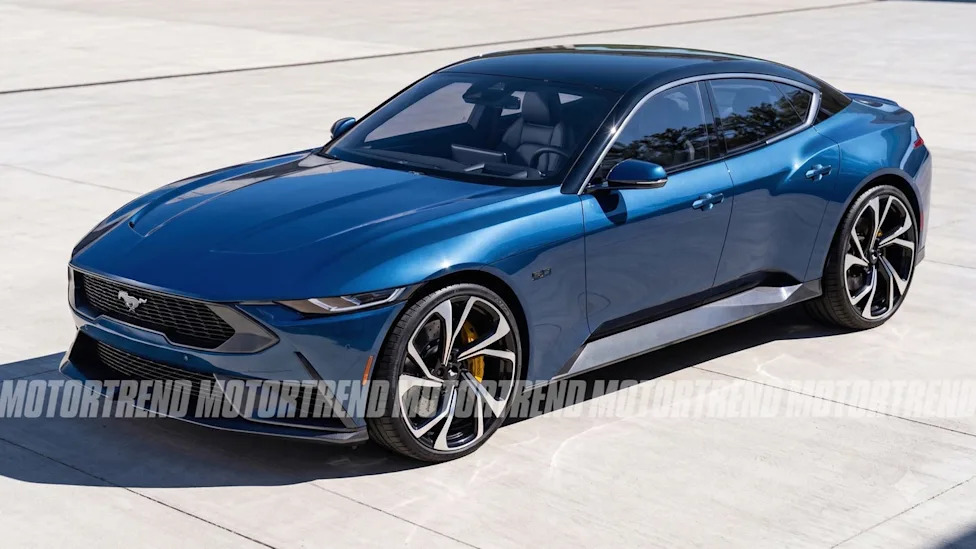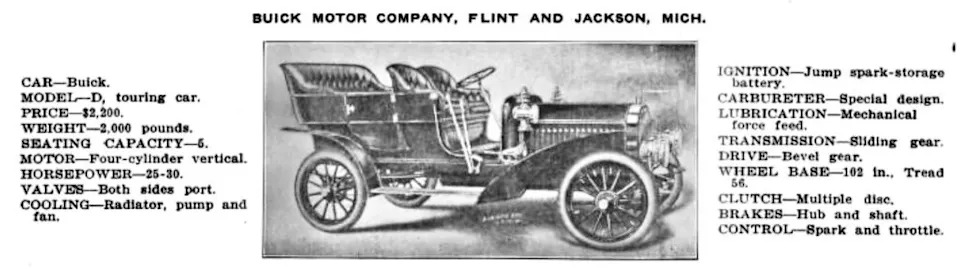
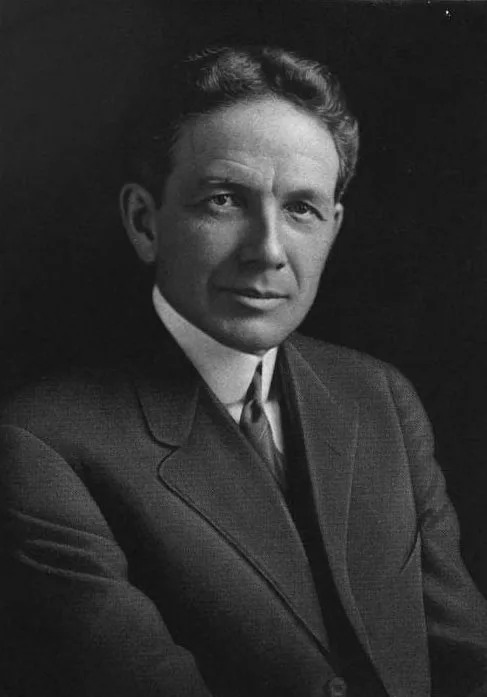


















Today in Automotive History: GM Was Founded on September 16, 1908 — On a Bet Henry Ford Refused to CopyThe Auto WireEve NowellWed, September 16, 2026 at 2:50 PM UTCAdd us on GoogleOn September 16, 1908, a Flint carriage salesman who once called automobiles "noisy, smelly, and dangerous" filed incorporation papers in New Jersey and spent $2,000 to create the General Motors Company. William Crapo Durant already ran Buick. By the time he was done buying, he controlled roughly two dozen more companies. The choice he made that day, building one company out of many brands instead of one car for everyone, is still the operating logic behind what you're allowed to buy from GM, and from most of the industry that copied him.What Actually Happened on September 16, 1908Durant filed General Motors as a holding company with Buick as its first asset. GM's own company history credits Buick's production that year, which had already passed Ford and Cadillac combined, with giving Durant the leverage to start buying. Olds Motor Works came next, acquired on November 12, 1908. Cadillac and Oakland, the brand that later became Pontiac, followed soon after. By the time the buying spree slowed, Durant had folded in thirteen automobile makers and ten parts-and-accessories companies, including brands like Ewing and Marquette that nobody remembers today because Durant's structure let him cut the ones that didn't sell.He was buying into chaos on purpose. Automobile manufacturing in 1908 was still a scattered, unproven business: dozens of small manufacturers competing for the same buyers, with production costs high and quality wildly inconsistent. Consolidation was Durant's bet against an industry that hadn't yet earned the public's trust.AdvertisementAdvertisementHenry Ford, building the Model T that same year, made the opposite bet: one car, one price, driven down every year through standardization. Durant bet that buyers wanted choice, a car priced for a carriage-trade income and a car priced for a machinist's paycheck, sold under different names from the same company.1908 Buick Model D advertisement from Buick Motor Company. Buick was Durant's own company and the first asset folded into General Motors. Motor Way Magazine, 1907 (public domain).Why the Founding MatteredBuying companies is not the same as running them. Durant financed the spree with debt and stock, and when sales slumped in 1910, GM's own bankers forced him out of the company he had built. He didn't stay gone. He partnered with race driver Louis Chevrolet, built Chevrolet into a company large enough to buy a controlling stake in GM, and retook the presidency in 1916. A second ouster followed in 1920. He never ran GM again, and he died in 1947 having lost most of what he'd made.What outlasted Durant was the idea, not the man. Alfred Sloan, who took over in the 1920s, turned Durant's grab-bag of brands into an org chart, a division for every income bracket, famously advertised in 1925 as "a car for every purse and purpose." By 1929, GM had passed Ford to become the country's top-selling automaker. It stayed the world's largest automaker until Toyota passed it in 2008.William Crapo Durant, circa 1916. The Flint carriage magnate incorporated General Motors for $2,000 and was forced out of it twice. History of Genesee County, Michigan (1916), public domain.How a 1908 Filing Still Shows Up in a 2026 ShowroomThe multi-brand, shared-platform structure Durant improvised is still GM's core operating logic. The next Camaro is reportedly landing on a platform it already shares with two Cadillac sedans, a cost-sharing move straight out of Durant's original playbook. Sloan's price-ladder idea outlived Sloan, too. Stellantis just told investors which of its fourteen brands get real investment and which get demoted to afterthoughts, the same tiered logic GM invented a century ago.AdvertisementAdvertisementDurant's other legacy is control of the sales channel. GM still dictates how its roughly 3,500 dealers sell used cars, recently forcing Chevrolet, Buick, and GMC stores onto its CarBravo platform for anything carrying a factory warranty. A company built by acquiring its way to scale eventually becomes a company regulators watch closely: the FTC barred GM and OnStar from selling driver data to insurers this year, after GM collected it from more than a million vehicles since 2016.Even the chaos Durant consolidated his way out of is repeating. Nikola collapsed into bankruptcy and had its assets picked up by Lucid at auction, a smaller-scale replay of the same shakeout Durant profited from in 1908, when struggling manufacturers got swallowed by the ones still standing. And the decisions that used to get made from a single office in Flint now get made at a global scale Durant never had: GM is directing suppliers to strip China-sourced parts out of its supply chain by 2027, a call only a company built at GM's size gets to make.Durant spent $2,000 to bet that Americans wanted choice, not one car for everyone. That bet is why a Chevrolet, a Buick, a GMC, and a Cadillac can share a factory, an engineer, and a parts bin while still being cross-shopped as different brands. Is that still serving buyers, or has badge engineering just become a more expensive way to sell the same car twice? Sound off in the comments.Join our Newsletter, follow our Instagram page, and connect with us on Facebook.