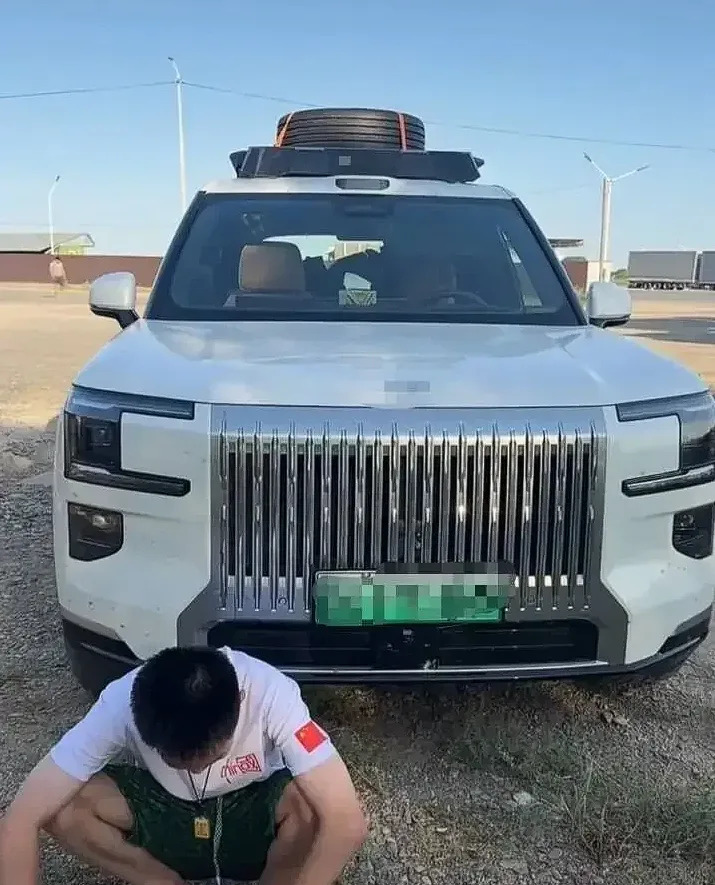
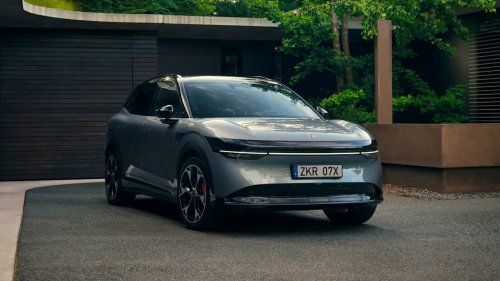
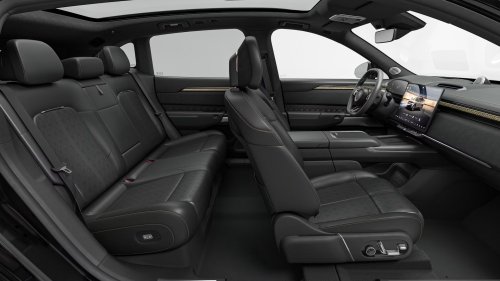
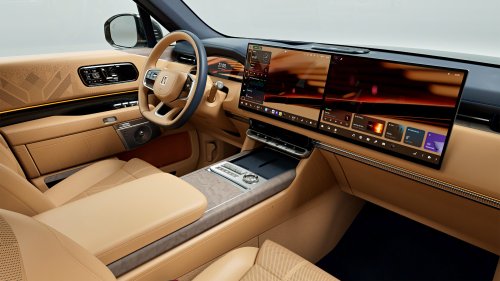
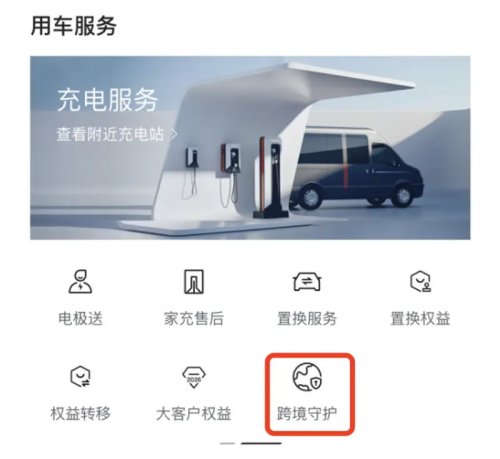
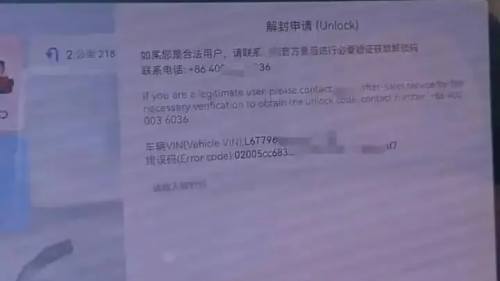
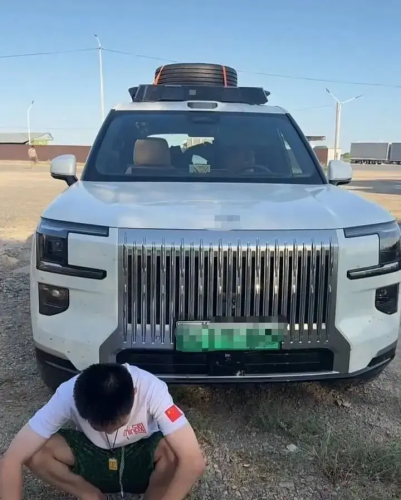
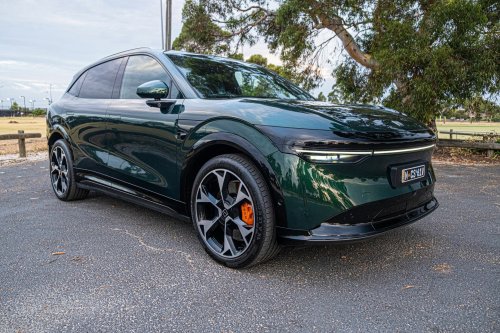
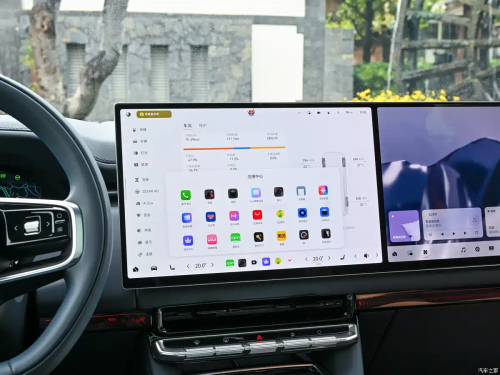
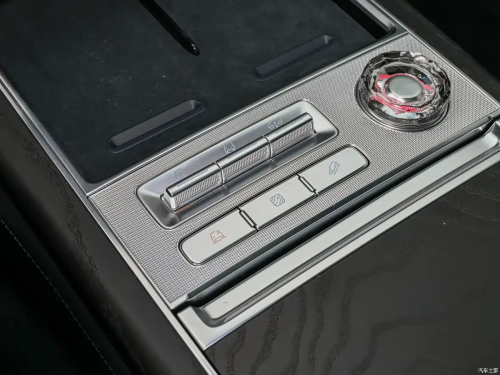
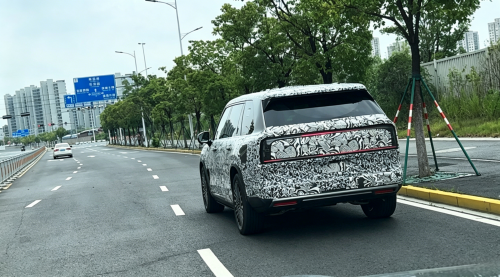
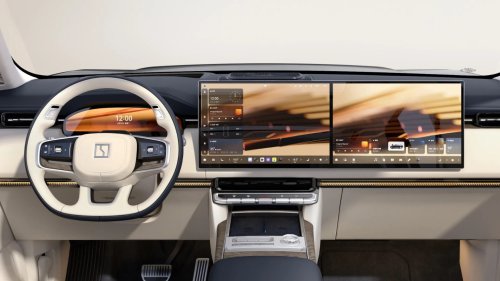
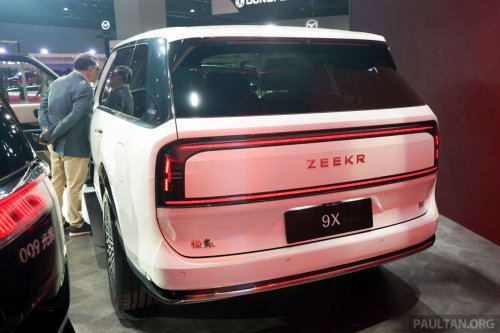
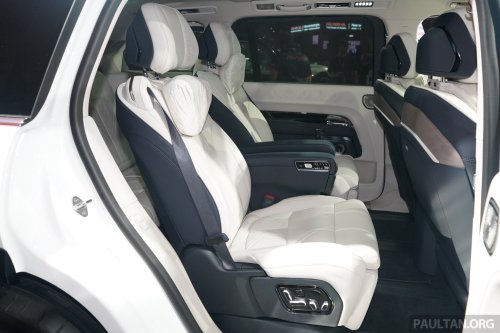
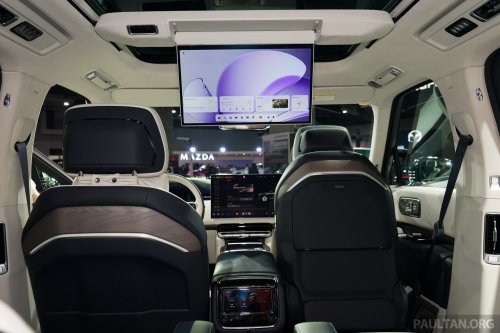
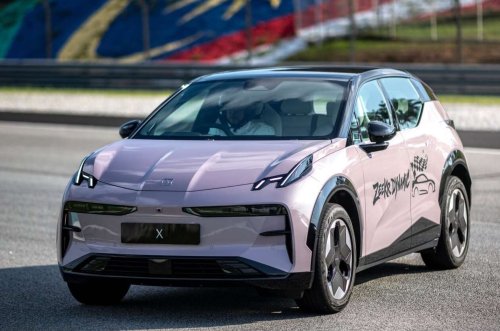
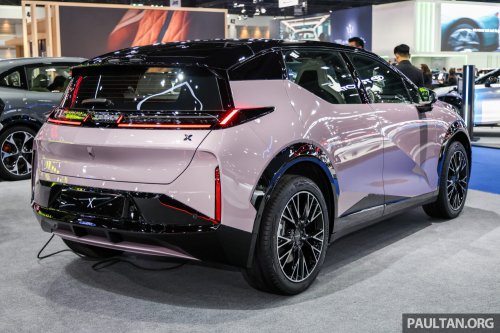
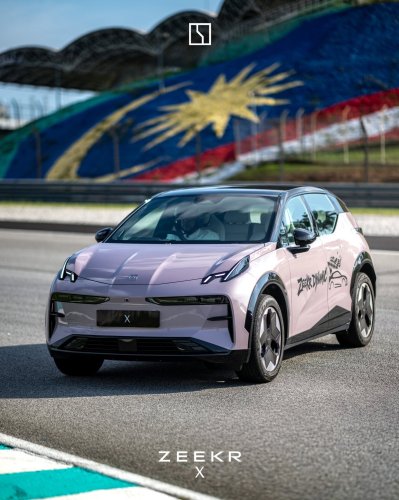
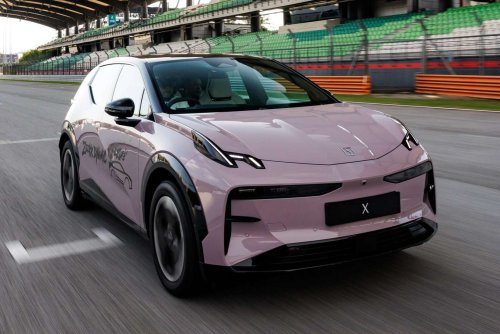
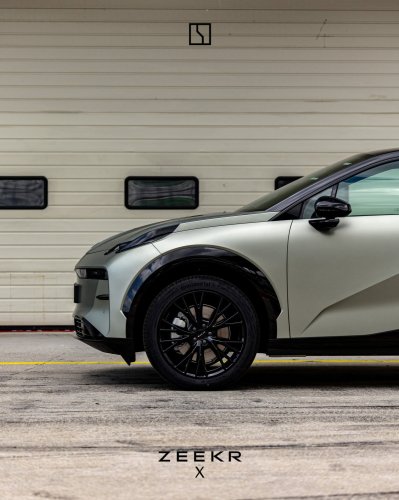
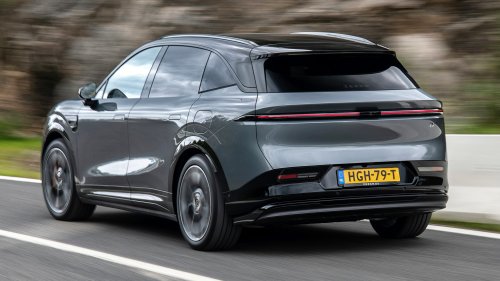
Modern software-defined vehicles (SDVs) offer unprecedented levels of connectivity and convenience, but a recent incident involving a Chinese-market Zeekr 9X is highlighting the severe downsides of tying essential vehicle hardware to a cloud server.What was supposed to be a scenic family road trip across Central Asia quickly turned into a high-tech nightmare when a driver found his luxury SUV virtually paralyzed by a geographical software lock.The controversy began when an owner, identified as Mr. Liu, took his six-month-old, $73,500 Zeekr 9X on a cross-continental road trip. On July 16, shortly after crossing the border from China into Kazakhstan, the vehicle's infotainment system suddenly displayed an "unlock request" prompt.AdvertisementAdvertisementBecause the car's GPS and network connections detected it had left Chinese territory, the system initiated an aggressive security protocol. While the core mechanical powertrain and braking systems were unaffected, the vehicle's "smart" ecosystem was completely disabled.For the next 30 hours, Mr. Liu was unable to use the navigation system, play music, or even open the electronic storage compartments that held his cash and travel documents. Perhaps most alarmingly, the electronic fuel filler door was locked out, forcing him to scour the internet on limited international roaming data just to find the mechanical emergency release sequence (holding the hazard light button for five seconds).Image Credit: https://carnewschina.comAnti-Smuggling Gone WrongAfter the driver was forced to submit copies of his passport, visa, international driving permit, and vehicle purchase invoice over WeChat just to regain access to his own glovebox, the incident quickly went viral on Chinese social media.AdvertisementAdvertisementAccording to Zeekr's initial statements, the geofencing protocol is an industry-standard anti-theft and loss-prevention measure. The strict remote lockouts are primarily designed to prevent organized vehicle smuggling and to comply with strict international export regulations. However, the lack of communication before the trip—especially after Mr. Liu had explicitly told his local dealership about his cross-border travel plans—sparked outrage over consumer ownership rights in the SDV era.Zeekr's Rapid OTA FixWhile the original coverage detailed the owner's 30-hour lockout (via carnewschina), Zeekr has since been forced into rapid damage control. Facing massive PR blowback, the Geely-backed automaker pushed a major policy shift on July 26.To prevent future cross-border nightmares, Zeekr rolled out a "Cross-Border Protection" quick-unlock feature on its official mobile app, allowing owners to verify their identity and receive an unlock code instantly without waiting for manual customer service approval.Furthermore, the automaker confirmed they are developing a dedicated OTA (Over-The-Air) software update that will add a physical toggle switch to the infotainment system. Once the update goes live, the aggressive cross-border geofencing will actually be disabled by default, completely shifting the power back to the consumer.AdvertisementAdvertisementWhile Zeekr's swift software fix resolved this specific crisis, the incident serves as a massive wake-up call for the automotive industry. As cars become rolling smartphones, manufacturers must ensure that anti-theft protocols never trap legitimate owners inside a two-ton brick.