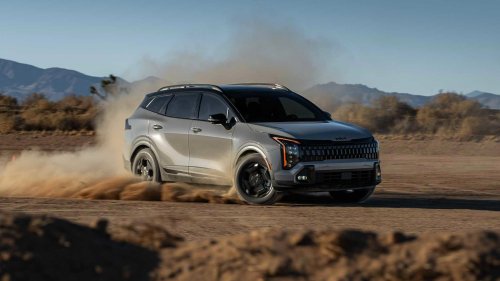
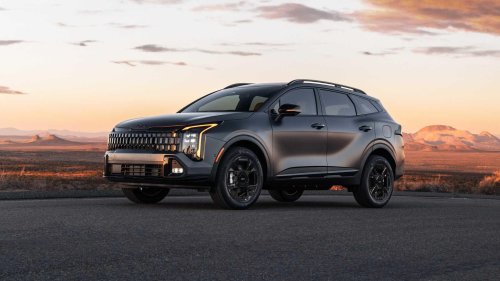
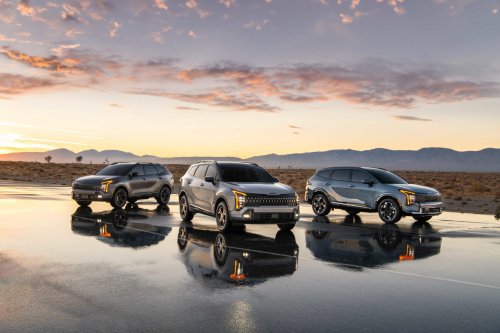
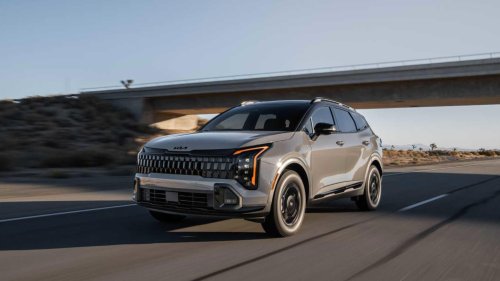
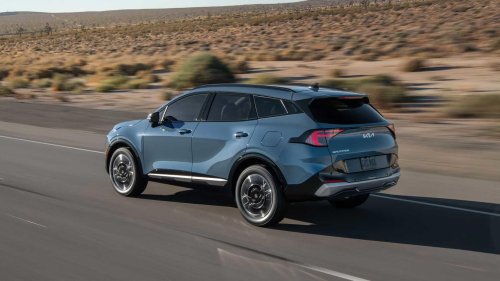
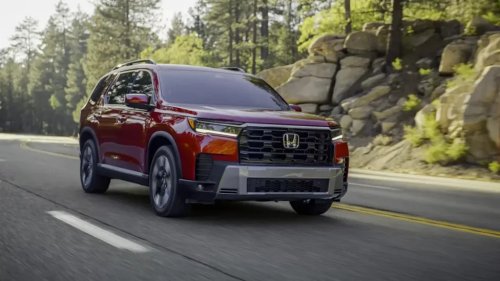
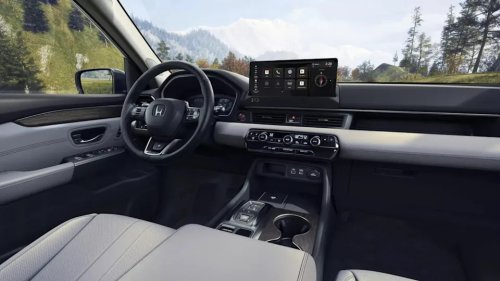
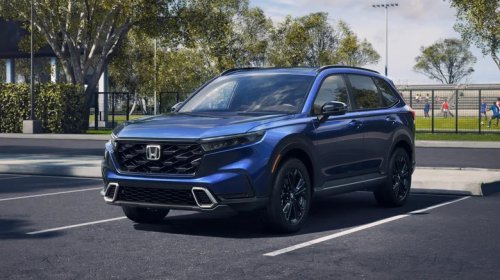
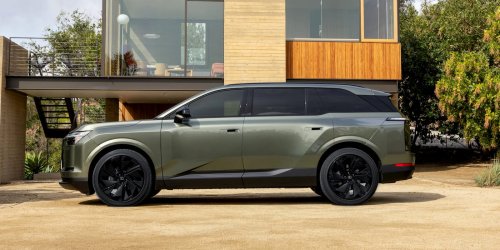
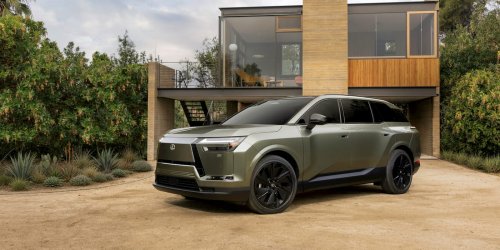
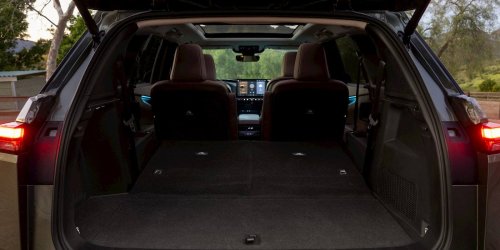
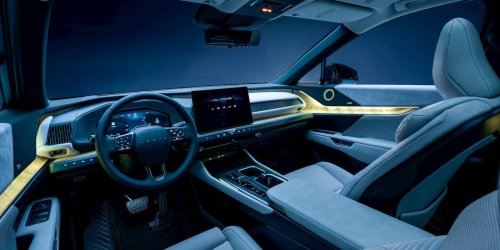
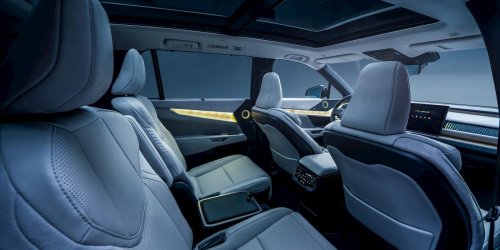
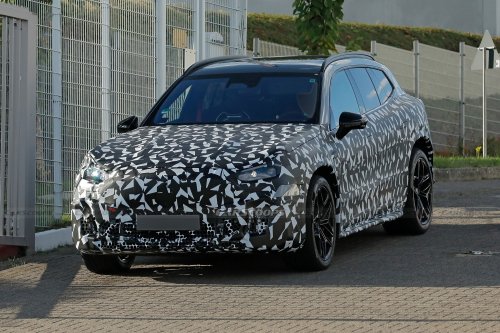
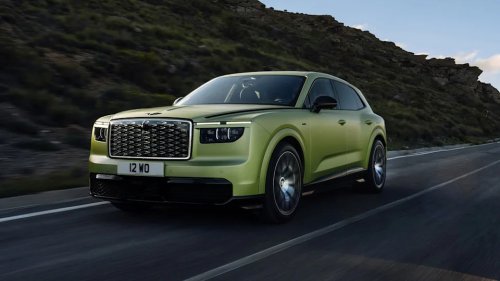
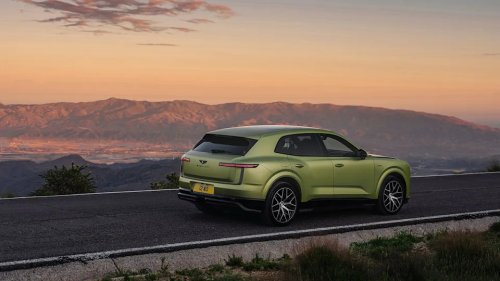
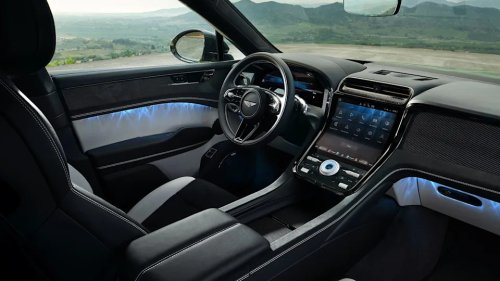
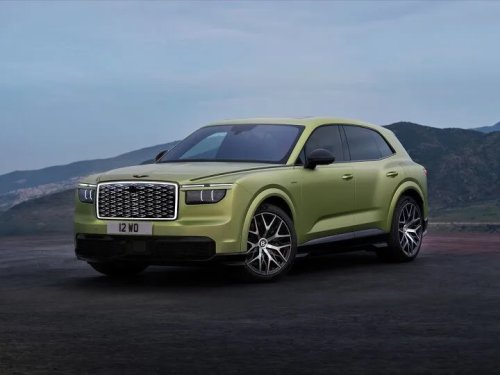
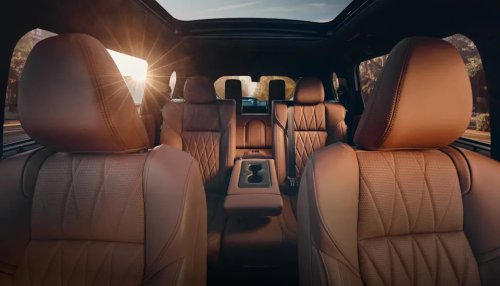
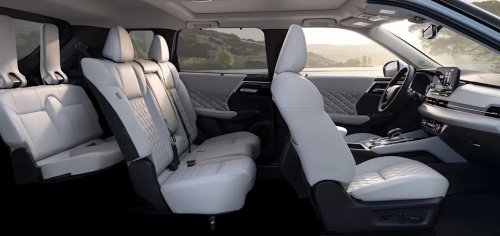
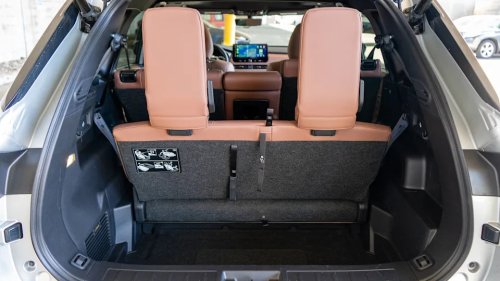
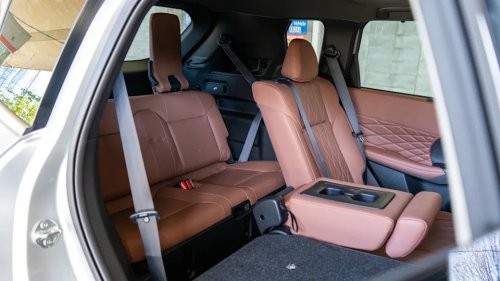
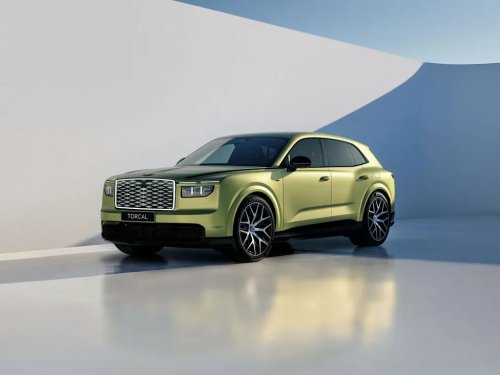
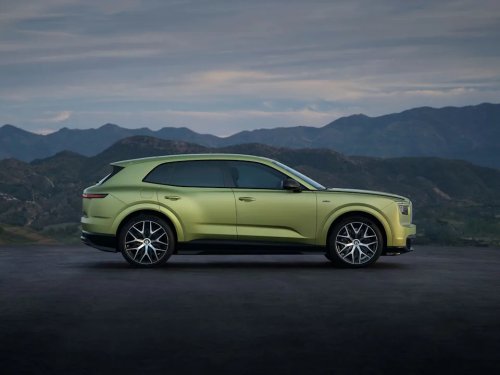
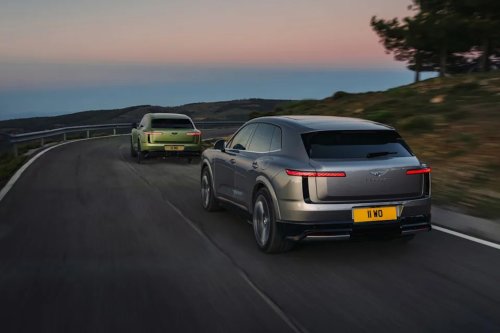
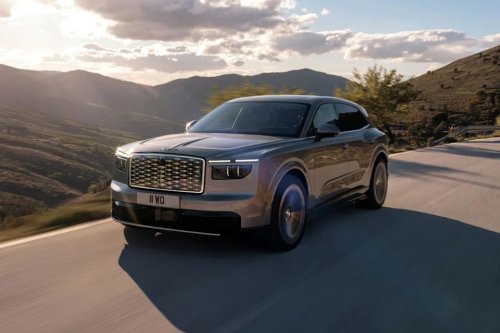
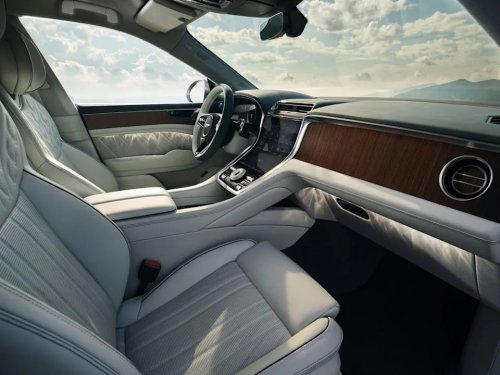
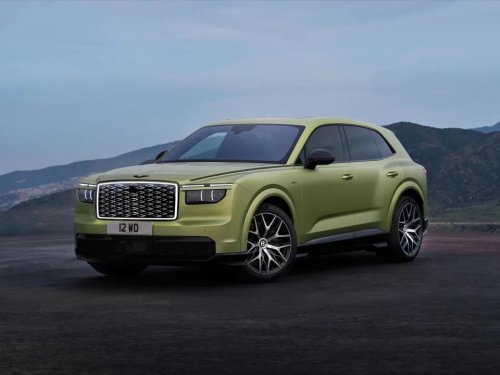
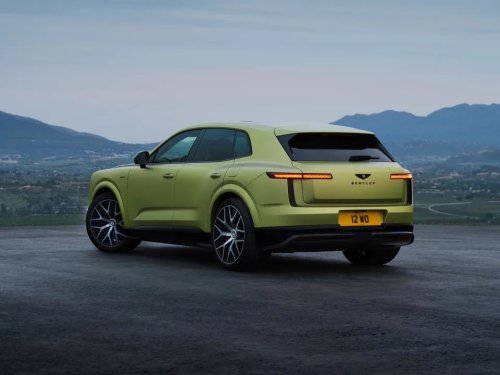
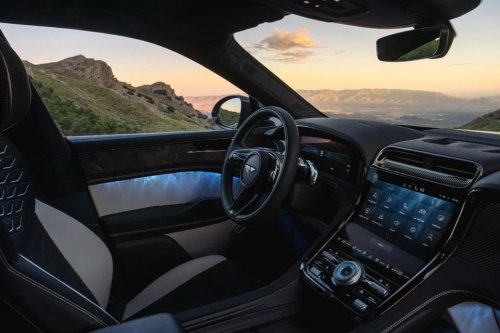
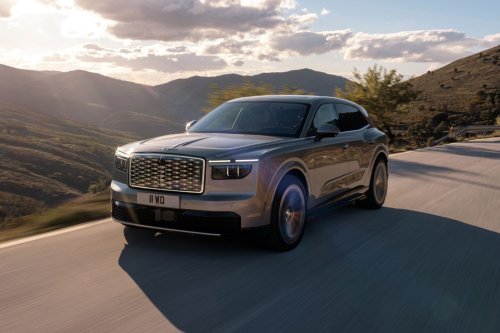
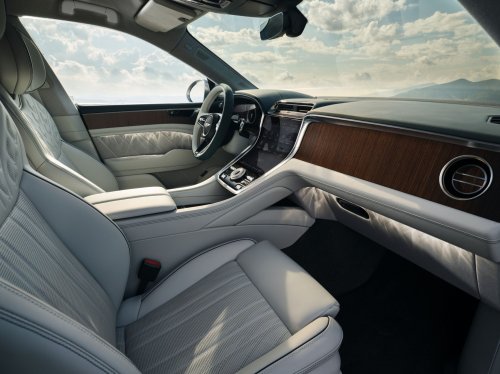
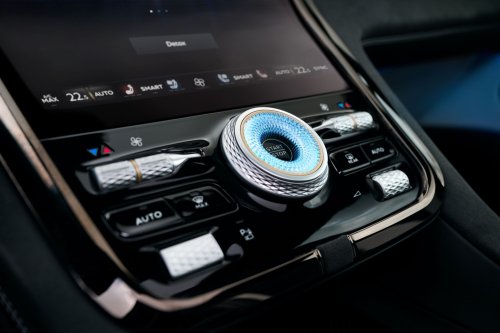
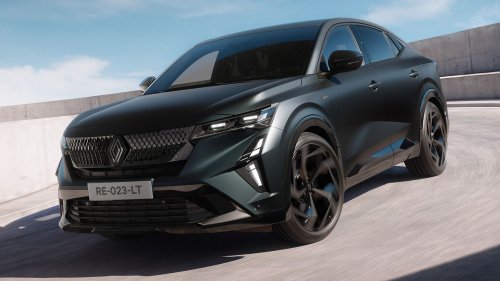
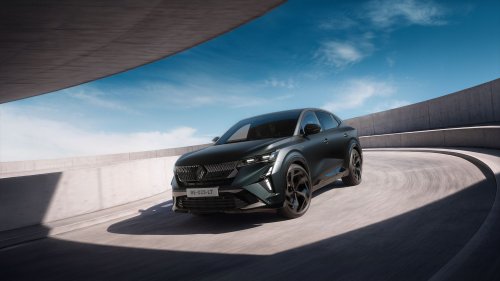
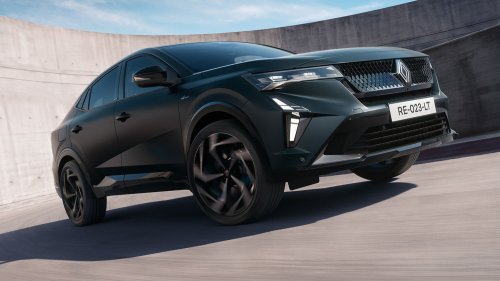
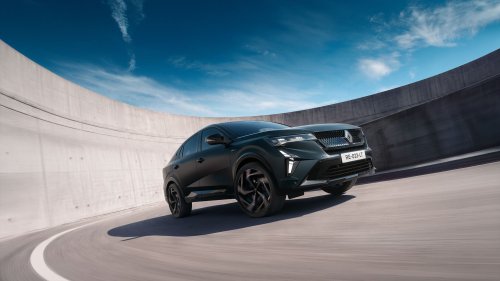
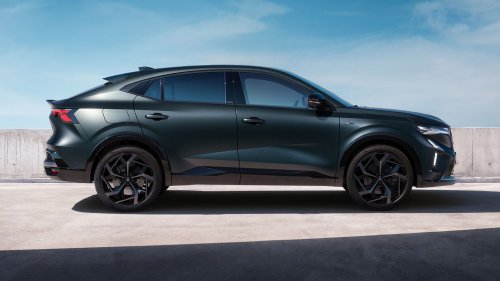
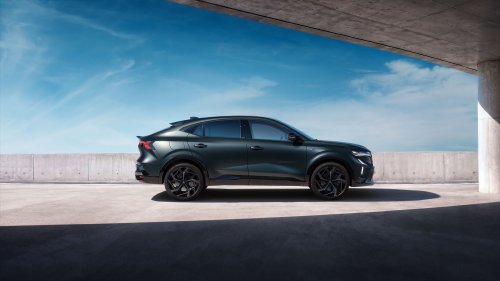
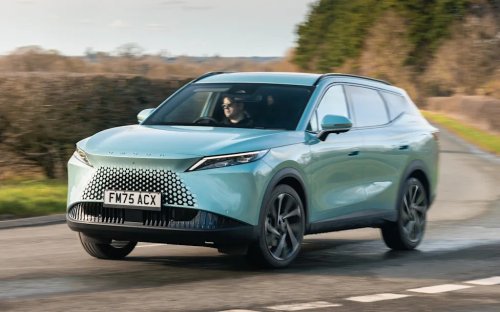
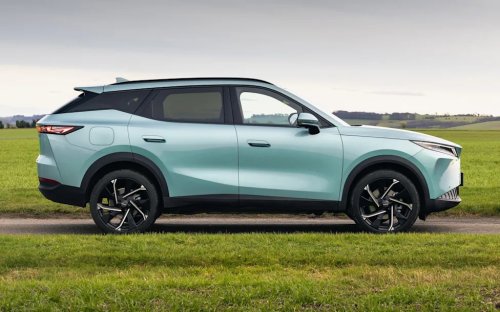
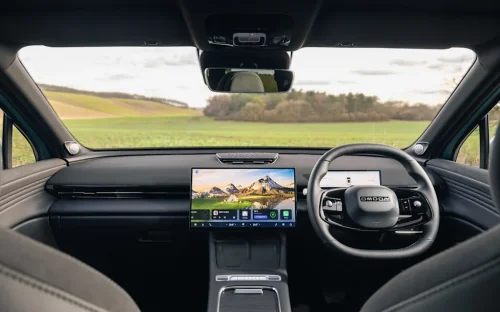
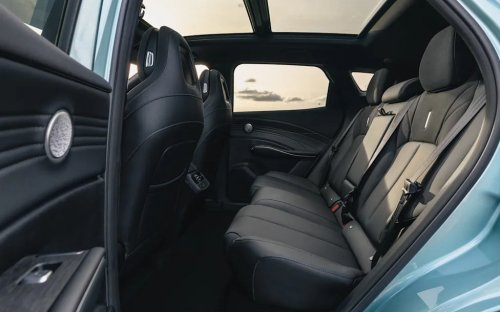
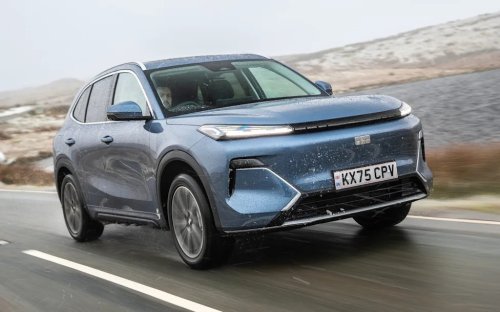
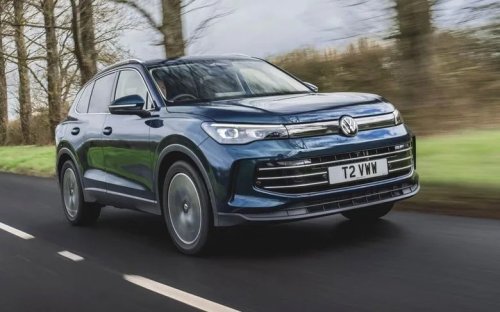
The Omoda 7 is a blend of practicality, quality and driver appeal - Jonathan FleetwoodThe Jaecoo 7, a Chinese SUV, was Britain's best-selling car in March. It proved that the way to British car buyers' hearts is a combination of generous equipment, an uncomplicated petrol powertrain and a low, low price.Jaecoo's owner, Chery, aims to repeat that success with the Omoda 7. Under the skin, it shares much with its sister car, although the styling is radically different. The Omoda is slightly longer, with greater boot space and a slightly more pragmatic bent.ProsLarge bootLots of equipmentSmooth powertrainConsChoppy ride qualityCould do with more buttonsPatchy warranty coverageRange explainedChery's line-up is tricky to understand. The Jaecoo brand is all about rugged, adventure-y, lifestyle-y stuff, while Omoda represents high fashion and luxury. Chery's own-brand cars are more down-to-earth, ostensibly pragmatic. The numbers reflect, roughly, the size of car – although the Omoda 7 is slightly larger than the Tiggo 7 and Jaecoo 7.AdvertisementAdvertisementIn terms of its rivals, at nearly 4.7m long the Omoda 7 is about the size of a Citroën C5 Aircross, slightly larger than a VW Tiguan and a little smaller than a Skoda Kodiaq.The Omoda 7 is the latest Chinese SUV offering from Jaecoo's owner, Chery - Jonathan FleetwoodAs you'd expect, it undercuts all of these, with a starting price of £29,915 for the base petrol model, which arrives in showrooms later this year. Until then, there's only the plug-in hybrid version tested here, which costs £32,005 for the entry-level Knight, with the top-spec Noble costing £3,000 more.Standard equipment on both is pretty generous, while Omoda is keen to tout the seven-year, 100,000-mile warranty. But it's worth checking the small print, because certain mechanical parts aren't covered beyond the three-year (or 40,000-mile, whichever comes first) mark – including such fundamentals as the starter motor, fuel injectors, fuel pump and quite a bit more besides. That's not usually the case with similarly long warranties from rival manufacturers.Hybrid theoryA 1.5-litre turbocharged petrol engine is boosted by an electric motor that's fed by a 18.4kWh battery, providing a total of just over 200bhp and an official electric-only range of 56 miles (so about 40 miles in the real world). Not quite as much as the best, but sufficient for many there-and-back commutes on electric power alone.AdvertisementAdvertisementThe powertrain runs solely on electric power up to 25mph, unless full acceleration is called for. From 25 to 40mph, the engine acts as a generator, charging the battery, with the motor driving the wheels, then above that the engine and motor drive the wheels together.Inside, there are physical buttons for the lights and some nice knurled flick-switches to adjust the driving modes, but everything else is controlled through the large infotainment screen. It's snappy, although its menu structure is a little convoluted.Everything in the Omoda 7 is controlled through a screen that is 'snappy' – but the menu structure is a 'little convoluted' - Jonathan FleetwoodAt least there's now an always-on climate bar (which doesn't disappear when you're in phone mirroring mode, as happens in the Omoda 5). The display screen in front of the driver is good too – small, but clear and free of frippery.And the 7 undoubtedly feels higher quality than the 5. There's still a slightly synthetic feel to it all, but the faux leather is far more convincing and the addition of suede-effect fabric adds a more upmarket feel.AdvertisementAdvertisementThe large "flying" centre console is good for storage although it impinges on your left knee a little. That's not the only niggle; the windscreen wipers don't run all the way to the driver's side of the screen, leaving a grimy strip that never gets washed, while the test car had a couple of persistent rattles from the plastic trim.Space in the back seats and boot is simply vast, the latter 639 litres. The more upmarket materials extend back there, too, so the rear seats aren't simply a sea of cheapo plastic.So while it's far from perfect, this is one of the better interiors among the glut of Chinese SUVs.On the roadBy and large, the same applies. The steering, for example, is so much better than the Omoda 5 and 9. It still lacks feedback, but it's more progressive, with a consistency of feel that means you aren't constantly adjusting your inputs. And the front end feels happier with direction changes, too, even if it isn't quite as crisp as a Nissan Qashqai.AdvertisementAdvertisementIt isn't uncomfortable, but it can cross the line into harshness if the road surface is too churned up. It does pretty well over most potholes, although a hefty one will elude the suspension and send a nasty shudder through the bodyshell.Traction from the front tyres can be an issue in tighter bends, but most of the time the 7 puts its power down well. There's a decent amount of lateral grip, meanwhile; indeed, you might break into a smile when hustling the 7 along a sinuous road.Thankfully you can set up the infotainment system to provide a shortcut menu to turn off the irritating driver aids; even if you leave them on, they are less draconian than in other Chery models.The powertrain is the best bit, though. What's clever is that it's happy to deplete the battery under full acceleration and replace the used charge later, rather than trying to get the engine to supply power to charge the battery simultaneously.AdvertisementAdvertisementAs a result, the engine revs remain constant under acceleration, so the grating drone of most hybrids is avoided; only afterwards does a slightly elevated idle on the over-run reveal how the petrol engine is charging the battery again.This set-up delivers a constant stream of seamless torque with a blaring engine note – a bit like driving an EV with a petrol generator working away in the background. Which, in effect, is what it is most of the time.Roomy interiors and higher quality materials make the Omoda 7 feel more premium - Jonathan FleetwoodThe Telegraph verdictThis is probably Chery's most convincing car to date, with a blend of practicality, quality and driver appeal that's among the best of any Chinese SUV.It's let down by Chery's somewhat patchy warranty cover, which isn't as comprehensive as the adverts would lead you to believe, as well as a ride quality that's at times too firm. And it still lacks the polish of its best-selling legacy rivals.AdvertisementAdvertisementBut more than ever before, if you're willing to live with the compromises in order to get a large, useful SUV at a low price, the Omoda 7 won't disappoint.The factsOn test: Omoda 7 SHS NobleBody style: five-door SUVOn sale: nowHow much? £35,005 on the road (range from £29,915)How fast? 112mph, 0-62mph in 8.4secHow economical? 288mpg (WLTP Combined)Engine & gearbox: 1,499cc four-cylinder petrol engine, 11-speed automatic gearbox, front-wheel driveElectric powertrain: AC permanent magnet synchronous motor with 18.4kWh battery, 40kW on-board charger, Type 2/CCS charging socketElectric range: 56 milesMaximum power/torque: 201bhp/269lb ftAdvertisementAdvertisementCO2 emissions: 23g/km (WLTP Combined)VED: £115 first year, then £195Warranty: 7 years / 100,000 miles (limited coverage after 3 years/40,000 miles)Spare wheel as standard: no (not available)The rivalsGeely Starray EM-i Ultra258bhp, 118mpg, £34,990 on the roadThe Geely Starray EM-i Ultra has more power than the Omoda 7The Omoda 7's closest rival compatriot has a smaller boot and less electric-only range, but offers more power. It doesn't feel as smart inside, however.Volkswagen Tiguan eHybrid Life201bhp, 188mpg, £42,875 on the roadThe Volkswagen Tiguan eHybrid Life is significantly more expensive than the Omoda 7 - Volkswagen/PAThis is what an equivalent European PHEV will cost. Despite costing eight grand more, this Tiguan is a base model so it has much less standard equipment.Try full access to The Telegraph free today. Unlock their award-winning website and essential news app, plus useful tools and expert guides for your money, health and holidays.



















 +74 others