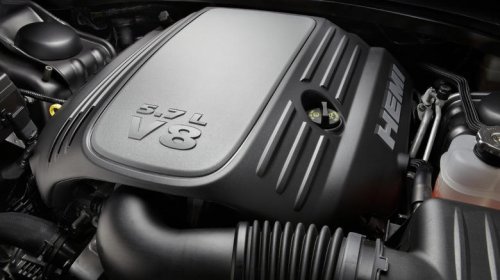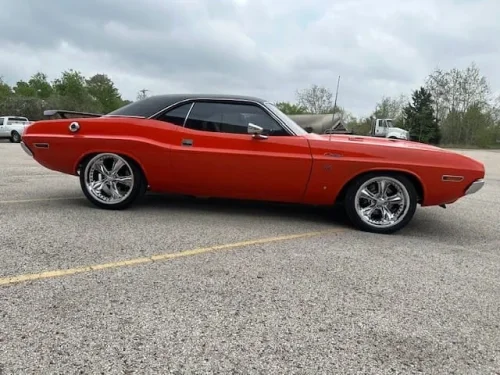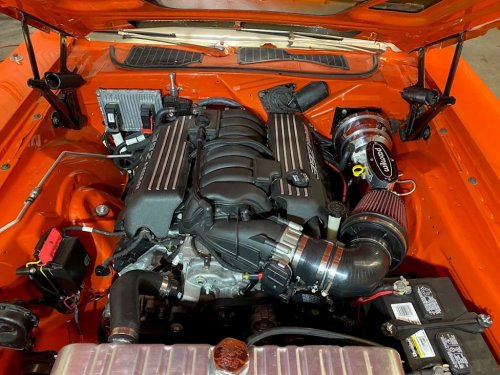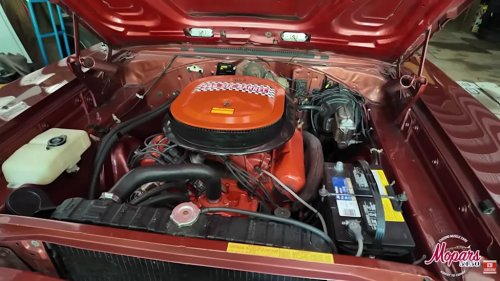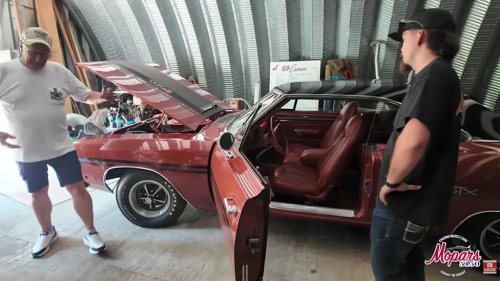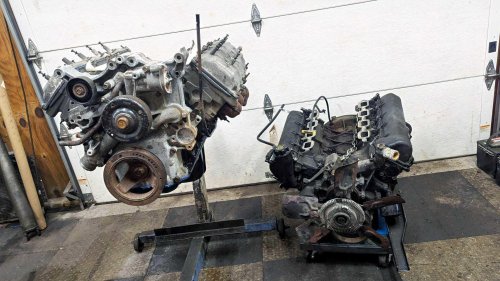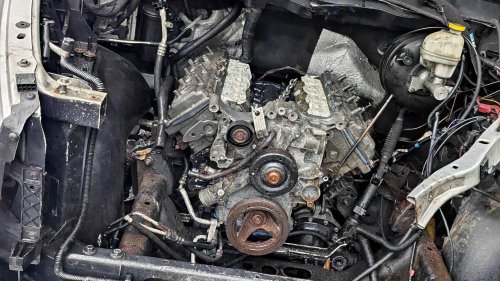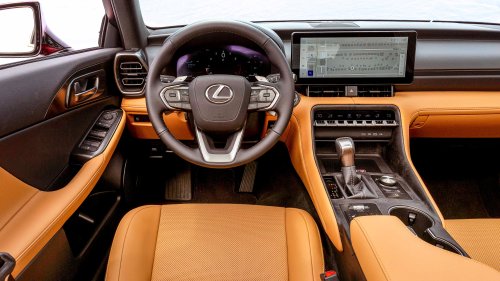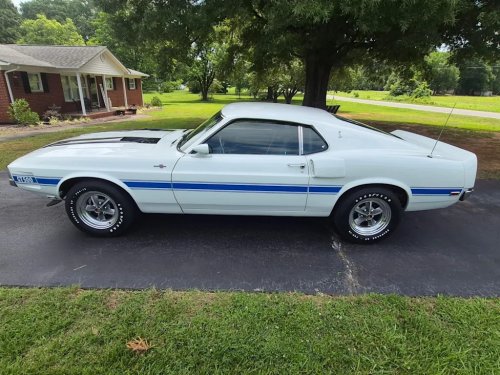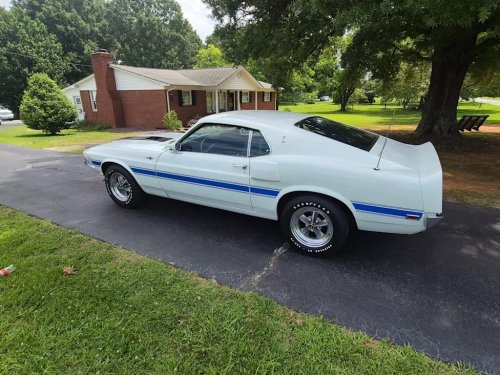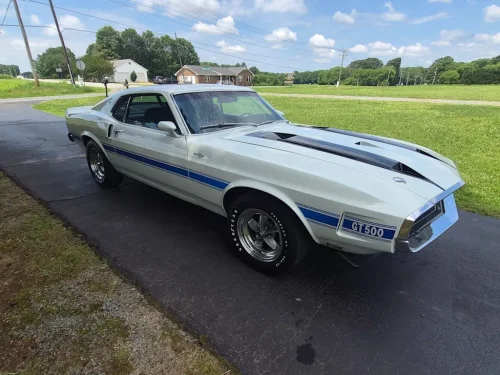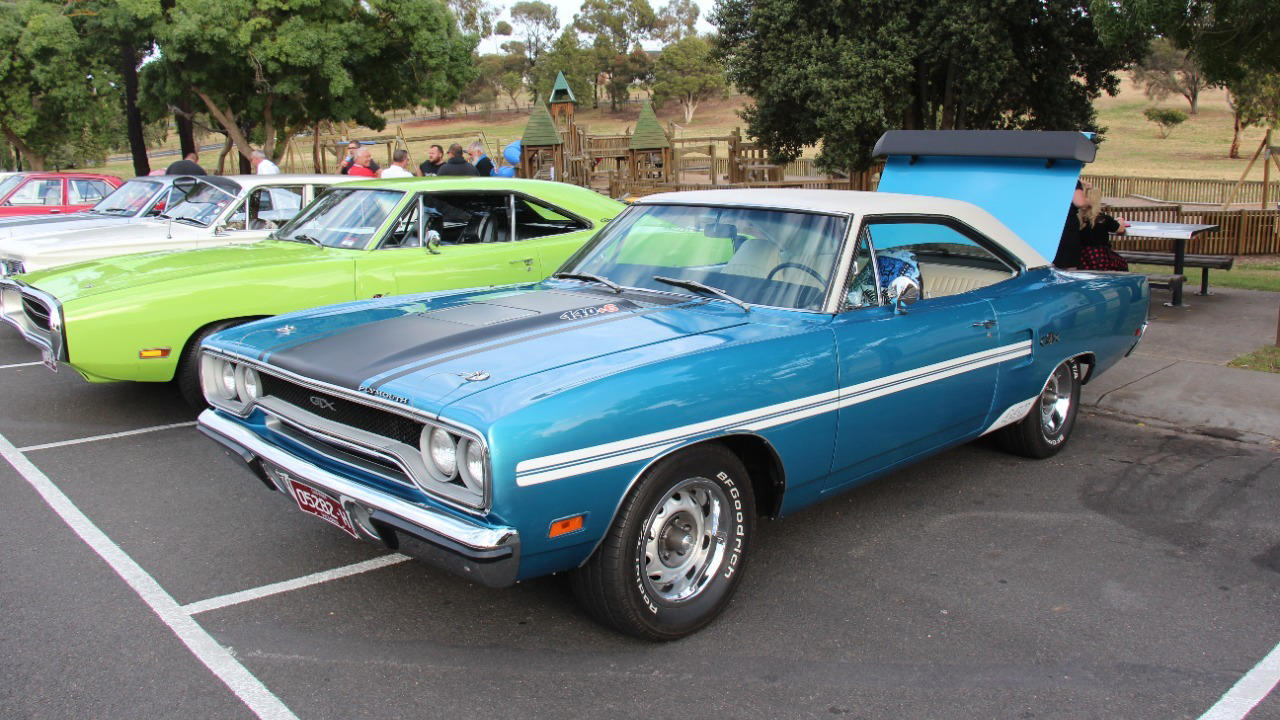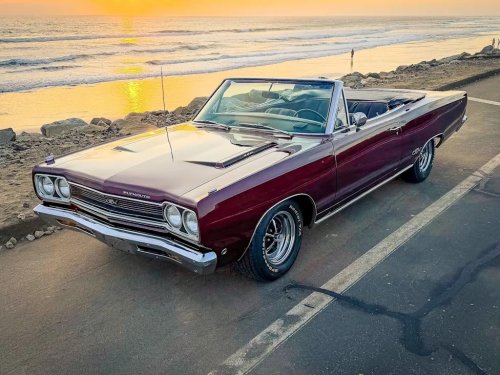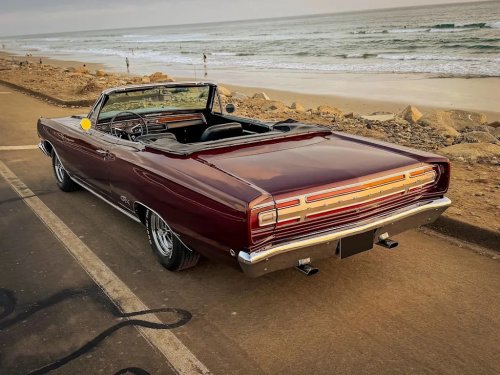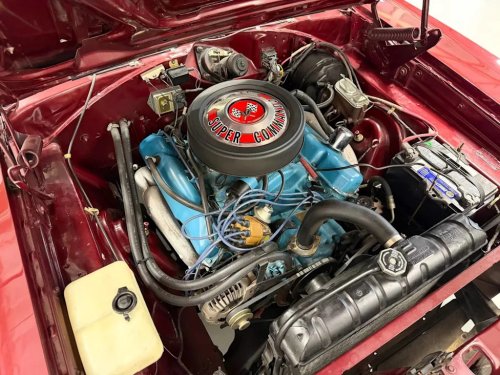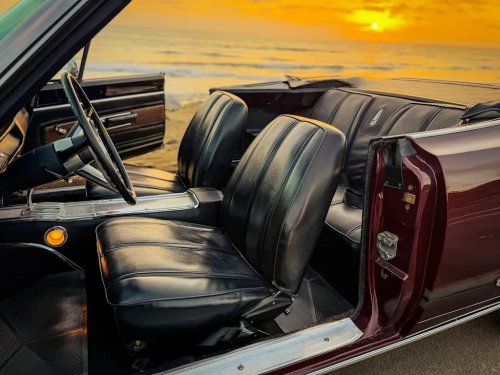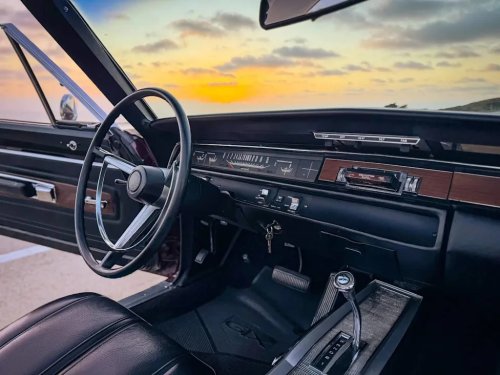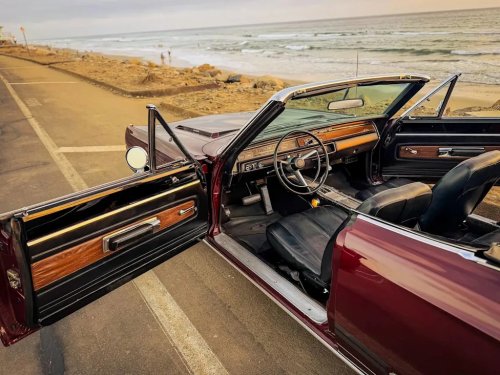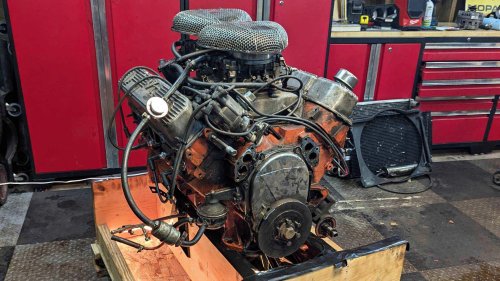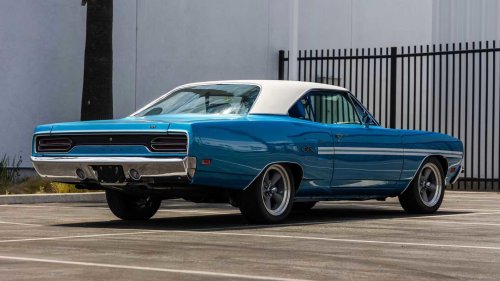
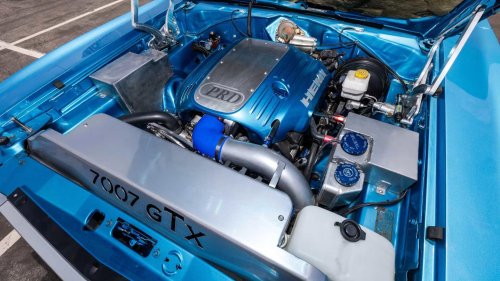
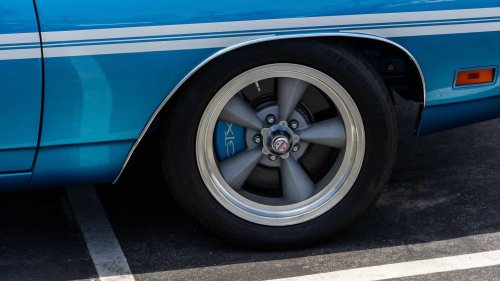
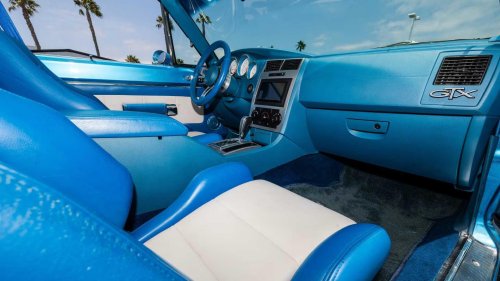
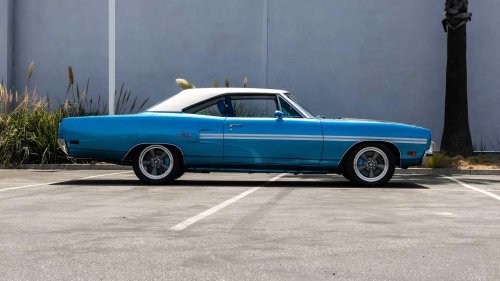



















The restomod scene is a balancing act between preserving history and making a car actually usable for the 21st century. Some builds go too far and lose the car's soul, while others don't go far enough to justify the effort. This build strikes a rare middle ground. It keeps the legendary B-body silhouette of the 1970 Plymouth GTX intact but swaps out the temperamental hardware for something you could comfortably drive every day. We spotted this specific B5 Blue example in the upcoming Mecum Glendale lineup, and it represents a massive amount of engineering hidden under a classic skin.Originally, the GTX was marketed as the "Gentleman’s Muscle Car." While the Road Runner was the stripped-out brawler of the Plymouth family, the GTX was the sophisticated sibling, the true boss's car. It came standard with a big block and a higher level of trim. This build takes that luxury-performance brief and updates it with a full mechanical identity transplant. Classic GTX Design Meets Iconic B5 Blue Mecum The 1970 GTX was the final year of the boxy, aggressive B-body styling before the "Fuselage" design took over in 1971. Visually, this build respects that heritage perfectly. It is finished in B5 Blue with a white hardtop and rear stripes, a combination that represents the peak of Mopar’s "High Impact" era. The body lines remain as crisp as they were in 1970, and the chrome work provides a sharp contrast against that metallic blue paint.The car sits with a much more purposeful stance than a factory example, thanks to 17-inch American Racing Torq Thrust D wheels. While these wheels look period-correct, they serve a functional purpose by allowing for modern radial tires and providing enough clearance for the upgraded 4-wheel power disc brake system. The builder also added frame connectors, which is a vital move for any high-torque Mopar build. These unibody cars have a notorious tendency to twist under heavy acceleration. The extra structural rigidity ensures the chassis stays straight when the Hemi starts pulling. Why A Modern Hemi Swap Works For The GTX MecumUnder the hood, the original heavy iron has been replaced by a 5.7-liter Hemi V8 sourced from a 2007 Dodge Charger R/T. While some purists might miss the smell of unburnt fuel from a carburetor, this fuel-injected swap is objectively better for anyone who wants to actually put miles on the clock. You get turn-key reliability, better fuel mapping, and a much more consistent power delivery.It is backed by a five-speed NAG1 automatic transmission. This Mercedes-derived unit is famously robust and offers a much better highway experience than the old three-speed Torqueflite. To show how this modern heart compares to the original "Super Commando" 440, we have broken down the factory figures below.It is important to remember that the 1970 figures were "Gross" ratings, measured on a stand without accessories. The 2007 "Net" figures reflect the engine as it sits in the car, making the real-world performance much closer than the numbers might suggest. We've also elected not to include acceleration or top speed figures as we cannot verify performance figures in this GTX Restomod. Handling And Chassis Upgrades Mecum The most significant "hidden" part of this build is the suspension. In 1970, the GTX used a primitive setup involving front torsion bars and rear leaf springs. While great for straight-line drags, it gave the car a "boaty" feel in the corners. This restomod completely bins that setup in favor of a QA1 4-wheel adjustable coilover system.By moving to coilovers, the owner can fine-tune the ride height and damping to suit their driving style. More importantly, the rear of the car now utilizes a triangulated 4-bar suspension. This replaces the old leaf springs and eliminates axle wrap, a common issue where the rear axle twists under load and causes the tires to hop. Combined with power rack and pinion steering, this GTX should handle with a level of precision that its original designers could only dream of. Interior Overhaul: A 2007 Hemi Soul In A 1970 Shell Mecum What makes this build truly unique is the interior. Rather than just bolting in new seats, the builder transplanted the entire dash and center console from the 2007 donor car. It is a massive undertaking that gives the driver modern air conditioning, navigation, and ergonomics inside a 1970 shell.To ensure the cabin is a comfortable place to be, Lizardskin sound and heat coating was applied throughout the interior and exterior of the floor pans. For the serious driver, the addition of Corbeau bucket seats provides the lateral support needed for a car that can now actually take a corner. It is a total mechanical identity transplant that turns a vintage brute into a genuine long-distance cruiser. How To Price A Restomod GTX MecumValuing a restomod is significantly different from pricing a numbers-matching survivor. In the world of modifications, the quality of the parts and the depth of the documentation are everything. This GTX comes with a full file of restoration photos and receipts, plus the original Broadcast Sheet, which is vital for a buyer to see the "bones" of the build.According to data from Hagerty and Classic.com, a factory-original 1970 GTX has a fairly predictable value curve, fetching, on average, about $118,000. However, restomod prices vary wildly based on the level of interior integration and suspension work.This specific car is priced like a trophy because it isn't just a simple engine swap. The integration of a modern interior and a fully adjustable QA1 coilover suspension puts it at the higher end of the market. While you might find a stock GTX for less, you couldn't build this car for the expected sale price. For the driver who wants 1970 style with 2007 manners, it is a very clever investment.Sources: Mecum, Hagerty, Classic.com, Bring a Trailer.