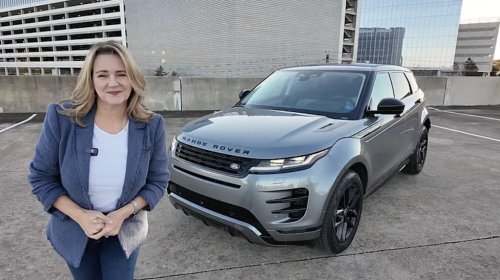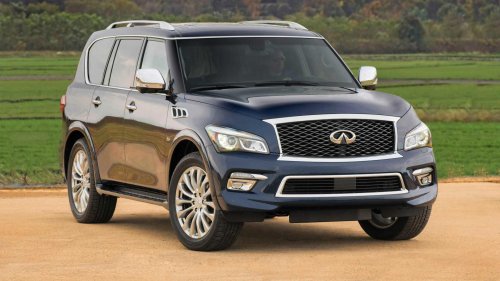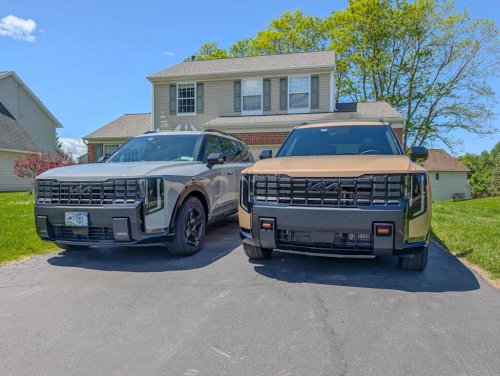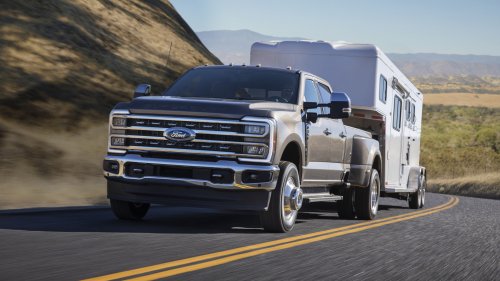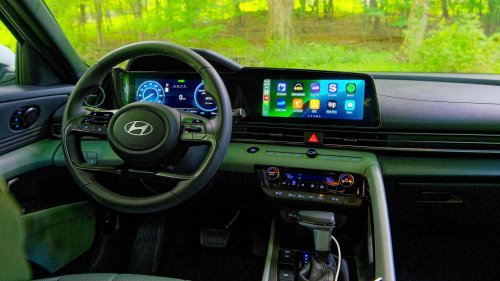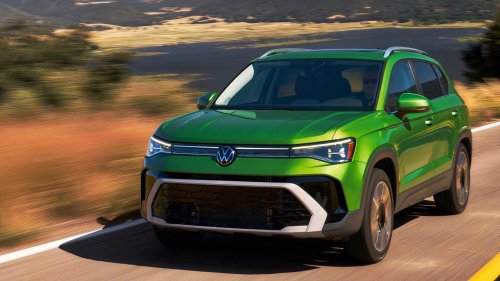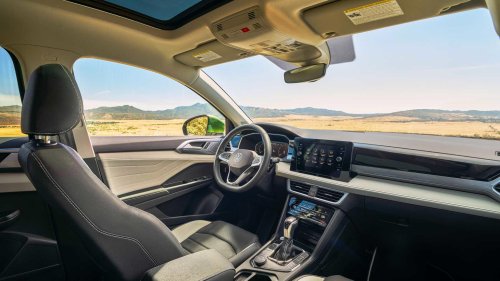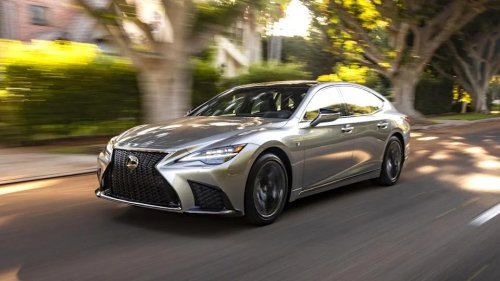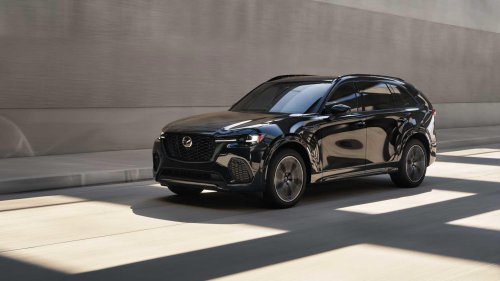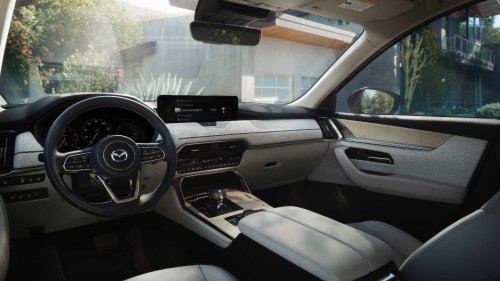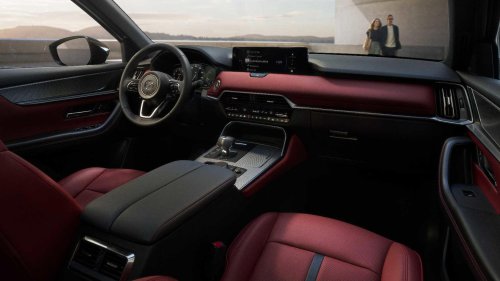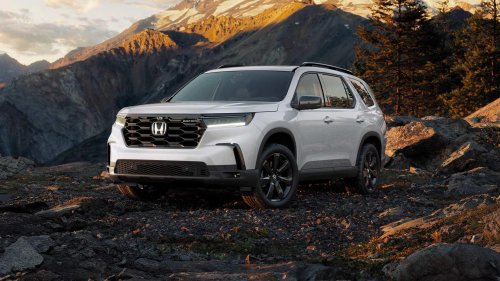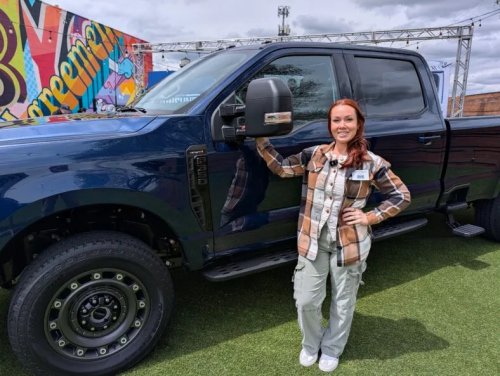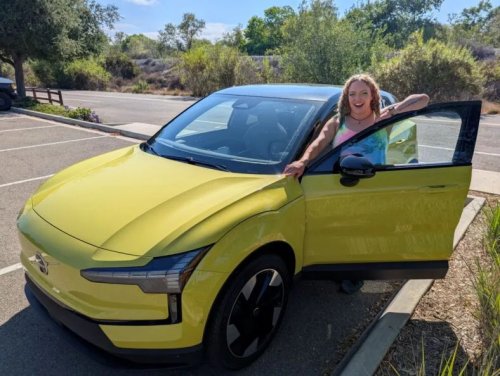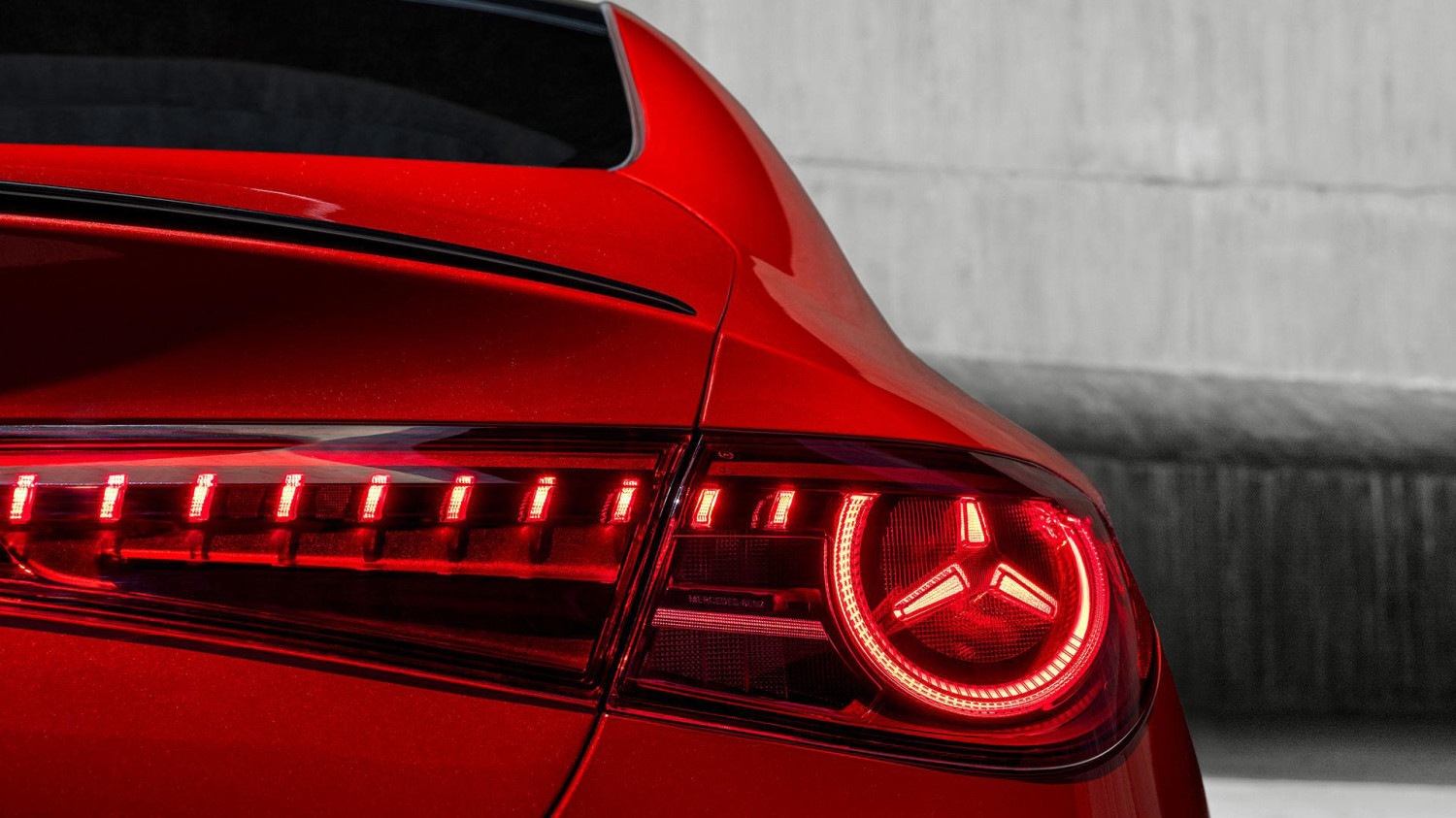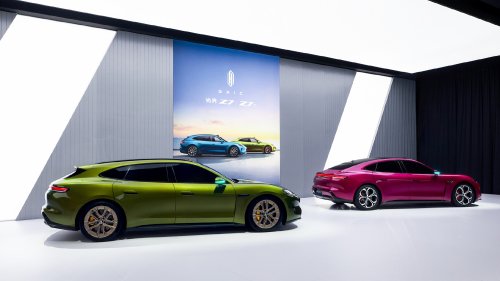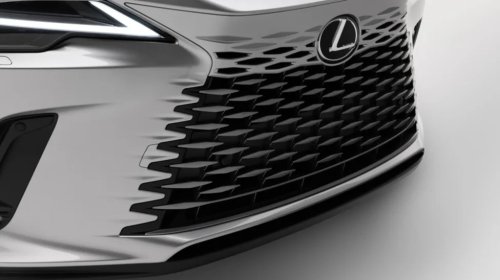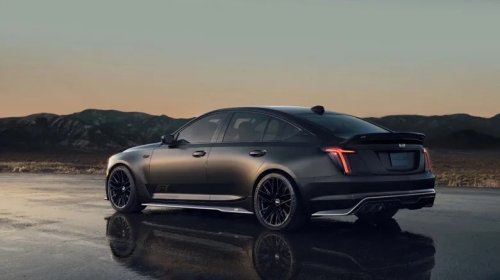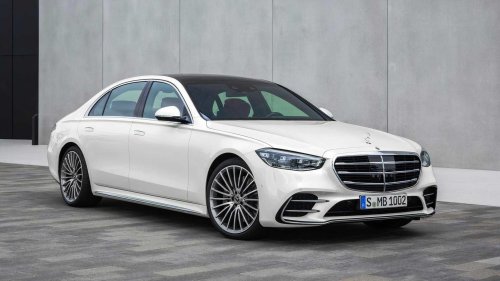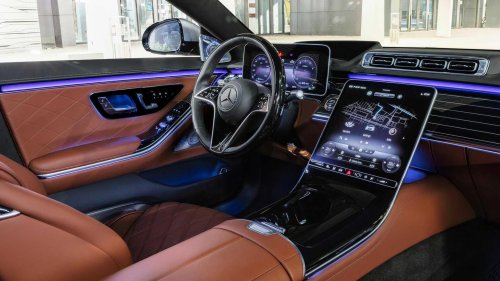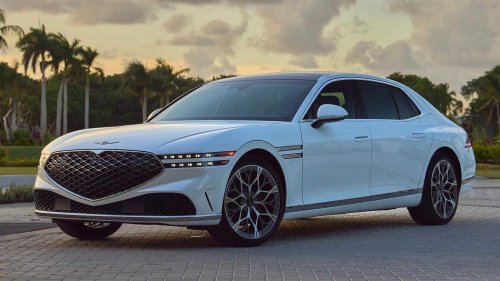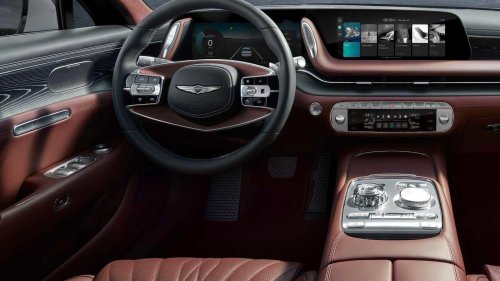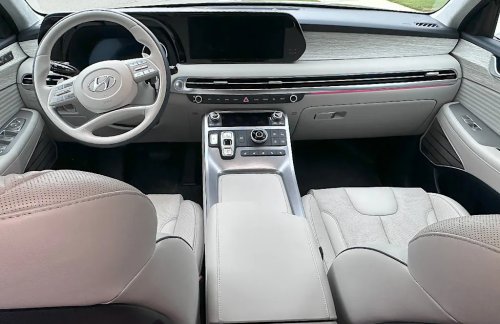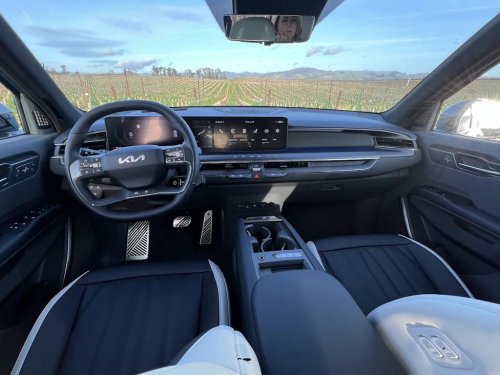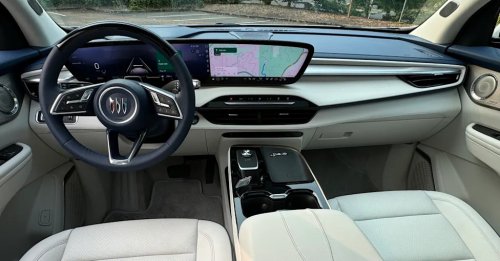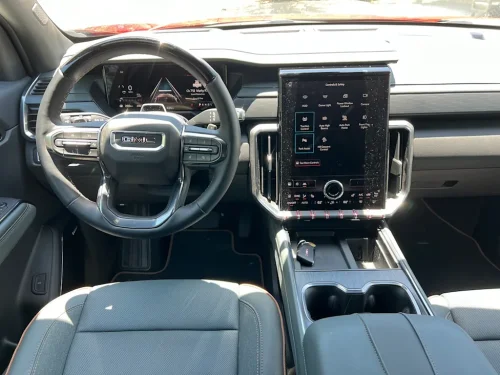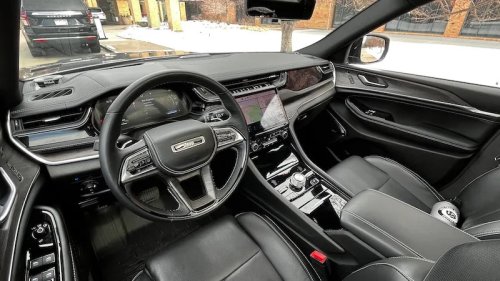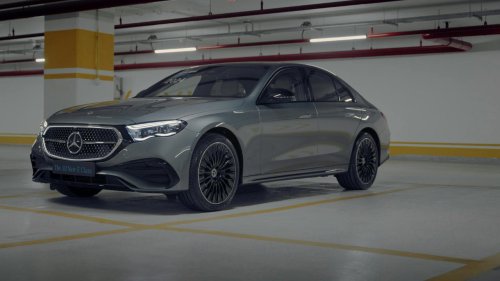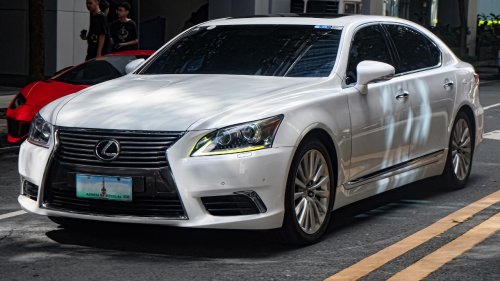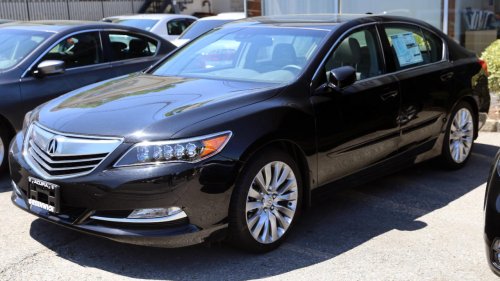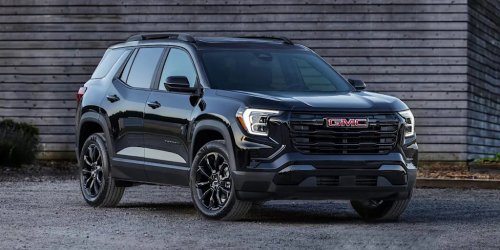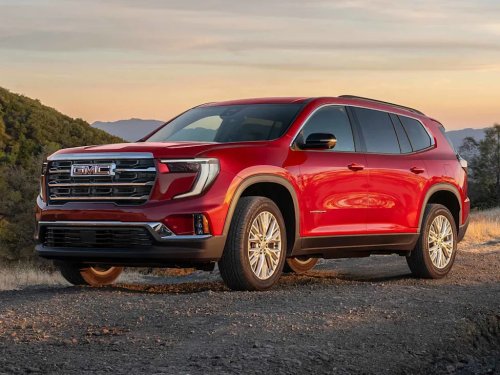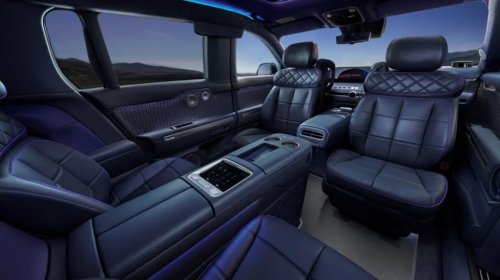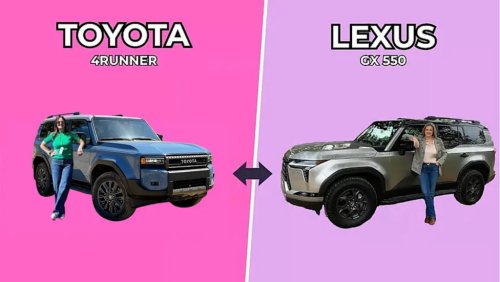
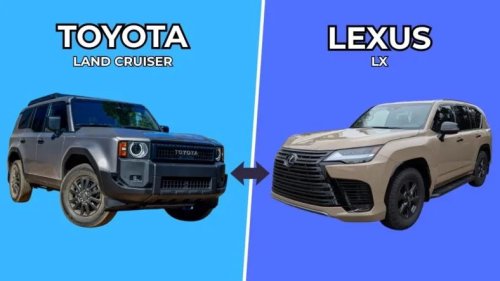
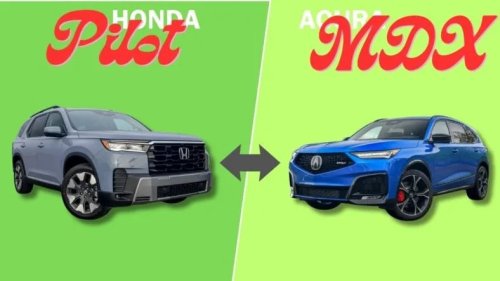
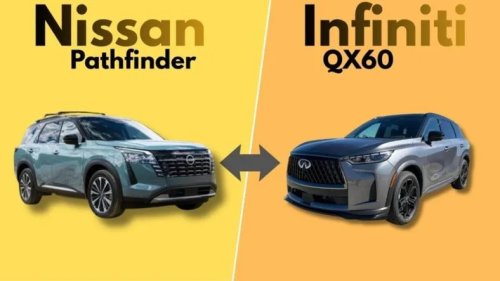
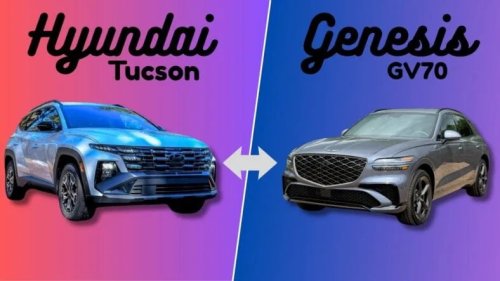
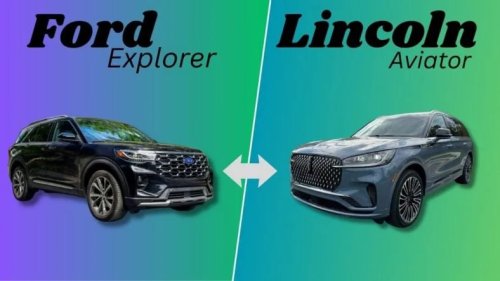
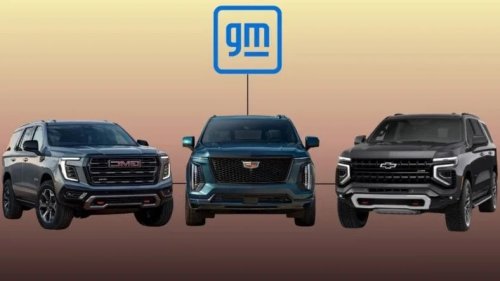
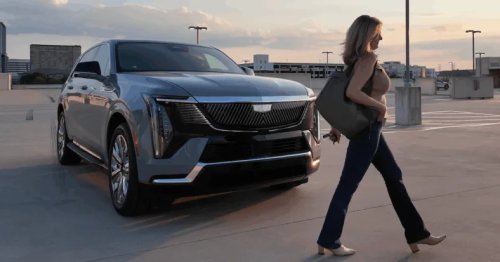



















The Toyota Land Cruiser posed next to its industry sibling, the Lexus GX 550Discover how major automakers like Toyota, Honda, Nissan, and Ford build high-end luxury siblings to deliver premium performance, style, and tech.You might want to be seated when I tell you this, but many car brands popular for their reliability and long life, brands like Honda, Toyota, Nissan, Ford, and even Hyundai, make their own luxury cars that utilize the same factories, engines, transmissions, and sometimes software with a different, fancier badge.Toyota's luxury division, Lexus, uses its parent company's next-to-godliness hybrid systems and strong engines to make powerhouse models like the GX 550, TX, RX, and NX. The GX 550 shares a platform with the Toyota Land Cruiser, the RX is the Highlander's industry sibling, the TX is almost a mirror for the Grand Highlander, and the NX is closely related to the RAV4. All of which are tried and true, reliable, efficient, and excellent SUVs.AdvertisementAdvertisementThe same can be said for Nissan's luxury brand, Infiniti, and Hyundai's Genesis models. Acura is Honda's luxury house. They're all excellent because they come from excellent companies. And because they come from excellent companies with good reliability scores, we don't have to worry about software or hardware issues down the line. All of that is fancy speak for saying: when we know they come from the same house, we know they're good.And it means you don't have to spend more than you should for an equally awesome SUV. This story is 100% human-researched and written based on actual first-person knowledge, extensive experience and expertise on the subject of cars and trucks.Let's Dig In: Toyota and It's Luxury Sister, LexusThe Toyota Land Cruiser posted next to its industry twin, the Lexus LX – Credit: Kristen BrownToyota and Lexus have been sharing the same engines, transmissions, four-wheel drive systems, and so on for decades. Toyota officially launched Lexus back in 1989, specifically to compete with established European luxury brands (like Mercedes, BMW, and even Porsche) as they started lapping up America's wealthy. Though Toyota knew they couldn't just make a fancy Toyota. They had to make something better, with the best they had to offer, without making it obvious it was just a Toyota.AdvertisementAdvertisementAnd it worked. Incredibly well. In fact, most people know when they buy a Lexus, they're essentially buying a Toyota, and they like it like that. Because it isn't just a Toyota, it's a luxurious piece of engineering, with Toyota's famous, reliable DNA. Lexus takes great care in making sure the interior looks nothing like its Toyota sibling, with finer interior materials, more sound-dampening materials, and a completely different software interface to make sure it has a completely different vibe altogether. No wonder Lexus and Toyota's closeness is very well masked, even to this day.Here's a list of Toyota's cars and SUVs, and their Lexus equivalents:Toyota 4Runner ⟷ Lexus GXToyota Land Cruiser/Sequoia ⟷ Lexus LXToyota RAV4 ⟷ Lexus NXToyota Highlander ⟷ Lexus RXToyota Corolla Cross ⟷ Lexus UXToyota Crown/Camry ⟷ Lexus ESToyota Grand Highlander ⟷ Lexus TXWhat gives Lexus a unique identity from Toyota is how heavily they shifted away from anything reminiscent of being a Toyota. They share engines, transmissions, four-wheel drive systems, safety features, and more, but they try a lot harder to look, drive, and feel extremely different from their Toyota equivalent.Acura Became America's First Japanese Luxury Brand, Thanks to HondaThe Honda Pilot and the Acura ADX are industry twins – Credit: Kristen BrownThis is my favorite fact about Acura: Acura actually came around before Lexus did. Honda launched it in 1986 (three years before Toyota), making itself the very first Japanese luxury brand to hit American streets. Like Toyota, Acura was engineered to keep European luxury brands on their toes, and that they did. Acura was very well-known for the Legend, with a powerful and oh-so reliable V6, and the Integra—a fast, sporty, but still classy car.AdvertisementAdvertisementHonda and Acura still share several platforms, engines, and transmissions, with Acura leaning far more into performance luxury territory with nicer interior materials, more standard equipment (like Bang & Olufsen sound systems), and, in many models, more powerful engines and higher-performance transmissions than their Honda equivalents. A good example would be the Honda Pilot and the Acura MDX. The Honda comes with a truck-y 3.5-liter V6, while the MDX has a turbocharged 3.2-liter V6. But everything else is shared between the two. Here's how the models between the two companies are related:Honda Civic ⟷ Acura IntegraHonda CR-V ⟷ Acura RDXHonda Pilot ⟷ Acura MDXHonda HR-V ⟷ Acura ADXThe biggest separator between the two is the intent. Honda focuses more on affordability, mileage, and family-practicality, no matter the model. Acura incorporates all that, with a heavier focus on interior layout and design, performance, ride quality, and a sharper aesthetic.Nissan's Luxury Cars Division, Infiniti, Wasn't Far BehindThe Nissan Pathfinder and the Infiniti QX60 – Credit: Kristen BrownNissan followed very closely in Toyota's footsteps, hatching Infiniti in 1989. Interestingly, though, Nissan was cooking up a high-performance luxury brand long before that in 1985. They assembled a special task force, coined "Horizon Task Force," to develop it. You probably guessed it by now, but Nissan was trying to create a new image of itself and its notoriously affordable yet reliable models against luxury sedans from American brands and the Europeans. The first two were the Q45 and the M30 coupe, and it introduced people to a new way to look at price-to-feature ratios.AdvertisementAdvertisementThe Q45 and M30 aren't around anymore, but Nissan and Infiniti still get together for Christmas and Thanksgiving, exchanging details and engineers for these current models:Nissan Rogue ⟷ Infiniti QX65Nissan Pathfinder ⟷ Infiniti QX60Nissan Armada ⟷ Infiniti QX80Infiniti only has three models, but thankfully, they utilize a lot of what made the Nissan models so successful (reliability and practicality), while also throwing in incredible technology—like the magnetic phone charger we fell so hard for in the new QX65—a carefully crafted interior, and sporty-chic looks.Genesis Utilizes the Technology and Interior Inspiration We See in HyundaiThe Hyundai Tucson and Genesis GV70 – Credit: Kristen BrownGenesis, unlike Infiniti, Acura, and Lexus, is a relatively new luxury brand, having launched in 2008. But it wasn't just Genesis back then; it was, "Hyundai Genesis." Genesis didn't get its own identity until 2015, when it became "Genesis Motors." Its parent company is still Hyundai Motor Group, but Genesis wanted to move further and further into the realm of performance luxury. Their first solo sedan, the G80, was specifically engineered to compete with 5, 7, and 3-Series sedans from BMW. It was meant to be sleek, deceptively fast, with zero compromises on style.AdvertisementAdvertisementAnd, like the current G80, it accomplished its goal without costing as much as a BMW. Now, Genesis is breaking into the performance luxury SUV territory, using some of Hyundai's best-sellers as the skeleton. If you've ever had the chance to sit in a new Hyundai and a new Genesis, they have the same dual-screen setup with the same software and user interface, with similar interior layouts, but vastly different materials and colors. They also offer more powerful engines with a massive boost in horsepower, for nearly half of what the Europeans charge.Here's the Hyundai SUVs Genesis bases theirs on:Hyundai Tucson ⟷ Genesis GV70Hyundai Palisade ⟷ Genesis GV80 (even though it's not a 3-row)Hyundai IONIQ 5 ⟷ Genesis GV60 EVHyundai Sonata N ⟷ Genesis G70Similar to the other brands I mentioned, Genesis's focus is sharper on luxury and performance. Hyundai's mission is to provide something practical and affordable, with less effort being put into horsepower or handling like every Genesis model. Both brands pack their products with excellent technology and safety features for the price, though.Lincoln Amplified What Makes Ford So PopularThe Ford Explorer shares the same blueprints as the Lincoln Navigator – Credit: Kristen BrownFord didn't use to be discreet about Lincoln. In fact, their designs used to be a blatant copy/paste job (look up the 2008 Ford F-150 vs. the Lincoln Mark LT, you'll see what I mean). Ford didn't see any reason to change up the exterior designs, just like Dodge and Chrysler did back then. In their eyes, if people chose to spend a little extra on the same product with just a slightly nicer interior, that was their choice. Until, that is, people stopped buying them and went with the less-expensive models (Ford).AdvertisementAdvertisementNow, Ford and Lincoln models look nothing alike. The interiors are vastly different, and incredibly luxurious for their price point, even to the point of adding perfume in their models. Ford's interiors could never. But, they do still share platforms, engines, transmissions, and four-wheel drive systems. These days, there are very good reasons to buy a Lincoln over a Ford. This time you absolutely get what you pay for.Here's the Ford and Lincoln models that share DNA:Ford Escape ⟷ Lincoln Corsair (Ford doesn't make the Escape anymore, but Lincoln still uses its platform)Ford Explorer ⟷ Lincoln AviatorFord Expedition ⟷ Lincoln NavigatorAside from the drool-worthy interiors inside of new Lincolns, the company still hails to its roots of focusing on a lush but stable ride, a quiet interior, and a spa-like experience. Ford's mission of making something affordable, capable, and practical is still at the forefront.General Motors Has its Fingers in the Cadillac, Chevy and GMC PotThe Cadillac Escalade shares a lot between the Chevy Tahoe and the GMC Yukon, thanks to General Motors – Credit: Kristen BrownThis is where history gets super interesting, albeit a bit complicated. Cadillac, one of America's oldest luxury brands, was founded in 1902. It quickly established itself as a precision engineering powerhouse before being acquired by General Motors in 1909. From there, Cadillac's engineers were integral to developing GM's strongest V8 engines, as well as pioneering the corporate styling department. Cadillac maintained its storied name while utilizing GM's massive corporate network to survive and thrive.AdvertisementAdvertisementToday, Cadillac and GM's core relationship hasn't changed much, though Cadillac's identity remains deeply rooted in luxury, performance and its famous plush ride. However, the brand now heavily shares platforms and EV architectures with mainstream stablemates like Chevy and GMC. Because General Motors owns Chevy, GMC, and Cadillac, they are all deeply interconnected. To put it simply, GM sells several models that share identical foundations. Here is how they relate:Here's how they're all related:Cadillac Escalade ⟷ Chevy Tahoe ⟷ GMC YukonCadillac Escalade IQ ⟷ GMC Hummer EV ⟷ GMC Sierra EV⟷Chevy Silverado EVChevy Traverse ⟷ Cadillac XT6Cadillac Lyriq ⟷ Chevy Blazer EVCadillac Optiq ⟷ Chevy Equinox EVThis funky ladder leaves Chevrolet to play the most critical role of all: the foundational anchor. By handling the high-volume, mass-market sales, Chevy generates the massive revenue and manufacturing scale that allows GM to develop these advanced platforms in the first place. Without the workhorse popularity of the standard Chevy Tahoe and the premium engineering found in the GMC Yukon and Cadillac Escalade might not be financially possible.With These Brands, You Have the Power to ChooseThe Cadillac Escalade IQ – Credit: Scotty ReissUltimately, the modern automotive market is less about entirely different vehicles and more about how a single, excellent foundation is dressed up. Whether it is a Lexus riding on a bulletproof Toyota platform or a Cadillac sharing its DNA with a dependable Chevy, the secret is out: buying many luxury brands also means getting the reputation and expertise of a larger but more mainstream car maker.AdvertisementAdvertisementSo when you are shopping for a new SUV, look past the hood ornament and check the corporate family tree. You just might find that the luxury model delivers on the technical expertise you're drawn to in the mainstream brand, lending the best of both worlds.