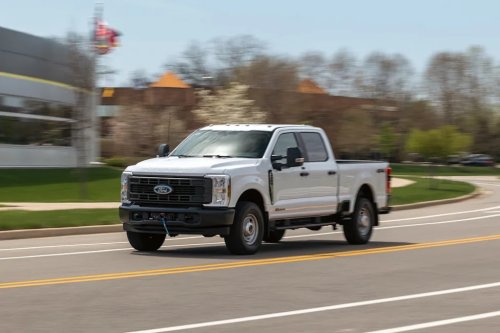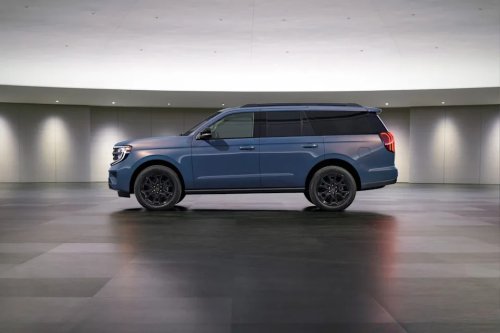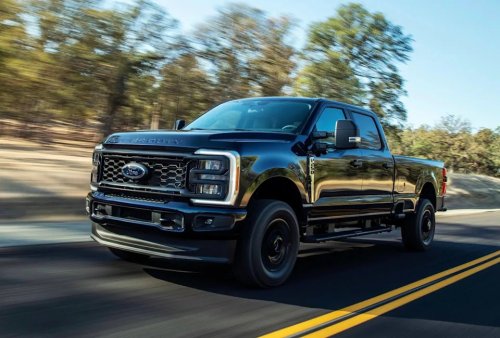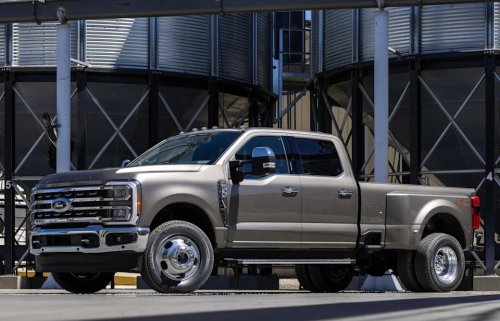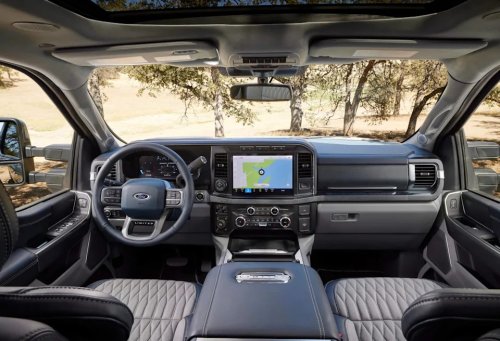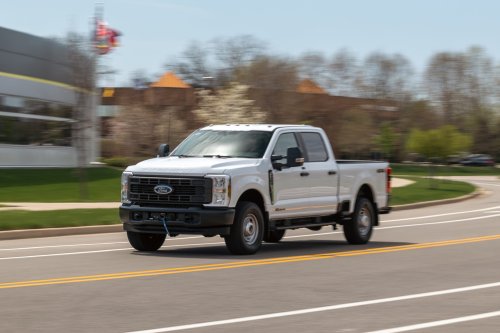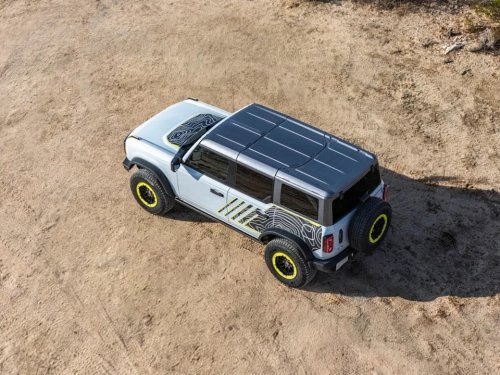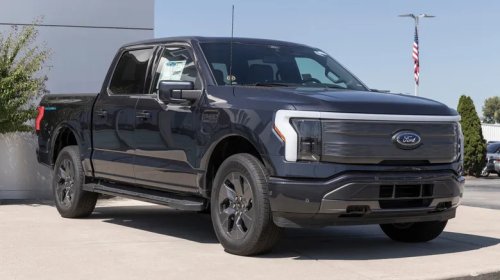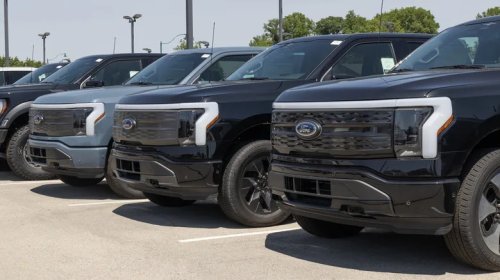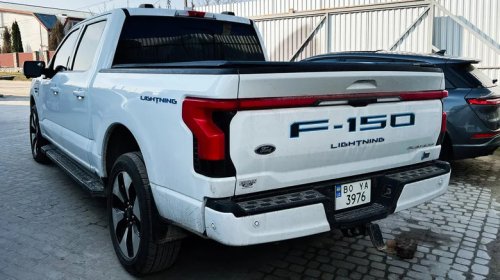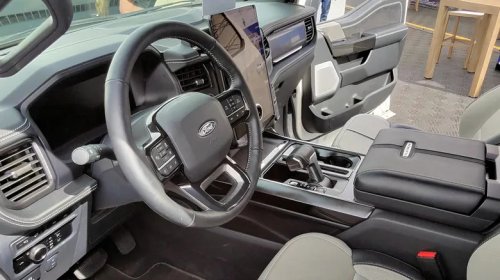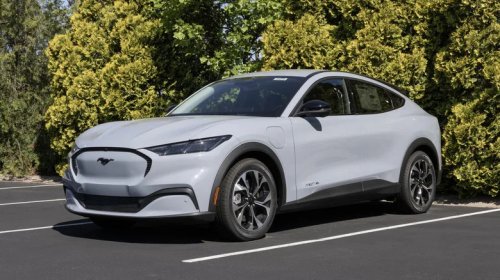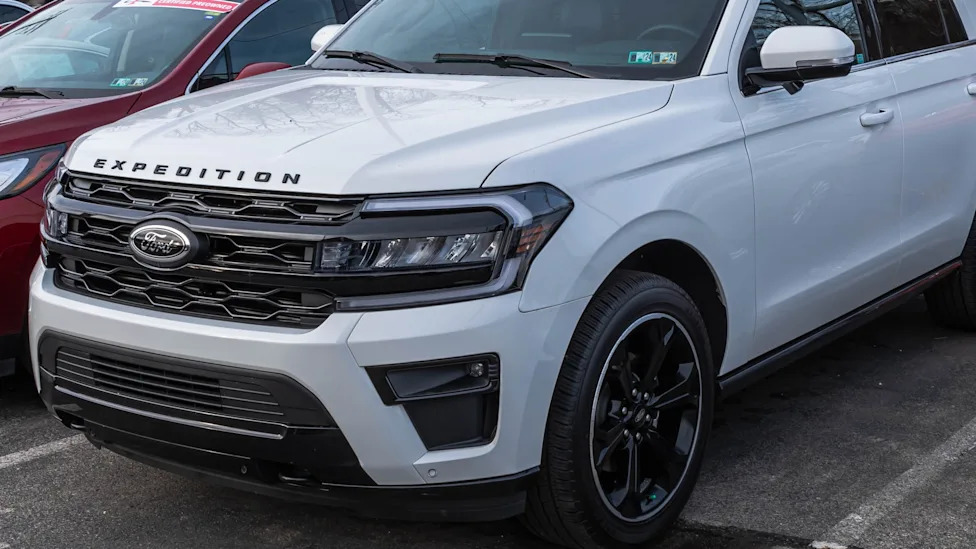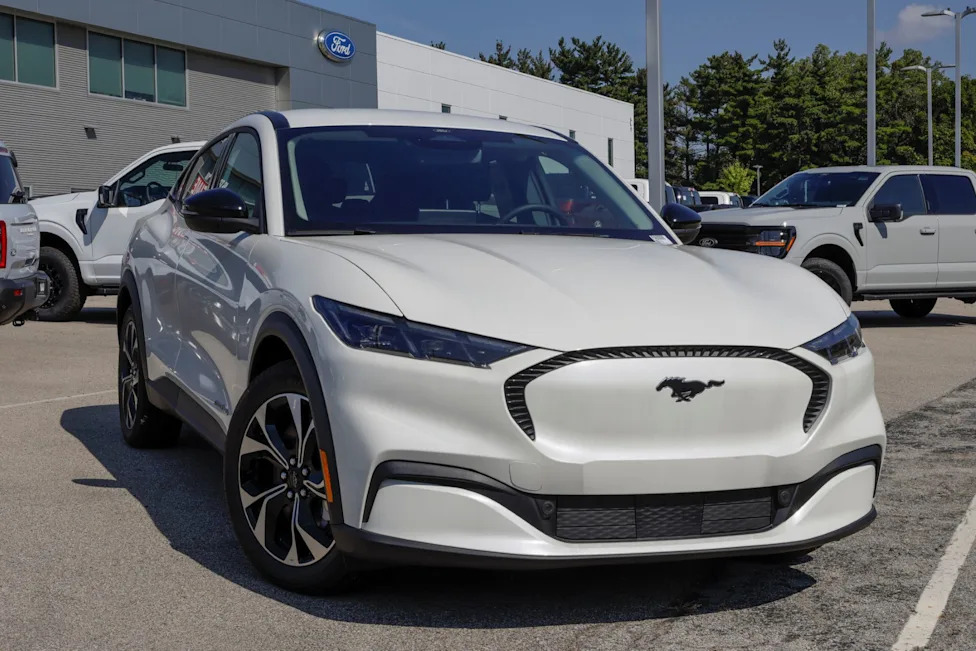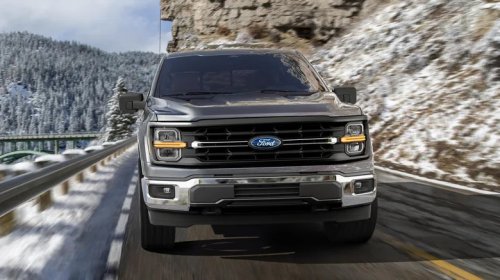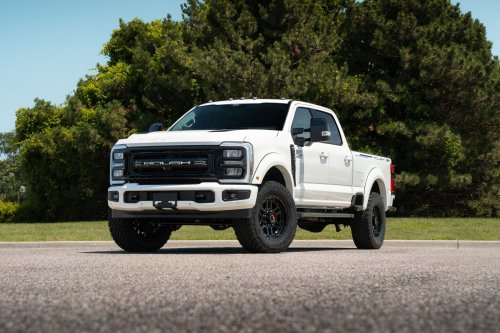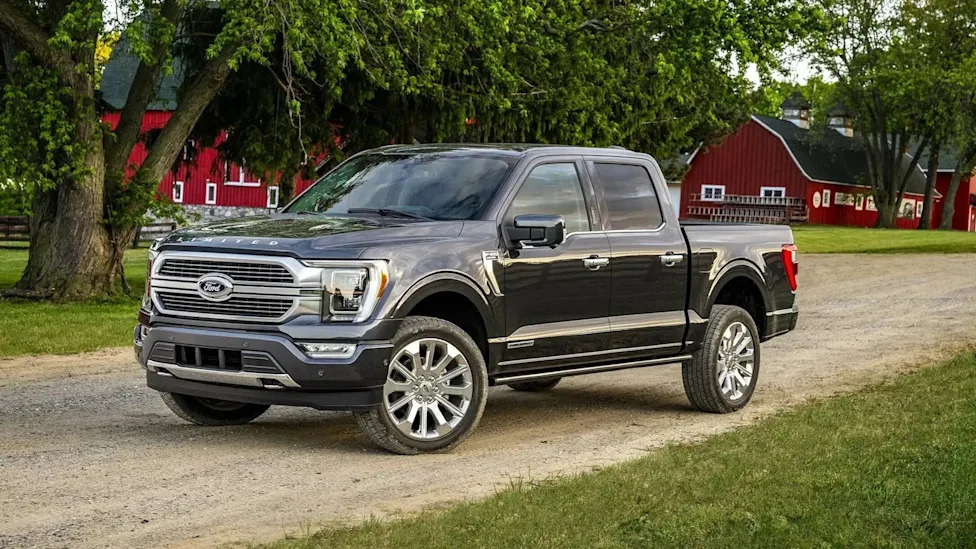
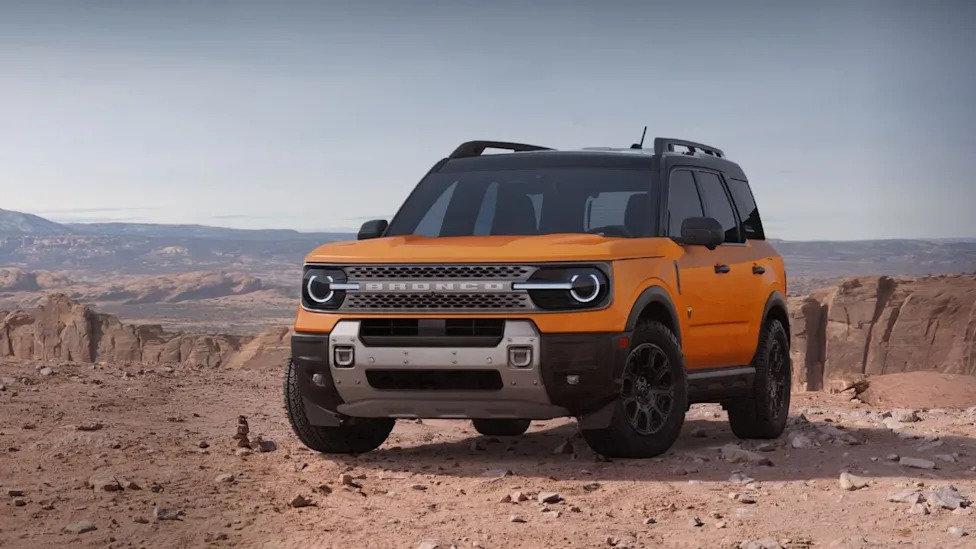
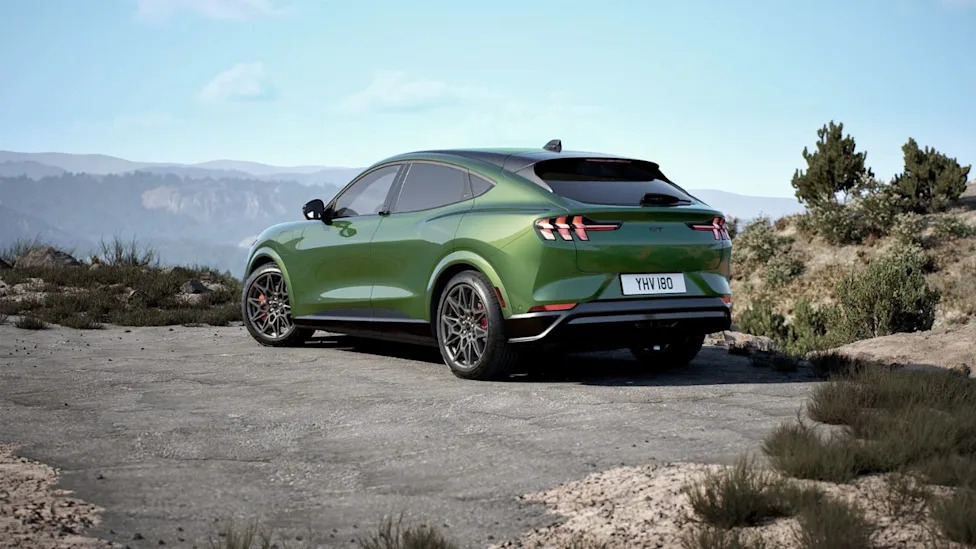



















Image Credit: Ford.Ford is expanding a smartphone-controlled security feature that allows owners to remotely prevent their vehicles from starting. Previously available on certain newer F-Series trucks, the Engine Start Inhibitor is now being offered across additional 2026 models through the Ford Security Package.The system is designed to provide another defense against vehicle theft as criminals increasingly exploit modern keyless-entry and electronic systems. Using the FordPass app, owners can activate the inhibitor remotely, preventing the vehicle from starting even if someone gains access to the cabin or has the key.As a factory-integrated feature, Ford's system avoids the wiring modifications and third-party hardware associated with traditional aftermarket killswitches. It also works through the same smartphone app owners already use to remotely lock, unlock, and start compatible Ford vehicles.AdvertisementAdvertisementThe technology has clear security benefits, although its expansion has also generated skepticism among some drivers. In the comments of an article published on The Drive, critics have raised concerns about cybersecurity, long-term software support, and the implications of manufacturers building remotely controlled immobilization technology into connected vehicles.Ford Expands Its Engine Start InhibitorImage Credit: Ford.Ford previously introduced the Engine Start Inhibitor for owners of select 2024-and-newer F-Series trucks. Availability has now expanded to vehicles including the 2026 Expedition, Bronco Sport, and Mustang Mach-E, bringing the feature to a much wider group of customers.Owners can access the system through the monitoring section of the FordPass app and activate the inhibitor using an on-screen control. Once enabled, the vehicle is prevented from starting until the security feature is deactivated.That could provide valuable protection if a thief manages to enter the vehicle or obtain its key. Ford says owners can also use an Engine Start Inhibitor deactivation code if poor cellular connectivity or another issue prevents normal operation.AdvertisementAdvertisementThe system may also provide additional protection for owners who use Ford's SecuriCode keypad. If someone discovers the door code while a key has been left inside, activating the inhibitor could still prevent the vehicle from being driven away.A Factory Alternative to Traditional KillswitchesVehicle killswitches are hardly a new concept, but traditional versions typically rely on hardware that interrupts an essential electrical or ignition circuit. Ford's approach brings the same basic idea into the connected-car era by integrating the capability into the vehicle's existing electronics.The factory-backed setup means owners do not need to install aftermarket equipment or modify vehicle wiring. It also reduces the potential for compatibility issues that can arise when third-party security systems interact with increasingly complex vehicle computers.Ford combines the inhibitor with other features available through its security package, including stolen-vehicle tracking. Some owners can also install Ford-provided camera equipment to monitor cargo carried in a pickup bed.AdvertisementAdvertisementInterestingly, the feature is reportedly unavailable on the electric F-150 Lightning. Compatible vehicles include newer F-150 and Super Duty trucks alongside the Expedition, Bronco Sport, and Mustang Mach-E.Some People Aren't Comfortable With the IdeaPhoto Courtesy: Ford.Reaction to the expanded technology has not been universally positive. Comments responding to news of the feature included concerns about hacking, manufacturer control, software reliability, and whether remote immobilization capabilities could theoretically be accessed by someone other than the vehicle's owner.Some drivers said they would prefer a conventional offline killswitch that does not depend on connected services. Others questioned what happens years or even decades into a vehicle's life if the software or infrastructure supporting such features is eventually discontinued.There is no evidence presented here that Ford's system gives governments or other outside parties routine access to remotely disable privately owned vehicles. Still, the concerns reflect a debate surrounding connected cars and how much control manufacturers should retain after a vehicle has been sold.Modern Vehicle Security Is Becoming a Balancing ActFor owners concerned about theft, Ford's Engine Start Inhibitor could be a useful additional barrier, particularly when combined with vehicle tracking and other factory security systems. Being able to prevent a vehicle from starting with a few taps on a phone offers a level of convenience that conventional aftermarket systems often cannot match.AdvertisementAdvertisementThe trade-off is greater dependence on software and connectivity. As vehicles gain increasingly powerful remote capabilities, automakers will face growing pressure to demonstrate that those systems are secure, reliable, supported for the long term, and ultimately under the owner's control.Ford's expanding remote start inhibitor illustrates both sides of the connected-car revolution. The same technology that could stop a thief from driving away in your vehicle is also prompting some owners to ask exactly who else might have access to that capability—and whether a traditional, disconnected killswitch might still be the simpler solution.If you want more stories like this, follow Guessing Headlights on Yahoo so you don't miss what's coming next.