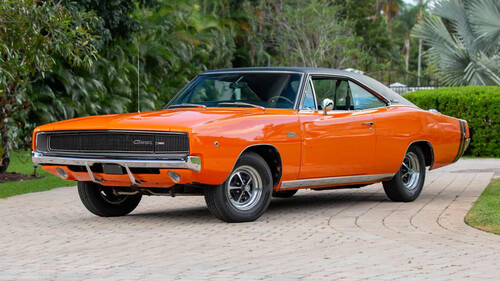
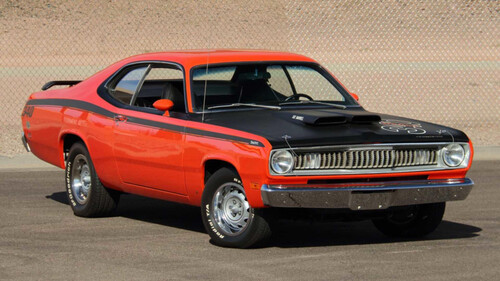
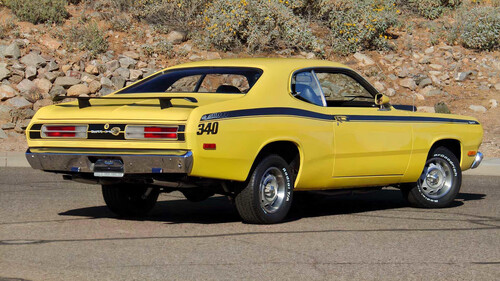
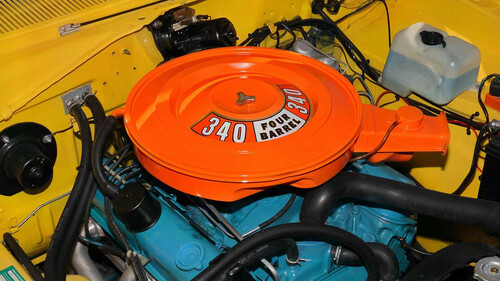
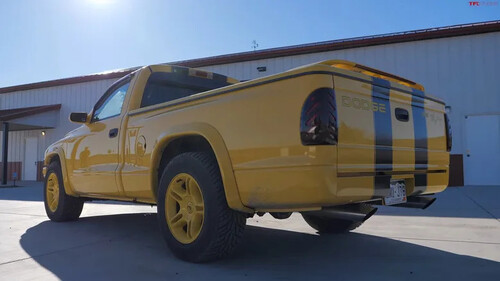
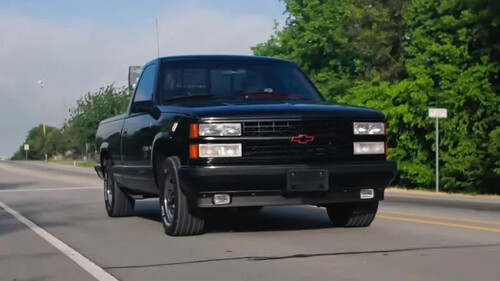
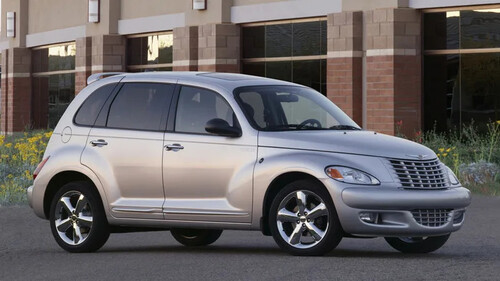
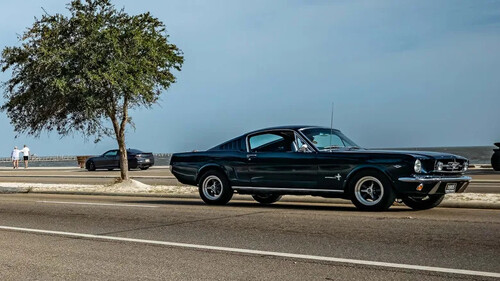
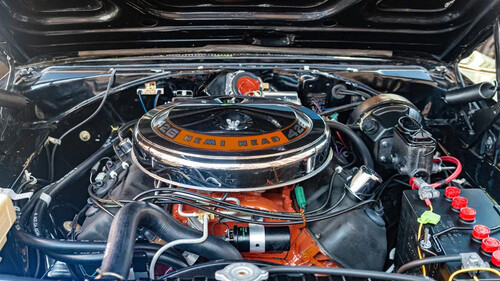
Jenna Pelletier · 5 months ago@jennapelletier79These engines still use freedom units for displacement Liked by+63 othersChevroletChevrolet CorvetteDodgeDodge ChallengerPost commentRelated PostsIs The C8 Corvette ZR1X Faster Than A Hellcat? Here's How Their HP & Speed Compare 22 · Annabelle Turner · 1 months ago10 iconic performance cars of the 2000s and their engineering highlights 66 · Amélie Pelletier · 28 days agoThe Plymouth that humbled Chevelles for half the sticker price 29 · Adam Clark · 22 days agoHere's How Much 2021 Chevy Tahoes Have Depreciated In Five YearsVictoria Moreau · 9 days ago10 Super Rare Pony Cars And What They're Worth Today 95 · Audrey Young · 1 months agoThe most important concept cars ever created 57 · Emma Macdonald · 29 days ago5 SUVs From The '80s That Look Better Than Today's Models 90 · Gabriel White · 22 days agoModern Turbo-Four Muscle Cars Are Still Better Than Old V6-Powered Base ModelsAva Bouchard · 9 days ago10 cars that proved style still mattered in the 1970s 83 · Ava Tremblay · 1 months ago20 postwar classics that felt faster than anything in their class 41 · Emily Lavoie · 1 months agoUnsung V8 performance: Exploring underrated American muscle cars of the 1960s 94 · Henry Roy · 23 days ago2023 Chevrolet Camaro ZL1 1LE For Sale With 2,300 MilesMadeleine Lewis · 9 days agoCorvette Z06 Vs. Hellcat: Which Is Faster & How Do They Compare In HP? 37 · Lucas Tremblay · 1 months agoMuscle cars have a generation problem, as old-school purists clash with what Gen Z wants 98 · Amélie Girard · 1 months ago12 Quick EVs That Can Hit 60 MPH In 3.5 Seconds Or Less 42 · Adam Clark · 23 days agoThis Stunning 750HP Garage-Built '68 Chevelle Was Once A Fire-Damaged WreckGabriel Turner · 9 days ago15 Of The Most Iconic American Cars Ever Made 29 · Samuel Bouchard · 1 months ago5 Used Family Station Wagons That Give Corvettes A Run For Their Money 76 · Lauren Tremblay · 1 months ago6 Legendary Muscle Trucks And What They're Worth Now 83 · Lauren Green · 24 days agoIIHS Launches New Attack In War To Make Heavy-Duty Trucks And Cargo Vans Less DeadlyEmma Lewis · 9 days ago




 +63 others