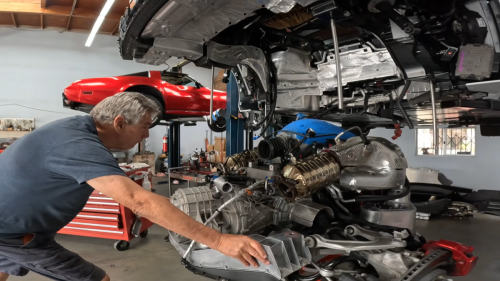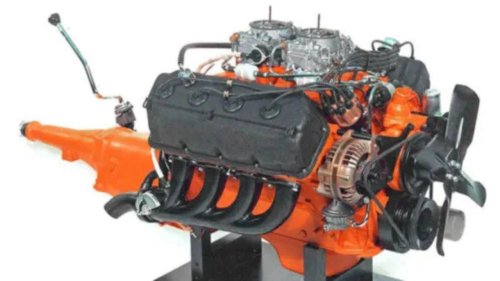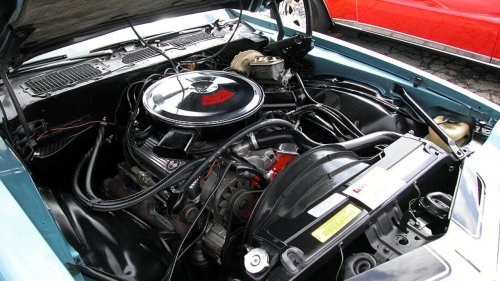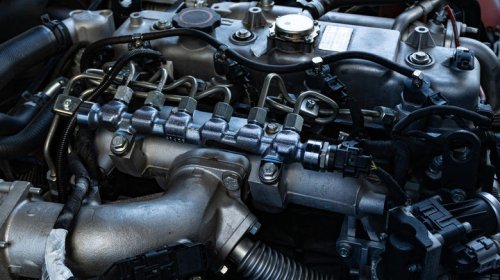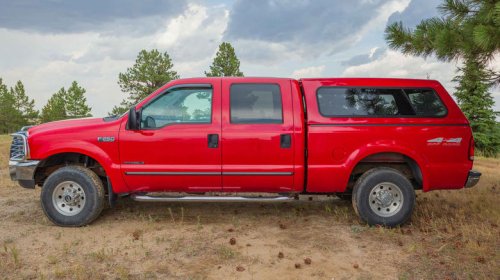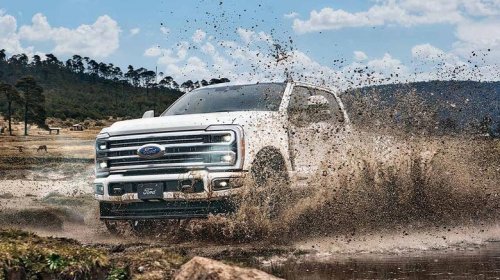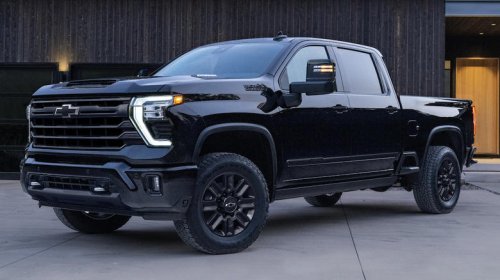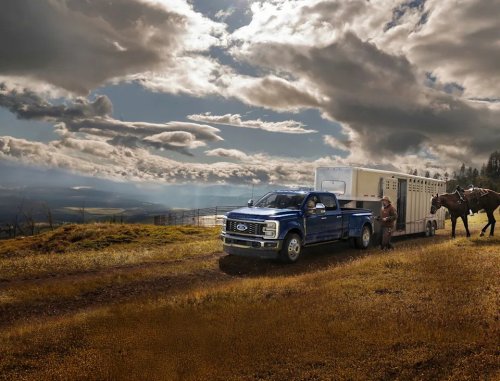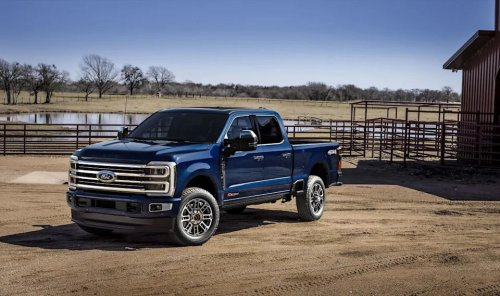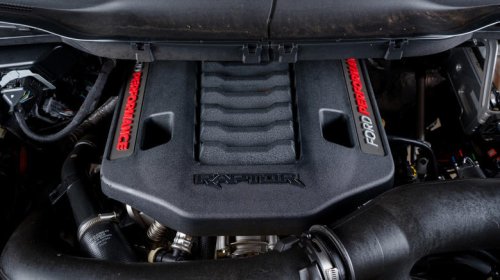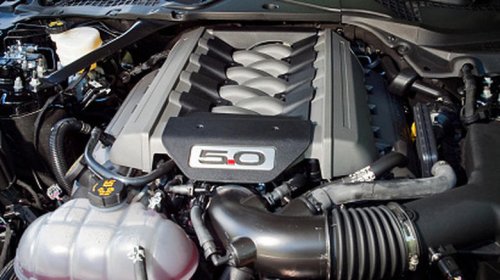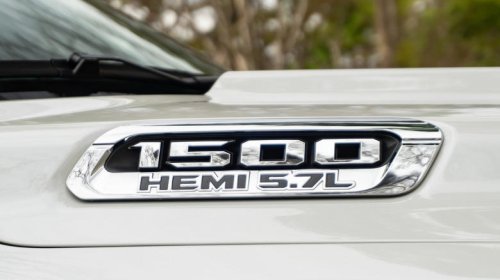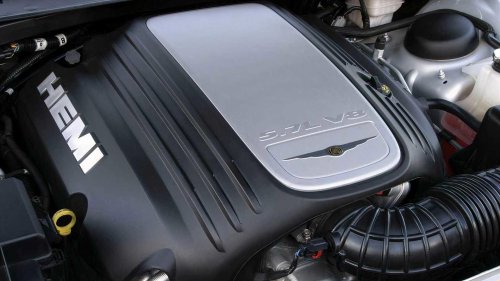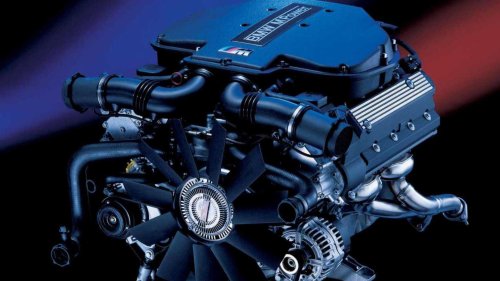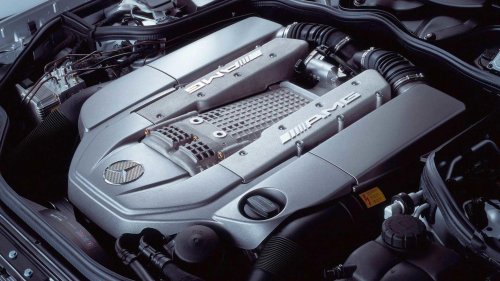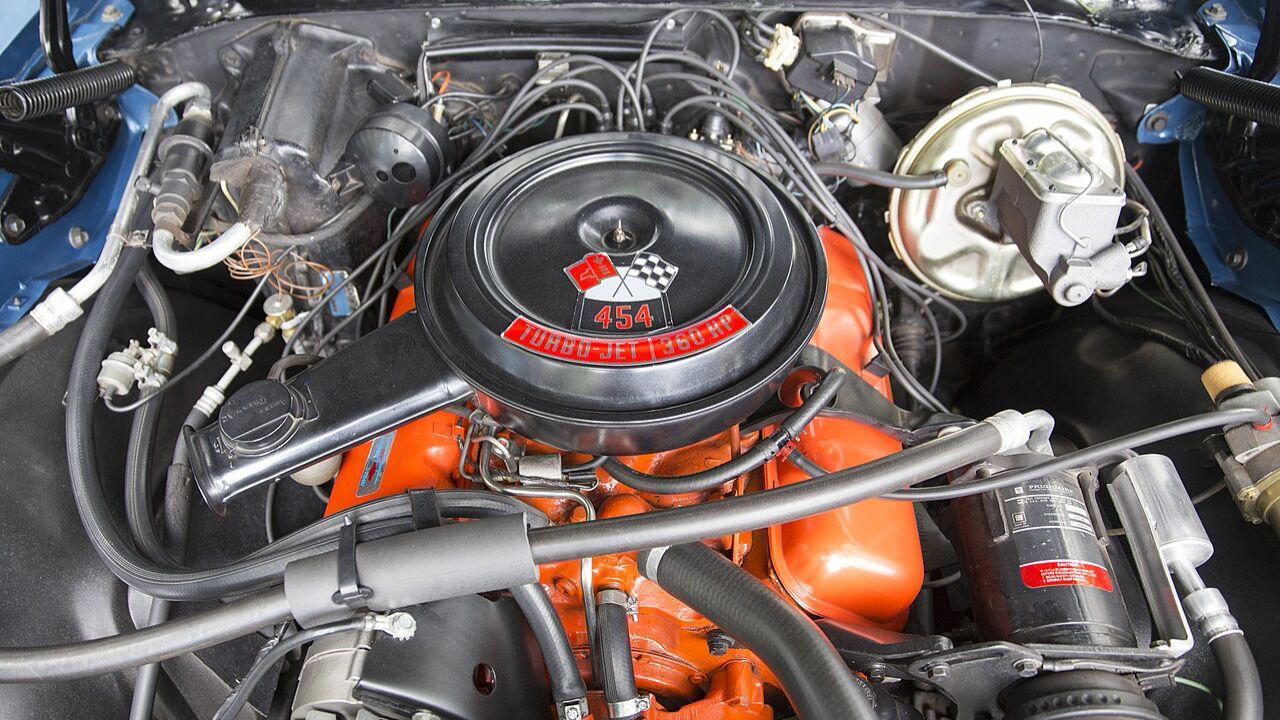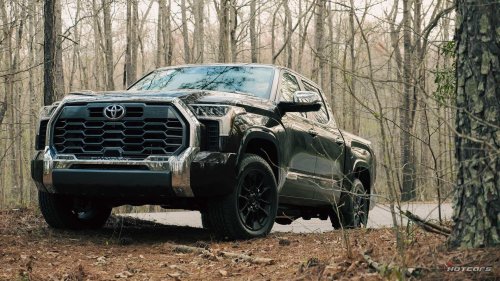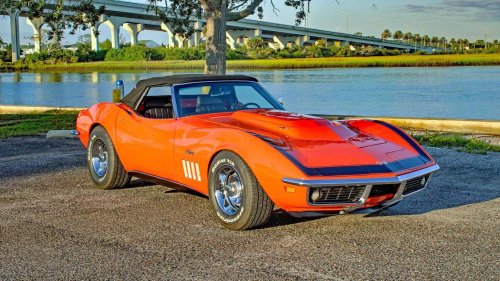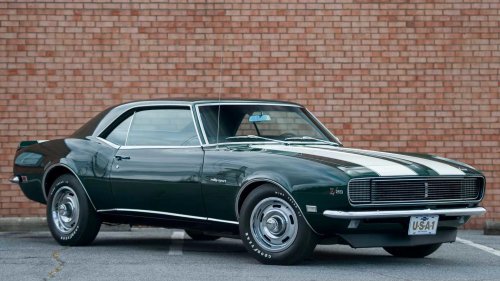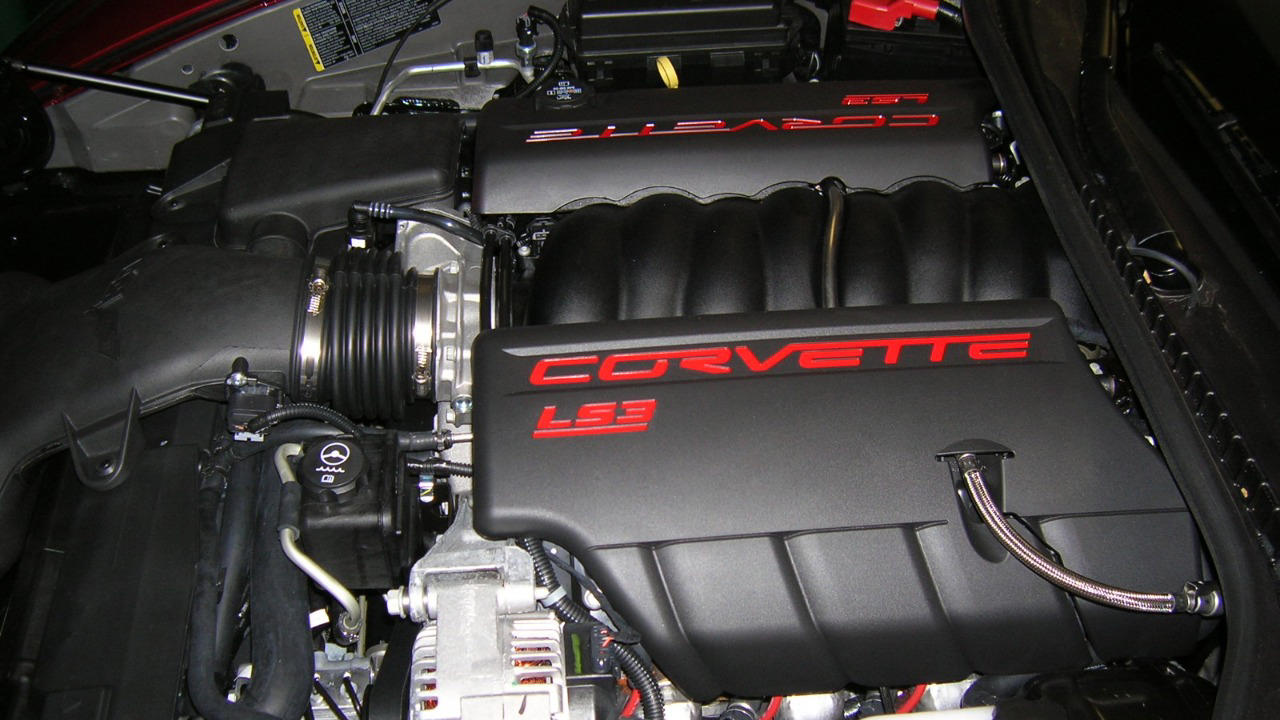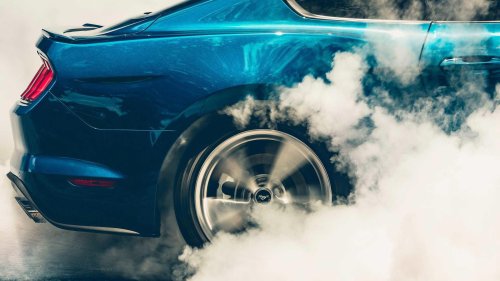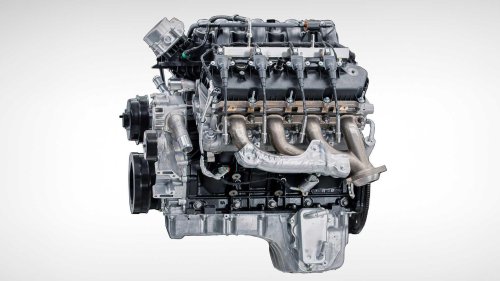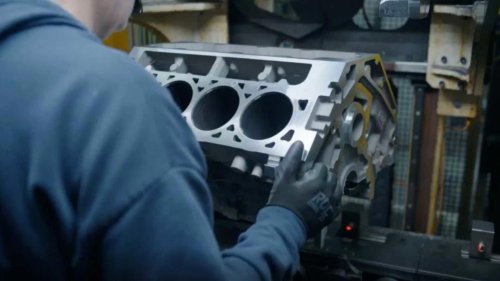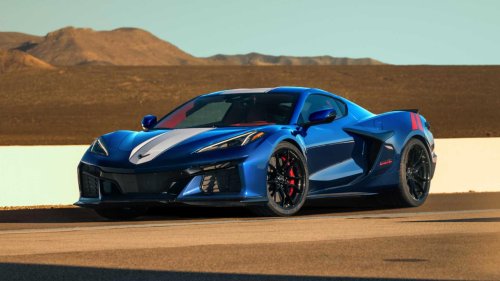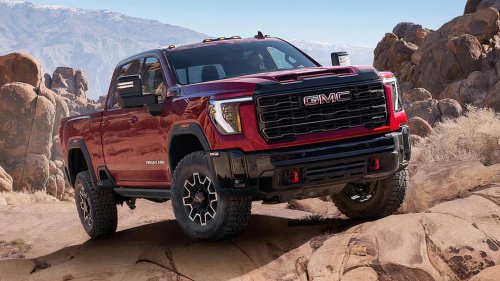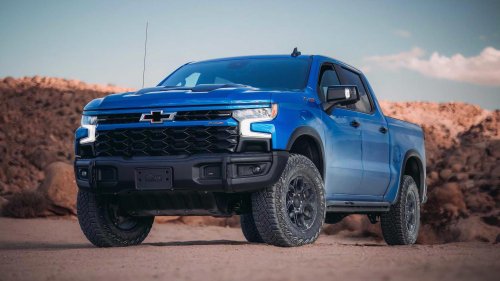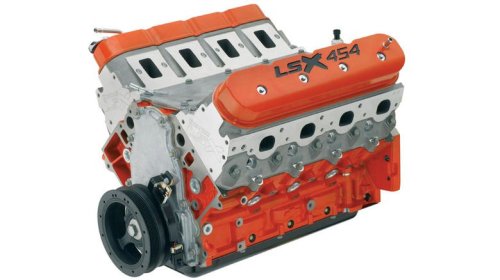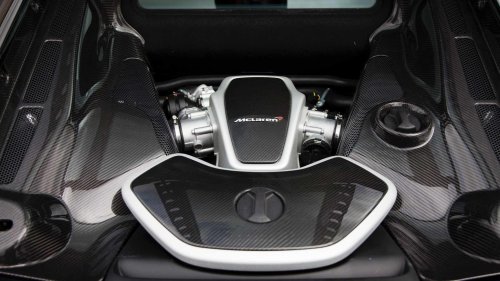
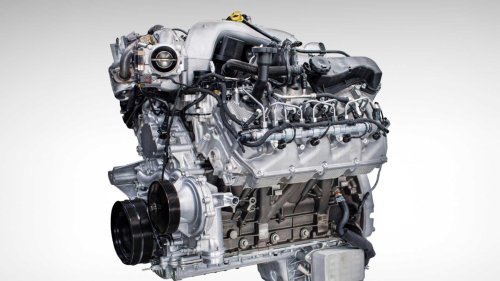
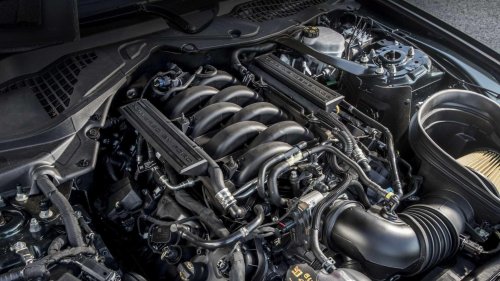
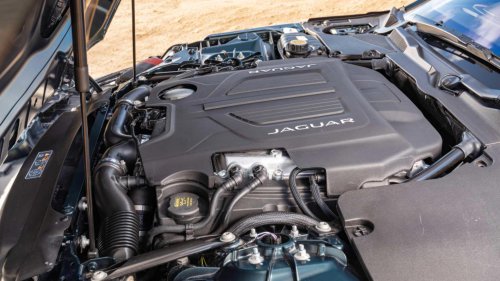
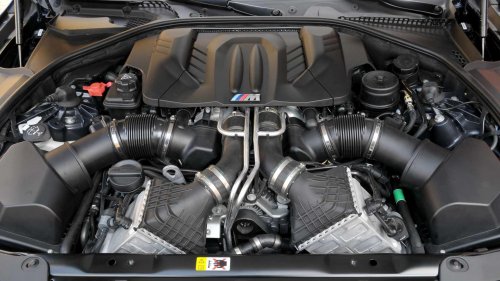
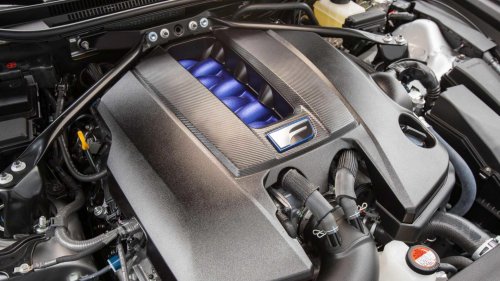
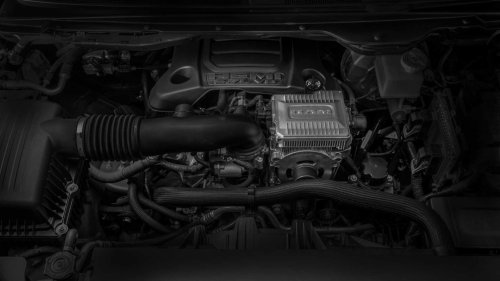
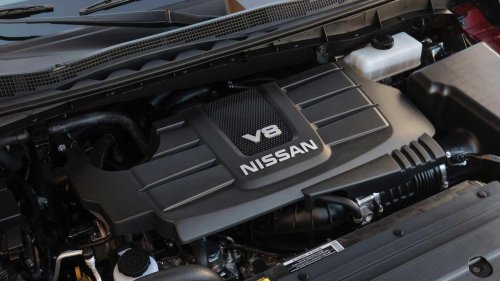
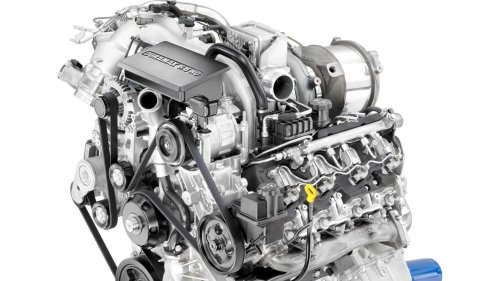
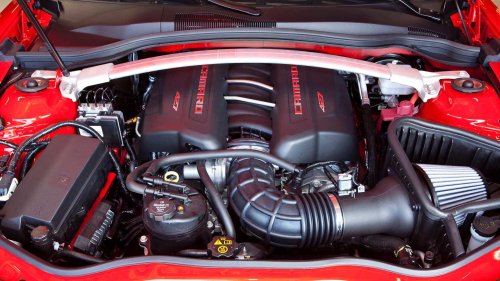


















Not so long ago, the V8 engine looked like an endangered species, with emissions regulations forcing car companies to downsize or electrify. There's been a remarkable turnaround of late, though, as resistance to electrification by customers and the pushing back or, in some cases, outright abandonment of planned emissions standards by governments giving the V8 a new lease on life, with companies like Stellantis and Mercedes-Benz doubling down on their use.That said, the uncertainty over the future of big-displacement engines over the last decade or so means not that many all-new V8s have made their way onto the market, and plenty of the ones you can still find in new cars today are comfortably over a decade old. These are the 10 that have been around the longest.We're including any V8 engine that's available in a mass-produced new car in 2026, and looking at when that particular family of engine was first introduced. Older versions of the same engine family will be counted, but if an engine was entirely new compared to its predecessor, it won't be. For instance, although the 4.0-liter twin-turbo EA825 V8 currently found in plenty of Volkswagen Group products shares lots of characteristics with its EA824 predecessor, it is, in fact, an entirely new engine. McLaren M838T/M840T 15 years old Mclaren M838T engineUntil the V6 hybrid Artura arrived in 2022, every road car built by McLaren Automotive in its relatively short history had been anchored around one twin-turbo V8 engine, co-developed by British engineering firm Ricardo. That engine debuted in the original MP4-12C in 2011, codenamed M838T in reference to its eight cylinders, 3.8-liter displacement and use of turbocharging. The initial 3.8-liter version peaked at 789 horsepower in track-only form in the P1 GTR.An evolution of the engine arrived in the 720S in 2017, now enlarged to 4.0 liters and renamed the M840T. Going as high as 833 hp in the ultra-rare, track-only Senna GTR LM, it continues to be used in the 750S and GTS, but not the new W1 hypercar – while that also uses a 4.0-liter twin-turbo V8, it's an all-new design. Ford 6.7 Power Stroke 15 years old Ford 6.7 Power Stroke engineA clean-sheet design that arrived in 2011 to replace the old Navistar-built Powerstroke diesel V8s, the 6.7 Power Stroke was the first of its engine family to be designed in-house at Ford, and has been in continuous service since. A single-turbo V8, it launched with 390 hp and 735 lb-ft of torque, but that's steadily grown to 475 hp and a mighty 1,050 lb-ft in standard guise. Not only that, but 2023 saw the launch of a High Output version, now making an astonishing 500 hp and 1,200 lb ft.Unsurprisingly, the only vehicles it's ever been offered in are Ford's F-250, F-350 and F-450 Super Duty trucks, and that continues to be the case today. Ford Coyote 16 years old Ford Coyote V8 engineArriving in 2010 for the 2011 MY Mustang, Ford's Coyote V8 marked the return of the evocative 5.0 badge to the pony car, and replaced the aging Modular V8 that had seen service all over the Ford empire throughout the 90s and noughties. It brought much-needed improvements like four valves per cylinder, an aluminum block and Ti-VCT variable valve timing, helping keep the ’Stang competitive against the reborn Chevrolet Camaro and Dodge Challenger.It's since been at the heart of the Mustang range, hitting 500 hp in the Dark Horse, and has seen use in several versions of the F-150 and Australian-market Falcon. It's also proven a popular drop-in option for low-volume sports cars like the De Tomaso P72 and – should it ever actually be built – the new TVR Griffith.It's even been confirmed as the basis for Ford's upcoming Le Mans contender. Several higher-performance 5.2-liter versions have been spun off it, culminating in the 815-hp supercharged "Predator" motor found in the hardcore Mustang GTD. Jaguar AJ-V8 Gen III 17 years old Jaguar AJ-V8 engineJaguar's AJ series of V8s can trace their roots right back to the 1990s, but the current, all-aluminum 5.0-liter version arrived as an all new engine in 2009, arriving that year in the XF sedan and updated XKR sports car. A symphony of rumbles and exhaust crackles, it's a beastly engine, more often than not found with a massive supercharger strapped to it. It underpinned the top end of Jaguar and Land Rover's ranges right throughout the 2010s, with power numbers getting as high as 592 hp in the limited-run Jaguar XE SV Project 8 super sedan.Sadly, though, it looks as if time might be running out for the engine in 2026. With Jaguar stopping production of all its combustion-powered cars to focus on its all-electric future, and the latest generation of V8 Land Rover products adopting BMW engines, there are only two places you can still find the AJ. One is in supercharged form in the V8 versions of the new Defender (except the Octa, which uses the BMW motor), and the other is in naturally aspirated guise in the run of factory V8 restomods of the old Defender being converted by JLR's Classic division. BMW N63/S63 18 years old BMW S63 V8 engineThe first among the big three German premium brands to go turbocharged with its V8s, BMW introduced the twin-turbo, 4.4-liter N63 in 2008 to replace the old atmospheric N62. Making its debut in the 2008 X6 and 7 Series, the high-performance S63, fettled by the M division, arrived a year later, getting their first use in the 2010 X5 M and X6 M – the first M cars to adopt a turbocharged engine.It went on to find its way into pretty much every big Bimmer over the following decade or so, from the 5 Series to the X7, with the high-performance S63 version powering the F10 and F90 M5, the F12 M6 and three successive generations of X5 and X6 M. Alpina developed its own hand-built version, and a number of low-volume Weismann sports cars used both the standard and M-tweaked versions. It was also briefly used in the current-generation Range Rover and Range Rover Sport before being superseded by BMW's newer S68 engine.That S68, which is a clean-sheet design but features the same 4.4-liter twin-turbo setup, has almost entirely replaced the older N63 and S63 – the only car left using them is the 8 Series, with the M850i using the N63 and the M8 using the S63. When production of these models wraps up by the end of 2026, that'll be it for the duo. Toyota UR family 20 years old Toyota Lexus 2UR-GSE V8 engineThe newest in a line of Toyota V8s dating right back to the 1960s, the UR family of engines made its first appearance in 4.6-liter 1UR form in the 2006 Lexus LS 460, followed in 2007 by the 5.0-liter 2UR and 5.7-liter 3UR. The three variants went on to find use in a surprisingly wide variety of vehicles – luxury sedans like the Lexus LS 600, durable trucks and SUVs like the Toyota Tundra and some overseas versions of the Land Cruiser, and high-performance coupes like the Lexus RC F and LC500.While the family has been steadily phased out over the last few years in favor of more efficient twin-turbo V6s and hybrid setups, there are still a couple of places you can find the 5.0-liter 2UR. The higher-performance 2UR-GSE is still found in the Lexus LC500, although not for long, as that car's due to be discontinued by the end of 2026. However, the smoother, more relaxed 2UR-FSE is used in Japan and a select few other markets in the Toyota Century luxury car, where it's part of a hybrid system. It seems it won't be dropped from that any time soon, and with Toyota having developed an all-new, twin-turbo V8 for the GR GT, it looks like the Japanese eight-cylinder is safe for a while yet. Chrysler Hemi 23 years old Chrysler Hemi V8The Hemi name – a reference to the hemispherical combustion chambers of the 1950s original – is synonymous with the Chrysler group, now part of Stellantis, which has produced three distinct generations of Hemi V8 on and off over the decades. The current iteration has been around since 2003, when it debuted in 5.7-liter guise, first on the Dodge Ram before being dropped into a swathe of models across the Dodge, Chrysler and Jeep brands. A 425-hp 6.1-liter version launched in 2005 to slot into the various SRT-8 badged performance models, while an even bigger 6.4-liter "392" unit launched in production form in 2010 after several years as a crate engine.Perhaps the most famous version of this motor, though, is the 6.2-liter supercharged "Hellcat" version, first introduced in the 2015 Challenger and Charger Hellcat with 707 hp, and subsequently dropped into pretty much whatever it'll fit in. It eventually evolved into the Demon engine found in the drag-strip-focused Challenger of the same name, capable of producing 840 hp if run on race fuel.For a while in the early 2020s, it looked like the Hemi was on unsteady ground, and set to be replaced by a mixture of Stellantis' new Hurricane twin-turbo six-cylinder and fully electric powertrains. However, customer backlash and a relaxing of regulations has seen Stellantis pull a full 180, with the Hemi now very much part of its plans once again. The 5.7-liter was reintroduced to the Ram 1500 after a year away, plans to drop the 392 from the Jeep Wrangler were done away with, and rumor has it that the Hellcat version could soon fill the V8-shaped hole in the new Dodge Charger range. Nissan VK family 25 years old Nissan VK56 V8 engineVery much stretching the definition of "still in production", Nissan's VK engine is only found in one model, and only in a select few markets, but while it'll finally be discontinued at some point in 2026, the company does still build it. A naturally aspirated, dual-overhead cam motor, it first arrived in 2001 in 4.5-liter VK45 guise in the Japanese-market Nissan Cima, sold as the third-generation Infiniti Q45 in the US. It later also spawned 5.0- and 5.6-liter versions.Unlike most gas engines on this list, Nissan has always steered clear of using the VK for high-performance applications, preferring to deploy it in luxury sedans, trucks and SUVs, although various versions of it have been adapted for racing. As for the one model still using it? That'd be the Y62 Patrol, which has been around since 2010 and is still built for the Australian and New Zealand markets. It uses the 5.6-liter VK56DE with 400 hp, but its successor, which adopts a twin-turbo V6, has already been in production for over a year for some markets, and the old Y62 is due to disappear by the end of 2026, taking the last VK with it. GM Duramax 25 years old GM Duramax V8Celebrating a quarter-century in 2026, GM's Duramax diesel V8 has been powering the biggest, beefiest trucks produced by the General since 2001. Built by GM subsidiary DMax, it was originally developed alongside Isuzu, although the Japanese company only ever used the six-cylinder engine that was born from the same collaboration.The 6.6-liter V8 has only ever found a home in heavy-duty trucks from Chevrolet and GMC, plus briefly in the single model year Hummer H1 Alpha. Its latest iteration is available in the HD versions of the Chevrolet Silverado and GMC Sierra, where it makes a healthy 470 hp and 975 lb-ft of torque. GM LS family 29 years old GM LS V8 engineDid you really expect anything else to take the top spot? Since debuting in the 1997 Chevrolet Corvette, General Motors' LS motor and its many, many derivatives have found their way into just about anything they'll fit in. Picking up from the equally popular small-block series that dates back to the 1950s, the family has found its way into four successive generations of Corvette, witnessed the rebirth and second death of the Camaro, seen service in countless trucks and SUVs, and become a hero Down Under thanks to its use in numerous tire-smoking Holdens. Those Aussie muscle cars even made their way to Britain with Vauxhall badges.That's before you get onto the dozens of racing cars that have used it, or its constant availability as a crate engine. In nearly 30 years in production, it's gained all manner of tech, like variable valve timing and cylinder shutdown, and its use in a mid-engined hybrid – the Corvette E-Ray – is probably far beyond what anyone envisioned for the motor back in the 90s. Nevertheless, it's retained its dependable but old-school pushrod layout throughout it all. Power has gone as high as 755 hp in the C7 Corvette ZR1, and displacement as high as 7.0 liters.GM announced in 2023 that it was investing $854 million into developing a next-generation small-block, set to debut later this decade. Whether it'll be another evolution of the LS or a clean-sheet design is yet to be seen, but either way, we suspect this almost three-decade-old engine family will have life in it for plenty of years to come.