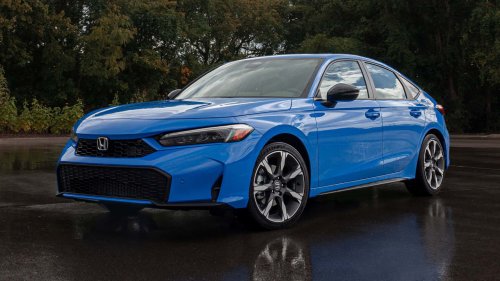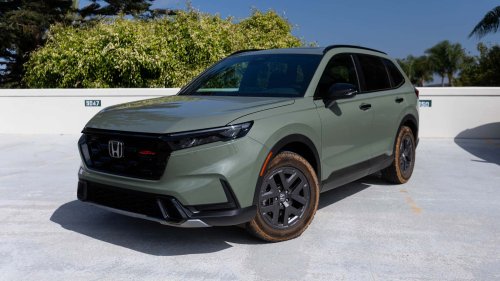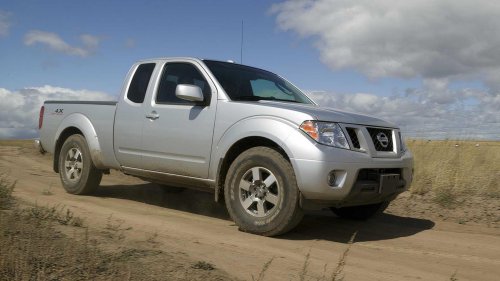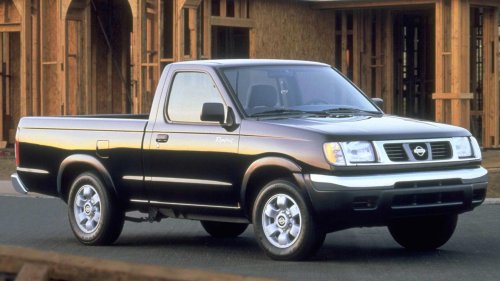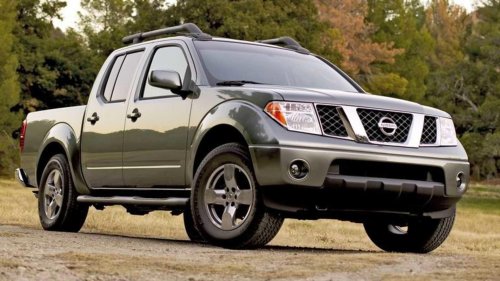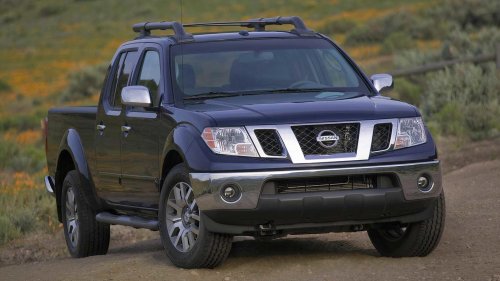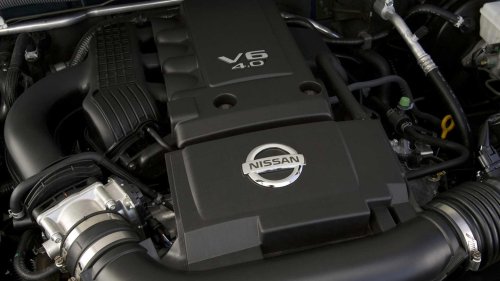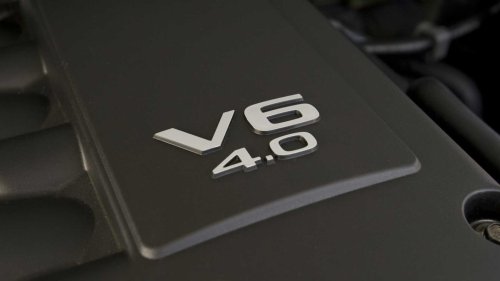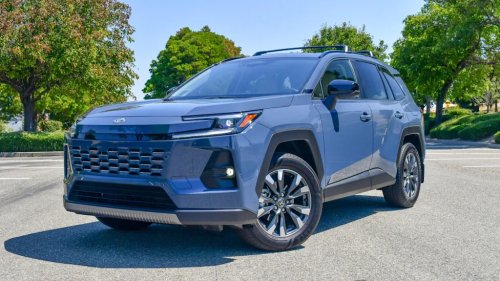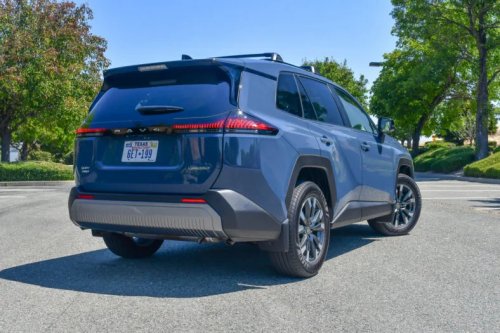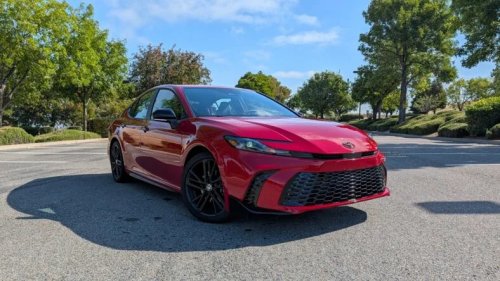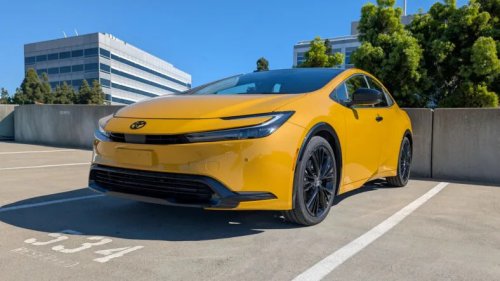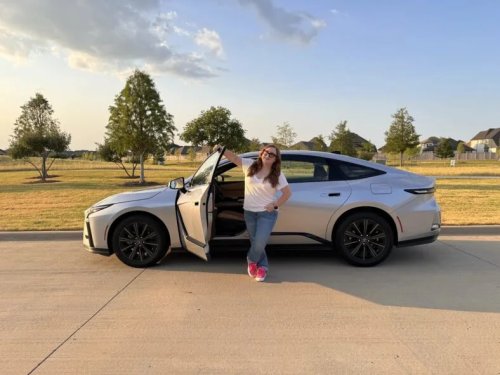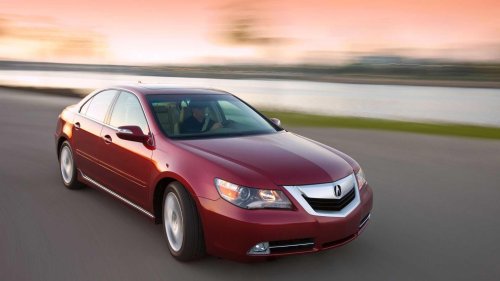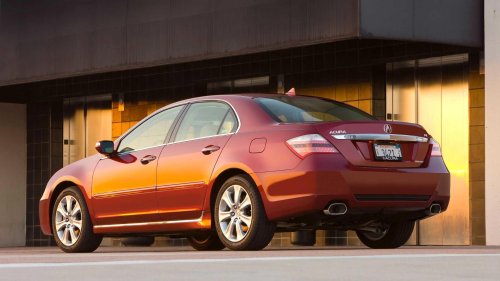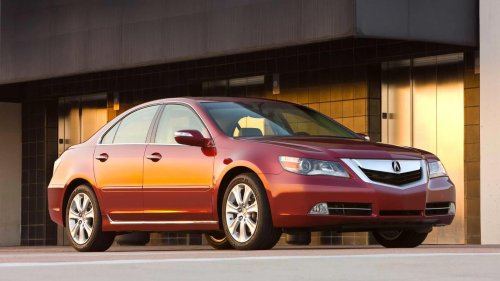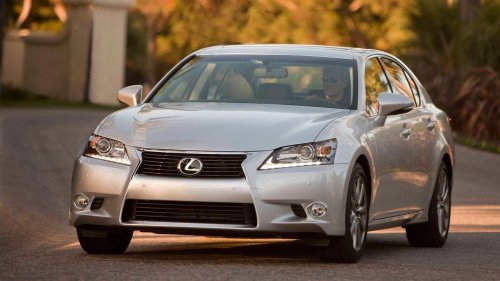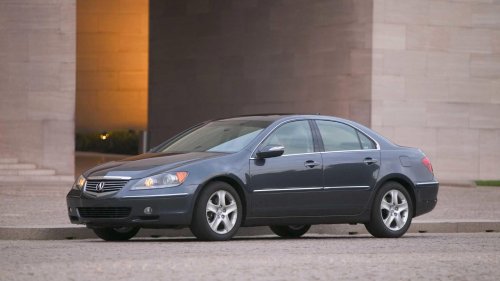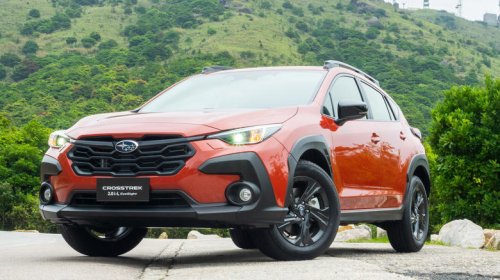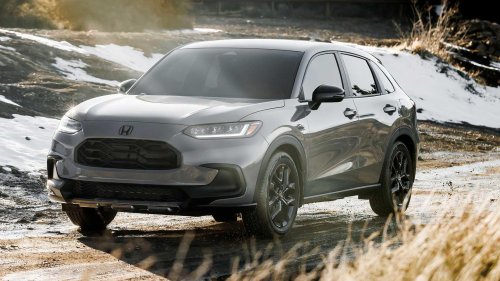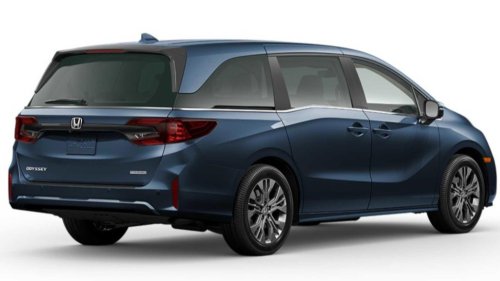



















these are the last ultra reliable new carsMost reliable car engines and transmissions that will last forever. These are the best engines and transmissions that last forever that you can buy in a brand new car or SUV in 2026. The most reliable engines that run for 300,000 miles or more with just basic maintenance and minimal repairs. If you are looking to buy the most reliable car or SUV with the best engine and transmission, make sure to watch this video.Built to Last: The Longest-Lasting New Cars You Can BuyWhat are the longest-lasting new cars on the market today? If you want a vehicle engineered with true longevity in mind, you have to look at the powertrain.AdvertisementAdvertisementMany modern vehicles suffer from over-complicated engineering, but a select few still feature proven, ultra-reliable powertrains that are relatively simple and easily repairable. Most mechanics agree that if you properly maintain the following vehicles, they will easily clear 200,000 miles (300,000 km) without experiencing any major mechanical issues.The Best V6 Powertrains for High MileageNissan 3.5L / 3.8L V6 (VQ Series) with 9-Speed AutomaticNissan and "bulletproof reliability" rarely appear in the same sentence due to their historically problematic CVTs. However, their truck and large SUV powertrain is the major exception to the rule.Where to find it: The Nissan Pathfinder (3.5L V6) and the Nissan Frontier (3.8L V6).Why it lasts: The VQ engine family has been meticulously refined over 20 years. Paired with a conventional 9-speed automatic transmission instead of a CVT, this naturally aspirated setup completely avoids the extra stress of turbochargers. While early generations had minor timing and oil consumption quirks, the modern direct-injected versions are thoroughly sorted and highly durable.Honda / Acura 3.5L V6 (J35) with 10-Speed AutomaticThe J35 V6 has been a cornerstone of Honda's lineup for over 25 years, offering an exceptional blend of smooth power and mechanical durability.AdvertisementAdvertisementWhere to find it: The Honda Pilot, Passport, Ridgeline, Odyssey, and the Acura MDX.Why it lasts: Available in both single and dual overhead cam variants, this engine drops turbos in favor of pure displacement. It pairs beautifully with Honda's robust, in-house designed 10-speed automatic.Maintenance note: It isn't entirely maintenance-free. It uses a direct-injection system (susceptible to carbon buildup over time) and features a traditional timing belt that requires replacement every 100,000 miles (160,000 km) at a shop cost of around $1,500. The Variable Cylinder Management (VCM) system has also drawn minor complaints, but its multi-decade track record proves it is a true high-mileage engine.Reliable Four-Cylinder CommutersSubaru 2.0L & 2.5L Boxer Engines (FB20 / FB25)Subaru's core four-cylinder engines have spent the last decade earning a reputation for everyday dependability, moving past the flaws of their predecessors.Where to find it: The Subaru Impreza, Crosstrek, Forester, and Outback.Why it lasts: While older Subaru models were plagued by head gasket failures and oil consumption issues, the modern FB engine family has fully corrected these flaws. They are naturally aspirated, robust, and paired with a highly refined, belt-and-pulley CVT that has proven to be the most reliable of its kind on the market. Keep the CVT fluid fresh, and this setup will comfortably breeze past high mileage milestones.Honda 2.0L K-Series (K20C Family)Honda's K20 engine family is legendary among mechanics for its ability to run forever on little more than basic oil changes.AdvertisementAdvertisementWhere to find it: The Honda Civic (base trims) and the Honda HR-V.Why it lasts: While turbocharged variants (K20C1/C4) exist in performance models, the real longevity heroes are the naturally aspirated versions. Specifically, the K20C2 found in the HR-V utilizes old-school, traditional port fuel injection. By avoiding direct injection entirely, it eliminates valve carbon buildup completely. It easily clears a quarter-million miles with routine care.The Hybrid Longevity SuperstarsHonda 2.0L Hybrid System (LFC Engine)Honda's innovative approach to hybrid tech has eliminated one of the most common automotive failure points: the transmission.Where to find it: The Honda Civic Hybrid, Accord Hybrid, and CR-V Hybrid.Why it lasts: The LFC powertrain connects a naturally aspirated 2.0L engine to a two-motor hybrid system using a direct-drive setup. There is no traditional automatic transmission, dual-clutch, or CVT. The front wheels are driven by the electric motor, while the gas engine primarily acts as a generator to supply electrical power. Because the mechanical complexity is so low, it removes massive liabilities for long-term owners.Toyota 2.0L & 2.5L Dynamic Force Hybrids (M20A-FXE / A25A-FXS)Toyota's Dynamic Force engines combined with their electronic CVTs represent the absolute pinnacle of modern automotive reliability.AdvertisementAdvertisementThe Secret Weapon: Toyota's hybrid system utilizes a planetary gear set (eCVT) rather than a push-belt. It is fundamentally bulletproof and virtually immune to the mechanical wear that destroys traditional gearboxes.Toyota 1.8L Hybrid (2ZR-FXE)Where to find it: The Toyota Corolla Hybrid.Why it lasts: This is the only engine left in Toyota's fleet that intentionally relies on older, pre-Dynamic Force architecture. It is an old-school, dead-simple, under-stressed powerplant. Paired with Toyota's fifth-generation hybrid components, it is the undisputed king of commercial service. There is a clear reason why taxi and rideshare fleets almost exclusively run this exact vehicle: they routinely clock over 300,000 to 500,000 miles without major mechanical breakdowns.The #1 Pure Gas Engine: Lexus 3.5L V6 (2GR-FKS)If you refuse to buy a hybrid but still demand the highest standard of automotive reliability available today, this powertrain stands alone at the top.Where to find it: The Lexus IS 350 (paired with a 6-speed automatic in AWD configurations or an 8-speed automatic in RWD configurations).Why it lasts: The 2GR-FKS V6 is completely unbothered by modern emissions gimmicks. It features no turbochargers, no auto start-stop systems, and no cylinder deactivation. Furthermore, it utilizes a smart dual port and direct injection system (D-4S), which uses the port injectors to continuously wash the intake valves, preventing carbon buildup entirely. It is a robust, heavy-duty engine built for effortless premium longevity.