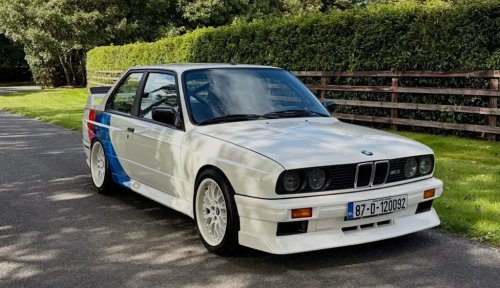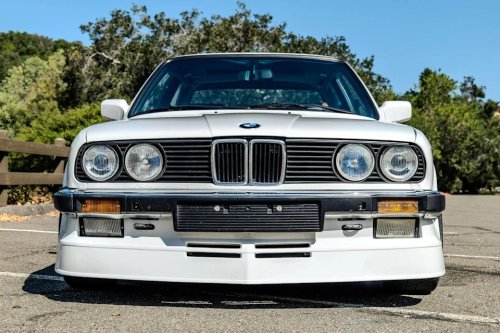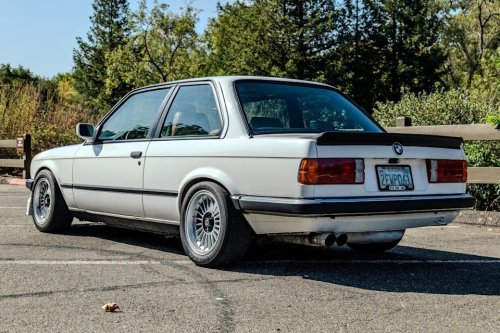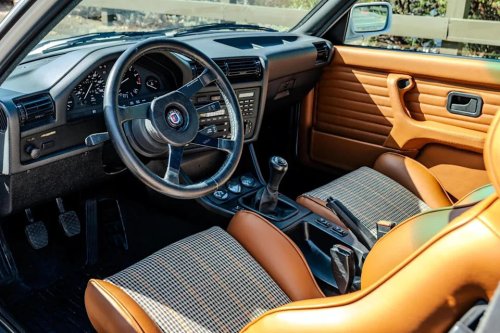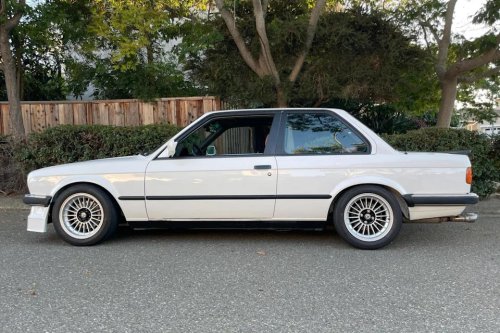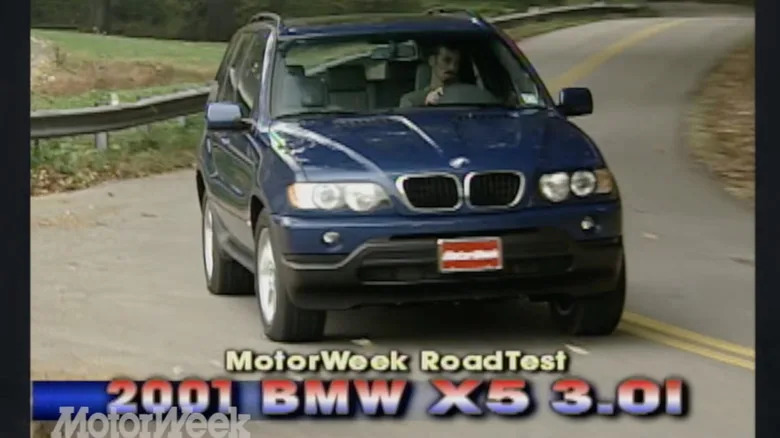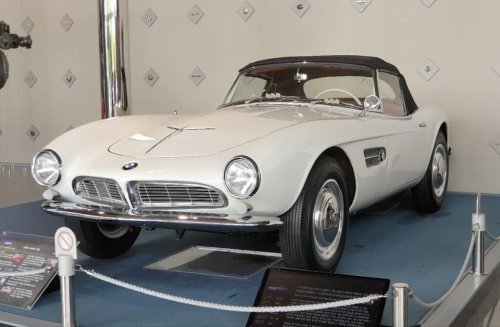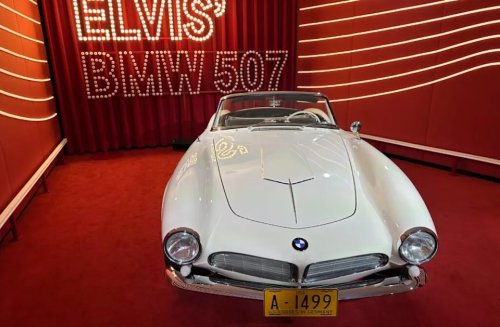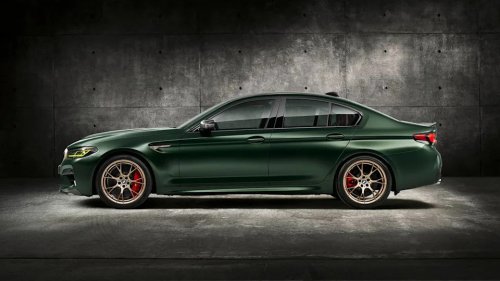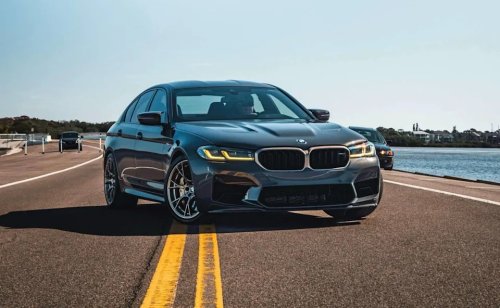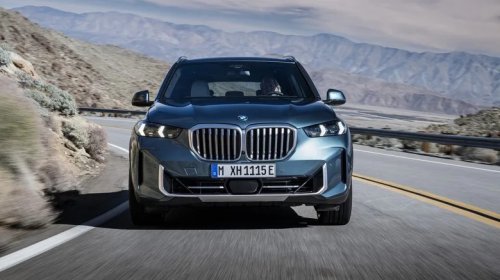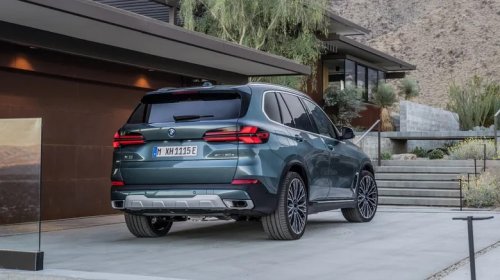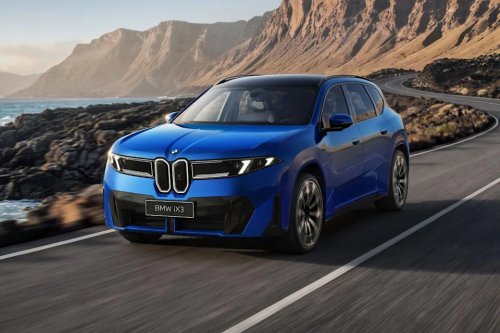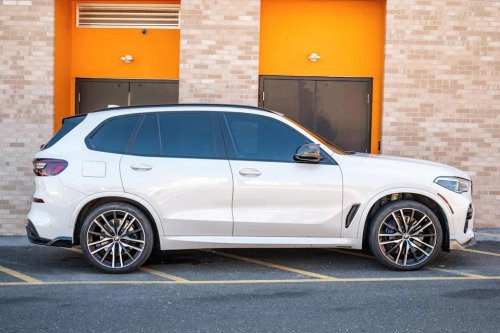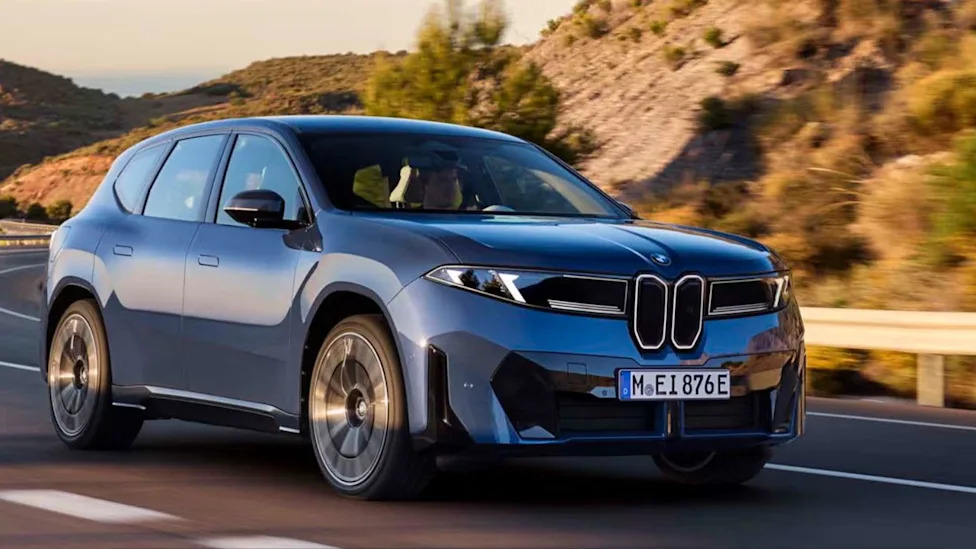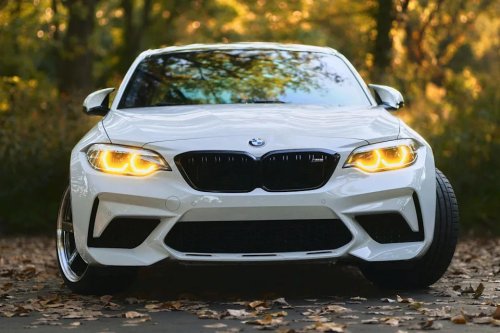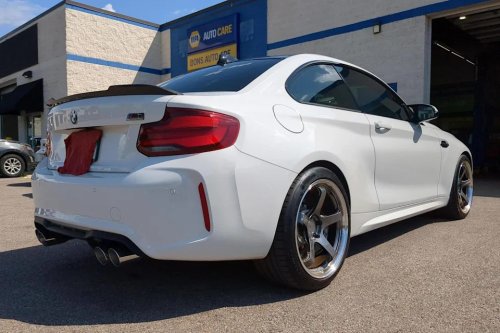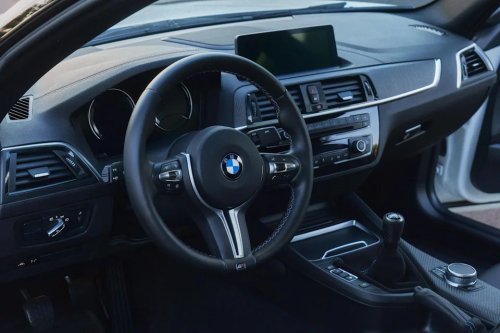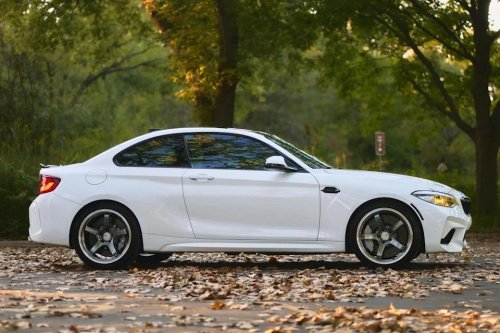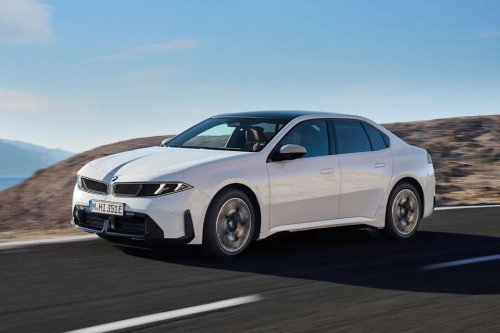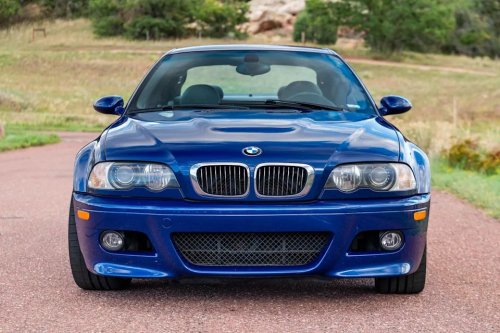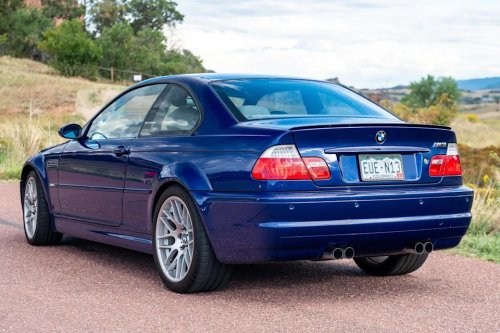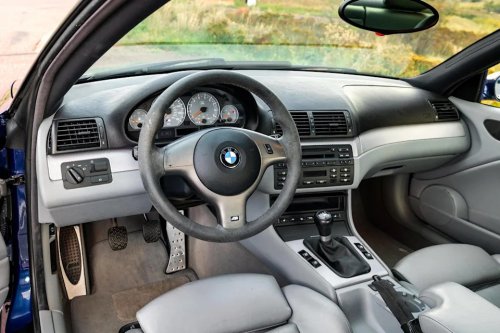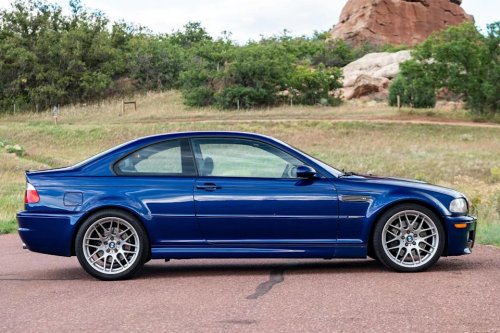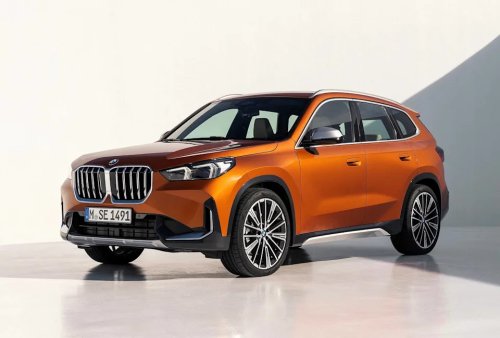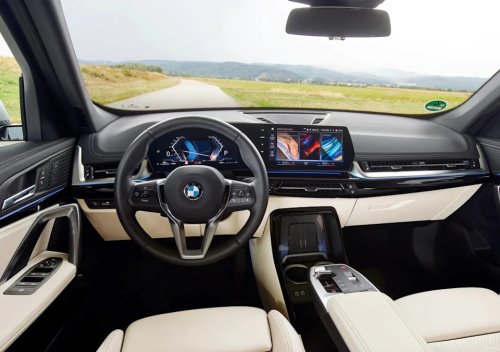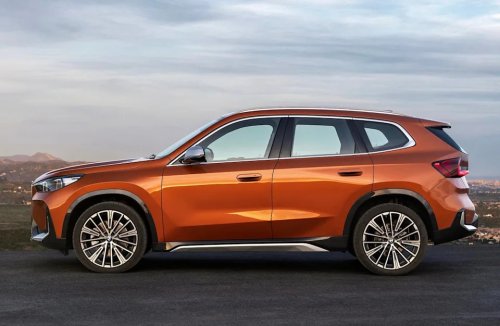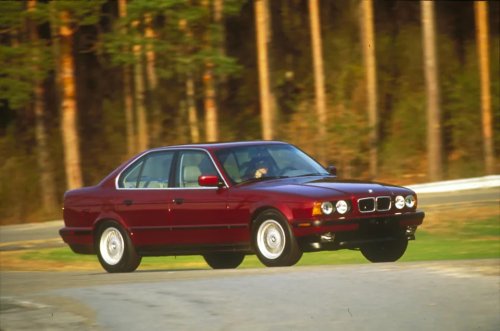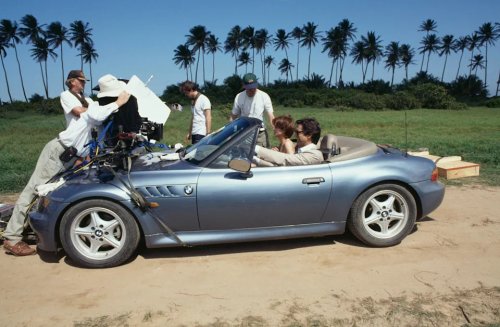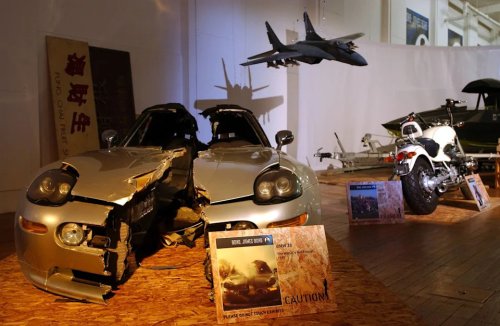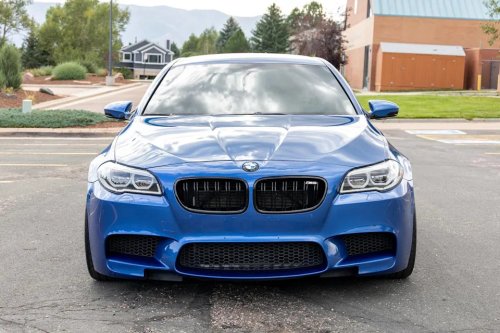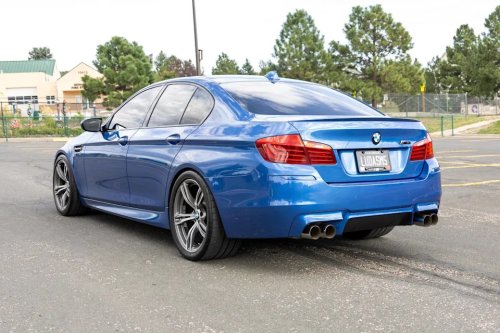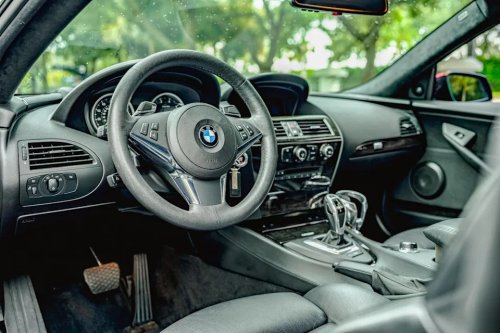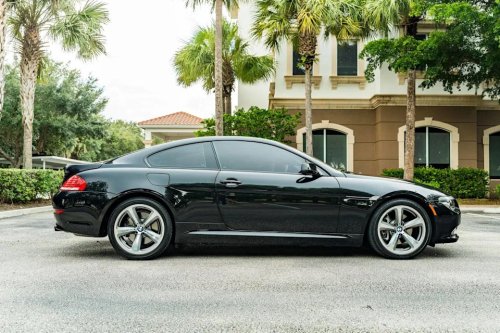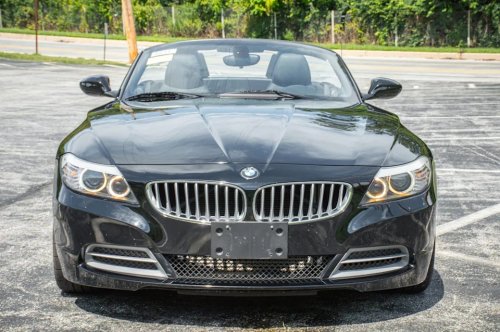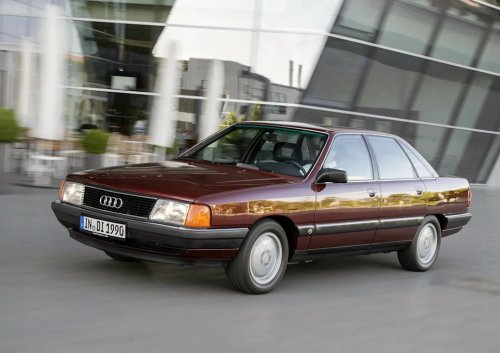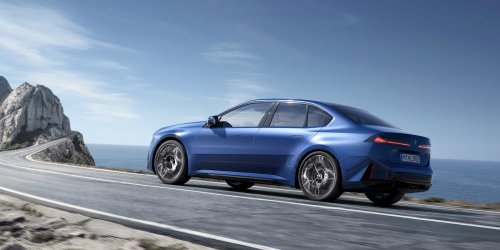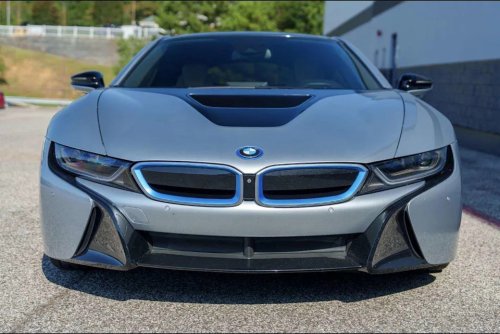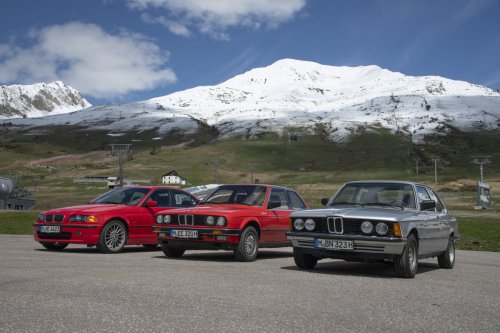
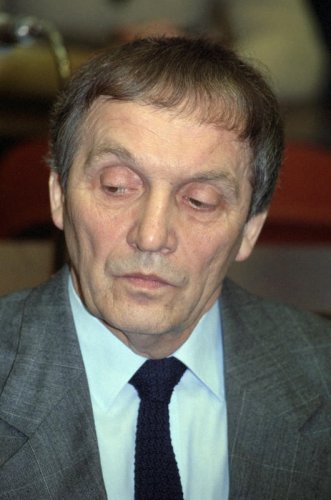
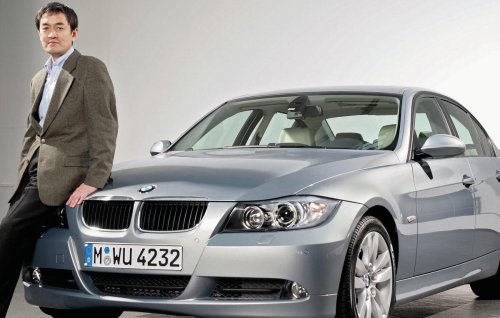
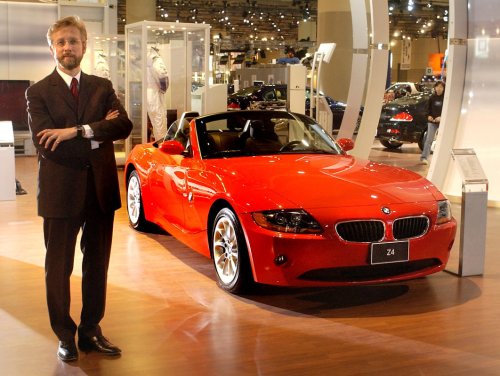
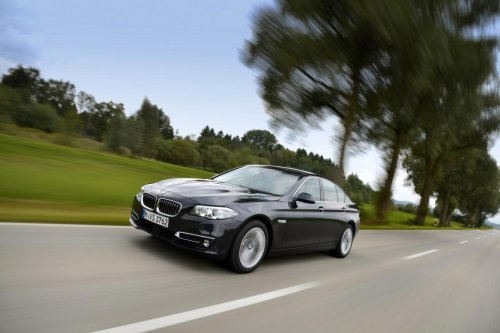



















The Quiet Hands Behind the Ultimate Driving Machine So, who actually shaped The Ultimate Driving Machine beyond the engineers and executives who got the credit? More often than not, automotive designers receive less public recognition, but they shouldn’t. You wouldn’t have fancy marketing and impressive spec sheets if it weren’t for the initial stage of hand sketching proportions. Many who aren’t car enthusiasts can rattle off names of BMW models like the M3, 3 Series, or i8, but fewer know the significance of Claus Luthe, Joji Nagashima, or Adrian van Hooydonk. The irony in these figures making fewer headlines is that public awareness of their work makes a company feel more human and less corporate. Before we explore who truly made BMW feel like The Ultimate Driving Machine, we need to define what this is. The Ultimate Driving Machine embodies intentional design features such as a driver‑focused cockpit, a balanced stance, a long hood, and a short rear overhang. Other cornerstone elements include the Hofmeister kink and the kidney grille. These choices help drivers experience a sense of “rightness” behind the wheel, and, like any successful manufacturer, BMW relies on design continuity alongside engineering. The first of these quiet hands we’ll be looking at is Claus Luthe, a designer whose 1980s work set the stage for BMW’s modern look. Claus Luthe and the Subtle RevolutionClaus Luthe served as BMW’s design director from the 1970s to the 1980s, when the company transitioned from a niche player to a premium performance competitor. The BMW E30 3 Series is the prime embodiment of Luthe’s philosophy, which includes compact, taut, and driver-centric design with a long hood, a short rear deck, and an unobtrusive cabin. Buyers and reviewers would now have a clear context for what driver-centric car were. Luthe’s prioritization of minimalism and aerodynamic clarity led him to prefer smooth, gentle panels over unnecessary creases. This focus also helped reinforce the perception of the Ultimate Driving Machine as not just beauty, but beauty in motion. Competitors such as Alfa Romeo began to boast curvier designs, and Audi had boxy cars. Luthe’s tenure as head designer at BMW would be an important precursor to the company’s modernization in the 1990s. Joji Nagashima and the Clean Edge of the NinetiesJapan integrated the “less is more” idea into automotive design during the 1970s, and BMW ran with that idea during the 1990s. Japanese car designer Joji Nagashima started working for BMW in 1988, where he still is today. It’s fair to characterize the 1990s at BMW as Luthe-led refinement, and Nagashima made a splash serving as the E39 5 Series’ lead exterior designer. Nagashima took Luthe’s approach and refined it into the E39’s long, low proportions, subtle curvature, and stable rear. Joji Nagashima’s philosophy is characterized by controlled curvature, visual stability, and emotional resilience. Part of what made the E39 stand out was its coupe-like profile and ability to double as a practical executive sedan. That stable foundation allowed BMW to get controversial in the 2000s.Need new tires? Save up to 30% at Tire RackFind the perfect tires for your exact vehicle and driving style. Click here to shop all top-tier brands, including Michelin, Bridgestone, and more, directly at Tire Rack. Chris Bangle’s Big RiskSome consider BMW designer Chris Bangle (1992-2009) as a hero, others a villain. This tension is rooted in how Bangle marked a more significant departure from BMW’s restraints, but some considered it a rewrite of the premium design playbook. The models most central to Bangle are the E65 7 Series and the Z4, and their hallmark elements include deep-carved flame surfacing, shifting shadows into the body, and layered volumes of stacked shapes. These choices aimed to create a sense of motion, whether still or driving. BMW’s perception had now changed, and some critics felt the brand’s language was overwrought and inconsistent. There was even opposition from within the walls of BMW. Meanwhile, those in favor of the Bangle design argued that the language gave the car more road presence, emotional connection, and differentiation. Regardless of where you are in the argument, it’s undeniable that Chris Bangle played a role in defining The Ultimate Driving Machine. Adrian van Hooydonk and the Art of ContinuityAdrian van Hooydonk, Senior Vice President of BMW Group Design since 2009, refined Bangle’s ideas rather than overhauling them. Emotional risk, layered bodywork, and sculpted sides were retained but with smoother transitions to give more balance. For instance, the F10 5 Series’ body line has the same tension as its E60 predecessor, but with smoother transitions to the back. While the X5 grew in size over generations, van Hooydonk’s team kept wheels pushed to the corners, a relatively compact greenhouse, and a tight front overhang. Instead of opting for aggressive spoilers, giant grilles, or busy vents, surfaces did the talking.Why These Names Shouldn’t Stay UnsungClaus Luthe, Joji Nagashima, Chris Bangle, and Adrian van Hooydonk formed a multi-generational conversation that’s often overlooked. Even if you just care about the BMW of today, you wouldn’t see the brand’s modern electric shapes if it weren’t for the E30’s balance, the E39’s refinement, and the F10’s emotional clarity. Each generation builds on the last and, together, they show how the idea of The Ultimate Driving Machine is more than a superficial marketing ploy.