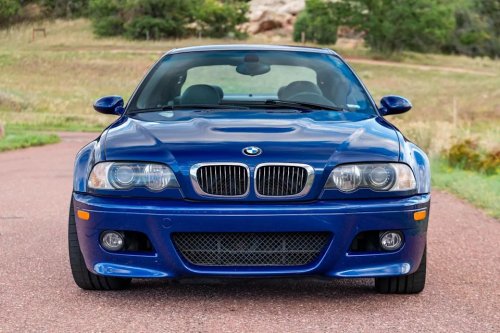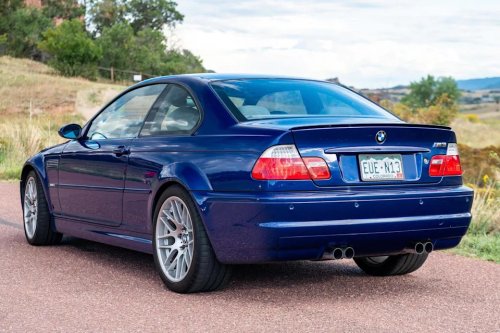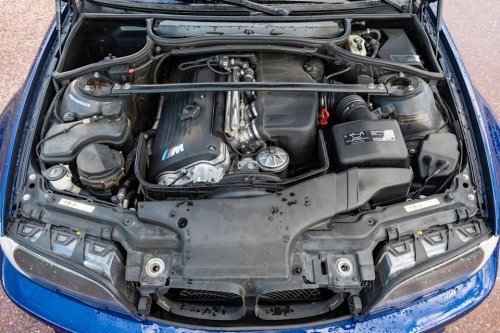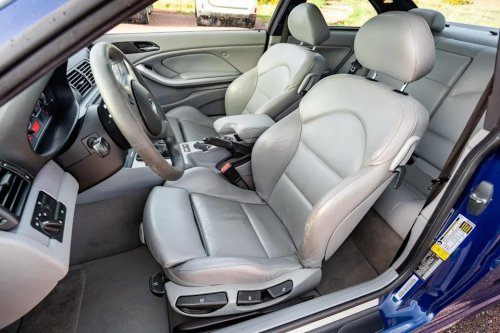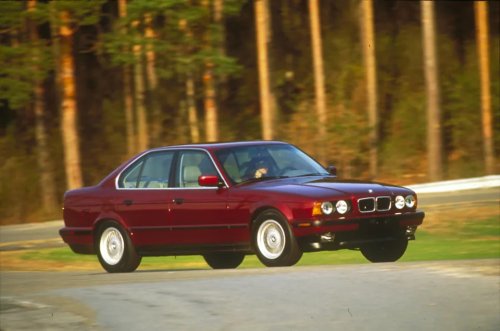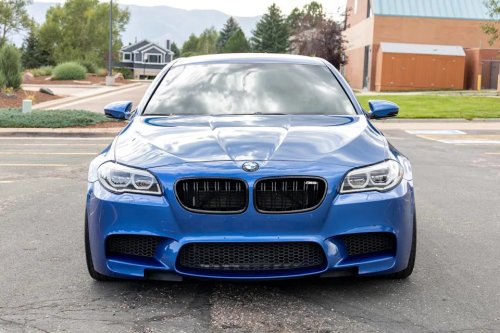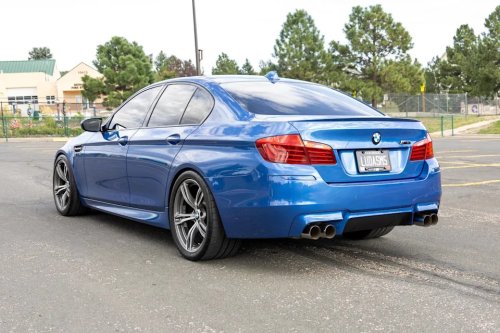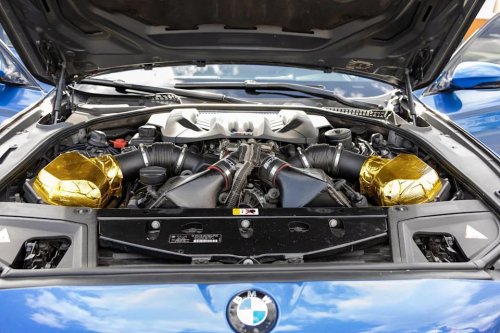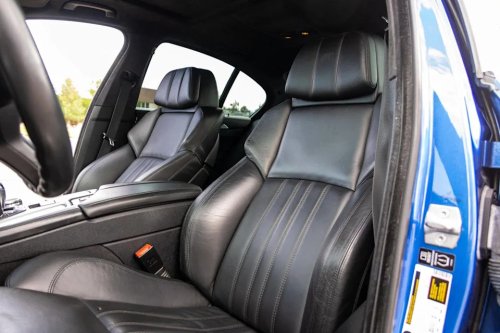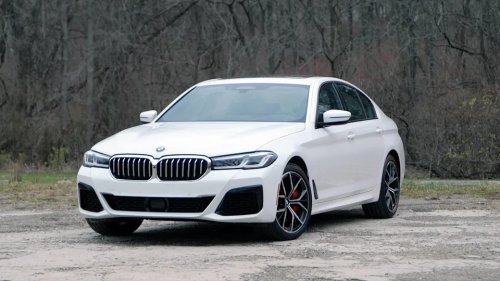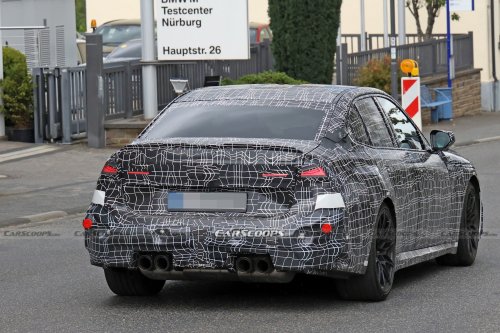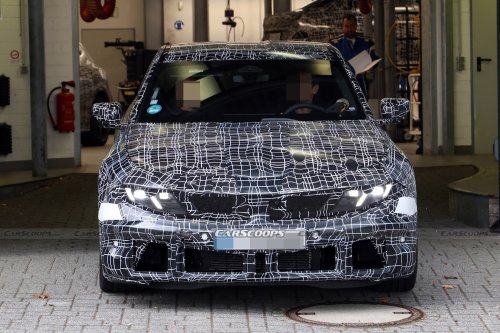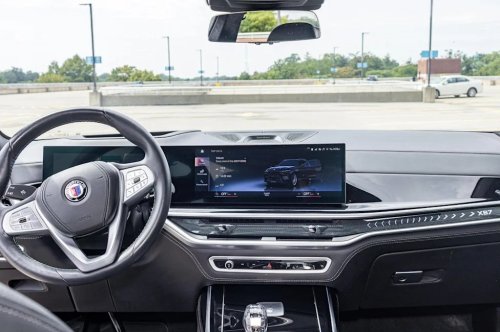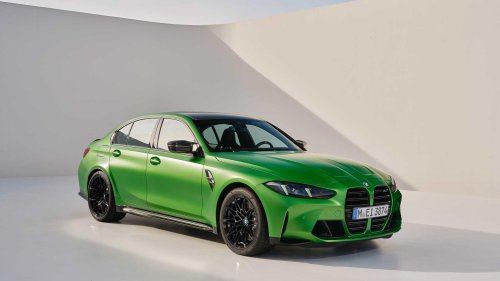
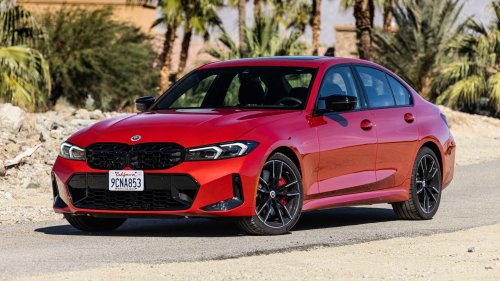
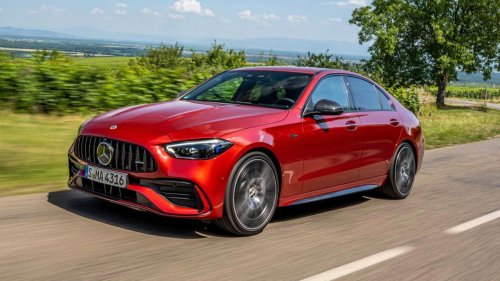
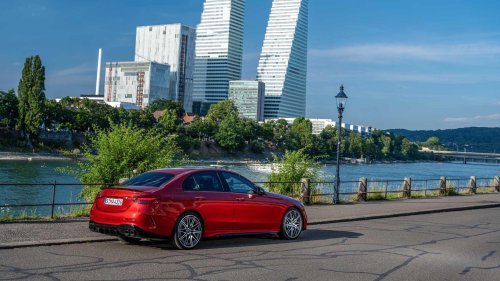
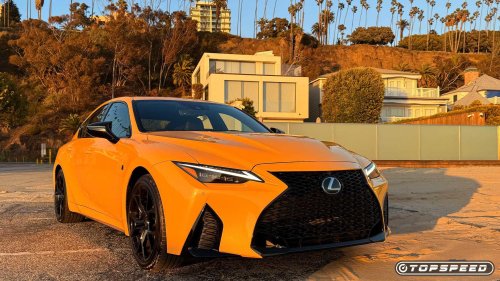
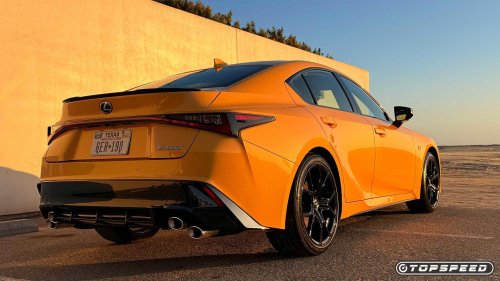
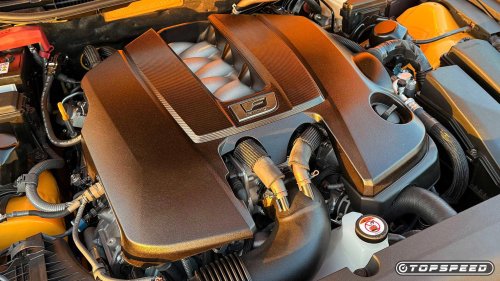

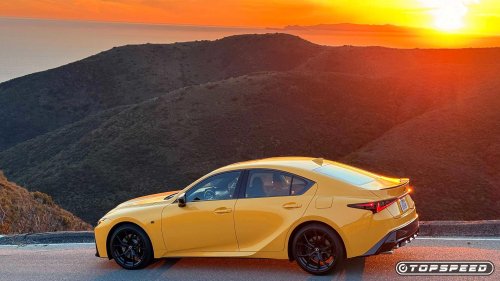
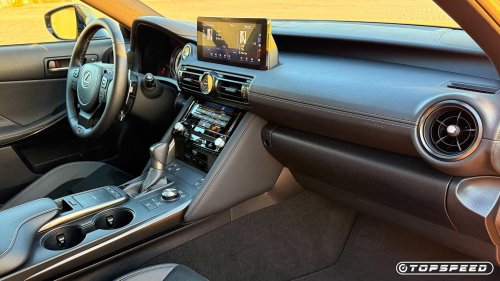
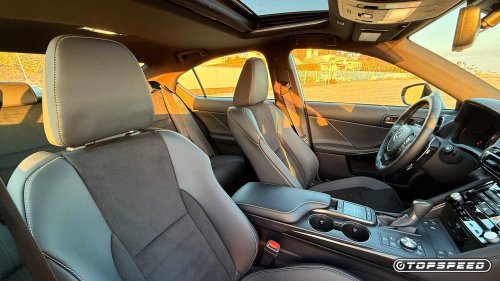
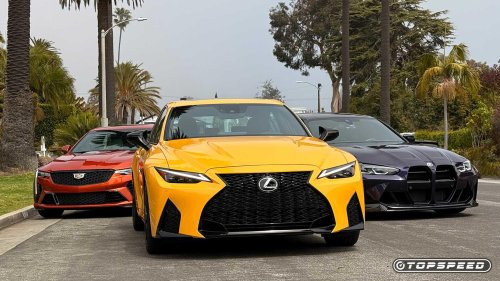
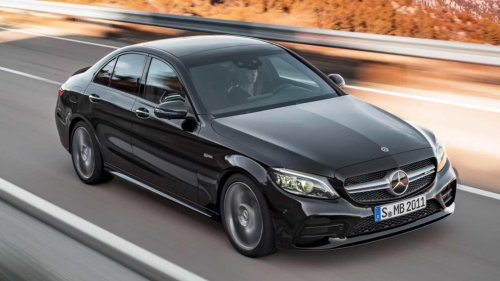
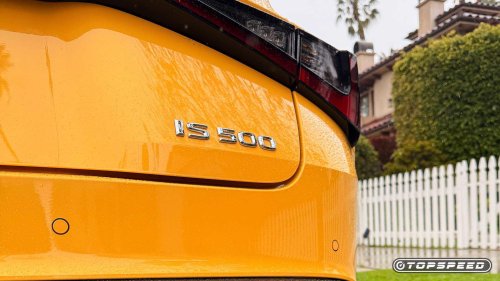
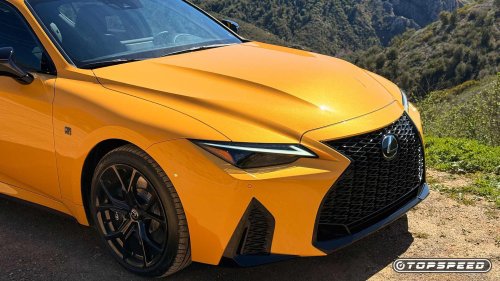
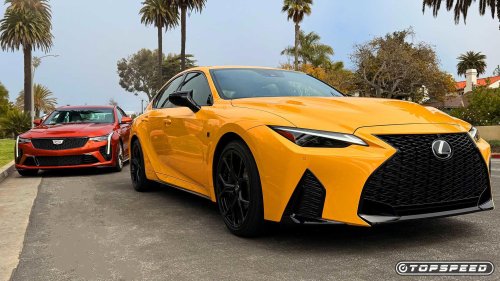



















The sports sedan segment has long been defined by a familiar formula. Strong performance, sharp handling, premium interiors, and a badge that carries weight. For decades, German brands have led that conversation, building cars that balance everyday usability with serious driving capability. At the center of it all sits BMW. The brand has built its reputation on producing some of the most engaging four-door sports cars on the market, cars that feel just as comfortable on a back road as they do on a daily commute. Models like the BMW M3 and 3 Series have become benchmarks, shaping what buyers expect from a performance-oriented four-door.But the segment is changing. Modern sports sedans are becoming more complex, more reliant on turbocharging, and more focused on technology than ever before. That evolution has brought incredible performance, but it has also introduced a level of complication that not every buyer is looking for. Some drivers still want something simpler. Something that delivers strong performance without relying on layers of electronics and forced induction. And in that space, one Japanese sedan offers a very different approach. Why BMW Still Owns The Sports Sedan Conversation German Prestige And Sharp Handling Set The Benchmark BMW BMW’s influence on the sports sedan segment is hard to ignore. For years, the brand has set the standard for how a performance-oriented sedan should drive. The appeal starts with balance. BMW has consistently focused on chassis tuning, steering feel, and weight distribution, creating cars that feel composed and responsive. That connection between driver and machine is what has kept enthusiasts coming back. There Is Also The Prestige Factor BMWA BMW badge carries a certain expectation, particularly in the luxury space. Buyers know they are getting a car that offers performance with refinement, and that reputation has helped BMW maintain its position at the top of the segment. Modern BMW models have only pushed performance further. Turbocharged engines deliver strong power figures, while advanced suspension systems and all-wheel-drive options improve grip and usability. On paper, these cars are better than ever. But that progress has come with trade-offs. Not Every Buyer Wants Turbocharged Complexity Mercedes-AMG As performance cars have become more advanced, they have also become more complicated. Turbocharging, hybrid systems, and increasingly complex electronics now play a major role in how modern sports sedans are engineered. For some buyers, that is a benefit. These systems allow for higher performance and improved efficiency. But for others, they introduce concerns about long-term ownership. Some Drivers Still Want Simplicity, Sound, And Long-Term Peace Of Mind Mercedes-AMG Complexity often leads to higher maintenance costs and more potential failure points. It can also change the car's character. Turbocharged engines, while powerful, do not always deliver the same kind of sound or response as naturally aspirated setups. That has created a small but noticeable shift in buyer preferences. Some drivers are starting to look for alternatives—cars that offer strong performance but with a more straightforward, proven approach. This is where Lexus enters the conversation. The 2025 Lexus IS 500 Is The Sedan BMW Shoppers May Be Overlooking A Naturally Aspirated V8 Alternative With Real Character Garret Donahue | TopSpeed The 2025 Lexus IS 500 does something that feels almost unusual in today’s market. It keeps things simple in the best possible way. Instead of relying on turbocharging or electrification, Lexus has fitted the IS 500 with a naturally aspirated V8 engine. Who doesn’t love a V8? That alone sets it apart from most of its rivals, especially in a segment dominated by turbocharged six-cylinders. It also changes the character of the car completely. The IS 500 is not just about numbers. It is about how it feels to drive, how it sounds, and how it delivers its performance. From the outside, the design reflects that personality.Garret Donahue | TopSpeed The IS 500 builds on the standard IS platform but adds more aggressive styling elements, including a wider stance, unique wheels, and quad exhaust outlets. It looks purposeful without becoming over-the-top. Inside, the approach is more understated. The cabin focuses on quality and usability rather than overwhelming technology, giving it a different kind of appeal from some of its rivals. What Makes The IS 500 Feel Special 5.0-Liter V8 Power And Old-School Rear-Wheel-Drive Appeal Garret Donahue | TopSpeed The highlight of the IS 500 is its engine. Under the hood sits a 5.0-liter naturally aspirated V8 producing around 472 horsepower and 395 pound-feet of torque. It is mighty powerful, and this is a rare setup in today’s market. Most competitors have moved to smaller, turbocharged engines, but Lexus has stayed with a large-displacement V8. The result is a completely different driving experience.Garret Donahue | TopSpeed Power delivery is described in reviews as smooth and linear, building steadily as the revs climb. There is no reliance on boosts, no sudden surge of torque. Instead, the engine feels predictable and responsive, which makes it easier to enjoy in a variety of driving conditions. The sound is another defining feature. A naturally aspirated V8 produces a depth and character that is difficult to replicate, and the IS 500 makes the most of it. It Adds An Emotional Element To The Driving Experience That Many Modern Cars Lack Garret Donahue | TopSpeed The engine is paired with an eight-speed automatic transmission and sends power to the rear wheels. This traditional rear-wheel-drive layout contributes to the car’s balanced feel and reinforces its connection to classic sports sedan principles. Performance is strong, with 0–60 mph times in the mid-four-second range. It may not be the quickest car in the segment on paper, but it delivers its performance in a way that feels engaging and accessible. Premium Without Being Overcomplicated Plush Cabin And Solid Build Quality Garret Donahue | TopSpeed Inside, the IS 500 reflects Lexus’ focus on quality and refinement. The materials feel solid, the build quality is excellent, and the overall layout is clean and functional. The infotainment system includes a touchscreen with Apple CarPlay and Android Auto, but it does not dominate the cabin. Physical controls are still present for key functions, which makes the car easier to use on a daily basis. Seats are comfortable and supportive, suitable for both spirited driving and longer journeys.Garret Donahue | TopSpeed Space-wise is typical for the segment, offering enough room for passengers without being a standout feature. The design does not try to compete directly with the more tech-heavy interiors found in some German rivals. Instead, it focuses on usability and durability, which aligns with the car’s overall character. Where It Stands Against BMW And AMG Garret Donahue | TopSpeed The IS 500 competes with cars like the BMW M340i, BMW M3, Cadillac CT4-V Blackwing, and Mercedes-AMG C43. Each of these rivals takes a slightly different approach. BMW models tend to focus on precision and technology, offering sharp handling and strong turbocharged performance. Mercedes-AMG models emphasize power and drama, often with more aggressive styling and sound.Mercedes-AMG The Lexus takes a different path. It is less about chasing the highest performance figures and more about delivering a consistent, enjoyable driving experience with fewer compromises. That difference makes it appealing to a specific type of buyer—someone who values character, reliability, and long-term ownership as much as outright speed. Performance Without Long-Term Headaches Lexus Reliability Gives It An Edge Over More Complex Rivals Garret Donahue | TopSpeed The 2025 Lexus IS 500 starts just under $60,000 (lower depending on used-car mileage and condition), placing it competitively within the segment. It is not the cheapest option, but it offers a strong value when you consider what it delivers. Ownership is where it really stands out. Lexus has a well-earned reputation for reliability, and the IS 500 benefits from that. The naturally aspirated engine is less complex than many turbocharged alternatives, which can translate to lower long-term maintenance concerns. That does not mean it is cheap to run, but it does mean it is likely to be more predictable over time. For buyers planning to keep their car for several years, that can make a significant difference.Garret Donahue | TopSpeed One of the biggest advantages of the IS 500 is how it balances performance with durability. It offers strong power and a rewarding driving experience, but without the added complexity that defines many modern sports sedans. That combination is becoming increasingly rare. As more cars move toward smaller engines and hybrid systems, the IS 500 stands out by staying true to a simpler formula. For some buyers, that is exactly what they are looking for. Why The IS 500 Still Matters In A Changing Market Garret Donahue | TopSpeed The Lexus IS 500 exists in a space that is slowly disappearing. It represents a version of the sports sedan that focuses on character, sound, and long-term usability rather than just numbers and technology. It may not replace a BMW for everyone, and it is not trying to. Instead, it offers an alternative—a car that delivers performance in a different way. For buyers who want something engaging, reliable, and built to last, it is a reminder that there is still more than one way to build a great sports sedan. And in a market that is becoming increasingly complex, that simplicity might be its greatest strength.