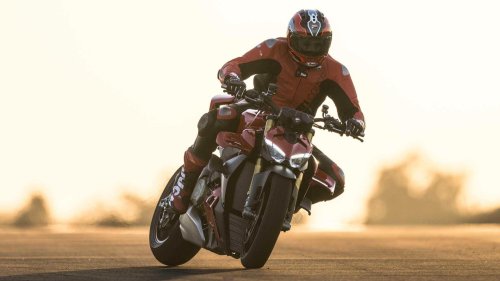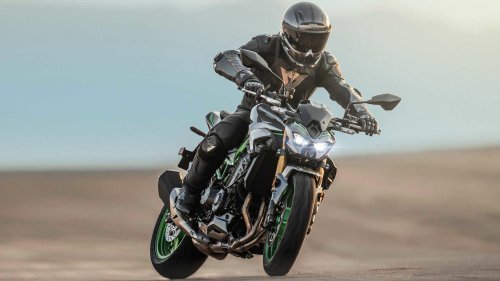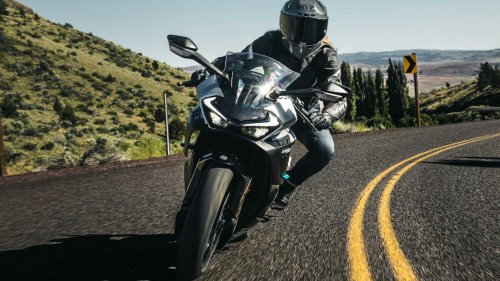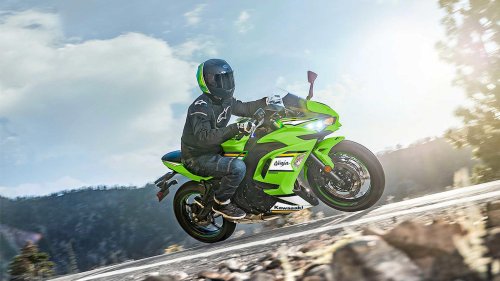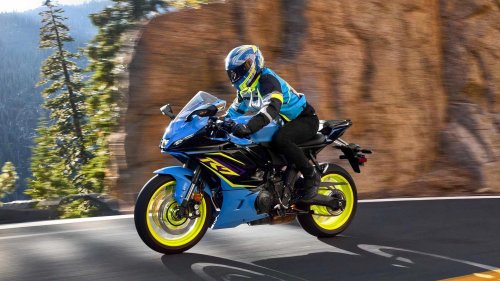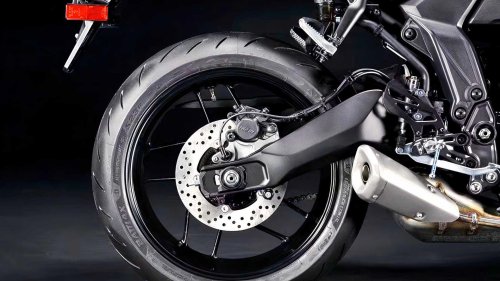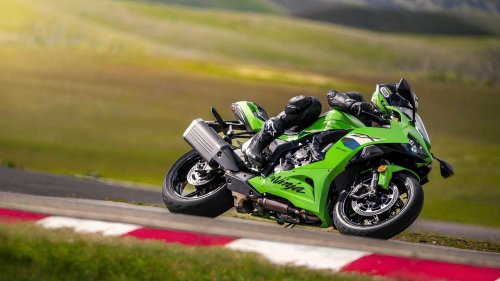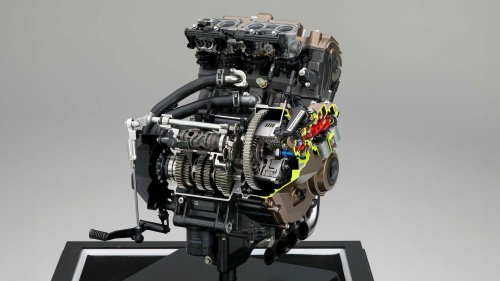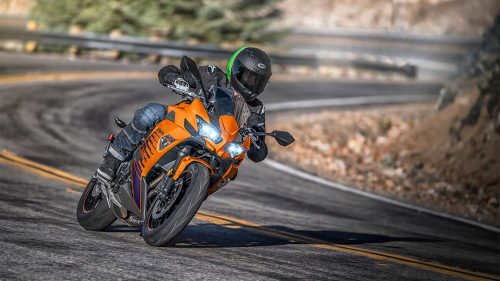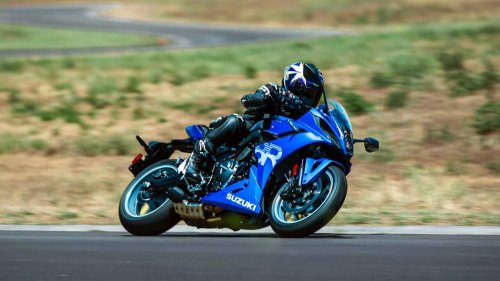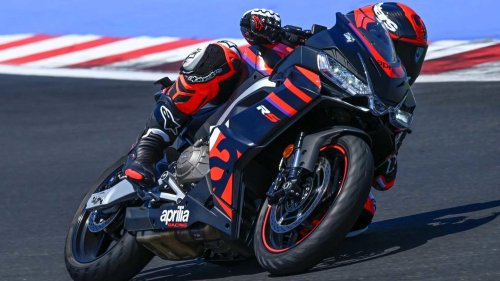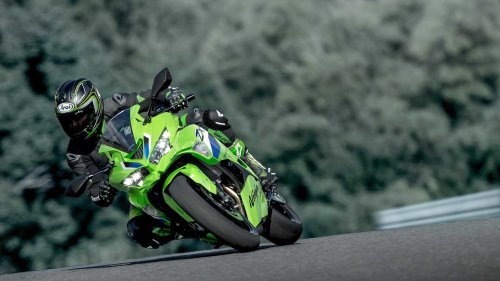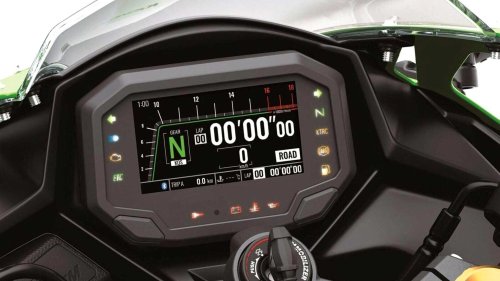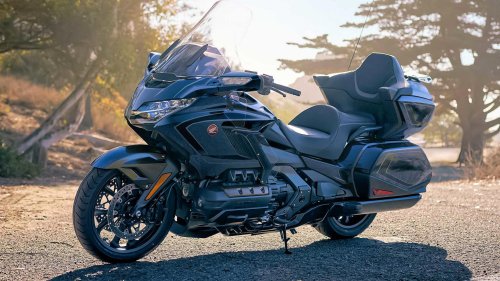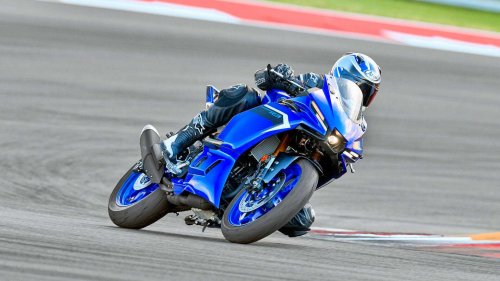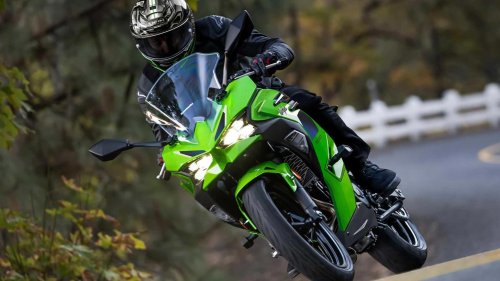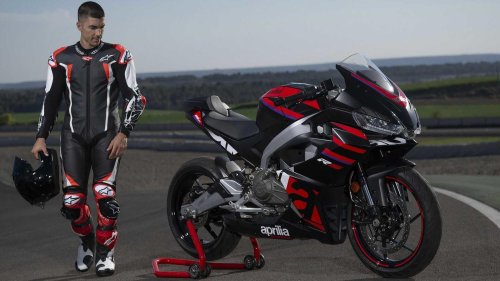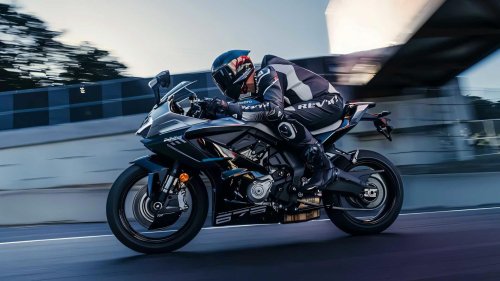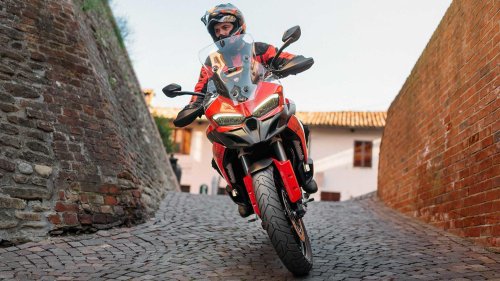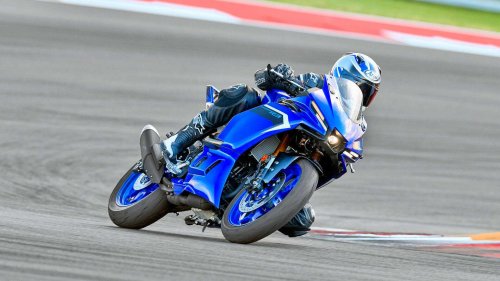
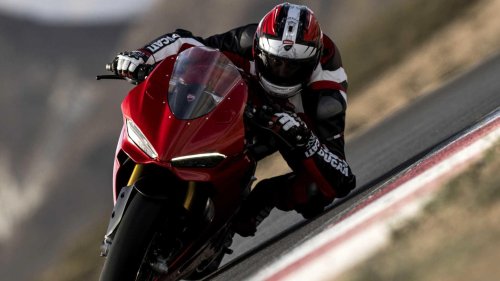
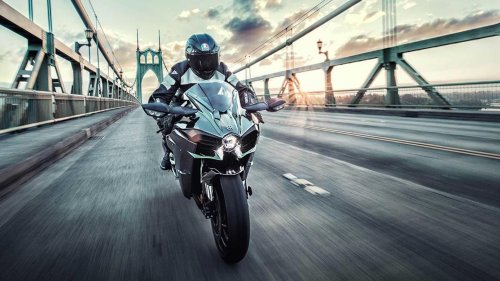
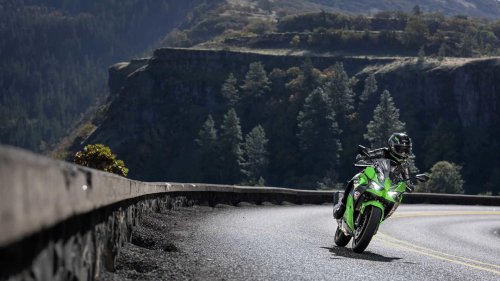
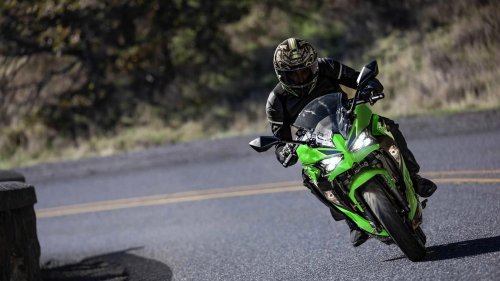
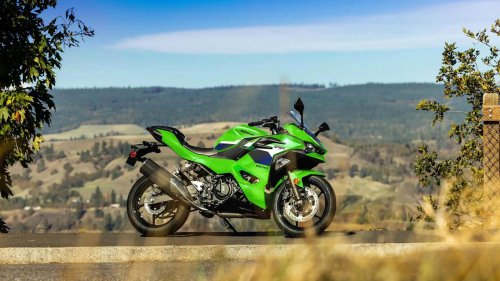
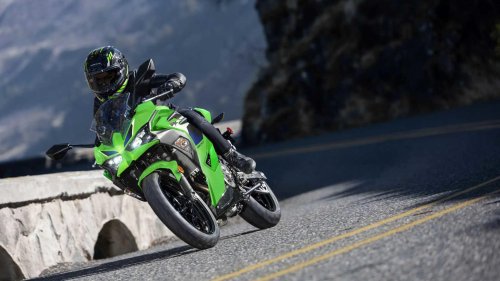
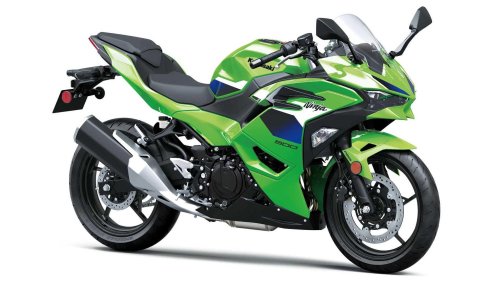


















In the world of performance motorcycles, if you want speed, you have to pay for it at the gas station. Track-bred DNA, high-revving engines, and aggressive aerodynamics all come bundled with an appetite for fuel. As riders, we accept this truth, but it is part of the thrill, too. It’s the cost we pay for chasing the horizon.When you go towards the small capacity segment, though, things start to take a turn. Yes, you do get better fuel economy in smaller sports bikes than their bigger siblings, but it’s astonishing how much closer they are to other motorcycles in their class. Small-capacity sports bikes tend to sip fuel the same way any other bike of similar capacity would. Riding these bikes doesn’t mean stopping at every gas station you see anymore. You can go further, faster, and, at times, not bother about fuel for your entire ride. Why Typical Sports Bikes Drink More Fuel YamahaSports bikes are intense machines. They’re built for thrill and excitement and are engineered like coiled springs ready to snap at the release of a trigger. They come with small engines, high compression ratios, and advanced fuel injection systems. All of this, to reach the highest markings on the tachometer and squeeze as much power out as possible. But this comes at a cost. High revs mean more fuel being burnt, and high compression means the requirement of premium fuel. Real-World Mileage Expectations Ducati In everyday conditions, big sports bikes are not great at returning efficient fuel figures. Mid-30s to mid-40s is what you can expect in general, but this can drop significantly when you’re in stop-and-go city traffic. On the highway, there is some relief, but the difference is not much. Again, staying on top of the rev band to keep the power alive doesn’t do much good for the engine’s thirst.Kawasaki For riders who use their bikes regularly, this pretty much translates into fuel stops, a lot of fuel stops. By the time you’re ready to get on the gas again, you look down to see you need another refill. But bring in the smaller supersports and the trend shifts. Now, you may not go as fast as your ‘Busa bros, but every time they stop, you’ll catch up, and you can soldier without needing to tank up yourself. The Kawasaki Ninja 500 Is A Sports Bike That Redefines Efficiency Kawasaki Enter the Kawasaki Ninja 500. This is not a basic bike by entry-level standards. It hasn’t abandoned performance, but it has changed how that performance is delivered. Kawasaki has been mindful of many things, be it the balance of power, weight, or even efficiency. Nothing is excessive, yet nothing feels lacking either, and the bike punches forward as any other sports bike would. Engineering That Gives You 61 MPG Kawasaki Power comes from a modest 451 cc parallel-twin engine that produces 51 horsepower and 31.7 pound-feet of torque. These figures help the Kawasaki to be the most powerful twin-cylinder sports bike under 500cc today. At the same time, the company has tuned this engine for versatility and usable performance over anything else. Gearing also plays a part. Lower ratios mean the engine is free to settle at lower revs and higher paces, allowing for fuel economy to go up significantly. Lightweight Design And Practical Gains Kawasaki Weight reduction is also one of the ways the Kawasaki Ninja 500 achieves its impressive mileage figures. Weighing just 377 pounds, you not only get better fuel figures, but it also means that it is easier to maneuver, faster to accelerate, and quicker to brake. This allows the bike to feel more agile regardless of whether you’re in tight city traffic or on twisty mountain passes. The Kawasaki Ninja 500 Is A Commuter In A Sports Bike Kawasaki What really sets the Ninja apart, though, is how easy it is to have, even as an everyday bike. It’s not something that demands special occasions or carefully planned rides. In fact, it can even be used as a daily driver. Despite its sporty appearance, the Ninja is surprisingly accommodating with the riding position striking a nice balance between sporty and comfy. You won’t be sitting upright on the Ninja, but you also won’t be leaning so low all the time that your back gives out after an hour or two in the saddle. Long Distance Capability And Range Kawasaki The not-so-aggressive seat and the impressive 61 MPG mileage give us one more hope from the little Kawi: long-distance touring. This efficiency, coupled with a 3.7-gallon tank, gives us a total range of 225 miles. The engine itself remains smooth on the highways, unless you decide to punch it. Either way, riders can enjoy their rides to the fullest, taking even unplanned detours when the opportunity presents itself, without having to worry about a gas station on the way. The Kawasaki Ninja 500 Appeals To A Broader Audience Efficiency has a way of making things approachable. The lower running costs and extended range reduce the barrier that often deters potential riders from considering the first step. For beginners, this bike is a lovely entry into the world of motorcycling. It brings with it all the engagement of a sports bike while keeping fuel costs low. For slightly more experienced riders, a step down into the cheaper world of affordable fuel economy is always a tempting suggestion.What the Kawasaki does is it proves that performance doesn’t always have to come at the expense of efficiency. It may not be the fastest out there, but it can still be thrilling, even if the gas prices go up.