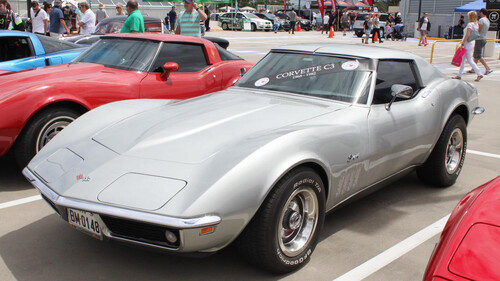
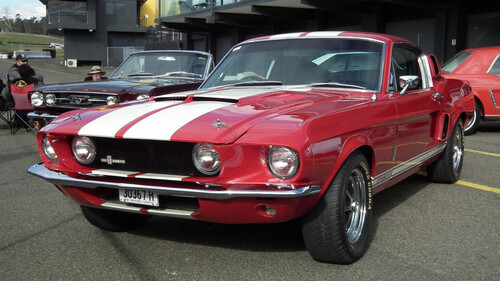
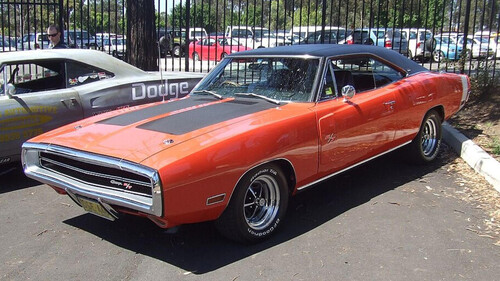
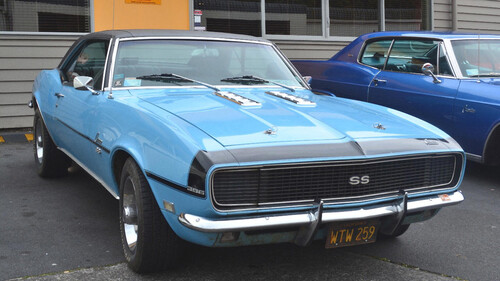
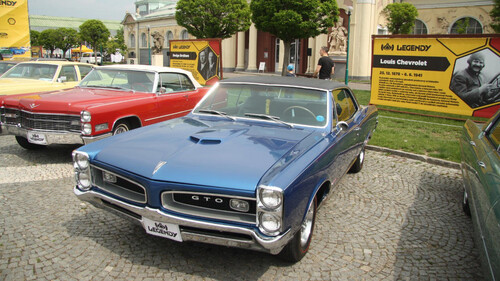
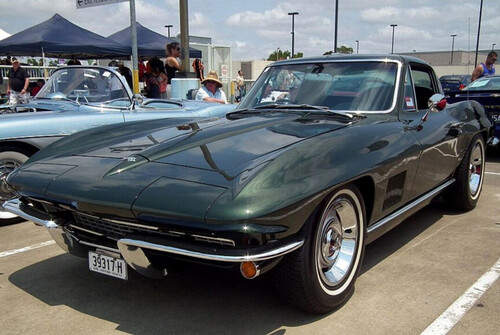
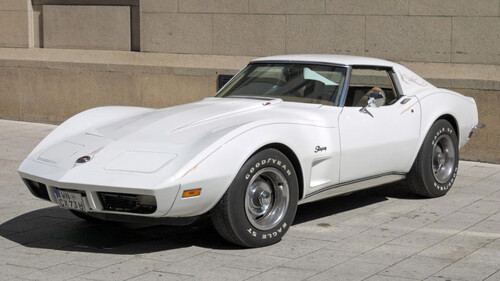
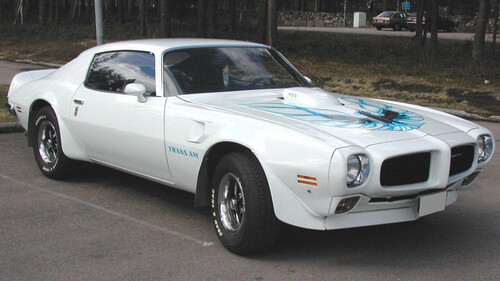
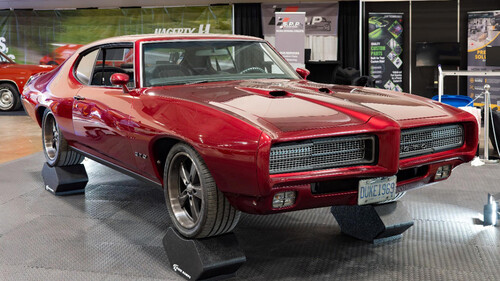
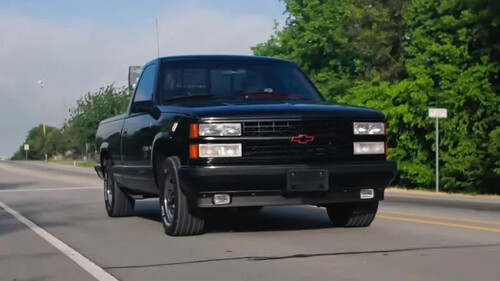
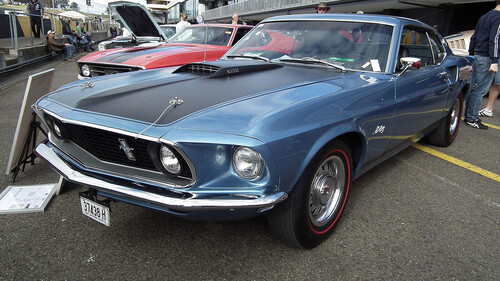
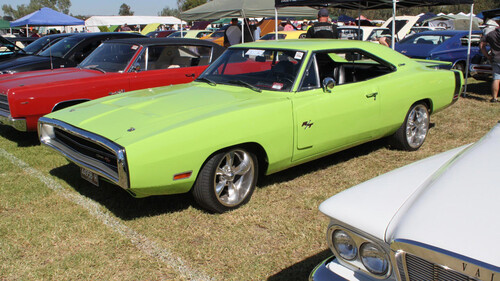
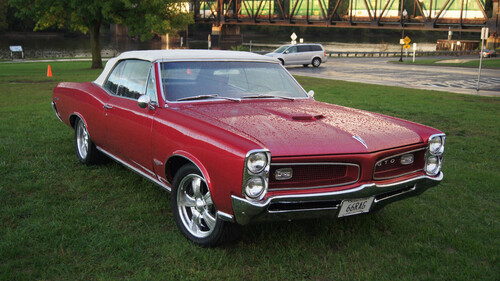
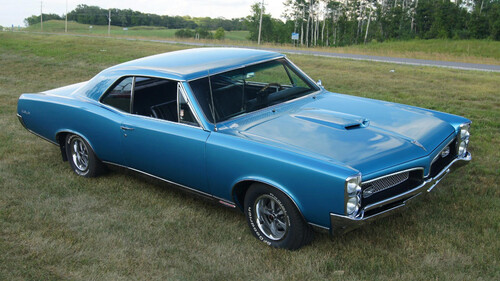
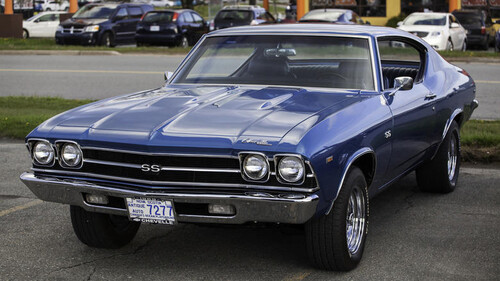
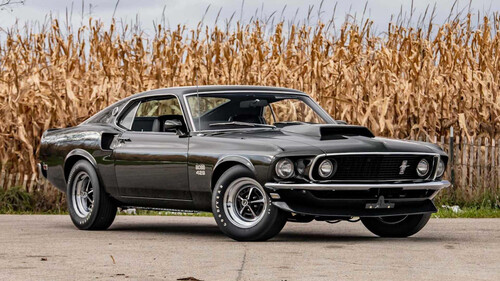
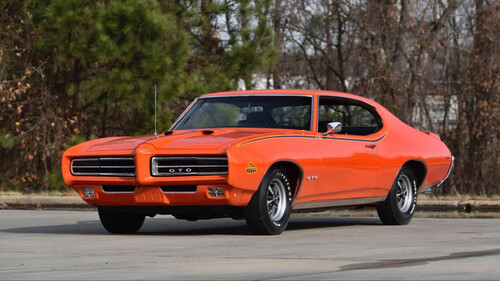
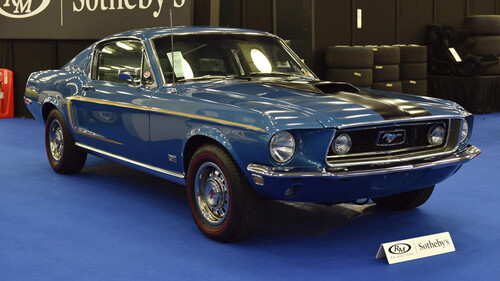
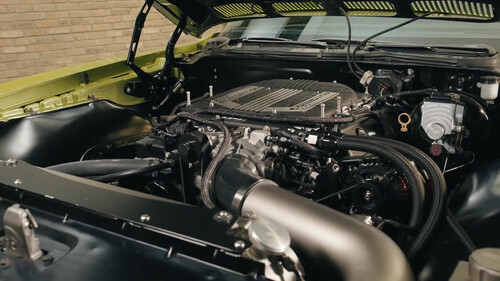
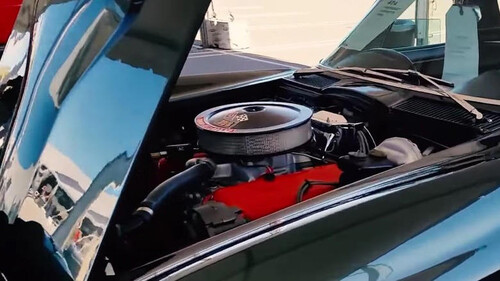
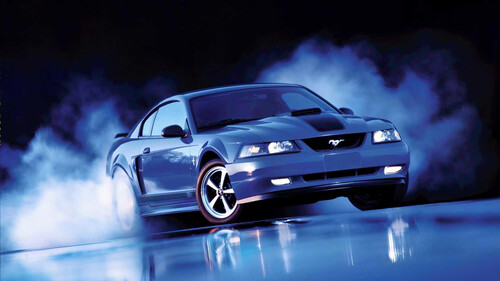
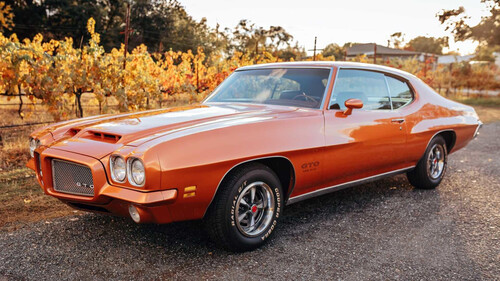
The Real Reason America's Favorite Muscle Car Almost Died Key Takeaways The oil embargo of 1973 is often blamed for killing the muscle car, but insurance surcharges on high-horsepower vehicles had already been gutting sales for three years before the gas lines formed. Federal emissions regulations forced automakers to detune engines so aggressively that some engines lost more than 100 advertised horsepower in just three model years. Through the bleak 'malaise era' of the late 1970s, enthusiast magazines and grassroots drag racing culture kept buyer demand alive when Detroit had nearly given up. The muscle car's eventual comeback — from the retro-styled 2005 Mustang GT to the reborn 2010 Camaro — was driven less by corporate strategy and more by a generation that simply refused to move on. Most people who lived through the 1970s remember the gas lines, the odd-even rationing days, and the sudden appearance of tiny imported sedans at every dealership in America. It's easy to point at the 1973 oil embargo and say that's what killed the muscle car. But the real story is messier, more interesting, and involves forces that were already closing in years before the first barrel of Arab crude was withheld. The muscle car didn't fall off a cliff — it was pushed from three directions at once. Understanding how it survived at all says something worth knowing about American car culture and the people who refused to let it disappear. When Detroit's Boldest Car Hit a Wall One sales chart tells the whole story of the collapse. In 1966, the Pontiac GTO sold just over 96,000 units. It was the car that had practically invented the muscle car segment two years earlier, and by the mid-1960s it was a genuine cultural phenomenon — the kind of car young men saved up for, argued about, and drove too fast on Saturday nights. By 1974, that same nameplate sold fewer than 7,000 units. That's not a market correction. That's a near-extinction event. The scale of that collapse is worth sitting with for a moment. In less than a decade, one of the most beloved cars in American automotive history went from a sales juggernaut to a footnote. Pontiac quietly killed the GTO after 1974, and almost nobody at GM seemed surprised. The combination of forces that caused this wasn't a single bad year — it was a slow-motion pile-up that started well before the oil embargo made headlines. What makes the story compelling isn't just the fall. It's that the muscle car survived at all. A handful of nameplates — the Mustang, the Camaro, the Corvette — held on through years of compromise and indignity, waiting for conditions to change. Understanding why they almost didn't make it requires going back to when everything still felt invincible. The Golden Years Nobody Saw Ending A 400-cubic-inch engine for under three thousand dollars felt permanent. When Pontiac engineers slipped a 389-cubic-inch V8 into a mid-size Tempest body in 1964 without asking corporate permission, they weren't launching a revolution — they were just trying to make something exciting. The GTO that resulted was priced within reach of a working-class buyer, and it came with enough horsepower to embarrass cars costing twice as much. The formula was so simple and so successful that every other manufacturer scrambled to copy it. By the late 1960s, Ford, Chevrolet, Dodge, and Plymouth were locked in what amounted to a cubic-inch arms race. The numbers grew almost comically large — Chevrolet's LS6 454 in the 1970 Chevelle SS was rated at 450 horsepower from the factory, a figure that wouldn't be matched by a production Chevy for decades. Dodge was stuffing 426 Hemis into cars that weighed less than 3,500 pounds. Plymouth's Road Runner sold for under $3,000 and came standard with a 383 V8. Nobody on the factory floor was preparing for the end. Sales were strong, the horsepower wars were generating genuine excitement, and the Baby Boom generation was hitting prime car-buying age right on schedule. The muscle car era felt like a permanent feature of American life. It wasn't. Insurance Companies Quietly Declared War The real sales killer arrived before a single gas line formed. Here's what most retrospectives get wrong: the oil embargo of October 1973 gets all the blame, but insurance companies had already been strangling muscle car sales for three years before the first gas station ran dry. Starting around 1970, major insurers began applying steep surcharges to high-horsepower vehicles — and the burden fell hardest on the buyers who wanted these cars most. A young man in Ohio in 1970 could walk into a Chevrolet dealership and put himself in a Chevelle SS 454 for a monthly payment that stretched but didn't break his budget. Then the insurance bill arrived. Annual premiums on that car for a driver under 25 could run higher than his monthly car payment — in some cases, far higher. The math simply didn't work anymore, and no amount of wanting the car changed the arithmetic. Industry records from that period show muscle car registrations among buyers under 30 dropping sharply between 1970 and 1972, well before fuel costs became an issue. The insurance industry had looked at the accident data on high-horsepower cars driven by young men and decided to price them out of the market. They largely succeeded — and Detroit, caught between wanting to sell cars and needing to survive regulatory pressure, had no clean answer. Washington's Emissions Rules Changed Everything Federal regulations forced engineers to gut the engines they'd just built. The Clean Air Act of 1970 sent a very specific kind of panic through Detroit's engineering departments. The new emissions standards weren't impossible to meet — but meeting them required changes to fuel mixture, ignition timing, and compression ratios that robbed engines of the very thing buyers were paying for. The detuning happened fast and hit hard. The Corvette's L71 427 is a useful case study. In 1969, Chevrolet advertised it at 435 horsepower — a number that made enthusiasts genuinely excited. By 1972, the comparable engine was rated at 270 horsepower under the new SAE net measurement standard. Some of that gap reflects the switch from gross to net ratings, but a meaningful portion of it was real power lost to emissions compliance. Compression ratios dropped across the industry. High-octane leaded fuel began disappearing from pumps as catalytic converters required unleaded gas. Engineers who had spent the 1960s chasing every last horsepower were now running the process in reverse. By 1972, the performance era had effectively ended at the factory level, even if buyers hadn't fully absorbed that news yet. The cars still looked the part. Under the hood, the story was different. The Dark Years: Malaise Era Survivors Racing stripes on a 175-horsepower engine is a hard sell. The period from roughly 1974 to 1981 is remembered by enthusiasts with a particular kind of grimace. The muscle car nameplates survived, but in form only. What replaced the real thing were "appearance packages" — graphics, spoilers, and bold lettering slapped onto cars with engines that would have embarrassed a 1964 Impala. The Camaro Z28 had been discontinued after 1974. When it returned for 1977, it came with a 185-horsepower 350 V8 and a body covered in decals. It looked fast. It wasn't, by any historical standard. The contrast with the 1969 Z28's 302 small-block — which produced power that felt almost violent by comparison — was something buyers who remembered the original couldn't ignore. The Mustang tells an even sharper story. The 1969 Boss 429 was a purpose-built, NASCAR-homologation special with a hand-assembled engine and a personality to match. By 1980, the Mustang Cobra came with a turbocharged 2.3-liter four-cylinder producing 132 horsepower. Ford had kept the Cobra name alive while hollowing out everything that made it mean something. For buyers who had owned a real one, it was a difficult thing to look at. How a Loyal Fan Base Refused to Let Go Drag strips and enthusiast magazines kept the fire burning when Detroit wouldn't. Detroit had largely moved on. The executives making product decisions in the late 1970s were focused on fuel economy, downsizing, and surviving a second oil shock in 1979. But out at the drag strips on Friday nights, and in the pages of magazines like Car Craft and Hot Rod, a different conversation was happening. Readers were swapping engines, building sleepers, and writing letters to manufacturers asking — sometimes demanding — that the real cars come back. That grassroots pressure wasn't invisible to the people running product planning. Dealerships reported steady traffic from buyers asking about performance options that no longer existed. The used market for genuine late-1960s muscle cars was holding value in a way that the new "performance" cars weren't. The message was legible: there was still a customer out there, and that customer was being underserved. The 1982 Camaro Z28's return to a 5.0-liter V8 — modest by 1969 standards but a genuine step back toward real performance — is often cited as the first sign that Detroit had started listening again. It wasn't a dramatic comeback, but it was a signal. The buyers who had spent a decade showing up to car shows with their 1968 GTOs and 1970 Chevelle SSes had made their point. The muscle car wasn't a fad that had passed. It was a preference that had been frustrated. The Comeback That Proved America Never Forgot Two retro-styled debuts told Detroit exactly what buyers had been waiting for. The modern muscle car revival didn't happen in a single moment, but two launches made the case more clearly than anything else. In 2005, Ford introduced a redesigned Mustang GT that wore its 1960s heritage openly — long hood, short deck, fastback roofline — and paired it with a 300-horsepower V8 priced within reach of an ordinary buyer. It sold over 160,000 units in its first full model year, a number that surprised even Ford's own projections. Then in 2010, the Camaro returned after a ten-year absence. GM had killed it in 2002, and the announcement of its return generated the kind of enthusiast response that's usually reserved for far more expensive cars. The fifth-generation Camaro SS with its 426-horsepower LS3 V8 wasn't just a capable performance car — it was a statement that the market for this kind of machine had never gone away. What the survival of these nameplates really reflects is something that market research doesn't capture cleanly. The muscle car isn't just a product category. For a generation that came of age in the 1960s and 1970s, it carries a specific kind of emotional weight — the memory of what a car could feel like before the world got complicated. The fact that these cars are still being built, and still selling, is less about horsepower numbers than it is about what they represent. Practical Strategies Learn the Pre-Embargo Sales NumbersWhen evaluating a classic muscle car's historical significance, look up the actual production figures from its peak years versus its final year before cancellation. The GTO's drop from 96,000 to under 7,000 units tells you more about the era than any single news story. Those numbers also help explain why certain years are rarer — and more valuable — than others.: Know the Horsepower Rating SwitchIn 1972, the auto industry switched from SAE gross horsepower ratings to SAE net ratings, which measure output with all accessories attached. A 1971 engine rated at 360 horsepower and a 1972 engine rated at 255 horsepower might be nearly identical mechanically. Before comparing power figures across model years, confirm which rating standard was used — it changes the picture considerably.: Spot a True Performance Car vs. Appearance PackageOn malaise-era cars from 1974 to 1981, the presence of a "performance" name badge or stripe package tells you very little about what's under the hood. Pull the VIN and decode the engine option code before drawing any conclusions. A Camaro Z28 from 1977 and one from 1969 share a name and almost nothing else.: Track Grassroots Enthusiasm as a Market SignalThe sustained interest in muscle cars through the lean years — at drag strips, swap meets, and in enthusiast magazines — preceded Detroit's revival by nearly a decade. That same pattern holds today: when a particular nameplate or era generates consistent grassroots attention, the collector market tends to follow. Watching what enthusiasts are actually driving and restoring is often more reliable than watching what manufacturers are currently selling.: Understand the Insurance Factor for RestorationsThe same insurance dynamics that hurt muscle car sales in the early 1970s still apply to restored examples today — standard auto policies often undervalue them or exclude agreed-value coverage. Specialty classic car insurers use different valuation models that account for restoration quality and market comparables. Getting a proper appraisal before insuring a restored muscle car can mean the difference between full replacement value and a payout that doesn't cover what you put into it.: The muscle car's near-death experience wasn't caused by one villain — it was the result of insurance actuaries, federal regulators, and an oil shock all arriving at roughly the same time, hitting an industry that had been running at full sprint for a decade. What kept it alive wasn't a corporate rescue plan. It was the stubborn loyalty of buyers who kept showing up, kept building, and kept making clear that this particular piece of American automotive culture wasn't available for retirement. The fact that a new Mustang GT or Camaro SS still rolls off an assembly line today is, in a real sense, a direct result of the people who refused to let the originals be forgotten.