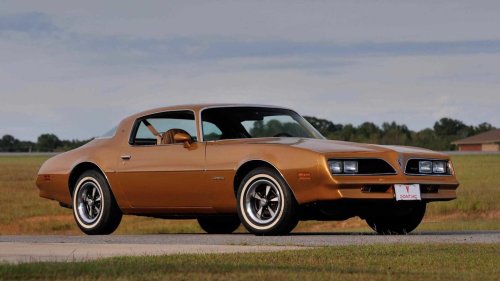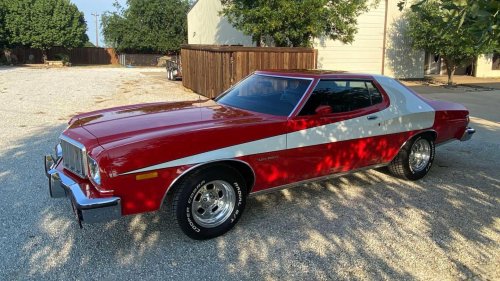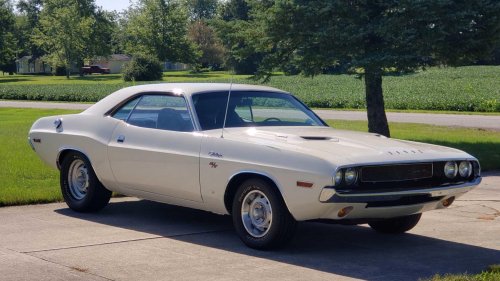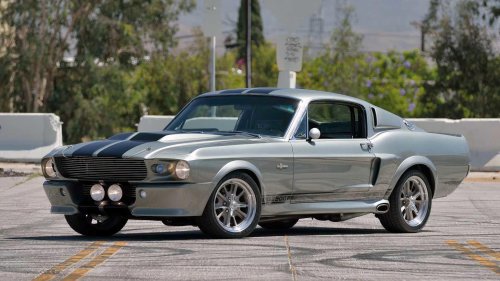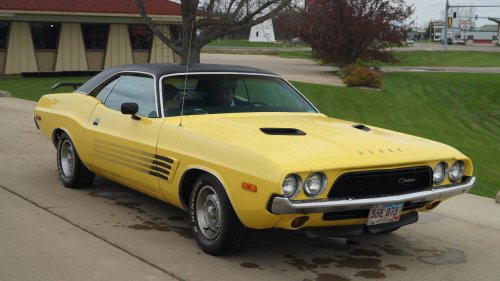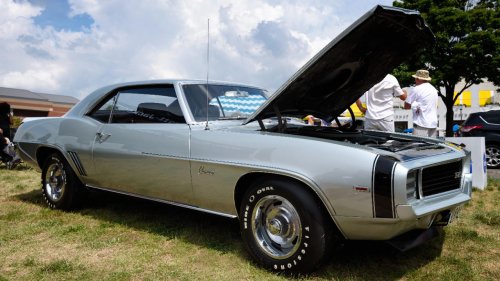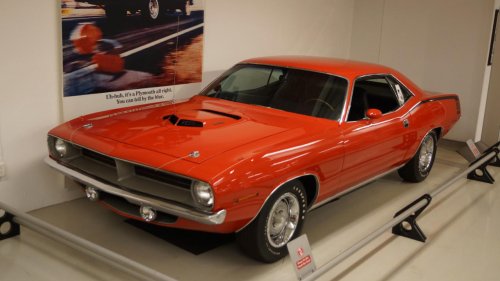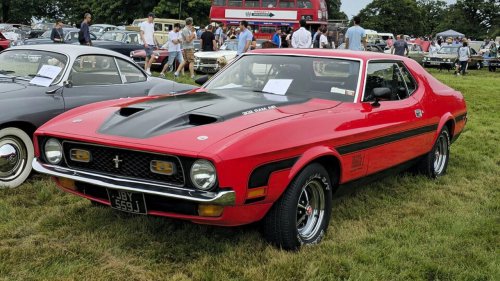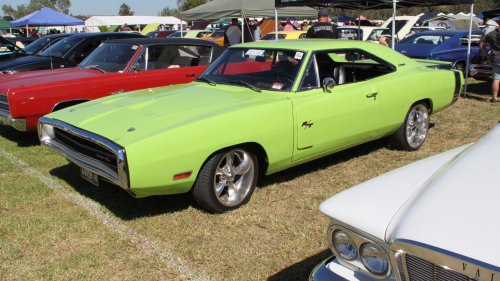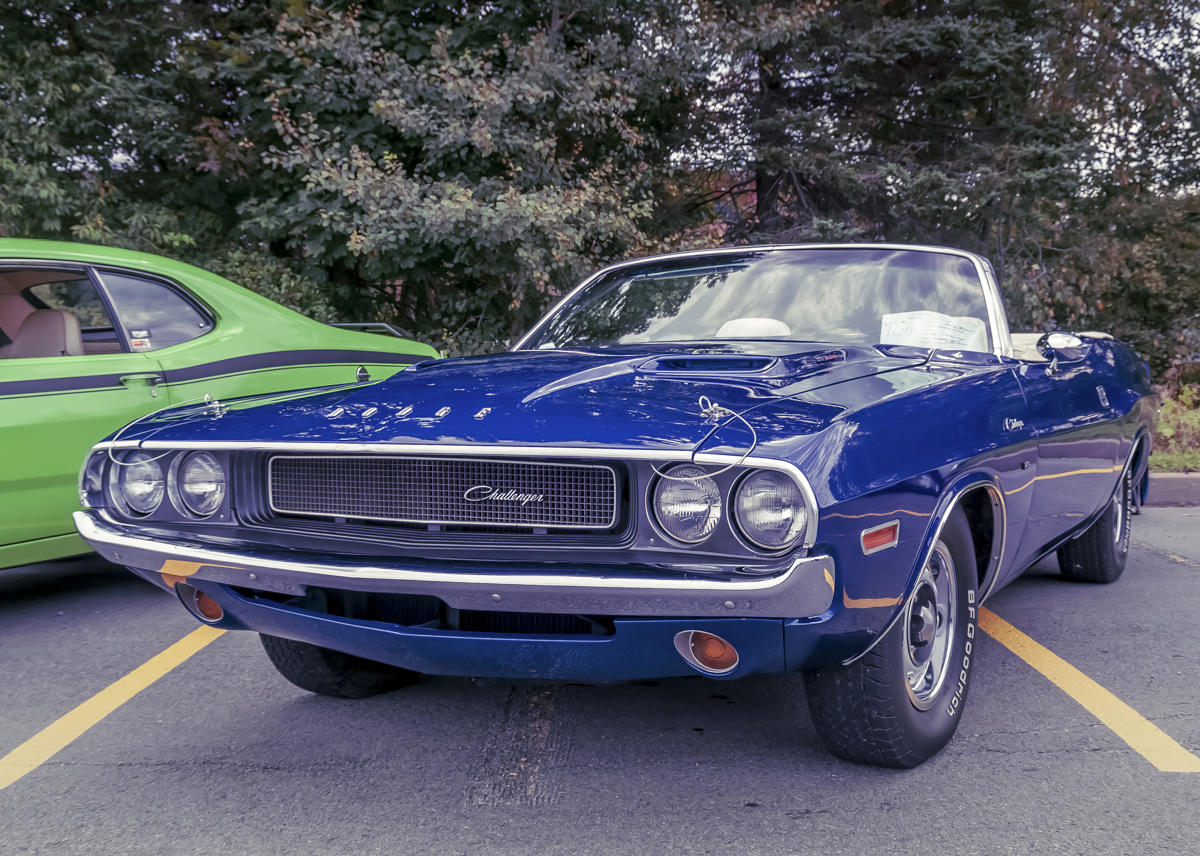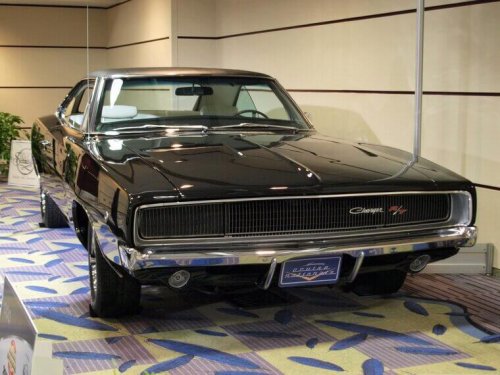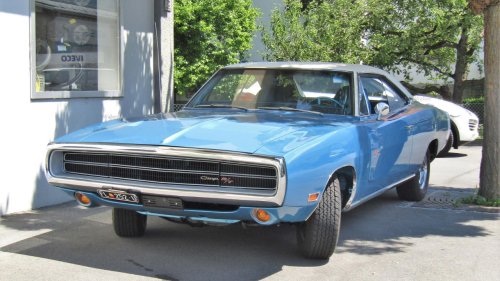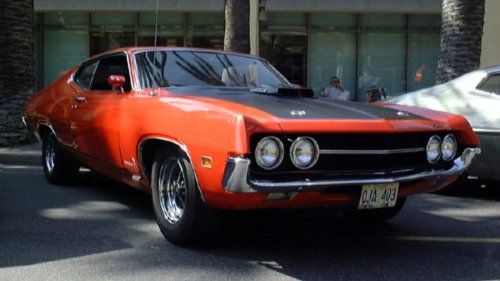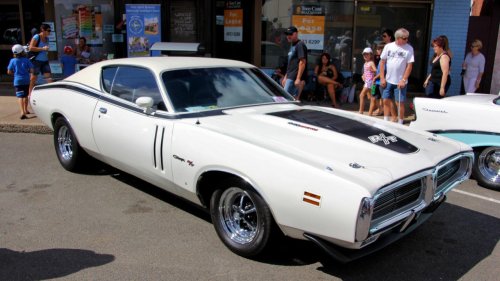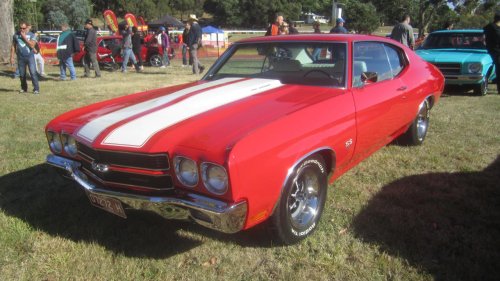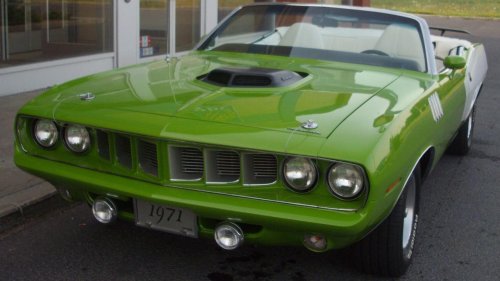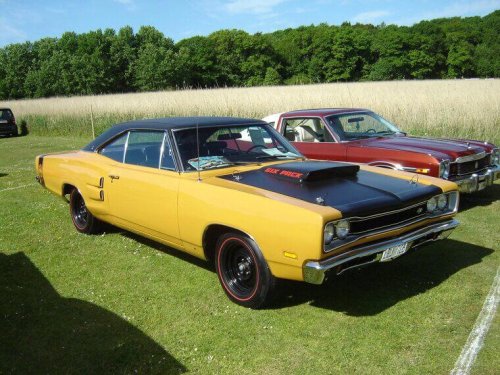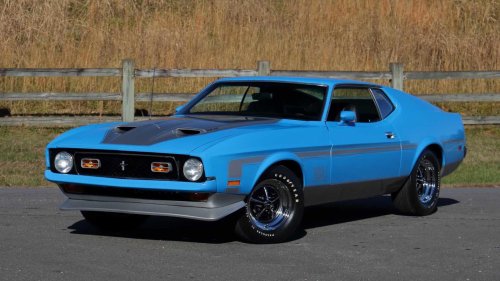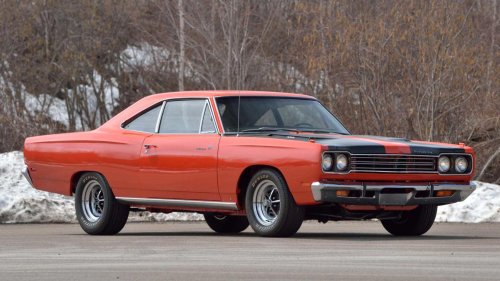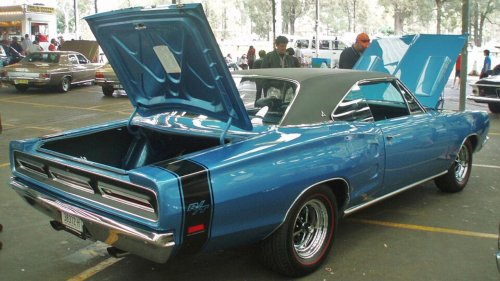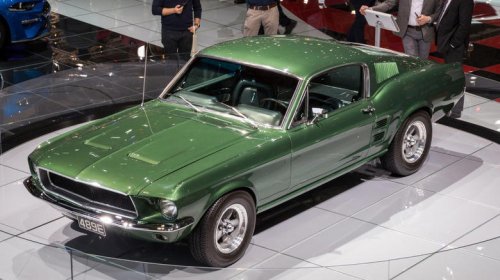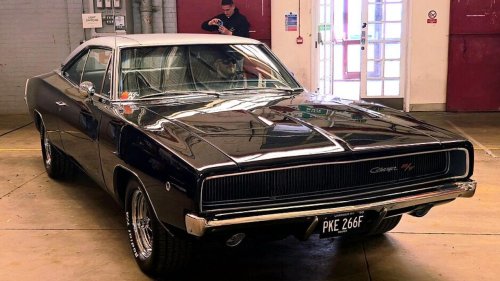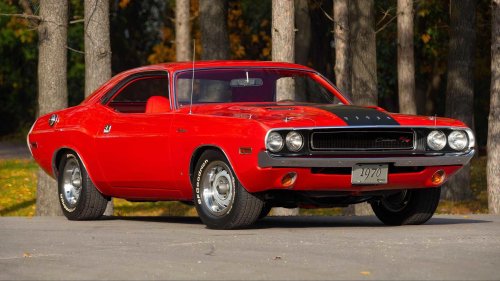
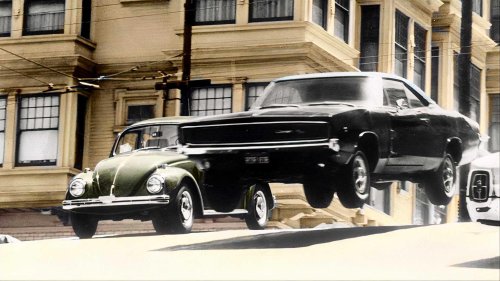
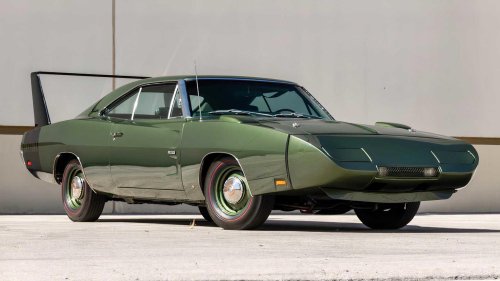
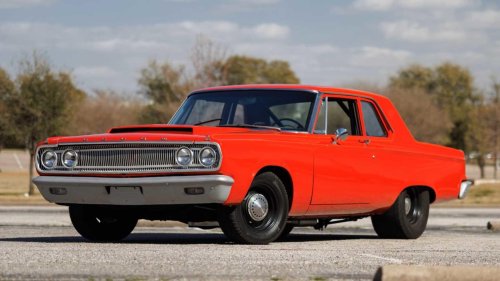
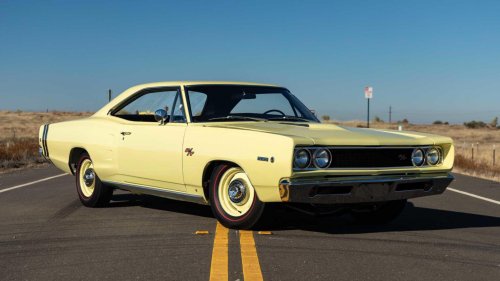
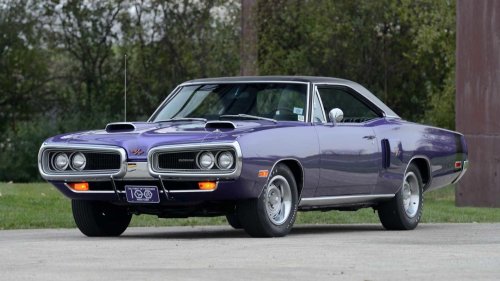
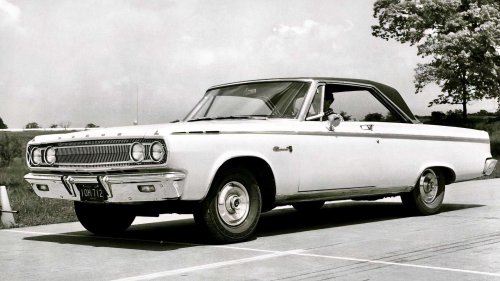
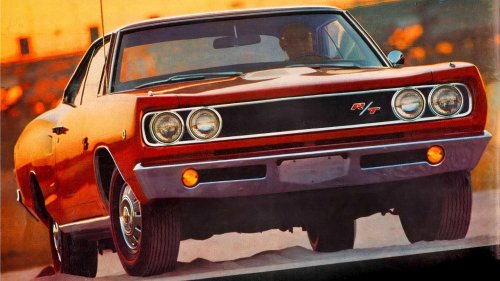
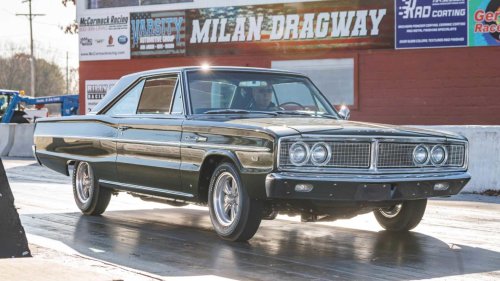
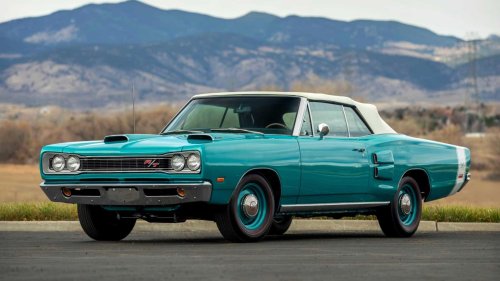



















The Golden Age of American Muscle produced some of the most iconic and memorable cars of all time. Not that there's anything wrong with modern performance cars, but the love and nostalgia for the classics still burns strong today and people cannot get enough of the old-school rides. The second-gen Dodge Charger, Chevy Chevelle SS, and Pontiac Trans Am are pop culture icons that still thrill hard-core enthusiasts and casual observers alike. These are auction superstars and movie superheroes that the public adores and their popularity shows no signs of waning more than a half-century since they first hit the scene.For every classic-era icon, there are as many or more models that were every bit as cool and powerful, but for whatever reason, didn't resonate with fans as much. Mopars are definitely the most collectible cars from the Golden Age, so it sounds weird to say that there is actually a Dodge that is tragically slept on. It was all over the pages of Car Life and Hot Rod back in the day, but is conspicuously absent from our collective consciousness in modern times. Mopar Muscle Car Royalty Mecum Introduced in 1970, the Golden Age late-entries Dodge Challenger and third-gen Plymouth Barracuda only had a four-year run, but managed to ingratiate themselves with fans and are as hot today as they ever were. The second-gen Dodge Charger, however, is not only the King of Mopar, but the ruler of the entire classic era, with the Hemi R/T being the defining ride and Emperor of the Streets.The B-Body Road Runner and GTX, as well as the Dodge Super Bee round out the Mopar Royal Court, as cars that still get enthusiasts' blood pumping. Strangely, the B-Bodies were all based on, and almost exactly styled, like the Dodge Coronet, but it practically exists in exile when it comes to recognition. Movie Star Mopar Cars Warner Bros. Pictures When a 1968 Dodge Charger R/T was cast as the bad guy car in the Steve McQueen classic Bullitt, it was rocketed to superstardom and established the second-gen Charger as a Hollywood A-lister. Mostly typecast as a villain, a '70 R/T finally landed the role of a hero as Dominic Toretto's ride in the Fast & Furious franchise, becoming the most iconic movie car in cinematic history.A 1970 Dodge Challenger had a similar explosion of fame as the star of the action/chase film Vanishing Point, where it was on screen virtually the entire time. The Plymouth Hemi 'Cuda owns the Phantasm franchise, while the Road Runner has been a favorite of Brewster McCloud and Letty Ortiz. Most classic Mopars have a pop culture moment, which is why they are remembered, but the Dodge Coronet never really made it to the big screen. Top Classic Dodge Collector Rides MecumThe Mopar "C-Squad" of the Challenger, Charger, and 'Cuda have blown up the record books with multi-million dollar auction sales. While that's on the extreme end of things, classic Dodge and Plymouth muscle cars are among the most collectible. Being equipped with a Hemi is the first value multiplier, but the 440 Six-Pack cars are starting to surge.Another thing that brings the price up on a Mopar is the nameplate, as some models are more sought after. We'll use the 1970 B-Body Hemis to illustrate this disparity. A 1970 GTX has a Hagerty Concours condition value of $126,000, a Coronet R/T of $136,000, a Super Bee of $164,000, and a Road Runner is worth $276,000. They are all basically the same car, but people remember the Road Runner the most so that's the one collectors want. Overlooked Fifth-Gen Dodge Coronet Mecum After a year hiatus, the Dodge Coronet returned in 1965 as an intermediate platform with two-door, four-door, wagon, and convertible variants. The two-door hardtop is the one that is most relevant to the muscle car conversation, as it came optional with some pretty gnarly big blocks. The 330-horsepower 383 V8 was better than or close to the engines in the '65 Chevy Chevelle SS, Pontiac GTO, Oldsmbile 442, and Buick Gran Sport. But the Coronet had something even better in its bag of tricks. The 426 Street Wedge was available and, with one under the hood, it was the baddest ride of the early Golden Age.With 365 horsepower, which was good but not great, the 426 Wedge was a torque monster producing 470 wheelie-popping pound-feet. Hitting 0-60 in 5.5 seconds and lighting up the quarter-mile in 13.5 seconds, the Coronet was way quicker than the GM muscle cars, which were 14 seconds or slower. Most importantly, the '65 Coronet was Dodge's only legitimate muscle car that year. There was also a 425-horsepower 426 Max Wedge that was used in the early factory drag cars, but the Street Wedge was good enough to rattle cages in '65. Coronet: Master of the Hemi Bring a Trailer In 1966, just two years after the Horsepower Wars began, Mopar declared victory with the introduction of the 426 Street Hemi, which dominated the streets for the rest of the classic muscle car era. The 426 Hemi V8 cranked out 425 ponies and 490 pound-feet of torque, making any car it was equipped in an instant 13-second superstar.The Hemi is more associated with cars like the Charger and Challenger, but in the early days it was the Coronet that hogged them all up. In 1966, the Coronet got 741 Hemis versus 468 for the Charger and in 1967 it was 286 to 116. Including the Coronet, Coronet R/T, and Super Bee, Dodge's dependable B-Body was the recipient of 1,820 Street Hemis, while the Charger, a car more famous as a Hemi ride, ended up with just 1,473 of the wondermills. Soul-Crushing Coronet R/T Mecum Initially, the 426 Street Hemi was a free-for-all that could be ordered in any Dodge or Plymouth intermediate car. In 1968, Chrysler decided it could only be equipped to designated muscle cars, which for the Coronet meant the R/T.The Coronet R/T was introduced as a high-performance trim that came standard with a 440 V8 and had the 426 Hemi upgrade. The one knock on this otherwise amazing set of wheels was the styling, or the complete lack thereof. The '65-'67 Coronets were a little boxy and generic looking, but the '68 started getting some non-linear style.By 1970, the Coronet R/T was sporting a Coke bottle body, hoodscoops, sheet metal accents, and "bumblebee wings" grille that made it look like some kind of pissed off demon. The last year for the R/T is arguably as striking as any classic-era Mopar, but doesn't get the same love. Coronet Period Test Drive Champ DodgeDodge Garagecaught up with automotive journalist Martyn Schorr, who way back when got to test drive a 1965 Dodge Coronet test mule (pictured above), equipped with a 426 Hemi a full year before the engine was available to the public. Unfortunately, there are no performance stats included in the piece, but we already know this car was a monster of acceleration.Hot Rodmagazine did a road test on a '66 Hemi Coronet and pulled off a 13.2-second ET, which is quicker than most published times, but they did a bit of tuning before letting 'er rip. Hemmingsreviewed several period test drives and found that "With relatively minor modifications—shorter gears, stickier tires, exhaust headers, and less weight... the (1967 Coronet R/T) might turn ET’s in the 12-second range." From Automotive Press Darling To Afterthought DodgeRoad & Track got their hands on a 1967 Coronet 440 R/T and marveled at the power while praising the suspension and quality of the build. Hot Rod magazine was gaga over the '68 R/Ts Coke bottle design, noting it gave the car a bolder stance and improved road presence.After test-driving a '69 R/T, Car Life magazine noted that "The 440's brute torque makes high revving completely unnecessary," marveling at its acceleration. Back in the day, the Coronet R/T was a cover model with features proclaiming it the "GOATBUSTER" and GTO killer. That early recognition didn't translate into long-term stardom. However, as those vintage rags are about the only place this tragically overlooked classic still exists. Coronet Production And Prices Mecum The irony of the Coronet's relative anonymity is that it was one of Dodge's most popular nameplates. From 1965-1970, Dodge moved 280,500 two-door Coronets, and while all of those weren't necessarily muscle cars, the Charger also could be ordered with a 225 slant-six with a one-barrel carb. So, a lot of them weren't performance vehicles either.When it comes to actual muscle, there were a total of 26,700 Coronet R/Ts built, which is about half of the 50,087 Charger R/Ts that rolled off the production line in the same amount of time, but still a significant number. While the Challenger only had two good years, from 1970-1971, only 24,428 R/Ts were made and those things are as good as gold in the collector's market.Despite having similar numbers and awesomeness as its Dodge brothers, the Coronet is kind of the black sheep of the family when it comes to collectibility. According to Classic.com 141 fifth-gen Dodge Coronets have sold at auction over the past five years, with an average sale price of $45,000.With one less year of production, the second-gen Charger has brought the gavel down on 358 cars, selling on average for $95,000. Having only been amazing for 1970 and 1971, the Challenger has moved an astounding 466 cars at auction in the past half-decade, with the average sale price topping $100k. The Coronet is almost invisible to collectors, which is completely bonkers considering what a killer ride it is. Some of the Rarest Mopars Ever Mecum So maybe most casual fans aren't hip to the Coronet vibe, but it's not all doom and gloom because hardcore enthusiasts know it's one of the rarest classic Mopars ever. The utterly bizarre 1966 Coronet Deluxe Hemi four-door sedan is a one-of-five car which, if offered at auction, would probably go for over a million dollars. Coronet Hemi convertibles from 1966 to 1969 were produced in batches of 10 units or fewer and sell for hundreds of thousands, including that '69 Bright Turquoise beauty pictured above that rocked Mecum Kissimmee 2026, crossing the block for $770,000.Realistically, all the Cornet needs to join the classic Mopar titans is for Dominic Toretto to get behind the wheel of blown, supercharged '70 R/T and utterly destroy it while taking out Dante Reyes in the next Fast & Furious movie. Then everyone will want it.Sources: Classic.com, Hagerty, Mecum, Hot Rod, Road & Track, Dodge Garage, Hemmings,