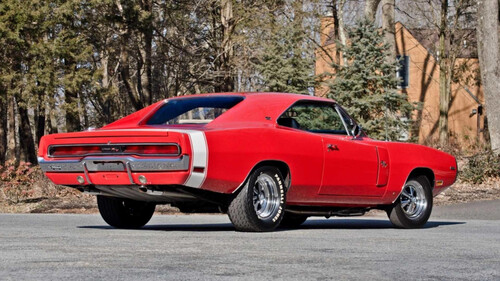
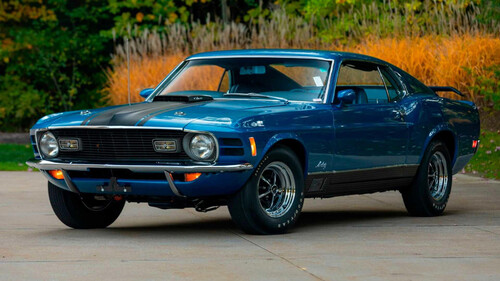
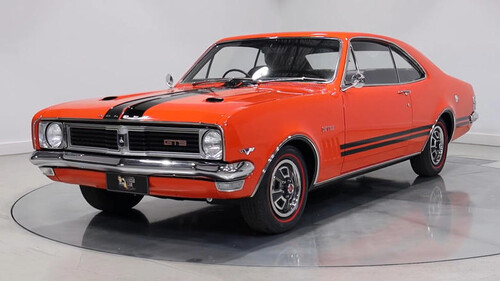
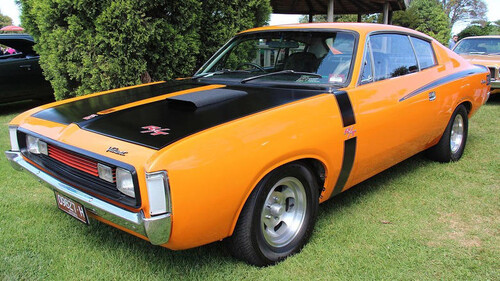
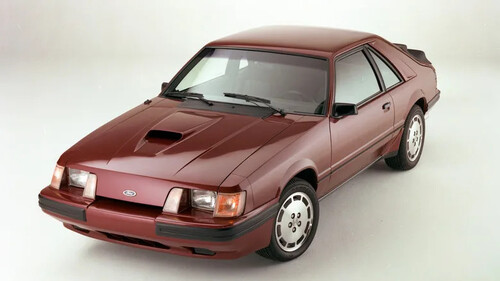
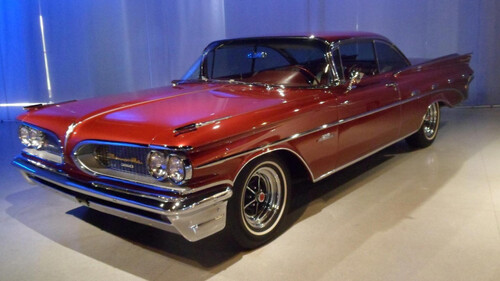
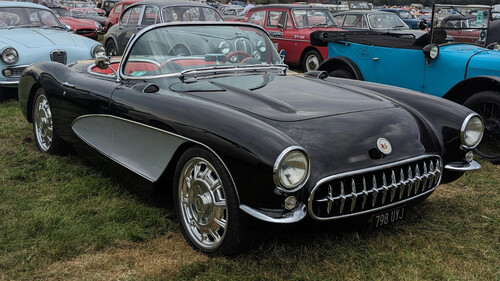
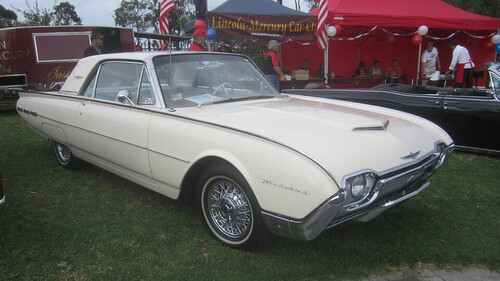
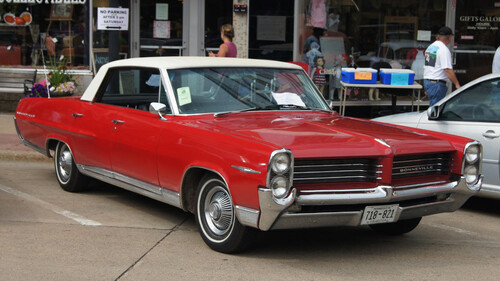
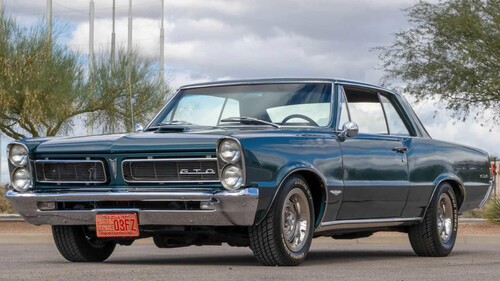
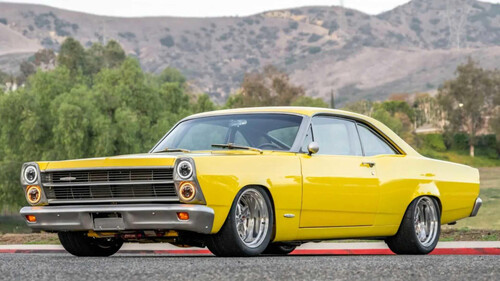
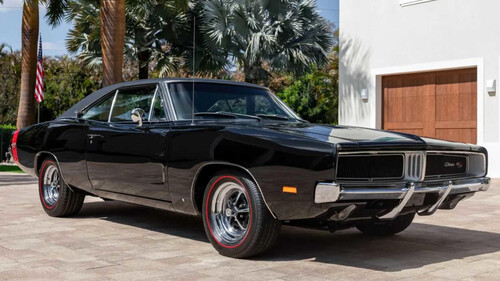
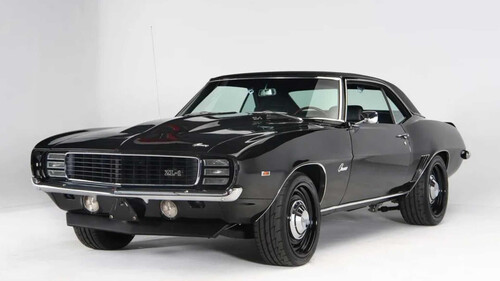
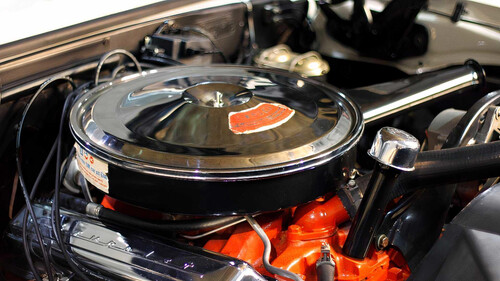
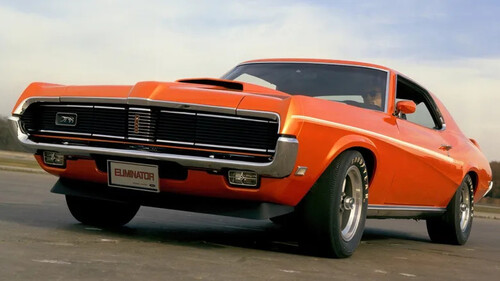
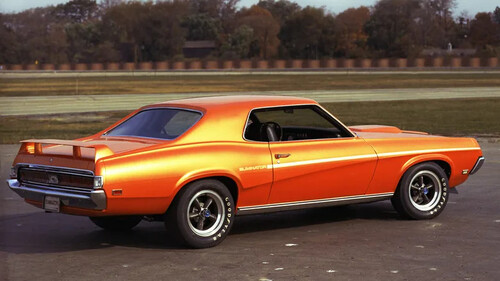
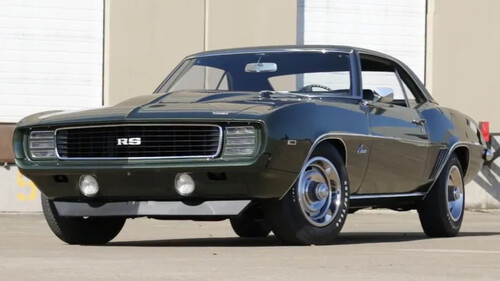
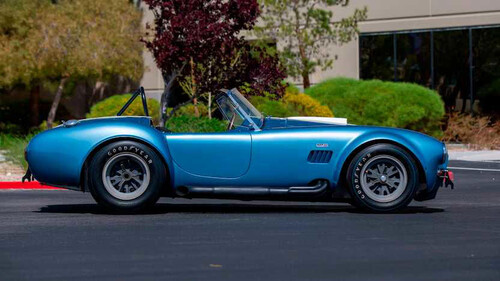
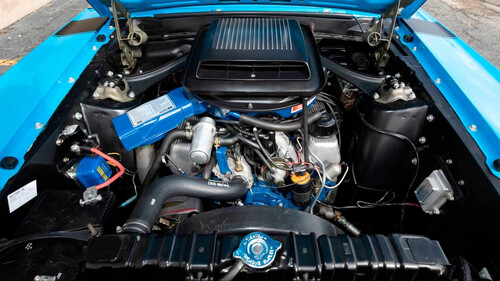
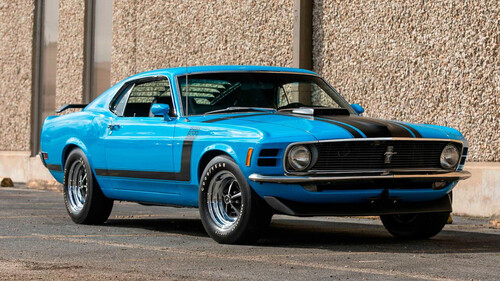
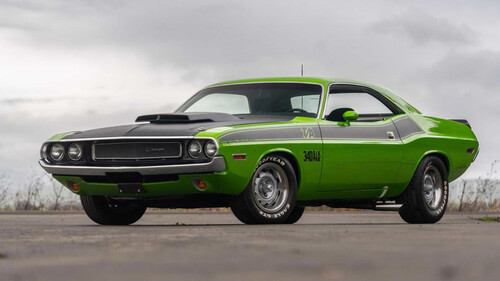
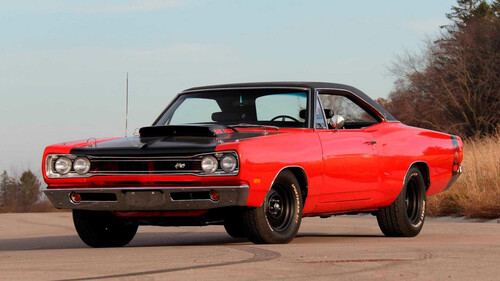
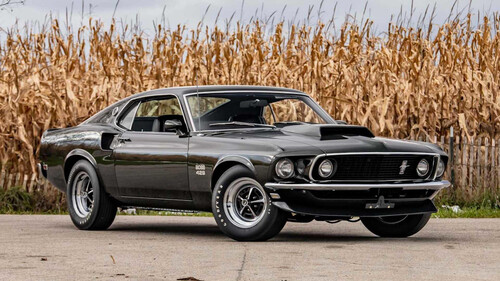
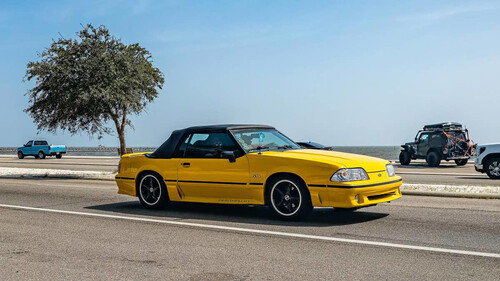
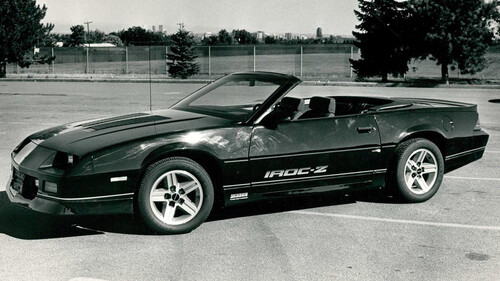
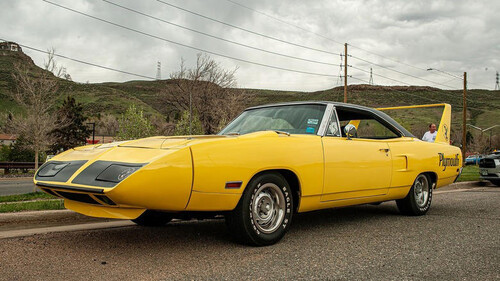
The Muscle Car Era Ended in 1973 — But the Forces That Ended It Were Already in Motion Years Before Key Takeaways The muscle car era's collapse was set in motion years before the 1973 oil embargo, driven by insurance industry changes, federal safety mandates, and emissions regulations. By 1972, compression ratio cuts forced by unleaded fuel mandates had slashed horsepower ratings on iconic engines by nearly forty percent compared to their 1970 peaks. The 1973 OPEC oil embargo was the final blow to an industry already weakened by regulatory costs and a shrinking buyer pool priced out by skyrocketing insurance premiums. Automakers responded to the collapse by gutting performance from surviving nameplates, with the 1974 Mustang II — built on a Pinto platform — becoming the era's most painful symbol of retreat. Ask most people when the muscle car era ended, and they'll say 1973 — the year Arab oil nations shut off the tap and Americans sat in gas lines stretching around city blocks. That answer isn't wrong, but it's incomplete. The truth is that Detroit's horsepower golden age was already unraveling before a single barrel of OPEC oil was withheld. Insurance actuaries, federal regulators, smog engineers, and fuel chemists had been quietly dismantling the conditions that made the muscle car possible — one policy, one mandate, and one compression ratio drop at a time. The oil embargo just finished what they started. Detroit's Golden Age of Raw Power For one decade, American automakers built cars with zero restraint Between roughly 1964 and 1970, American automakers engaged in one of the most spectacular commercial rivalries in industrial history. Ford, General Motors, and Chrysler were locked in a horsepower war where the only rule was that last year's number had to be beaten. The results were extraordinary. The 1969 Pontiac GTO Judge packed a 366-horsepower Ram Air III V8 and came painted in colors — Carousel Red, Limelight Green — that looked like they belonged on a carnival ride. Dodge's 426 Hemi, dropped into the Charger and the Road Runner, produced 425 horsepower from a street engine that could be ordered from a dealership catalog. These weren't exotic machines built for wealthy collectors. They were mass-produced cars sold to working-class young men who could put a few hundred dollars down and drive off a lot with something genuinely dangerous. That accessibility was the whole point. The muscle car was a democratic performance machine — raw speed available to anyone who could make the monthly payment. At the peak of the era, automakers were selling performance as a lifestyle, not just a specification. Showrooms became theaters. Magazine ads read like war dispatches. The cultural energy was real, and so was the commercial momentum — which is exactly why the forces working against it took so long to become visible. Insurance Rates Quietly Targeted Young Drivers Before the embargo, actuaries were already pricing young buyers out The insurance industry spotted the problem before Washington did. By the late 1960s, actuarial data was making a clear and uncomfortable argument: young men driving high-horsepower cars were filing claims at rates that made underwriting them a losing proposition. The industry's response was to reprice that risk dramatically. By 1969, a 17-year-old trying to insure a Chevelle SS 396 in many states faced annual premiums that rivaled — or exceeded — the car's monthly payment. Some insurers created surcharge categories specifically targeting vehicles with large-displacement V8 engines. Others simply refused coverage outright for drivers under 25 behind the wheel of anything with more than 400 cubic inches under the hood. The financial wall this created was real and immediate. The buyer pool for true performance cars began contracting years before gas prices became a national conversation. Automakers noticed the trend in their own sales data but largely chose to ignore it, assuming the market would find a way to absorb the cost. What they underestimated was how quickly insurance pricing would evolve from a nuisance into a structural barrier — one that quietly separated the muscle car from the very demographic that had made it a cultural phenomenon in the first place. Washington Stepped In With New Safety Rules Federal regulations rewrote what engineers were allowed to build The National Traffic and Motor Vehicle Safety Act of 1966 marked the moment the federal government formally entered the American automobile. Before that law, automakers largely policed themselves on safety. After it, the National Highway Traffic Safety Administration gained authority to set binding standards — and it used them. The engineering culture inside Detroit shifted almost immediately. Teams that had spent the early 1960s chasing quarter-mile times now had to budget time and money for crash testing, energy-absorbing bumpers, and steering column redesigns. The creation of the Environmental Protection Agency in 1970 added another layer. Los Angeles had been choking under a photochemical smog cloud for years — a problem directly traceable to vehicle exhaust — and the federal government had finally run out of patience with voluntary industry action. The result was that by 1971, automakers were simultaneously fighting NHTSA compliance deadlines and EPA emissions targets while trying to maintain the performance numbers their marketing departments were still promising. Engineers caught in the middle described the period as trying to win a race while someone kept adding weight to the car. The freewheeling design culture of 1964 — when a Pontiac engineer could quietly drop a 389 cubic-inch engine into a mid-size car and call it a GTO — was gone, replaced by a paperwork avalanche that made every engineering decision a legal and regulatory calculation. Lower Octane Fuel Strangled Engine Performance The real horsepower killer arrived at the pump, not at the pump station line One of the most persistent myths about the muscle car's death is that the 1973 oil embargo caused the horsepower collapse. The numbers tell a different story. The transition away from leaded, high-octane fuel was already gutting engine output two full years before OPEC acted. The mechanism was straightforward. Catalytic converters — required under the Clean Air Act amendments — were poisoned by the lead compounds used in premium gasoline. To protect the converters, refiners had to produce unleaded fuel. But unleaded fuel of that era had lower octane ratings, and lower octane fuel detonated unpredictably inside high-compression engines. The solution automakers chose was to lower compression ratios across the board, which directly reduced power output. The numbers are stark. A Corvette rated at 350 horsepower in 1970 was producing just 270 horsepower by 1972 — using the same basic engine architecture. The LT1 small-block didn't shrink. The cam didn't change dramatically. The compression ratio dropped from 11.0:1 to 8.5:1, and nearly 40 percent of the power went with it. Buyers ordering what looked like a performance car on the window sticker were driving home with something considerably tamer than the badge suggested. The 1973 Oil Crisis Delivered the Final Blow The embargo didn't start the fire — it just burned the house down On October 17, 1973, OPEC member nations announced an oil embargo targeting the United States and other countries that had supported Israel in the Yom Kippur War. Within weeks, gas prices spiked and fuel shortages produced lines at stations that stretched around city blocks. Odd-even rationing — where your license plate number determined which days you could buy gas — became a humiliating new ritual of American life. For the muscle car, the timing was catastrophic. The industry had already absorbed years of insurance pressure, regulatory costs, and detuned engines. The buyer who might have stretched to afford a high-horsepower car in 1968 was now looking at a vehicle that cost more to insure, made less power than advertised, and guzzled fuel that was suddenly both expensive and scarce. The cultural math had reversed completely. What had been a symbol of American freedom and optimism — the idea that any working man could buy his way into serious performance — now looked like a liability. Showroom traffic for big-engine cars collapsed almost overnight. Dealers who had been moving Chargers and GTOs found themselves sitting on inventory that buyers actively didn't want. The embargo didn't create the problem. It simply made a problem that had been building for years impossible to ignore any longer. Automakers Pivoted to Pony Cars and Economy Models Detroit's survival strategy felt like a betrayal to anyone who remembered the originals Ford's response to the collapse arrived in showrooms in 1974 wearing a name that had once meant something. The Mustang II was smaller, lighter, and built on the floorpan of the Pinto — a subcompact economy car. It came standard with a four-cylinder engine. The optional V8 produced 122 horsepower. The business logic was defensible. Ford needed a car that could survive in the post-embargo market, and the original Mustang's platform had grown bloated through the early 1970s. Lee Iacocca, who had championed the original 1964½ Mustang, personally pushed the Mustang II as a return to the car's roots as an affordable, practical sporty coupe. Sales were actually strong — Ford moved over 385,000 units in the first year. But to enthusiasts who had grown up watching the Mustang evolve from the 271-horsepower Hi-Po K-code through the Boss 302 and the 428 Cobra Jet, the Mustang II felt like watching a legend get replaced by an imposter wearing its jersey. GM followed a similar path, turning Camaro and Firebird into appearance packages where the performance content was largely cosmetic. Chrysler, already financially fragile, simply watched its muscle car lineup shrink to nothing. The pivot kept the nameplates alive, but the soul of what they had represented was gone — and everyone in the showroom knew it. Why the Muscle Car Era Still Defines American Identity A decade that ended too soon became a legend that never really left At Barrett-Jackson and Mecum auctions today, a numbers-matching 1969 Dodge Charger R/T with a 440 Six Pack can command prices well into six figures — sometimes far beyond what comparable European sports cars of the same era bring. The emotional premium attached to American muscle from that compressed window of roughly 1964 to 1973 remains one of the more striking phenomena in the collector car market. Part of that value is pure nostalgia. The people bidding on these cars were teenagers and young adults when the cars were new. They remember what it felt like to hear a 396 at wide-open throttle, or to watch a GTO Judge pull away from a stoplight with a sound that registered somewhere between mechanical and primal. Those memories don't depreciate. But there's something else operating underneath the nostalgia. The muscle car era was brief precisely because it was unsustainable — a perfect storm of cheap fuel, loose regulation, and demographic demand that couldn't last. The forces that ended it weren't accidental. They were the predictable consequences of building the most powerful, least fuel-efficient consumer vehicles in history and selling them to the youngest, least experienced drivers on the road. The era was extraordinary partly because it was finite. What gets cut short before its time has a way of staying with people far longer than what simply fades away. Practical Strategies Follow the Compression Ratio NumbersWhen researching a specific muscle car model, look up the factory compression ratio by year — not just the horsepower rating. A 1970 and a 1972 version of the same engine can look identical on paper but perform very differently. The compression ratio tells you exactly how much the fuel transition had already cost that engine before the embargo ever happened.: Check Original Window Sticker DataMarti Reports for Fords and Protect-O-Plate records for GM cars can confirm exactly how a specific vehicle was optioned from the factory, including engine code and transmission. This matters because many late-era muscle cars were rebadged as performance models but delivered with base engines. The paperwork separates the real ones from the appearance packages.: Understand SAE Net vs. Gross RatingsThe horsepower collapse of 1972 looks even more dramatic than it was because the industry simultaneously switched from SAE gross to SAE net measurement standards that year. Gross ratings measured engines without accessories attached; net ratings measured them as installed in the car. Some of the apparent drop in horsepower numbers was the measurement change, not purely the compression reduction — worth knowing before comparing specs across model years.: Seek Out Pre-1971 Build DatesFor collectors focused on peak-era performance, a car built before the 1971 model year changeover retains the high-compression engine architecture that defined the era. A 1970 build date on a Corvette, Chevelle, or Challenger means you're looking at the last generation of engines before the fuel transition forced the detuning. Those build dates carry a real premium in the collector market for good reason.: Read the Insurance History, Not Just the Car HistoryThe insurance industry's role in the muscle car decline is one of the least-told parts of the story, and understanding it helps explain why certain models disappeared from production rosters while others survived as shells. Researching which vehicles were surcharge-rated in the late 1960s reveals a lot about which cars automakers quietly stopped supporting — not because of the oil embargo, but because the buyer pool had already been priced away.: The muscle car era lasted barely a decade in its purest form, but the forces that ended it had been accumulating long before most buyers noticed anything was wrong. Insurance actuaries, federal regulators, fuel chemists, and eventually OPEC all took their turn — and by the time the gas lines appeared in 1973, the industry had already absorbed years of quiet erosion. What makes the era worth studying isn't just the cars themselves, but the collision of commercial ambition, regulatory reality, and cultural timing that made it both possible and temporary. The cars that survived that window, unmolested and numbers-matching, carry all of that history under the hood — which is exactly why they still stop traffic at every show they attend.