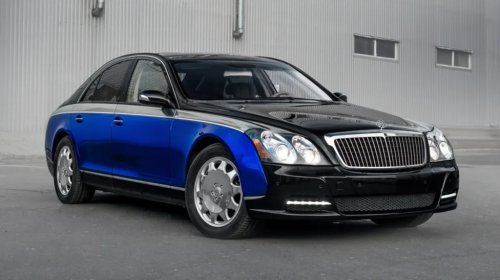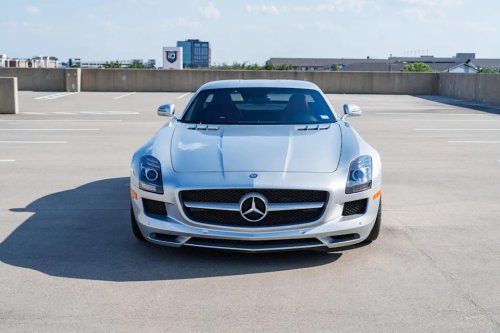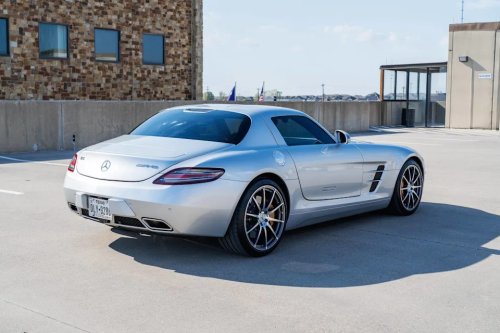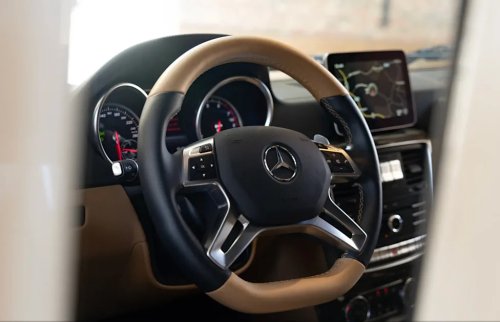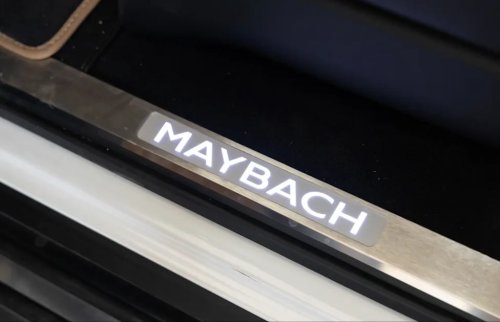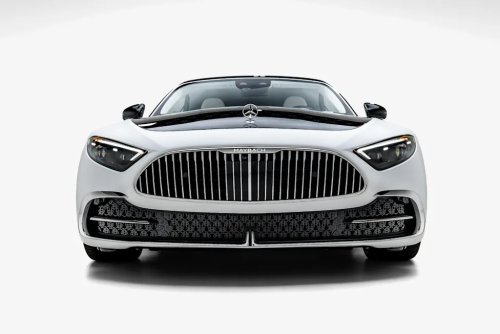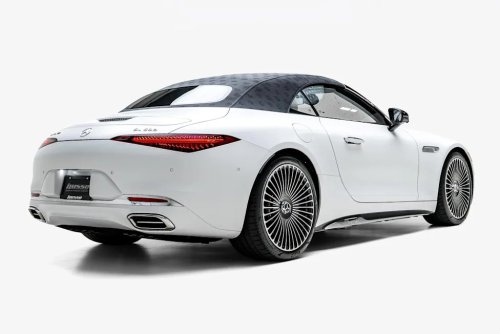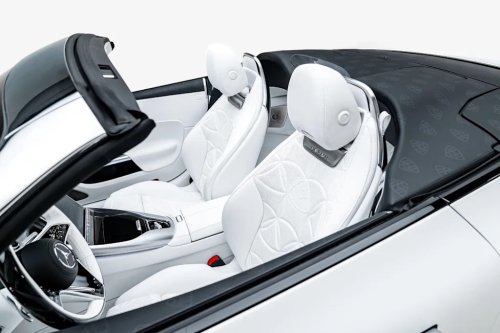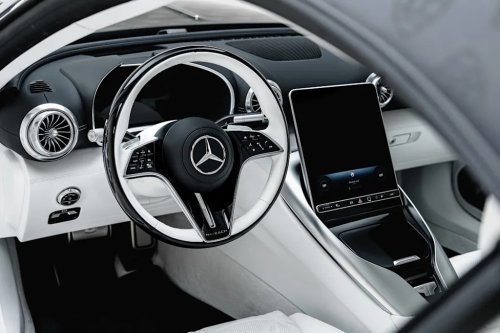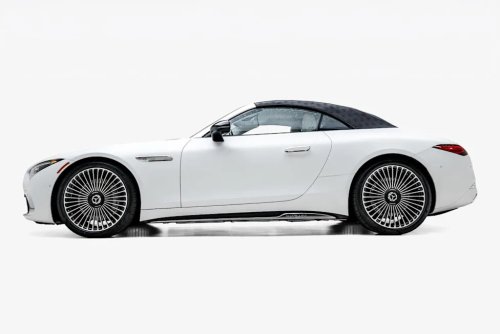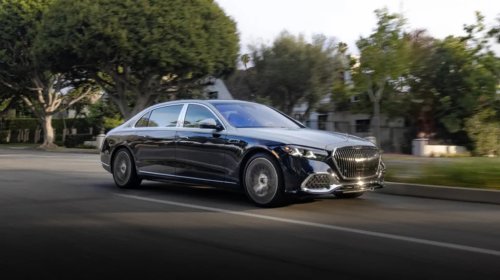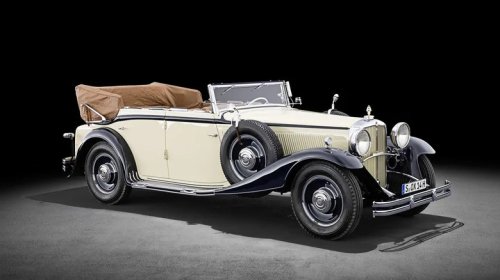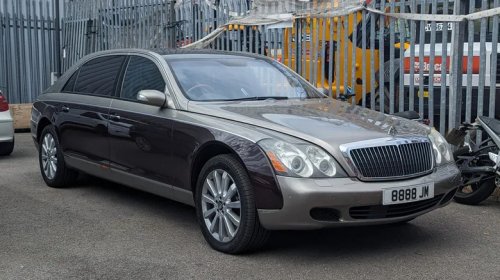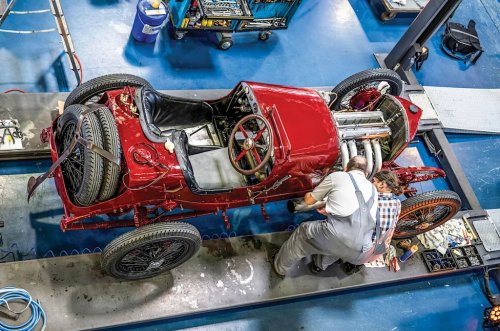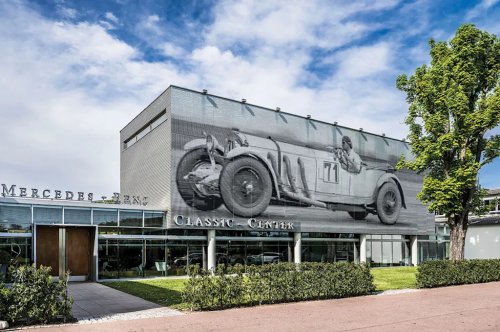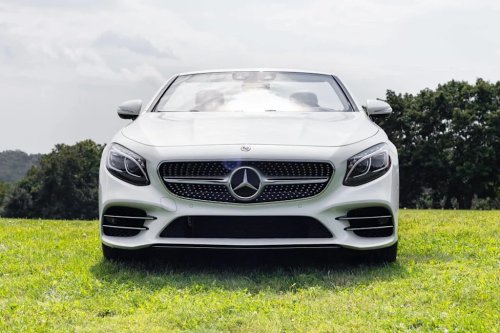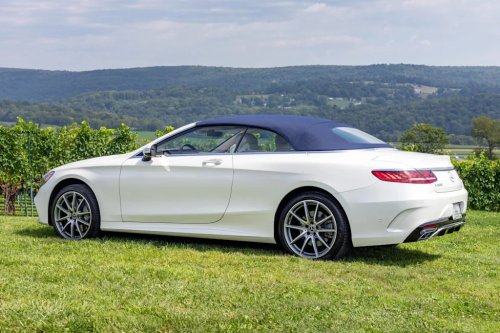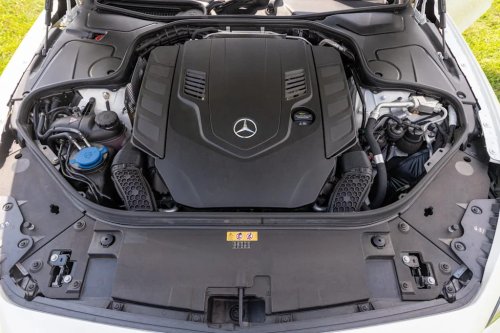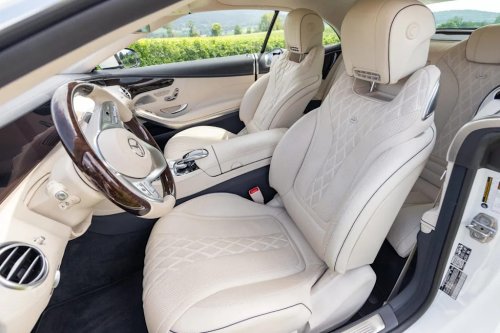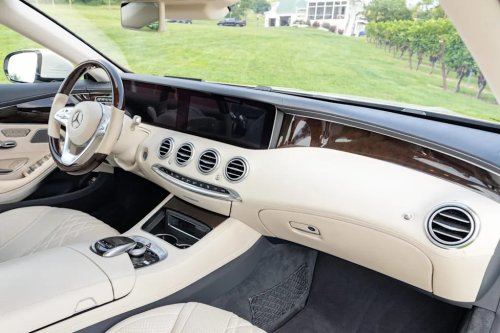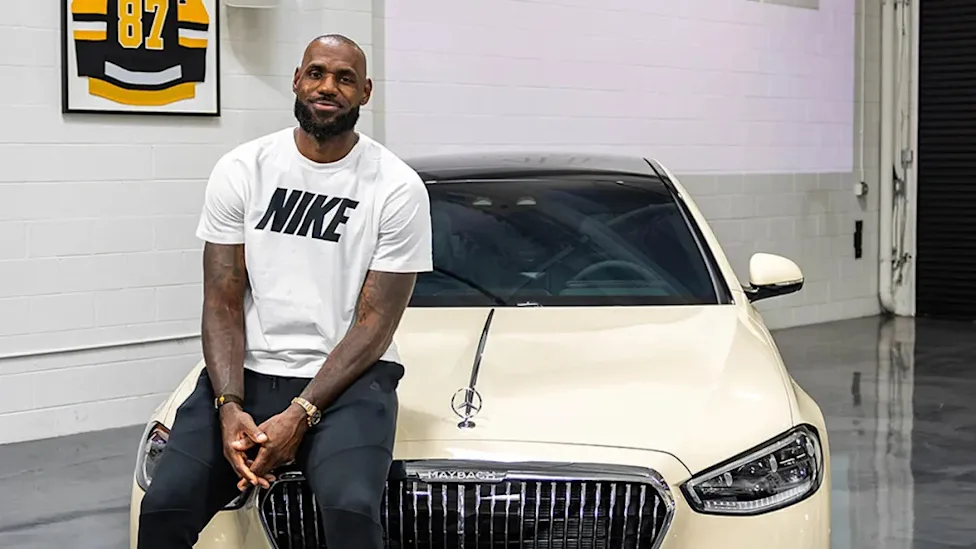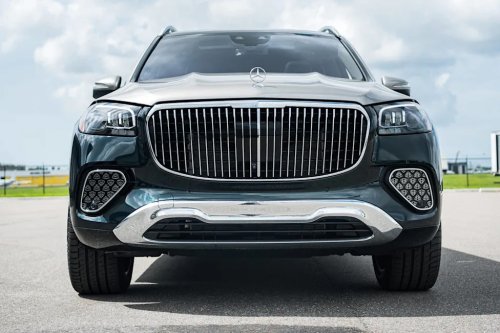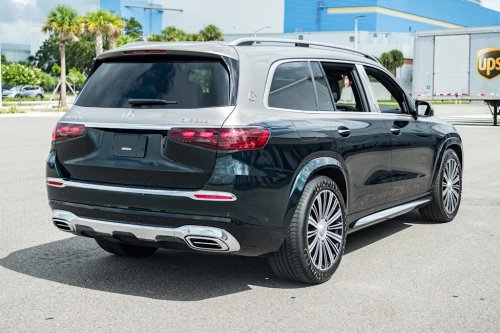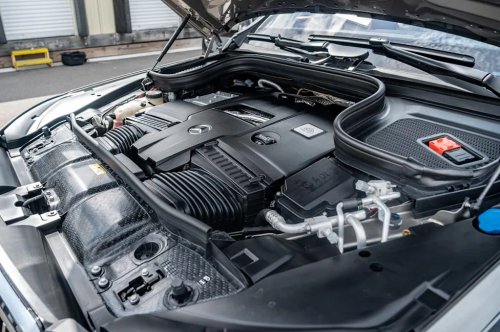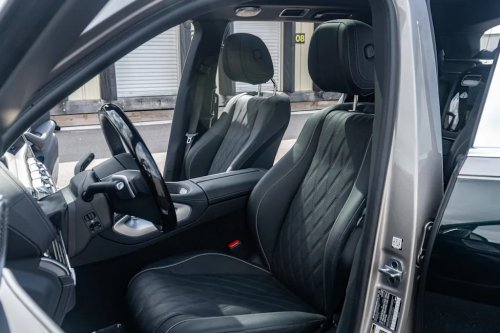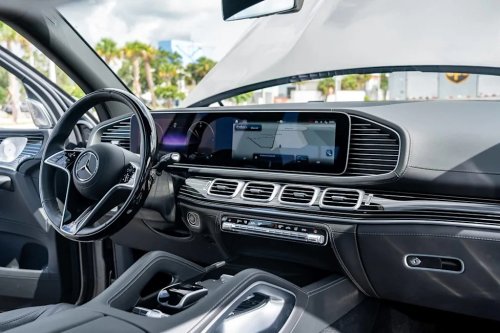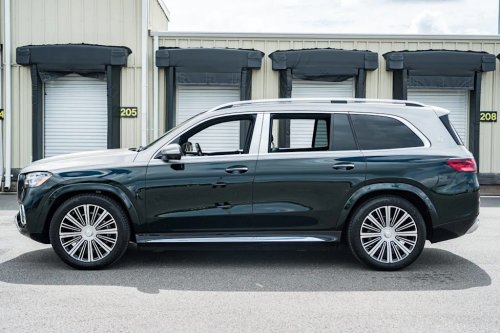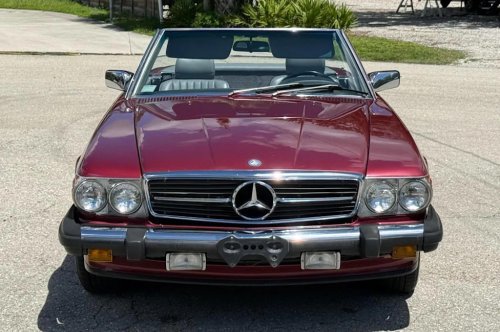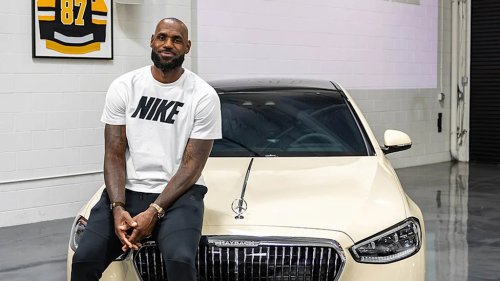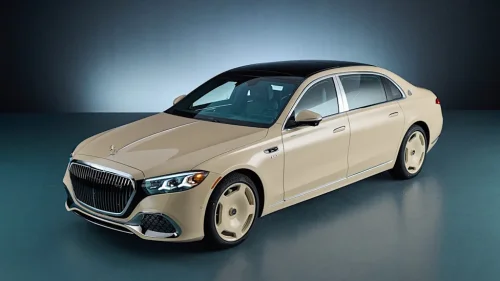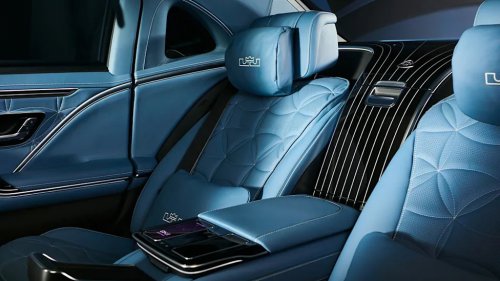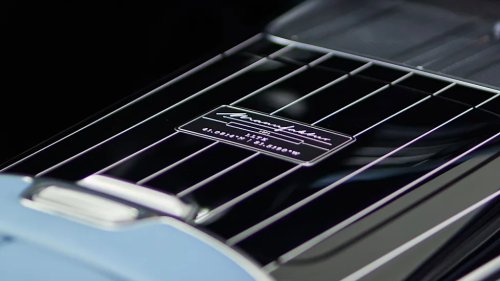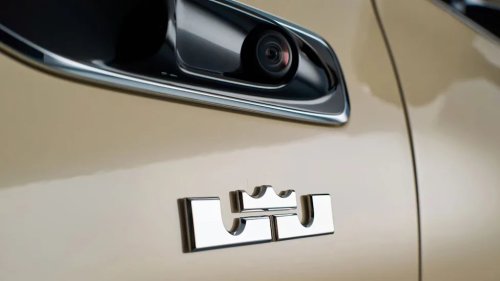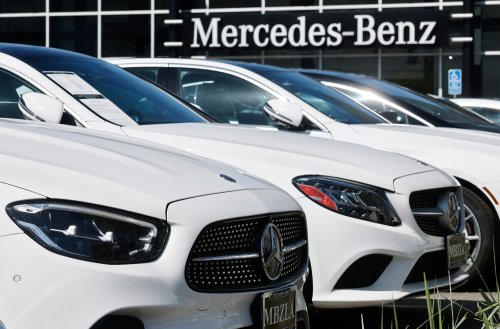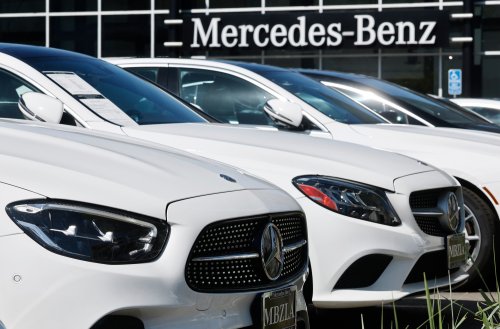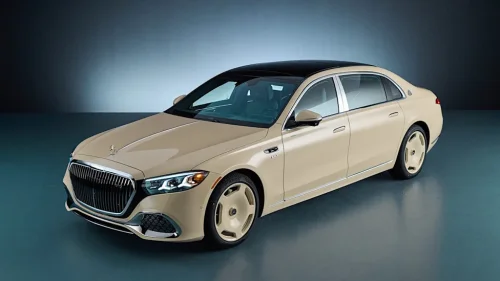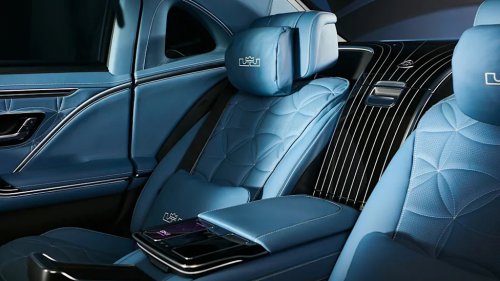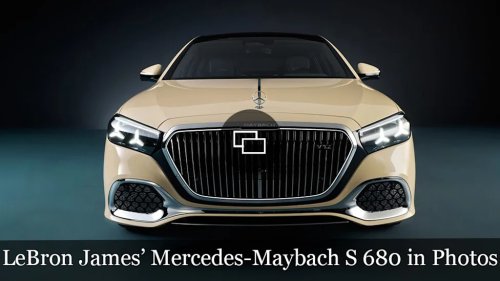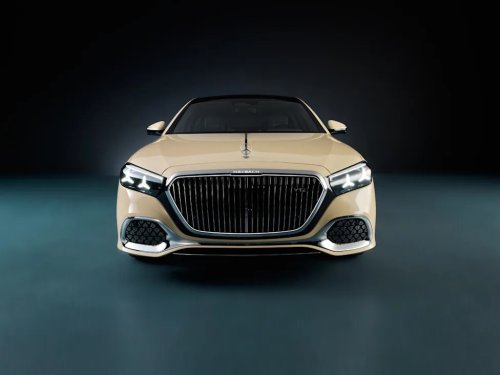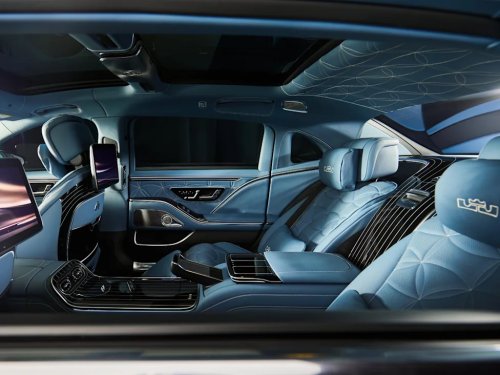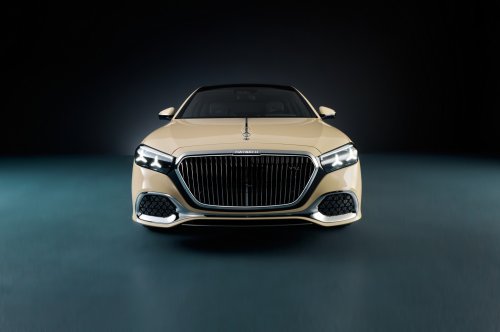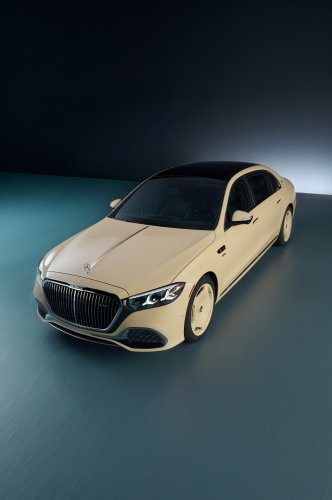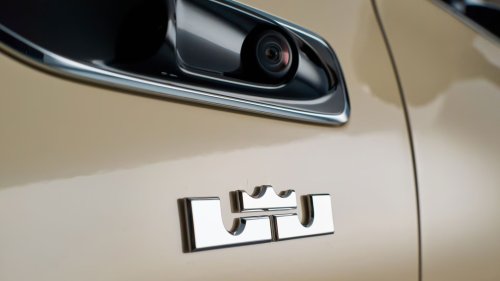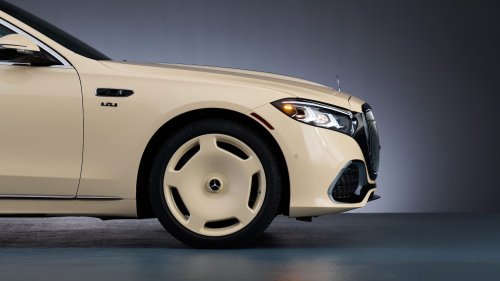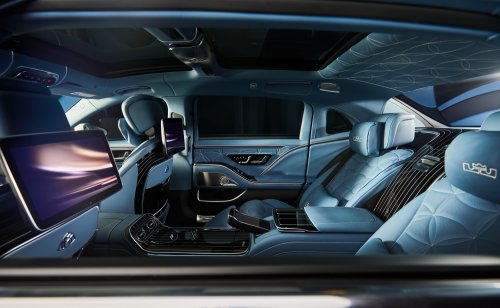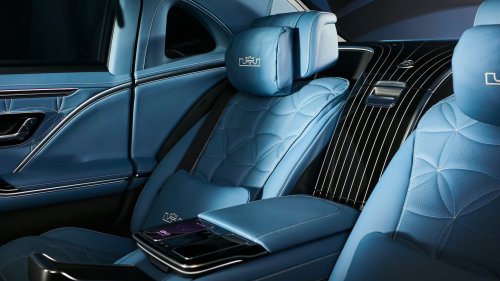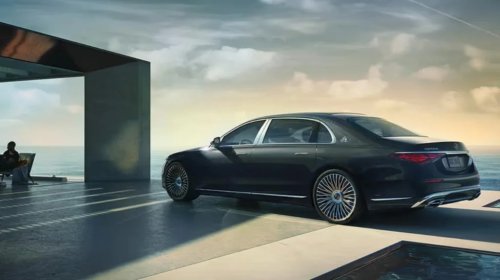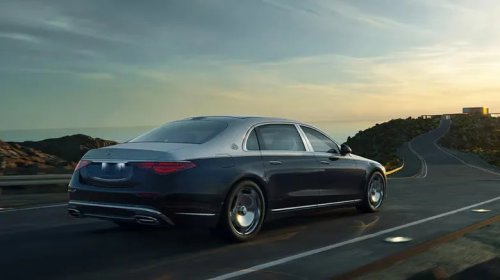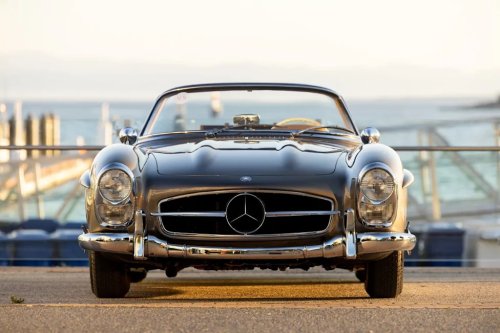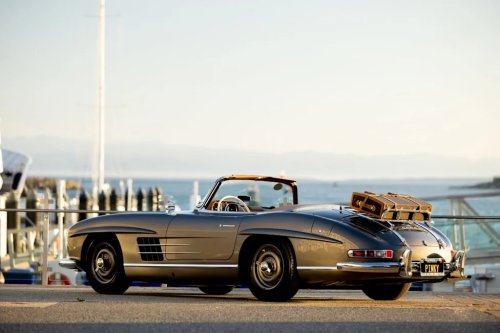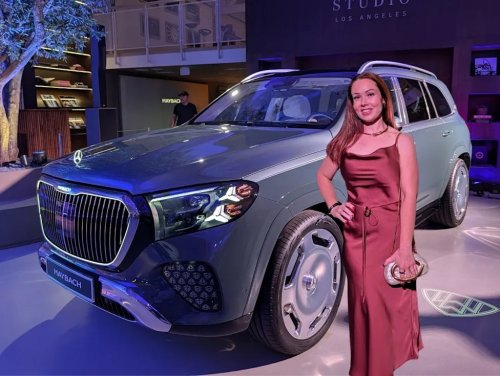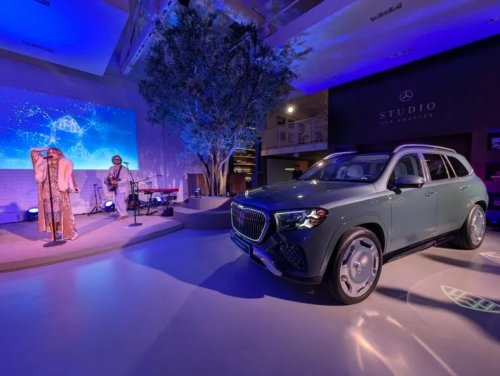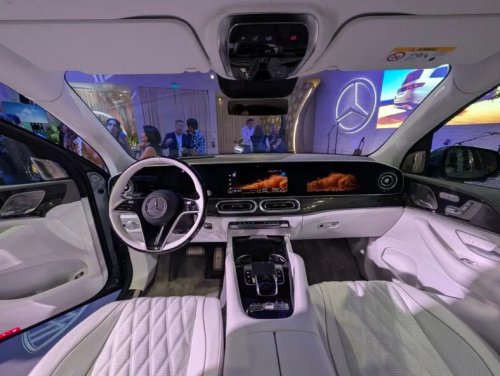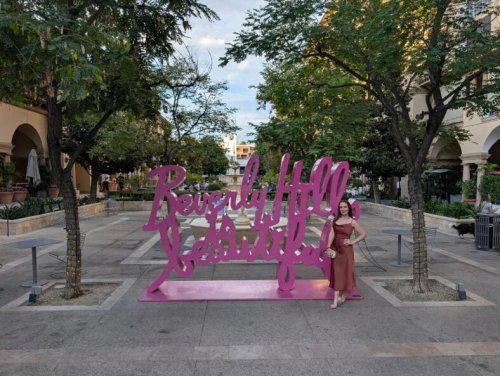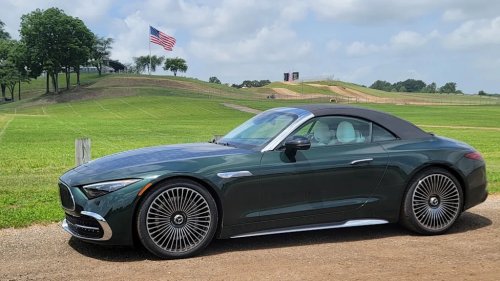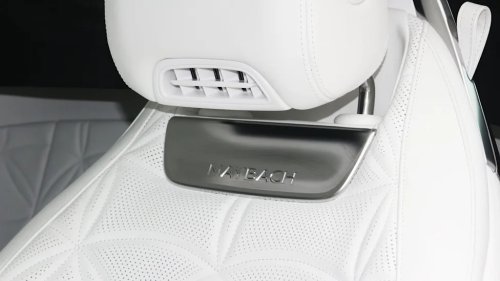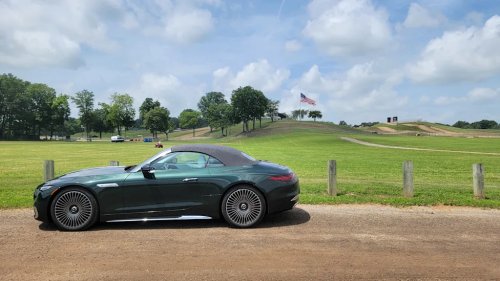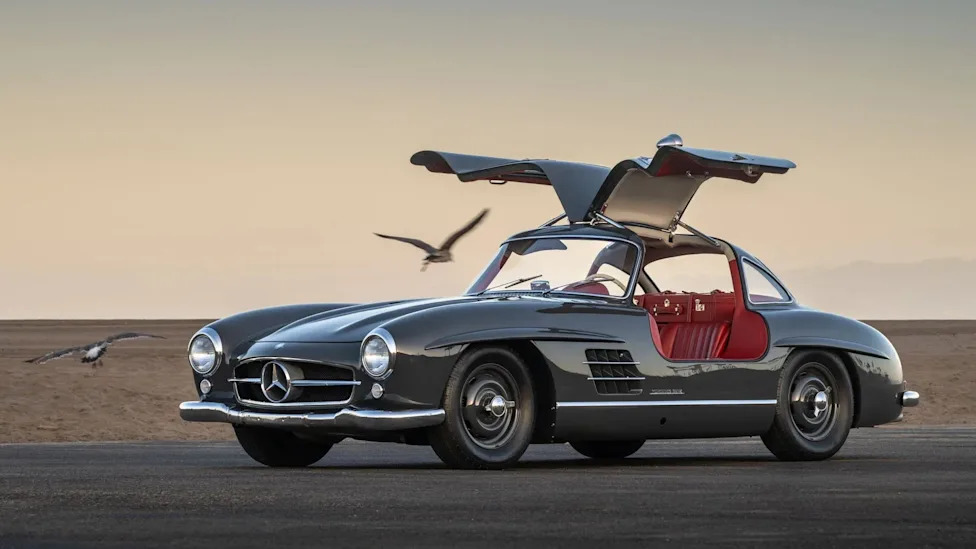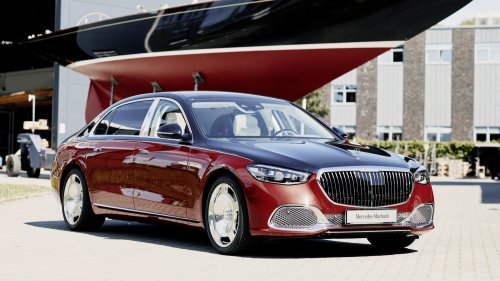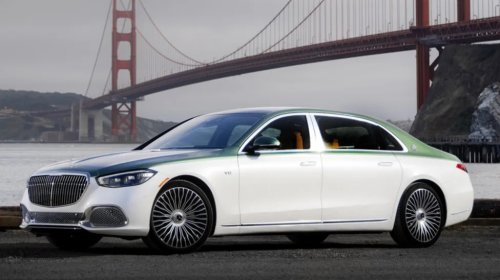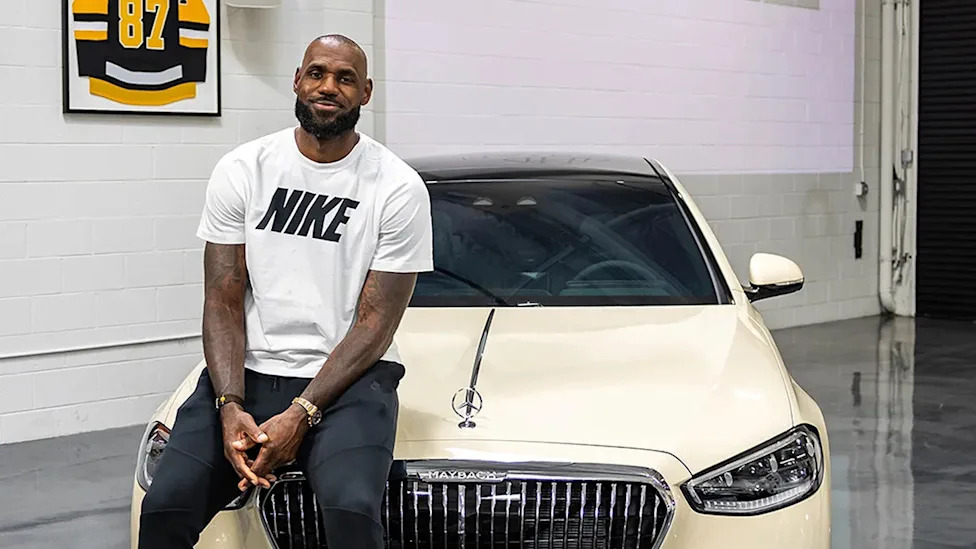














The LeBron James Maybach Is the Sideshow. Mercedes Just Built Its Own Auction House.The LeBron James Maybach arriving at Pebble Beach this weekend will be photographed for its owner, not its engineering. A Mercedes-Maybach S 680 finished in a Manufaktur-exclusive shade called Light Ivory, its V12 fender badge replaced by James's personal crown, it is the near-identical twin of the sedan the four-time NBA champion designed for himself. Later this year it will cross a block to benefit the LeBron James Family Foundation. That is the announcement. It is not the story.The story is where the car is being shown. Mercedes-Benz is unveiling the Maybach inside something it is calling the Future Classics Auction House — a factory-built stage, debuting during the Concours d'Elegance, that sets the marque's newest bespoke machines beside the cars that made its name: the one-off 1938 540 K Streamliner, a 540 K Special Roadster of the sort that has taken Best of Show at Pebble Beach, the last known 1905 American Mercedes. In the same stretch of the calendar, the company opened only its second Manufaktur Made to Measure hub on earth, in Beverly Hills. Put those moves together and a picture emerges that has nothing to do with basketball: a manufacturer that has decided to stop waiting for the collector market to anoint its modern cars, and to start authoring that market itself.Provenance is the one thing an assembly line cannot produce. Mercedes is now, unmistakably, in the business of trying.What the LeBron James Maybach actually isGive the car its due, because the craftsmanship is real. The Light Ivory paint extends to the wheels; a gloss-black roof and chrome trim are the only interruptions. Inside, the front and extended-rear cabins are trimmed in Stormy Weather Nappa leather with porcelain contrast stitching, and discreet engravings nod to Akron, Ohio, and to James's family. Beneath the hood sits the handcrafted 6.0-liter twin-turbocharged V12 — 621 horsepower, 664 lb-ft of torque, zero to 60 in 4.3 seconds in a car built to be driven from the back seat. A standard Manufaktur S 680 opens around $300,000. This one is a one-of-two.AdvertisementAdvertisementNone of that is new territory for the marque. Mercedes has used Monterey before to float exactly this kind of halo, from the Maybach S 680 "Nordic Glow" edition to the Maybach SL it teased ahead of a Pebble Beach debut. What has changed is the framing. These are no longer "special editions." They are, per the marque's own signage, future classics.Why "one-of-two" isn't the same as collectibleHere is where a collector's reflexes should engage. "One-of-two" is a designation, not the kind of scarcity the market rewards. Rarity alone has never created value; a car has to be rare and wanted, and want is built from things you cannot engrave into a fender — competition history, decades of ownership that accrue into a story, originality that becomes harder to find as survivors are used up.Celebrity and charity lots do command real premiums, and this one will. But that premium is paid to the name in the room and the cause on the invoice, and it rarely survives the second sale. The next owner inherits the car without the moment. And luxury sedans are historically the hardest body style to make appreciate — even genuinely important ones. Mercedes' own hand-built 600 Pullman, restored and offered at $3.2 million, struggled to find a buyer. If a Grosser with real history fights for liquidity, a modern S 680's path to appreciation is not a straight line.A carmaker can build you a one-of-two. It cannot build you the forty years that turn a car into a classic.The real story: a factory in the provenance businessNone of this means Mercedes is being naive. It is being shrewd. By curating which of its current cars deserve the label "future classic" — and by building the room in which to present them — the factory is positioning to shape, and eventually to capture, value in an aftermarket it has historically ceded to the auction houses and specialists. That aftermarket is not small: Mecum alone moved $45 million in a single Monterey week. Surrounding a brand-new Maybach with a 540 K Streamliner is a way of lending borrowed gravity to cars that have not yet earned their own. Adam Chamberlain, who runs Mercedes-Benz USA, framed the event as uniting extraordinary automobiles with the collectors who shape car culture. Read plainly, that is a manufacturer proposing to certify tomorrow's classics today.AdvertisementAdvertisementIt is worth being honest about what remains unresolved. Mercedes has not named the auction house that will sell the car, nor floated an estimate. For now the Future Classics Auction House is as much an idea as an institution. But ideas are how markets get made, and this is a well-capitalized company planting a flag at the most-watched concours in the world.What collectors should take awayIf you are tempted to bid, bid with your heart. The buyer here acquires a genuinely good cause — the foundation's I PROMISE work in Akron spans education, housing, and healthcare — along with a conversation piece and a receipt. What the buyer does not acquire is an investment; the premium that wins the car will not follow it to the next owner. That is perfectly fine, so long as no one confuses the two.The signal worth watching sits above the hammer price. A manufacturer is moving into the provenance business, using a beloved athlete and a real charity to make its first modern "future classic" impossible to ignore. If the idea takes — if buyers come to accept that a factory can anoint its own collectibles — it changes who controls the narrative, and the margins, on collector Mercedes for a generation. That is the development to file away while everyone else is looking at the paint. The undisputed icons of this Monterey week are elsewhere, among the Carrera GTs and McLaren P1s crossing Mecum's block. The most collectible thing Mercedes brought to Pebble Beach this year isn't a car at all. It is the auction house.Join our Newsletter, follow our Instagram page, and follow us on Facebook.