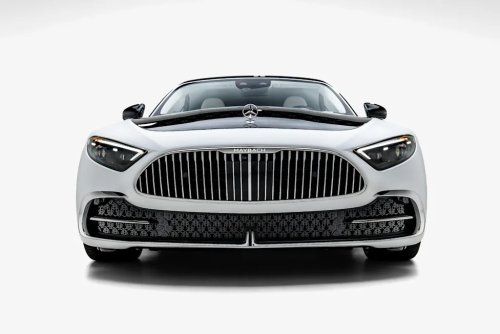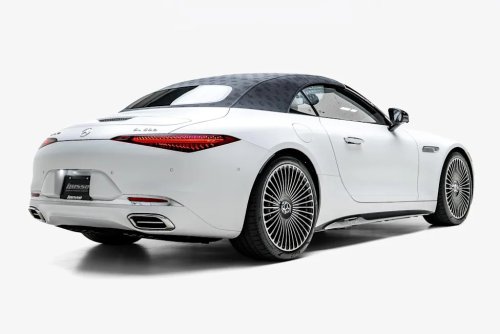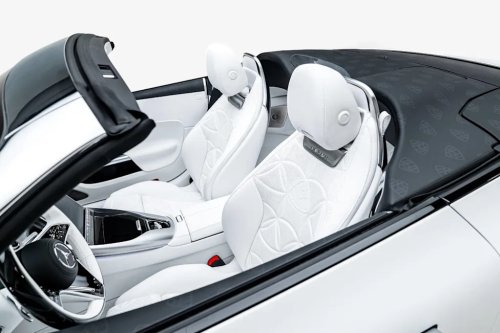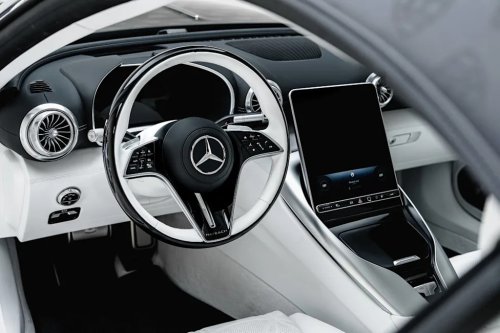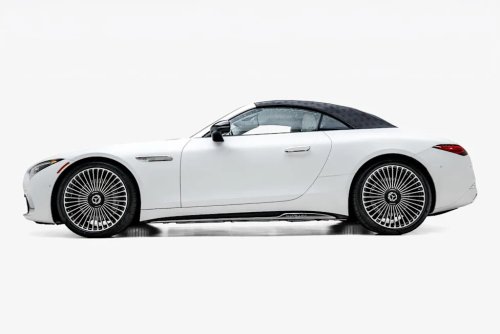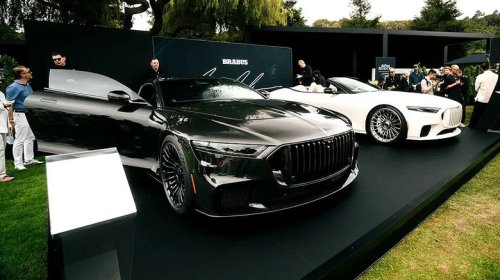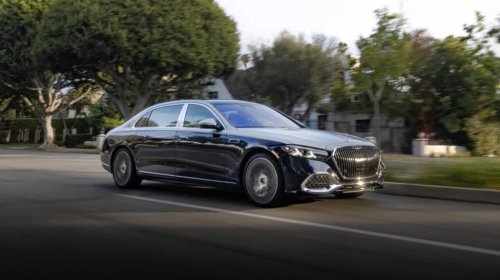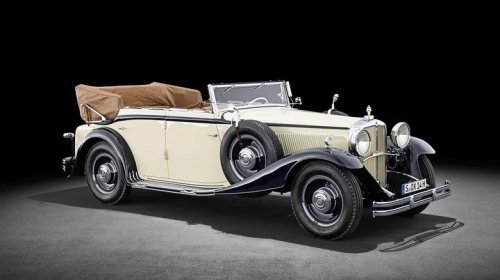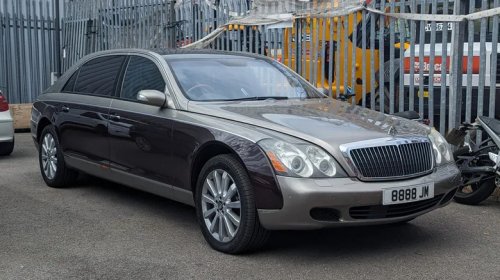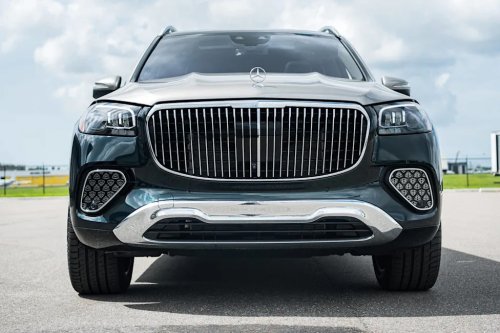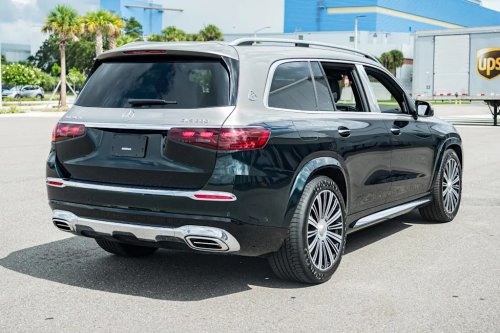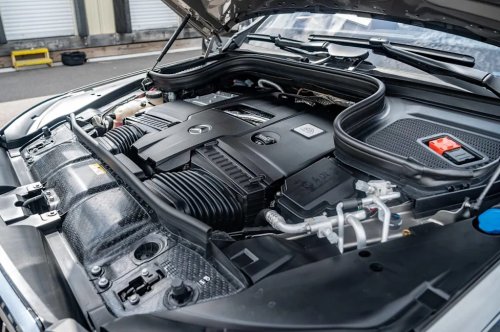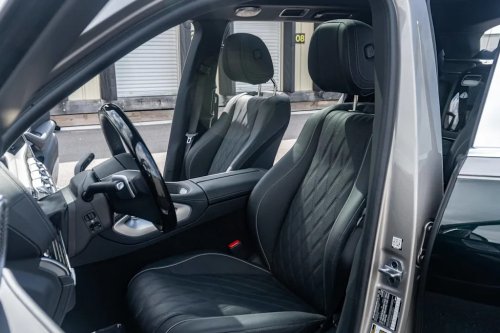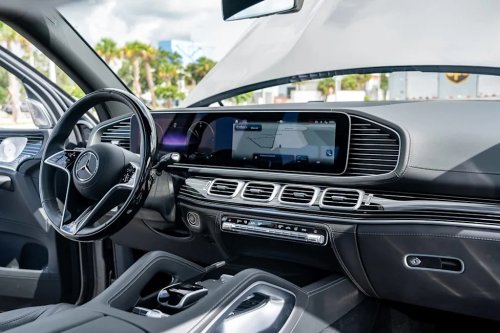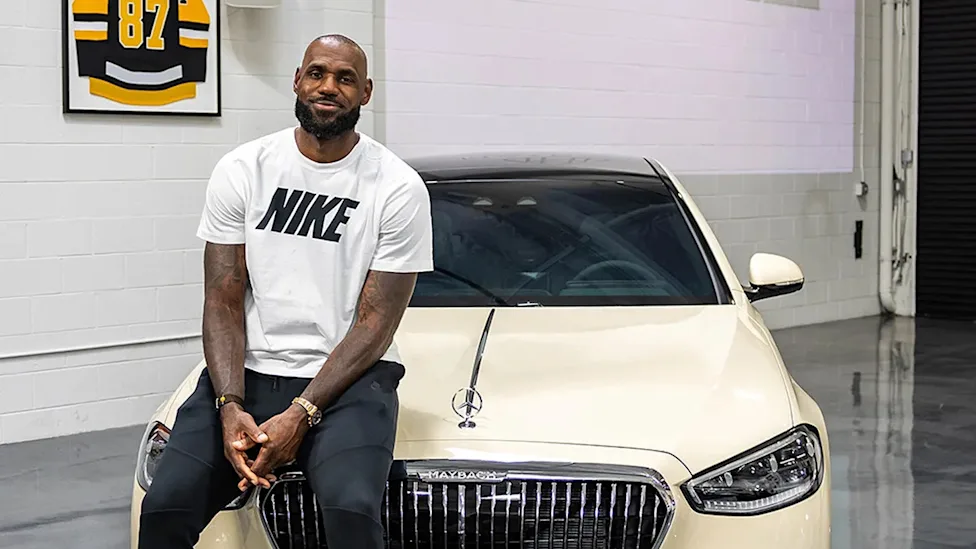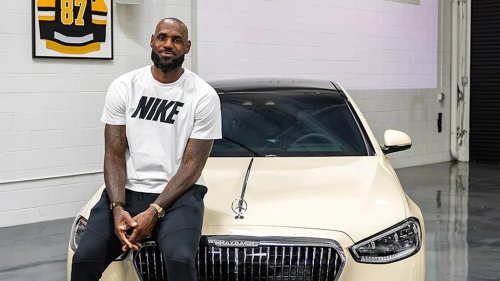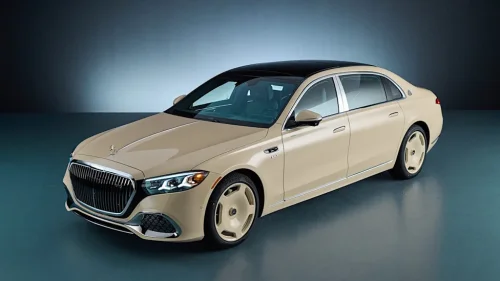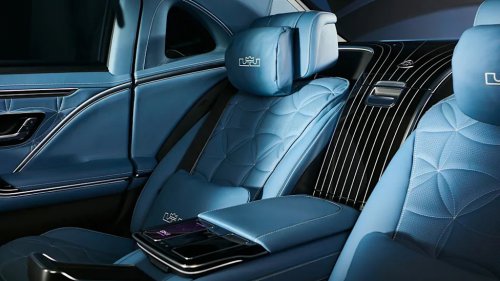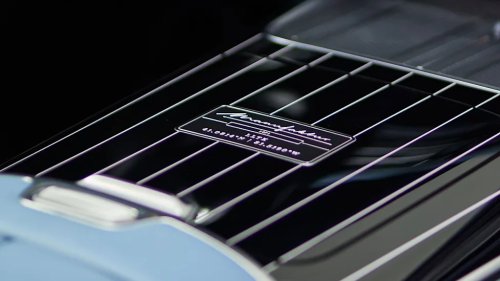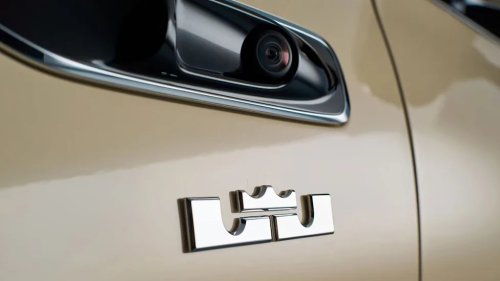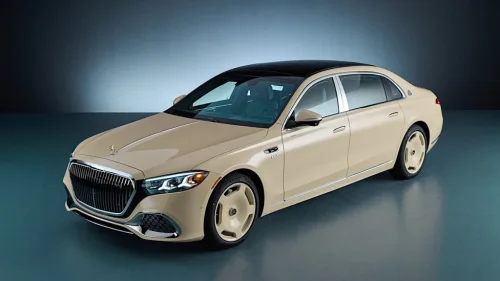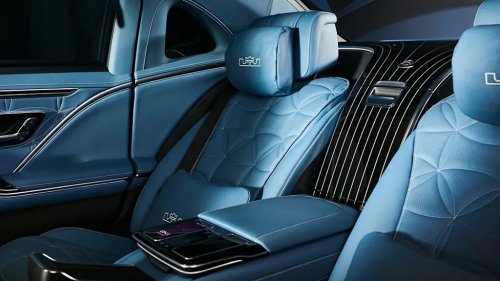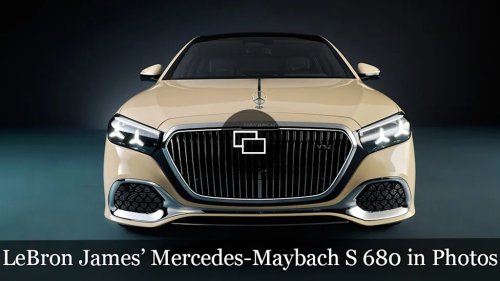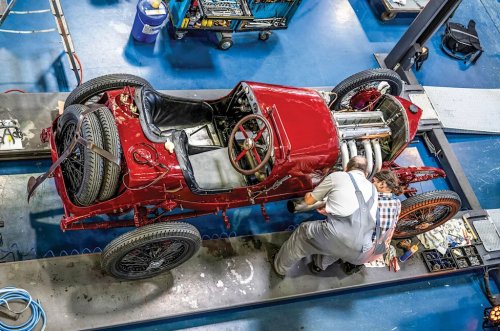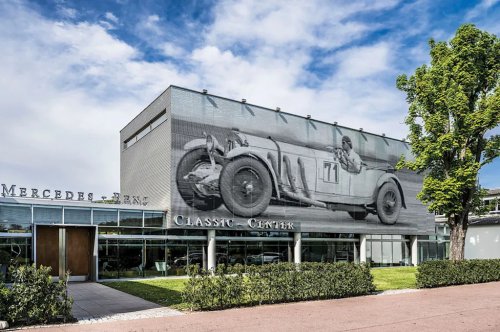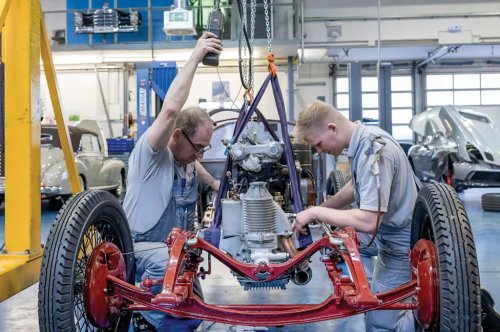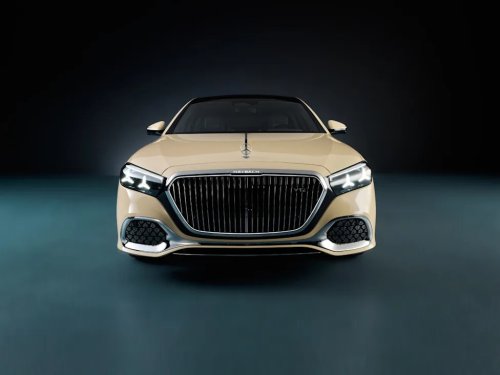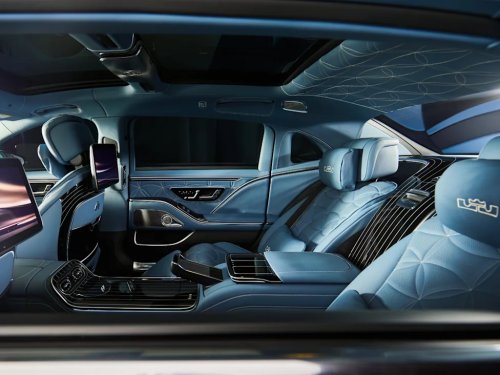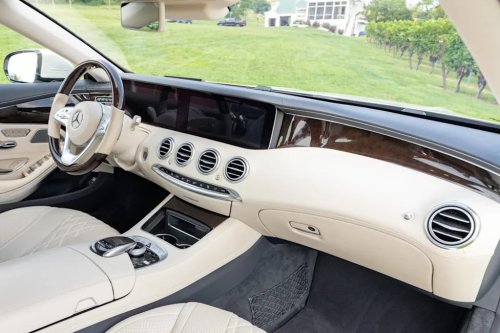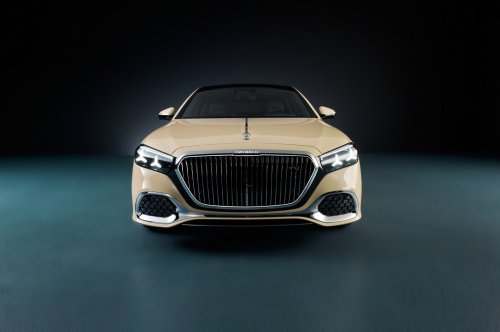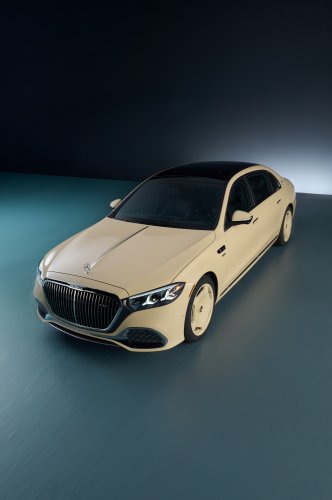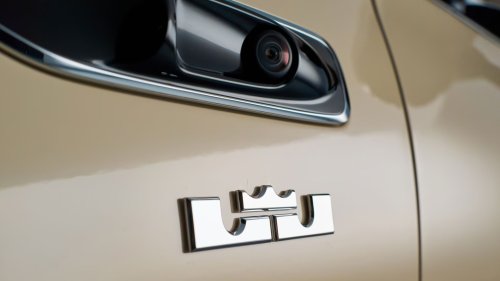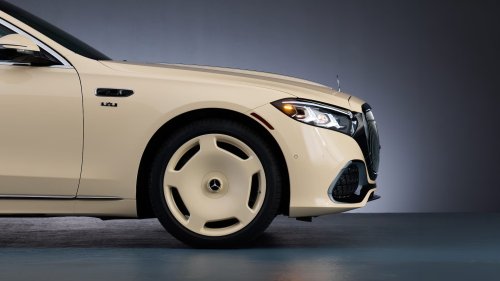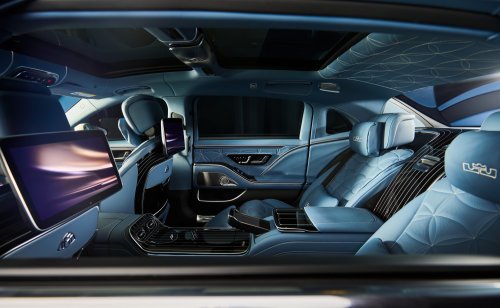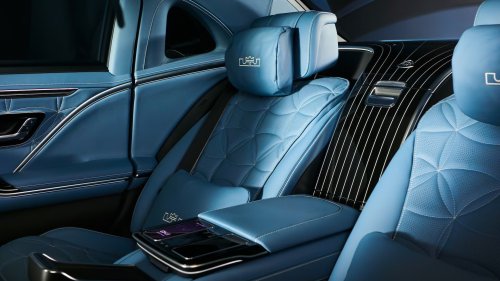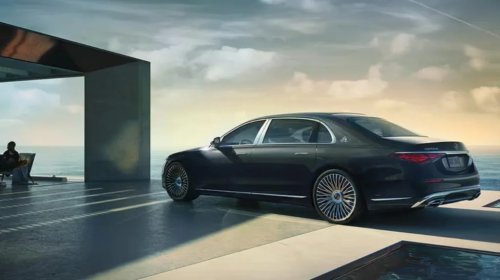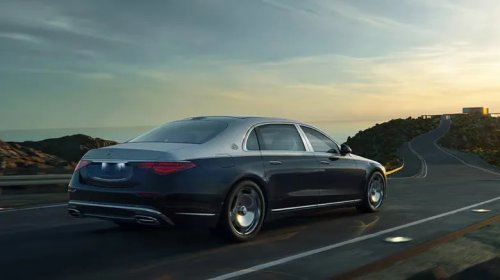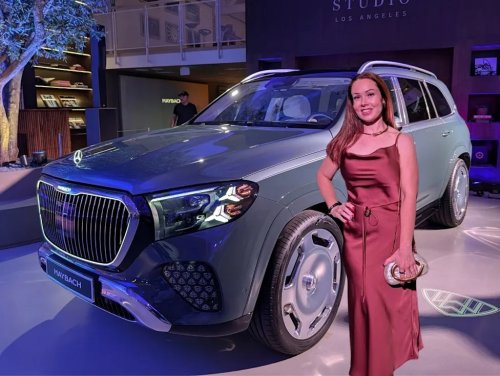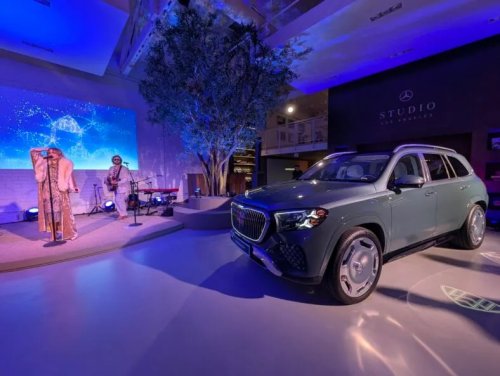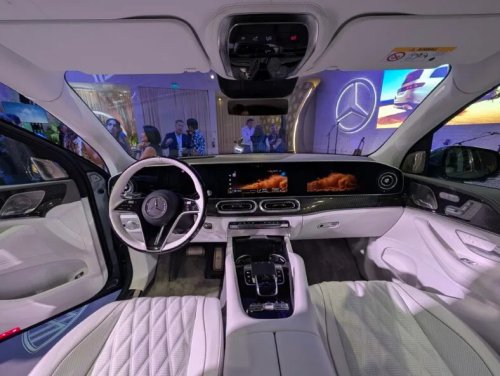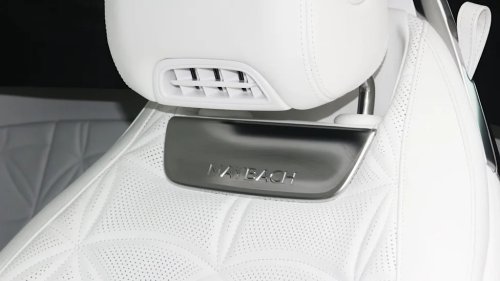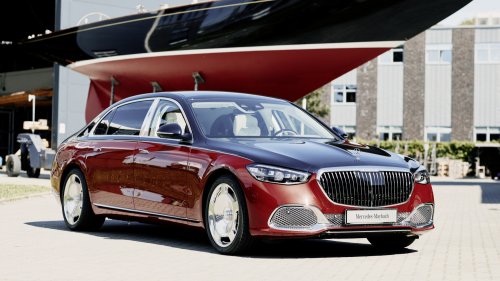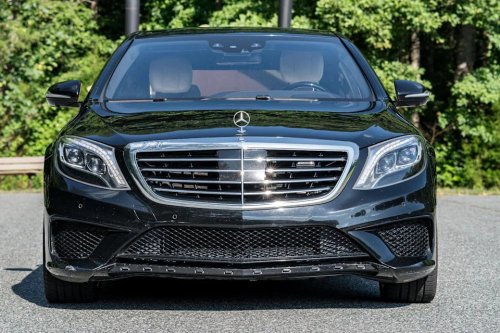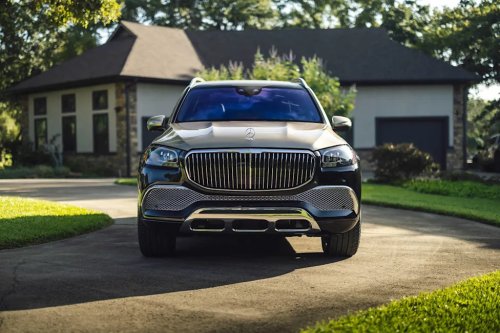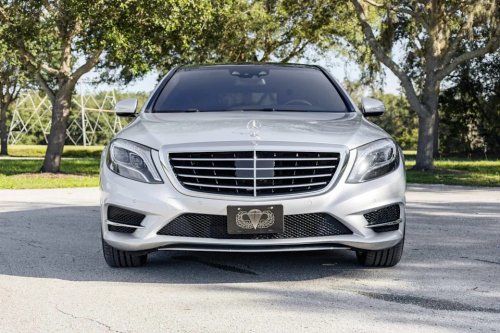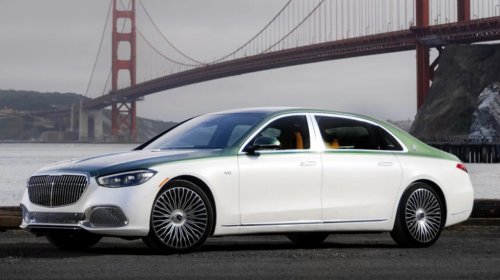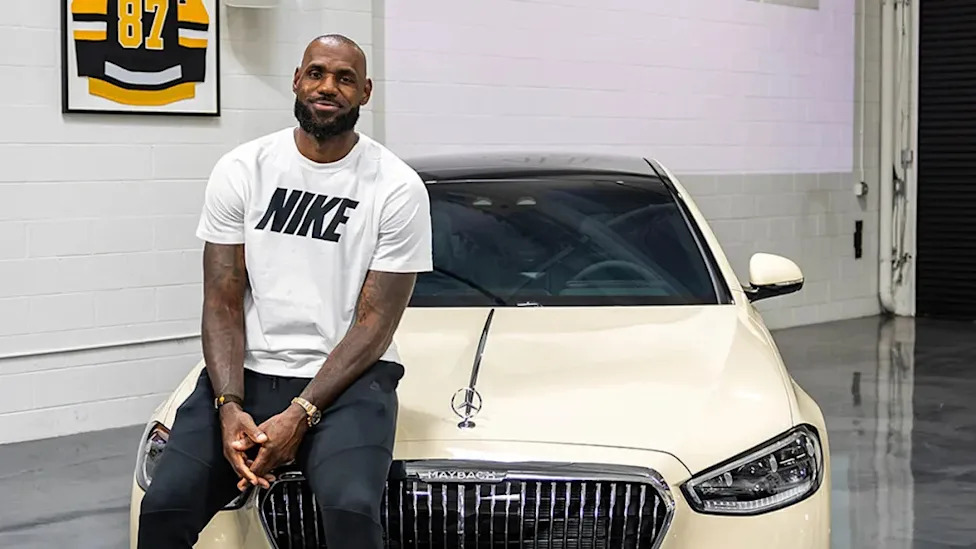


















The LeBron James Maybach Isn't the Real Story at Pebble Beach. The 1905 Mercedes Parked Next to It Is.Mercedes-Benz brought its most talked-about car to Pebble Beach this month, and it wasn't built by a design studio chasing a lap record. It was built with LeBron James. Unveiled inside the marque's new Future Classics Auction House display during Monterey Car Week, the personalized Mercedes-Maybach S 680 pairs a twin-turbocharged V12 flagship with a four-time NBA champion, a chrome crown badge in place of the factory emblem, and a charity auction earmarked for his I PROMISE Foundation. Mercedes-Benz USA president Adam Chamberlain framed the entire display as proof the brand continues to "reinvent the automobile." It is an impressive piece of craftsmanship, and an even more impressive piece of marketing.It is not, however, the most significant car Mercedes-Benz brought to Pebble Beach this year.Parked within the same anniversary display, marking 140 years since Carl Benz filed his patent for the motorcar in 1886, sat two vehicles that need no press release to explain why they matter: a one-of-one 1938 Mercedes-Benz 540K Streamliner built for autobahn speed, and the last known surviving 1905 American Mercedes, built in Queens, New York, and freshly restored by the Mercedes-Benz Classic Center in Long Beach. Neither required a celebrity to make its rarity legible. Their rarity is simply what's left after twelve decades of war, scrapyards, and attrition.AdvertisementAdvertisementThat contrast, manufactured scarcity next to surviving history, is the real story of Mercedes-Benz's Pebble Beach display this year. It's also a useful lesson in telling the difference between a good story and a good investment.A Commission Built for a CameraThe James Maybach is, on its own terms, a legitimate showcase of what Mercedes-Benz calls MANUFAKTUR Made to Measure, a bespoke program pairing ultra-high-net-worth buyers with specialists in Sindelfingen to translate personal history into a road-legal automobile. Built on the S 680 4MATIC platform, the car wears a custom Light Ivory non-metallic finish over colour-matched monoblock-style wheels, with a "Stormy Weather" Nappa leather cabin featuring custom ceiling stitching and quiet references to James's family and hometown. Under the bonnet sits Maybach's handcrafted 6.0-litre twin-turbocharged V12, producing 621 hp and 664 lb-ft of torque, sent to all four wheels through a nine-speed automatic transmission. It is one of two examples built, a near-identical twin to the car James commissioned for himself.To meet rising American demand for this level of commission, Mercedes-Benz recently opened a MANUFAKTUR hub inside its Beverly Hills studio, only the second facility of its kind in the world after the Sindelfingen center. That detail matters more than the crown badge. It signals that bespoke, story-driven commissioning, the kind of personalization once reserved for coachbuilders, is now a standing business line for a mainstream luxury marque.One-of-Two Is a Marketing Number, Not a MarketRarity by itself has never been what drives collector value. Scarcity has to be paired with demand that has actually been tested in an open market, and this car has never had one. A one-of-two build made specifically for a single charity sale has no comparable transaction history, no established range of prior results, and no way to know yet whether its value holds once the news cycle passes. Charity auctions raise money brilliantly, and the LeBron James Family Foundation will be better for it. But a charity premium and a collector premium are not the same thing, and it usually takes years, not a single Pebble Beach weekend, to learn which one a car actually commands.AdvertisementAdvertisementCelebrity association can add real long-term value, but historically it has done so only after decades of documented ownership and cultural resonance, not immediately upon unveiling. Mercedes-Benz isn't alone in testing that theory this year: T-Pain's Koenigsegg Regera, unveiled just up the road during the same Car Week, runs the same experiment from the opposite direction, a hypercar entering the collector conversation because of who owns it rather than who built it. Both cases raise the same question worth asking before any bidder reaches for a paddle: is the name on the title doing work that documented provenance is supposed to do?The Cars That Didn't Need an IntroductionLeading the Pebble Beach Tour d'Elegance route was the one-of-one 1938 Mercedes-Benz 540K Streamliner, an aerodynamic pre-war design built to survive sustained high-speed running on Germany's new autobahn network, decades before wind-tunnel styling became a marketing term rather than an engineering discipline. Beside it sat something rarer still: the last known surviving 1905 American Mercedes, built under license in Queens, New York, at the dawn of the brass era, and returned to Pebble Beach following an extensive restoration by the Mercedes-Benz Classic Center in Long Beach. Neither car survived because someone decided to make it scarce. Both survived in spite of a century that destroyed almost everything else like them.That distinction, between rarity that is manufactured and rarity that is inherited, explains why documented, marque-supported restoration work carries so much weight in this market. Even a modified restoration, like the BRABUS-built 280 SE crossing the block at Mecum's Monterey sale this year, is ultimately judged by how faithfully it documents the car underneath the modification, not by how good the finished car looks in photographs.Why Mercedes-Benz Needed BothPairing a personalized modern flagship with a fleet of untouchable prewar icons is not an accident of display design. It is a deliberate borrowing of credibility. The James Maybach benefits from standing next to a 540K Streamliner much the way a new restaurant benefits from opening next to an old one: by association. Mercedes-Benz was hardly alone in leaning on that strategy during Car Week. Audi used the same Monterey stage to revive the Nuvolari name for an entirely new audience, and Bentley spent its own 80th-anniversary celebrations explaining exactly what the Torcal era is not allowed to change. Heritage, in 2026, has become as much a design language as a paint code.AdvertisementAdvertisementNone of this makes the James Maybach a bad car, or a bad cause. It makes it a different kind of object than the 540K parked a few feet away, and the collectors who confuse the two are the ones who overpay.What Serious Collectors Should Actually WatchFor buyers evaluating bespoke, celebrity-linked, or charity-driven commissions like this one, the discipline doesn't change just because the story is compelling. Ask what the car would be worth with the name removed. Ask whether the personalization was documented by the factory or only described in a press release. Ask how many comparable sales exist, because with one-of-two builds, there usually aren't any yet. And watch what happens at auction to genuinely comparable cars for real price data, rather than assuming a charity headline number reflects an actual market.The 540K Streamliner and the 1905 American Mercedes don't need any of those questions answered. Their value was settled by survival, not by an unveiling. A one-of-two commission is a marketing achievement. A one-of-one survivor is history. Collectors have always known the difference, even in years when the marketing is this good.Join our Newsletter, follow our Instagram page, and follow us on Facebook.