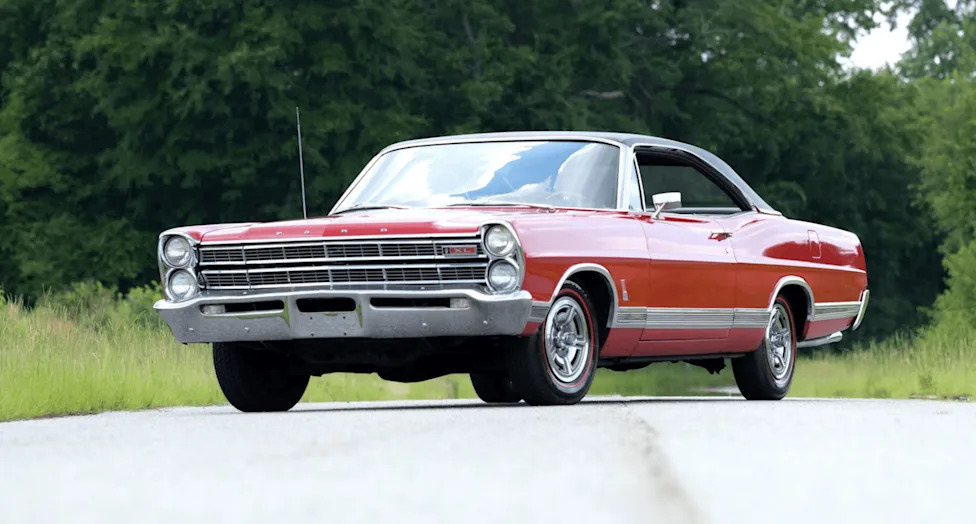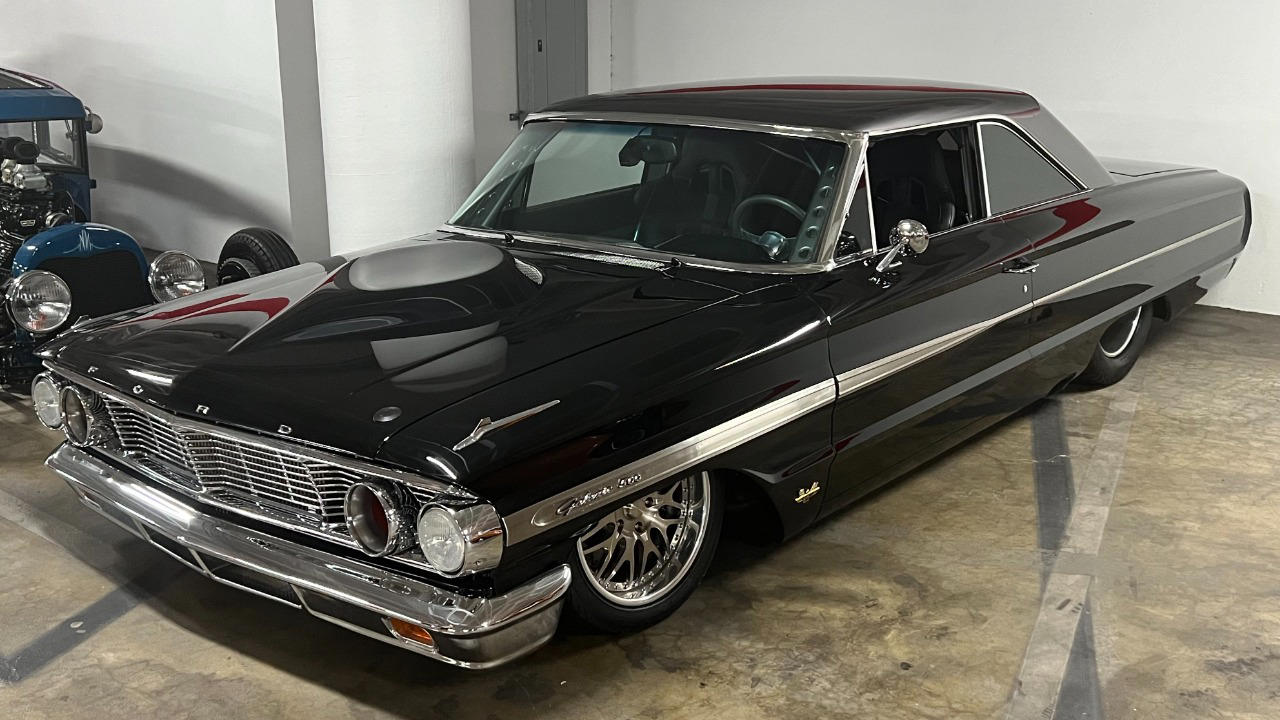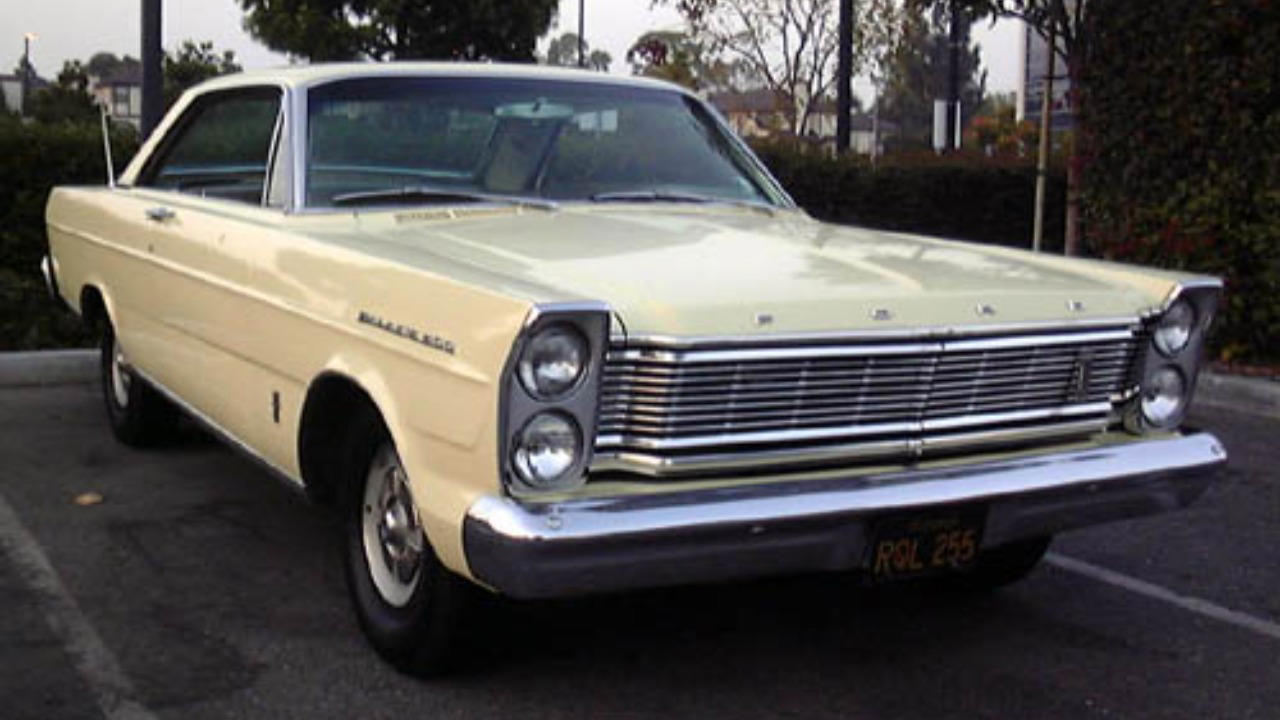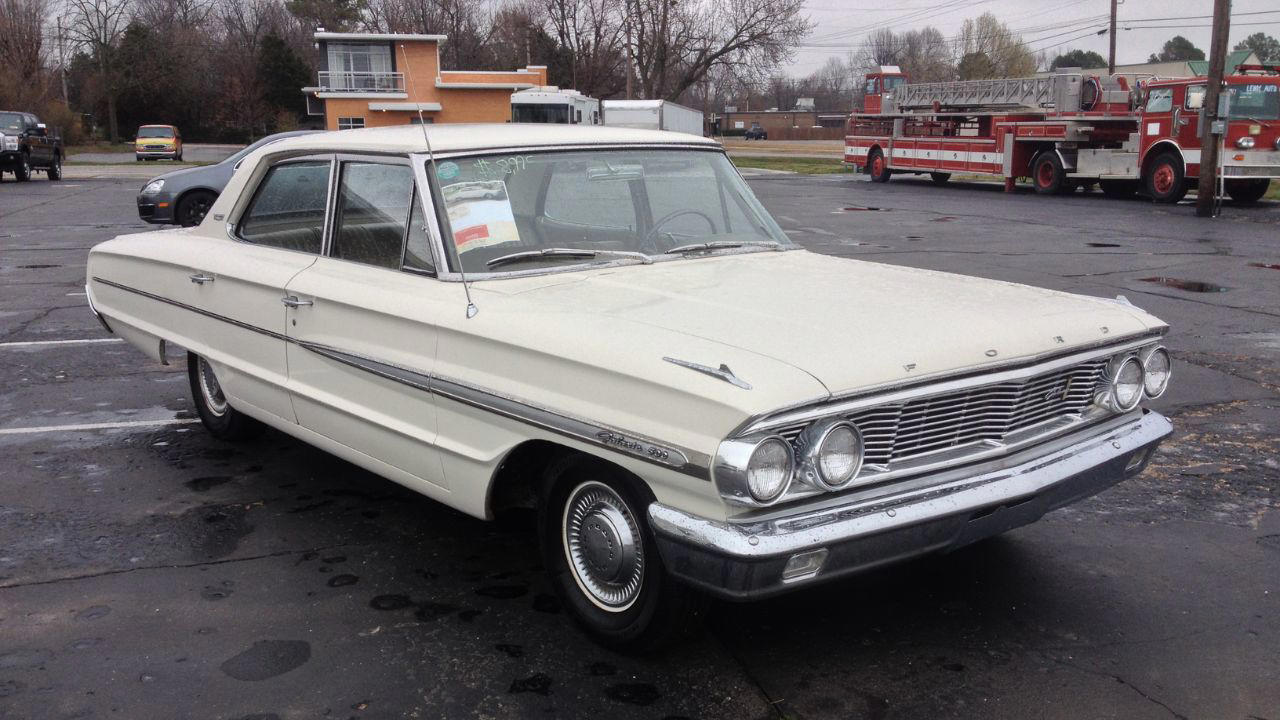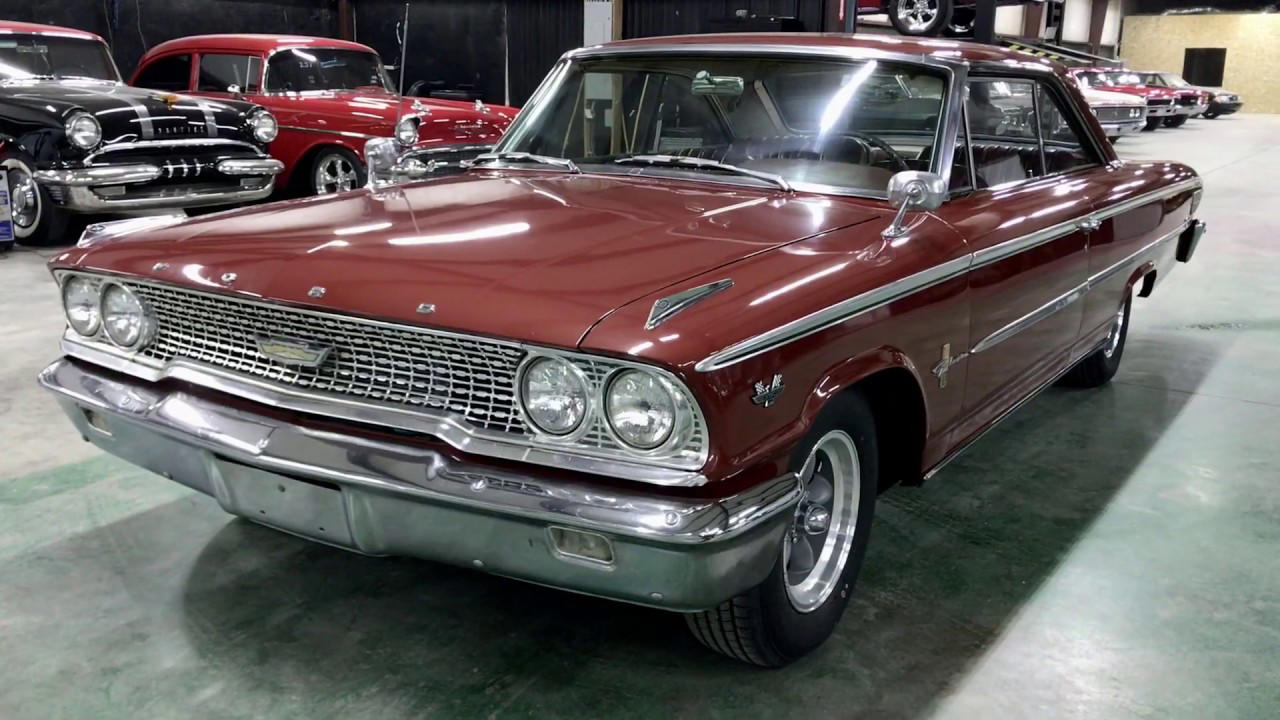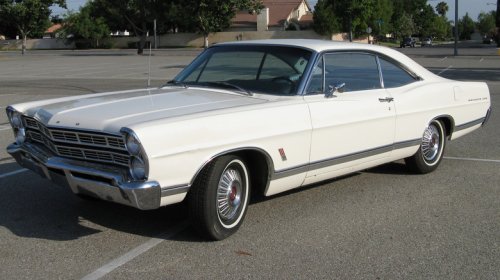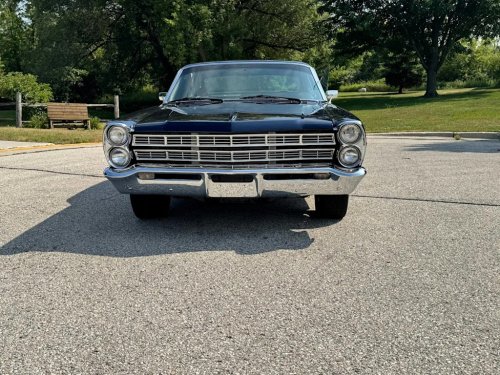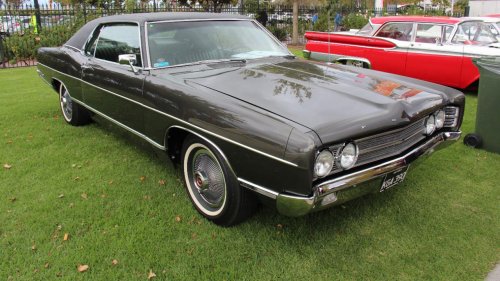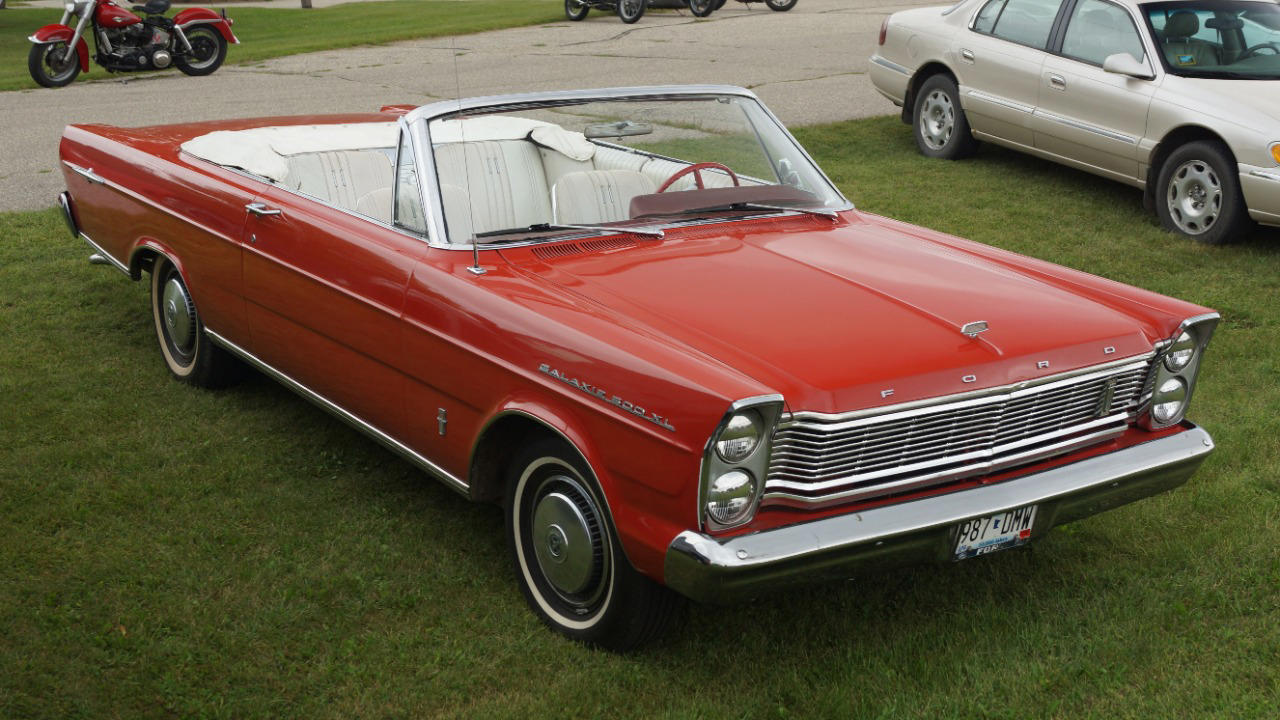



















The Galaxie 500 held its ground even as the market shiftedThe Galaxie 500 arrived as a full-size Ford for families that wanted space, comfort, and status, then somehow managed to stay relevant while the market around it lurched from tailfins to muscle cars to luxury barges. Even as tastes shifted from chrome and quarter-mile times to quiet cabins and fuel-conscious driving, the Galaxie 500 kept evolving just enough to hold its ground. Its story is less about a single breakthrough and more about steady adaptation in a segment that rarely forgave hesitation. From Space Race glamour to family staple The Ford Galaxie did not begin as a conservative choice. The name itself was a nod to the Space Race, and early cars leaned into the futuristic theme with bright trim and dramatic lines. According to period histories of Ford Galaxie History, the styling from the late fifties through the mid sixties mirrored American fascination with rockets and capsules, then gradually toned down as the decade wore on. For the balance of years in this the fourth and last generation of the Galaxie, minor exterior styling changes occurred from 1970 as the car settled into a more formal, squared-off shape that suited its new role as a quiet cruiser rather than a space-age fashion statement. From 1960 to 1964, the Galaxie line bridged a mechanical transition inside Ford. Guides to the model’s evolution describe how it helped connect the 1950s Y-block V8 tradition with Ford’s FE big-block V8 architecture, a change that gave the full-size cars more torque and higher performance potential. Those same sources identify Jan as a key reference point in tracking this shift, with the Galaxie moving from finned, chrome-heavy bodies to cleaner, slab-sided profiles as it became Ford’s flagship full-size model. The Galaxie 500 badge sat near the top of that hierarchy, signaling an upscale interior and a broader menu of engines without straying into the territory later occupied by personal luxury coupes. The Ford Galaxie was a full-size car built in the United States by the Ford Motor Company for model years 1959 to the mid seventies, and the Galaxie 500 designation quickly evolved into the volume sweet spot. As reference works on The Ford Galaxie explain, the badge denoted a trim level that balanced price with comfort, slotted above the basic sedans yet below the most ornate variants. That positioning would prove critical once the market began to fragment. Racing credibility and the “win on Sunday” years For all its family-car duties, the Galaxie 500 built its reputation in part through racing. Accounts of the early sixties stock car wars describe the 1963½ Galaxie 500 427 as a turning point for Ford. At the start of 1963, Ford offered the Galaxie with a square-shouldered fastback roofline and big FE engines targeted directly at superspeedway competition. The single 4-barrel Q-code found about a third as many takers as the hotter dual quad versions, but the halo effect came from the track, not the order sheets. Ford’s innovations paid off at the 1963 Daytona 500, where the Galaxie recorded a decisive performance against its rivals. Enthusiast summaries of that race point to the way the new aerodynamics and 427 cubic inch power translated into straight-line speed on the high banks of Daytona. The same period also produced the 1963 Ford Galaxie 2-Door Sedan Ford lightweight packages that factory literature framed as the ultimate expression of Total Performance, combining full-size luxury with devastating straight-line pace. That phrase, Total Performance, became a marketing shorthand for a company that wanted to sell both race wins and family sedans off the same showroom floor. Retrospectives on the era argue that this strategy worked. One prominent history notes that, if ever there was a car that epitomizes the “win on Sunday, sell on Monday” mantra, this Galaxie may be it, as FoMoCo dominated the big ovals with factory-supported teams. The same source stresses how drivers like Fred Lorenzen and Dick Hutcherson turned the full-size Ford into a regular winner, with Lorenzen racking up multiple superspeedway wins and Hutcherson with 9 victories in a single season. That level of success gave the Galaxie 500 an image that went well beyond its role as a family sedan. Another account of the model’s heyday describes how The Unforgettable Ford Galaxie Once Lit Up Highways, Showrooms, and Racetracks. Coming of age during the Space Race, the Galaxie blended futuristic styling with real competition results, which in turn drew buyers into dealerships. As that narrative puts it, The Unforgettable Ford Galaxie Once Lit Up Highways, Showrooms, Racetracks, Coming of a performance era that linked everyday commuters to the glamour of stock car heroes. The Galaxie 500 sat squarely in that overlap, with enough comfort to satisfy parents and enough available horsepower to satisfy enthusiasts. Holding position in a crowded full-size field By the mid sixties, the full-size market had become a battleground. Chevrolet, Plymouth, and others were chasing volume with aggressive pricing and constant facelifts. In that environment, Ford treated the Galaxie 500 as a flexible platform. From 1965 to 1968, the company rolled out a series of structural and refinement upgrades that redefined what a mainstream full-size sedan could be. Engineering summaries from that period describe a new frame design that improved crash performance, ride quality, and interior space. The 1965 cars introduced a perimeter frame that moved the rails outward, which in turn allowed lower floors and a more planted feel. Contemporary analyses of the 1965 to 1968 Galaxie highlight how Ford’s designers and engineers focused heavily on noise, vibration, and harshness. They developed new body mounts, thicker glass, and revised suspension bushings in pursuit of a quieter cabin. Later assessments would compare the 1965 to 1968 Ford Galaxie to far more expensive luxury cars, with some marketing materials claiming it was quieter than a Rolls in certain tests. The sales results suggest that the strategy worked. One breakdown of the 1965 and 1966 seasons credits the full-size Ford line with an 18.35-percent sales bump over 1965’s strong numbers, to 2.426-million cars, which meant that Ford owned more than 27 percent of all new car registrations in the United States. Those figures came out in the wash of a fiercely competitive market, yet they underline how central the Galaxie 500 and its siblings were to Ford’s bottom line. The badge became a familiar sight in American driveways, police fleets, and taxi ranks. Within Ford’s own hierarchy, the Galaxie remained slotted as the mid-range full-size Ford into the 1970s between the Custom and the LTD. Reference entries on The Galaxie explain that the XL performance variant was discontinued as the personal luxury market shifted to models like the Thunderbird, while the LTD took over as the aspirational, plush choice. The Galaxie 500 stayed in the middle, offering more equipment than the bare-bones Custom but without the full luxury treatment of the LTD. That middle ground turned out to be resilient. As the muscle car craze peaked with midsize coupes like the Chevelle SS and GTO, the Galaxie 500 quietly continued as a big, comfortable car with optional big-block power. When insurance rates and fuel concerns began to cool the appetite for high-strung intermediates, the full-size segment still had room for buyers who wanted space and comfort first. The Galaxie 500 may not have led every trend, but it rarely found itself completely out of step. Global echoes and the Homebush Galaxies The Galaxie story was not limited to American suburbia. In Australia, for example, imported cars and locally assembled versions found niche roles in both competition and official service. A detailed account of The Homebush Galaxies describes how a small batch of 1964 cars, prepared for racing at the Homebush circuit, carried over much of the American hardware but with local tweaks. Even if there was something familiar about the dash in the 1964 Homebush Galaxie, its instruments were braced for the rougher conditions of Australian tracks, and the cars developed a following among local fans. Similar stories surfaced in other markets where Ford exported the Galaxie 500 as a prestige sedan, often for government fleets or senior executives. The basic formula remained the same: a large, body-on-frame car with a smooth V8, a spacious interior, and styling that projected authority. Those qualities translated across borders more easily than the flashier, youth-oriented muscle cars of the period. Archival material on Ford Galaxie in different languages, including Afrikaans and Arabic, underscores how widely recognized the name became. Entries on sites like af.wikipedia.org and ar.wikipedia.org catalog the same core attributes: full-size dimensions, V8 power, and a long production run that spanned changing tastes. The Galaxie 500 badge, in particular, appears frequently in those summaries as shorthand for the well-equipped mainstream model. From Total Performance to total comfort By the late sixties, the Galaxie 500 had to reconcile its performance heritage with a new emphasis on refinement. The same engineers who had chased speed at Daytona were now tasked with making a big sedan that floated over rough pavement and kept wind noise at bay. Reports on the 1965 to 1968 redesigns describe how Ford invested heavily in body stiffness, suspension geometry, and sound insulation. Working with true body-on-frame flexibility and NVH reduction technology, the team turned the Galaxie into a car that could cruise quietly at highway speeds for hours. Marketing campaigns of the period leaned into this transformation. Advertisements highlighted the hushed interior, the smoothness of the big V8s, and the safety of the new frame design. At the same time, Ford did not abandon the Total Performance message entirely. Police and taxi packages kept the Galaxie 500 visible in demanding service, while optional 390 and 428 engines remained on the order sheet for buyers who still valued acceleration. Enthusiast histories point out that this dual identity helped the Galaxie 500 weather the shift from raw performance to comfort. While some muscle cars faded quickly as insurance and emissions rules tightened, the full-size Ford could adapt by de-emphasizing outright speed and emphasizing ride quality. That strategy aligned with the broader move toward personal luxury in the early seventies, even if the LTD eventually took over as the flagship. Over its Ford Galaxie production run until 1974, the series underwent several key redesigns, removing tailfins, streamlining profiles, and adding more formal rooflines. One marketplace overview notes how these changes, combined with the car’s long service in fleets, helped cement the Galaxie’s place in US automotive history. The Galaxie 500 remained a familiar presence on American roads even as smaller cars began to nibble at the edges of the full-size segment. Why the Galaxie 500 faded, and why it still matters The end of the Galaxie 500 nameplate reflected broader structural changes in the market rather than a single failure. As fuel prices rose and safety and emissions regulations tightened, Ford rationalized its full-size lineup around fewer badges. The LTD absorbed much of the territory once occupied by the Galaxie 500, while downsized intermediates and later compacts took over for buyers who no longer wanted or could afford a big V8 sedan. More from Fast Lane Only Unboxing the WWII Jeep in a Crate 15 rare Chevys collectors are quietly buying 10 underrated V8s still worth hunting down Police notice this before you even roll window down