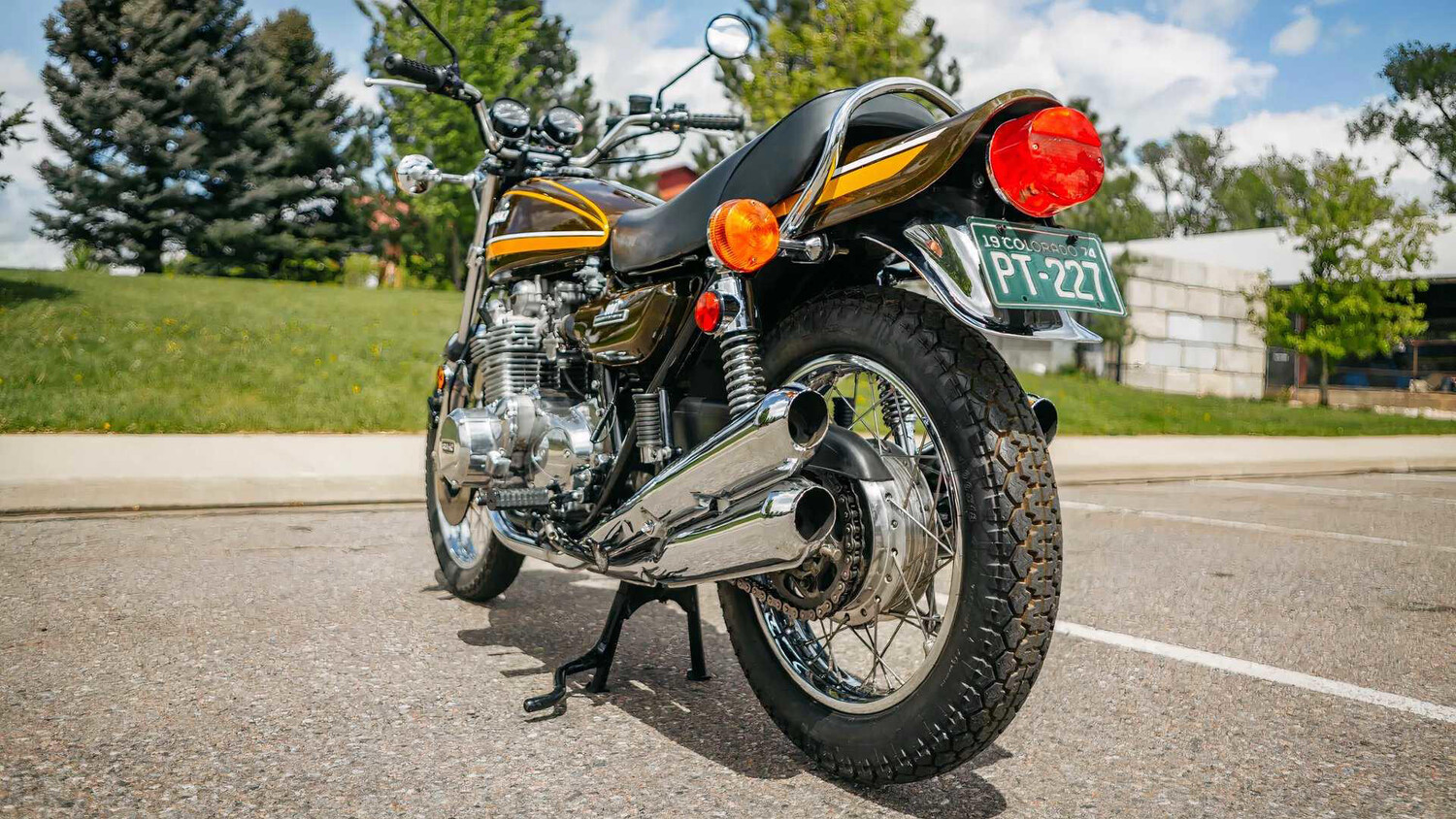
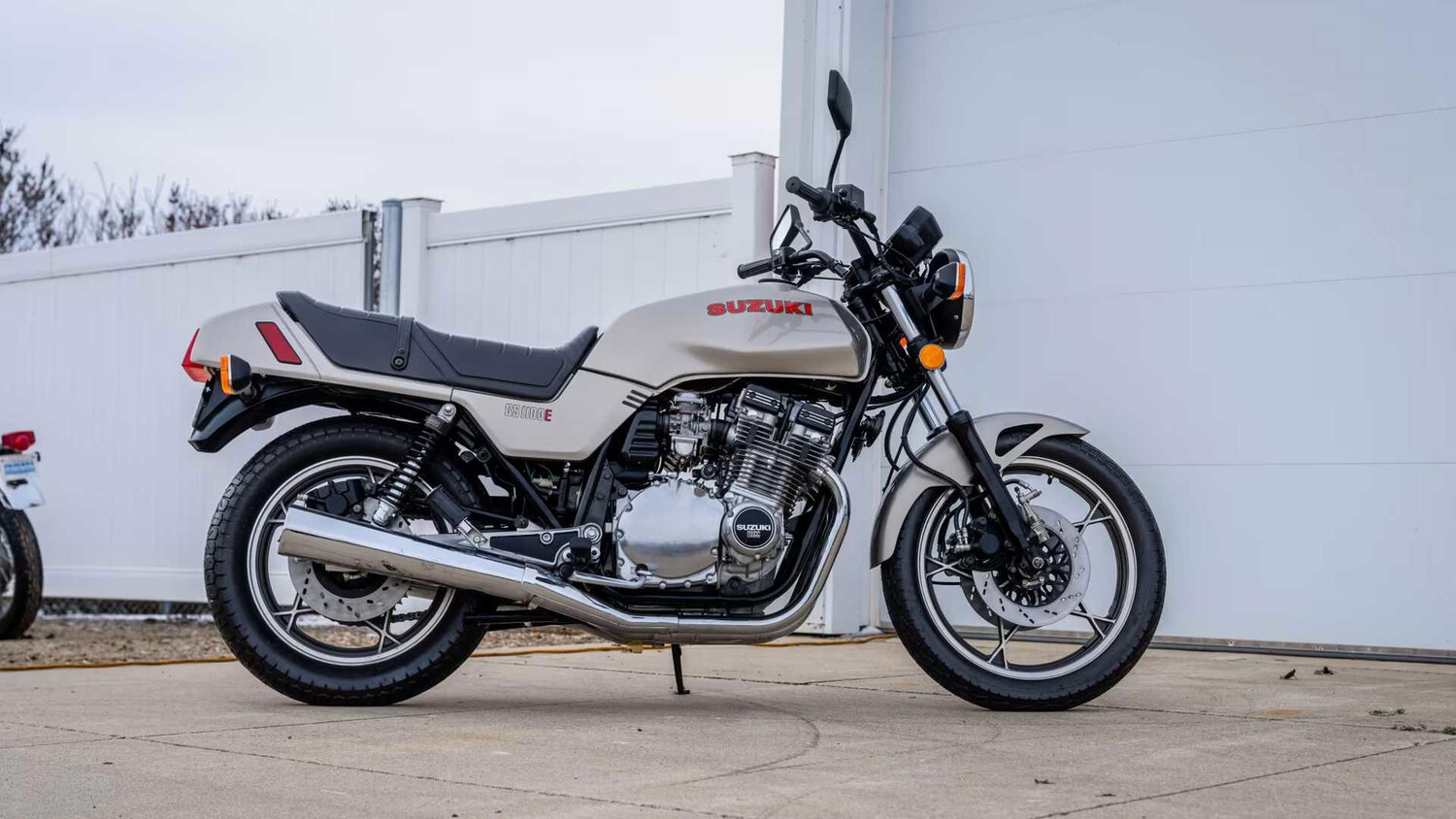
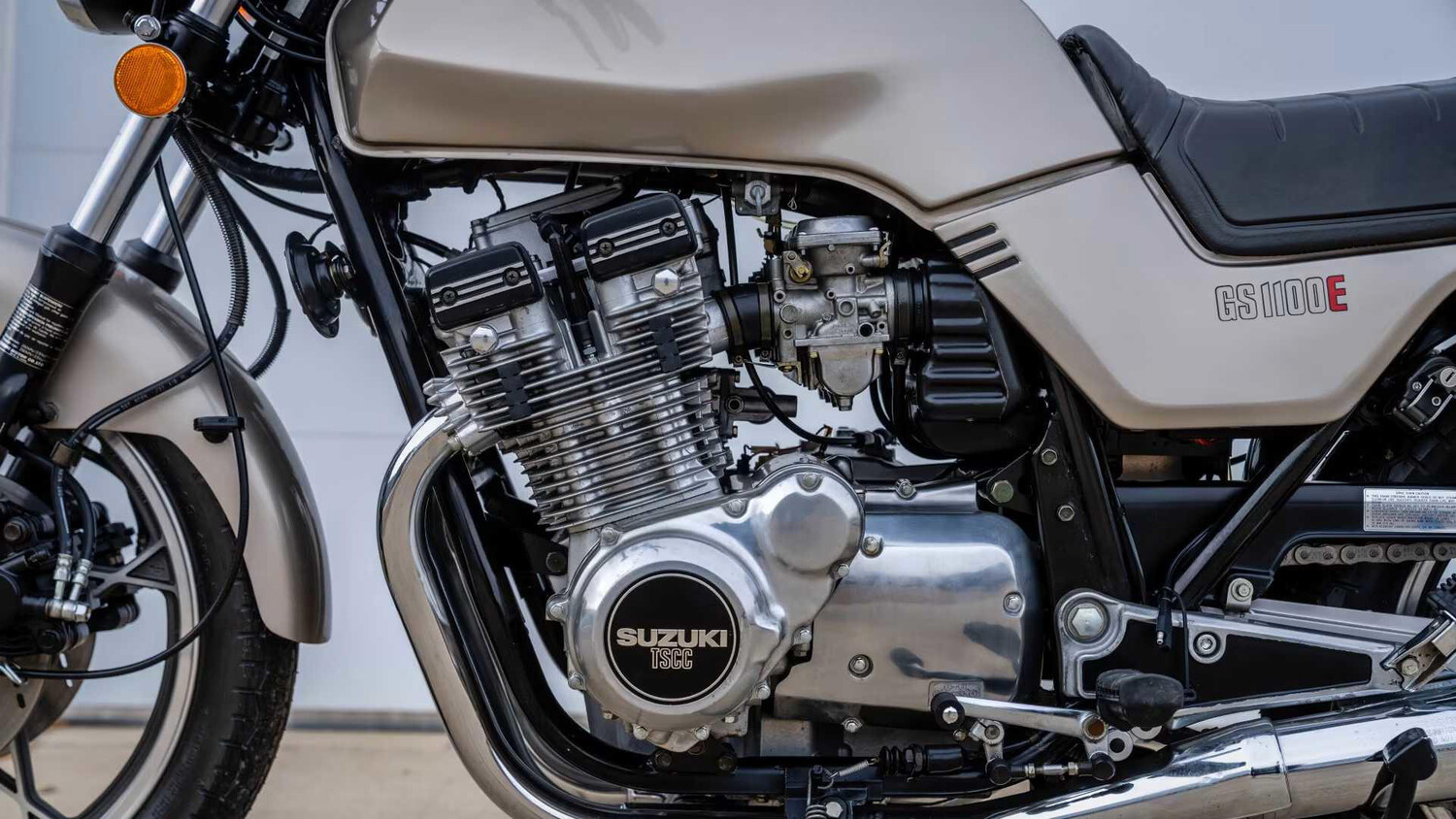
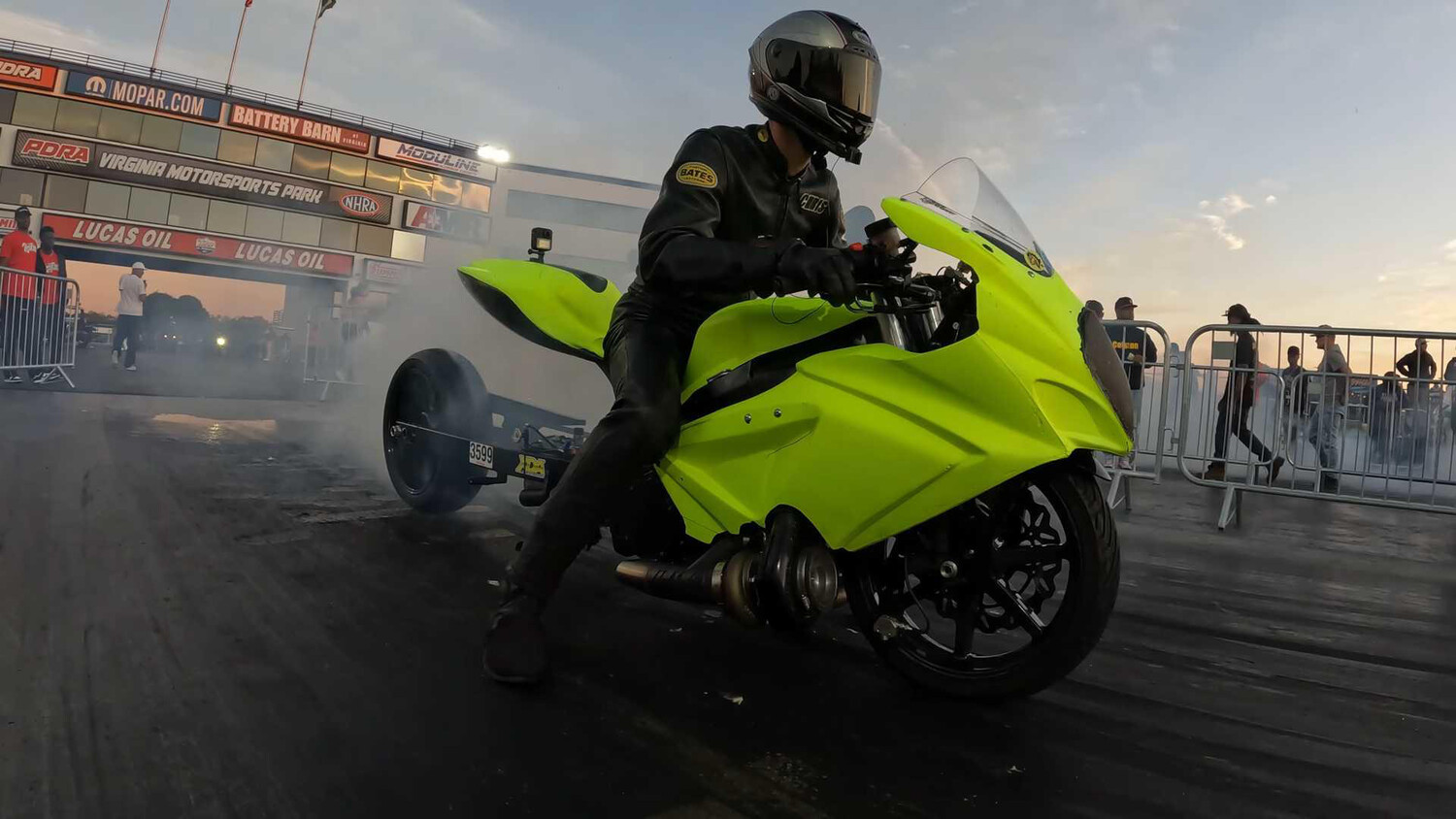
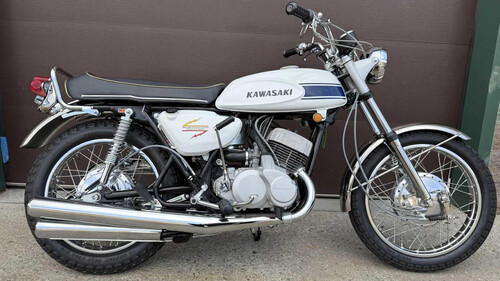
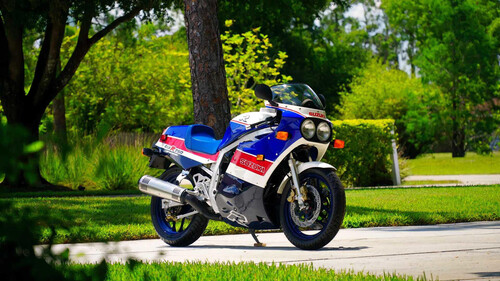
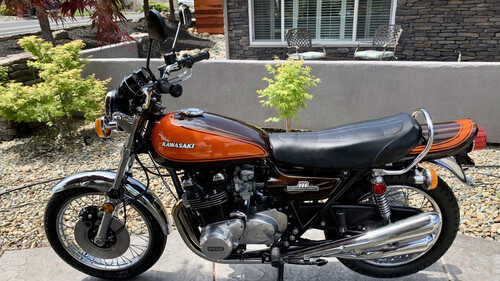
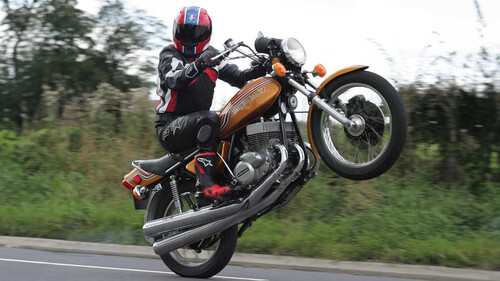
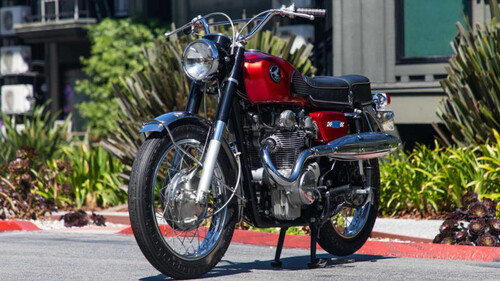
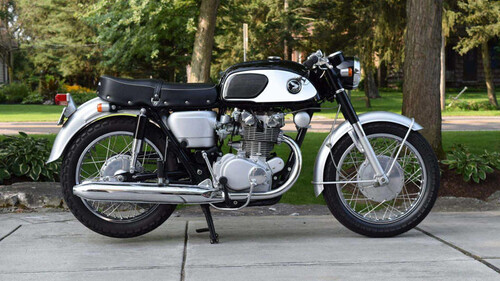
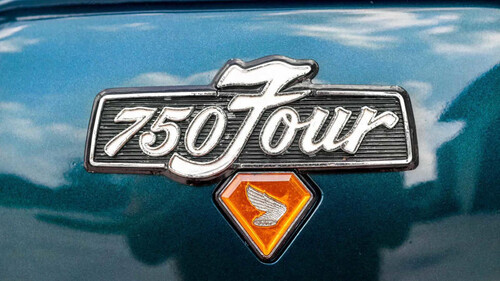
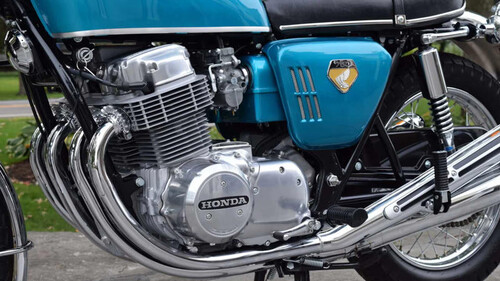
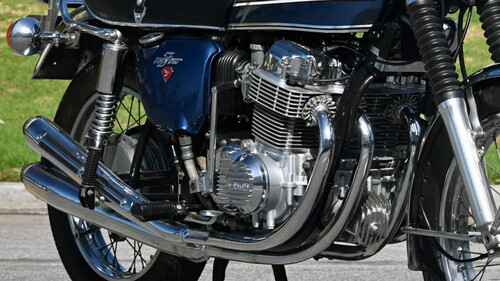
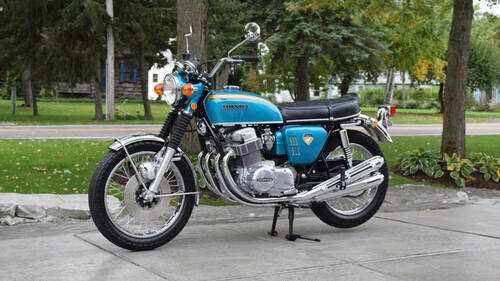
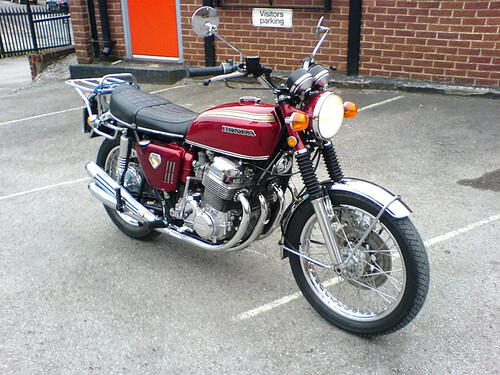
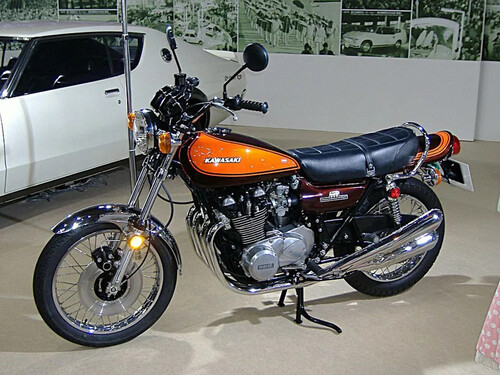
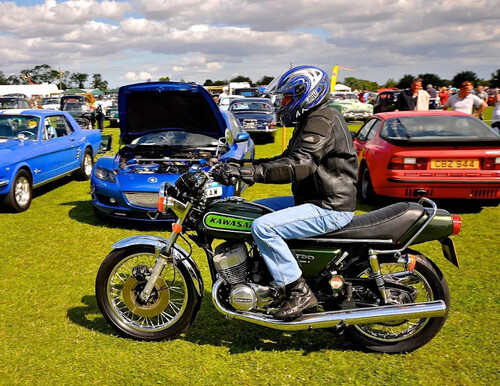
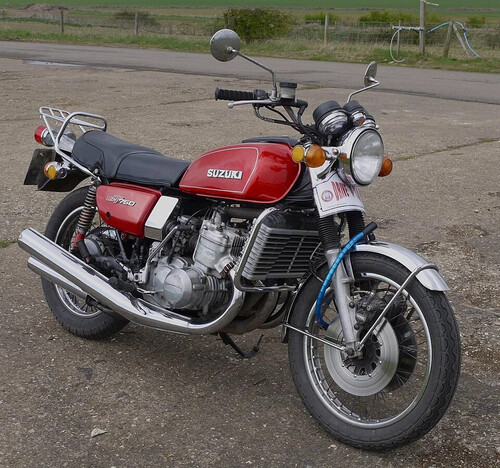
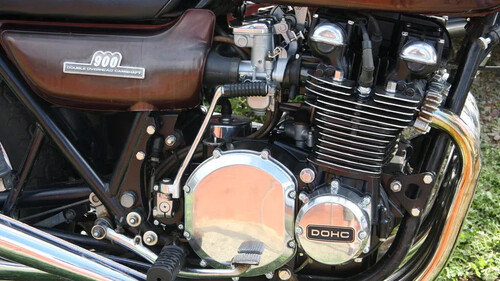
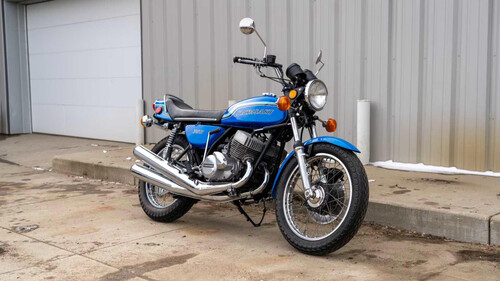
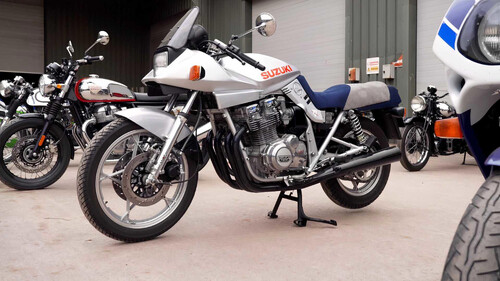
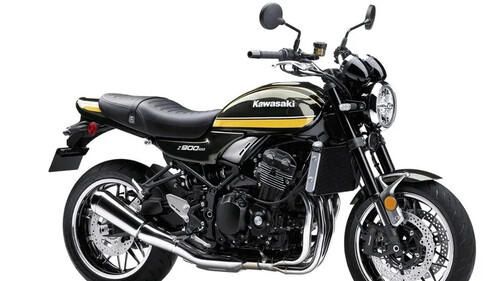
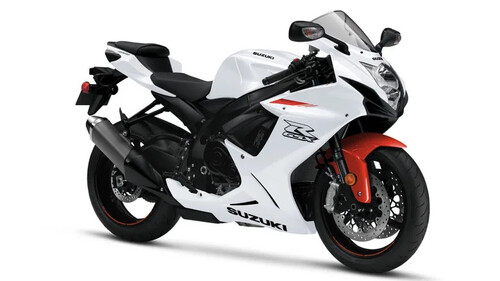
Speed has always been one of the biggest selling points of a vehicle. Why buy one thing when this other thing goes faster? And for many years,the drag strip was where times that would make or break a machine’s reputation were set. While it might seem somewhat slow by today’s standards, the ten-second quarter mile run for a production bike was a hard-fought accolade that manufacturers were chasing. And, it turns out, the answer to who achieved it first is as contested as the record itself, with Suzuki and Kawasaki still clamoring for the title. Greater Speeds And Greater Sales MecumWhile the competition over who can create the fastest motorcycle might be largely over now (we have the Suzuki Hayabusa partly to thank for that), that hasn't always been the case.The battle for top speed was largely being won by Britain after the turn of the century. The accolade swapped hands from year to year, until the Brough Superior SS100 became the first bike to break into triple digits in 1924 by going 100 mph and not a single mile an hour more. The Vincent Black Lightning stole the crown by hitting 150 mph in 1949 to continue British rule and while that reign would continue, the empire would fall in 1969 with the release of the Honda CB750.The CB750 didn’t break the speed record, reaching only 125 mph, but it did redefine what a modern motorcycle was and expose the British industry’s flaws. This opened the market for Japanese bikes to fight over speed and, in 1972, the Kawasaki Z1 supposedly laid down a considerable marker. The Kawasaki Z1 is Capable, But Only Partly Bring a TrailerThose of us who remember the world pre-internet know that it was a bit of a wild west. Rumors abounded, facts were unchecked, and misinformation was treated as fact, largely because it was difficult to check its legitimacy. Remember the Marilyn Manson rumor, anyone?One misconception that was prevalent in the motorcycle community was that a 1972 Kawasaki Z1 could run a 10-second quarter-mile. That kind of speed from a 900 that only had 82 horsepower? Surely not. Well, it turns out that “not” was correct.The bike was the fastest production bike in the world between 1973–1975, and it set records for fastest one-lap speed and longest distance at the 24-hour endurance race at Daytona, but rumors of its speed were greatly exaggerated. It was quick but, in reality, the bike was more capable of a 12-second quarter-mile out of the box.Bring a TrailerIt undoubtedly could have hit a 10-second run if it had some modifications and a perfect run with a minute rider, but then that’s true of every bike. So, it doesn’t count. And while that doesn’t tarnish the legacy of the Z1, it wouldn’t be for another 11 years that a production bike would legitimately hit the tens. Suzuki’s GS1100E Puts The Z1 Into P2 MecumThe Suzuki GS1100 was first released in 1980, and boasted a 1,075 cc inline-four engine making 105 hp. It wasn’t a slow bike by any means, but it fell just .40 seconds behind the 10-second quarter-mile with an 11.39s at 118.42 mph. Improvements would need to be made if it was to secure the record.To that end, Suzuki set about making a few modifications, launching the E and ES versions in 1982 and 1983. These were sportier than the original, incorporating a bikini fairing (quarter-fairing) and squeezing an extra three horsepower out of the engine to get up to 108 hp.This made the bike both faster and slightly more aerodynamic than its first iteration and, when Cycle World magazine got their hands on it, they were about to put its name down in history. See, they’re famed for their in-depth testing, and they duly took one to the drag strip to see what they could get out of the bike.Mecum In theory, it should be a very quick, low 11-second run. At least, that’s what most normal riders could expect when you factor in things like weight, weather, and trying not to fall off the back of the thing or spin the rear tire when you drop the clutch. That’s what the bike achieved after three runs, too, with an 11.07-second run before the fourth, which came in at 10.99 seconds. With this, a milestone had been crossed and the first production bike to hit a 10-second quarter-mile run was crowned.The GS1100E doesn’t hold the same nostalgia today as bikes like the Z1. There aren’t many for sale, the GS1100 is more popular and valuable. This is possibly due to the GS’ somewhat awkward position in history, given that it came after the Z1 but before the immensely popular GSX series, which means they occupy that middle ground of bikes that were good for their day but which have been overshadowed on both sides. The 1100 in particular was a heavy bike as well, owing to that bigger displacement, which makes it a much more deliberate purchase, and one harder to make when there are so many alternatives available. Cornering Prioritised Over Quarter-Miles Moore Mafia / YouTubeThe quest for speed normally associated with machines isn’t really prevalent anymore in motorcycles, thanks to the aforementioned Hayabusa. Having pushed the envelope that bit too far, the motorcycle industry at large decided to voluntarily cap themselves at 299 km/h (186 mph) to avoid too many prying government eyes, and thus the hunt for outright speed fell away.That’s not to say that manufacturers don’t care about speed anymore. Far from it. But it’s measured differently now, in cornering and acceleration and feel rather than the binary “this number is bigger than this number” mindset. Riders who live their life a quarter-mile at a time also still exist, but you’ll find them at that drag strip rather than on the road.With manufacturers focusing instead on the twisty bits, the quarter-mile run has largely been relegated to the stomping ground of the enthusiast. Think people like Chris Moore, who used a heavily modified Suzuki GSX-R1000 to set a 5.96-second run at 229 mph in 2022. Otherwise, quarter-mile performance is largely a bygone measurement in today’s market. Whether this is for good or bad is a matter of opinion, but the death of the quarter-mile time has allowed manufacturers to look elsewhere for performance, improving motorcycles as a whole. And really, isn’t that what everyone wants?