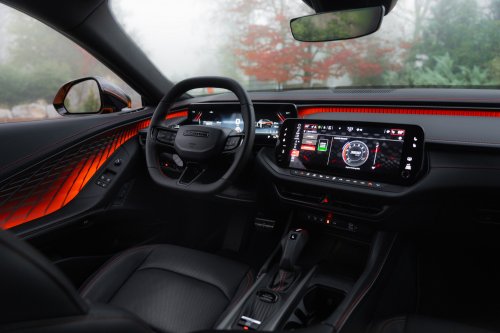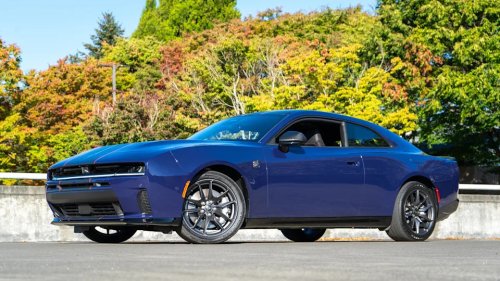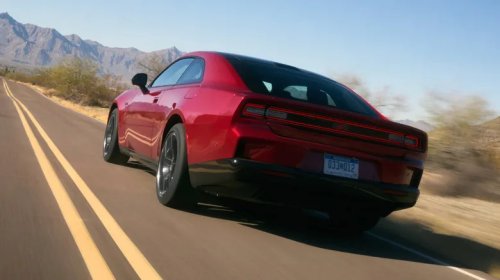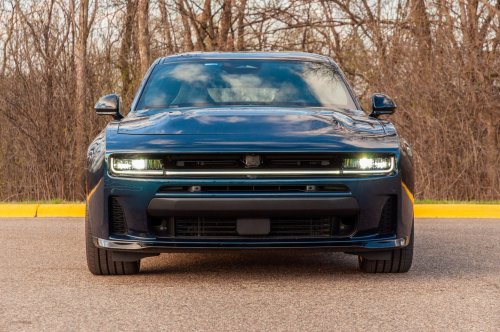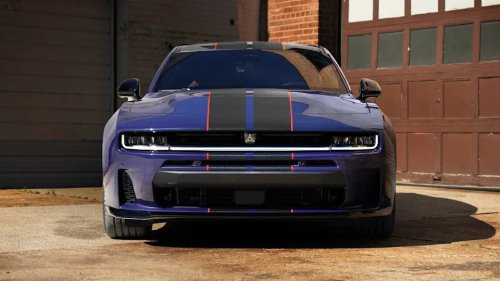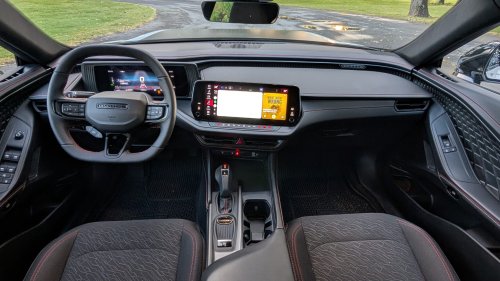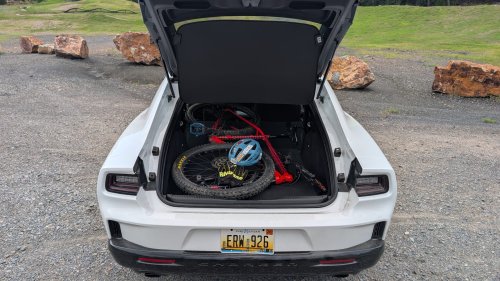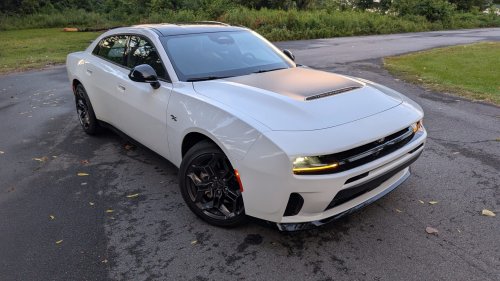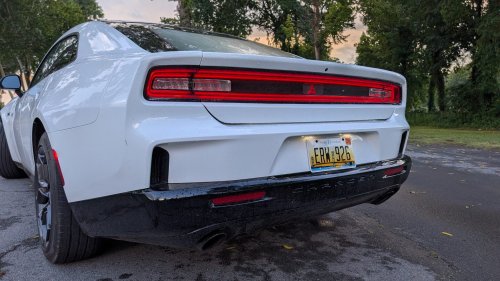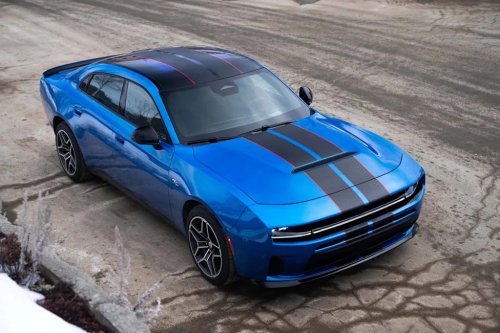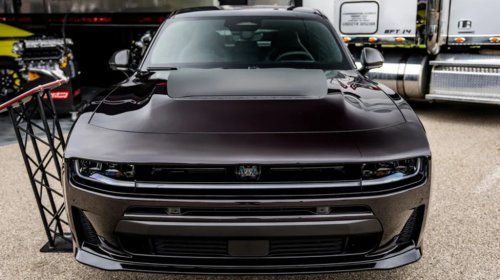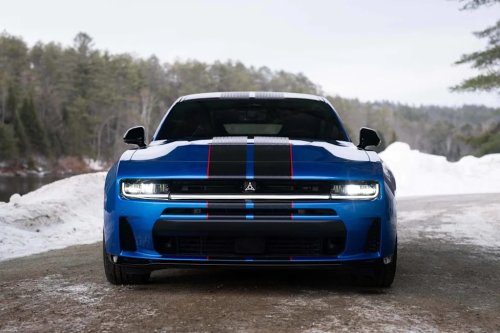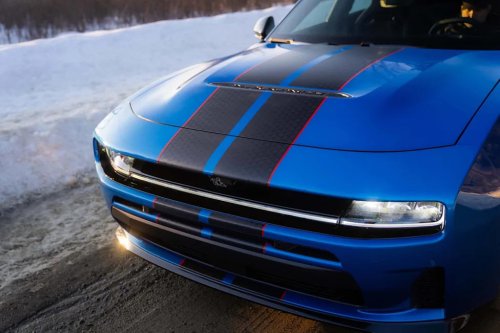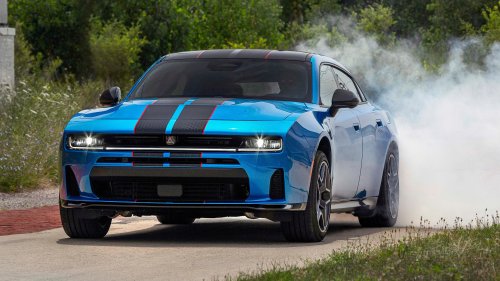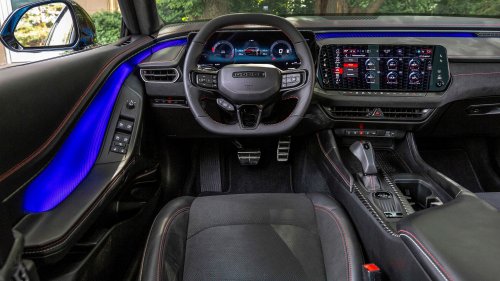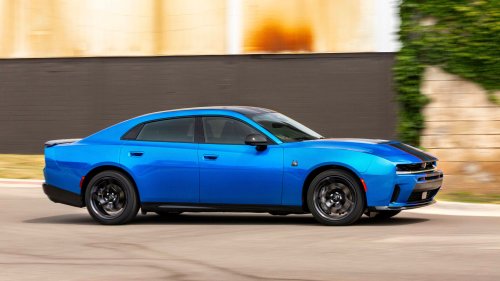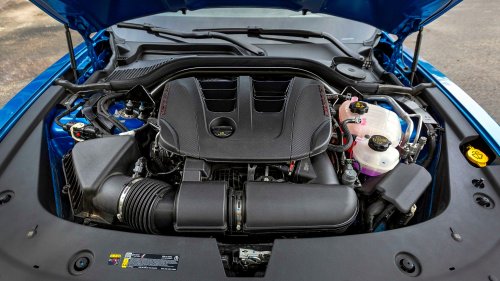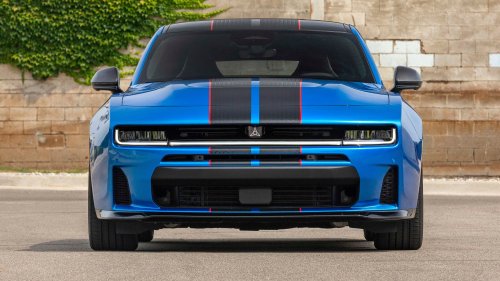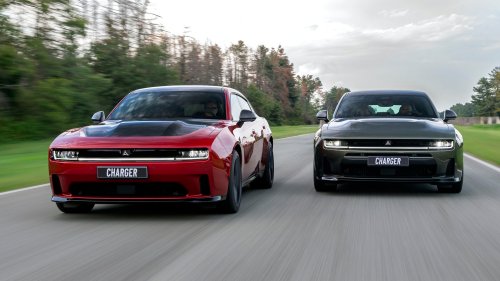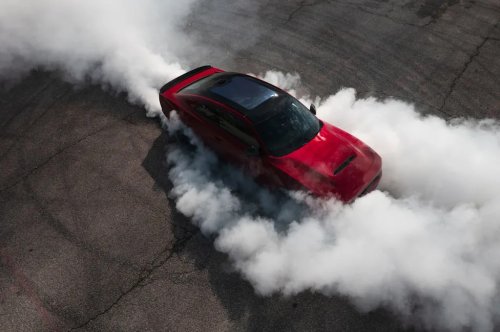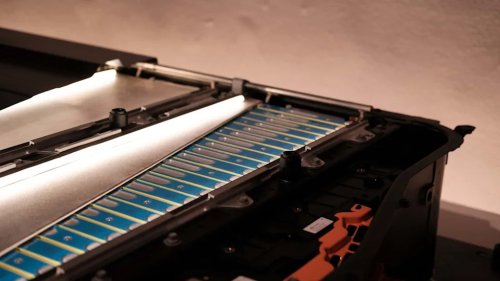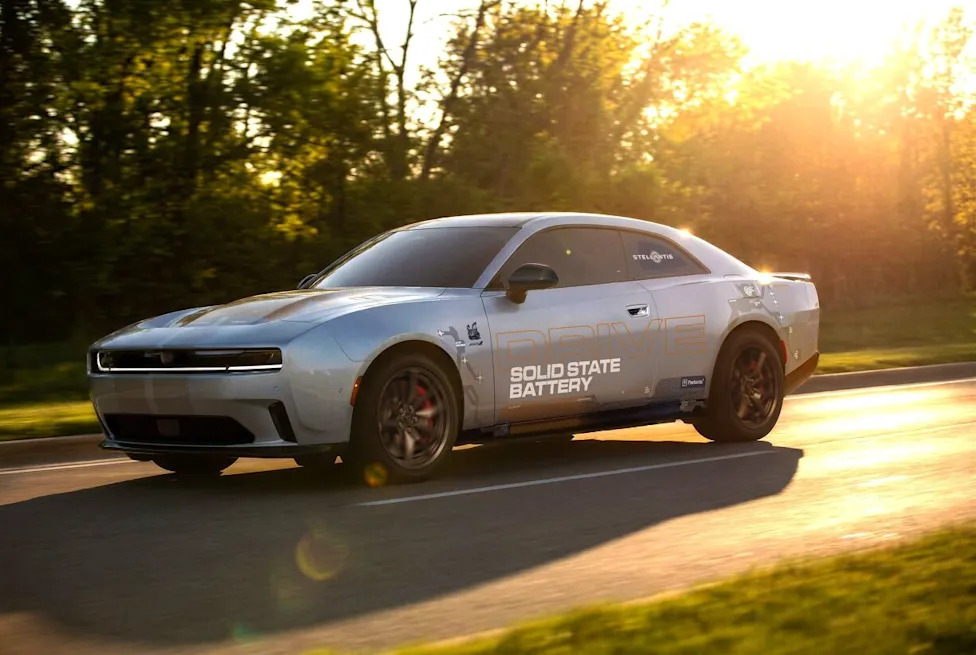
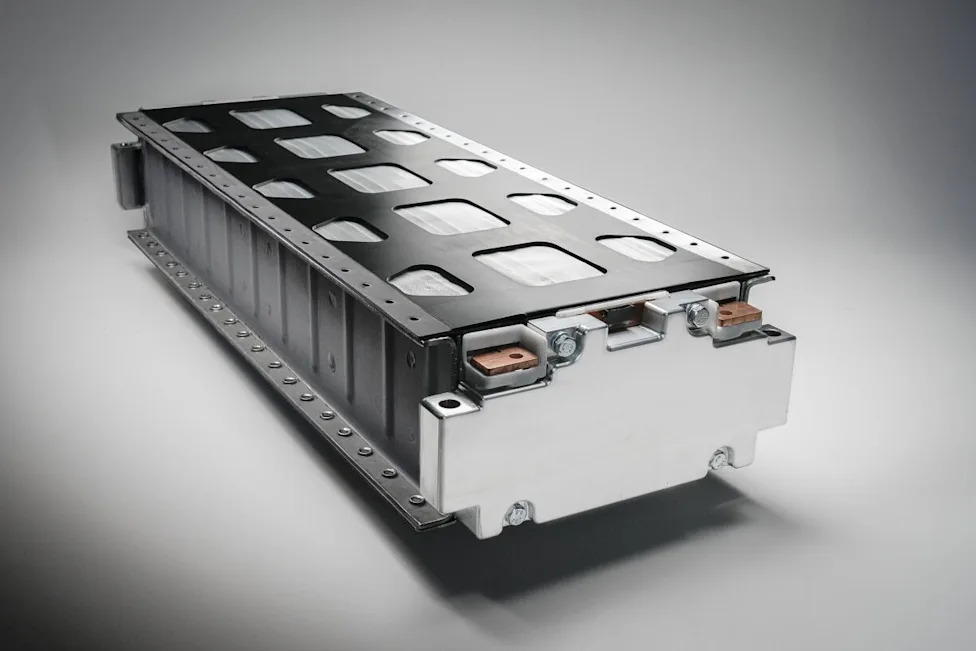




















stellantis puts solid state battery technology on the roadSolid-state batteries have long been hyped as a major breakthrough in electric vehicle technology, promising faster charging, greater energy density, and improved efficiency.While the tech has remained largely a science experiment confined to laboratories, Stellantis has taken a huge step toward bringing it into the real world. The automaker announced it has begun on-road testing of a Dodge Charger Daytona prototype equipped with a solid-state battery pack developed by U.S.-based battery company Factorial.According to Stellantis, integrating the solid-state cells required major engineering work, including revised battery pack architecture and updated control systems.stellantis puts solid state battery technology on the roadThe road-testing program follows an announcement last year that Stellantis and Factorial revealed plans to launch a fleet of Charger Daytona prototypes powered by next-generation battery technology. With testing now underway, the companies are moving beyond lab demos and have begun evaluating how the batteries perform in everyday driving conditions.AdvertisementAdvertisementAt the heart of the prototype is Factorial's FEST battery technology-short for Factorial Electrolyte System Technology. The company previously showed promising performance figures, including an energy density of 375 watt-hours per kilogram- higher than many current lithium-ion battery packs.Factorial claims the battery can recharge from 15 to 90 percent capacity in just 18 minutes under suitable charging conditions. The cells have reportedly been validated to operate in temperatures ranging from -22 degrees Fahrenheit to 113 degrees Fahrenheit.stellantis puts solid state battery technology on the roadIt's not clear how long the road-testing program will run or when production vehicles equipped with solid-state batteries could arrive in showrooms. The launch of the Charger Daytona test program represents an important milestone in that timeline, but don't expect any major commercial breakthroughs until the latter part of this decade.If the technology delivers on the promises, future EVs could offer longer driving ranges, shorter charging stops, and lighter battery packs than today's electric vehicles-benefits that could significantly improve the ownership experience.Become an AutoGuide insider. Get the latest from the automotive world first by subscribing to our newsletter here.