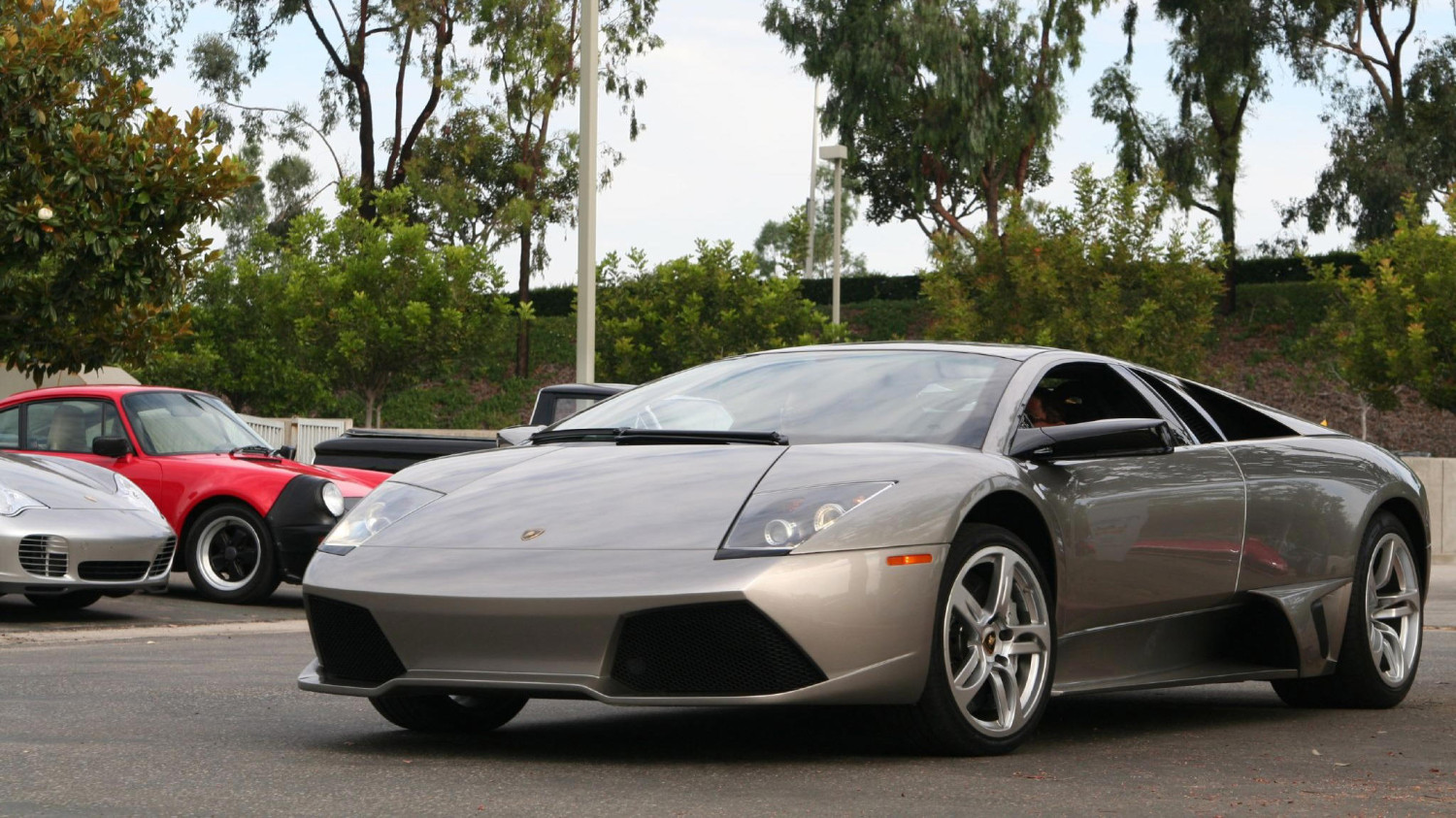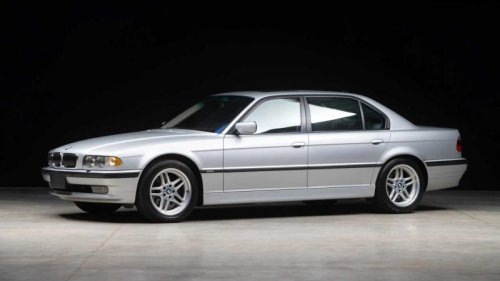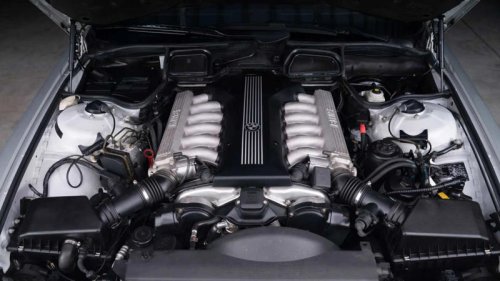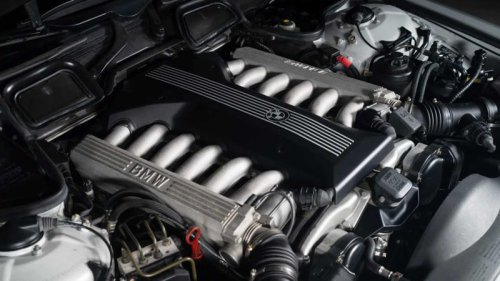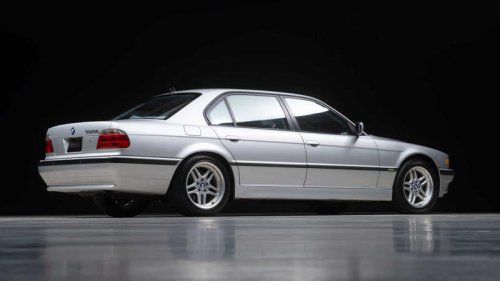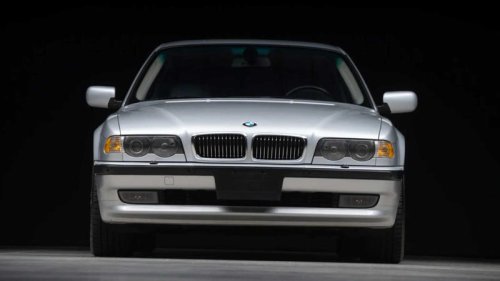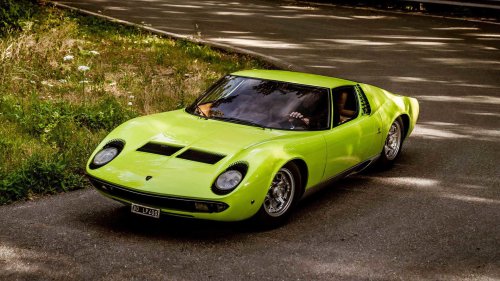
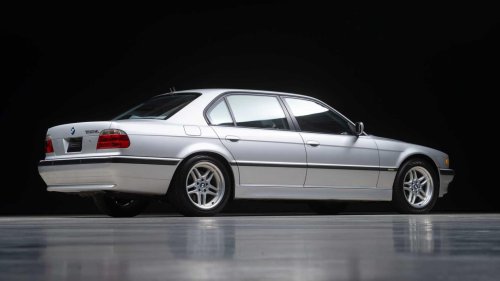
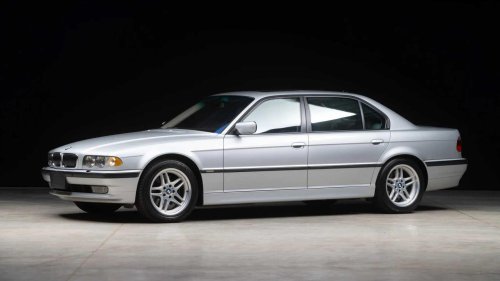
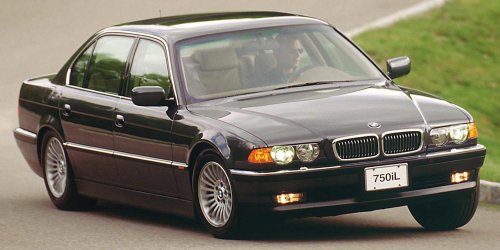
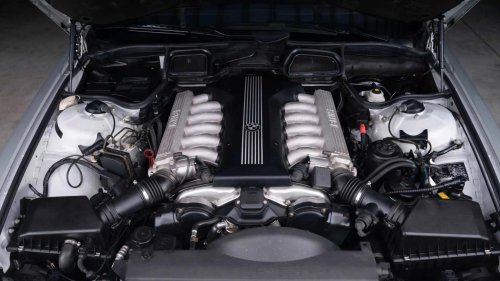
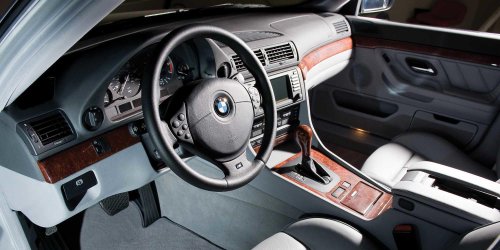
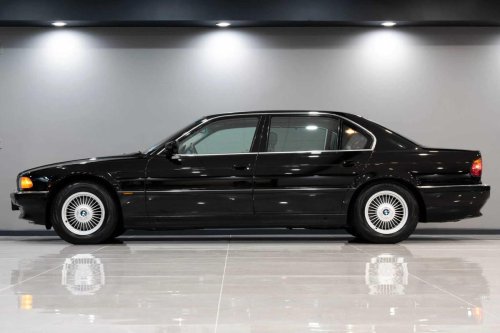


















Some cars make sense on paper. Others make sense only after you understand what they represent. This understated V12 flagship belongs in the second camp: a quiet luxury sedan from an era when excess did not need to announce itself with outrageous styling or theatrical performance claims. Today, that restraint is exactly what makes it so compelling. Before modern flagships became rolling tech showcases with polarizing designs and six-figure price tags, one German sedan offered a more elegant kind of power — and it may now be one of the smartest ways to experience old-school twelve-cylinder luxury. The Early V12 Engines That Started It All Lamborghini The V12 engine has always been the ultimate performance engine throughout the 20th and 21st centuries. As early as 1915 to 1923, Packard headed the performance and luxury scene with a model called the Twin Six, while Cadillac, Lincoln, and Rolls-Royce followed thereafter. In Europe, manufacturers like Ferrari unveiled its first model, the 125 S, with a V12 engine, while Lamborghini revealed what is today considered the first mid-engined supercar, the Miura, in 1966, also with a V12 engine. In the '90s, more mainstream manufacturers in the shape of Mercedes-Benz and BMW implemented V12 engines in their top-tier models, such as the BMW 7-Series and the Mercedes-Benz S600 and CL600. The Understated Brilliance Of The E38 BMW 750iL Via: Bring a Trailer It is safe to say that BMW's standard sedans are not understated anymore, but in the late 1990s and early 2000s, they were to an extent. In a clever move, BMW decided not to offer the standard wheelbase 750i in North America, but only the long wheelbase, roomier 750iL. Not only did this "L" model add over 5 inches to the overall length of the car (196.2 inches vs. 201.7), but all this additional length was awarded to the lucky rear-seated passengers. The design route of the E38 started as early as 1988 and was conducted by Austrian automotive designer Boyke Boyer. James Bond Approved Four-Door Performance Many of us would love to own or drive a car that is the star of a movie, but with the E38 750iL, you will have the opportunity to experience a car that was driven by none other than actor Pierce Brosnan in the 1997 James Bond movie Tomorrow Never Dies. The use of BMWs in Bond movies wasn't limited to this single car though. A BMW Z3 Roadster was used in the 1995 Bond movie GoldenEye, and most notably, a gorgeous BMW Z8 sports car in The World Is Not Enough from 1999. The E38 fits the movie role just as well, though, offering performance, style, and a list of added features from the "Q" department of MI6. Although the movie car offered a remote control feature that allowed Bond to "drive" it remotely via his flip-up Ericsson cellphone in one of the best car scenes in the movie, the movie car also featured a cutting tool with small blades hidden below the BMW badge on the hood! These were just a couple of several unique features installed to make this a movie car to remember. High-End Technology That Still Feels Modern Today Via: Bring a Trailer These cars might now approach their 30-year mark, but a long list of luxury and technological features still makes them feel comfortable and even sophisticated. As expected, the Nappa leather covered most of the cabin, including the seats, dashboard, center console, and door panels. Keeping occupants cocooned in the cabin and isolated from exterior noise, dual-pane laminated glass was used. The suspension offered electronic damper control that adjusted shock damping in real-time. Apart from the trunk-mounted 6-disc CD player (remember those!) and 16-speaker sound system, one of the standout features was the GPS navigation system and analog TV receiver — the latter only operable when the car was stationary. Why The Standard 750iL Is The Smarter Buy Versus The Sport BMWIn an age-old marketing trick to lure more buyers to the model, BMW also released the 750iL Sport. This model didn't offer any additional performance gain over the standard 750iL, as it was a mostly cosmetic upgrade. It came with 18-inch Style 37 M Parallel-spoke wheels, an M Sport steering wheel, and sport seats that were optional. The Shadowline trim replaced chrome-trimmed parts in favor of body-colored and gloss black trimmings. In terms of performance, the firmer suspension and lowered ride height offered an improved handling experience.It did the trick, though, and looked visually more appealing than the standard car. Even today, these models trade for notable higher prices than the standard versions. This is partly also owing to the fact that they are much rarer. Expect to pay anything from $31,000 upwards for one of these more hunkered-down versions, resulting in a basic 750iL still being the bargain vehicle of the two. Performance That Still Commands Respect In The Modern Era Via: Bring a TrailerToday we are used to high-performance sedans delivering performance that is on par with some sports cars. The 750iL was also such an example three decades ago. Offering 326 horsepower and 361 pound-feet of torque from the M73 5.4-liter V12 engine, this engine's performance was in line with a serious sports car such as BMW's Z3 M Coupe, while the available torque was substantially better. Carrying a much weightier body, the 750iL was still able to sprint to 60 mph in a respectable 6.4 seconds, ran the quarter mile in 14.7 seconds, and achieve a claimed top speed of 155 mph. Quite impressive numbers considering you can do this while sitting in the lap of luxury in the rear quarter, making a phone call on the onboard telephone. The Hidden Costs Nobody Talks About BMW As V12-engined cars are today mostly earmarked for wealthy collectors and buyers, it might come as a surprise how affordable the initial acquisition of a 750iL can be. This BMW offers an opportunity for enthusiasts at the bottom end of the market to experience one of the ultimate engines and luxury driving environments from this era. Depending on condition and mileage, examples trade for as low as $7,000, while low-mileage, well-maintained examples can be sourced from around $25,000. The absolute best examples have recently sold for over $45,000.Driving a tour-de-force advanced vehicle that is nearly three decades old will always bring its challenges. If you plan to keep your car in tiptop condition, set aside around $5,000 annually for any possible repairs or maintenance. If you are a DIYer, those costs can be lowered, but finding a technician and workshop that can conduct the necessary service and maintenance will cost more than some less unique cars of this era. Perishable parts like the valve cover and upper timing cover gaskets, engine mounts, and power steering hoses are just a few examples of components that could need replacement. Other parts include the oxygen sensor and timing guide chain tensioner that must be replaced, and possibly the ignition coils for improved performance. Why These V12 Sedans Are Becoming Modern Classics via Bring A TrailerAs BMW's design language over the past decade has resulted in bigger kidney grilles with every consecutive model generation — especially when it comes to the 7 Series — enthusiasts have started to appreciate these late '90s and early 2000s performance sedans even more with each new release of a 7 Series. Not only are they stylish and elegant, but they also offer all these features without questionable designs. Although modern performance cars make the 750iL's performance seem inadequate, for the current asking prices, the 750iL offers more than enough performance for everyday use. The combination of the current market prices, what it represented at the time, and the understated design and performance all makes the 750iL a winner in both the BMW enthusiasts' arena and for performance car enthusiasts.