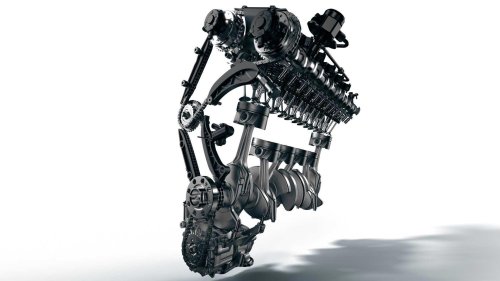
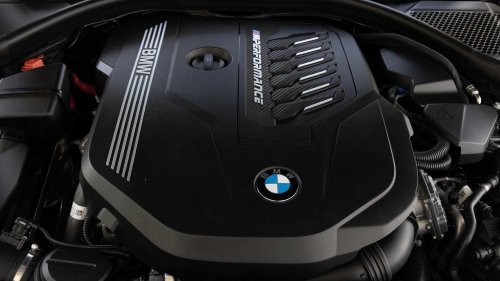
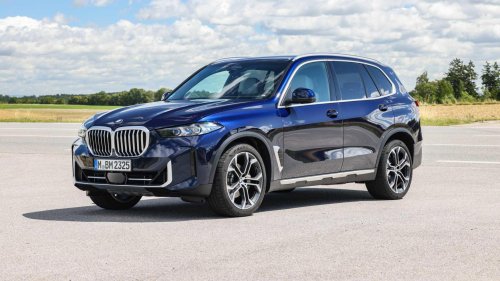
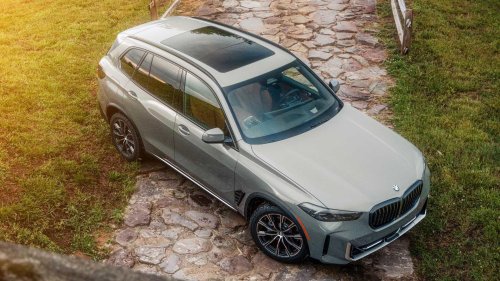
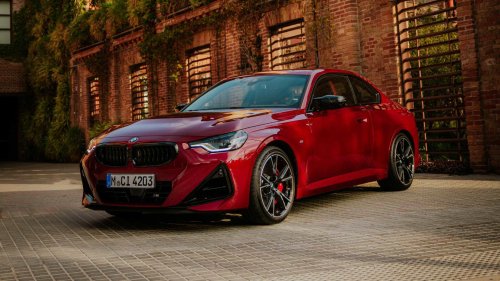
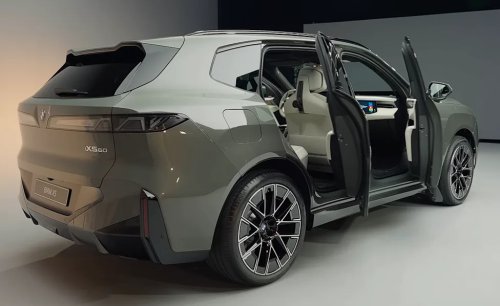
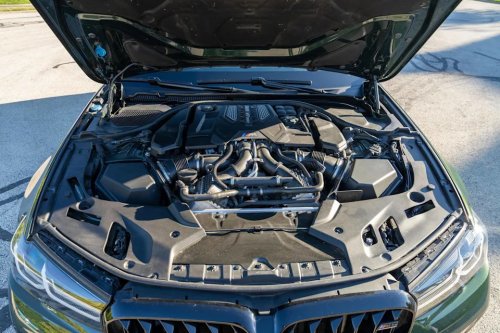
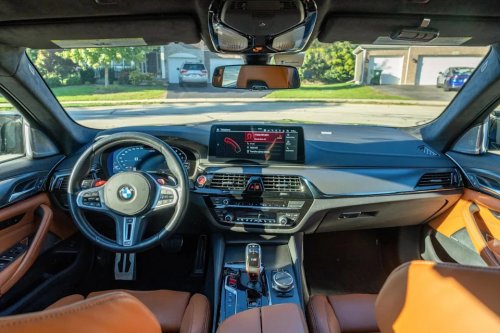
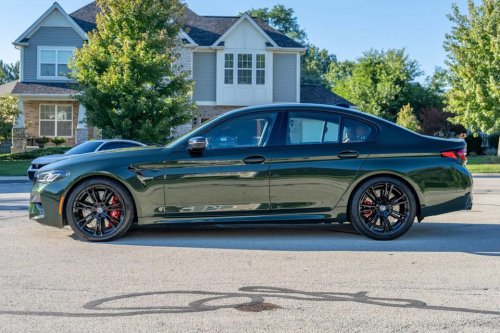
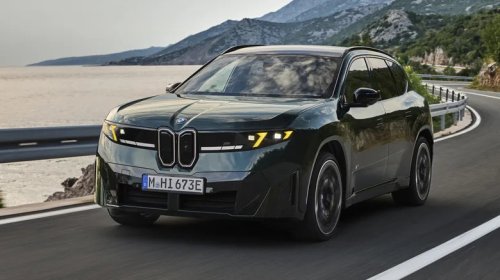
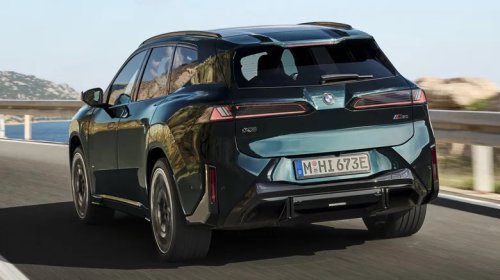
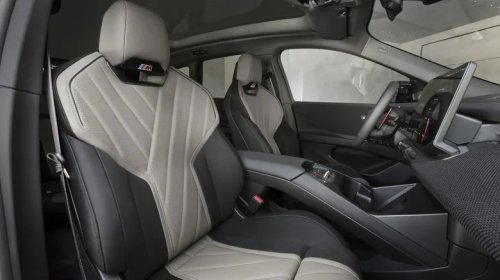
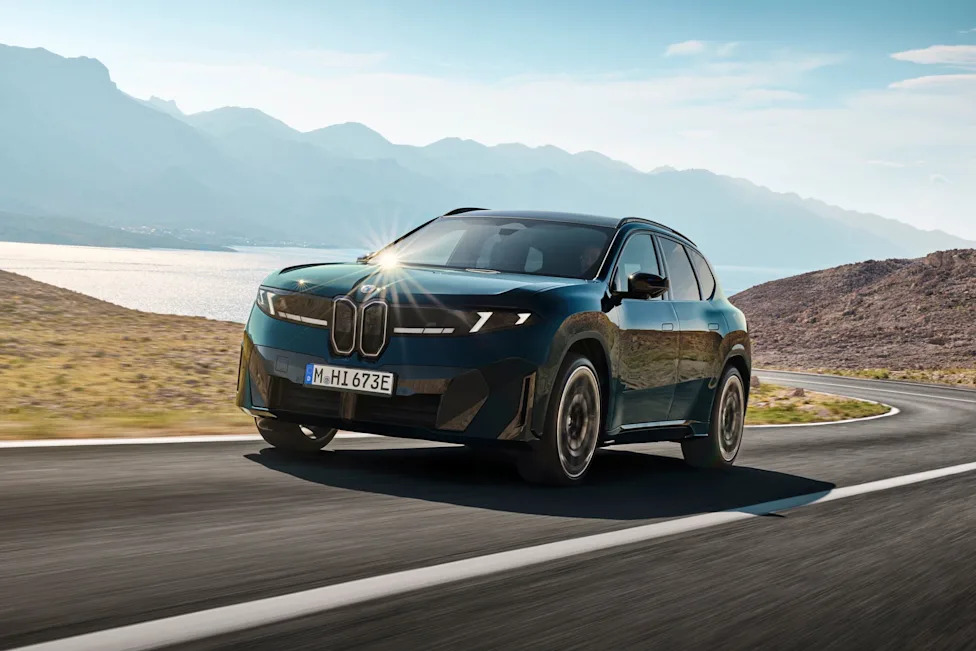
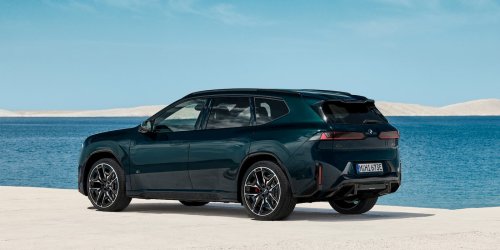
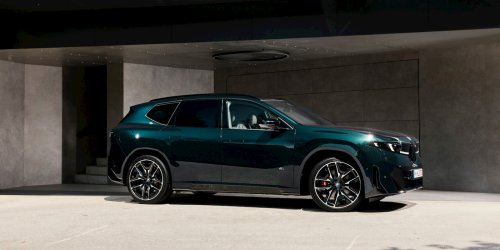
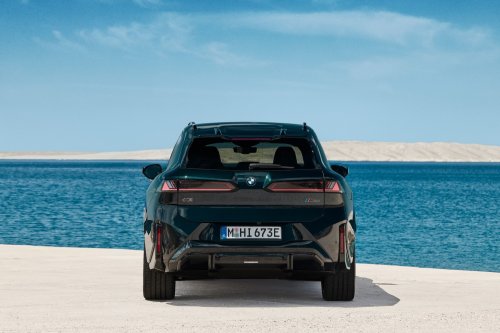
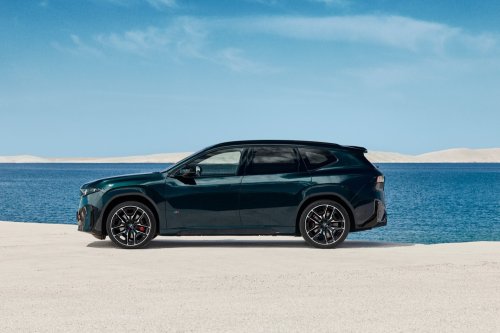
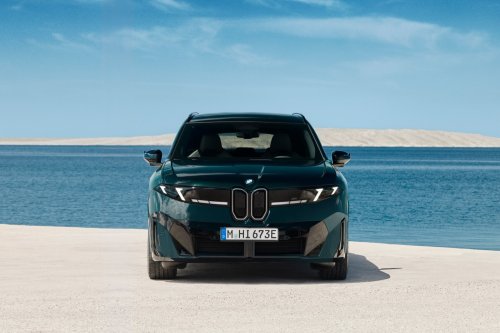
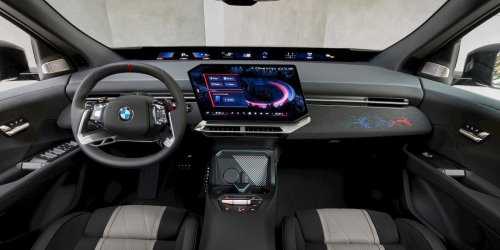
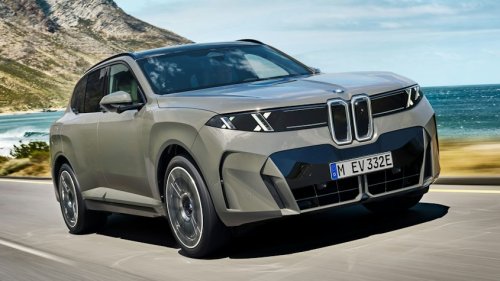
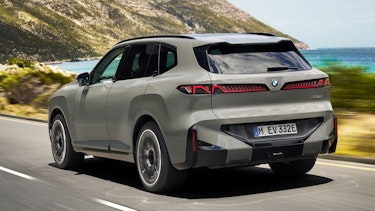
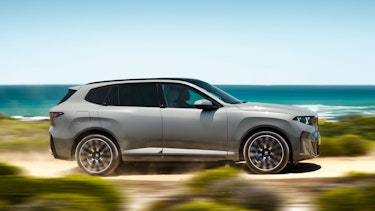
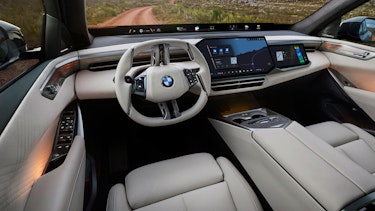
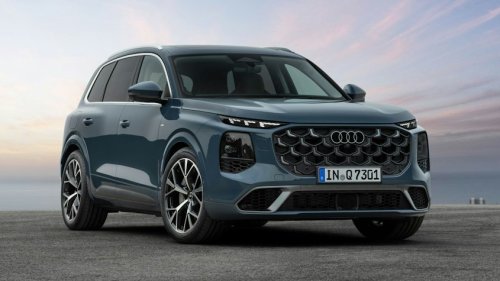
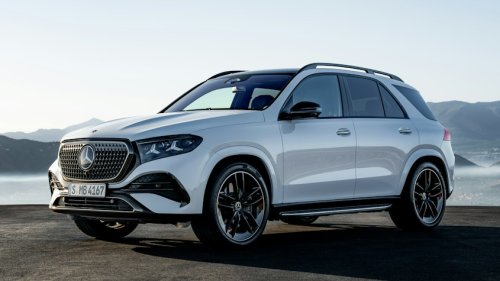
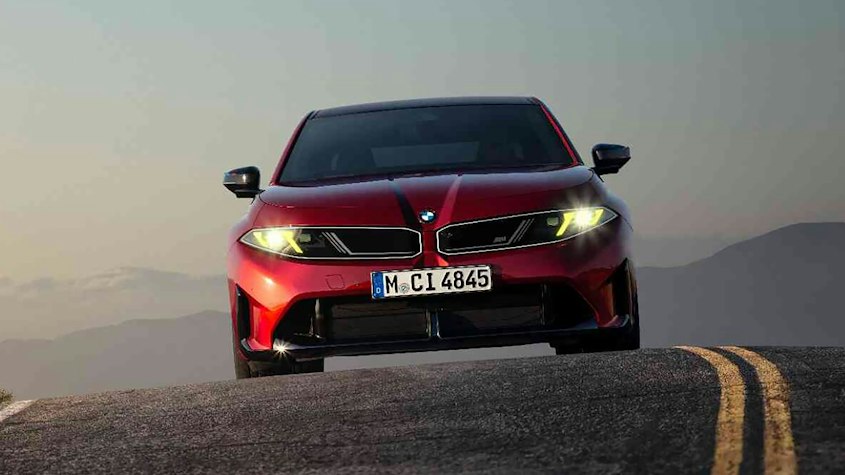
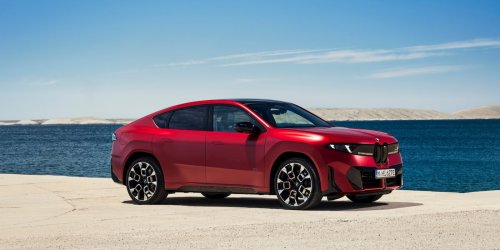
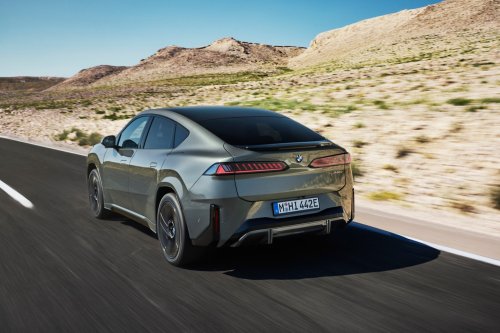
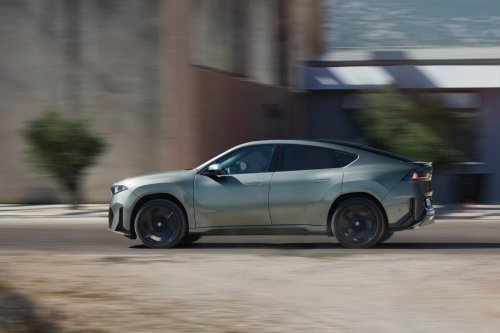
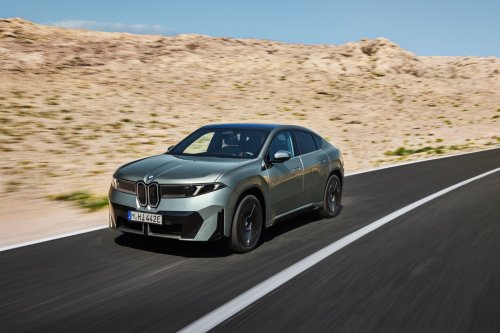
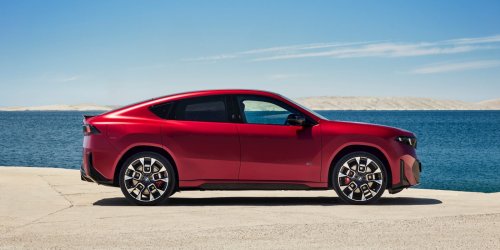
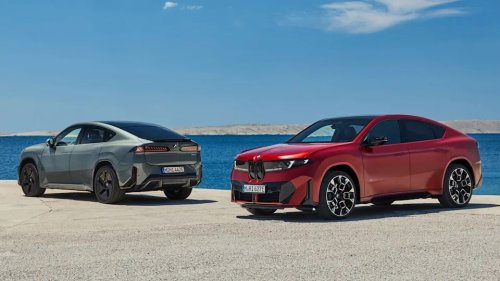
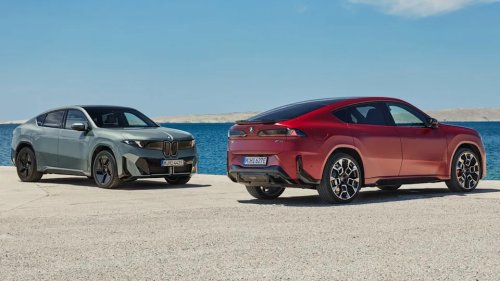
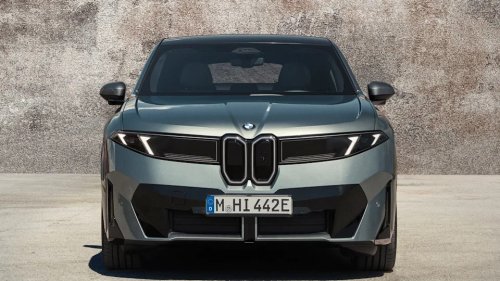
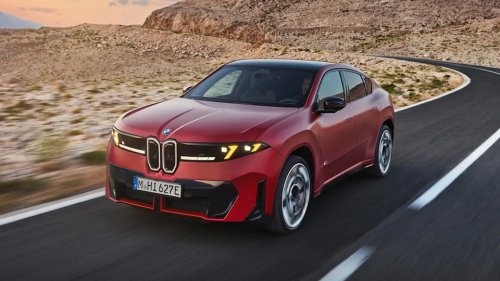
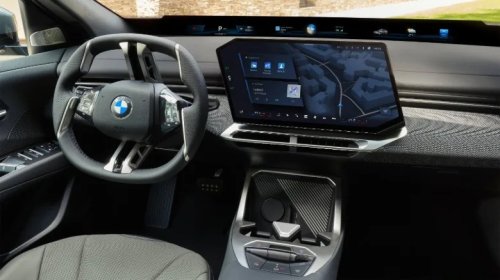
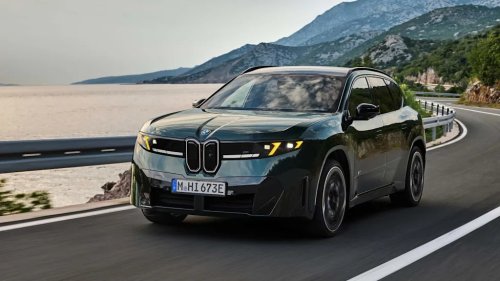
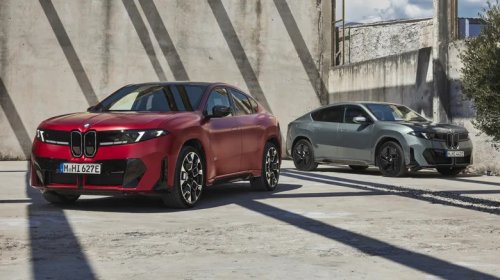
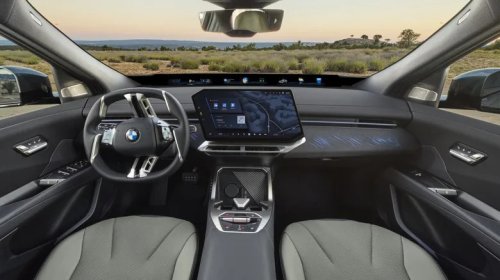
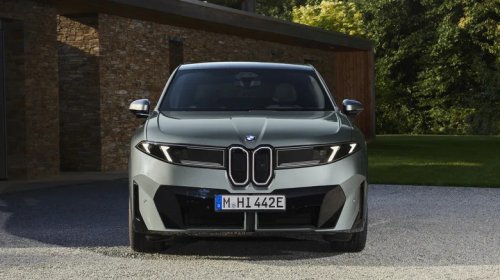
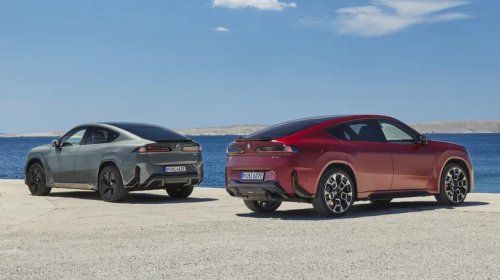
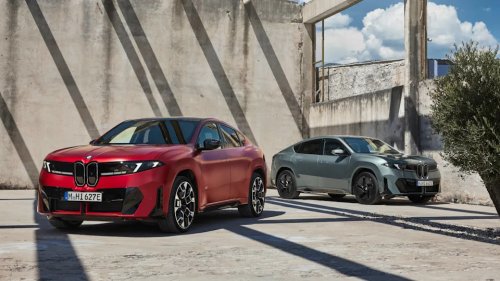
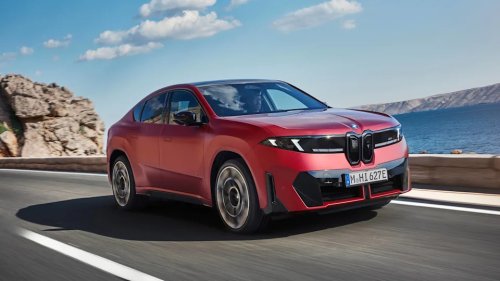
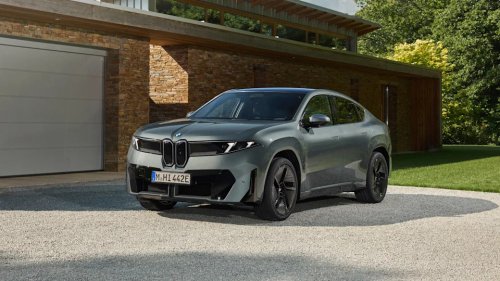
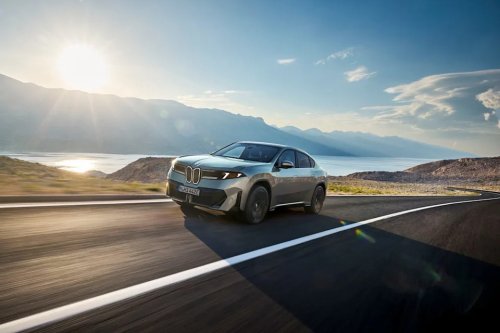
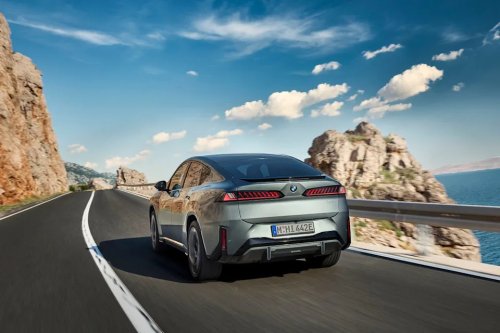
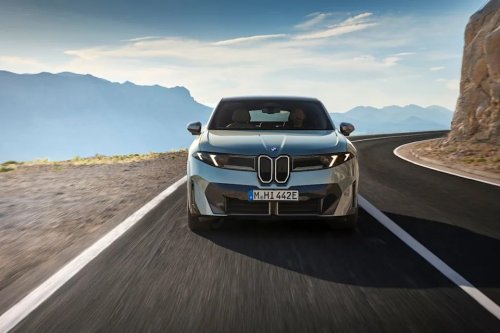
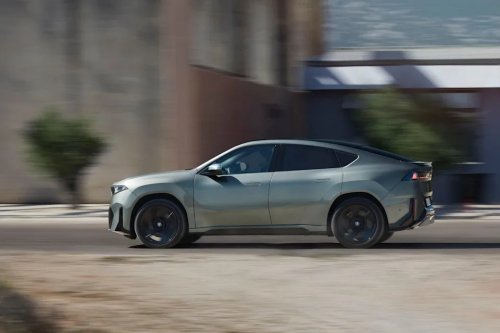
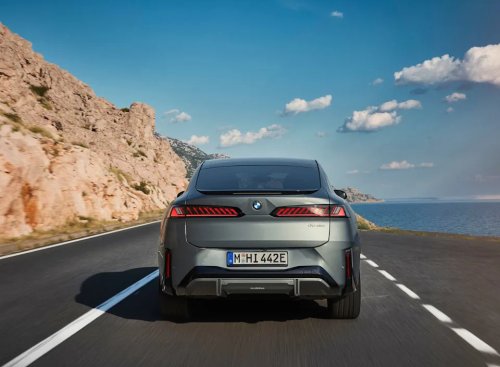
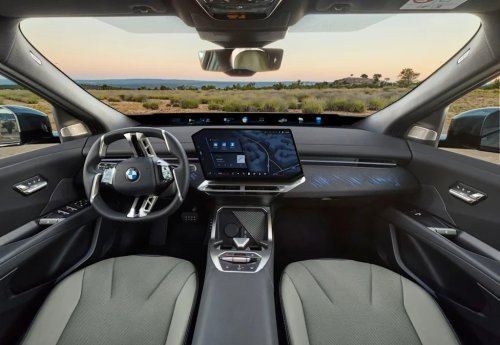
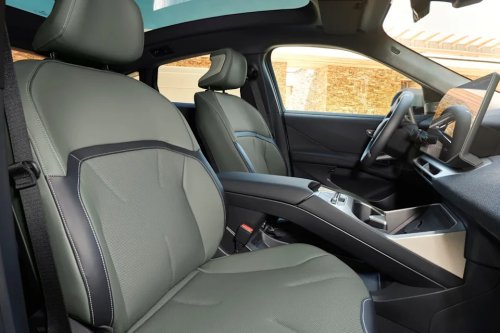
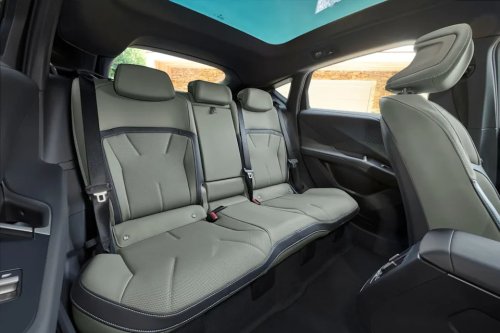
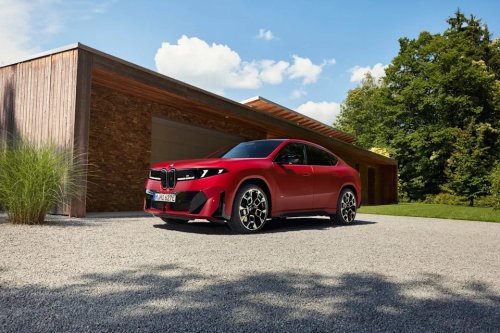
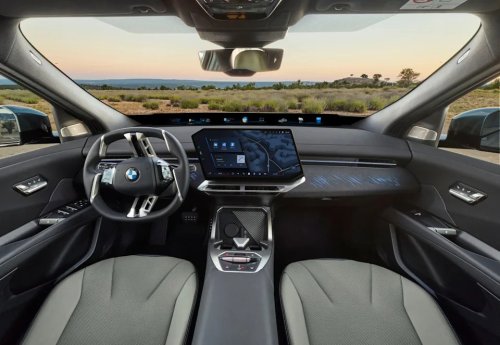
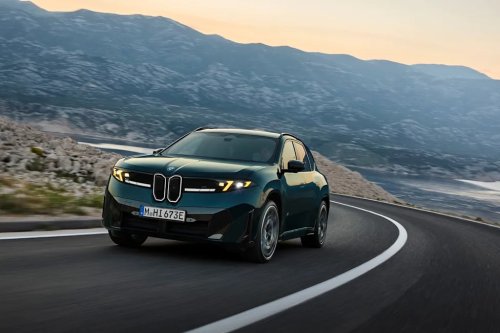
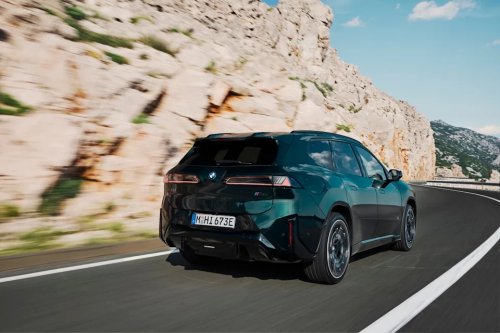
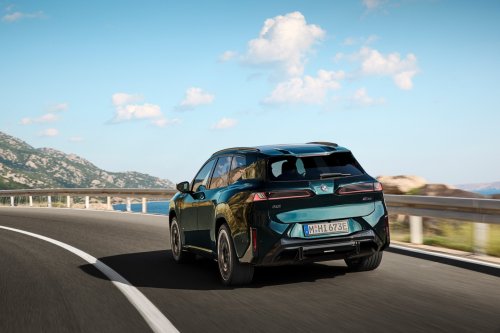
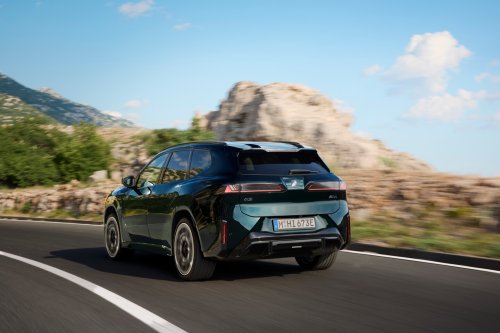
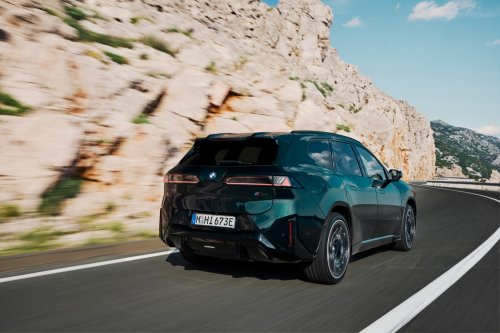
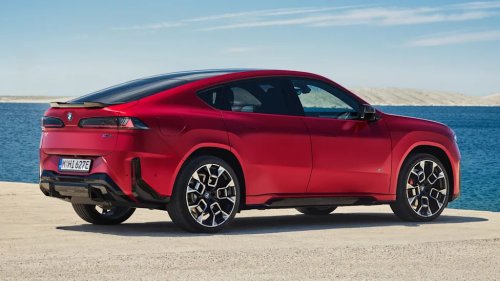
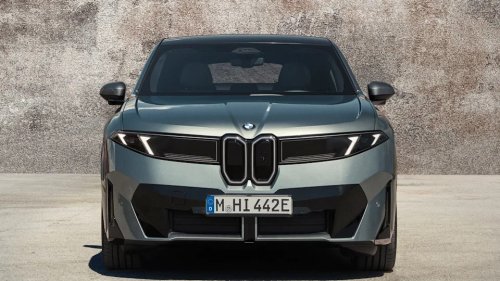
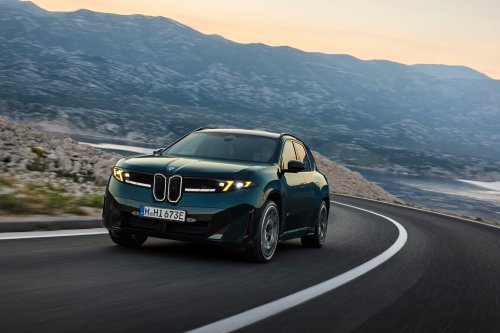
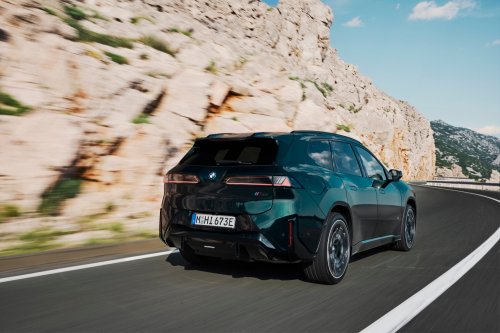
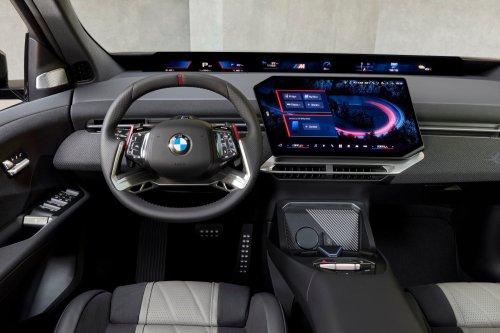
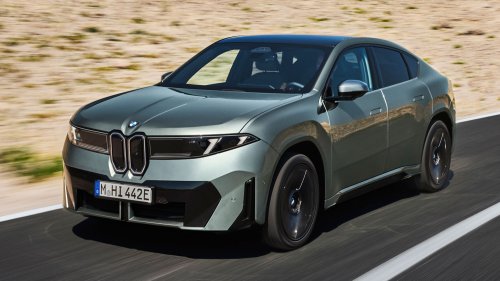
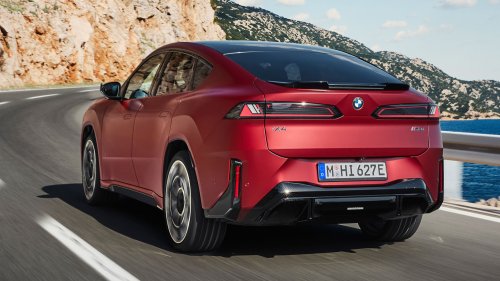
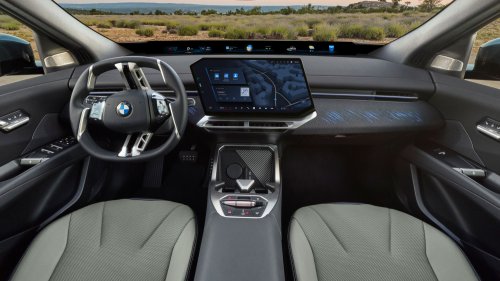
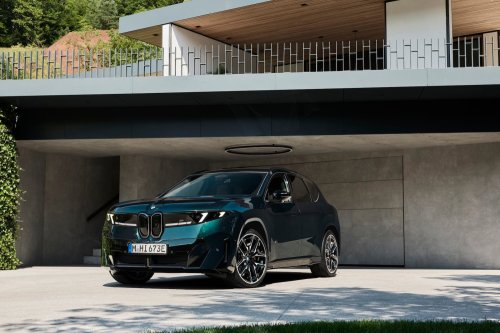
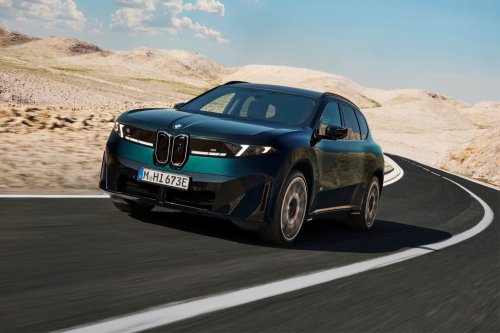
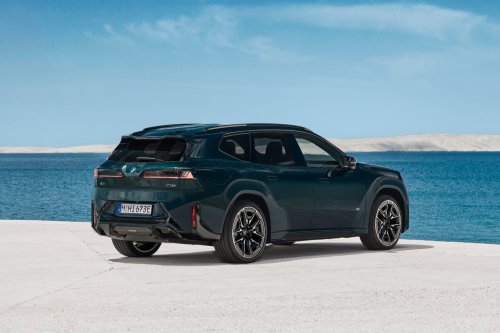
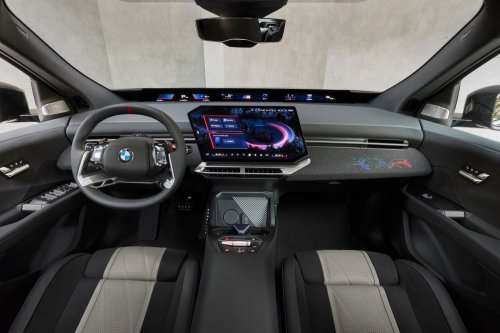
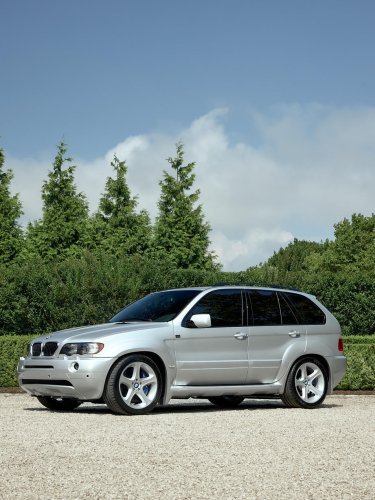
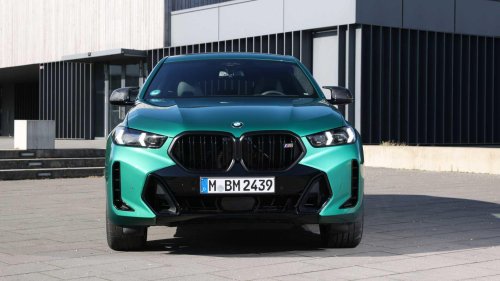
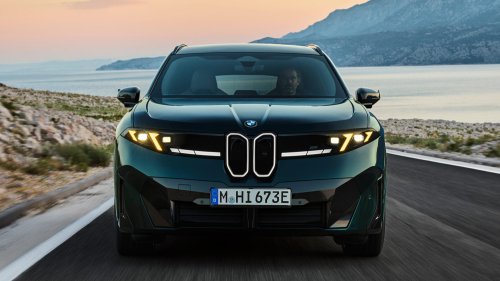
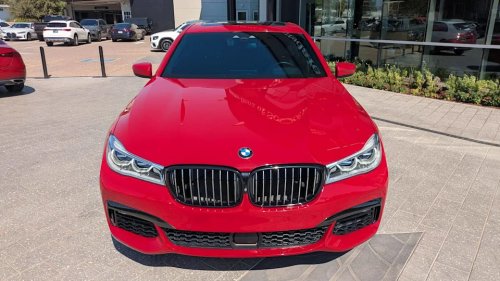
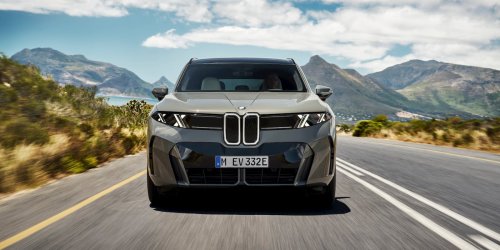
The BMW X5 was one of the first truly dynamic and sporty SUVs on the market. BMW has been trying to get everyone to call them Sports Activity Vehicles (SAVs) for decades, but while that never took, the vehicles themselves certainly feel more car-like to drive than most. However, there have been a few niggles along the way with the reliability of some of its models.Large SUVs tend to be more technically and mechanically complex, so this is a common issue across the board, but the current generation of X5s has something that's made a massive difference to overall reliability; it's called the B58 inline-six engine.All vehicle data is from reputable sources. Pricing excludes destination charges and tax unless otherwise specified. This article looks into the BMW X5 models fitted with the B58 inline-six engine. The B58 Inline-Six BMW BMW has built some game-changing engines in its long history. Many have been high-tech masterpieces, often derived from their racing endeavors, but the class-leading power figures and innovative features didn't always translate into long-term reliability. Engines like the ferocious V10 S85, the over-achieving twin-turbo N54, and the very impressive S54 decimated not only the competition, but sometimes their internal components as well.While the B58 was not designed to be an M-spec engine, it was developed from the ground up to address the issues experienced by its predecessors and to be a solid foundation for the S58 motor that has gone on to power the current generation of M cars. And this is a crucial part of the B58's enduring popularity; it was designed to handle way more power than it initially produced. And over the 10 years it has been in production, it has gone from 322-hp to well over 400-hp. Of course, there have been continuous updates and refinements, but the basic layout has remained the same.BMW Namely, a 3.0-liter inline-six, aided by a single twin-scroll turbocharger. The closed deck engine block design allows it to handle massive stresses and boost pressures. This is aided by strong internal components, including a forged steel crankshaft and forged connecting rods. A water-to-air intercooler helps keep the engine cool under hard use, and the engine is fitted with the latest version of BMW's Double VANOS (variable valve timing) and Valvetronic (variable valve lift) systems.Of course, BMW didn't sit on its laurels for long, and over the years, it has increased the fuel injection pressure, added port fuel injection to the direct injection system, integrated the exhaust manifold into the cylinder head for improved thermal management, introduced a redesigned one-piece timing chain, and changed the VANOS system to have electric actuation. These detail updates have not only kept the B58 relevant amongst even the newest rivals, but it has remained the benchmark engine in its class.Via: BMW While BMW has always used an inline-six configuration because it has a number of benefits over a V6, several rivals have shifted to this design in recent years as well. And to underline just how reliable the B58 is, even Toyota chose to use it for its Supra sports car. Specialists regularly tune these engines to well over 500-hp with minimal modifications, but as with any engine, keeping it stock is the key to a long and reliable life. If you want even more power than the B58 has to offer, BMW has an OEM solution for you. It's called the S58... The B58 in the BMW X5 BMWThe current generation BMW X5 has been around since 2019, and recently benefited from a Life Cycle Impulse (LCI), or as everyone else calls it, a facelift. The standard non-M range now comprises the sDrive40i, xDrive40i, and xDrive50e. All three use the B58 turbocharged inline-six engine with 48-volt mild hybrid tech, but the 50e also adds an electric motor and larger battery to give it more power and an all-electric range of up to 38 miles.BMW The J.D. Power quality and reliability figures for this generation of X5 have been consistently high throughout production, and the fact that it is now in its seventh year of production means that minor niggles and early issues should all have been sorted by now. So, as a package, the X5 still makes a strong case for itself, even against newer rivals. The 375-hp power figure and 398 lb-ft of torque make this an under-stressed B58, but the numbers are still very competitive, and the acceleration times are better than its direct competitors.BMW The B58 engine doesn't just have a reputation for power and solid reliability; it is also economical. Both the RWD and AWD 40i models average 25mpg in combined driving, which compares very well to competitors like the Mercedes-Benz GLE450, which manages just 21 mpg. The Audi Q7 does just 20 mpg.BMW The Plug-in Hybrid (PHEV) xDrive50e is even more economical if your commute can make the most of the all-electric range, and you regularly charge the battery pack. But the added weight of the electric motor and battery pack means that if you don't bother to charge your car, your average fuel economy will drop to 22 mpg. That's still better than the gas-only competition.BMW The Future of the B58 BMWBMW has been fitting the B58 across a wide range of models since its introduction in 2016, and it continues to be offered in the 2 Series, the Z4 roadster, and just about every high-spec sedan currently on sale. The addition of the PHEV B58 engine has given this iconic engine another lease on life, but in the long-term, it will have to make way for the new wave of EVs that will eventually spell the end of all gas-powered engines.But with the way regulations keep changing, and the continued development of gas-powered engines by several manufacturers, we should have quite a few years left to enjoy the B58 in all its permutations.