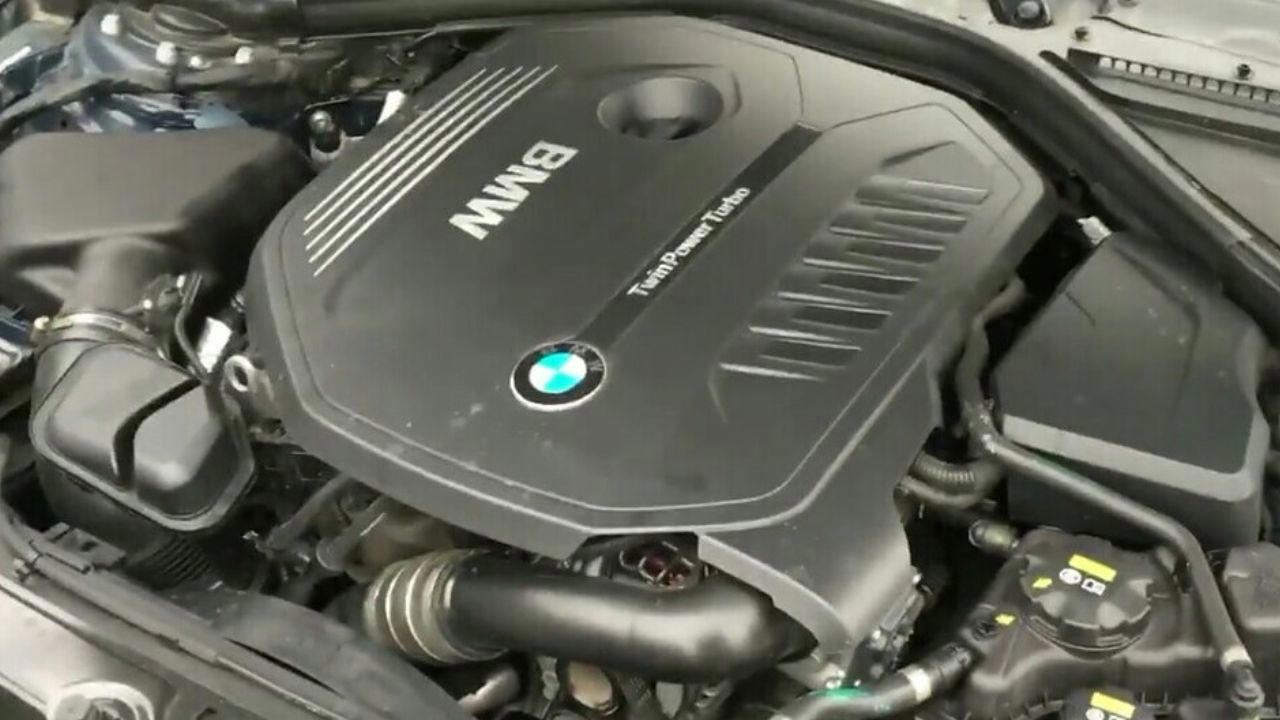
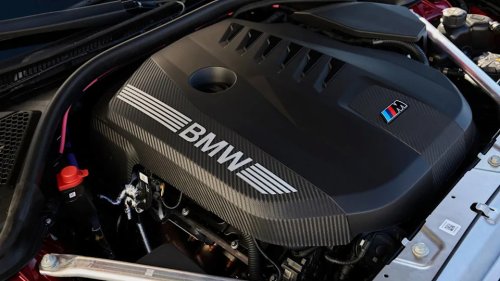
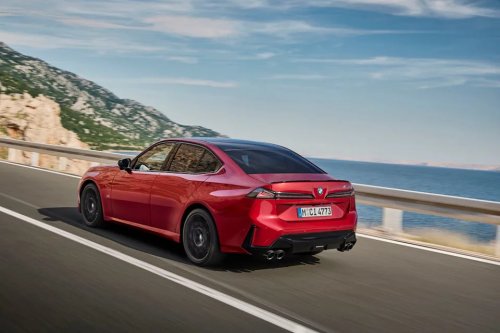
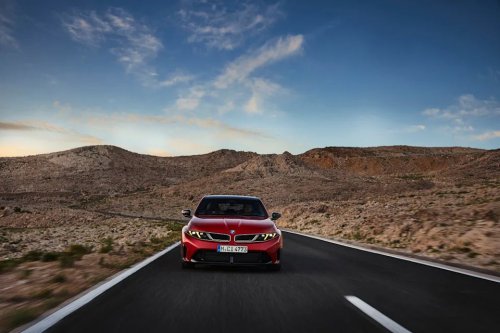
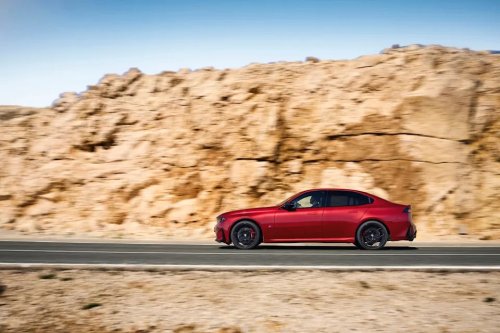
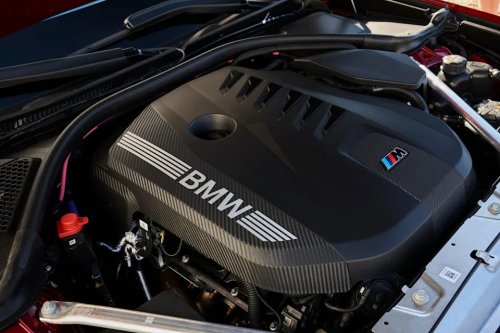
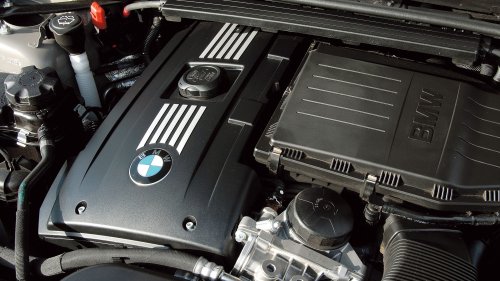
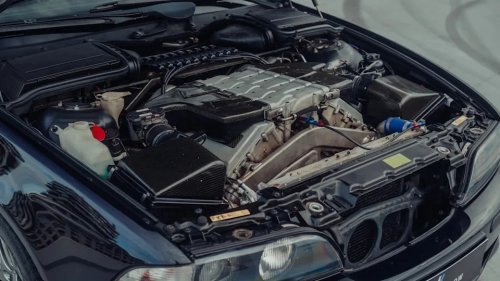
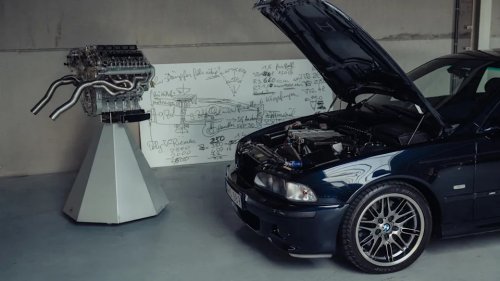
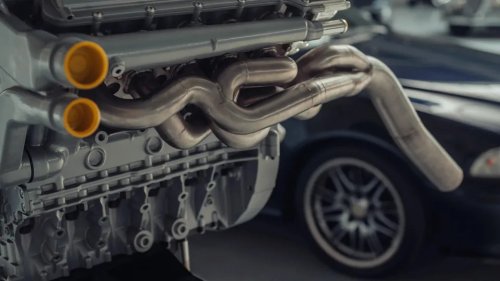
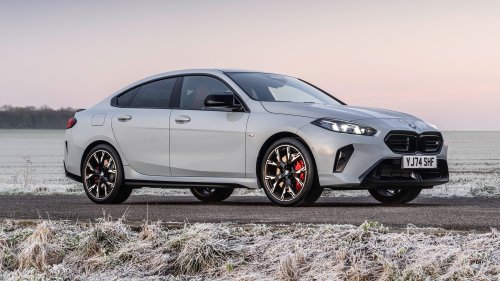
The B58 that succeeded where BMW’s earlier turbo engines struggledBMW’s B58 straight-six arrived with a clear brief: deliver strong turbocharged performance without repeating the reliability headaches that had dogged some of the company’s earlier forced-induction engines. A decade on, it has quietly become the backbone of BMW’s mainstream performance lineup, powering everything from compact coupes to luxury SUVs and even a Japanese sports car partnership. The story of how it got there is also the story of how BMW rethought its turbo strategy after the N54 and N55 years. Instead of chasing headline power at any cost, BMW used the B58 to reset priorities around durability, emissions and modularity, while still giving drivers the punch and character they expected from a BMW straight-six. That shift helps explain why the engine now anchors everything from M Performance models to future plug-in hybrids and why it is shaping how BMW plans the next generation of electrified drivetrains. What happened The B58 is part of BMW’s modular B-series engine family, which also includes the three-cylinder B38 and four-cylinder B48. These engines share key design dimensions, such as a 500 cubic centimeter cylinder volume, so they can be built on the same lines and share components. In the B58’s case, that modular philosophy produced a 2,998 cubic centimeter inline-six with direct injection, a twin-scroll turbocharger and a closed-deck aluminum block that prioritizes strength and thermal stability. BMW introduced the B58 in the mid-2010s as a replacement for the N55, which itself had followed the twin-turbo N54. Those earlier turbo sixes delivered big power for their time but also built a reputation for high-pressure fuel pump failures, carbon build-up on intake valves and, in some markets, timing-related wear that generated expensive repair bills. The B58 arrived with a mandate to address those pain points through stronger internals, improved cooling and a more conservative, integrated turbocharging layout. Engineering changes centered on durability. The closed-deck block design surrounds the cylinder walls with more material, improving rigidity under high boost and helping the engine cope with repeated heat cycles. BMW also moved to an integrated water-to-air intercooler within the intake plenum, reducing charge-air plumbing, shortening airflow paths and stabilizing intake temperatures. Combined with a higher-pressure fuel system and revised combustion chambers, these changes allowed the B58 to run more boost and higher compression while keeping knock and thermal stress in check. From the outset, BMW treated the B58 as a flexible platform rather than a single tune. Early versions in the 340i and 440i produced around 320 horsepower and 450 newton meters of torque, while later calibrations in the M340i and M440i climbed closer to 382 horsepower and 500 newton meters. In M Performance applications, the engine gained reinforced pistons, a different turbocharger and more aggressive mapping, yet it remained fundamentally the same architecture used in more modest 30i and 40i models. The B58 also became the heart of the Toyota GR Supra, which uses a BMW-sourced 3.0-liter inline-six and eight-speed automatic transmission. Toyota engineers worked with BMW to adapt the calibration and cooling package for track use, but the underlying hardware remained shared. That collaboration underscored BMW’s confidence in the engine’s durability, since Toyota had its own reputation to protect in a halo sports car that would be driven hard by enthusiasts. As emissions standards tightened, BMW evolved the B58 into the so-called TU (technical update) versions, adding a particulate filter, revised turbocharger and more efficient cooling circuits. These updates allowed the engine to meet stricter regulations without sacrificing output and, in some cases, even increased power and torque. The B58’s adaptability to different emissions packages, from North America to Europe and Asia, helped extend its life across multiple product cycles. Inside BMW, the engine’s reliability record influenced product planning. Models that previously might have used a V8, such as certain X5 and X6 variants, shifted toward high-output B58-based drivetrains paired with electric assistance. Engineers could lean on a known quantity for combustion power while layering in hybrid hardware to meet performance and efficiency targets. That same logic is visible in discussions around the successor to the XM, where analysts expect a downsized but electrified powertrain that still taps BMW’s established inline-six expertise as part of a wider rethink of the brand’s performance strategy, including the future of high-performance SUVs and potential changes to the current V8 plug-in hybrid layout in the XM successor. Why it matters BMW’s turbocharged six-cylinder story is, in many ways, a case study in how modern performance engines matured from fragile early adopters into dependable workhorses. The N54 and early N55 engines delivered thrilling torque and easy tuning potential, but they also taught BMW expensive lessons about component stress, oiling and fuel system margins. High-pressure fuel pumps that failed prematurely, turbo wastegate rattle and intake valve deposits became common talking points on owner forums and in service departments. The B58’s relative lack of widespread, systemic failures stands in sharp contrast. No engine is immune to problems, but the pattern of issues has been far less dramatic, with most complaints centering on isolated component wear rather than fundamental design flaws. That shift has reduced warranty exposure for BMW and improved long-term ownership costs, especially for buyers who keep cars beyond the initial lease window. The engine’s smooth, linear power delivery also helped BMW defend its brand identity at a time when many rivals pivoted to smaller four-cylinder units. While some competitors’ 2.0-liter turbos could feel peaky or strained in larger vehicles, the B58’s extra displacement and six-cylinder balance gave BMW sedans and SUVs a more relaxed, premium character. That mattered in markets where customers associated the brand with effortless straight-six refinement and were wary of downsizing. From a performance standpoint, the B58 gave BMW a flexible base that could be tuned to cover a wide range of roles. In a 3 Series or 4 Series, it delivered M-lite performance with sub-five-second 0 to 60 miles per hour times and strong midrange acceleration. In heavier X3 and X5 models, it provided enough torque to tow, climb and cruise without constant downshifts. For the GR Supra, it offered a ready-made blend of power and reliability that allowed Toyota to focus on chassis tuning rather than engine development from scratch. That same flexibility has become even more important in the transition to electrification. Plug-in hybrid systems add weight and complexity, so the combustion engine at their core must be both efficient and dependable. The B58’s ability to deliver strong output while running cleanly under stricter emissions rules makes it a logical partner for electric motors in performance-oriented hybrids. BMW can downsize from V8s in some applications, rely on electric assistance to fill torque gaps and still offer the kind of acceleration buyers expect in high-end models. There is also a brand-perception angle. Enthusiast communities often treat engine families as shorthand for an automaker’s engineering era. The N54 era is remembered for its tuning potential and its fragility. The B58 era, by contrast, is increasingly associated with a balance of performance and dependability. That reputation shapes how used BMWs hold value and how confident second or third owners feel about buying a turbocharged six with six-figure mileage. For BMW, the B58’s success has validated the modular B-series approach. Sharing architecture across three, four and six cylinders has simplified manufacturing and parts logistics, which becomes even more important as the company juggles internal combustion, plug-in hybrids and battery-electric vehicles on the same production lines. The smoother that transition, the easier it is for BMW to keep offering niche performance variants while meeting global emissions and cost targets. The engine’s longevity also buys BMW time. Full electrification of the lineup will not happen overnight, especially in regions where charging infrastructure lags or customers still prefer combustion engines for long-distance driving. A proven, efficient six-cylinder that can meet upcoming emissions standards and integrate with hybrid systems lets BMW continue selling high-margin performance models while gradually ramping up electric alternatives. At the same time, the B58’s presence in the GR Supra has had a subtle halo effect. Toyota’s decision to trust a BMW engine in a sports car that carries the Supra nameplate signaled confidence in the hardware. Enthusiasts who might have been skeptical of earlier BMW turbo reliability have watched the B58-powered Supra develop a track record of strong performance and relatively few catastrophic failures, which in turn reflects back on BMW’s own portfolio. What to watch next As BMW moves deeper into the 2030s, the key question is not whether the B58 will continue in its current form, but how its underlying philosophy will influence the last generation of combustion engines and the hybrids that bridge to full electric models. Several trends are worth tracking. First, further integration of the B58 family with plug-in hybrid systems is likely. Future performance SUVs and sedans are expected to rely on a high-output inline-six paired with one or more electric motors, using battery assistance to deliver instant torque while keeping the combustion engine in its most efficient operating window. That strategy could allow BMW to retire some V8 applications without sacrificing acceleration, especially in markets with strict fleet emissions limits. Second, emissions and noise regulations will continue to shape calibration. Particulate filters, gasoline exhaust aftertreatment and stricter drive-by noise rules already influence how the B58 sounds and responds. Future updates may trim some of the rawness that enthusiasts enjoy, but they also push engineers to find new ways to preserve character through exhaust tuning, software and integration with hybrid systems that can fill in gaps in response. Third, the used market will provide a real-world verdict on the engine’s durability. As more B58-powered cars pass 150,000 or 200,000 miles, patterns of long-term wear will become clearer. So far, the absence of widespread catastrophic issues suggests that BMW’s design changes have paid off, but higher-mileage data will determine whether the engine becomes a modern equivalent of the old naturally aspirated M54 in terms of longevity. Another open question is how BMW will handle tuning and software updates. The B58 has already become a favorite among aftermarket tuners, who extract significant power gains through revised mapping, larger turbos and upgraded fueling. BMW must balance the desire to protect reliability and emissions compliance with the reality that a portion of its enthusiast base will modify these engines. Future factory calibrations may include more headroom for safe power increases, or BMW could offer more official performance packages to channel that demand. On the product-planning side, analysts will watch how long BMW keeps the B58 in front-line duty before transitioning to a new generation of combustion engines or phasing it out in favor of full electric powertrains. The engine’s modular design and strong reliability record suggest it can be adapted for several more years, especially in hybrid form, but the pace of EV adoption and regulatory change will ultimately dictate its sunset timeline. More from Fast Lane Only Unboxing the WWII Jeep in a Crate 15 rare Chevys collectors are quietly buying 10 underrated V8s still worth hunting down Police notice this before you even roll window down