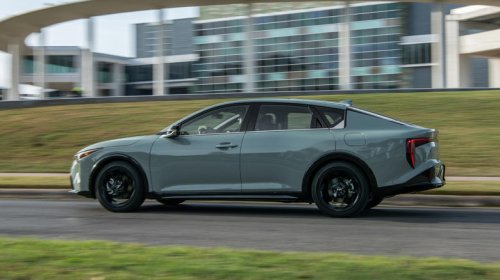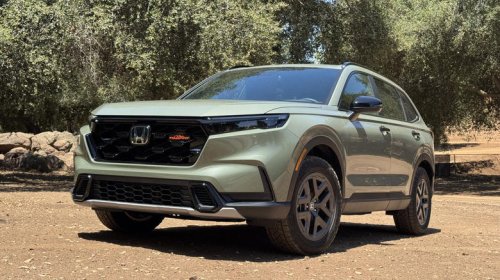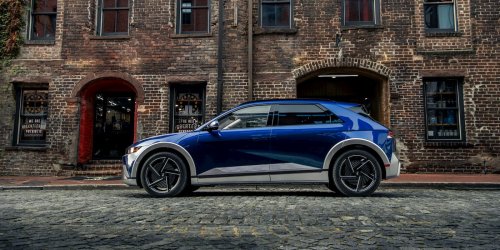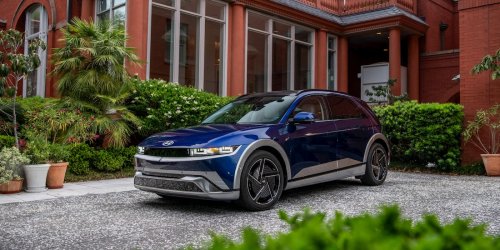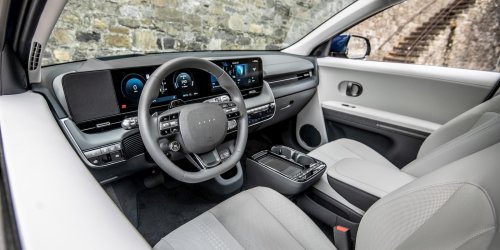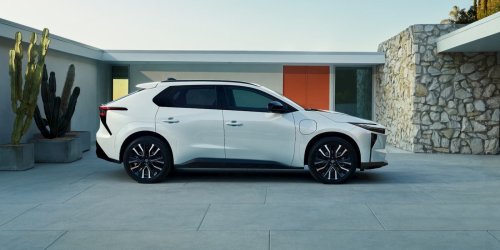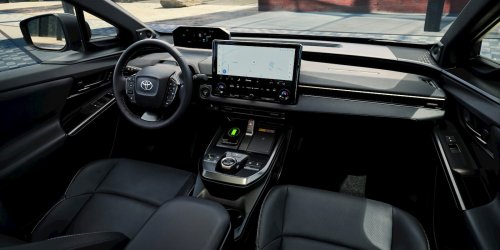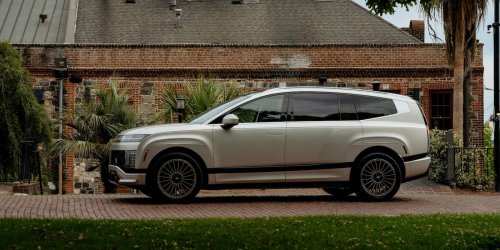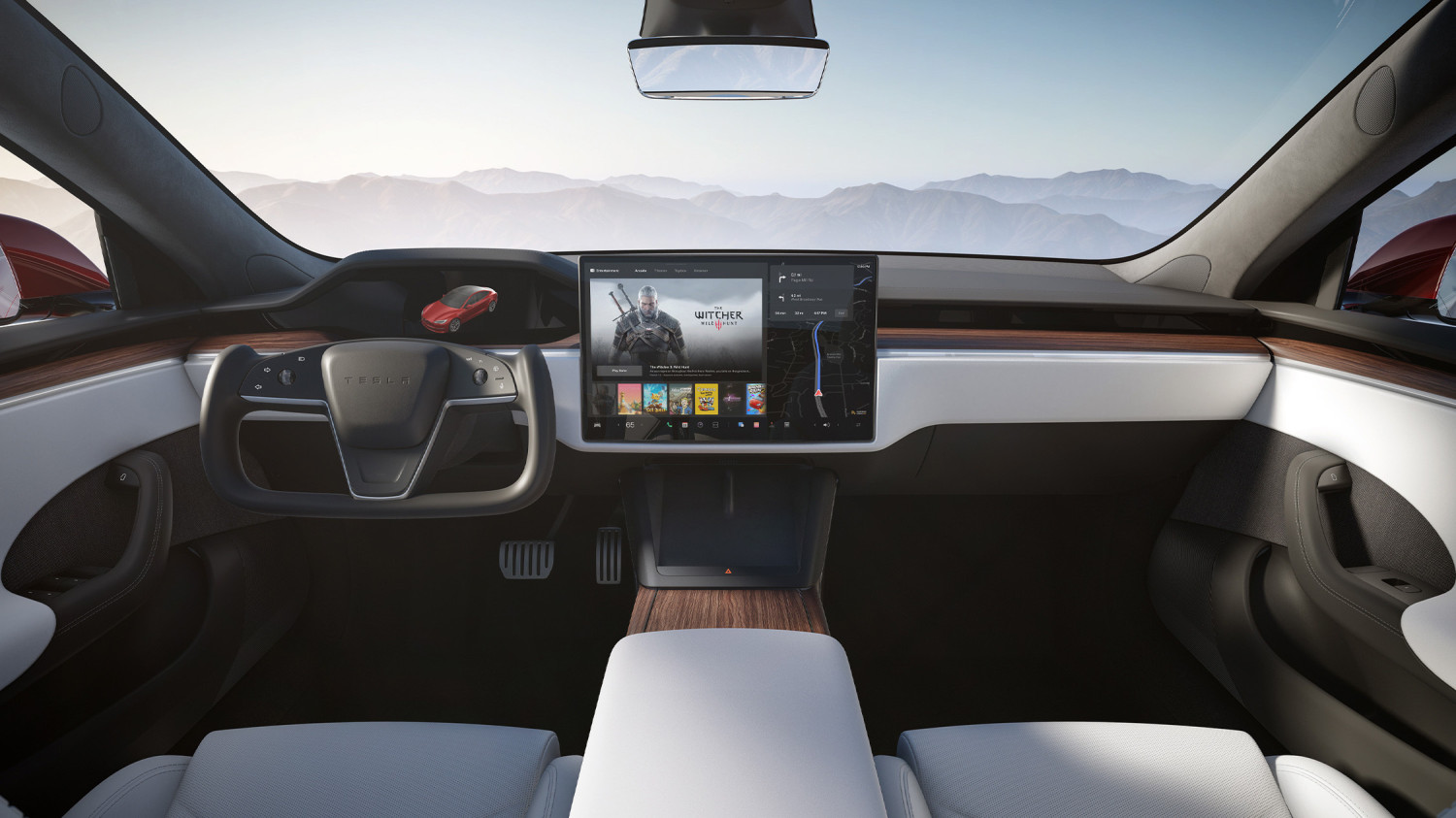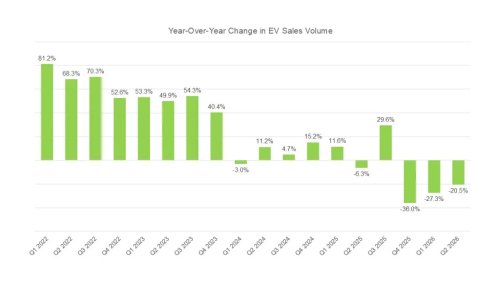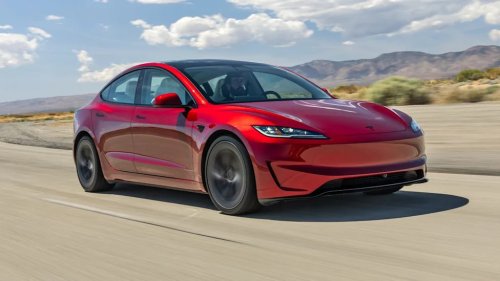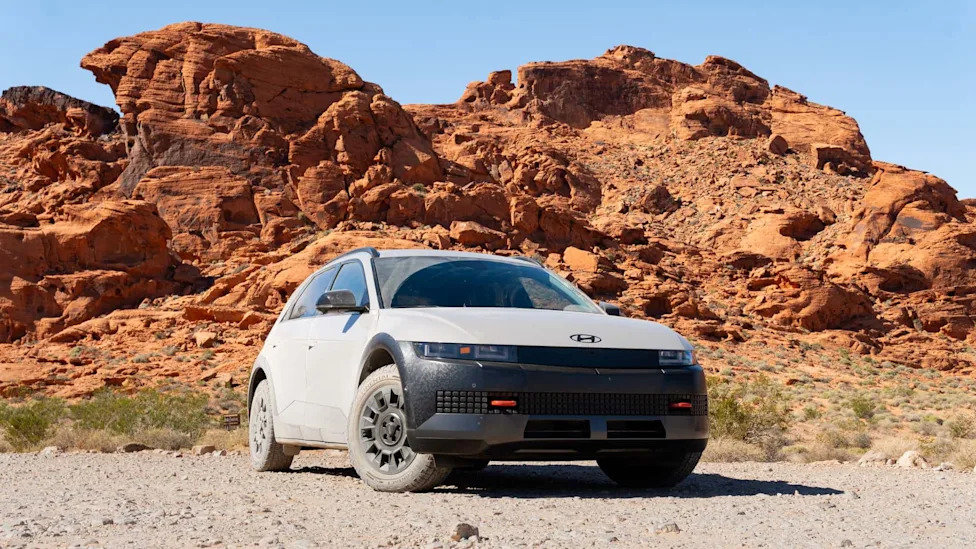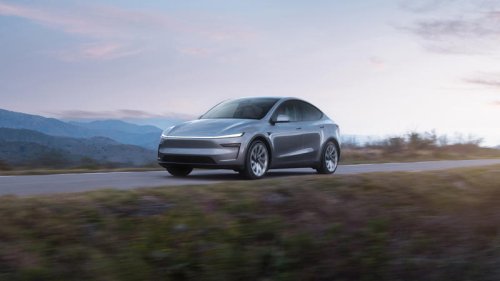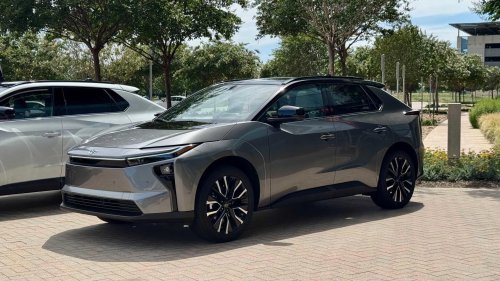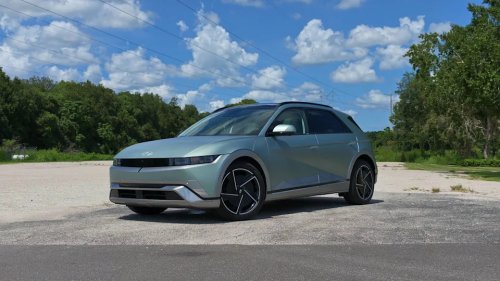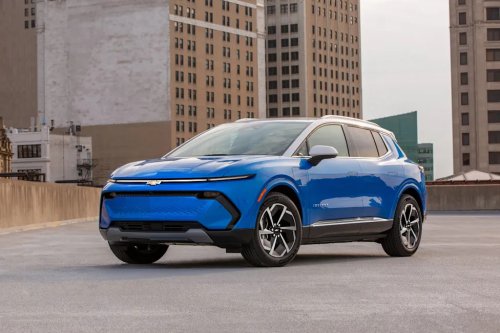
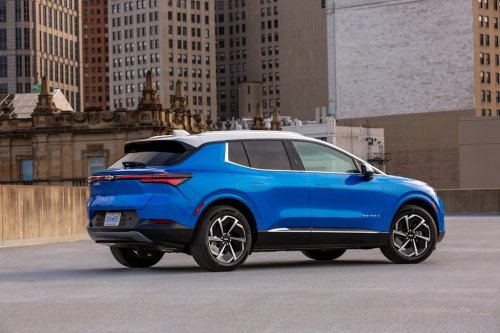
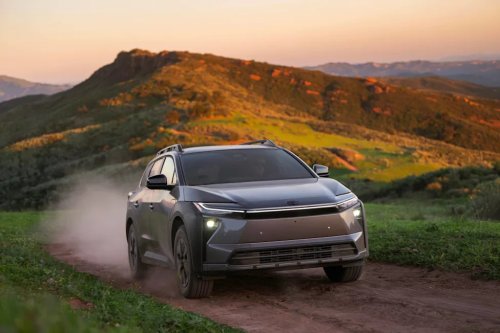
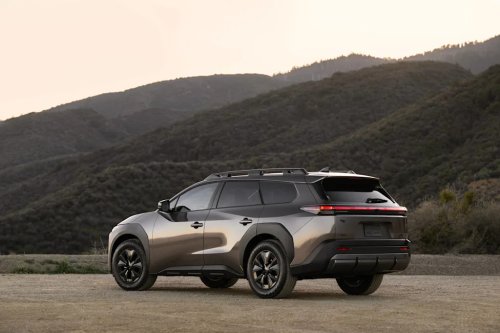
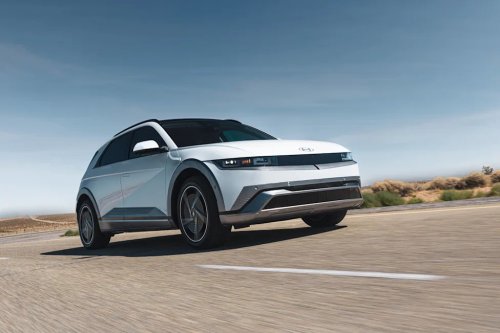
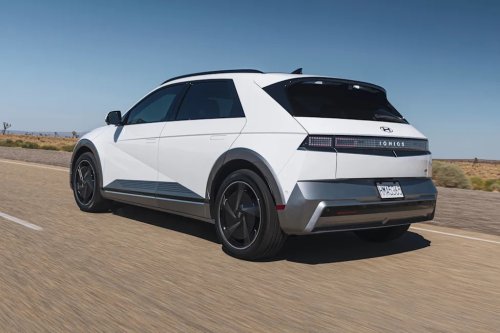
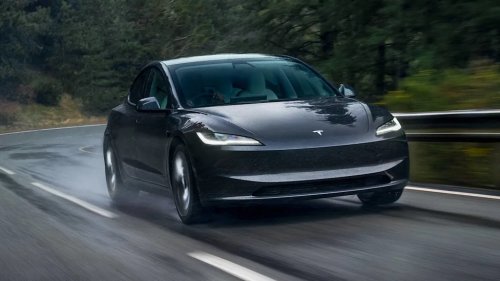
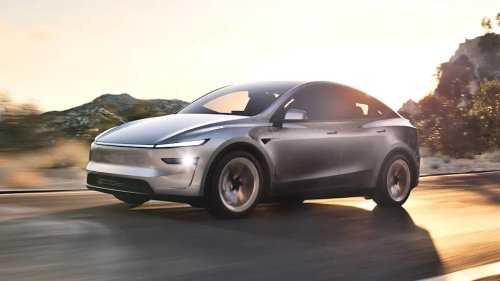
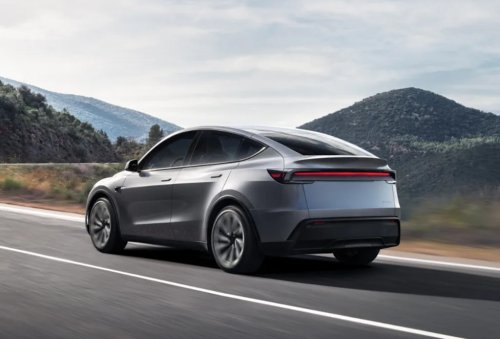



















Autoblog and Yahoo may earn commission from links in this article.The 2026 EV sales charts is more complicated than simple growth or decline in the market. Demand has cooled and incentives have shifted, yet a handful of battery-electric models still deliver remarkably strong volume, led by familiar names and a few fast-rising challengers. We'll break down the vehicles that are thriving in a tougher market—and what their success reveals about how mainstream buyers really think about range, charging, price, and brand trust.TeslaThe five best-selling EVs of 2026 so far show a market that's still dominated by Tesla, but with meaningful pressure from Hyundai and Toyota as mainstream buyers get more selective and price-sensitive.#5: Chevrolet Equinox EV - $34,995ChevroletLast year was a banner year for Chevy's affordable EV. General Motors moved 57,945 Chevrolet Equinox EVs in the U.S. in 2025, making it the country's third-best-selling electric vehicle and the top-selling non-Tesla model last year. Six months into 2026, the model has sold 16,249 units sold. 2026 has been a tougher year so far, with Q2 sales down 62 percent and year-to-date volume off by 41 percent.AdvertisementAdvertisementEven so, its position near the top of the charts shows how critical the affordable compact crossover segment is to EV adoption. The Equinox EV offers approachable pricing that undercuts Tesla, but GM is now wrestling with a more crowded field and softer EV demand.ChevroletEven in base LT 2 FWD trim, the Equinox EV offers standard 19" aluminum wheels, LED headlights, smart power liftgate, heated front seats, a heated steering wheel, Evotex seating surfaces, configurable ambient lighting, automatic high beams, adaptive cruise control, wireless phone charger, HD surround vision, automatic climate control, remote start, 11" color driver display, and a 17.7" infotainment touchscreen with navigation and Google built-in.Battery: 85-kWh Ultium lithium-ion batteryDC fast‑charging: Peak rates around 150 kW on most versions, with some trims adding roughly 70-77 miles of range in about 10 minutes under ideal conditions.EPA range: 319 miles for front-wheel drive (FWD) models and 285 miles for all-wheel drive (eAWD) models.#4: Toyota bZ - $34,900ToyotaFourth place goes to Toyota's first electric SUV, the bZ (formerly known as the bZ4X), with 17,553 units sold in the first half of 2026 and a staggering 90 percent year-over-year increase through the first half of 2026. Q2 alone saw a 107 percent jump versus the same period last year, signaling that Toyota's slow-burn EV strategy is finally gaining traction. The bZ4X sold 15,609 units in 2025, so the changed is a marked increase in sales for the model. It's also currently outselling Toyota's own Prius.AdvertisementAdvertisementThe bZ isn't the only EV currently in the Toyota lineup. The recently arrived, redesigned, and now all-electric C-HR provides an EPA-estimated 287-mile range. The bZ, however, is larger, more powerful, and provides more range. The bZ comes in standard FWD or the larger bZ Woodland dual motor variant.ToyotaThe base bZ XLE comes standard with 18" alloy wheels, LED headlights, height-adjustable power liftgate, heated power mirrors, heated SofTex front seats, power driver's seat with lumbar, dual-zone automatic climate control, 7" driver display, 14" infotainment touchscreen with wireless Apple CarPlay/Android Auto, remote keyless entry with pushbutton start, digital key, dual front wireless chargers, and an auto-dimming rearview mirror.Battery: a 57.7-kWh pack (standard on base front-wheel-drive models) and a larger 74.7-kWh pack for all-wheel-driveDC fast‑charging: Peak rates around 150 kW on most versions, with some trims adding roughly 70-77 miles of range in about 10 minutes under ideal conditions.EPA range: 314 miles for front-wheel drive and 281 miles for all-wheel drive.#3: Hyundai Ioniq 5 - $35,000HyundaiThe Hyundai Ioniq 5 is the best-selling non-Tesla EV in the U.S., with 20,730 units sold in the first half of 2026. Sales are up modestly—low single digits in both Q2 and year-to-date—which is notable in a segment where many competitors are sliding. It's not on target to sell nearly as many as the 47,039 units sold last year, but that could be the result of diminished supply more than reduced demand.AdvertisementAdvertisementHyundai's success here is no accident: the Ioniq 5's design, ultra-fast DC charging on the E-GMP platform, and approachable pricing make it feel like a thoughtfully engineered alternative rather than a discount Tesla. It's also benefiting from Hyundai's broader EV strategy, which now includes more transparent pricing, improved dealer education, and expanding charging partnerships.HyundaiThe Ioniq 5 gets a long list of standard features that includes 19" alloy wheels, LED automatic headlights, LED taillights, high beam assist, active grille shutters, automatic flush door handles, power open/close charging port, 8-way power driver's seat, heated front seats, 12.3" driver instrument display, 12.3" infotainment touchscreen, wireless Apple CarPlay/Android Auto, dual-zone automatic climate control, and proximity key with pushbutton start.Battery: two choices in the form of either a 63 or an 84 kWh pack depending on trim.DC fast‑charging: Peak rates around 350 kW on most versions, with some trims charging 10-80% in 18 to 20 minutes under ideal conditions.EPA range: 245 miles for standard range, 290 miles for long range AWD, and 318 miles for long range RWD.#2: Tesla Model 3 - $36,990TeslaIn second place is the Tesla Model 3, which should come as no surprise since it was the world's best-selling EV until it was unseated by its own stablemate in 2020. Its position is solidified in 2026 with an estimated 66,616 units sold in the first half of the year. The sedan is down roughly a third year-over-year, reflecting both the broader cooling in EV demand and the market's shift toward crossovers.AdvertisementAdvertisementStill, the Model 3 hangs on as the go-to choice for buyers prioritizing efficiency and software experience over ride height and cargo space. Its continued volume shows that, even as shoppers gravitate to SUVs, there's still room for a well-executed electric sedan with strong real-world range and charging support.TeslaStandard feature highlights on the Model 3 include 18" alloy wheels, LED adaptive headlights, automatic high beams, textile and vegan leather upholstery,, heated front seats, a heated steering wheel, a 15.4-inch center touchscreen, and a 7-speaker audio system, full self-driving capability, dual-zone automatic climate control, panoramic glass roof, ambient lighting, two wireless phone chargers, and a hands-free power trunk.Battery: two choices in the form of either a 60 or an 82 kWh pack depending on trim.DC fast‑charging: Peak rates around 250 kWh, adding 10-80% charge in approximately 30-35 minutes.EPA range: 309 miles for performance all-wheel drive, 321 miles for rear-wheel drive, and 363 miles for premium rear-wheel drive or all-wheel drive.Thinking about selling your car? Get an instant cash offer online now. Click here to get started.#1: Tesla Model Y - $39,990TeslaThe Tesla Model Y remains the runaway leader since its introduction in 2020, with an estimated 163,454 units sold in the U.S. in the first half of 2026. Despite overall EV softness, Model Y sales are actually up—around 8 to 9 percent year-over-year—underscoring its position as the default choice for many shoppers moving from ICE to electric.AdvertisementAdvertisementIts formula hasn't changed much: strong range, a robust Supercharger network, and relentless over-the-air updates keep it feeling current even as new rivals appear. What has changed is pricing and incentive structure, which have made the Model Y feel more like a high-volume family appliance than an aspirational tech object.Standard feature highlights on the Model Y include 18" alloy wheels, LED adaptive headlights, automatic high beams, textile and vegan leather upholstery, heated front seats, a heated steering wheel, a 16"-inch" center touchscreen, and a 7-speaker audio system, full self-driving capability, dual-zone automatic climate control, panoramic glass roof, ambient lighting, two wireless phone chargers, and a hands-free power liftgate.Battery: two choices in the form of either a 60 or an 86 kWh pack depending on trim.DC fast‑charging: Peak rates around 250 kWh, adding 10-80% charge in approximately 30-35 minutes, adding approximately 150-200 miles.EPA range: 294-357 miles depending on trim level and driven wheels. Performance all-wheel drive nets 306 miles, while the base rear-wheel drive delivers 321 miles.Final ThoughtsTaken together, the top five best-selling EVs of 2026 highlight a market that's evolving more than it is collapsing. Tesla remains the runaway volume leader, but the growth exists with brands like Hyundai and Toyota, which are winning incremental buyers by making EVs feel normal and approachable, rather than on-offs.AdvertisementAdvertisementAs always, range and charging still matter, but trust, price stability, and brand familiarity are increasingly driving sales. For automakers chasing Tesla, which is pretty much everyone, that means less emphasis on bold specifications and more on getting the everyday EV ownership experience right.This story was originally published by Autoblog on Jul 21, 2026, where it first appeared in the Features section. Add Autoblog as a Preferred Source by clicking here.