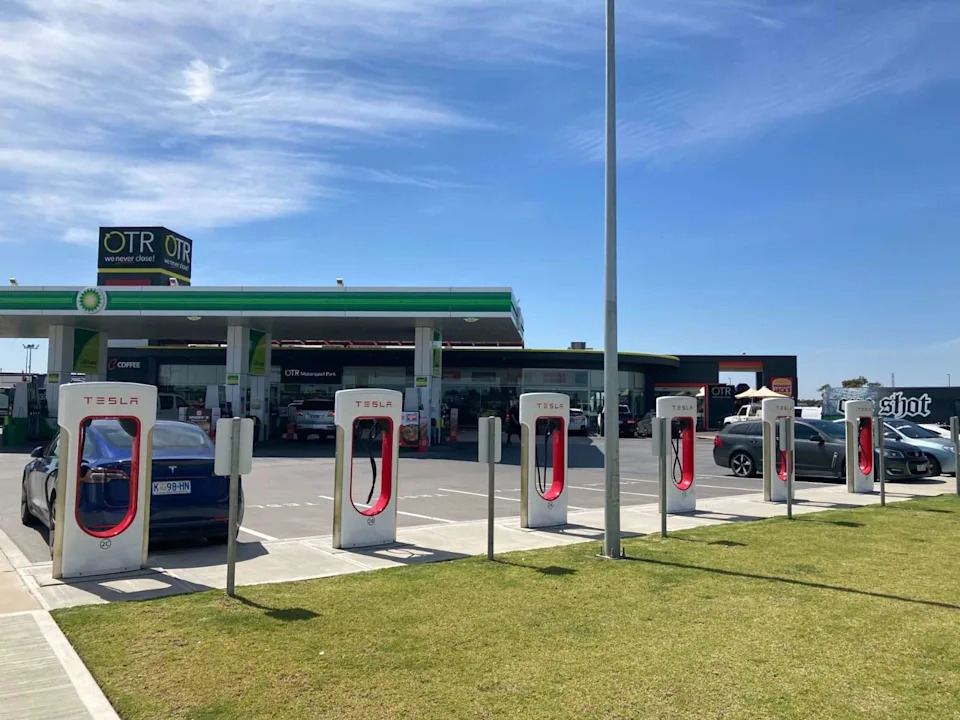
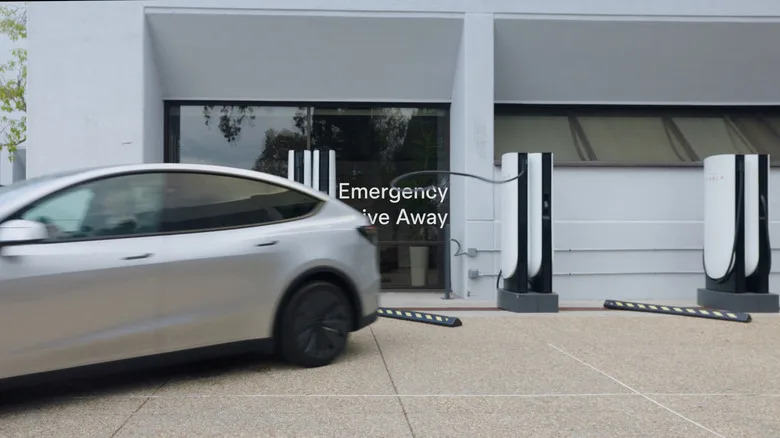
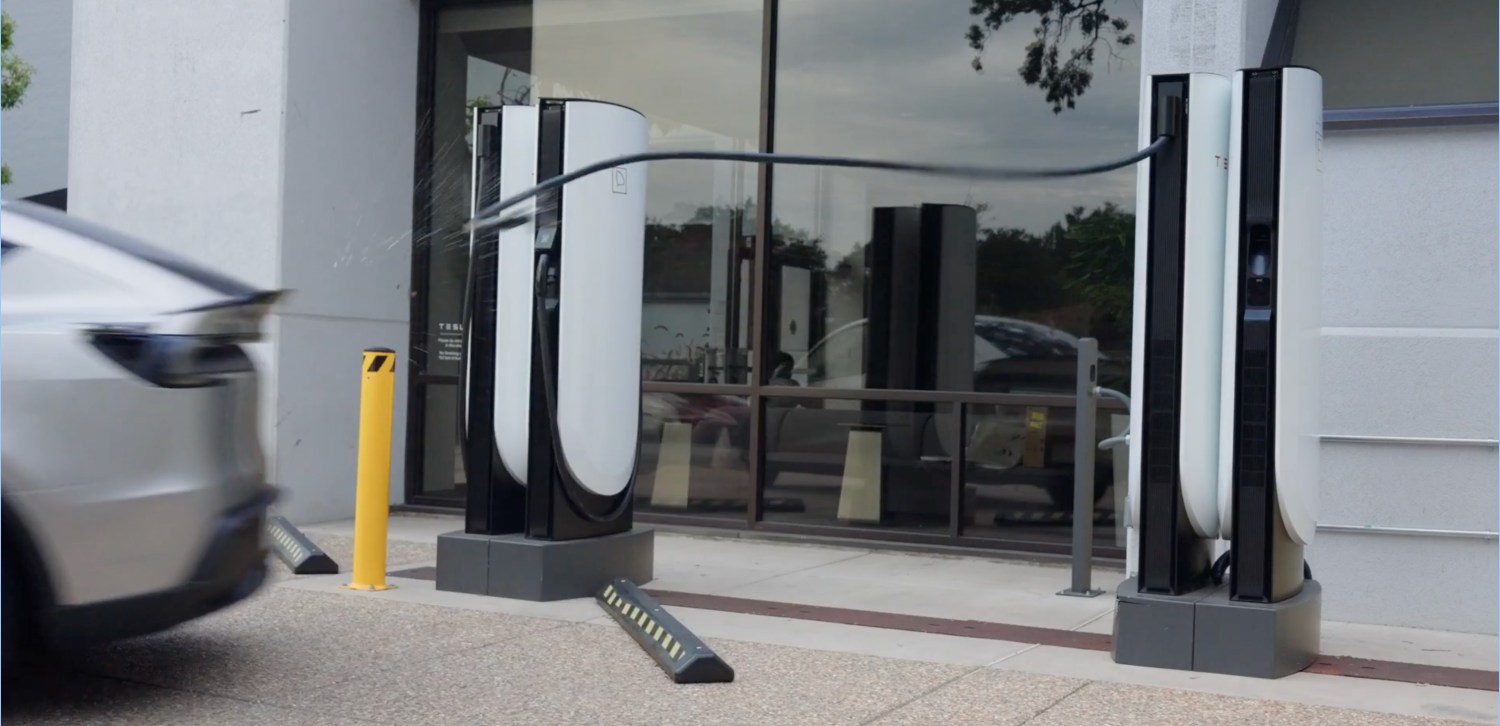
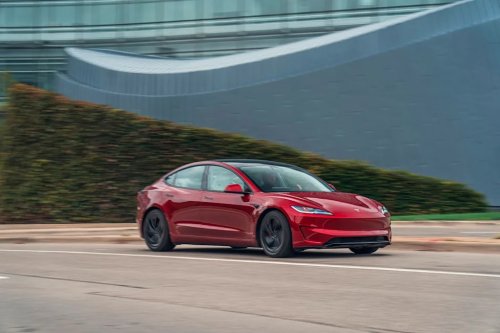
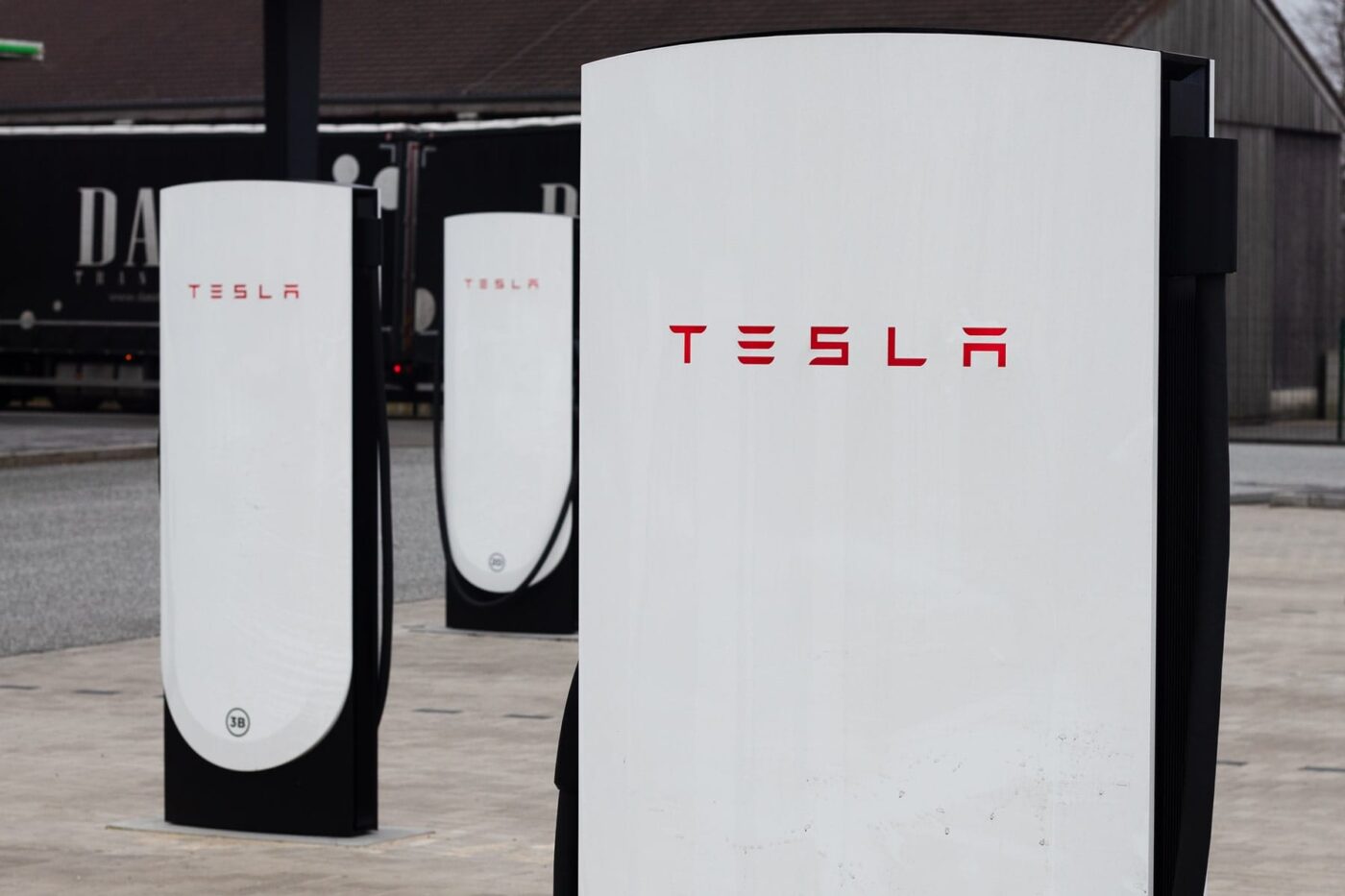
Image: Daniel BönnighausenIn a post published on platform X, Tesla’s charging infrastructure division, ‘Tesla Charging’, outlined its key strategies for managing traffic flows. The goal is to guide drivers using the route planner in such an intelligent way that the total journey time – including charging stops – is kept as short as possible. This includes avoiding wait times at overcrowded Supercharger locations. The post adds: “For the rare times when a wait does occur, we need to provide the most accurate estimates so you can plan with confidence.”The Tesla route planner is set to receive even more data to enable smarter selection of Superchargers in the future. Its machine-learning model is based on an approach that monitors real-time traffic within a geofenced area around Superchargers and predicts how many vehicles – including those from third-party brands, which can now also use Superchargers – intend to charge there. This is expected to improve predictions about Supercharger utilisation and queue lengths.Tesla Charging also highlights the challenges: “Supercharger sites are often co-located with amenities, offering convenient stops while you charge. The mixed purpose traffic at these sites makes queue predictions challenging, but we found a fix.” The key, it seems, is to better identify vehicles that intend to charge. The updated machine-learning model is designed to do exactly that. It has been trained using 9 million miles of aggregated and anonymised vehicle movement data within Supercharger geofences worldwide and reduces the error rate in estimating queue lengths to 20 percent. The result? “That means in the very rare case of 10+ vehicles waiting, we can now predict the expected queue with an error of just 1-2 vehicles.”According to Tesla, this high level of predictive accuracy is made possible by its vertical integration, making it ‘uniquely positioned to deliver this level of charging intelligence’. As the portal Heise notes, Tesla is simultaneously a charging network operator, route planner provider, and car manufacturer, which underscores this high degree of integration. Nevertheless, the company acknowledges that further work is needed to refine these forecasts: “We are already working on the next release,” the statement concludes.x.com via heise.de (link in German)

















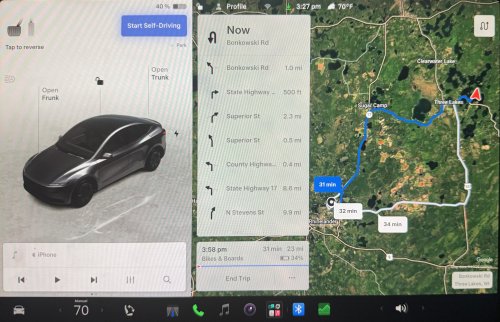
 +17 others