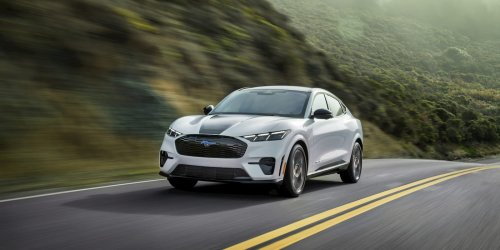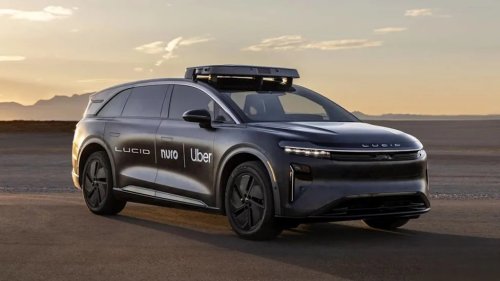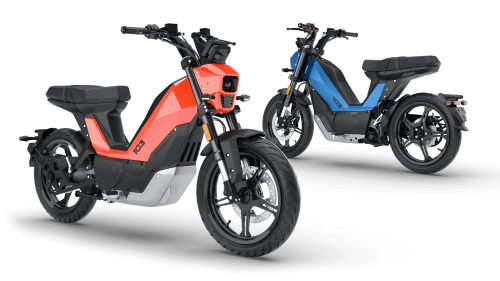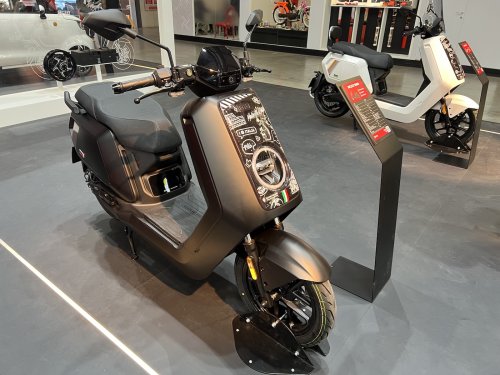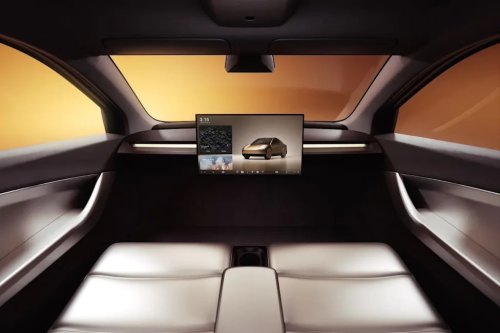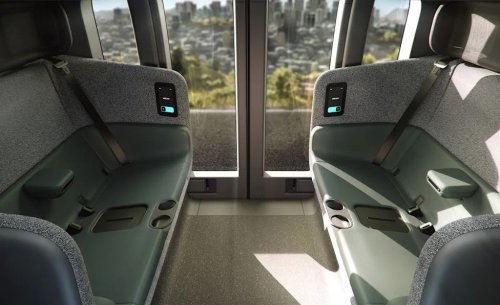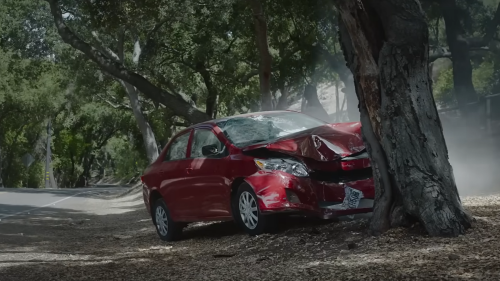
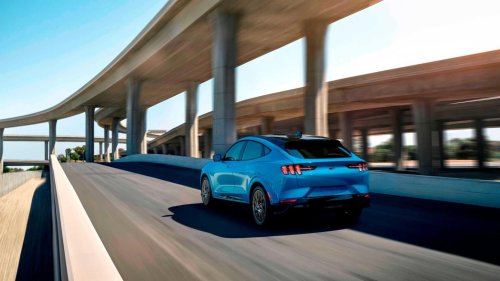
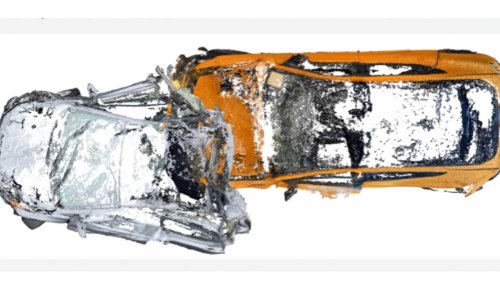



















It's tempting to feel a sense of security on the road when considering all the driver-assistance technologies that are fast becoming standard equipment, from lane-keeping and blind-spot warning to automatic emergency braking and adaptive cruise control. While those features are among the building blocks for autonomous vehicles and have logged millions of real-world miles on American roads, the sad truth is sobering.According to National Highway Traffic Safety Administration data, 39,254 people died in US car crashes in 2024 and another 2.4 million were injured. The agency estimates more than 36,000 fatal car wrecks in 2025.NHTSA A key argument for autonomous vehicles is that they will be safer, will obey traffic rules, will improve mobility for the elderly and disabled, won't drive drunk, and won't speed or take unnecessary risks. But according to the Advocates for Highway and Auto Safety, a non-profit Washington lobbying organization, much work needs to be done because there are no federal motor vehicle safety standards specific to autonomous vehicles.The organization released the results of an online survey done last month to take the public's pulse on autonomous passenger vehicles and heavy-duty trucks and the need to regulate them. And the results are interesting to say the least. Bikers Deserve Protection Verge Motorcycles “Americans are calling for common sense safety protections that address the risks they face on our roads every day,” said Cathy Chase, president of Advocates for Highway and Auto Safety. “That means minimum federal safety standards for AVs, stronger requirements for automatic emergency braking (AEB) systems to protect pedestrians, bicyclists and motorcyclists, state laws to stop dangerous repeat speeding and reckless driving offenders, and better safeguards for sharing the road with large trucks."Big Village surveyed 2,023 adults online from March 4-8, and interviews were weighted by age, sex, geographic region, race, and education to reflect the US adult population.Advocates for Highway and Auto Safety"Leaders at all levels of government should treat these poll results as a clear mandate to act.”–Cathy ChaseWhile all cars sold in the US starting in 2029 will be required to have automatic emergency braking, the mandate applies to protecting pedestrians but does not mention motorcycle or bicycle riders. Advocates support extending that protection to "vulnerable road users" through the Magnus White and Safe Streets For Everyone Act (H.R. 7353) sponsored by Reps. Yvette Clarke (D-NY) and Joe Neguse (D-CO). The poll found 73% of respondents support requiring AEB to also protect bicyclists and motorcyclists. Separately, an AEB mandate for heavy trucks was included in the Infrastructure Investment and Jobs Act, but the rulemaking process has not been completed.Advocates for Highway and Auto Safety The new survey finds the public leery of driverless vehicles, as 81% of respondents are concerned about sharing the road with them and 85% of respondents worried about driverless tractor-trailer and delivery trucks. But if companies had to meet minimum government safety requirements, 61% of respondents said their concerns would be addressed.Before a driverless car is allowed on public streets, should it be required to pass a "vision test?" Among poll respondents, 76% said yes, and 74% of respondents want manufacturers required to disclose the conditions in which their autonomous vehicles can safely operate and ensure they do not operate outside those parameters. Ford BlueCruise Fatal Accidents Ford Just last week, the National Transportation Safety Board released results of an investigation into two 2024 fatal crashes involving BlueCruise partial automated driving systems onboard 2022 Ford Mustang Mach-Es driven in Philadelphia (March 3, two dead) and San Antonio (Feb. 24, one dead). In both cases, no driver-applied or system-initiated braking or steering was recorded by the Ford EVs in the moments before impact, the NTSB said. The agency provided illustrations of the crashes including the Philadelphia wreck, as shown below.NTSB“This investigation highlights the urgent need for stronger safety standards and better oversight of automated driving systems.”–NTSB Chair Jennifer Homendy Other findings from the Advocates survey: 78% support requiring companies to report crash and incident information to the US Department of Transportation. 79% agree there should be safety standards for remote personnel who provide guidance to driverless vehicles. 72% support laws requiring convicted “super speeders” to install intelligent speed assistance tech in their vehicles for a set period of time. 75% agree there should be a behind-the-wheel driver training requirement for individuals seeking a commercial driver’s license. As development continues for autonomous vehicles, the US cannot follow Silicon Valley’s “move fast and break things” mantra when it comes to road safety, Advocates spokesman Shane Austin told CarBuzz via email. "While these vehicles won’t drive impaired or distracted, they must perform as well or better than the best human drivers on the roadway."That is easier said than done. Today's ADAS technologies on millions of cars have failed on many occasions to prevent a crash by not properly identifying and responding to the roadway environment."There is a problem with overreliance on these systems by human drivers, and there are some companies who have marketed their tech as being advanced enough to operate with little or no human involvement," Austin said. "There are no vehicles for sale to consumers in the US market today that allow a human driver to take their focus off the driving task."