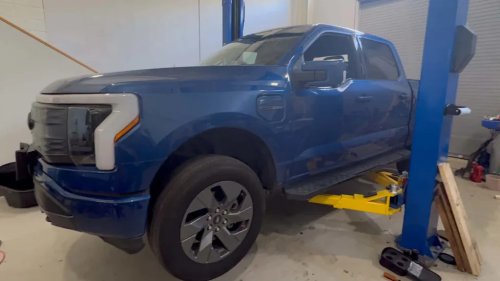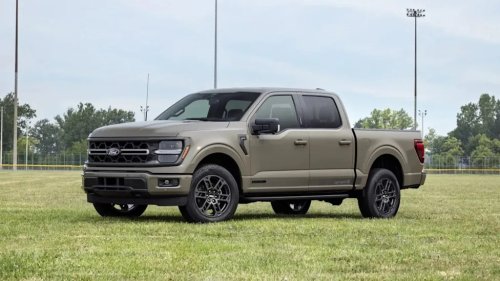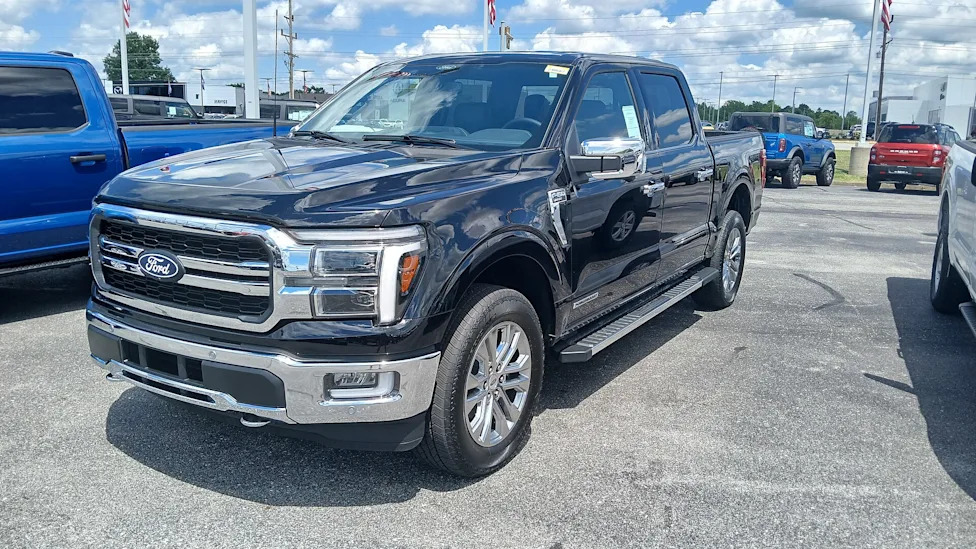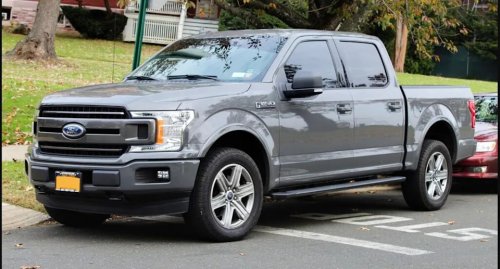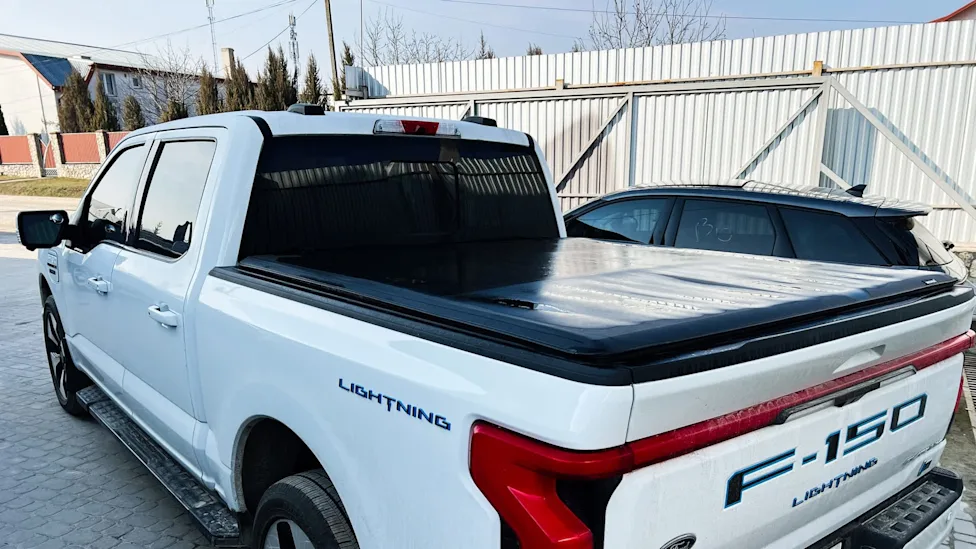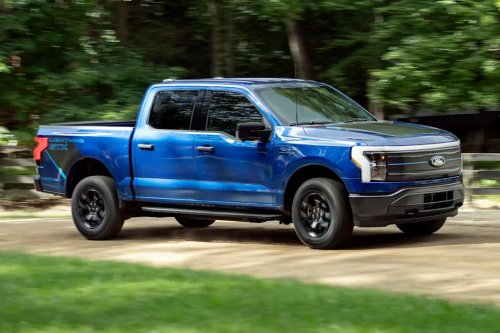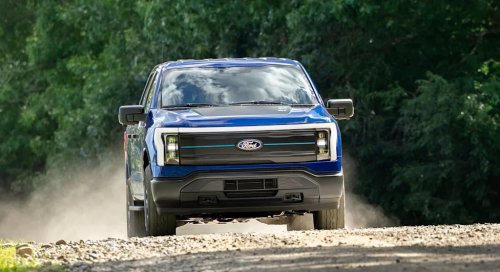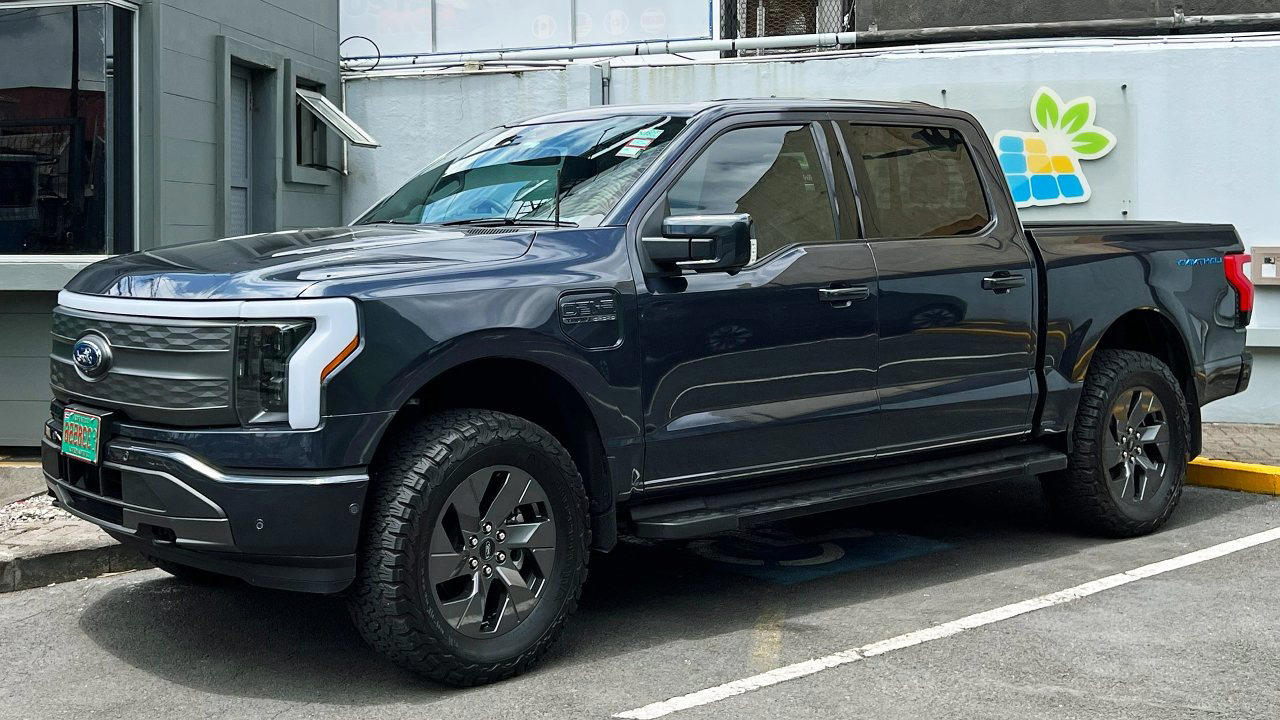



















Ford’s F-150 Lightning stop-sale sparks serious safety worriesIf you own or are considering a Ford F-150 Lightning, the latest stop-sale tied to safety recalls is not an abstract corporate hiccup. It reaches directly into your driveway, your commute, and your confidence that a parked truck will stay put or that its steering and brakes will respond when you need them. As Ford winds down the all-electric Lightning program and pivots to a plug-in hybrid successor, you are left with a truck that is both a technological milestone and a magnet for safety investigations, software patches, and hardware fixes. How the latest stop-sale fits into a long recall trail To understand why the current halt on new Lightning deliveries feels so serious, it helps to see it in the context of an expanding recall record. Filings with the National Highway Traffic Safety Administration (NHTSA) show that Ford has been grappling with multiple defects that affect how these trucks steer, stop, and even stay parked. You can review the official recall entries yourself through the NHTSA recall portal. One of the largest actions involves a defect in the integrated park system. Ford is recalling 272,645 vehicles that include F-150 Lightning and Mustang Mach models, described as Lightning and Mustang Mach, Among Ford Models Recalled Due to Rollaway Risk, because the transmission may not fully enter the park position. That figure, 272,645, comes directly from recall documentation linked through Ford is recalling affected vehicles. Further filings with the National Highway Traffic Safety Administration explain that the integrated park component may fail to lock into the Park position when requested, which raises a clear rollaway risk if you park on a slope or in a crowded area. That technical description is detailed in a separate summary that outlines how the defect can prevent the system from properly engaging park, as noted in According to filings with the National Highway Traffic Safety Administration, NHTSA. Steering, suspension, and braking: more than one safety front The park issue is not the only safety problem you have to track. Ford recalls almost 12,000 F-150 Lightnings over a steering problem, specifically 11,922 2023 to 2024 Lightning BEV trucks, as described in a social media notice that points owners to the NHTSA recall page. That figure, almost 12,000 and the exact number 11,922, appears in a post that highlights how many Lightnings are affected, which you can see referenced in Ford recalls almost Lightnings. Separate documentation describes suspension issues that can lead to a loss of steering control. In that recall, the National Highway Traffic Safety Administration reports that front upper control arm ball joint nuts may not be properly tightened on 2023 to 2024 F-150 Lightning trucks, which can increase crash risk. You can confirm those details in the summary of how National Highway Traffic that loose ball joint nuts compromise the suspension. Braking has drawn attention as well. A small group of 2025 trucks face a safety recall for a brake fluid leak that can cut braking performance, as described in a report that characterizes the action as a tiny recall but still a serious brake risk. That recall highlights how even a handful of trucks can present a significant hazard if a leak reduces stopping power, a scenario outlined in Ford Issues Tiny Lightning Over Serious Brake Risk. Another braking-related issue arises from improper factory repair work. According to a recall document published by the National Highway Traffic Safety Administration, some Ford F-150 Lightning trucks that boast 775 lb. ft. of torque may have braking problems if earlier repairs were not done correctly. That combination of high torque and potential brake issues is described in a summary that asks What is Buzzscore and then details the recall, which you can find through According to a document. Electrical and lighting fixes that still matter for safety Not every recall sounds dramatic at first glance, yet small components can still affect how safely you drive at night or in bad weather. Ford has issued a Recall Reference Number 23S30 for 2022 to 2023 Ford Lightning F-150 Platinum and LARIAT trucks that have rear light bar lamps which may not function correctly. That recall, described as affecting Ford Lightning, Platinum and LARIAT models, is explained in detail in Recall Reference Number 23S30. Another official campaign, Recall Reference Number 23S35, covers F-150 trucks from 2021 to 2023 and focuses on a rear axle wiring bundle harness. The description emphasizes that Keeping Ford drivers and passengers safe is the most important job and that the harness issue could affect vehicle operation. That language appears in the explanation for Recall Reference Number 23S35, which applies to the broader F-150 line you might cross-shop with the Lightning. Battery-related actions also factor in. In one owner discussion, Ford recalls some 2022 to 2024 F150 lightnings due to a battery defect and recommends that you only charge them to 80% until repaired. The recall code 25S18 is mentioned there, along with the explicit guidance that 80% is the temporary cap, which you can see in Ford recalls some F150 lightnings due to a battery defect. How the park failure recall deepens rollaway fears The integrated park failure that triggered the latest stop-sale stands out because it affects what you expect to be the safest moment in any trip: when the truck is stationary. The recall notices explain that the integrated park component may not lock into Park when requested, which can let the vehicle roll unexpectedly. That risk is at the center of the recall that covers 272,645 vehicles including Lightnings, Mach-Es, and Mavericks, described as Ford Recalls 272,000 Lightnings, Mach-Es & Mavericks Because the system may not lock into Park, as referenced in Ford Recalls 272,000 Lightnings, Mach, Mavericks Because. Another summary of the same defect notes that the F-150 Lightning, Mustang Mach-E, and Maverick Hybrid may not go into park, and that this is not even the worst part. That description of Lightning, Mustang Mach, Maverick Hybrid captures the sense that a basic expectation of safety is at stake, which you can see echoed in Lightning, Mustang Mach and Maverick Hybrid recall coverage. One owner account describes a dealer visit to update the software of a 2025 Ford F-150 Lightning for Ford recall 25C69 or NHTSA recall 25V863, which relates to the truck not properly entering park. The description mentions that the technician came to address the issue that the vehicle may not stay in park, as outlined in a video labeled Lightning for Ford NHTSA recall 25V863. What the end of the all-electric Lightning means for you While you navigate these recalls, you also face a larger shift. Ford has decided to discontinue the all-electric F-150 Lightning and replace it with a plug-in hybrid version that brings a gasoline engine back into the picture. The company describes how the truck will come full circle, with an upcoming plug-in hybrid that uses a range extender combustion engine after the battery-powered Lightning struggled in the market, as described in Ford pulls the on the all-electric F-150 Lightning pickup truck. Another analysis frames the move as part of a massive EV pivot. Like rival Ram, Ford is getting out of the electric truck market, and the battery-powered Ford F-150 Lightning has officially been canceled in favor of a plug-in hybrid with a range-extender combustion engine. That comparison, which states Like rival Ram, Ford is making this shift, is laid out in Like rival Ram, Ford Lightning coverage. More from Fast Lane Only Unboxing the WWII Jeep in a Crate 15 rare Chevys collectors are quietly buying 10 underrated V8s still worth hunting down Police notice this before you even roll window down