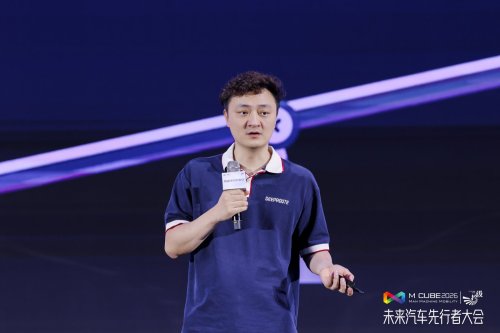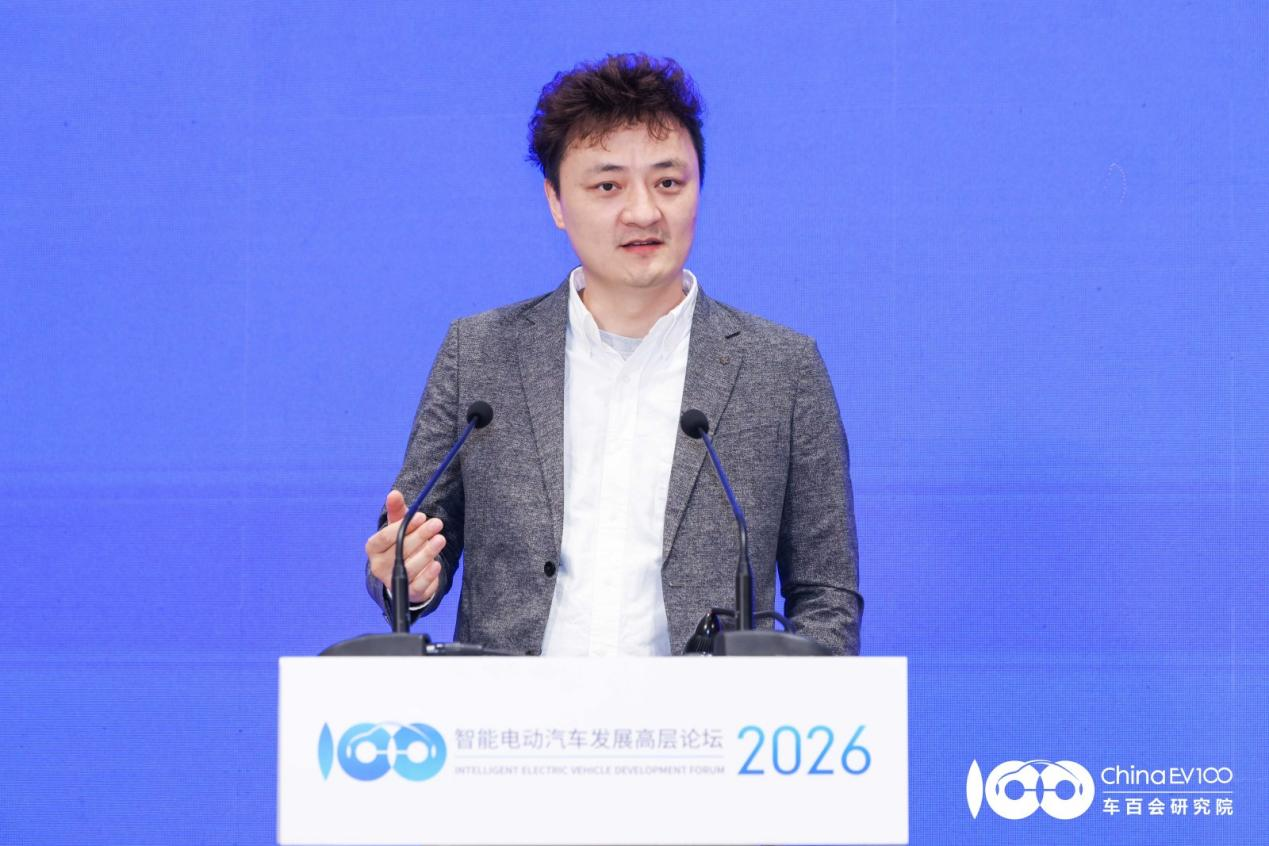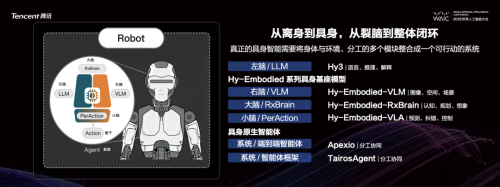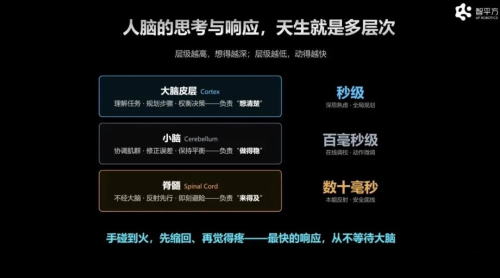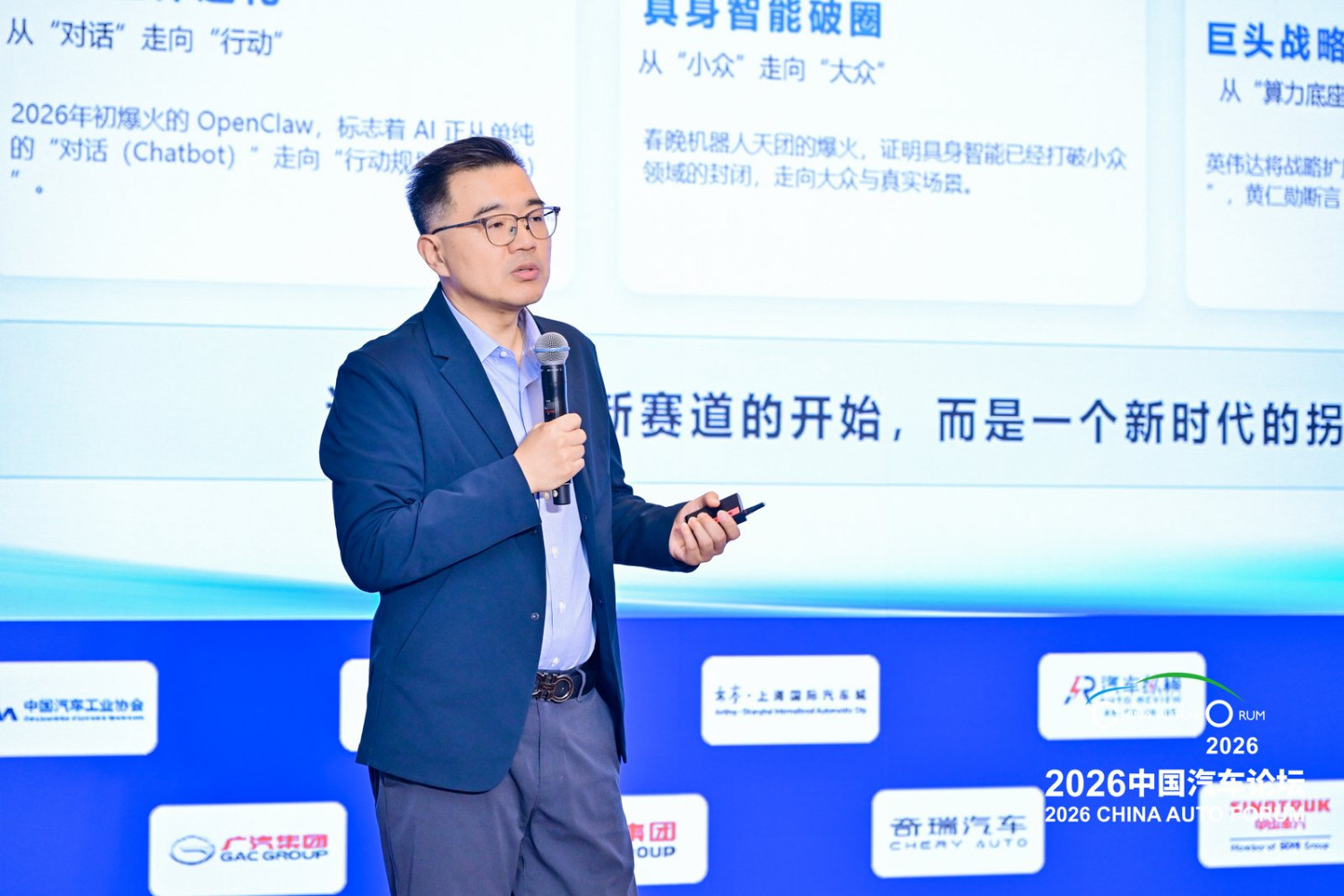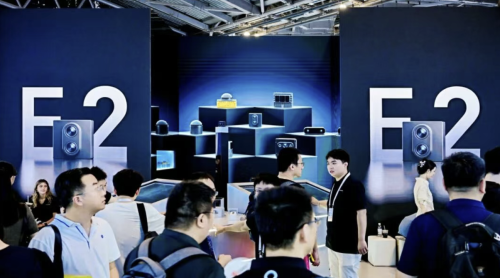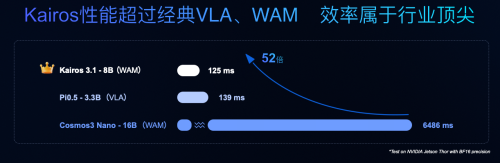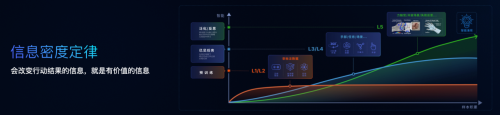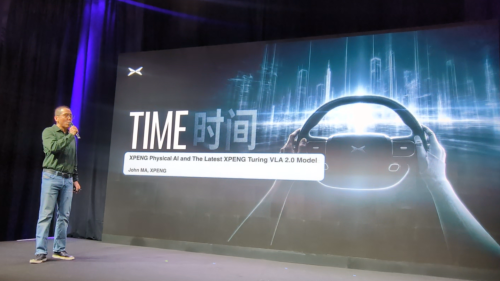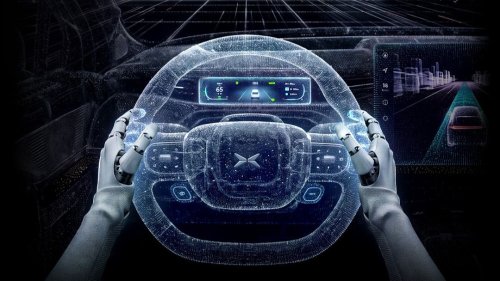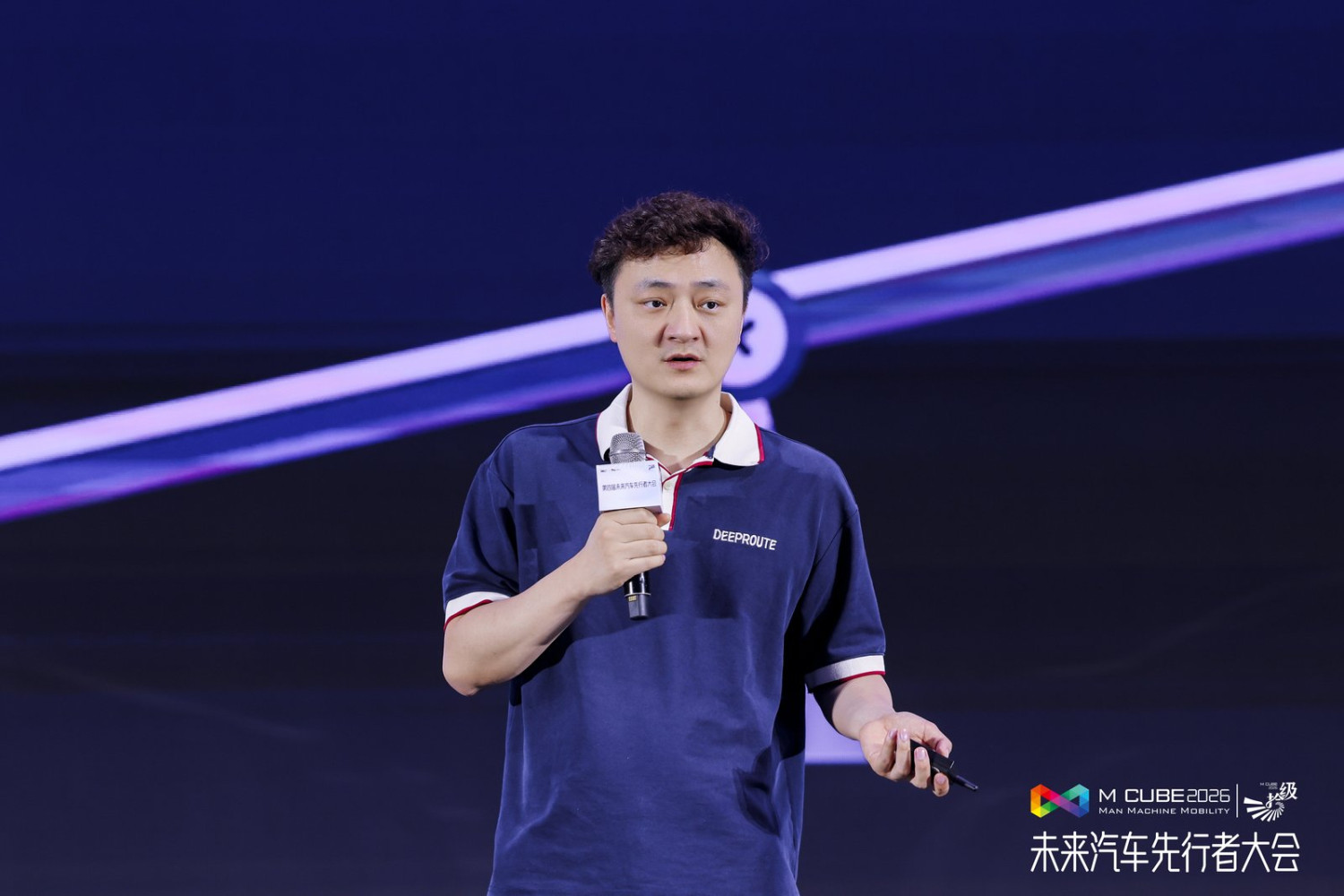


















Gasgoo Munich- "More input, less progress." Zhou Guang, CEO of DeepRoute.ai, laid bare the smart driving industry's most uncomfortable truth with a blunt remark at the Future Automotive Pioneers Conference.While most players obsess over squeezing single-digit percentage gains out of "end-to-end" models, Zhou declared the end of an era: small models have hit a ceiling, and this path leads nowhere.Goodbye to the 'Seesaw Effect': Small Models Hit a CeilingZhou highlighted the industry's collective dilemma: "Small models have hit their limit."He described the reality with a vivid "seesaw effect": tuning a system to handle Shanghai’s streets often degrades performance in Shenzhen. A car that handles congestion perfectly today might drive like a completely different machine on a mountain road tomorrow.This "whack-a-mole" approach exposes the inherent limits of traditional small models — whether early modular versions or the end-to-end iterations that emerged last year. Small models excel at "knee-jerk" local responses, not holistic understanding.Zhou illustrated the core difference with a striking example: a dog painted with zebra stripes. A small model misidentifies it as a zebra; a large model with advanced cognition correctly recognizes it as a dog.The key insight: for autonomous driving to evolve from "functional" to "reliable, everyday, and safe," it must transcend simple execution. It requires an upgrade to a "cognitive system" capable of human-like holistic judgment and generalization — a leap the small model paradigm cannot make.From Technical Dividend to Commercial ExplosionDeepRoute.ai’s answer: use the large model paradigm to solve autonomous driving’s scaling problem. Zhou emphasized that large models aren’t just "bigger small models" — they represent a complete revolution in the technology stack.DeepRoute.ai’s core weapon is a foundational model with 40 billion parameters. Its revolutionary aspect lies in its multi-role design: it fuses the capabilities of a driver, an analyst, and a critic. This means the model doesn’t just drive; it mines its own data and evaluates the quality of its driving behavior.Image Source: Future Automotive Pioneers ConferenceMarket data shared by Zhou validates the commercial value of this approach. In 2025, DeepRoute.ai’s market share surged 2.1 times year-on-year, capturing a 24% share of the third-party NOA market to rank second in the industry. He attributes this to the "technical dividend of end-to-end." As China’s first third-party supplier to launch an end-to-end solution, DeepRoute successfully converted its early tech lead into a commercial advantage.Looking ahead to 2026, DeepRoute has set an aggressive target: over 1 million vehicle deliveries and extending the interval between driver takeovers on city roads to 1,000 kilometers. That is a watershed metric. When users can drive thousands of kilometers in the city before needing to intervene, assisted driving transforms from a monthly novelty into a truly trusted daily companion. That shift could push high-frequency usage rates above 50%, even paving the way for monthly subscription models similar to Tesla’s FSD.Facing Tesla FSD: First-Mover Advantage in a Non-Consensus MarketFacing the industry shakeup as Tesla FSD prepares to enter China, Zhou displayed rare openness and anticipation.He views it as a positive signal that will elevate the industry’s understanding of "safe autonomous driving."