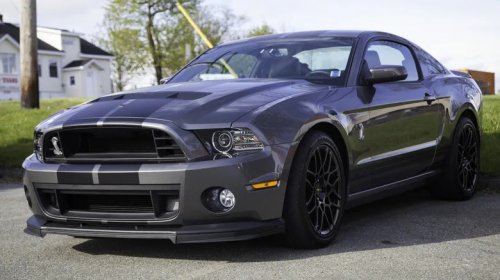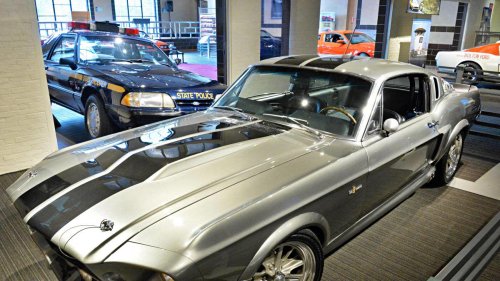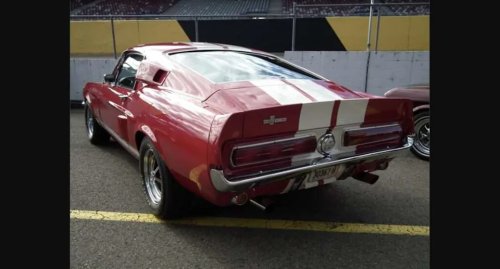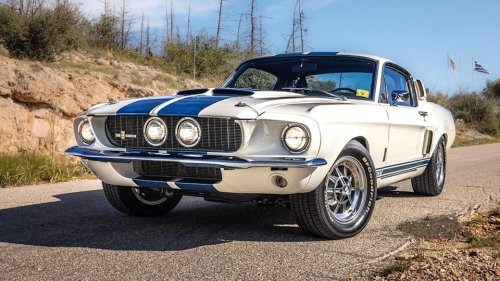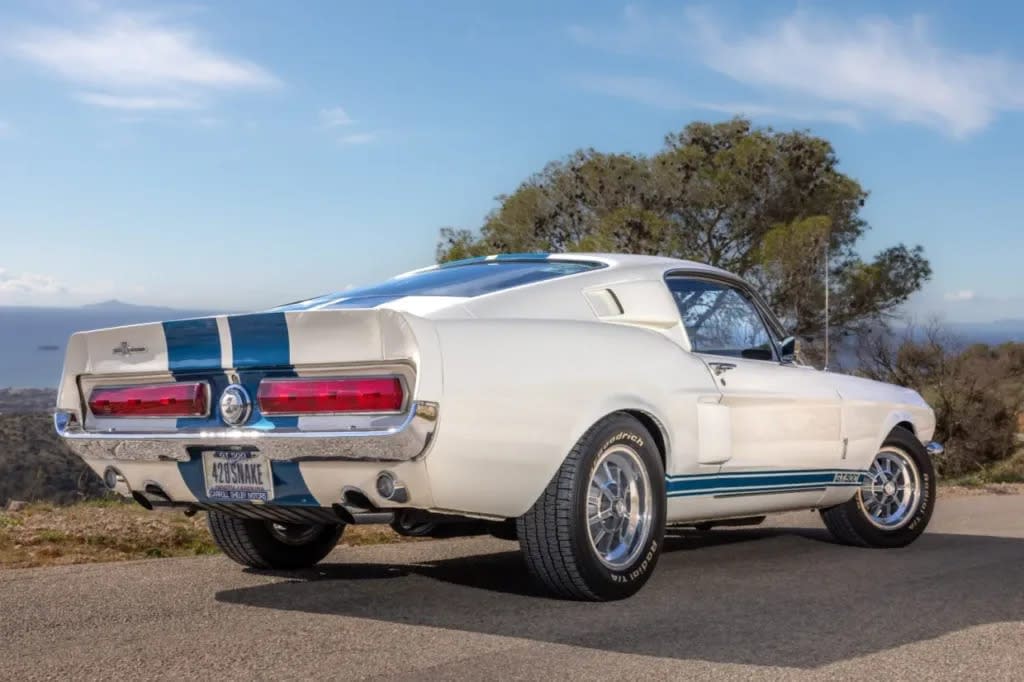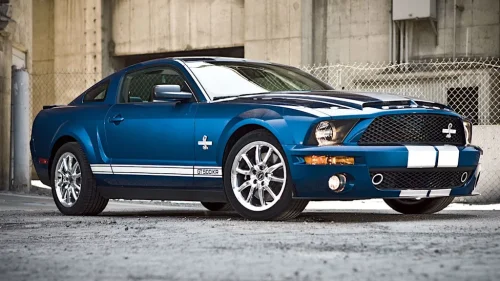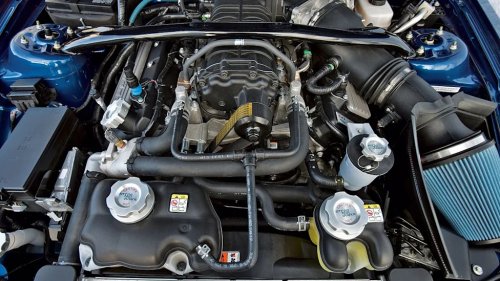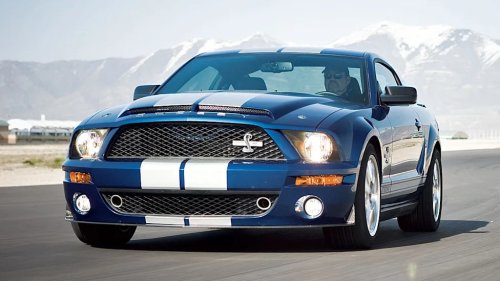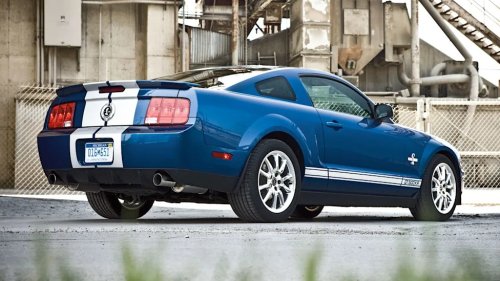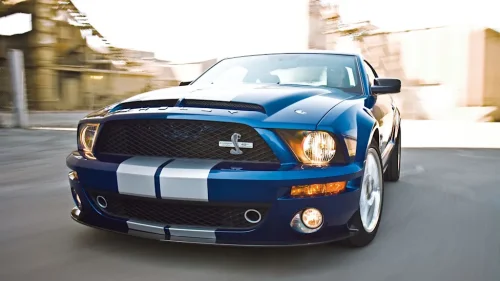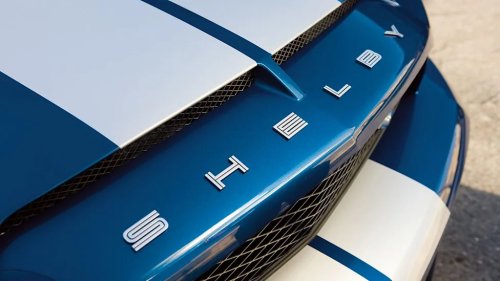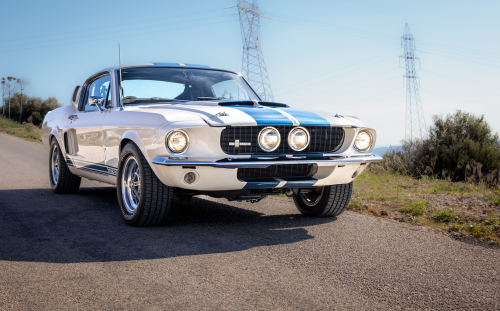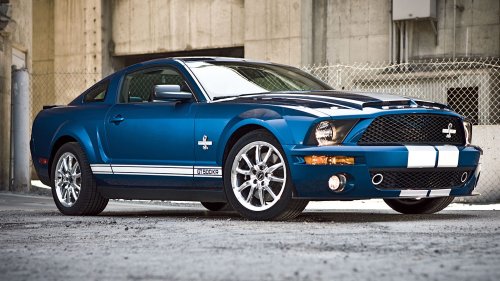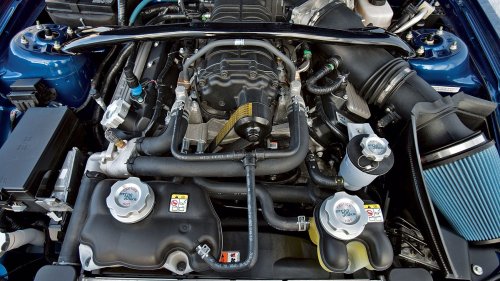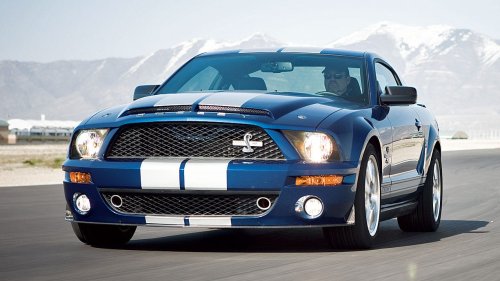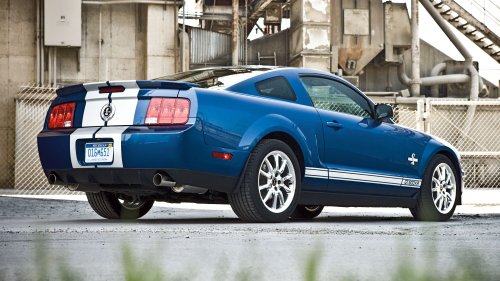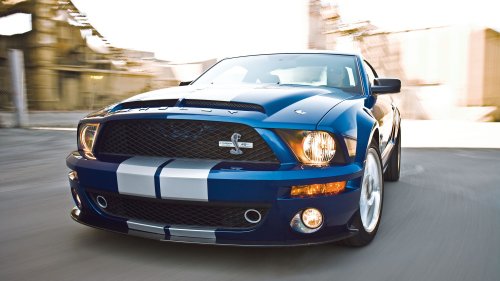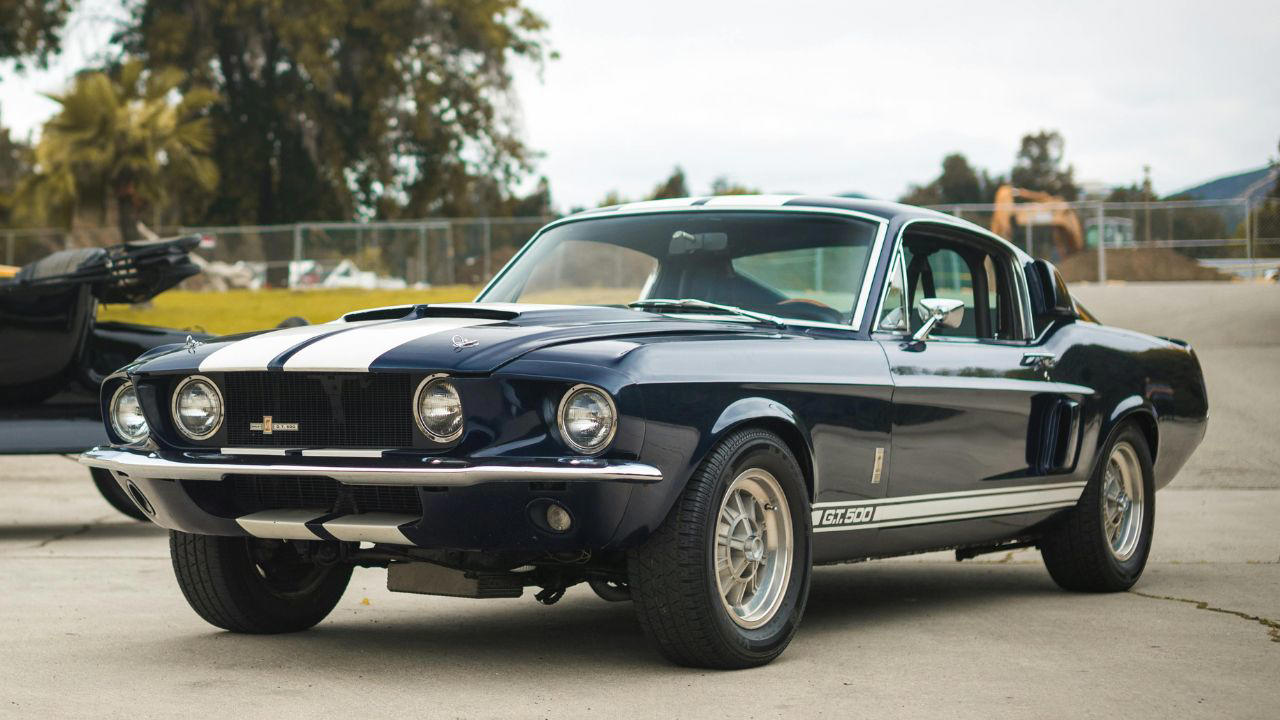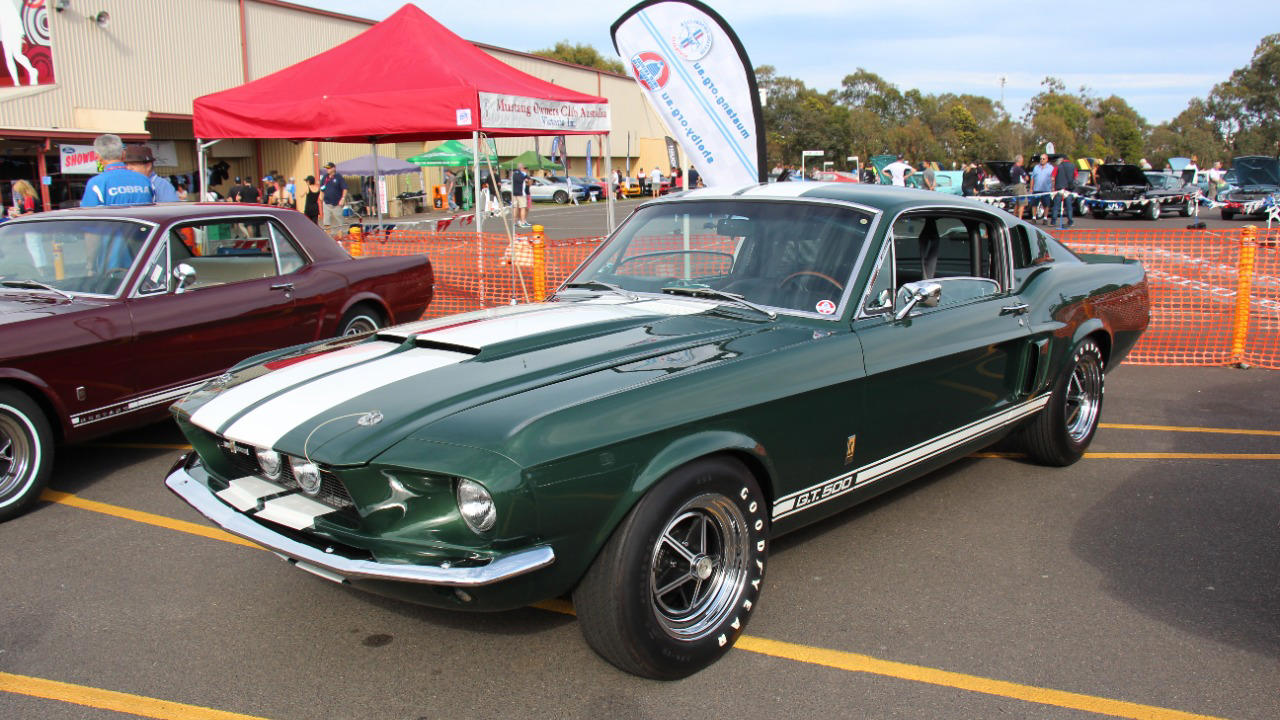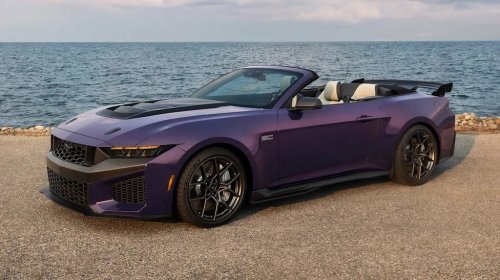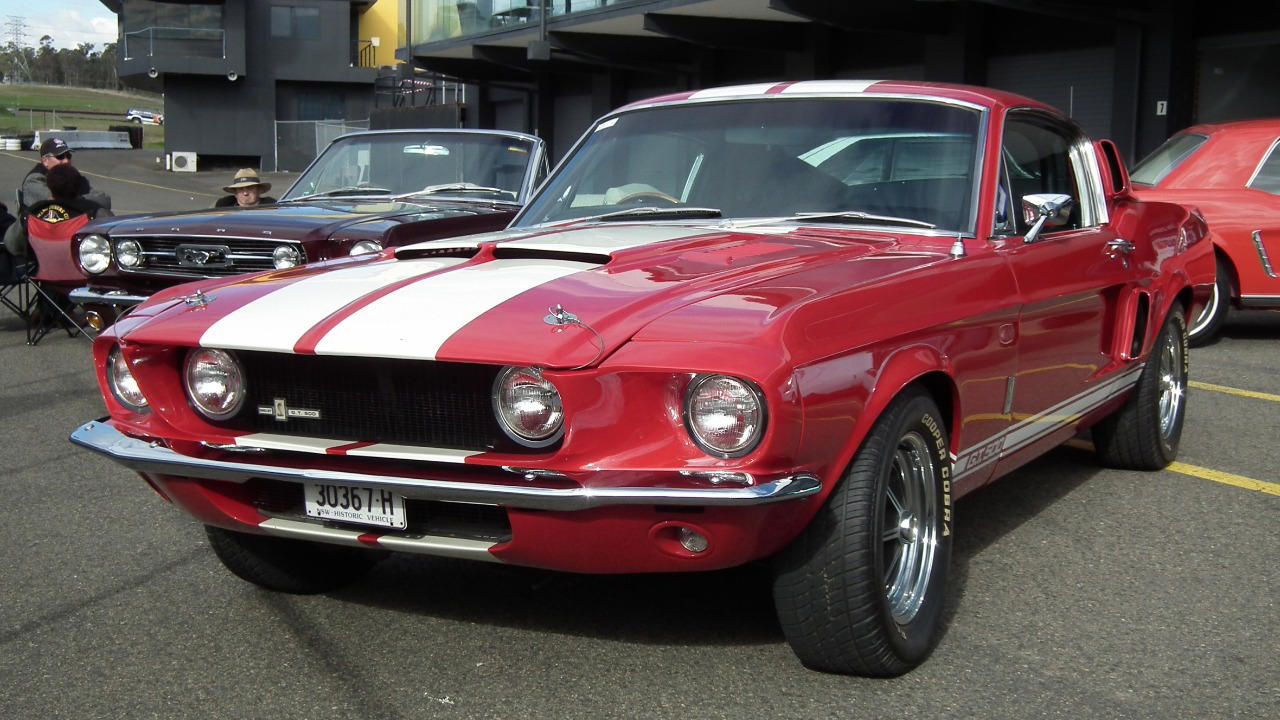



















Shelby expanded performance limits with the GT500The Shelby name has long been shorthand for taking Ford’s own performance limits and moving them somewhere past rational. That tradition reached a new level when Shelby American turned the already ferocious Mustang GT500 into a laboratory for power and traction. With the GT500 and its Code Red offshoot, Shelby expanded performance limits not just for Mustangs, but for modern muscle cars in general. What began as a factory supercharged coupe with track-day manners has become a platform for four-figure horsepower, single-digit quarter miles, and a rethinking of what a street-based car can do on drag strips and highways. The story of the GT500 and Code Red is less about marketing slogans and more about how far engineering can be pushed before reality pushes back. From factory monster to Shelby canvas Ford set the stage with the latest-generation Mustang Shelby GT500, a car that arrived as a fully formed high-performance muscle machine. In 2022 form, the supercharged V8 was rated at 760 horsepower, enough to put the car into the 10-second bracket in the quarter mile while still carrying full interior trim and road manners suitable for daily use. That factory package provided the raw material Shelby American needed. Earlier testing of the GT500 platform showed how capable it already was. A detailed technical review described the 2020 car as the fastest Mustang built yet, with a driver who had made only eight quarter-mile passes in her life still able to exploit the car’s dual-clutch transmission and chassis balance, using a 5-speed-equipped 2007 Shelby GT as a reference point. That context mattered: Ford had already engineered a track-focused car that could be driven quickly by relatively inexperienced enthusiasts, which made it an ideal base for Shelby’s more extreme ambitions. Ford Performance also invested in driveline strength that would later prove essential. To channel power and torque to a unique carbon fiber driveshaft, engineers drew on experience from the Ford GT supercar’s dual-clutch transmission, creating a system that could cope with repeated hard launches and rapid shifts. The GT500 was not a fragile tuner special. It was a mass-produced car with components designed to survive serious abuse. Why Code Red exists at all Shelby American did not originally intend to create a production-ready Code Red. An earlier experimental build explored the limits of what a GT500-based car could do, but the high cost of the car and its extreme nature made that version not viable for production. The project showed what was possible in terms of power and speed, yet it also highlighted how quickly costs and complexity could escalate when chasing records. For the new production-ready 2020 to 2022 version, Shelby American revisited the idea with a more structured approach. The company described how, for the latest Shelby GT500 Code, the goal was to create a limited run of cars that still pushed boundaries but could be offered to customers as a finished package rather than a one-off science experiment. That meant rethinking the powertrain, driveline, and even the business case. The name Code Red itself signals that this is not a typical Shelby upgrade. It is a warning label and a mission statement, applied to a car that sits above even the already potent Super Snake and track packages in Shelby’s catalog. Where the standard GT500 balances road course agility and straight-line speed, Code Red is unapologetically focused on maximum acceleration and dyno sheet bragging rights. Power as method, not just marketing The defining empirical characteristic of Code Red is its output. Shelby American’s own announcement framed the car around a four-figure number, with the phrase Shelby Announces 1300 Horsepower GT500 CODE RED headlining the communication. In that context, the company emphasized that the project was about more than a dyno pull. It was an engineering exercise in harnessing and delivering that power to the pavement. The production specification describes Code Red as a highly limited model with extreme power of 1,300 horsepower, a figure that pushes boundaries of performance for any road-based Mustang. Shelby American paired this with a focus on drivability, arguing that the car should be controllable rather than a dyno queen. That balance is difficult at this level, where small calibration changes can mean the difference between traction and tire smoke. One detailed analysis described the philosophy as Power as Method, Not Marketing. The Code Red’s defining empirical characteristic is its output, but the way that power is delivered matters just as much. Depending on fuel calibration, the car can be set up for different levels of aggression, which allows owners to choose between more manageable street settings and full race-style maps. That flexibility is a key part of why Code Red can exist as a customer car rather than a one-off drag build. In practice, this approach puts Code Red into a rarefied group of street-based cars with four-figure horsepower ratings. It also forces comparisons with other modern muscle benchmarks, such as the Dodge Challenger SRT Demon. With specialized drag tires and launch systems, the Demon can reach 0 to 60 m in about 2.3 seconds, which is extremely fast for a production car and sets a high bar for any rival that wants to claim straight-line supremacy. From 760 to Code Red: the performance ladder To understand how far Shelby has stretched the GT500 platform, it helps to look at the performance ladder that leads from the stock car to Code Red. The 2022 Ford Mustang Shelby GT500 arrives from the factory with a supercharged V8, track-tuned suspension, and a dual-clutch transmission that can rip through gears on road courses and drag strips alike. Enthusiasts have seen stock examples run 10-second quarter miles without major modification, which already puts the car in rare company among showroom models. That baseline is vividly captured in enthusiastic giveaways and reviews. One promotion, framed around a 2022 Shelby GT500 Mustang with 760 HP, highlighted how the car could run in the 10s in the Quarter Mile and It Could Be yours, with My EVAN code applying to all Dream Giveaway vehicles. The messaging underscored that even a factory-spec GT500 is a serious drag strip tool, not just a weekend cruiser. From there, Shelby American’s typical upgrade path includes suspension tweaks, aero changes, and modest power bumps. Code Red skips the incremental steps and jumps directly to the outer edge. The transformation from 760 horsepower to around 1,300 horsepower is not a simple pulley swap. It requires rethinking cooling, fuel delivery, and drivetrain durability, as well as recalibrating electronic aids that were originally tuned for far less output. Later model year discussions of a 2026 Ford Mustang Shelby GT500 describe it as the most powerful Mustang ever, reinforcing that Ford itself continues to escalate the platform. Yet even as factory figures climb, Code Red occupies a space beyond the standard catalog, a kind of halo within a halo that signals what is possible when a manufacturer-backed tuner is willing to accept limited production and high cost. Quarter mile proof and YouTube validation In the performance car world, numbers matter most when they appear on a timing slip. For Code Red, that proof has arrived in the form of quarter-mile runs that place the car firmly in the territory of dedicated drag machines. Video of a Shelby GT500 CODE RED Quarter Mile Run shows the car posting 8.59 seconds at 161 M PH, a figure that would have seemed absurd for a full-bodied Mustang not long ago. That same run, shared again as a Shelby GT500 CODE RED Quarter Mile Run at 8.59s at 161 M PH, reinforces the consistency of the performance. The trap speed around 161 M PH suggests that the car has even more potential with optimized launches and conditions, since that level of terminal velocity often accompanies even lower elapsed times in dedicated drag builds. For a limited-production street-based car, it is a statement. Another widely shared clip, introduced with a host explaining that he loves his viewers from the bottom of his heart for supporting the channel, sets up the scene by asking what they have here and answering that it is the Shelby GT500 Code Red. That video, which shows the car running a 1/4 mile in an insane record time, has become part of the folklore around Code Red. It is not just a spec sheet car. It is a machine people can watch, hear, and measure. These runs also place Code Red into direct comparison with other modern drag legends. The Dodge Demon’s 0 to 60 m in about 2.3 seconds remains a benchmark, but Code Red’s focus on trap speed and quarter-mile elapsed time gives it a different flavor. Where the Demon is a factory-backed drag package with specialized tires and launch control, Code Red is a tuner-built evolution of a road course-oriented car that has been repurposed for straight-line violence. Engineering limits and what breaks first Pushing a Mustang platform to 1,300 horsepower raises obvious questions about what breaks first. Shelby American’s own description of the earlier experimental Code Red made clear that the high cost of the car and its extreme nature made it not viable for production. That experience informed the later production-ready version, which had to address durability and serviceability alongside raw speed. The GT500’s starting point helps. Ford Performance designed the driveline to handle significant torque, with the carbon fiber driveshaft and dual-clutch transmission drawing on Ford GT experience. Even so, the jump from 760 to 1,300 horsepower stresses every component. Cooling systems must dissipate far more heat. Axles and differentials must absorb harder launches. Electronic stability and traction systems must interpret wheelspin data in a regime far beyond their original calibration. Specialists who examine Code Red often point to the way Shelby American treats power as a method. The car is not simply turned up to a maximum setting and left there. Depending on fuel calibration, owners can choose different power levels that suit street driving, half-mile events, or full quarter-mile assaults. This approach reduces the chances of catastrophic failure in everyday use, while still allowing the car to show its full potential in controlled environments. There is also the question of cost. The earlier non-production Code Red highlighted how quickly budgets can spiral when every component is bespoke. The current production-ready version still sits at the top of Shelby’s pricing, but it benefits from lessons learned about which parts need to be custom and which can be adapted from existing supply chains. That balance between exotic hardware and proven components is part of what makes the car possible at all. Shelby’s ecosystem and the Code Red halo Code Red does not exist in isolation. It sits within a broader Shelby American ecosystem that includes official social channels, merchandise, and build configurators. The company’s presence on platforms like Shelby Announces social feeds helps amplify the story of cars like Code Red, while sites such as build.shelby.com let potential customers explore other Mustang-based packages. More from Fast Lane Only Unboxing the WWII Jeep in a Crate 15 rare Chevys collectors are quietly buying 10 underrated V8s still worth hunting down Police notice this before you even roll window down