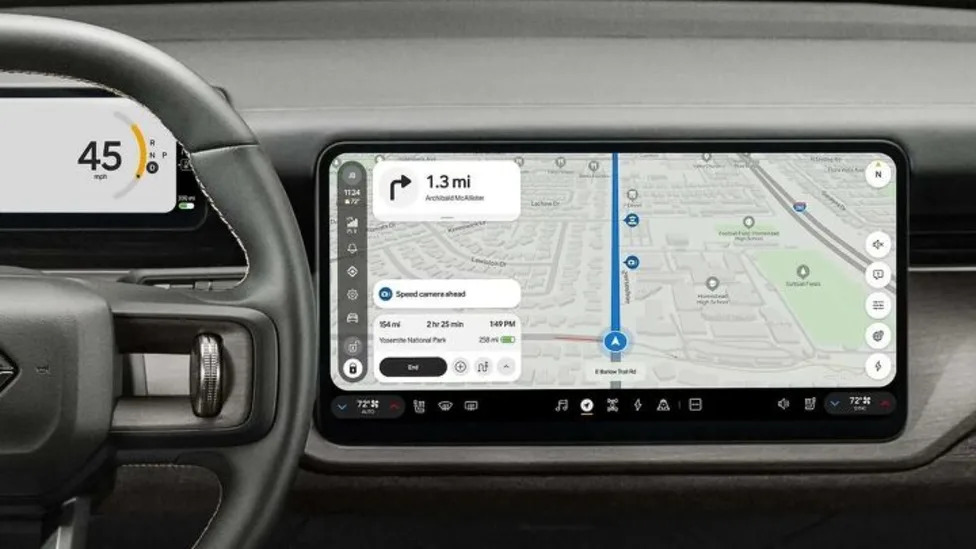
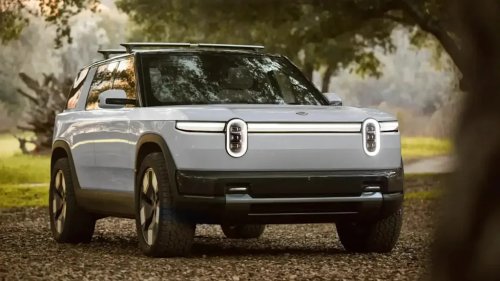
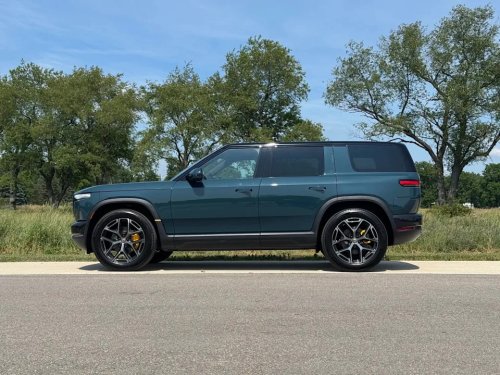
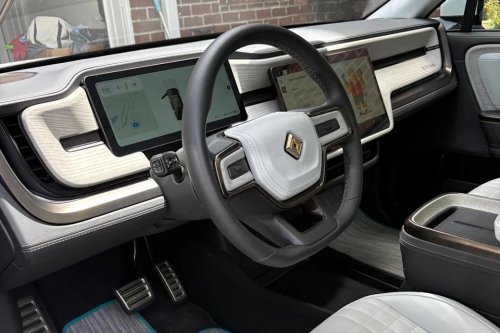
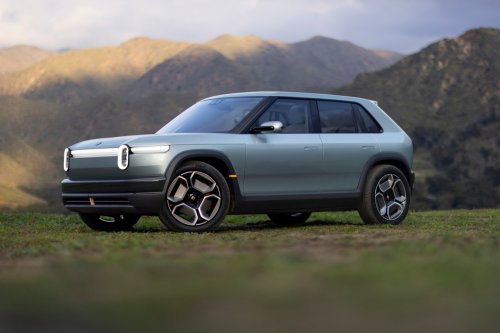
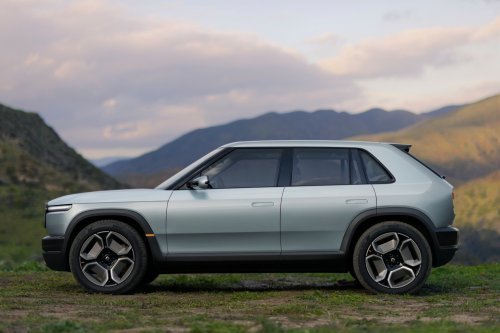
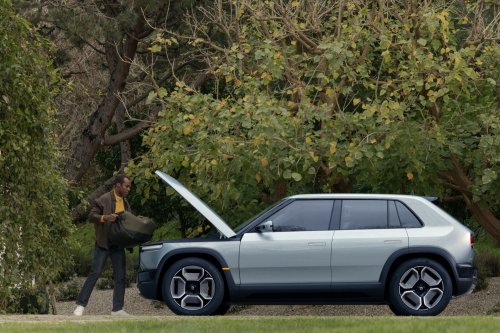
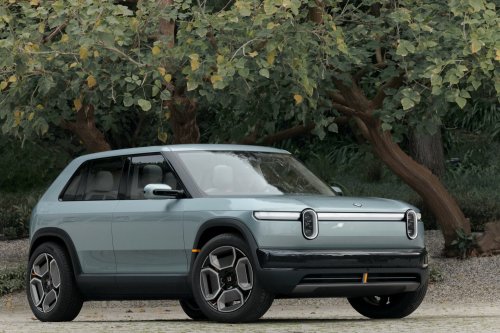
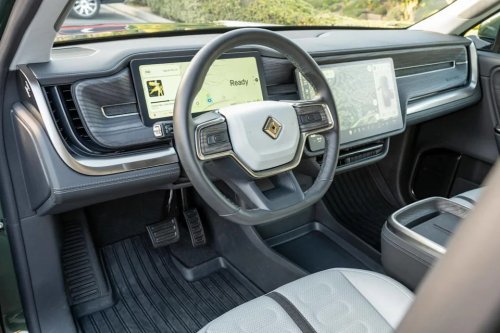
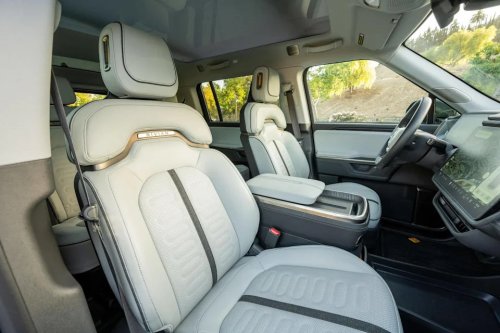
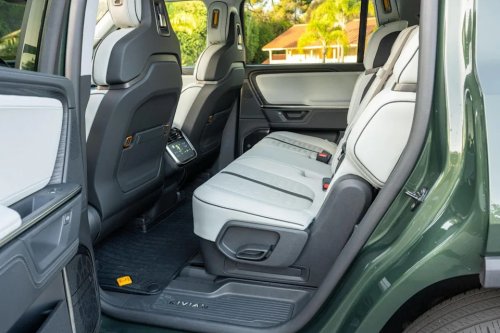
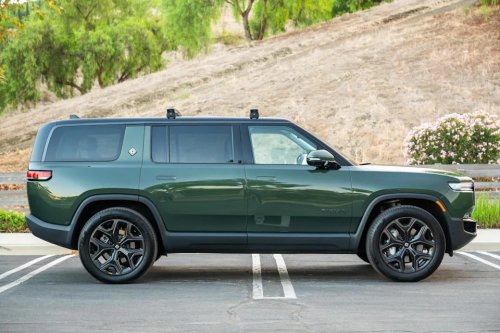
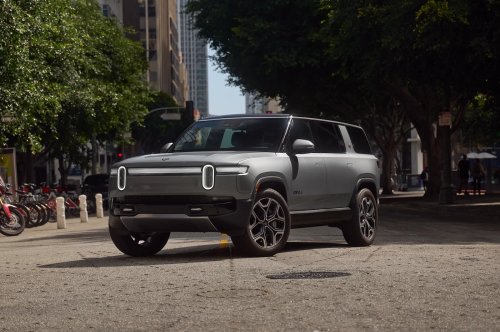
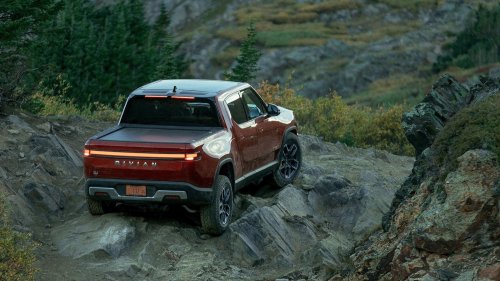
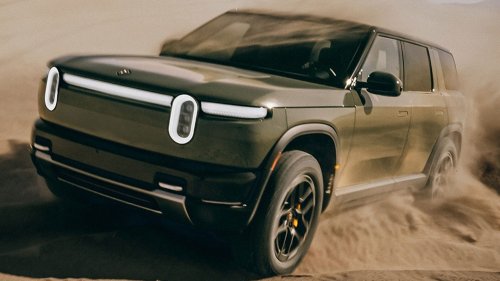
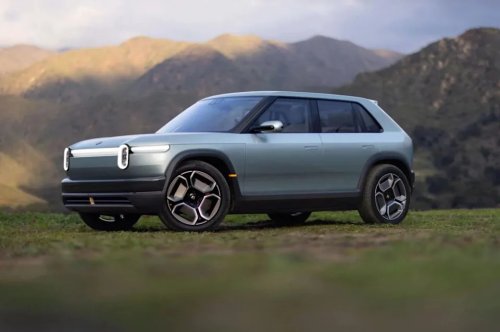
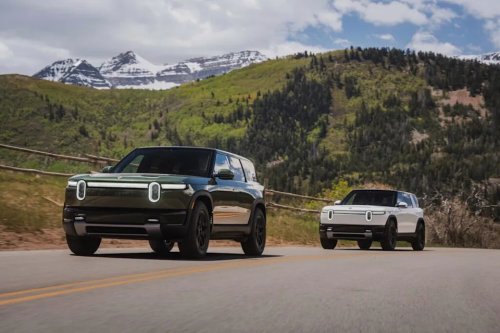
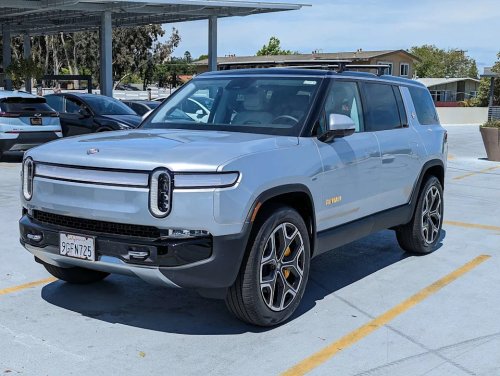
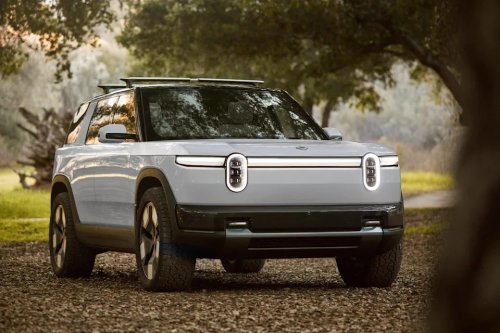
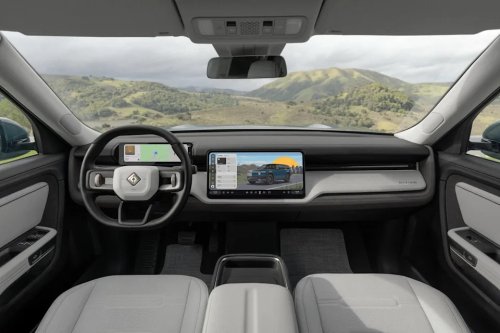
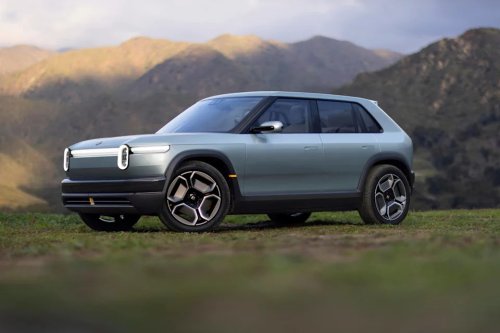
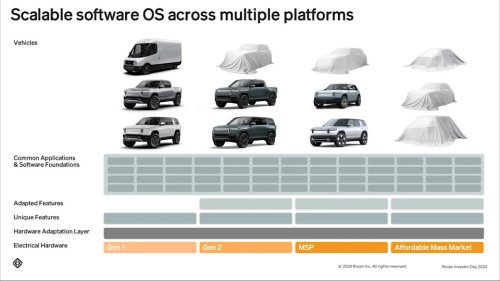
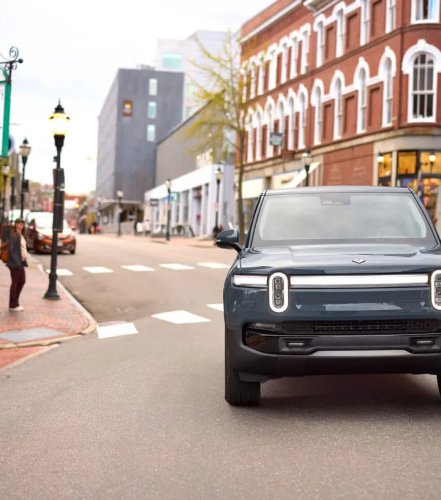
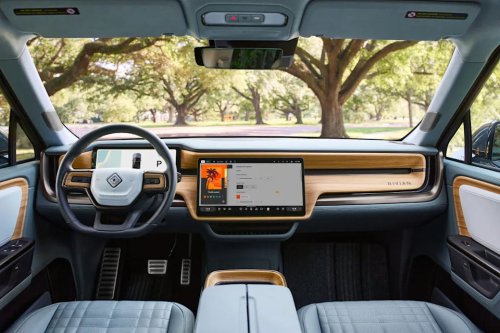
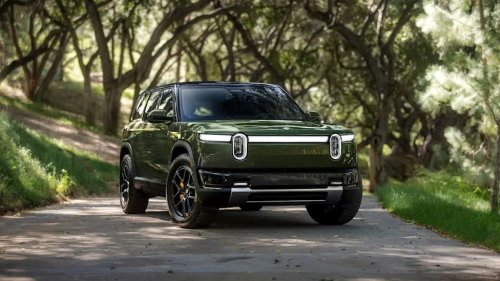
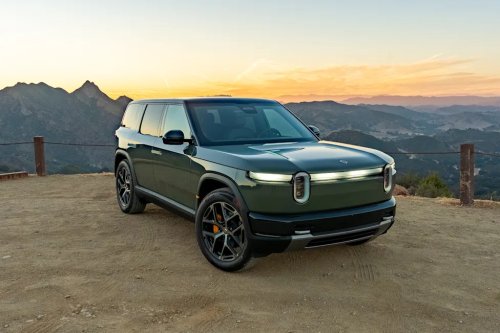
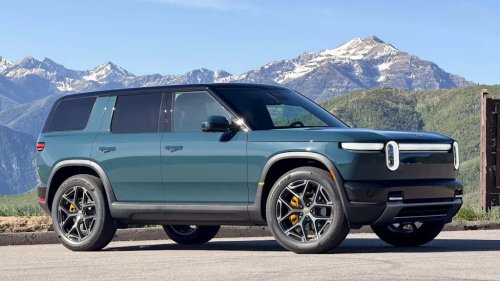
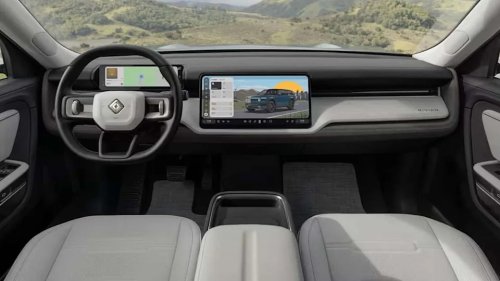
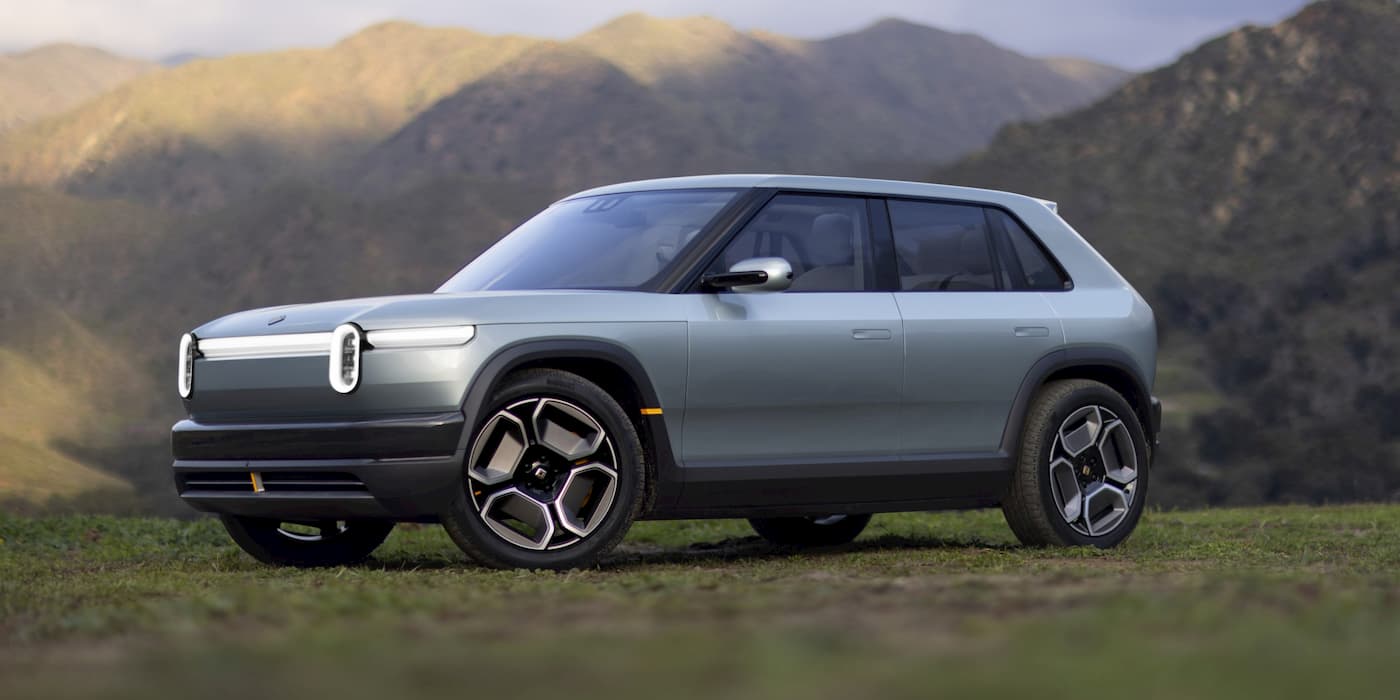
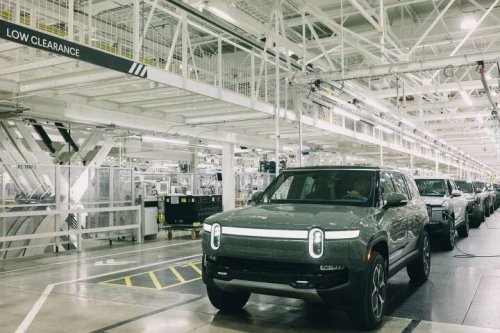
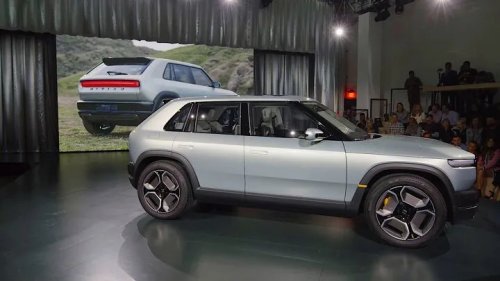
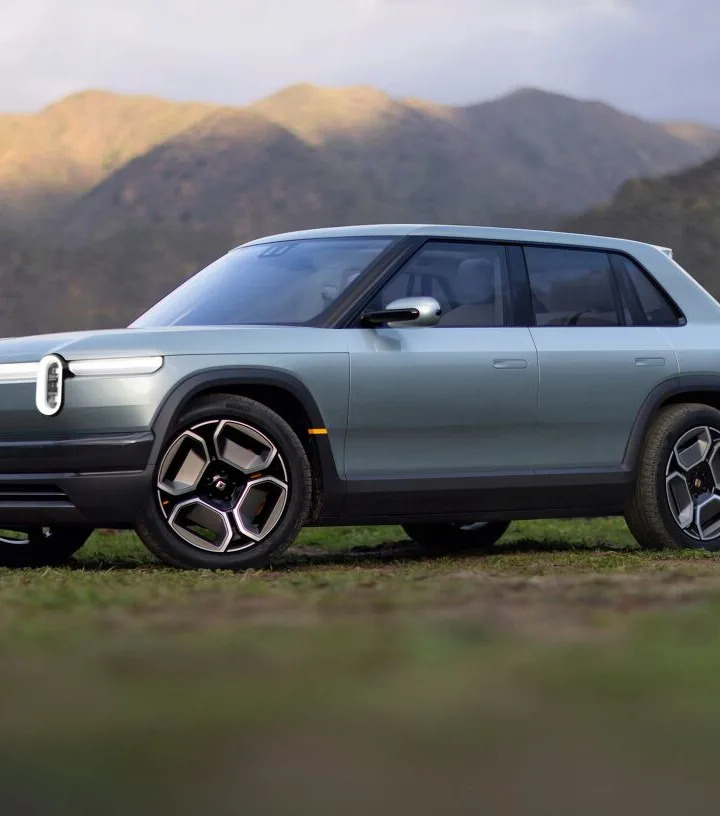
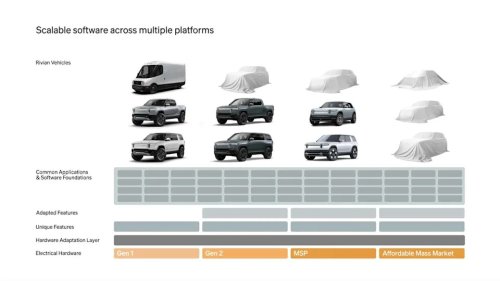
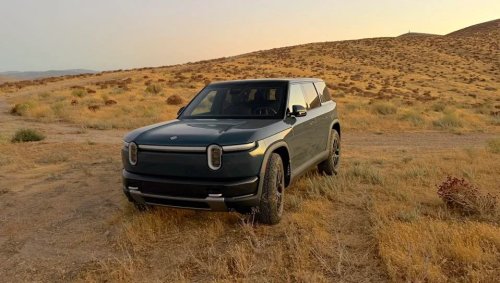
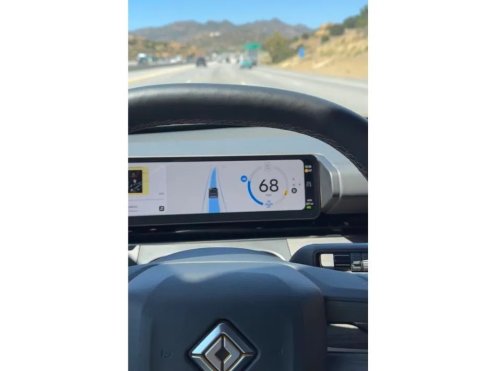
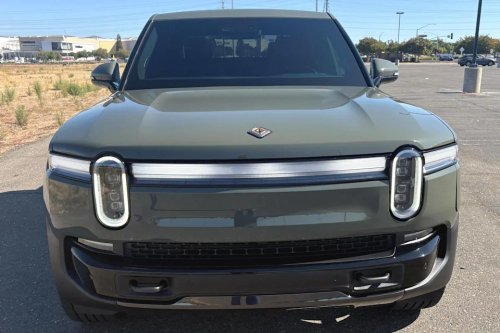
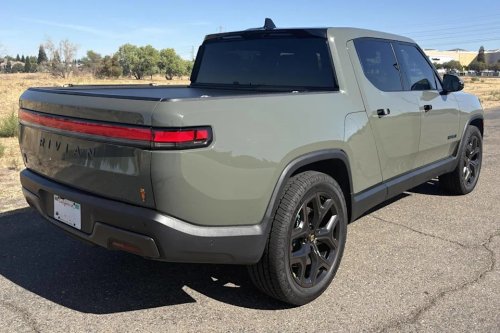
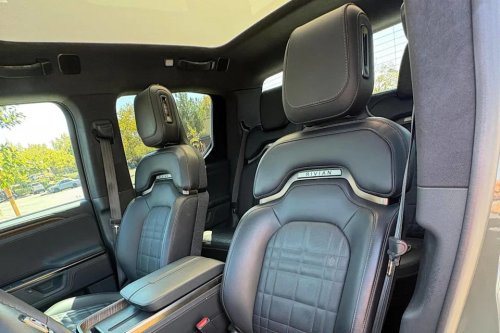
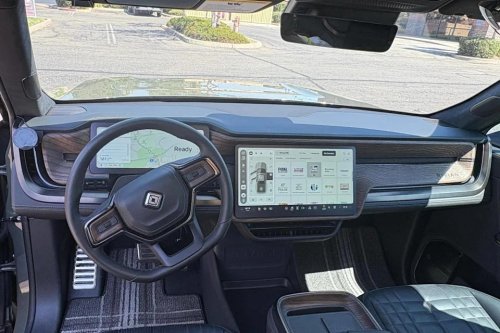
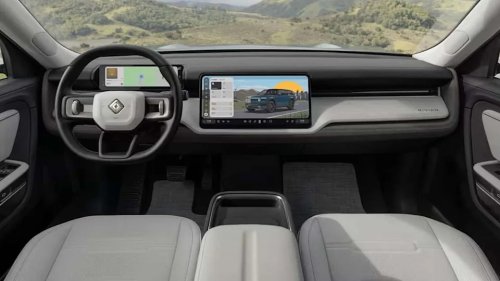
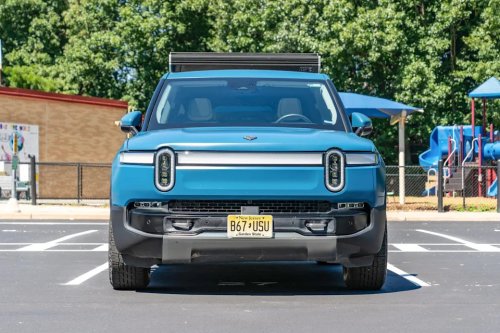
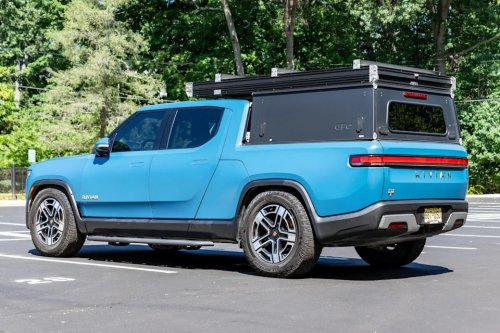
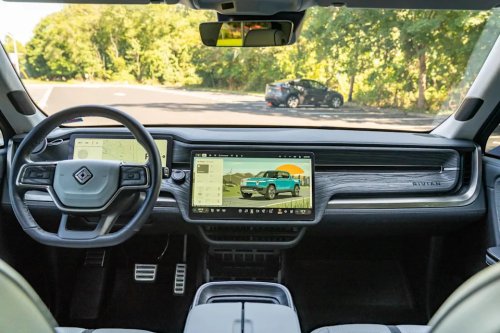
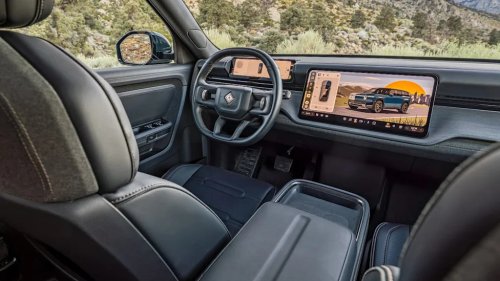
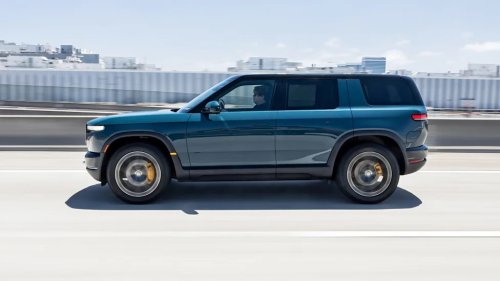
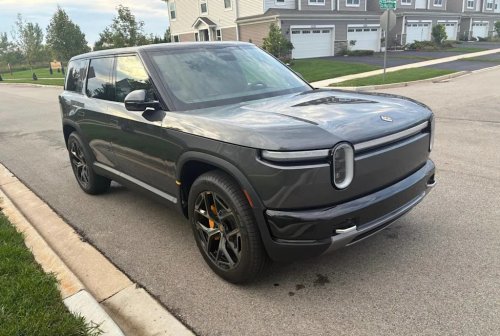
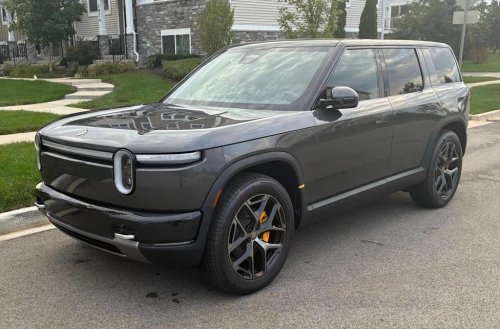
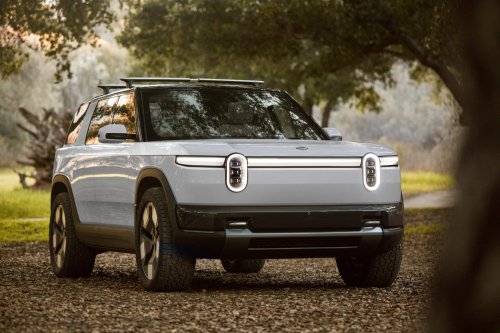
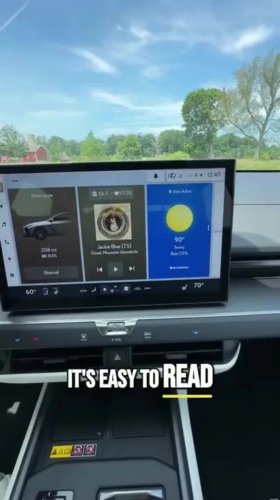
rivian vehicles gain waze real time driving alerts, Photo Credit RivianPhoto Credit: RivianRivian is bringing Waze's live driving alerts to the R1 and R2, adding real-time reports on police sightings and speed cameras to the automaker's proprietary navigation software. The feature arrives as part of the upcoming 2026.31 OTA update. It expands what Rivian owners can see on their in-vehicle maps.Waze built its reputation on crowdsourced alerts, supplementing turn-by-turn directions with warnings drawn from other drivers on the same roads. That model has since spread to competing navigation apps, including Google Maps, which now surfaces similar community-reported hazards. Rivian's implementation differs in one important respect. Because the company runs its own software rather than relying on Android Auto, features like these tend to arrive on a slower timeline than they might on more standardized platforms.AdvertisementAdvertisementRivian's Wassym Bensaid confirmed that Waze's real-time alerts will soon be available directly within the R1 and R2 on the automaker's own system. The initial rollout will support speed camera warnings and police sighting reports, the two alert types most commonly associated with the Waze experience. That narrow starting scope leaves room for more categories. Crash reports, for instance, could follow in later updates, though Rivian has not committed to a timeline for those.The company says the real-time reports will ship with the 2026.31 OTA update. Rivian regularly pushes new capabilities to its fleet over the air, and this addition therefore fits that pattern of incremental software expansion rather than a hardware-dependent upgrade. Owners will not need to visit a service center or purchase anything to receive the new alerts once the update reaches their vehicles.The move signals that Rivian intends to keep building out Waze integration over time. The company has framed the current release as a starting point. As a result, the structure of the announcement suggests the navigation partnership will continue to grow. No further details on what comes next were provided, and Rivian has not specified which alert types will arrive in subsequent releases or when.For Rivian owners, the practical upside is straightforward. Drivers relying on the built-in navigation system will gain the same category of community-sourced warnings that Waze and Google Maps users already expect on their phones, without needing to run a separate app or connect a mobile device. That closes part of the gap that proprietary in-car software can create when it forgoes Android Auto and its ready-made ecosystem of apps.AdvertisementAdvertisementThe trade-off inherent in Rivian's approach remains visible here. By developing navigation features on its own software stack, the company controls the in-car experience end to end. However, it must rebuild capabilities that phone-based platforms deliver as standard. Waze alerts landing in the R1 and R2 shows Rivian steadily filling in those pieces, even if each feature arrives later than it would through a plug-in solution.The rollout applies to both the R1 and R2, extending the feature across Rivian's current and upcoming consumer lineup. With the 2026.31 update serving as the vehicle for the change, owners can expect the alerts to appear as the software reaches their trucks and SUVs. Additional Waze functionality is likely to follow. It is worth watching how far Rivian takes the integration.