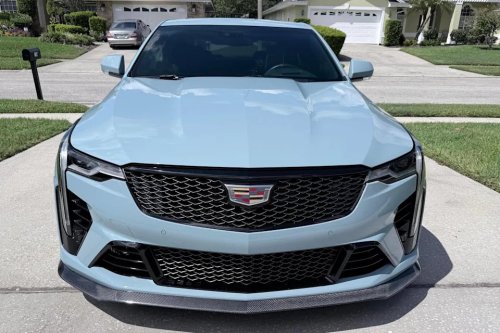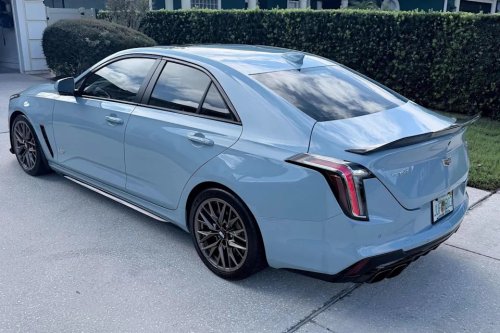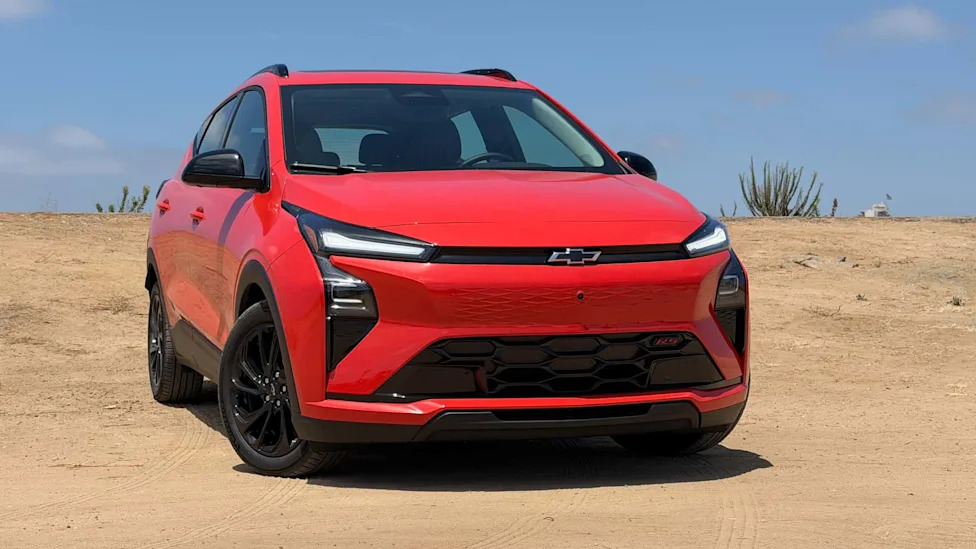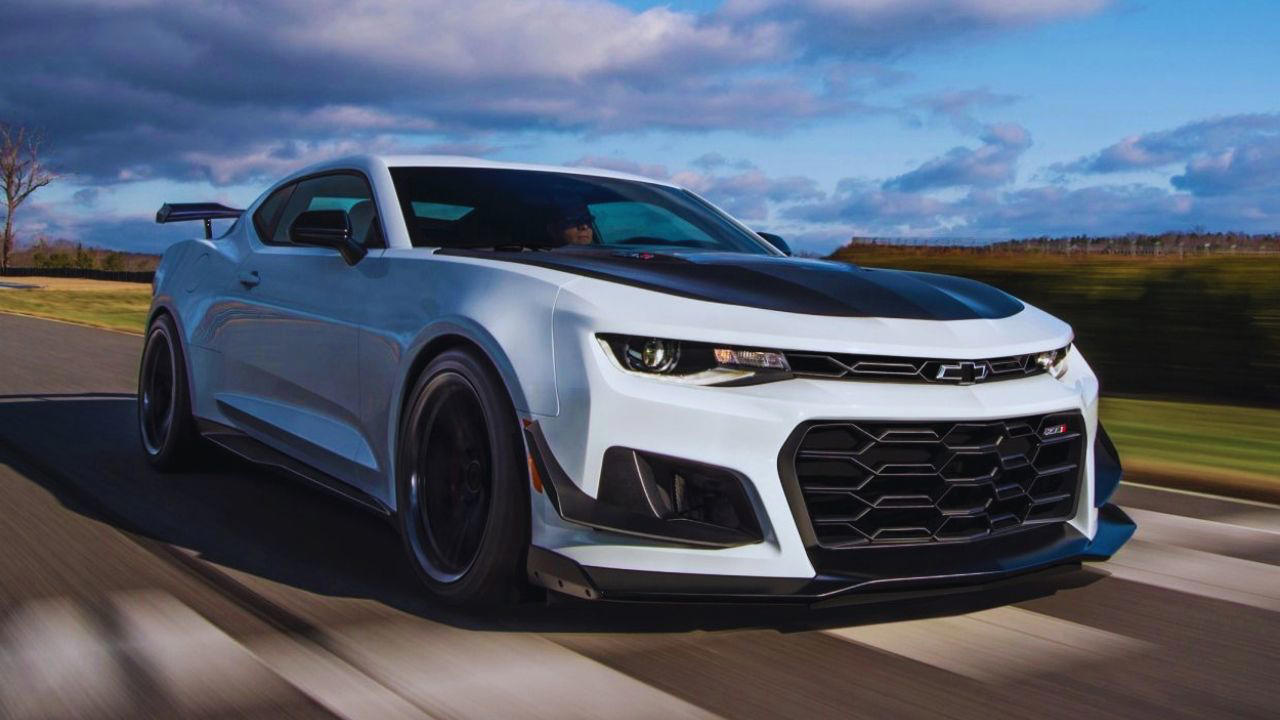




















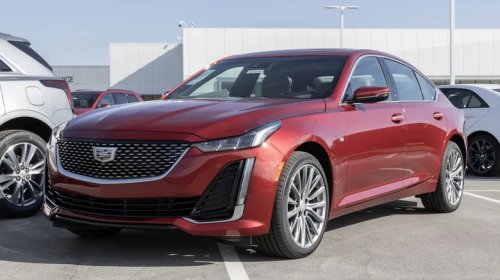


Report says GM greenlights new Camaro alongside Cadillac CT5, Buick sedanGeneral Motors is reportedly preparing a fresh act for some of its most storied nameplates, with a new Camaro program moving ahead alongside a rear-drive Cadillac CT5 and a Buick sedan. If the plans hold, GM would pivot from a shrinking coupe niche toward a trio of performance-leaning four-doors that share hardware but target very different buyers. The move would mark a sharp turn from the Camaro’s apparent finale and from Buick’s recent crossover-heavy strategy, while giving Cadillac more muscle to defend its sport sedan turf. It also signals that GM still sees a future for gasoline rear-drive cars even as the company pours money into electric platforms. What happened Multiple reports indicate that GM has approved development of a new generation of Camaro that trades its traditional two-door layout for a four-door body, built on a rear-drive architecture shared with future Cadillac and Buick sedans. One report describes GM executives signing off on a program that would bring the Camaro back for the 2027 model year, with the car positioned as a practical performance sedan rather than a pure pony-car coupe, and notes that internal planning points to a return of the nameplate after a short hiatus for the current model, which is ending production. According to reporting on GM product planning, the company intends to base the next Camaro on a rear-drive platform that also underpins a future Cadillac CT5 and a new Buick sedan. Sources describe the Camaro replacement as a sedan that keeps rear-wheel drive and performance credentials while allowing GM to share key components such as the basic body structure, suspension layout, and underfloor architecture across three brands. One account of the program states that the company has already greenlit the project and that the Camaro successor will sit on the same architecture as the next CT5, with powertrains that include internal combustion engines rather than a full shift to battery-electric drivetrains, as detailed in coverage of the Camaro replacement. Additional reporting from a Ukrainian outlet, citing GM insiders, describes the next Camaro as a four-door model that uses a common platform with a new Buick sedan. That report states that the Camaro will move to a sedan body style, keep rear-wheel drive, and share its basic architecture with a Buick four-door, which is intended to target a more comfort-oriented buyer while still benefiting from the same underlying chassis. The story characterizes the Camaro as the sportiest member of the trio, with the Buick tuned for refinement and the Cadillac CT5 positioned as the premium performance sedan, and notes that the shared platform will allow different exterior designs and cabin treatments while keeping engineering costs in check, according to the description of the four-door Camaro. Separate coverage focused on GM’s sedan strategy explains that the company is planning a new rear-wheel-drive Buick sedan for the United States market, developed alongside the Camaro and Cadillac CT5. That reporting states that GM is working on a Buick four-door that would slot into the brand’s lineup as a traditional sedan, using a rear-drive layout and sharing its platform with the performance-focused Camaro and the next-generation CT5. The Buick is described as part of a broader effort to give the brand a more aspirational halo vehicle above its crossovers, and the report notes that the car is being considered specifically for U.S. sale, as discussed in detail in the piece on a Buick sedan under consideration for the U.S. A broader analysis of GM’s internal planning frames these three vehicles as part of a coordinated rear-drive car program. In that account, GM intends to produce the new Camaro, the Cadillac CT5, and the Buick sedan on a common architecture, likely at a shared manufacturing facility, to keep volumes high enough to justify the investment in a dedicated rear-drive platform. The same report notes that GM is planning the Buick sedan as a rear-wheel-drive model positioned between mainstream and luxury offerings, that the Cadillac CT5 will continue as the premium sports sedan in the lineup, and that the Camaro will serve as the enthusiast-oriented entry point into this trio of cars, as laid out in the overview of GM plans for the three sedans. Earlier reporting on GM’s product cadence also indicated that the company is targeting a 2027 debut for the revived Camaro, following the end of production for the current generation. That coverage describes internal planning documents that point to a new Camaro arriving as a sedan and using a shared rear-drive platform, and presents the 2027 timeline as the expected model year for the car’s return, as described in detail in a report on GM bringing back Camaro. Why it matters GM’s decision to invest in a new Camaro, a fresh Cadillac CT5, and a Buick sedan built on a shared rear-drive architecture runs counter to the industry narrative that sedans and coupes are fading relics. Rather than abandoning the segment, the company appears to be betting that a focused trio of gasoline-powered four-doors can still earn solid margins if they share enough hardware and target distinct audiences. For Chevrolet, turning the Camaro into a four-door performance sedan would be a major shift in identity. The nameplate has long been defined by its coupe silhouette and its rivalry with the Ford Mustang. Moving to a sedan layout suggests that GM believes enthusiasts will accept an extra pair of doors if the car delivers on power, handling, and design. It also reflects a practical reality: a four-door car can appeal to buyers who need rear-seat access yet still want something that feels more special than a crossover. If GM can keep the Camaro’s proportions aggressive and its dynamics sharp, the car could occupy a niche similar to what the Dodge Charger held as a family-friendly muscle sedan. For Cadillac, a new CT5 on this shared platform is about defending and refining one of the brand’s strongest products. The current CT5 has been praised for its handling and performance variants, and a successor that shares a rear-drive architecture with the Camaro and Buick sedan would allow GM to keep that dynamic edge while spreading development costs. In a market where German rivals continue to sell strong-performing sedans, Cadillac needs a credible CT5 to maintain relevance with buyers who still prioritize driving feel over ride height. The Buick piece of this puzzle may be the most strategically revealing. Buick’s U.S. lineup has leaned heavily on crossovers, with sedans disappearing as consumer tastes shifted. A new rear-drive Buick sedan would signal that GM wants the brand to stand for more than just practical utility vehicles. A four-door with a traditional trunk, rear-drive proportions, and a more upscale interior could give Buick a halo product that reinforces its positioning as a step above mainstream Chevrolet without overlapping too directly with Cadillac. It would also reintroduce Buick to sedan buyers who remember models like the Regal and LaCrosse but now have few options in that space. Economically, a shared platform for three low-volume sedans is a textbook example of how big automakers try to keep niche products viable. Rear-drive architectures are expensive to engineer and certify, especially if they must meet modern crash and emissions standards while supporting powerful engines. By spreading those fixed costs over a Camaro, a CT5, and a Buick sedan, GM can justify continuing to offer enthusiast-oriented cars that might not survive as standalone programs. Common underpinnings also simplify supplier contracts and manufacturing planning, which can help keep per-unit costs in line even if each model sells in modest numbers. The powertrain strategy behind this trio also matters. Reports consistently describe these cars as internal combustion models, not pure electric vehicles. That aligns with a broader recalibration inside GM and across the industry, where some automakers have slowed or adjusted EV rollout plans in response to uneven demand and infrastructure challenges. By committing to a new generation of gasoline rear-drive sedans, GM is signaling that it expects meaningful demand for performance ICE cars well into the late 2020s and likely beyond. The company can still explore electrified variants or hybrid assistance on this platform, but the core message is that the internal combustion enthusiast market is not being abandoned. From a brand image perspective, the return of the Camaro name, even in a different body style, helps GM maintain a link to its performance heritage. Killing the Camaro outright would have left Chevrolet with a gap in enthusiast credibility at a time when Ford continues to invest in the Mustang and performance offshoots. A four-door Camaro allows GM to keep the badge alive while adapting to changing buyer needs. If the car succeeds, it could also open the door to future variants, such as higher-performance trims or limited-run special editions, that further reinforce the nameplate’s identity. There are risks. Traditionalists may balk at a four-door Camaro, seeing it as a dilution of the brand. The market for sedans remains smaller than it was a decade ago, and GM will need to price and position these cars carefully to avoid cannibalizing its own crossovers. The company also has to execute the design with care. If the Camaro sedan looks too generic or too closely related to the Buick or Cadillac, buyers may not see enough reason to choose it over more established performance sedans from other brands. On the flip side, the potential upside is significant. A well-executed Camaro sedan could capture buyers who grew up with the nameplate but now have families and want four doors, while also luring shoppers who might otherwise consider a compact luxury sedan. The Buick sedan could give that brand a clear flagship and a reason for style-conscious buyers to consider it again. The Cadillac CT5, built on a modernized platform and benefiting from shared investment, could sharpen its challenge to European rivals and reinforce Cadillac’s performance credentials. What to watch next Several key questions will determine how this reported program plays out and how much impact it has on GM’s portfolio. First, timing. The reporting that points to a 2027 model year for the new Camaro suggests that GM is still early enough in the development process to adjust details but far enough along that the program has internal momentum. Over the next couple of years, watch for test prototypes on public roads, supplier contracts related to rear-drive components, and official confirmation of production locations. Any delays or changes in GM’s broader financial outlook could influence how quickly these sedans reach showrooms. Second, design and differentiation. The success of a shared platform strategy depends on how distinct each model feels in the metal. The Camaro will need a more aggressive, youth-oriented design, with cues that connect it to past generations without simply pasting a familiar grille on a generic sedan body. The Buick must communicate comfort and understated style, likely with a more conservative roofline and a focus on interior materials. The Cadillac CT5 will need sharper, more technical styling that signals its role as the performance luxury option. Spy photos and design teasers, once they emerge, will offer early clues about whether GM has managed to carve out clear visual identities for each car. More from Fast Lane Only Unboxing the WWII Jeep in a Crate 15 rare Chevys collectors are quietly buying 10 underrated V8s still worth hunting down Police notice this before you even roll window down