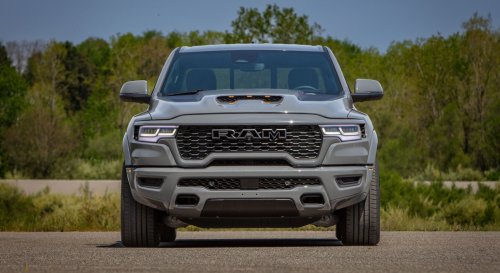
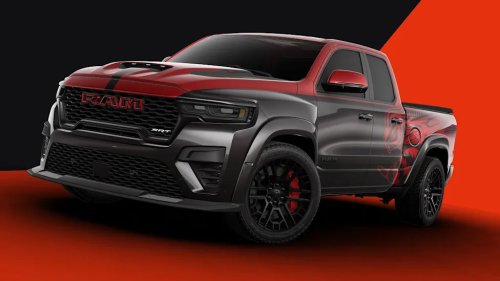
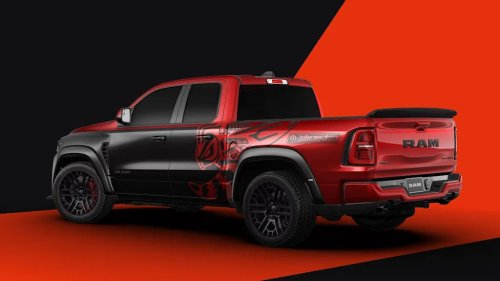
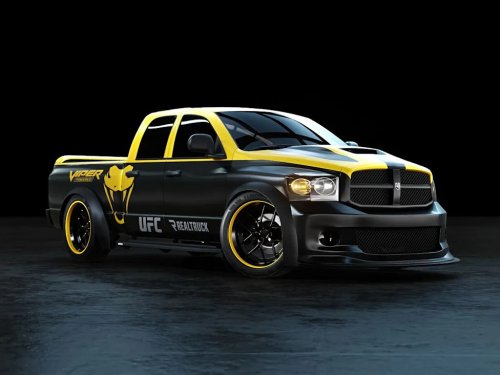
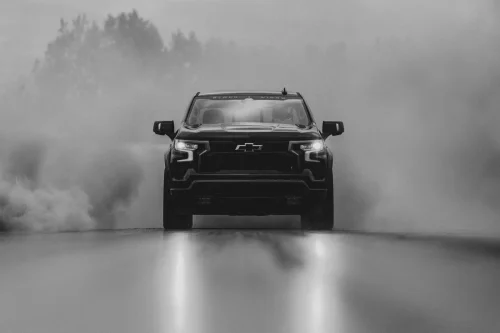
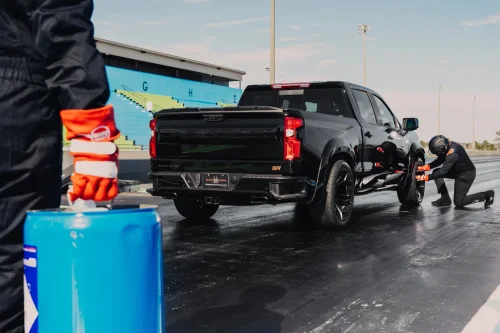
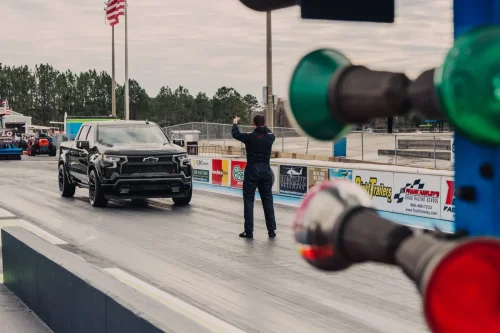
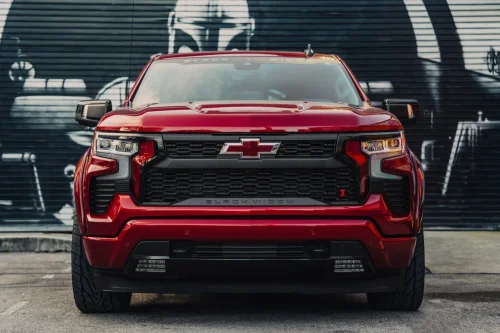
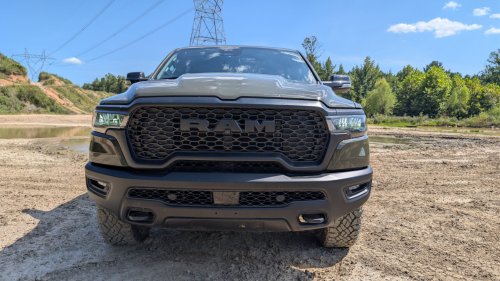
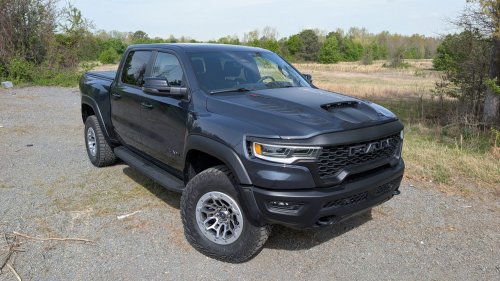
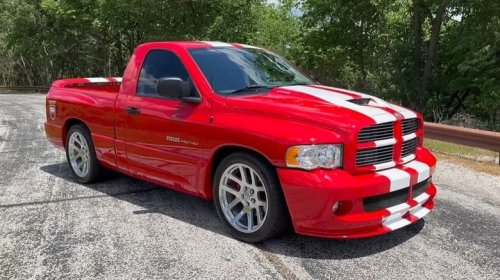
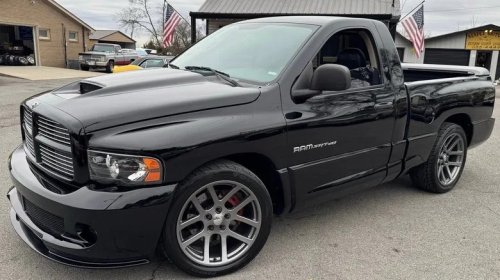
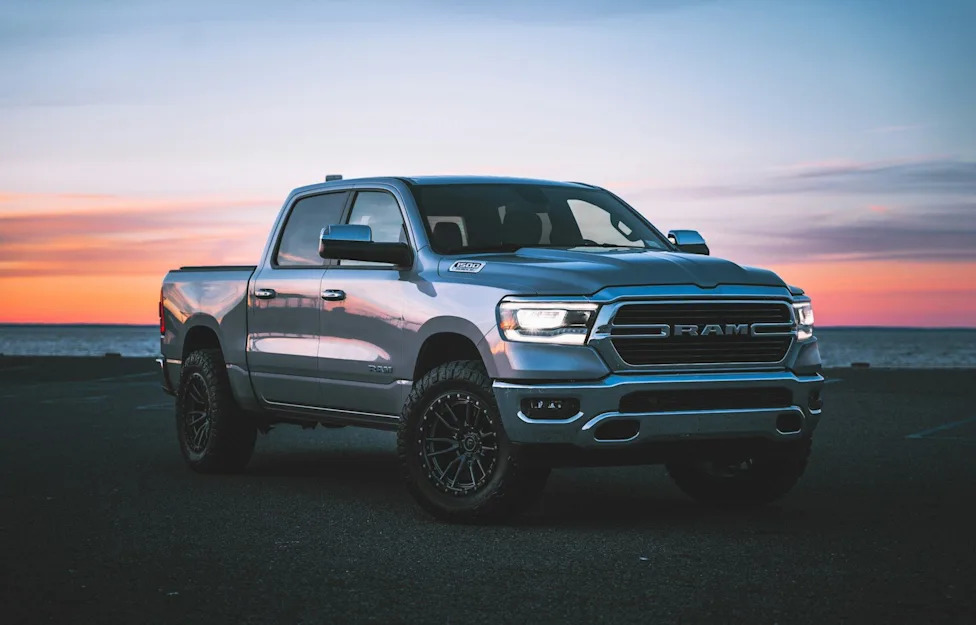
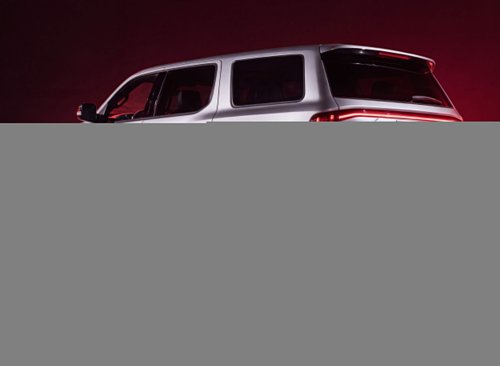
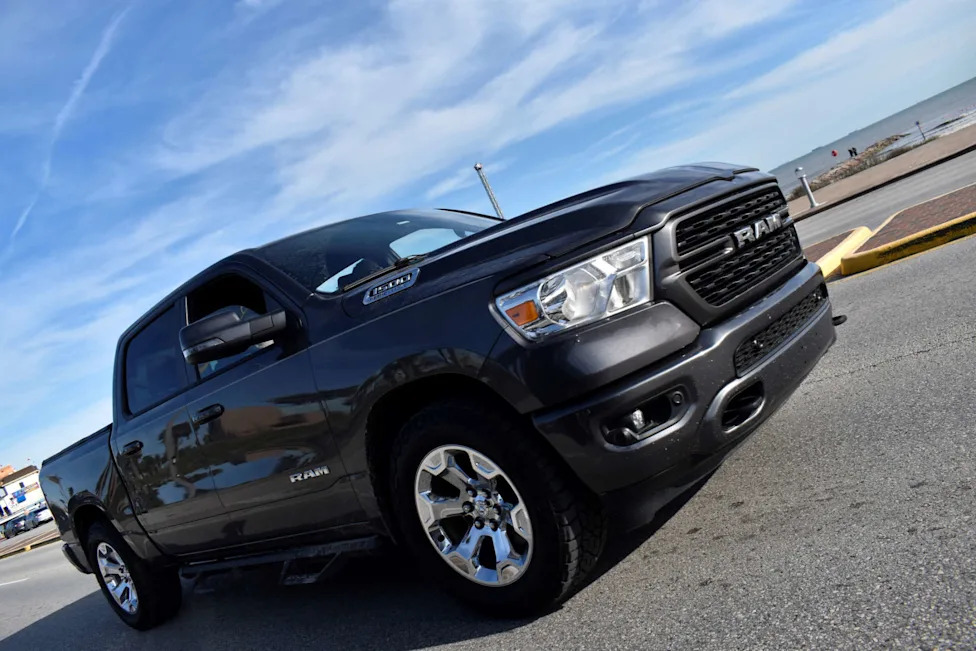
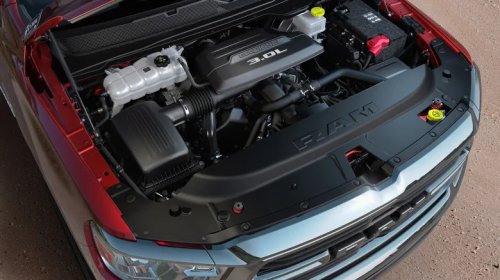
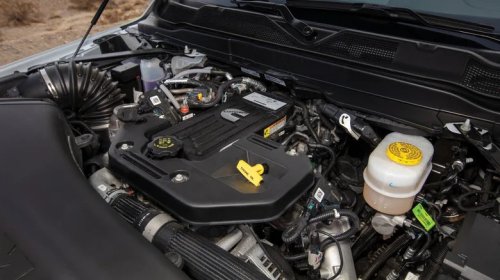
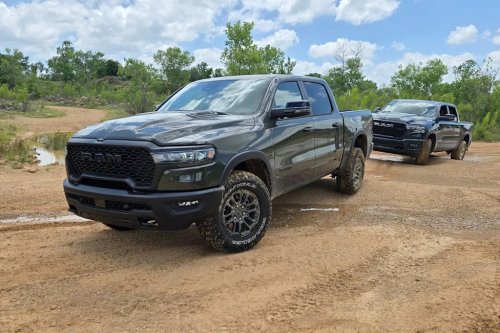
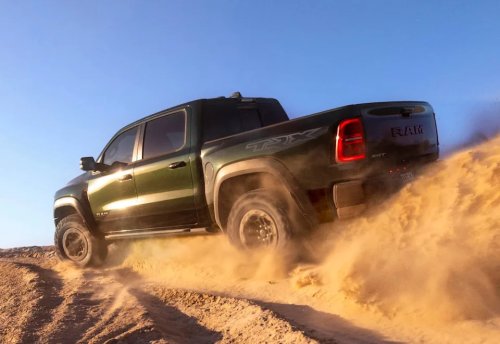
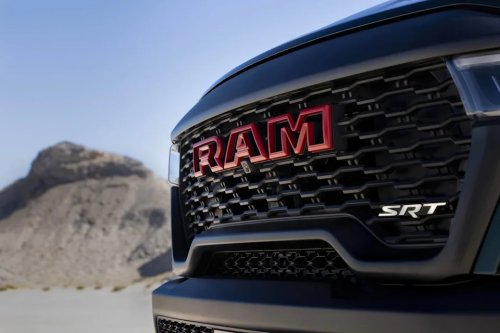
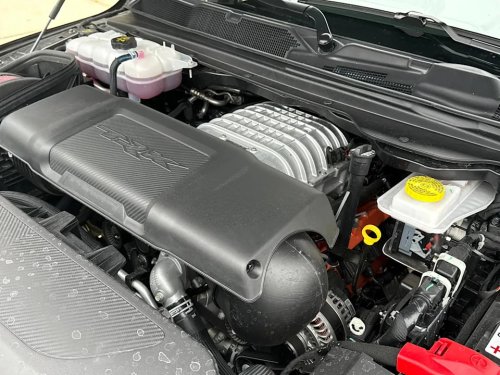
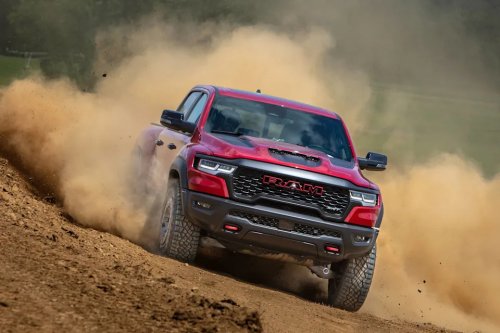
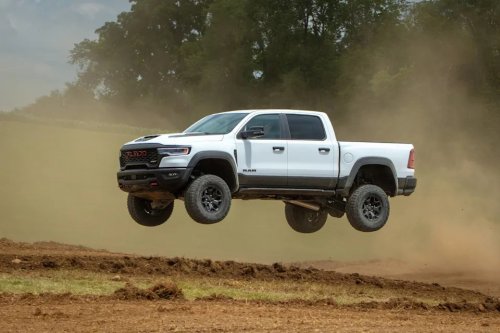
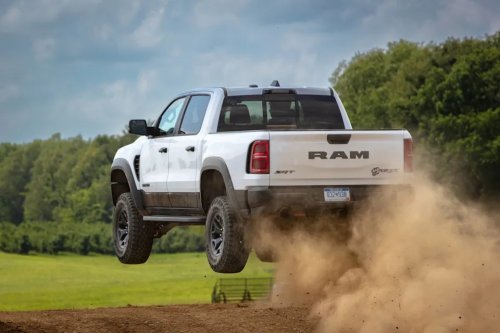
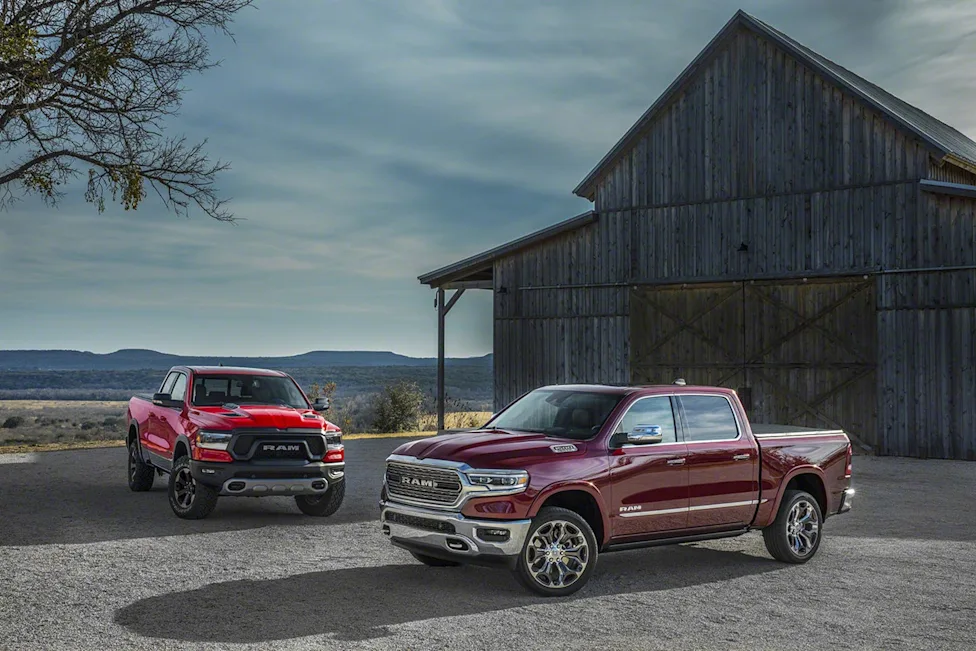
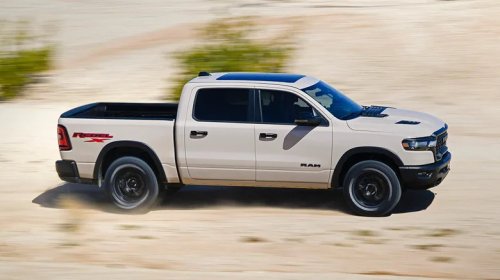
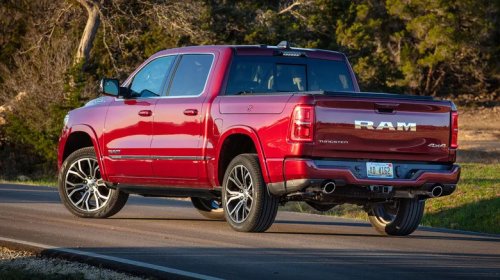
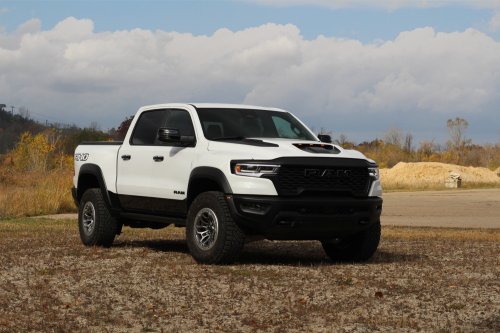
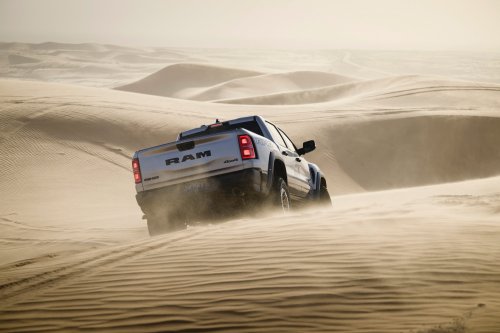
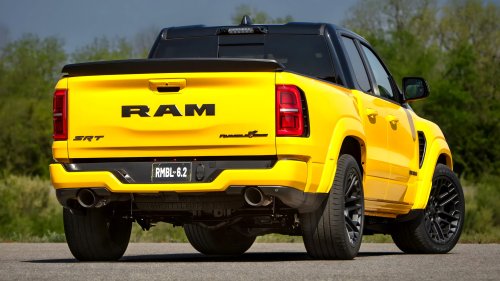
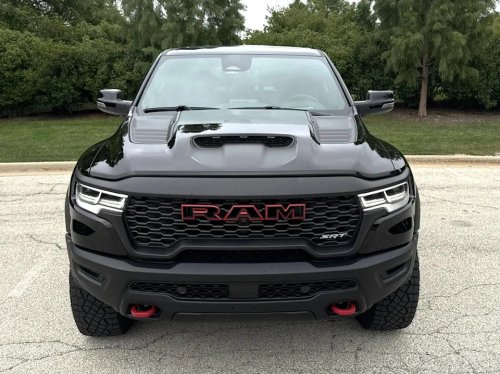
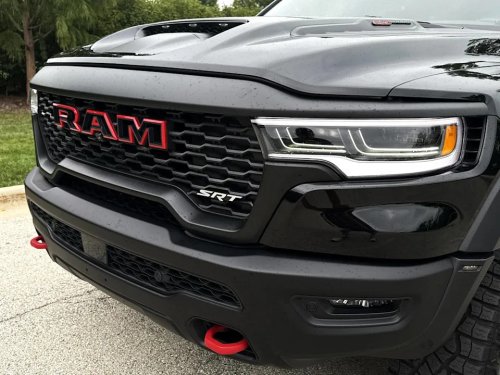
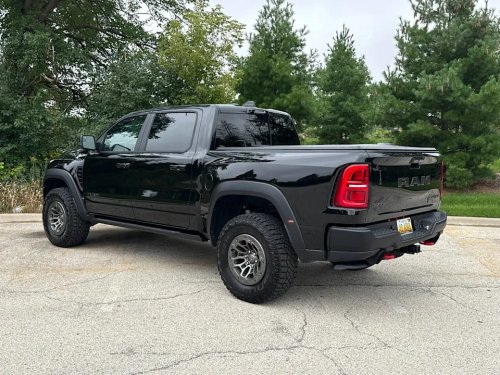
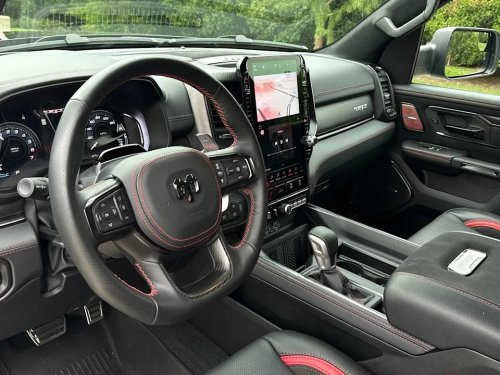
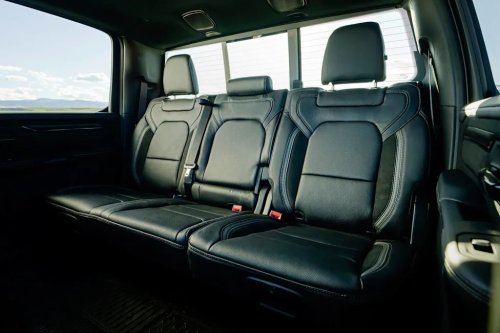
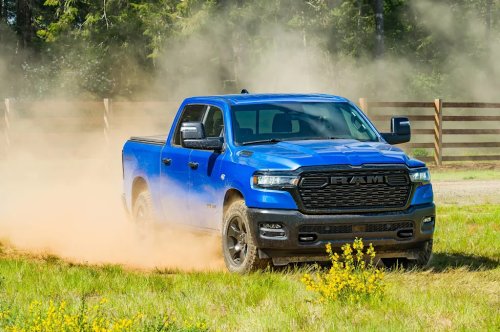
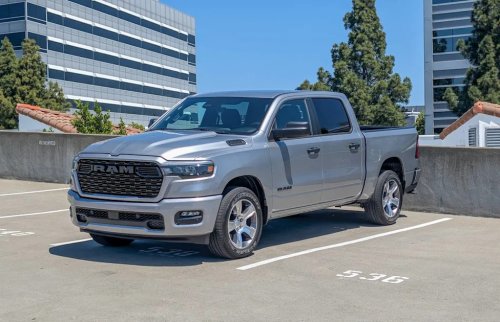
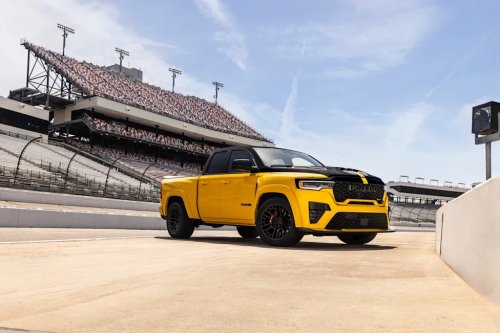
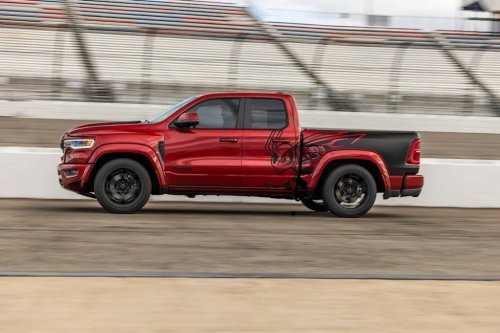
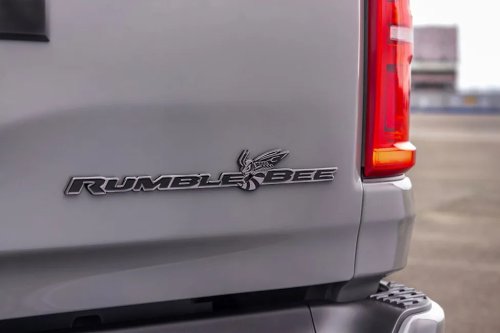
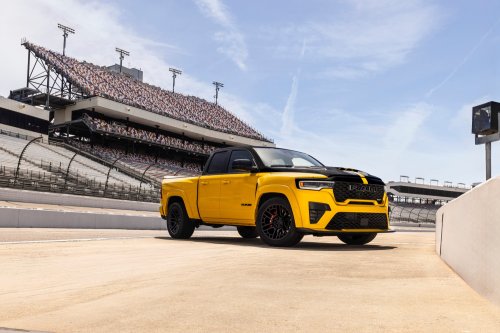
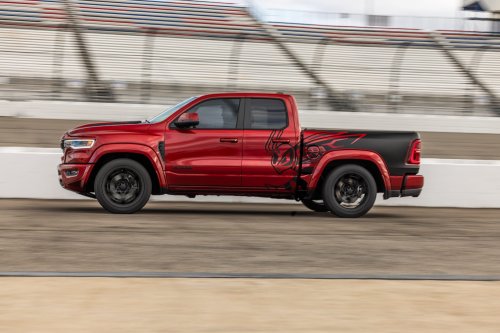
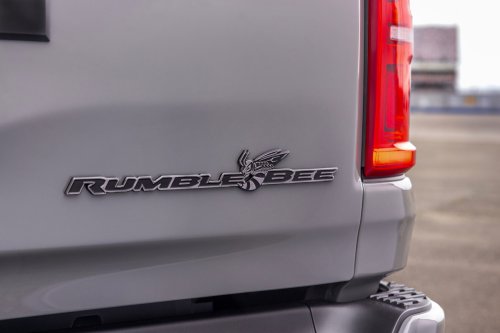
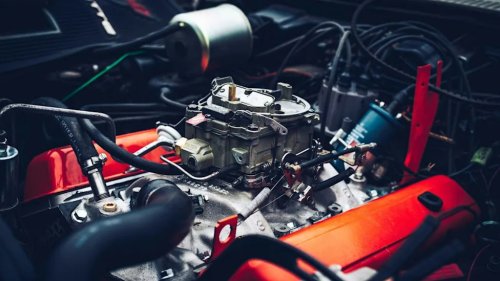
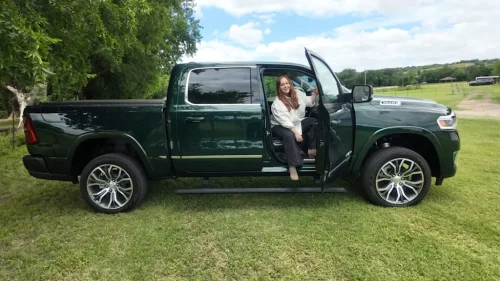
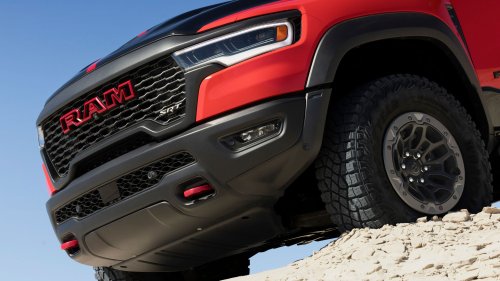
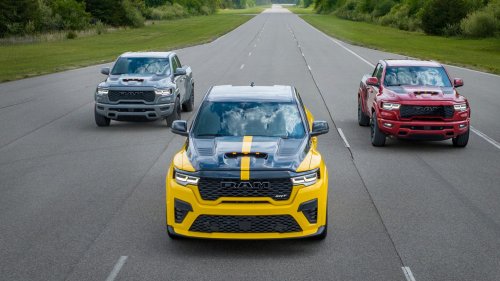
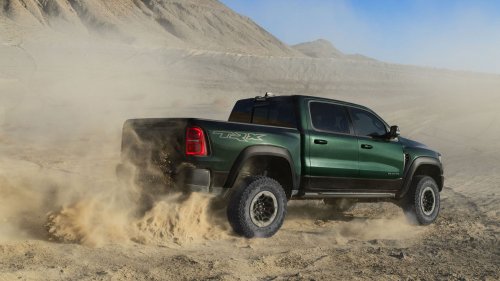
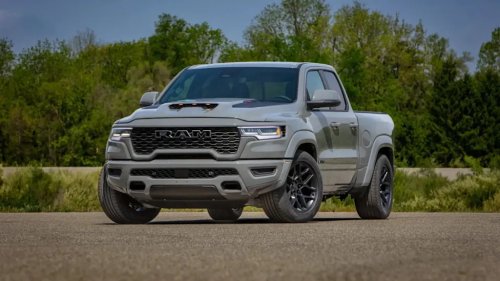
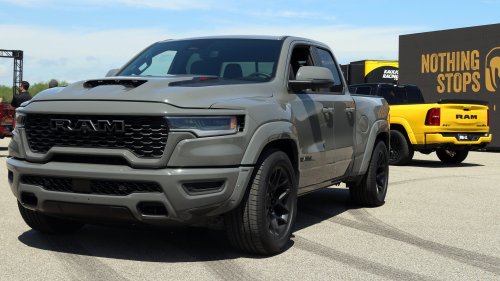
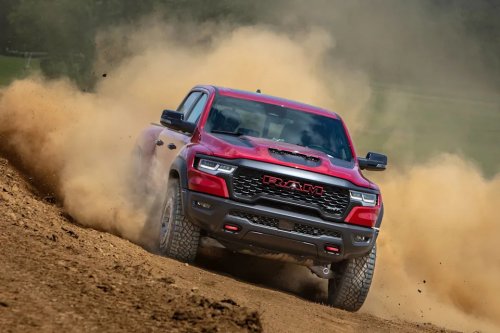
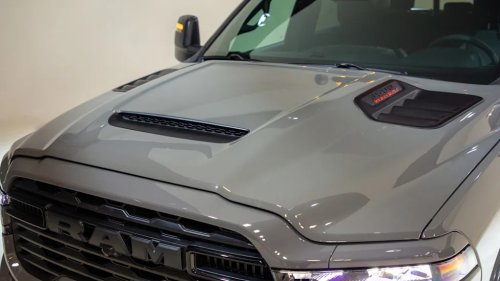
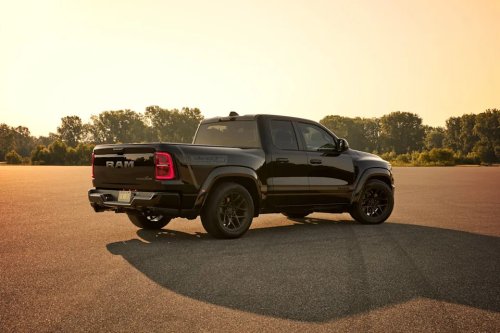
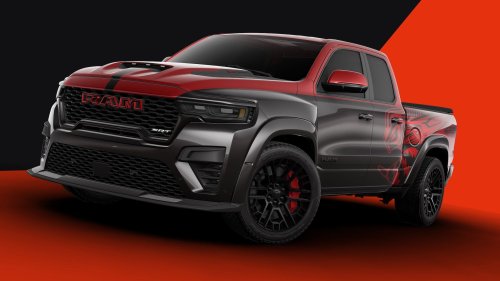
Ram's 2027 Rumble Bee Muscle Trucks Ditch eTorque and Stop-Start, But Keep the One Hybrid-Era Trick Worth HavingStellantis spent the better part of a decade bolting a 48-volt hybrid system onto the 5.7-liter Hemi V8. Now it is yanking that hardware back out of the truck that just launched the loudest, fastest muscle-truck lineup Ram has ever built, and it is doing it on purpose. The 2027 Ram 1500 Rumble Bee, confirmed by Stellantis this spring, arrives with three separate Hemi V8s, and every one of them skips eTorque and automatic engine stop-start entirely.Ram's new muscle-truck subsegment splits into three trims. The base Rumble Bee runs the 5.7-liter Hemi V8, rated at 395 horsepower and 410 lb-ft of torque, and starts at $59,995. Stepping up brings the Rumble Bee 392, the first Ram 1500 ever offered with the 6.4-liter 392 Hemi, good for 470 hp and 455 lb-ft. At the top sits the Rumble Bee SRT, powered by a supercharged 6.2-liter Hemi producing 777 horsepower and 680 lb-ft, enough for a targeted 3.4-second 0-60 run, an 11.6-second quarter-mile, and a 170 mph top speed, numbers Stellantis says make it the quickest, fastest V8-powered production pickup ever built. The 5.7-liter Rumble Bee, built in Saltillo, Mexico, reaches dealers in late 2026; the 392 and SRT versions follow in the first half of 2027.What Actually Got DeletedeTorque was never about raw power. The system uses a belt-driven motor-generator unit in place of a conventional alternator, backed by a 430 watt-hour lithium-ion battery pack tucked behind the rear seat and a 3-kilowatt DC-to-DC converter that keeps the truck's 12-volt electronics running. It enables seamless engine stop-start, adds up to 176 Nm of supplemental torque the instant you touch the throttle, recovers braking energy, and smooths out the shift and start-stop transitions that would otherwise show up as a shudder through the seat. None of that shows up on a spec sheet. Stellantis rates the eTorque-equipped 5.7-liter Hemi at 395 hp and the same 410 lb-ft the non-eTorque Rumble Bee engine produces, which tells you exactly what the hybrid hardware was and was not doing. It was never adding horsepower. It was making the engine quieter and marginally more efficient around town, and Ram just decided that trade-off was not worth the complexity on its halo trucks.The One Piece of Fuel-Saving Tech Ram KeptAll three Rumble Bee engines keep the Multi-Displacement System, Chrysler's cylinder-deactivation trick that shuts down four of eight cylinders under light-load cruising to cut pumping losses and save fuel. That is a telling choice. MDS is a purely mechanical, oil-pressure-actuated system with no battery, no motor-generator, and no extra wiring harness to fail out of warranty. eTorque needed all three. Stellantis effectively kept the fuel-saving technology that adds the least complexity and dropped the one that adds the most, which is a very different story than simply "killing the hybrid system." It is a deliberate trade of a few tenths of a mpg in stop-and-go traffic for a simpler, lighter, and presumably cheaper-to-service drivetrain on its performance trucks.Twenty Years Removed From the Original Muscle TruckRam discontinued its original muscle truck, the V10-powered Ram SRT-10 "Viper truck," two decades ago. That truck made 500 horsepower and 525 lb-ft from an 8.3-liter V10, ran 0-60 in 4.9 seconds, and topped out at 154 mph. The Rumble Bee SRT beats every one of those numbers by a wide margin, and Stellantis is leaning hard into that lineage. Tim Kuniskis, the Stellantis executive overseeing Ram, SRT and North American marketing, framed the new lineup as proof that "Ram is going all-in" on performance trucks. The 5.7-liter engine underneath the base Rumble Bee, code-named Eagle, still uses the same cam-in-block, pushrod layout that has defined Mopar V8s since the muscle car era, the same basic formula behind cars like this 340-powered 1968 Barracuda.A Factory Rivalry With the Raptor RThe Rumble Bee SRT's supercharged 6.2-liter is code-named Hellcat internally, the same forced-induction badge that turned modified Chargers into six-figure auction curiosities like this carbon-bodied Hellcat Charger build. Putting that engine in a factory-warrantied half-ton pickup, with a targeted 170 mph top speed and 777 horsepower, puts Ram squarely in the same conversation as Ford's own answer to truck-based horsepower bragging rights, the Shelby-tuned F-150 Raptor R pushing 1,000 hp. The difference is that Ram's number comes from the factory floor in Saltillo, backed by a new-vehicle warranty, while Ford's competition for that specific fight currently runs through a third-party tuner. Buyers cross-shopping this class should weigh that distinction carefully, since aftermarket power upgrades and factory-engineered power upgrades carry very different implications for warranty coverage, financing, and resale.What It Means for Repair Bills and RegulatorsCutting eTorque removes a 48-volt battery pack, a motor-generator unit and a dedicated DC-to-DC converter from the drivetrain, which is a meaningful simplification. Fewer components generally means fewer things that can fail once a truck rolls out of its powertrain warranty, and eTorque's 48-volt battery, while generally durable so far, is exactly the kind of specialized part that costs real money to replace outside of coverage. On the other side of the ledger, automatic stop-start is one of the cheapest and most common ways an automaker shaves fractions of a mile per gallon toward its fleet-wide EPA and CAFE targets. Deleting it across a whole subsegment of low-volume performance trucks will not move Stellantis's overall fuel-economy average much, but it is still a real trade-off, and it is worth watching whether this configuration stays limited to the Rumble Bee family or eventually works its way into higher-volume Ram 1500 trims. If you are cross-shopping a 2027 Rumble Bee, check the window sticker for the specific engine code, since the rollout is staggered by trim and model year changes like this do not always land on every configuration on day one.The Bottom LineRam is not simply reverting to an old formula out of nostalgia. It looked at what eTorque actually delivered on a performance-focused truck, decided the added weight and complexity were not worth a hybrid badge nobody was asking for, and kept the one piece of fuel-saving hardware that does not require a battery pack to work. The Rumble Bee lineup gives buyers three clear price and performance steps, starting at $59,995 for a 395-hp Hemi and topping out with a 777-hp supercharged monster aimed squarely at the muscle truck crown Ram walked away from twenty years ago. Whether that same eTorque-free thinking eventually spreads to the rest of the Ram 1500 range is the question worth watching over the next model year.