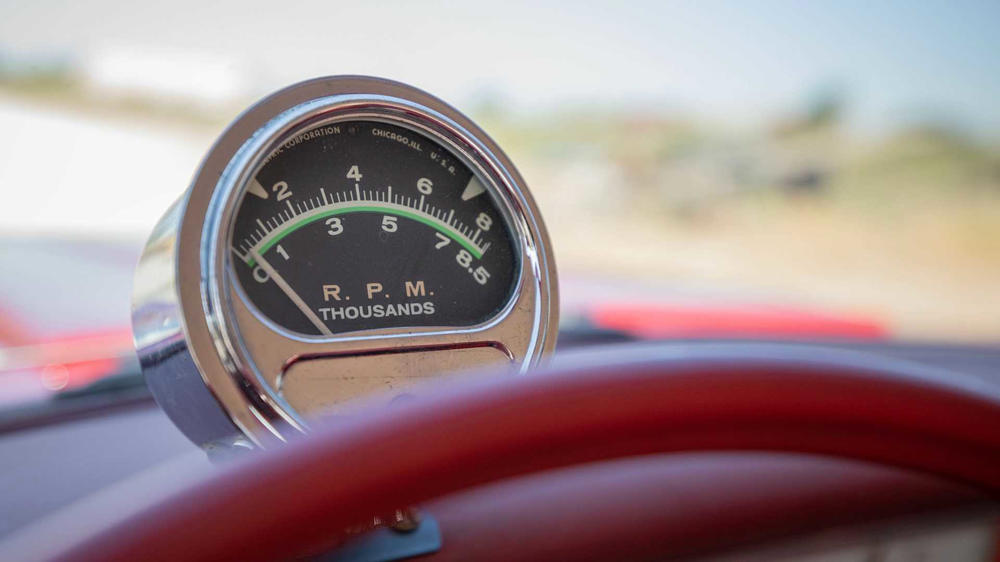
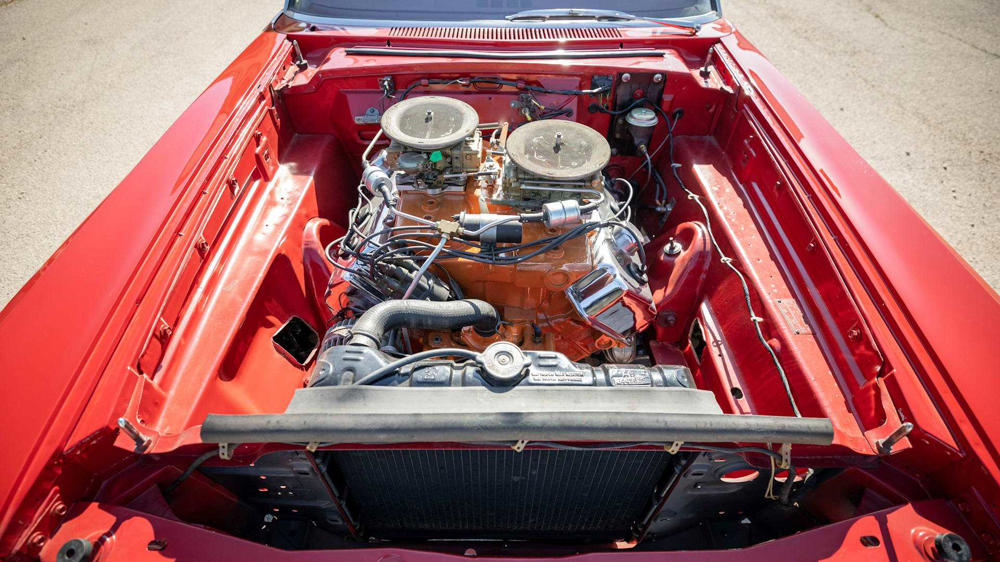
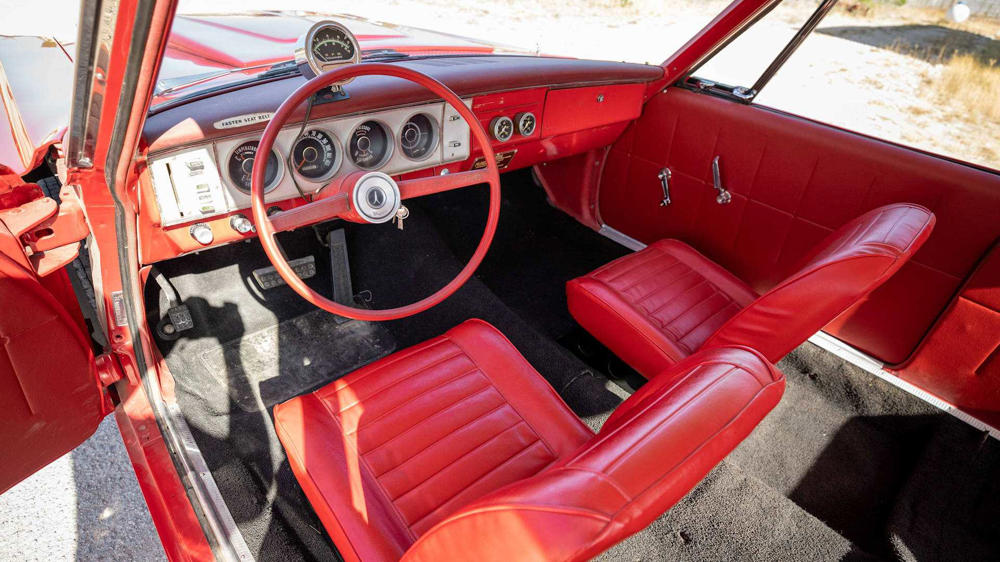
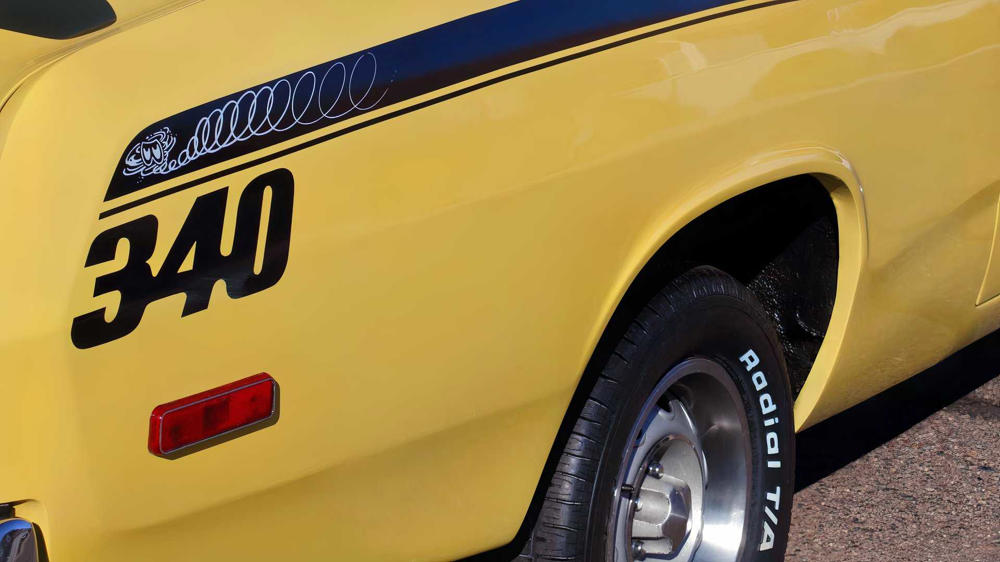
Plymouth is a brand that a lot of enthusiasts have forgotten about by now. But, several decades ago, it was one of Detroit's best brands. That was no doubt helped by some of the fantastic performance cars it put out over the years. This included the one we're going to talk about here. A cut-price muscle car, it was well positioned to be a proper giant-killer. But, one unfortunate problem started ruining things... The Early 1970s Was A Prime Period For Muscle Cars As any enthusiast will tell you, the late 1960s and early 1970s were one of the greatest periods ever for the American auto industry. This includes some of the best Muscle Cars ever made. The early 1970s wasn't short of amazing examples of American muscle. That came in both big-block and small-block form. One of those brilliant small-block muscle cars turned out to be a fantastic giant-killer. The Plymouth Duster 340 Is One Of The Greatest Giant-Killers Detroit Ever Built When you first learn about the Plymouth Duster 340, you might think it was a homologation special. It certainly has all the ingredients you'd expect from one. It's built around the idea of putting a high-performance 340 cubic inch V8 into the light body (3,100 pounds) of a fairly normal Plymouth compact (the Valiant). It's also not amazingly flashy with its extra visual add-ons. People even used to drag race them. But, it's not a homologation special at all. It was actually supposed to be a low-cost alternative to the fancier muscle cars that Plymouth was selling at the time. The Valiant had a base price of just $2,547 in 1970, so that made it the perfect candidate for a low-cost high-performance model. Plymouth Kept Its Standard Equipment Basic To Keep Costs Low How did Plymouth manage to sell the Duster 340 relatively cheaply? It kept the standard equipment as basic as it could get away with. The basic Duster 340 had no power steering or power brakes, and it also only had a 3-speed manual transmission. If you wanted the Hurst 4-speed manual or the TorqueFlite automatic, that would cost you extra. Its Engine Was Deliberately Under-Rated The official power rating for the 340 cubic inch V8 was 275 hp and 340 lb-ft of torque. That's pretty impressive just at face value. What's even more impressive is that this was definitely an under-rating. It's estimated that the 340 produced quite a bit more power than this. While the Duster 340's real output is debated, people have pegged its real figure at 320 hp or greater. Deliberately under-rating engines was common practice back then. If manufacturers were honest about how powerful their fastest muscle cars were, insurance companies might have refused to cover them. This is a practice that most people associate with the big-block monsters like the Plymouth Hemi 'Cuda and the Ford Mustang Boss 429. But, as the Plymouth Duster 340 demonstrates, the small-block muscle cars got significantly under-rated as well at times. Its Reputation Was Ruined By A Botched Test Run That big power in such a light body should have resulted in some absolutely incredible 0-60 and 1/4 mile times. That initially wasn't the case, though. One of the early tests of the Duster 340 was actually quite disappointing. Hot Rod Magazine recorded a 1/4 mile run of 15.38 seconds at 91.55 mph. That underwhelming run wasn't due to anything inherently wrong with the car's design. The test car Hot Rod Magazine used had clutch and transmission trouble, so it's no wonder it didn't perform well. In runs with a properly working Duster 340, the figures were much more along the lines of what they should have been. MotorTrend managed a 1/4 mile time of 15.02 seconds at 93 mph. Super Stock & Drag Illustrated also recorded a very impressive run: 14.09 seconds at 99 mph. Those better tests didn't help things, though. The Duster 340 had started to gain a reputation for being underwhelming, and the damage was already done. The 340 Declined Towards The End Of The American Golden Age While the 340 cubic inch V8 was impressive in 1970, things changed as the decade went on. The switch from gross to net SAE measurements didn't exactly help things, even though it wasn't really an actual change. Where the decline of the 340 really hit was the higher emissions standards that were required from 1972. To meet those requirements, Plymouth turned the compression ratio on the engine down to 8.5:1. The valve heads were also made smaller, and midway through 1972 Plymouth switched from a cast crankshaft to a forged one. Those changes meant that by 1974, the 340 V8 only produced 245 hp and 320 lb-ft of torque. The switch to the 360 cubic inch V8 in 1975 was the final death knell of the 340, cementing the Duster 340's reputation as a disappointing model. Source: Hot Rod, Motales, MotorTrend, Muscle Cars Illustrated, Plymouth, Super Stock & Drag Illustrated

 Liked by Morgan Scott, Audrey Fortin








 Liked by Morgan Scott, Audrey Fortin