Gasgoo Munich- According to the latest market scan data released by the China Passenger Car Association (CPCA), the national passenger car market experienced declines in both retail and wholesale volumes year-over-year and month-over-month during the first 26 days of July. The new energy vehicle sector, however, remained relatively stable.
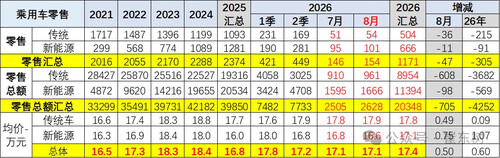
In terms of retail sales, volumes reached 1.123 million units from July 1 to 26, an 18% decrease from the same period last year and a 13% decline from June. Year-to-date retail sales totaled 9.824 million, down 20% from a year ago. Meanwhile, new energy vehicle retail sales reached 738,000 units, falling by 2% year-over-year and 10% from the previous month. This brings the cumulative NEV retail total to 5.44 million for the year, a 13% annual decline. Notably, the retail penetration rate for new energy vehicles stood at 65.7% during the period.
July's retail decline reflects the traditional off-season, with weak overall consumption driving the decrease in wholesale figures. High summer temperatures significantly reduced foot traffic at dealerships, leaving consumers in a wait-and-see mood and prolonging household replacement cycles. At the same time, the first half's price wars reduced market demand, while normalized dealer discounts further suppressed transaction volumes. As retail struggles, inventory pressure on dealers continues to build, leading them to reduce orders from manufacturers, a chain reaction where weak retail leads to weak restocking, and ultimately, lower wholesale numbers.
Nevertheless, there are areas of structural recovery in the retail market. Summer graduation purchases and family travel helped release some pent-up demand, while nationwide trade-in subsidies continued to take effect, effectively driving the replacement of older vehicles. New energy models demonstrated significantly greater resilience than internal combustion engine vehicles, thanks to product upgrades, policy incentives, and competitive pricing. That strength helped offset some of the losses in fossil-fuel vehicle sales.
On the wholesale front, automakers shipped 1.17 million units nationwide from July 1 to 26, down 18% from a year earlier and 33% from June. Year-to-date wholesale volume reached 13.72 million, a 7% annual decline. In contrast, new energy vehicle wholesale sales rose 6% year-over-year to 820,000 units, though they slipped 27% from the previous month. Cumulative NEV wholesale sales for the year hit 7.61 million, up 5% from last year. The wholesale penetration rate for new energy vehicles stood at 70% during the period.
Pressure on the wholesale side stems largely from significant off-season effects. June's end-of-half push by automakers pulled demand forward, adding to the impact of a high base from last year. Adding to the strain, rising oil prices, sluggish end-user demand, and high channel inventories have strained dealer cash flows, reducing their willingness to restock and forcing manufacturers to curb production. Yet structural support factors remain. Trade-in programs and local purchase subsidies are rolling out steadily, while new national standards for NEVs have triggered a wave of compliant model launches, adding to wholesale volumes. Additionally, with a relatively high number of working days in July and sustained robustness in auto exports, overseas orders are effectively absorbing excess domestic capacity, providing a crucial floor for wholesale figures.