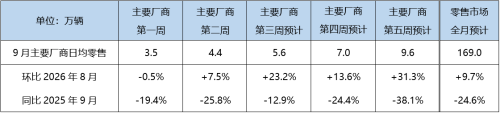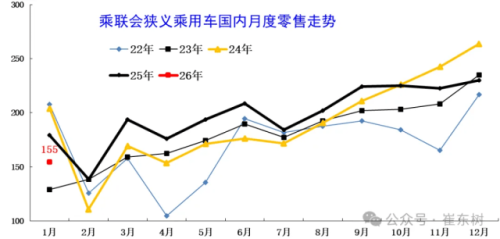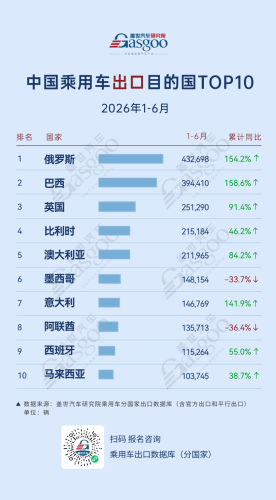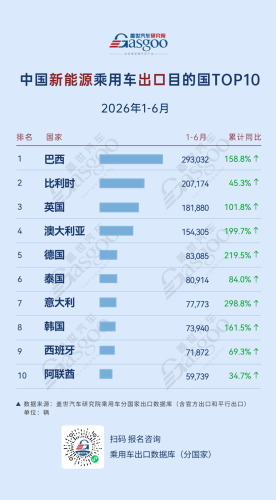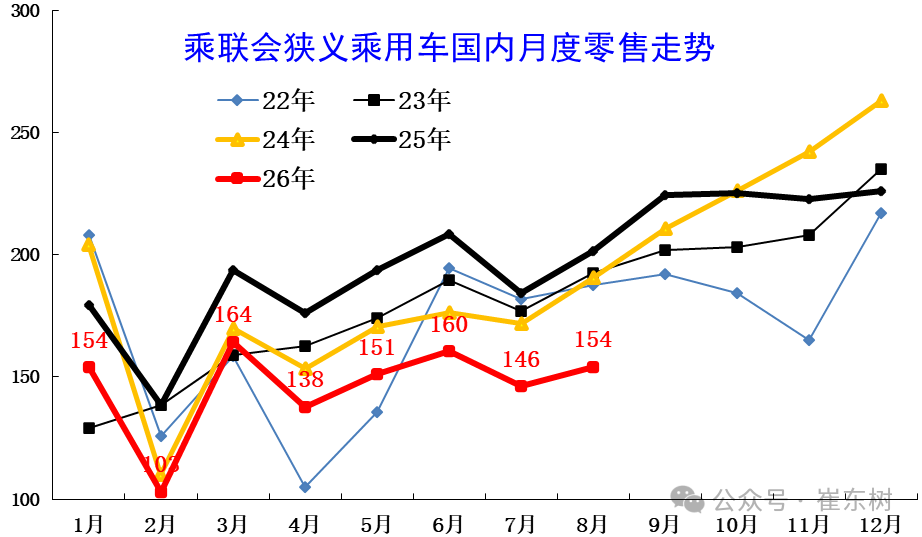



















Gasgoo Munich- At the end of August 2026, national passenger car inventory dropped to 3.14 million units, down 80,000 from the previous month and 20,000 from August 2025, marking a sustained downward trend. Based on end-August stock levels and estimated domestic retail sales over the next three months, the current inventory can support sales for 56 days. Compared to the same period in 2023 through 2025—42, 52, and 58 days respectively—overall inventory days remain under pressure.Image source: CPCAIn terms of inventory structure, the share of manufacturer-held stock fell to 27.1% at the end of August. Total inventory for new energy vehicle (NEV)-only manufacturers rose to 850,000 units—an increase of 20,000 from the previous month and 70,000 above November 2025 levels. However, this remains below the recent peak of 880,000 units seen in April 2025. NEV dealers are facing pressure to clear both manufacturer and channel inventory as retail sales fall short of expectations.Production, sales, and export data show that August retail sales reached 1.541 million units, down 23% year-on-year but up 5.5% month-on-month. Cumulative retail sales for the first eight months totaled 11.71 million units, a 20.7% annual decline. Over the same period, wholesale volumes by passenger car manufacturers hit 2.353 million units, slipping 5.3% year-on-year while climbing 4.5% month-on-month. Production stood at 2.35 million units, down 4% from a year ago but up 5.4% from July.On the export front, passenger car shipments reached 888,000 units in August—surging 77.8% year-on-year, though easing 4.2% from the prior month. Exports accounted for 38% of manufacturer sales, with NEVs comprising 58.4% of the total export volume, a sharp increase of 18 percentage points from the same period last year. In terms of market sentiment, the CPCA forecasting team's optimism index for August stood at 12%, while post-month satisfaction released in early September came in at 17%.The team's optimism for September stands at 38%, a relatively high forecast index in recent history. The year-on-year drop in August retail sales was driven by a mix of factors: high oil prices, stricter regulations on trade-in policies, shrinking subsidies for passenger cars, and rising upstream costs. Given that sales continue to fall short of expectations, the industry faces significant pressure to clear inventory. Automakers will need to carefully manage their production and sales pace while actively clearing backlogged stock.