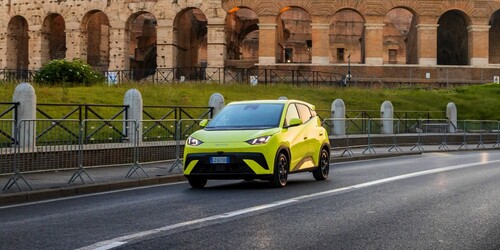
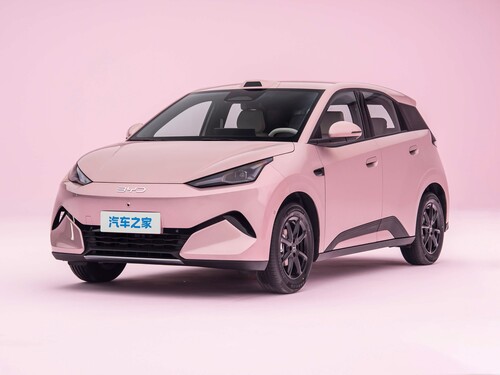
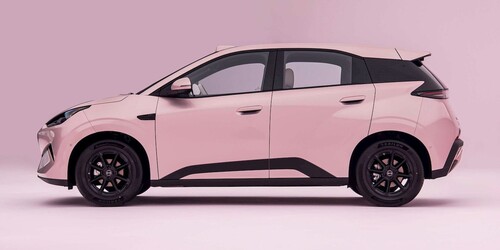
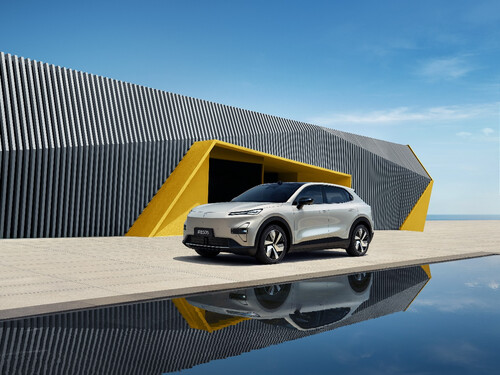
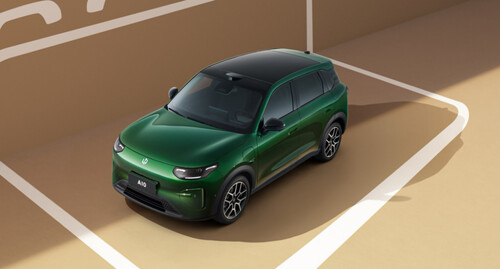
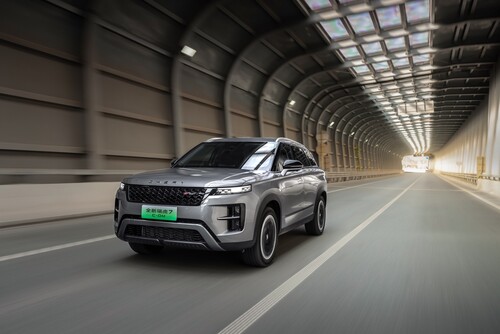
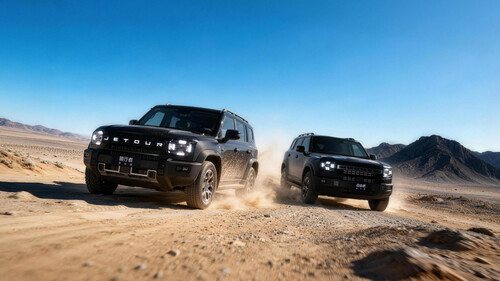
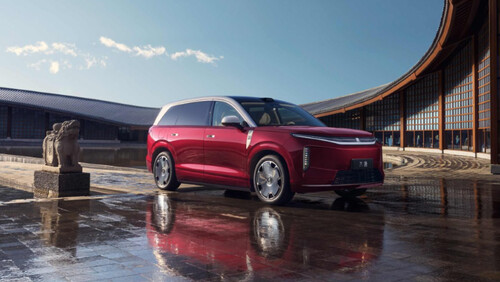
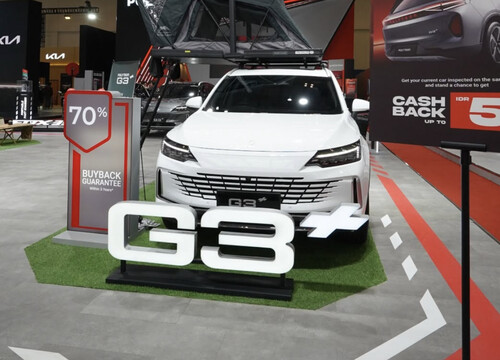
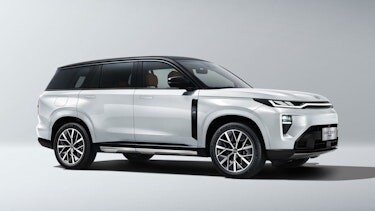
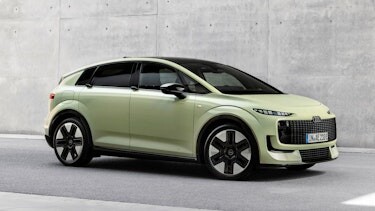
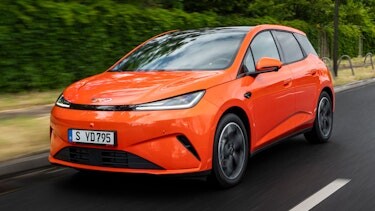
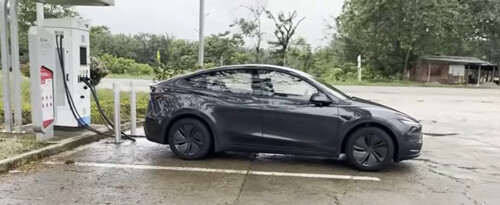
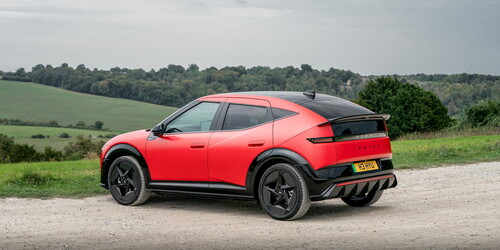
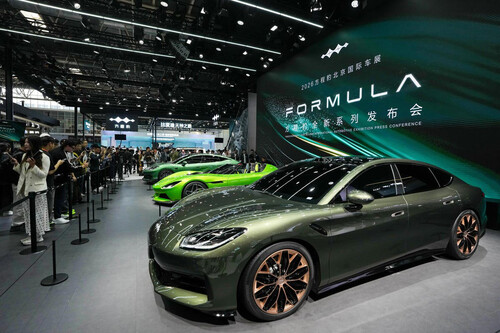
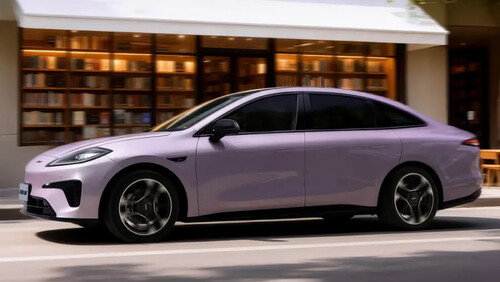
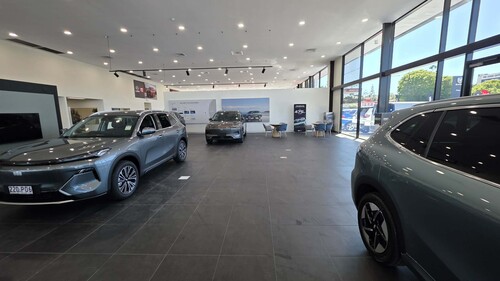
The 2026 Manila International Auto Show runs from April 9 to 12 across the World Trade Center and the Philippine Trade Training Center, with a noticeably broader electrification footprint than in previous years. The expansion to an additional 3,000 square meters of exhibition space increases both vehicle count and brand participation, but the composition of that participation is what defines this year’s signal. What stands out is not just the number of electrified nameplates, but the fact that electrification itself is now the default framing for many of these brands. Battery-electric vehicles are gaining visibility, but hybrids and plug-in hybrids continue to anchor the market’s near-term volume expectations The exhibitor list is heavily weighted toward Chinese manufacturers and distributor-led portfolios, including BYD, GAC, Geely, Chery, Jetour, GWM, and Changan, alongside newer or niche entries such as AITO, Deepal, Denza, Bestune, Lynk & Co, and Jaecoo&Omoda. European participation is present but selective, led by BMW, MINI, and Lotus. Then there is Kia. Battery-Electric Vehicles & Market Positioning Kia EV5 makes its official local debut, positioned as a mid-size crossover with an 88.1 kWh battery and a claimed range of around 550 kilometers. Offered in GL and GLS variants, it reflects a push toward higher-capacity batteries to offset limited public charging density. BYD is expected to anchor part of the EV display with models such as the new BYD Sealion 7, while other entries including the Aion UT and Changan Lumin broaden the range of price points and use cases. The presence of multiple sub-brands such as Denza and Deepal reinforces how Chinese OEMs are segmenting their EV offerings across premium and mass-market categories. However, the constraint remains unchanged. Without parallel investment in charging infrastructure and grid reliability, these vehicles will remain concentrated among early adopters. Plug-in Hybrids Transition Plug-in hybrid vehicles are positioned more directly against current market limitations, offering partial electrification without full dependence on charging networks. The Geely EX5 EM-i illustrates this approach with a 1.5-liter engine paired to an 18.4 kWh battery, delivering over 100 kilometers of electric-only range and a combined range approaching 1,000 kilometers. UAAGI-backed brands such as BAIC and Jetour expand this into utility and SUV segments through models like the BAIC B40e REV Trailmaster and Jetour’s i-DM lineup, including the Jetour T1 Lightning and Jetour X70 Lightning. GWM and GAC further reinforce this layer with plug-in and hybrid systems deployed across larger vehicles, where full electrification remains less practical under current infrastructure conditions. Hybrids & The Persistence Of Infrastructure-Light Electrification Conventional hybrids continue to dominate the practical end of the market, particularly among brands that are scaling through distributor networks rather than legacy dealer systems. Models such as the GAC GS8 HEV and GAC Emkoo Hybrid illustrate how electrification is being integrated into high-volume SUV segments. Other entries, including offerings from Jaecoo and Omoda, indicate that hybridization is now embedded across product lines rather than positioned as a niche upgrade. The emphasis remains on incremental efficiency gains without requiring changes in refueling behavior. Commercial Electrification & Utilization Economics Electrification in commercial and utility segments introduces a different set of variables, where total cost of ownership becomes more relevant than upfront pricing. Foton is presenting a range of electric commercial vehicles, including the Foton Harabas EV and Foton Transvan EV, with ranges calibrated for urban logistics and transport use. The Foton Thunder EV extends this into the pickup segment with a claimed range of over 500 kilometers. These vehicles are less sensitive to consumer perception and more dependent on fleet economics, where predictable routes and centralized charging can offset infrastructure gaps. Market Participants Outside The Show Floor Tesla now operates in the Philippines with a retail and service presence, including in Bonifacio Global City. Its absence from MIAS reflects channel choice rather than market absence. Tesla’s direct-to-consumer model reduces reliance on dealer-led events, and its capital allocation tends to favor controlled retail environments and charging infrastructure over multi-brand exhibitions. Where The Market Will Be Tested The scale of electrified offerings at MIAS 2026 suggests that supply is no longer the limiting factor, at least among participating brands. Manufacturers are prepared to introduce a wide range of technologies across multiple price points and vehicle categories. Charging infrastructure, dealership readiness, financing structures, and residual value assumptions will determine how quickly these vehicles move beyond early adoption. Battery-electric vehicles, in particular, require coordinated investment beyond the showroom, while hybrids and plug-in hybrids continue to benefit from compatibility with existing systems. With major Japanese OEMs absent and expected to reappear at Philippine International Motor Show 2026, MIAS 2026 highlights where competitive pressure is currently most aggressive. It is less a snapshot of total market share and more a view into the segment pushing hardest on electrification under current constraints. Nissan Kicks, a series-hybrid in the Philippines from MIAS 2025. (Photo by DBT)