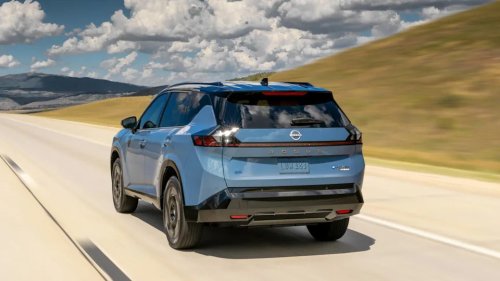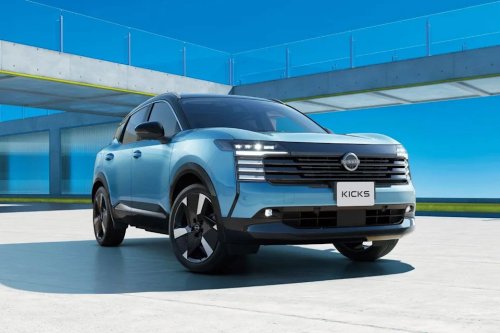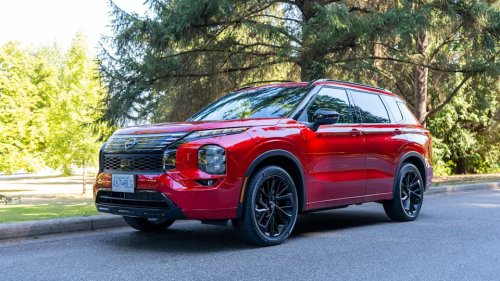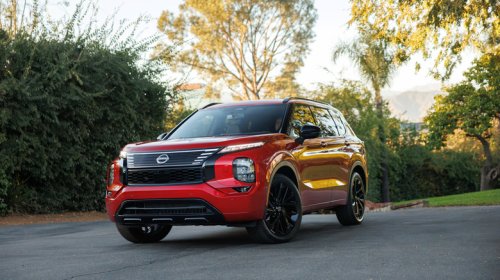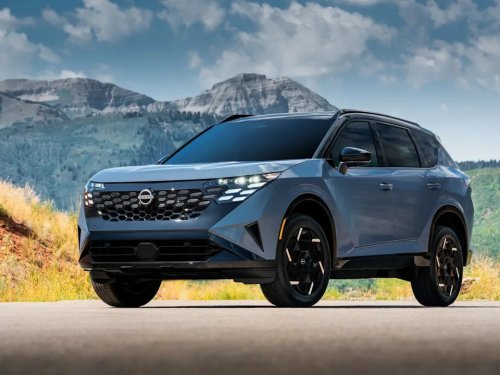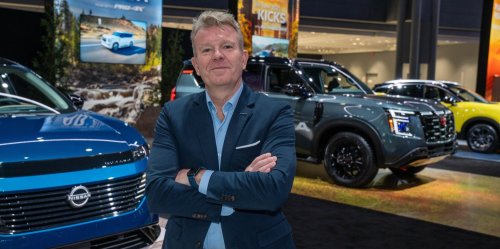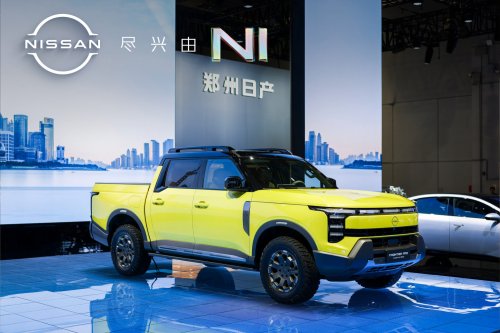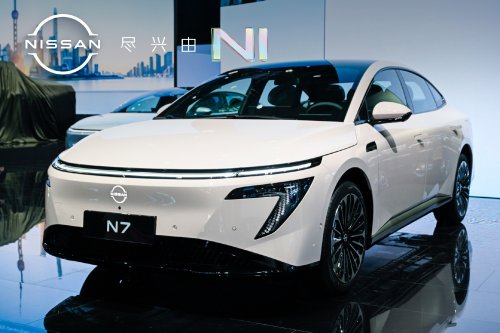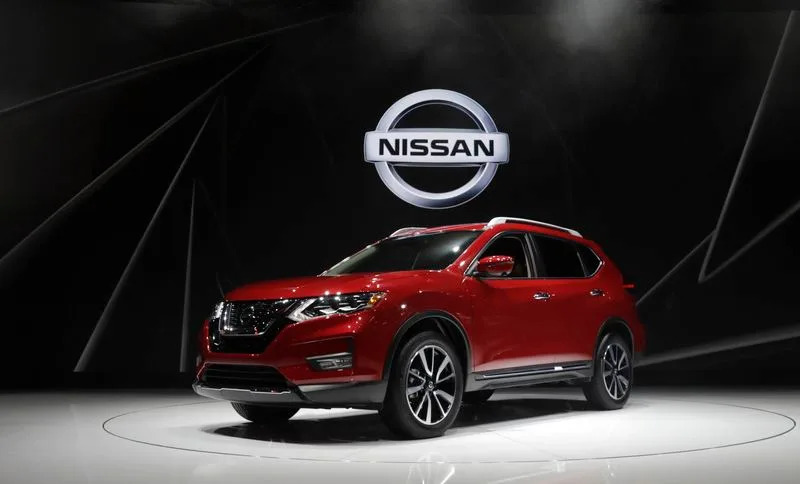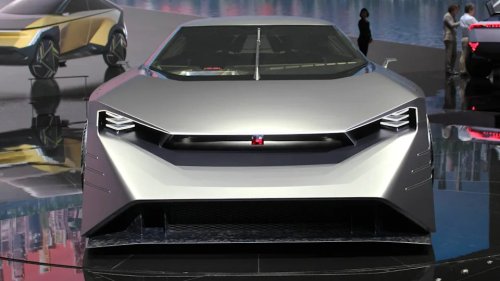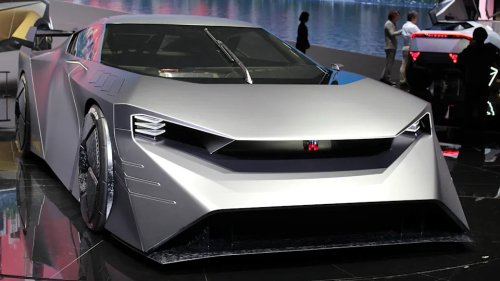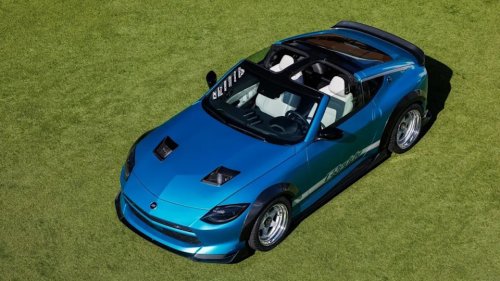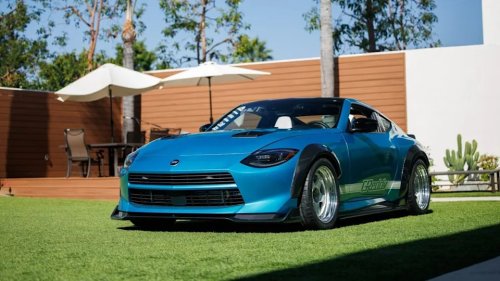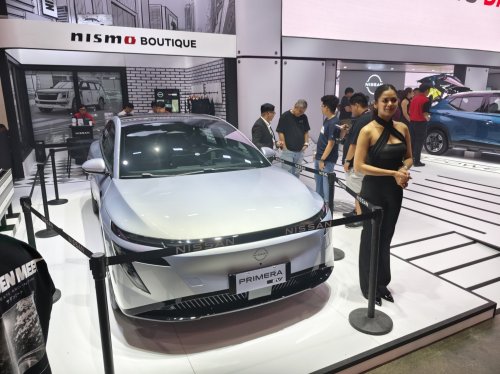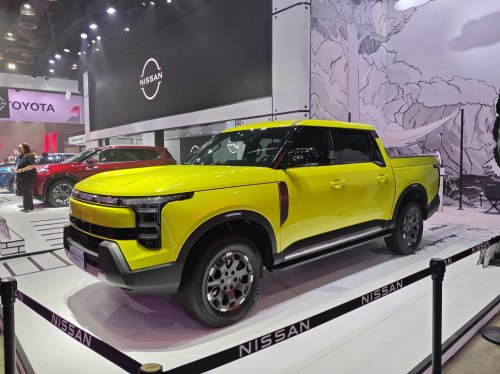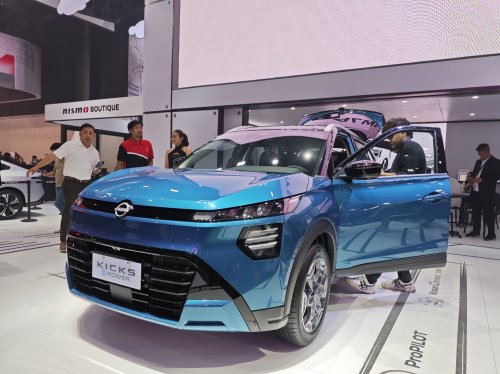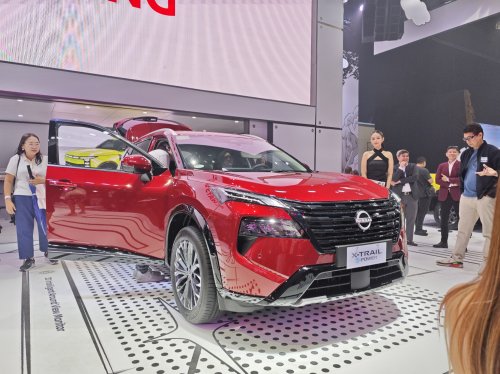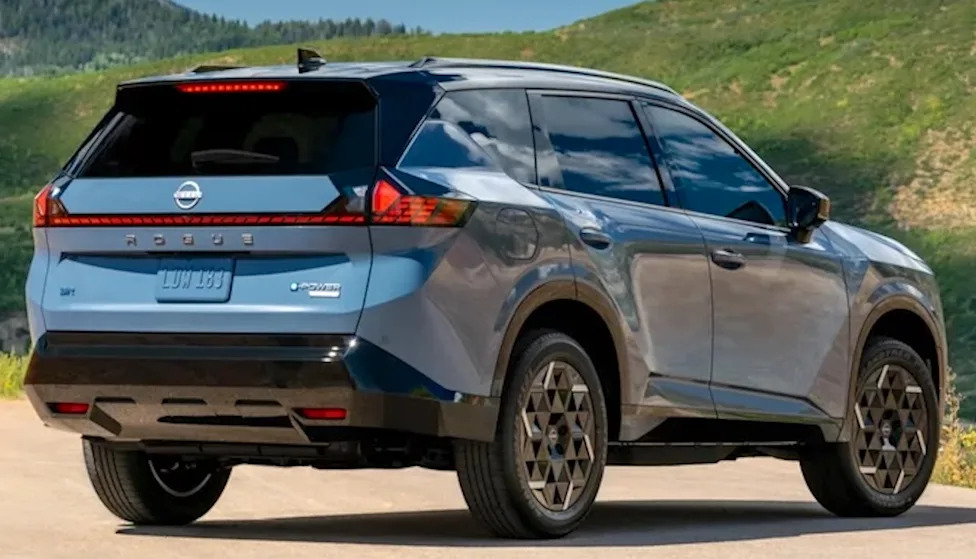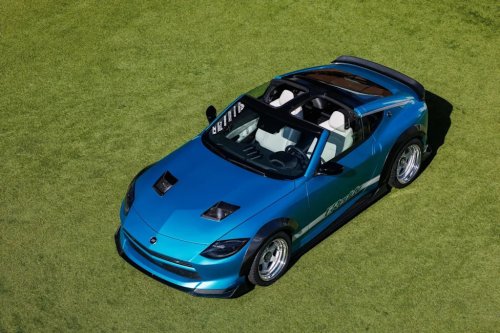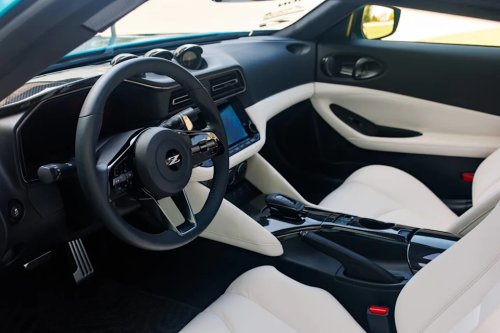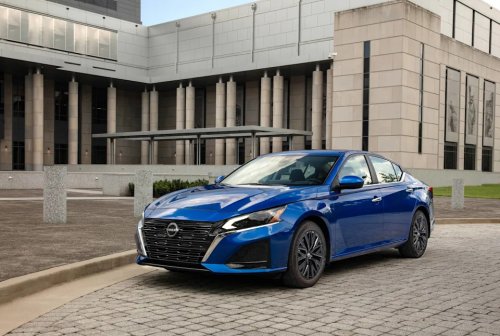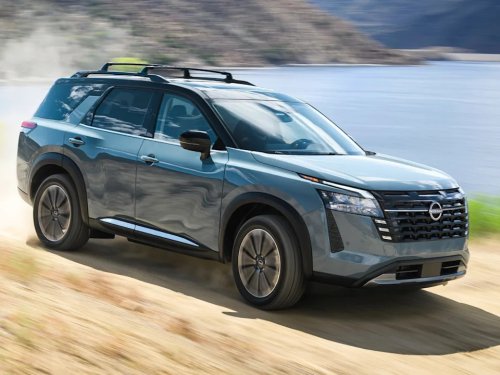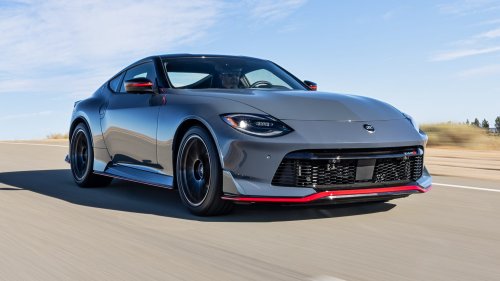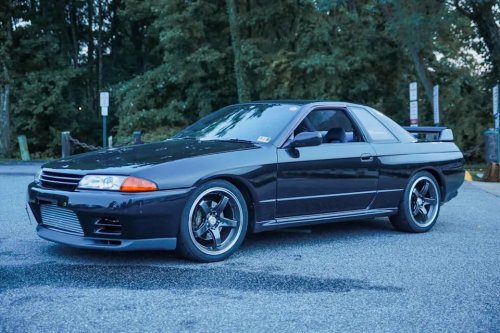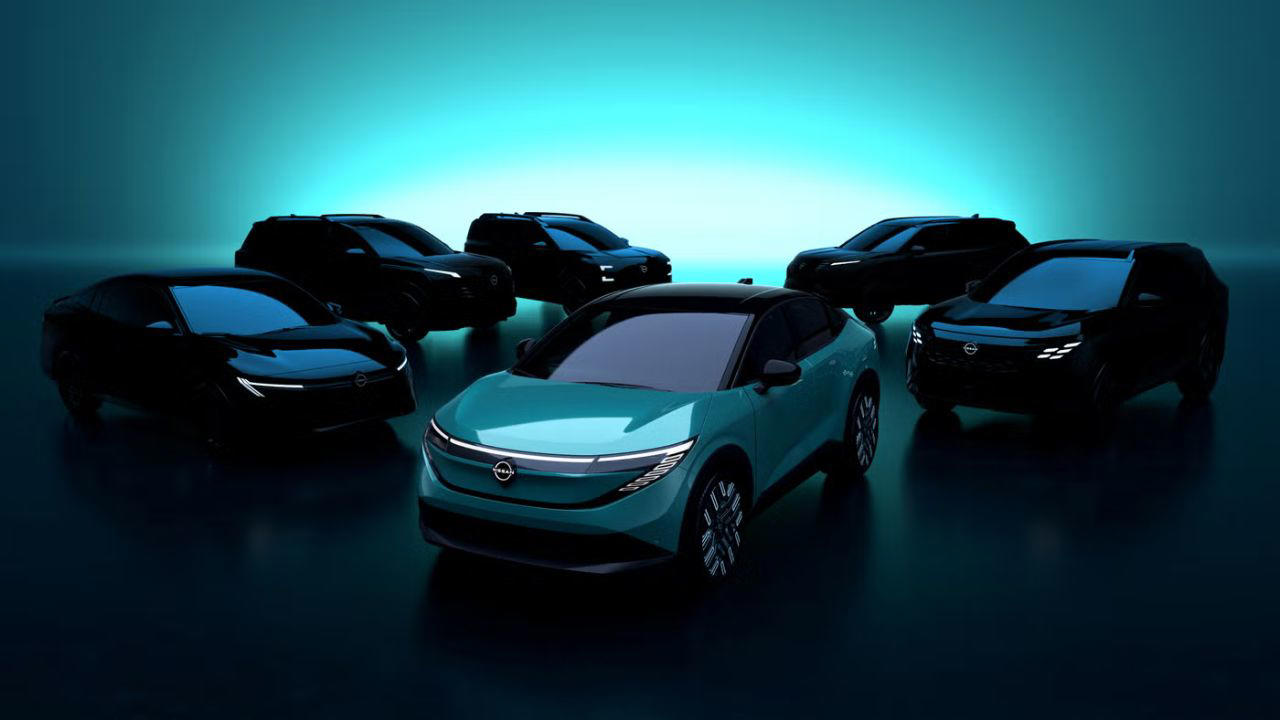



















Nissan plan targets AI-defined cars, fewer models, new segmentsNissan is redrawing its roadmap around software, artificial intelligence and a leaner product lineup, aiming to turn its next generation of vehicles into “AI-defined” platforms rather than traditional hardware-first cars. The company is also cutting overlapping models and pushing into new segments as it tries to lift profitability in a market that is shifting unevenly toward electrification. The plan marks a decisive attempt to reset after years of churn, with Nissan betting that fewer, smarter vehicles and a tighter focus on technology can restore its edge in mass-market segments while opening doors in premium and commercial niches. What happened Nissan has laid out a multi-year strategy that combines portfolio pruning with aggressive investment in software, electrification and artificial intelligence. It intends to streamline its global lineup, reducing the total number of nameplates and concentrating resources on core platforms that can be sold in higher volumes and updated more frequently over the air. According to one analysis, the plan targets a smaller range of models but aims to lift worldwide sales by focusing on high-demand segments and regions where Nissan already has scale, such as North America, China and key markets in Europe and Asia, in order to boost global sales. Central to the strategy is a shift toward so-called AI-defined vehicles. Rather than treating software as an add-on, Nissan wants the next wave of cars to be structured around computing power, data and connectivity. That includes new electronic architectures designed to run advanced driver-assistance systems, predictive maintenance tools and personalized in-car services, all driven by large-scale data analysis and machine learning. The company has highlighted the ability to introduce new functions through software updates across a vehicle’s life as a key part of this approach. Electrification remains a pillar, but Nissan is adjusting its mix to reflect uneven demand for battery electric vehicles. Alongside pure EVs, the company plans a broader push for hybrids and e-Power systems that combine combustion engines with electric drive, especially in markets where charging infrastructure and incentives for full EVs are weaker. Reporting on the plan notes that Nissan intends to trim slow-selling models, redirect investment toward electrified crossovers and SUVs, and roll out new driver-assistance features that rely heavily on AI-powered perception and decision-making, as described in coverage of its move to offer fewer models with more hybrid and AI tech. In parallel, Nissan is targeting fresh segments rather than simply refreshing its existing catalog. Plans call for more competitive entries in compact and midsize crossovers, new commercial offerings that can support fleet customers with connected services, and potential expansions in performance and lifestyle models that can carry higher margins. The company’s global product plan, outlined in a recent corporate announcement, describes a pipeline of new and updated vehicles across multiple regions, along with a focus on cost reduction, platform sharing and common modules to support the shift toward AI-centric architectures, as detailed in its strategic update. The restructuring also reaches into manufacturing and supply chains. Nissan is working to standardize platforms and components across regions, which should allow factories to build different models on shared underpinnings and electronics. At the same time, the company has signaled that it will lean more on alliances and external partners for software, chips and cloud services, while keeping core vehicle engineering and brand identity in-house. Together, these moves are meant to shorten development cycles and reduce the cost of adding new digital features to existing models. Why it matters The shift toward AI-defined vehicles is not just a branding exercise. For Nissan, it is a response to a structural problem: traditional model cycles are long and expensive, while consumer expectations for digital features move at smartphone speed. By designing cars around a central computing platform and high-bandwidth connectivity, Nissan can treat hardware as a stable base and software as the main arena for differentiation. That makes it easier to introduce new driver-assistance functions, subscription services or performance tweaks years after a vehicle leaves the factory, which can generate recurring revenue and keep older cars aligned with newer ones. This approach also addresses a safety and regulatory challenge. Advanced driver-assistance systems depend on accurate sensing and fast processing of complex environments. AI models trained on large datasets can improve object detection, lane-keeping and emergency braking, and they can be updated as new scenarios are encountered. If Nissan can deploy a common software stack across a large fleet, it can collect data at scale, refine its algorithms and roll out improvements through over-the-air updates. That feedback loop is difficult to achieve with fragmented electronics and one-off systems tied to individual models. Cutting the number of nameplates is equally significant. Nissan has struggled with overlapping models in similar segments, which dilute marketing and development budgets. A leaner lineup lets the company focus engineering resources on fewer, more competitive vehicles, with higher volumes per platform. That can lower per-unit costs and free capital for software, batteries and AI research. It also simplifies dealer inventories and can make it easier for consumers to understand the brand’s offerings, especially in crowded segments like compact crossovers where Nissan competes with the Qashqai, X-Trail and Rogue families in different markets. The emphasis on hybrids and e-Power systems reflects a pragmatic reading of global EV trends. Pure battery electric adoption has slowed in some regions, especially where incentives are fading and charging networks lag. By offering hybrids that deliver strong efficiency gains without requiring drivers to change fueling habits, Nissan can capture customers who are curious about electrification but not ready to commit to full EVs. This bridge strategy can keep volumes up while the company continues to invest in battery technology and charging partnerships for markets where EV demand is stronger. For suppliers, the AI-defined car strategy is both an opportunity and a threat. On one hand, common electronic architectures and centralized computing can increase demand for high-performance chips, sensors and connectivity modules. On the other, Nissan’s drive to standardize components and share platforms across regions could squeeze smaller suppliers that rely on bespoke parts for niche models. Software partners, cloud providers and cybersecurity firms stand to gain as Nissan looks to secure and manage the data flowing through its connected fleet. Consumers are likely to see the impact in several ways. Vehicles that share a common software platform can receive synchronized feature updates, such as improved adaptive cruise control, enhanced parking assistance or new infotainment apps. Owners might be offered subscription packages for advanced driver-assistance features or performance modes, similar to the way some rivals already monetize software. At the same time, a reduced model range could mean fewer ultra-niche variants, but potentially better-equipped core models with more standard technology. The competitive context is unforgiving. Rivals in Japan, Europe, the United States and China are all racing to define the next generation of connected vehicles. Some are pursuing fully software-defined architectures with centralized computing and zonal wiring, while others are layering new software on existing platforms. If Nissan executes its AI-defined strategy effectively, it can position itself as a technology-forward brand without abandoning its mass-market roots. If the execution falters, the company risks being squeezed between low-cost manufacturers and premium players that already have strong digital ecosystems. Financially, the plan is designed to improve margins as much as it is to grow volume. High investment in AI, electrification and connectivity is expensive, but it can be justified if the resulting vehicles command better pricing or generate recurring revenue through services. Streamlining the portfolio and sharing platforms across regions should help offset those costs. The company’s stated aim to lift global sales while reducing complexity suggests a focus on profitable growth rather than pure market share, a shift from earlier strategies that prioritized volume. The focus on new segments also has strategic implications. Commercial and fleet customers are increasingly interested in connected services that can monitor vehicle health, optimize routes and manage driver behavior. AI-defined vehicles are well suited to these use cases because they can integrate telematics, predictive maintenance and driver-assistance features in a unified system. If Nissan can offer compelling packages in vans, pickups and light commercial vehicles, it can build a base of repeat business that is less sensitive to consumer cycles. From a regulatory standpoint, AI-defined cars raise questions about data privacy, cybersecurity and liability. Nissan will need to ensure that its connected systems comply with data protection laws in major markets and that over-the-air updates are secure against hacking. As vehicles take on more decision-making through AI, regulators may demand greater transparency about how algorithms function and how they are tested. Companies that can demonstrate rigorous validation and clear safety benefits will be better positioned as rules tighten. What to watch next The first major test of Nissan’s strategy will be the rollout of new models that fully embody the AI-defined approach. Observers will look for vehicles that feature centralized computing, frequent software updates and clearly differentiated digital services, rather than incremental tweaks to existing infotainment systems. The timing and reception of these models in core markets such as Japan, North America, Europe and China will provide an early read on whether customers see value in the shift. Another key indicator will be how aggressively Nissan trims its lineup and how it handles legacy nameplates. Discontinuing long-standing models can free resources but also risks alienating loyal buyers. The company will need to manage transitions carefully, ensuring that replacement vehicles offer clear improvements in technology, efficiency and practicality. The pace of consolidation across segments like small hatchbacks, sedans and crossovers will show how serious Nissan is about reducing complexity. Investors and industry analysts will track progress on cost reduction and platform sharing. If Nissan can demonstrate that new architectures lower development time and manufacturing expense, it will strengthen the case for continued investment in AI and software. Metrics such as commonality of components across regions, the number of models per platform and the share of vehicles capable of over-the-air updates will be important benchmarks. The evolution of Nissan’s electrification mix will also be closely watched. Market response to new hybrids, e-Power models and next-generation EVs will reveal whether the company has calibrated its strategy correctly. Strong demand for hybrids could validate the bridge approach, while a faster-than-expected shift to full EVs in certain regions might pressure Nissan to accelerate battery investment. Charging partnerships, battery supply agreements and localized production of electrified models will all influence how flexibly the company can respond. On the technology side, the maturity of Nissan’s AI capabilities will be under scrutiny. The company will need to show that its driver-assistance systems can compete with or surpass rivals in real-world performance, not just on spec sheets. Independent safety ratings, customer satisfaction scores for ADAS features and the frequency of software updates will provide tangible evidence of progress. Partnerships with technology firms for cloud computing, mapping and cybersecurity may also signal how Nissan plans to scale its AI infrastructure. More from Fast Lane Only Unboxing the WWII Jeep in a Crate 15 rare Chevys collectors are quietly buying 10 underrated V8s still worth hunting down Police notice this before you even roll window down