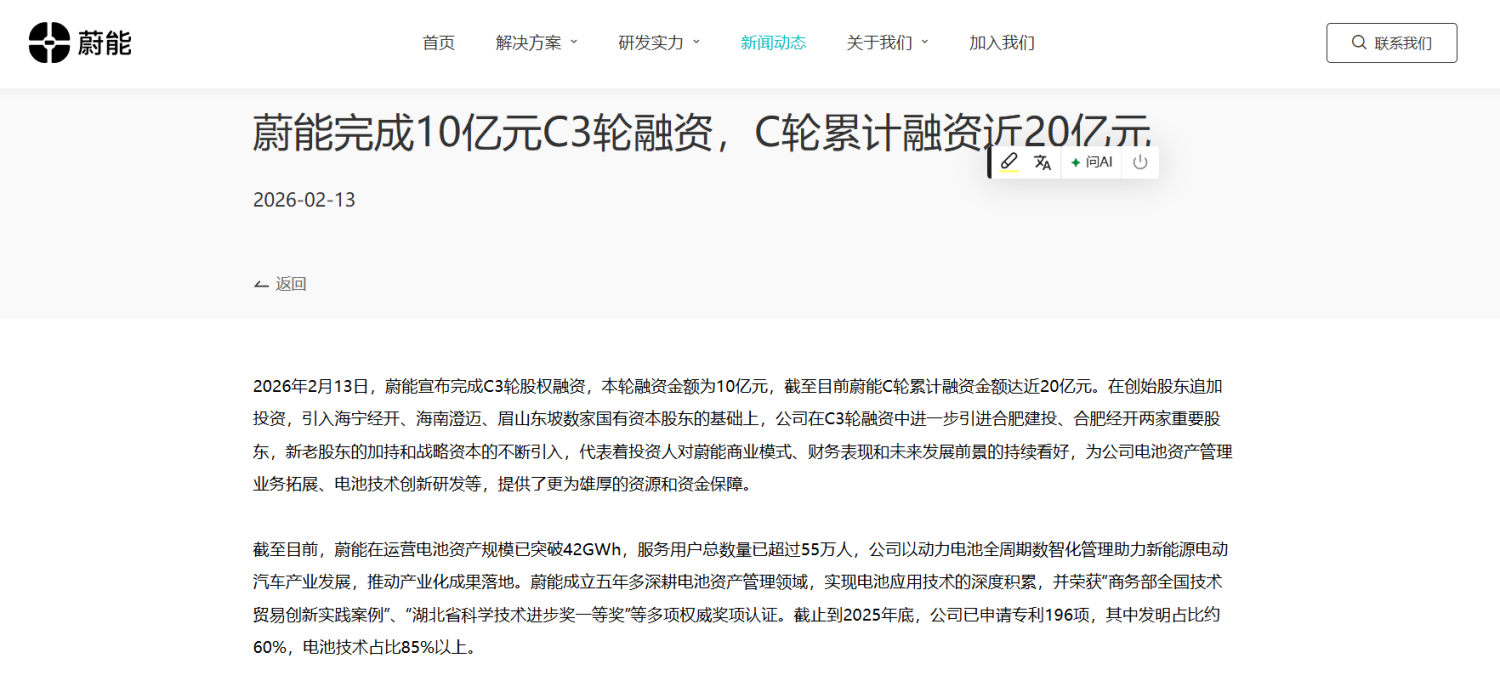
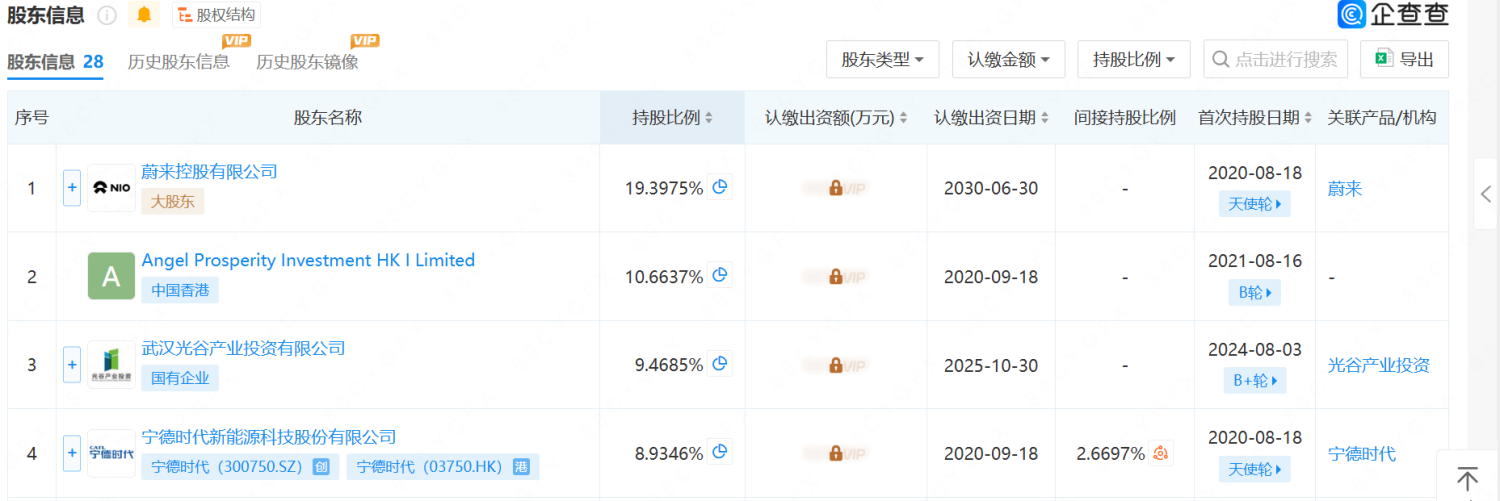
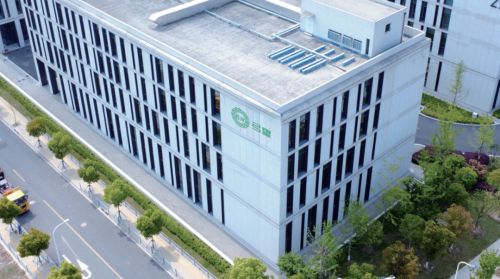
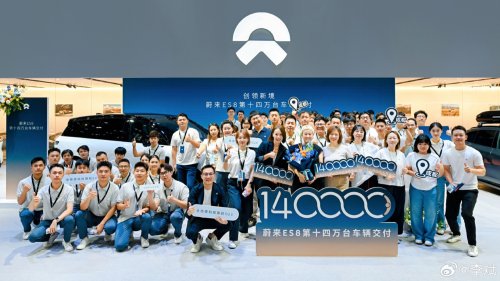
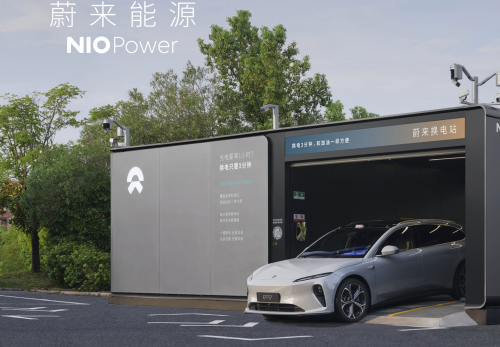
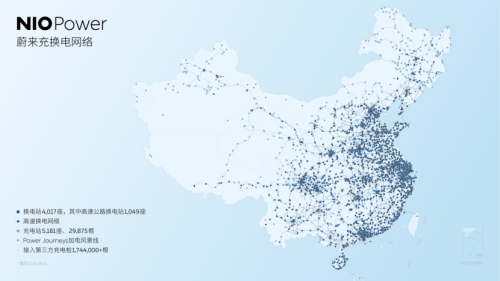
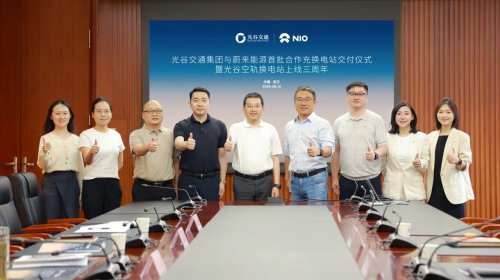
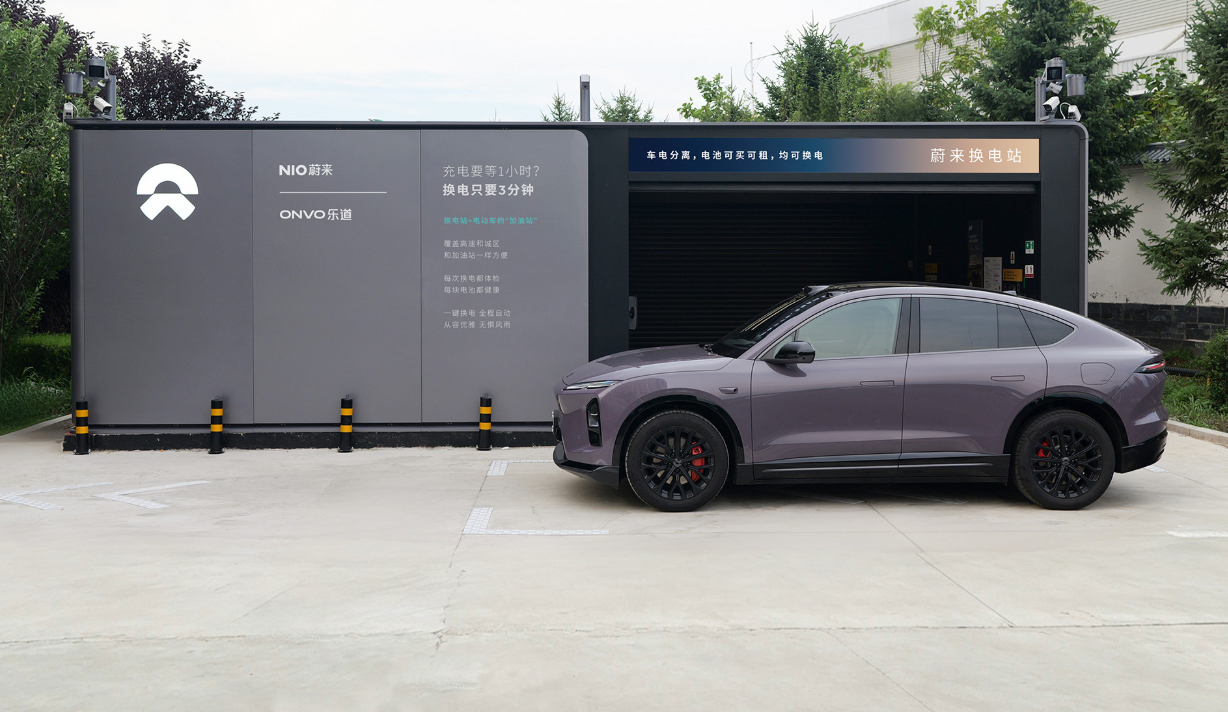
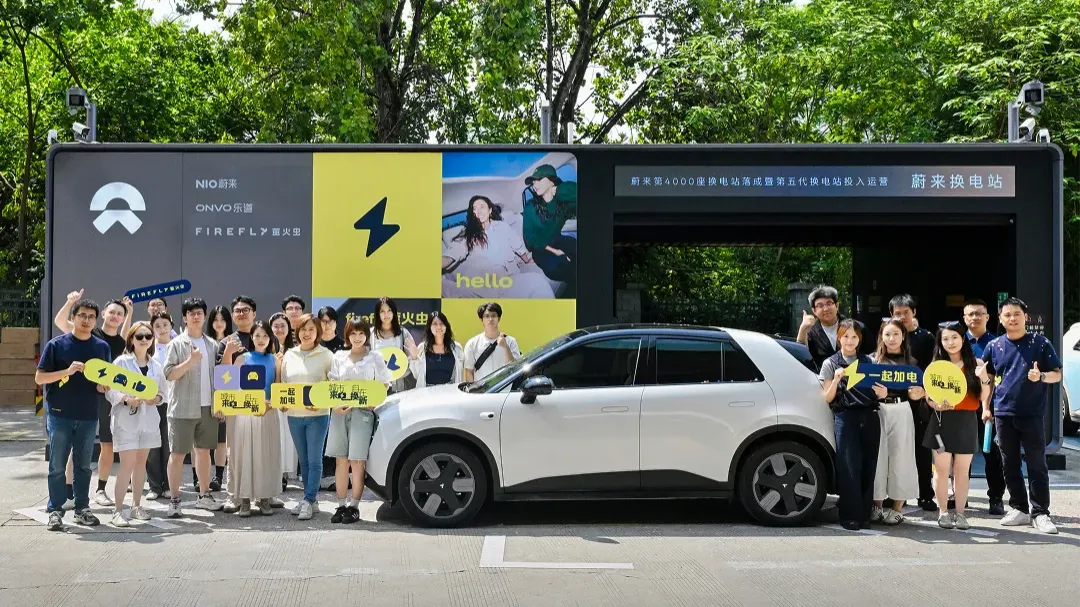
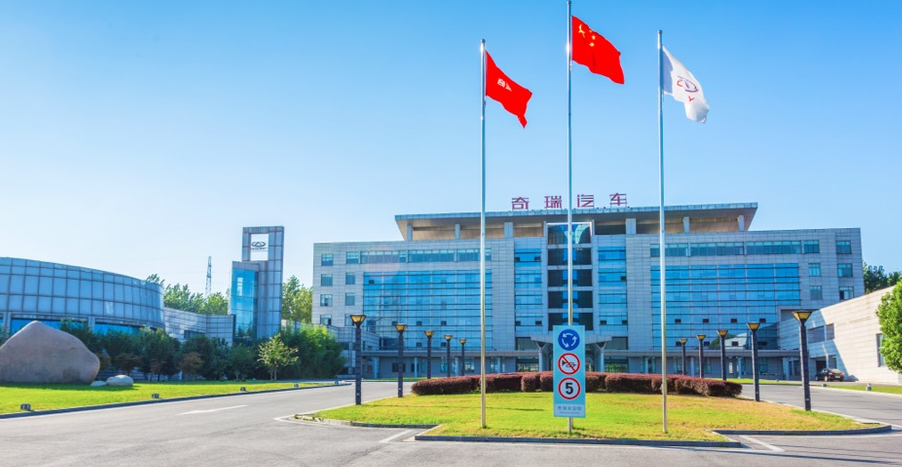
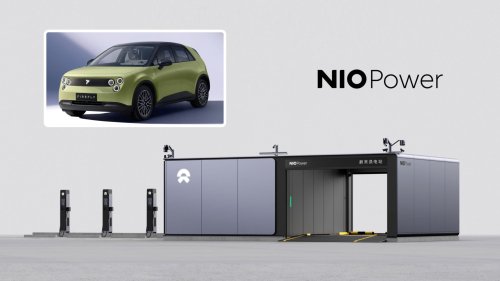
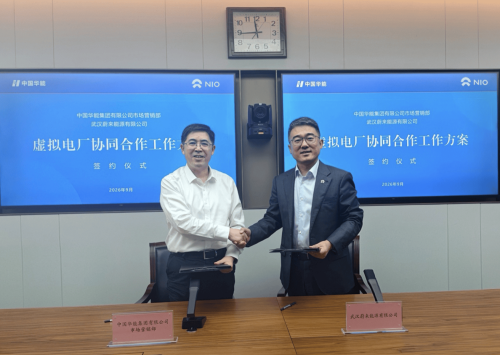
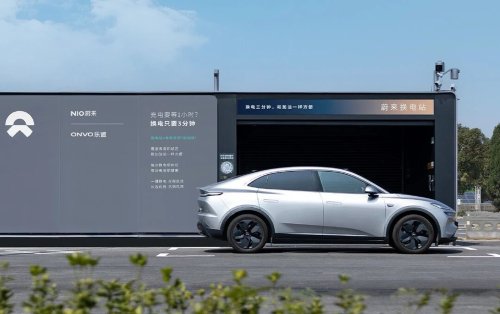
The latest financing will primarily be allocated to battery asset management, technology research and development, and resource recycling initiatives. On Feb. 13, Wuhan Weineng Battery Asset Co., Ltd., known as Mirattery, announced the completion of its C3 equity financing round, raising RMB 1 billion ($145 million). With this latest round, the company’s cumulative Series C financing has reached nearly RMB 2 billion ($290 million). Two days earlier, the company completed the issuance of China’s first hold-type power battery REITs (asset-backed securities), with a total size of RMB 501 million ($72 million). The underlying assets consist of power batteries operated under a leasing model. Mirattery was jointly established in 2020 by NIO and CATL, among others, as an independent company focused on battery-as-a-service (BaaS). It works in strategic coordination with NIO under a vehicle-battery separation model. According to the latest corporate registry data, NIO Holding Co., Ltd. currently holds approximately 19.4% of Mirattery, while Contemporary Amperex Technology Co., Limited (CATL) holds about 8.9%. Mirattery’s shareholders Over the past year, the company has introduced several state-backed shareholders, including entities from Haining Economic Development Zone, Chengmai in Hainan, and Dongpo District in Meishan. The latest C3 round added two new local state-backed investors: Hefei Construction Investment and Hefei Economic and Technological Development Zone. In terms of operational scale, Mirattery manages battery assets exceeding 42 GWh and serves more than 550,000 users. Mirattery headquaters As battery swap networks expand, the independent operation and financing capability of battery assets has become a critical prerequisite for network growth. Proceeds from the latest financing will primarily be allocated to battery asset management, technology research and development, and resource recycling initiatives. On the technology front, as of the end of 2025 the company had filed a cumulative 196 patent applications, approximately 60% of which are invention patents. More than 85% of its patents are related to battery technologies.