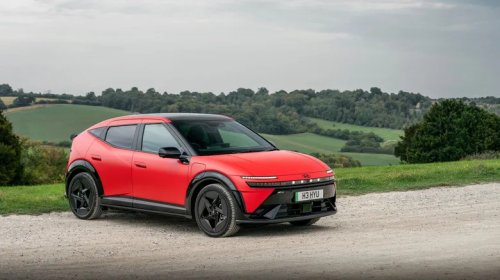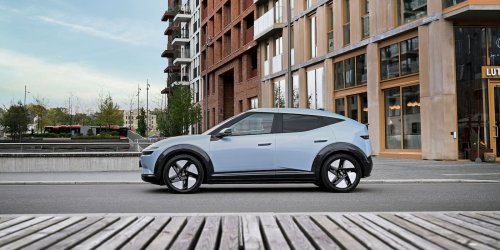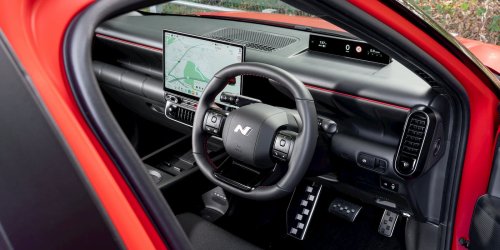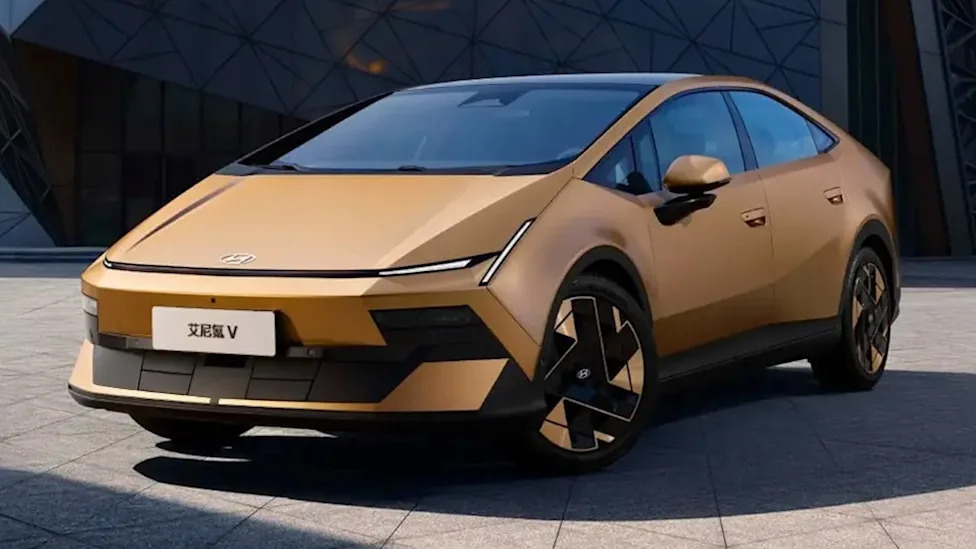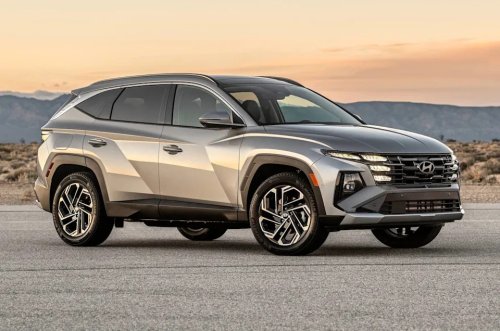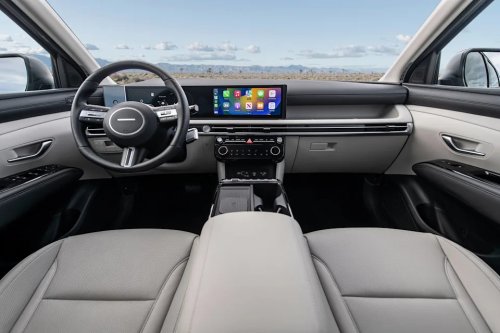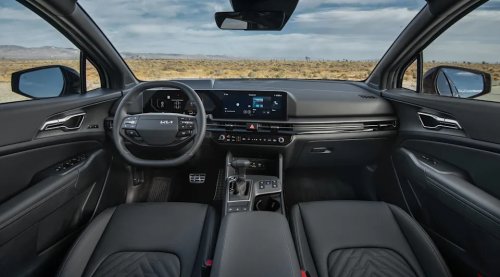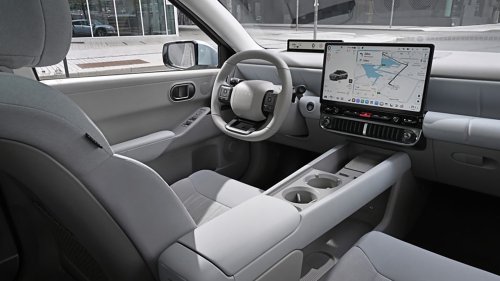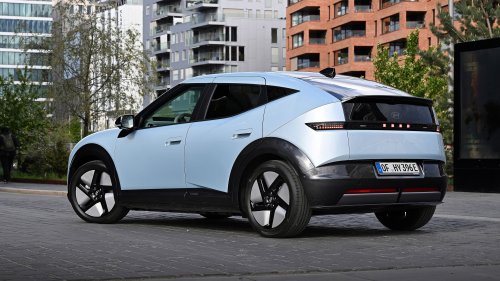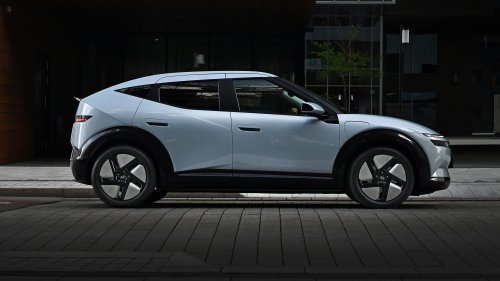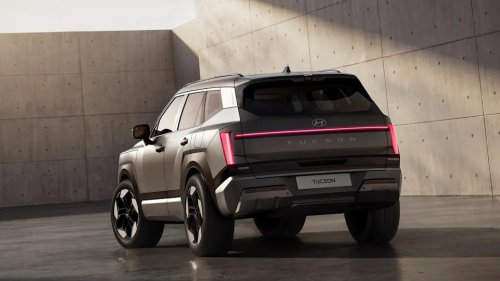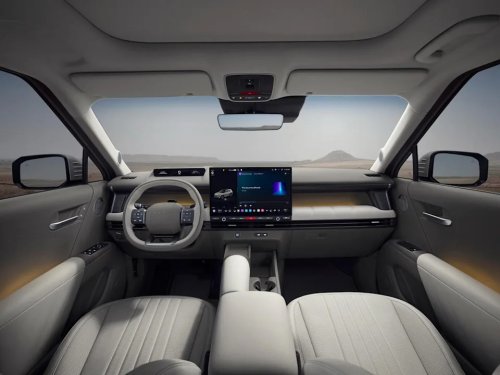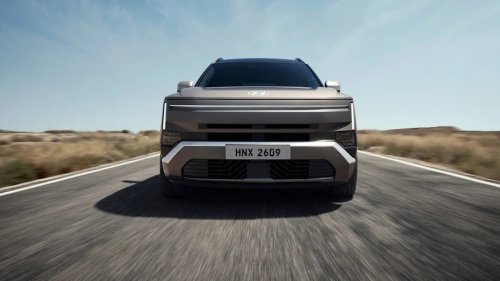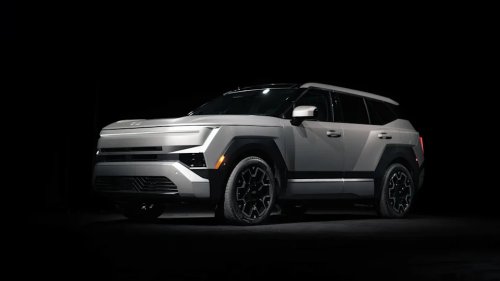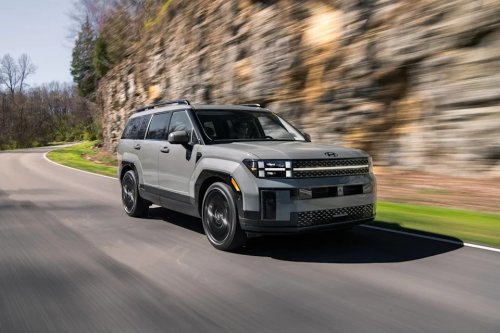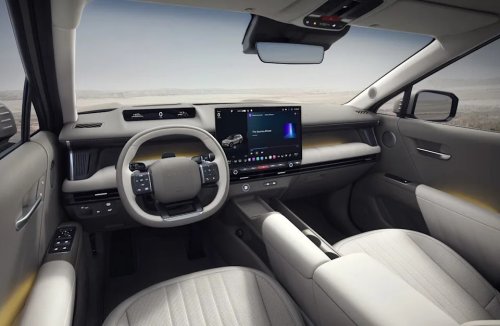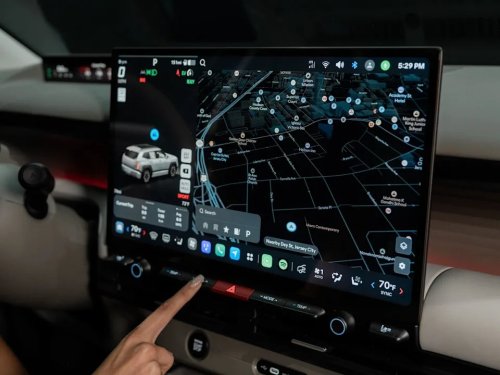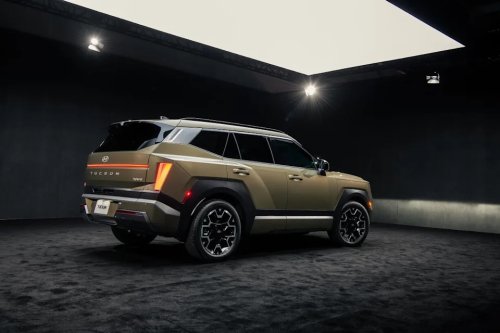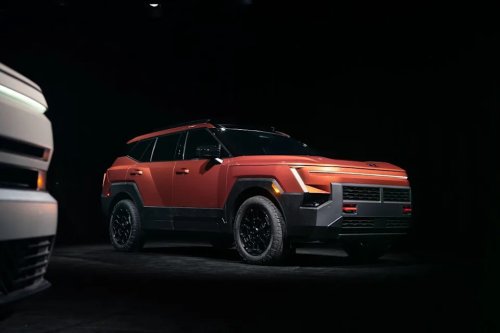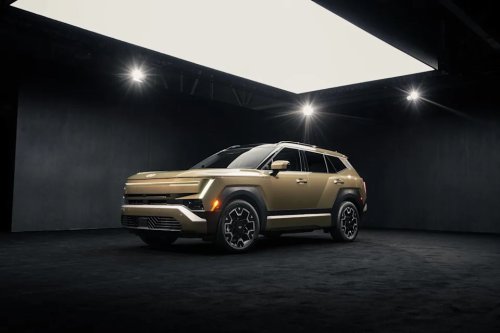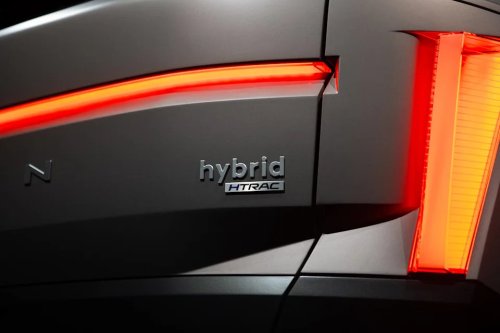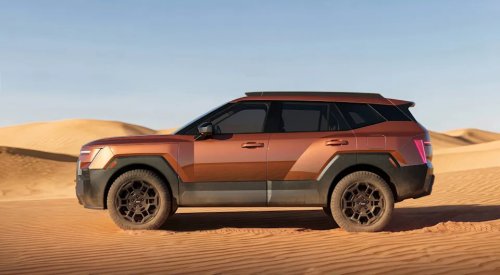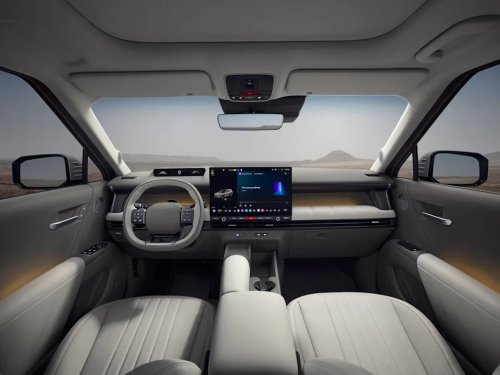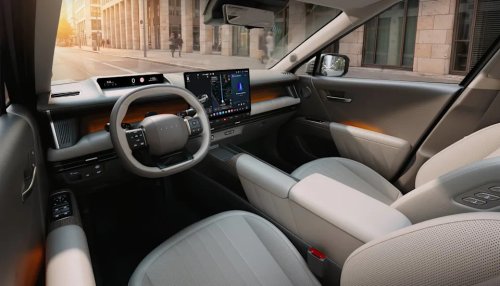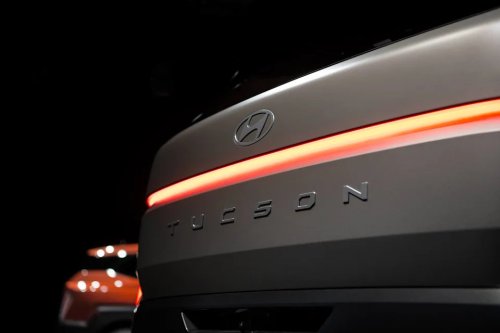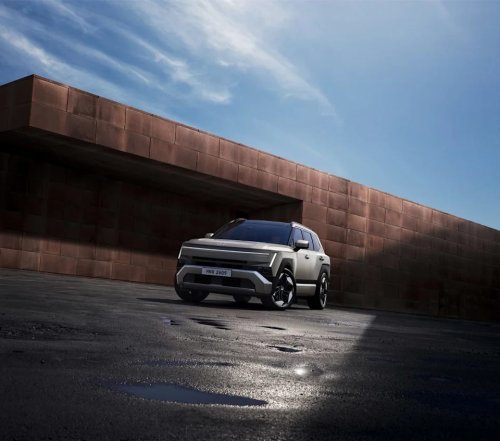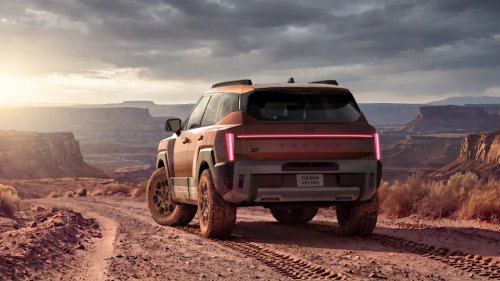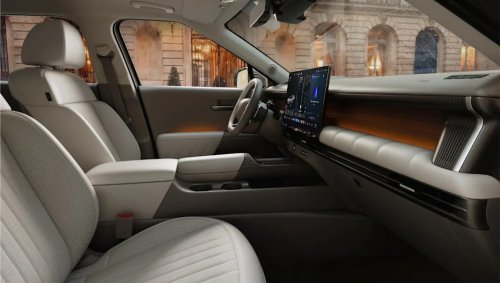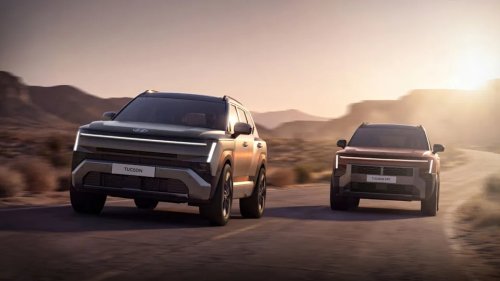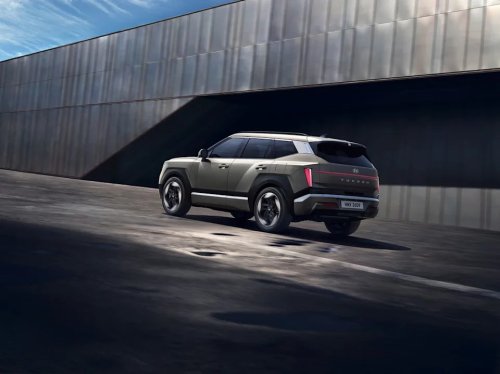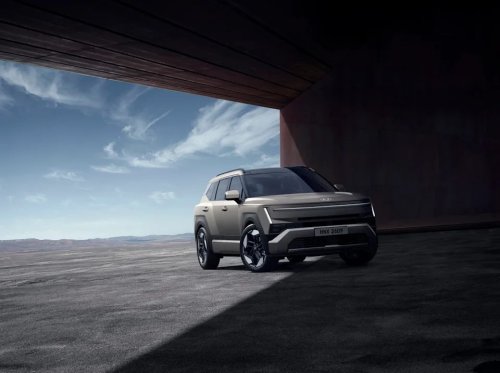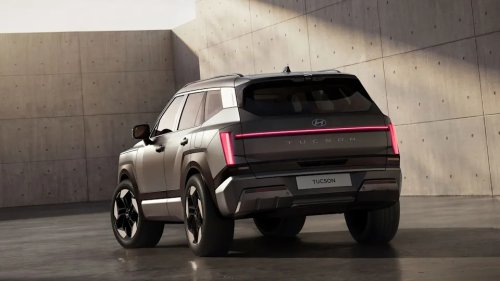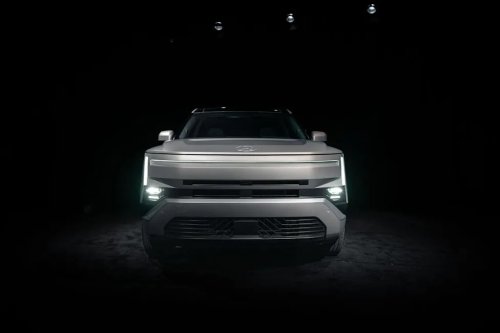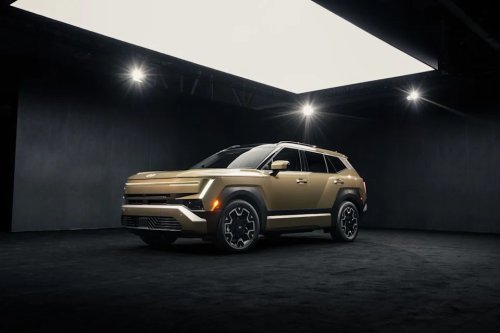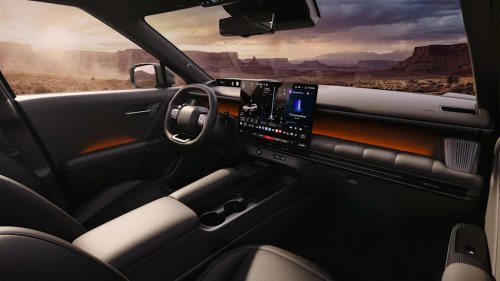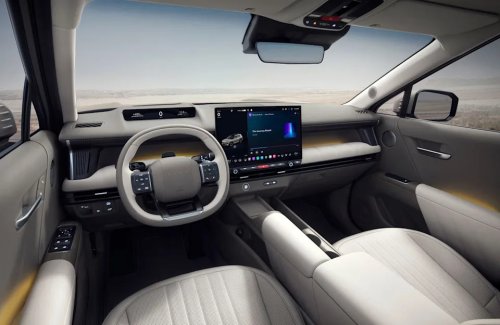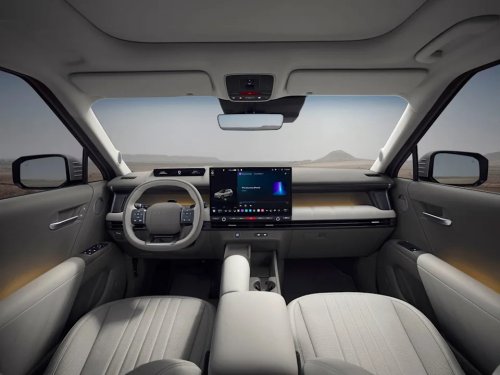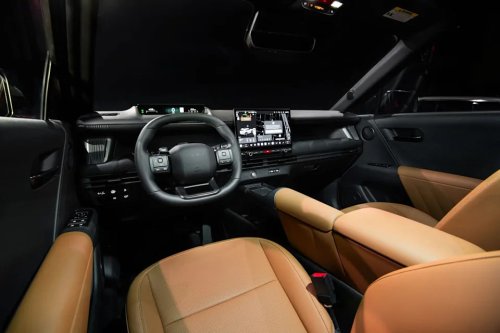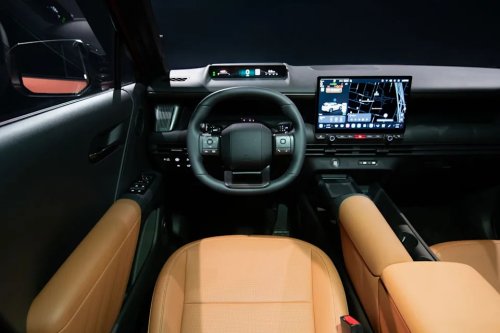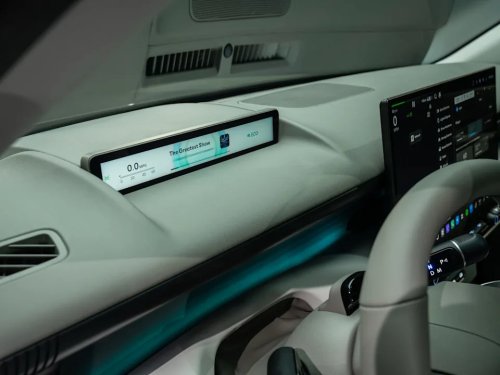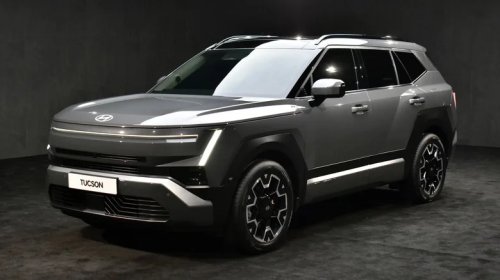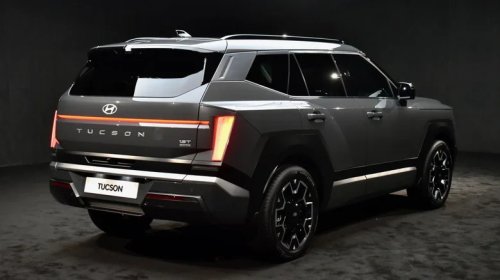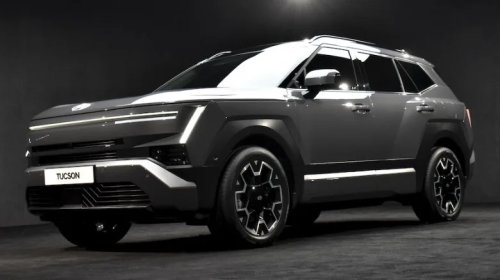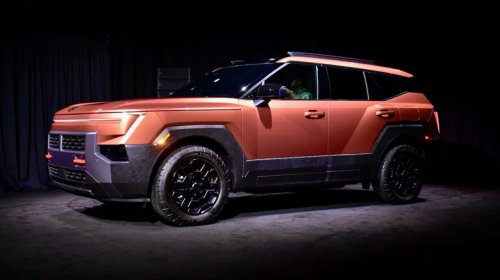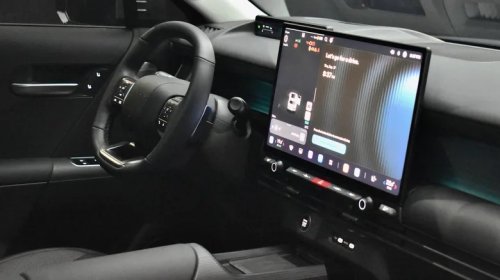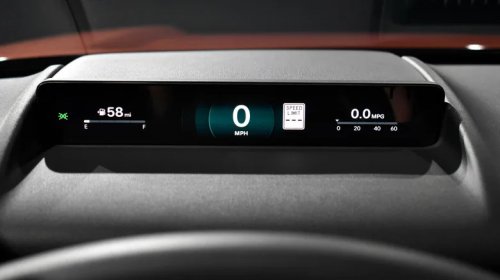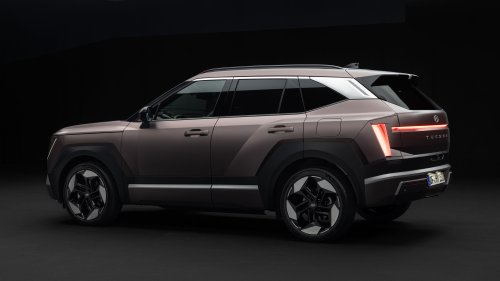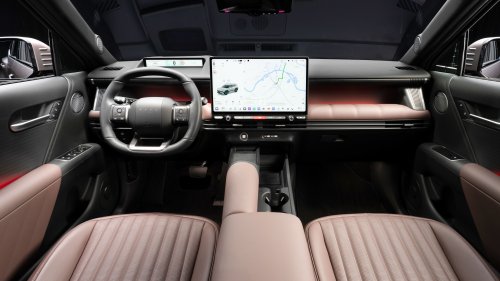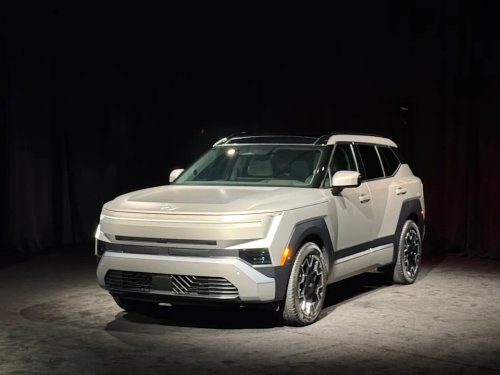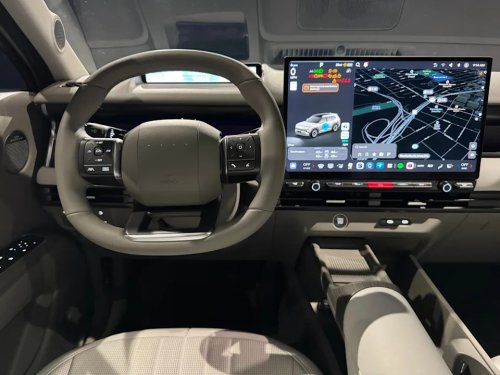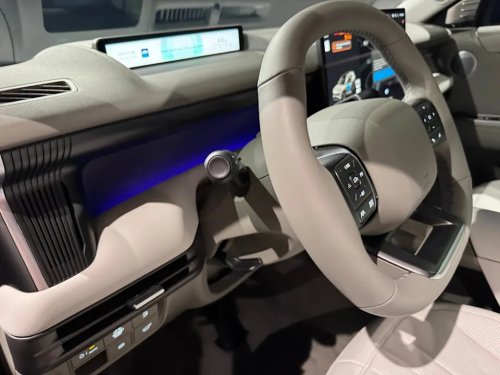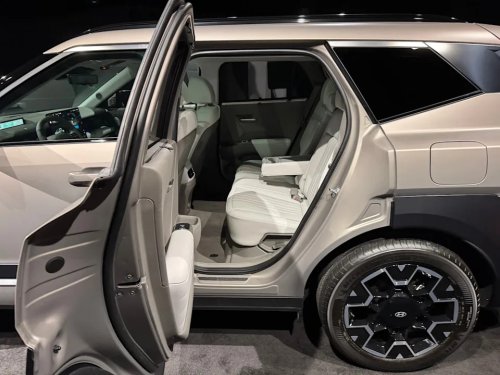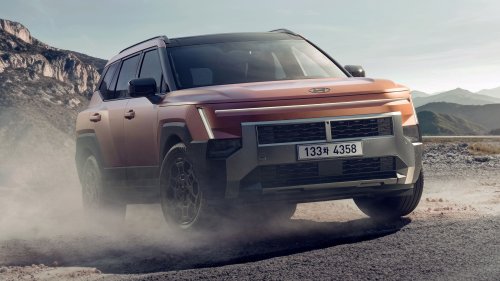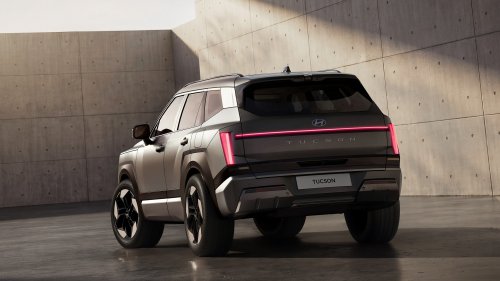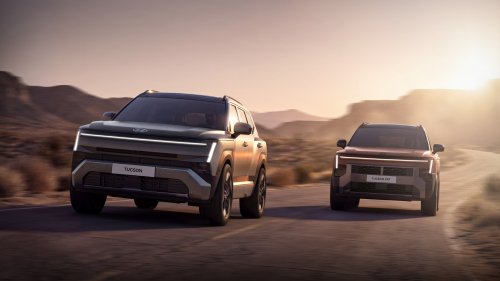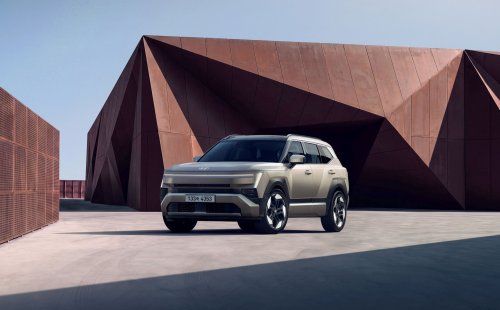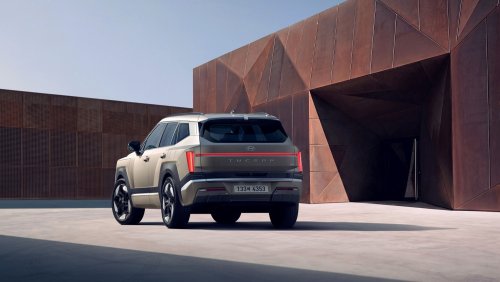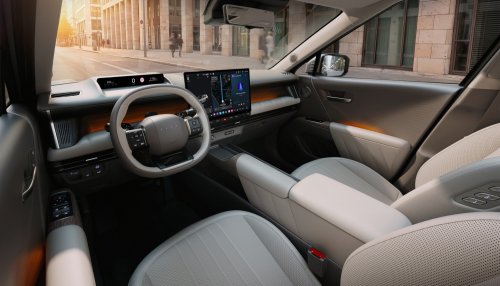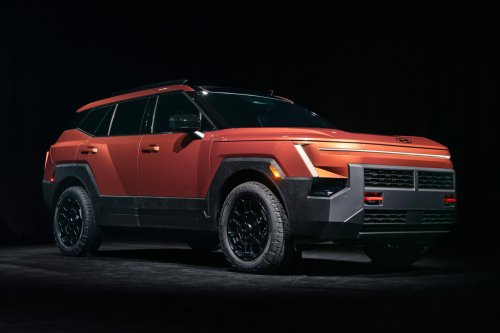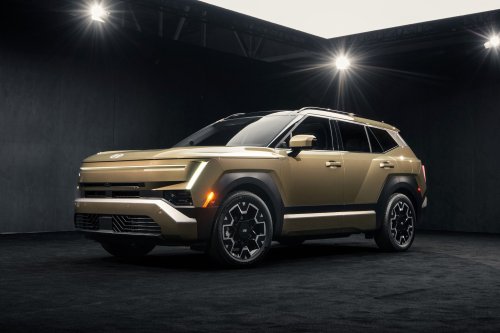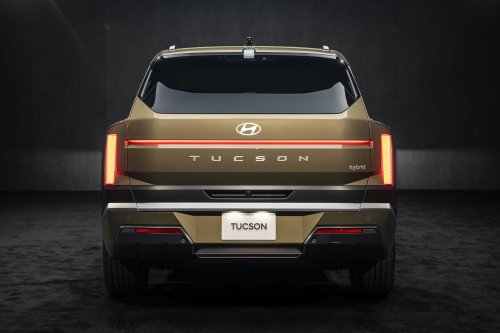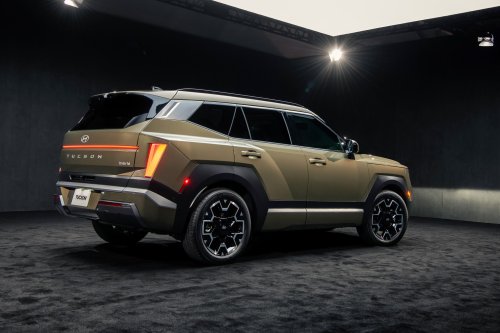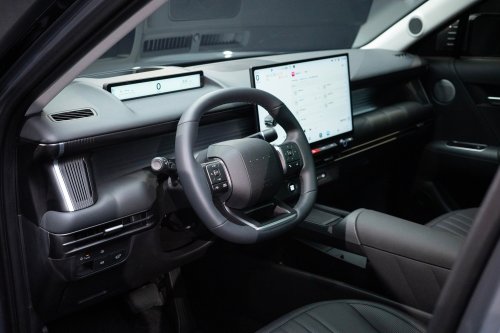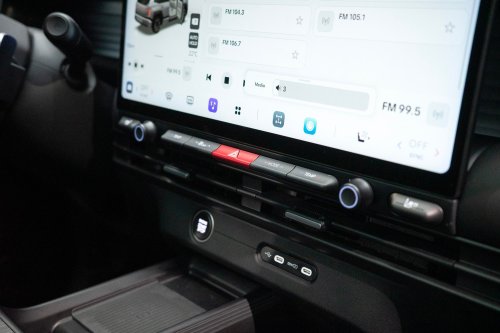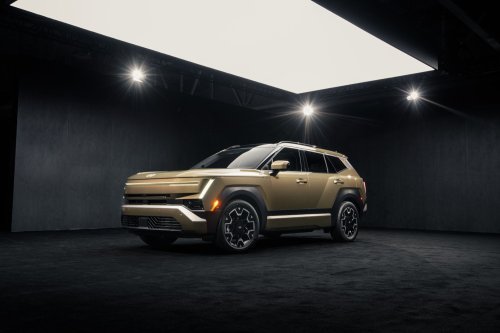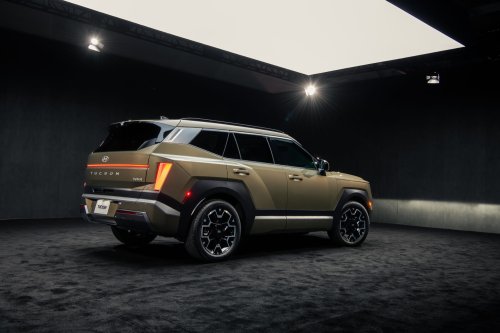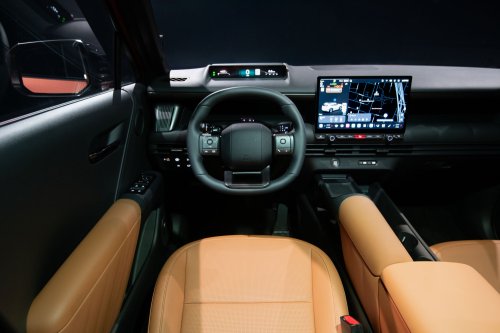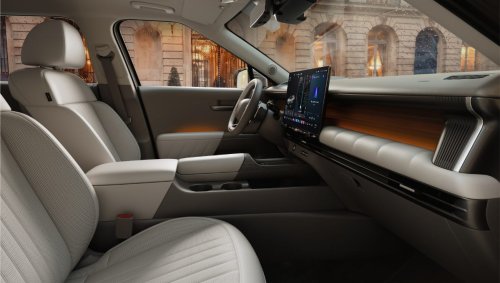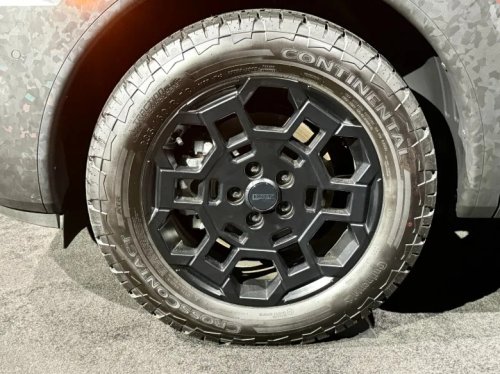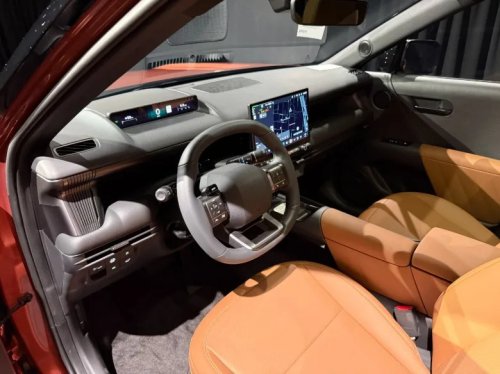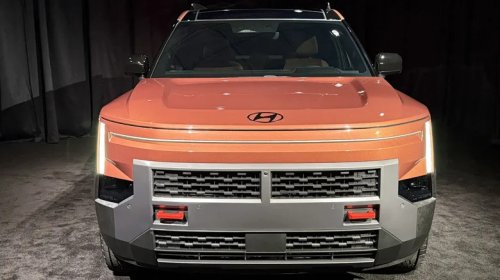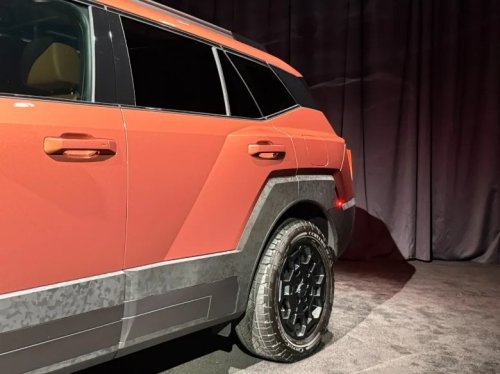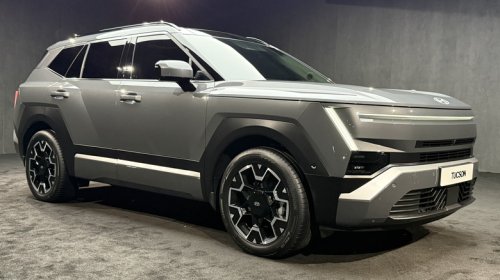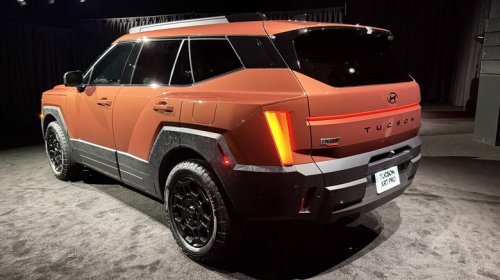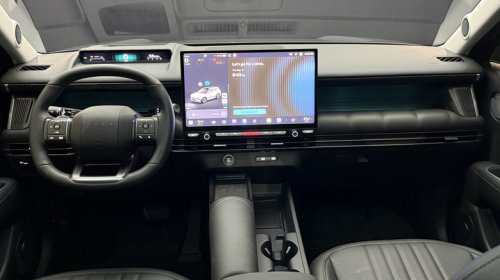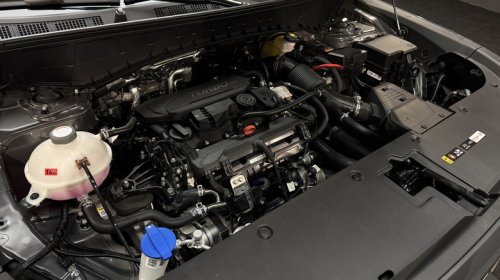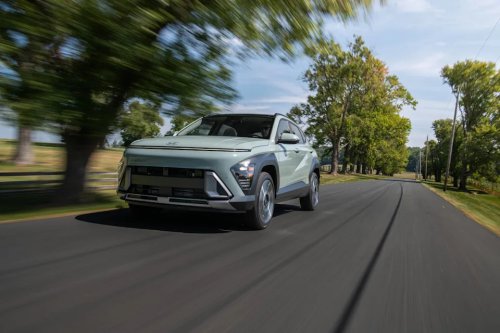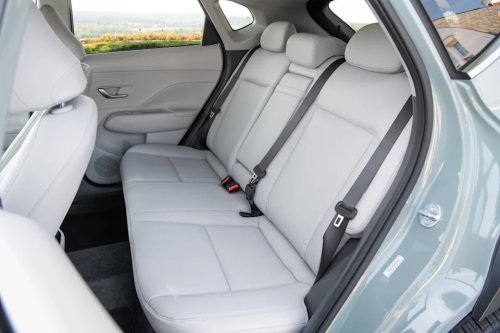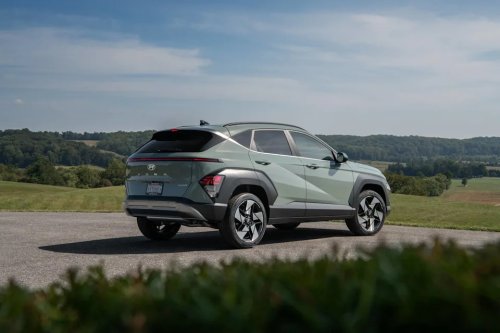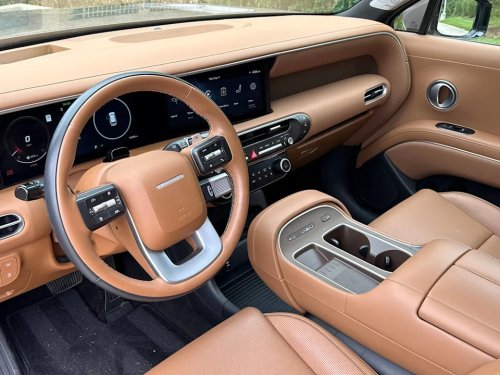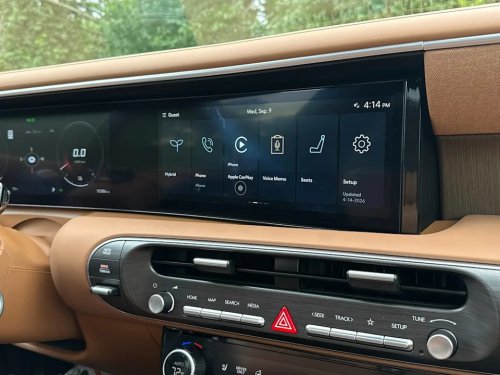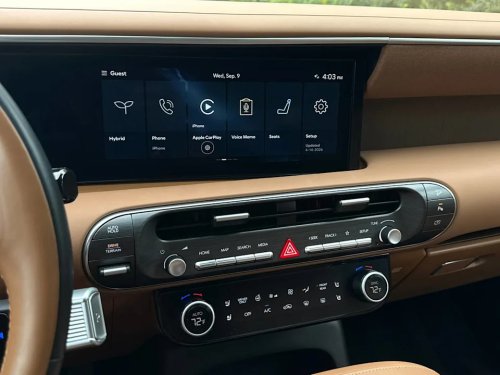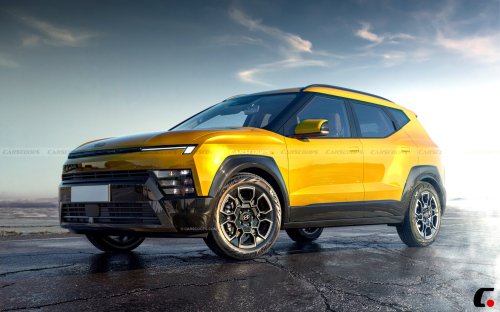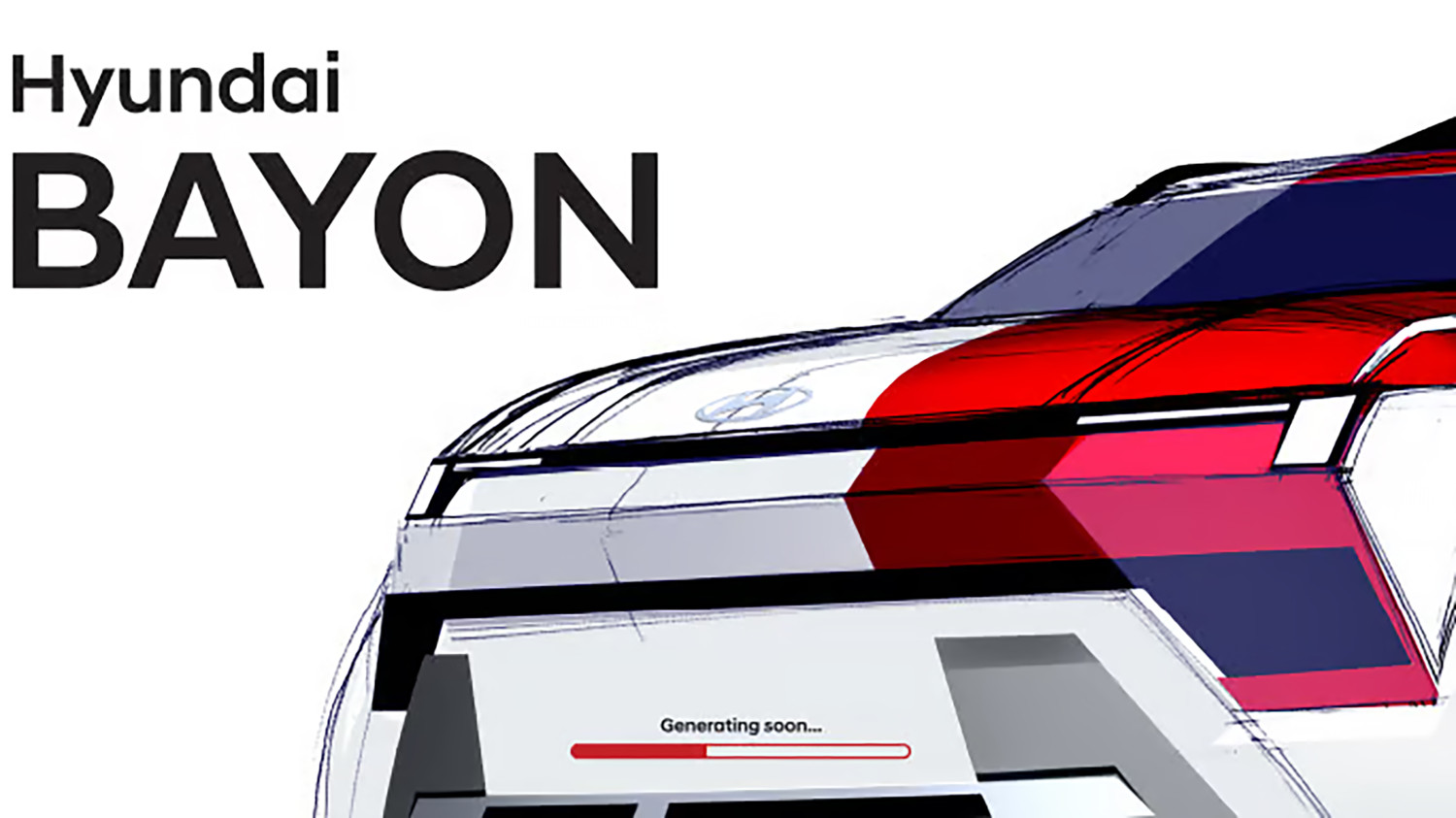
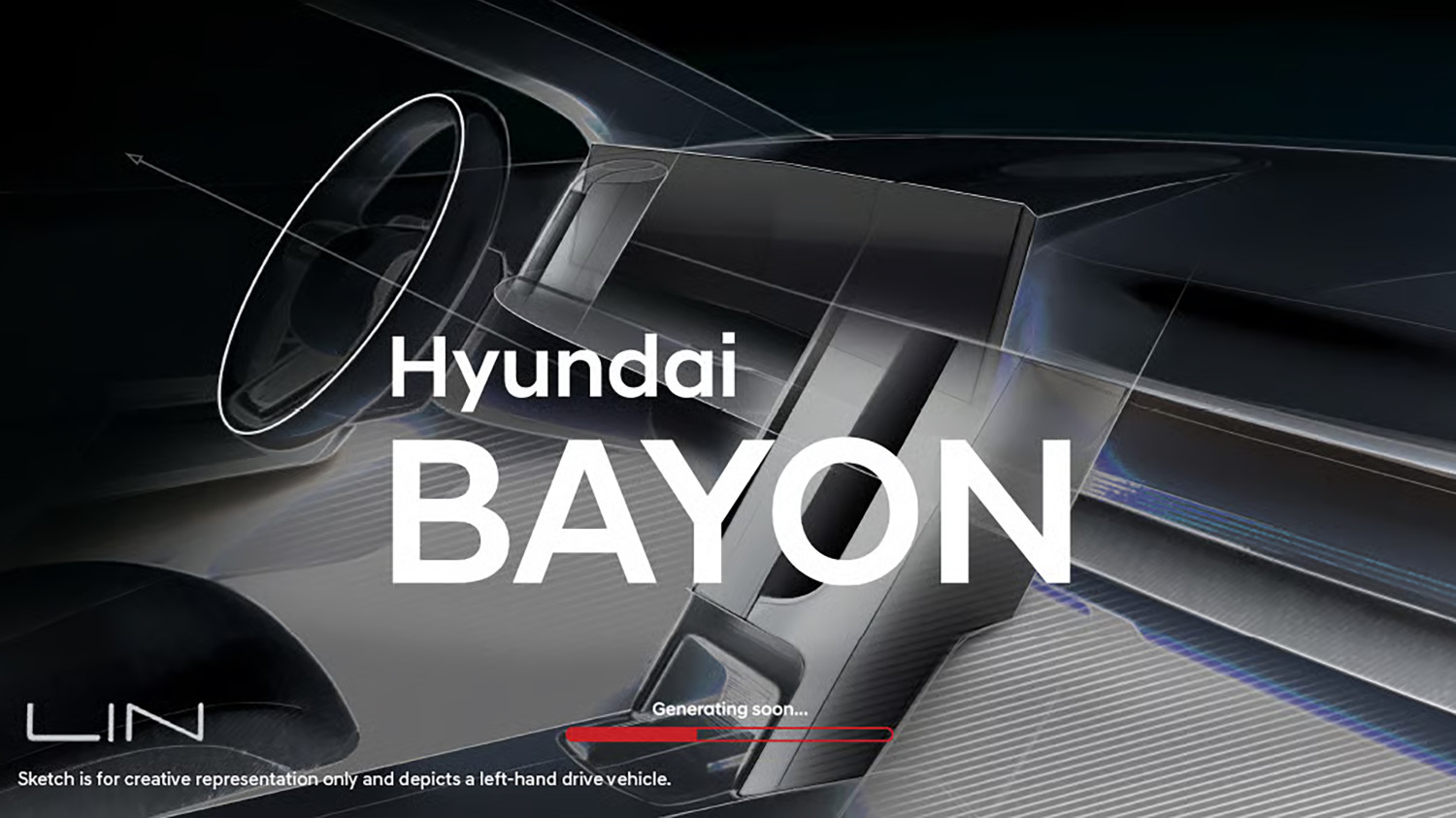



















12The second-generation Hyundai Bayon is gearing up for its global debut, with the company teasing its design via a selection of revealing sketches. The drawings appeared on Hyundai India’s website, showing the angular front end as well as a glimpse at the new car’s cabin. This is our first official look at the new Bayon, although we have previously caught the car testing on the snow and ice of northern Sweden. While that car was covered in heavy cladding, these new sketches show its defined lines and T-shaped daytime running lights – not dissimilar to the next-generation Hyundai Tucson due here next year. It’s clear the Korean firm wanted to give the slightly anonymous Bayon a bit more purpose, emphasising its positioning at the heart of the small-SUV segment. Moving inside, the teaser sketches show us a clean single-screen infotainment system stretching from behind the steering wheel all the way to the centre of the dashboard. The steeply raked panel below the screen doesn’t look to feature any physical buttons or switches, although it’s not possible to say categorically that this is the case at this stage. A low centre console should give a good sense of space inside the compact crossover. Despite first launching via the Hyundai India website, the text accompanying the images refer to the new Bayon as “a global SUV” that’s apparently been designed “for a world that never stands still”. In other markets, Hyundai sells a B-segment crossover called the Venue, but this is confirmation that the new “global” model will inherit the Bayon name. Hyundai says the car “draws inspiration from Bayonne, a city in the French Basque region renowned for its distinctive character, vibrant energy and spirit of exploration”. It continues: “Reflecting Hyundai's global design philosophy, the name embodies a sense of dynamism, individuality and adventure.” There will be plenty of SUV references on the new Bayon. From the spy pictures, we can see the model will get black A-pillars, thick plastic wheel cladding and roof rails – suggesting a more rugged-looking car than the current model. However, it’ll also look more sophisticated, with split LED headlights and a dramatically rising window line. The current Bayon is based on the same Hyundai-Kia K2 platform as the i20 and while it’s a little taller and chunkier than its supermini sibling, it’s much closer size-wise to the i20 than to the larger Kona SUV it sits below. 12Right now the Bayon is only offered with an 89bhp 1.0-litre turbocharged three-cylinder with the mild-hybrid ditched from the line-up in 2024. Hyundai is expected to continue with its range of pure-petrol engines, with the possible inclusion of a fuel-sipping hybrid taken from the Kona. This would give it the tools to compete with rivals like the Ford Puma and Nissan Juke, as well as the Renault Captur and even the updated Toyota Yaris Cross. All Bayons currently get twin 10.25-inch screens on the dash with integrated sat-nav and Apple CarPlay and Android Auto connectivity. We can see from the sketches that the new car will get a much cleaner set-up, possibly inspired by the layout in the new Kia Seltos. While we know that the company is working on its next generation of user interface, this model’s position at the more affordable end of the brand’s range may force it to use old-generation tech. Inside, expect headroom to be a little more accommodating than in the outgoing Bayon thanks to that taller profile. The key stat for the new Bayon, however, will be its price. The larger Kona kicks off at just over £27,000 so we don’t expect a huge increase over the current car’s price, which starts at £24,065 in Black Line trim. At the time of writing, you can bag a Bayon for as little as £260 per month via the Auto Express Buy a Car service. We don’t yet know when the new Bayon will be revealed, but given our proximity to the Paris Motor Show in October, there’s a chance Hyundai may choose the expo as an appropriate stage to pull the covers off its new, global SUV. Don't miss out! See more of Auto Express in your Google Top Stories. Click here...