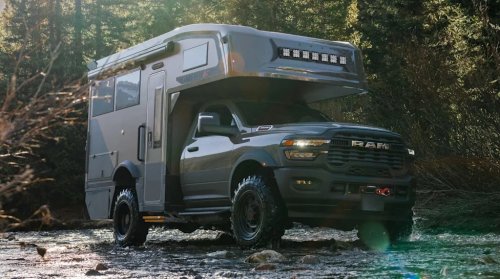
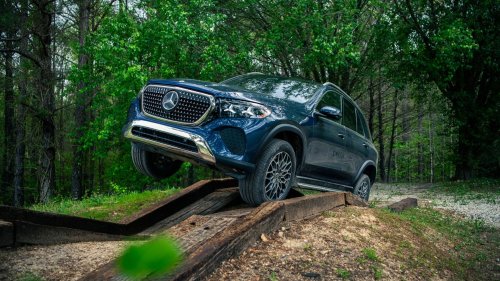
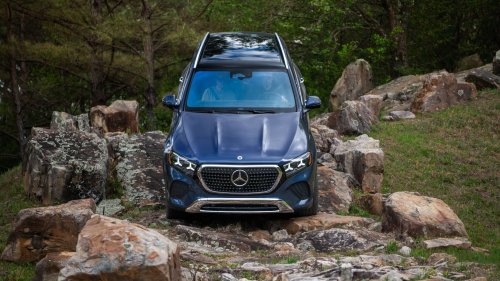
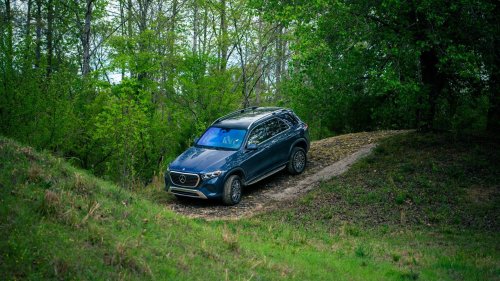
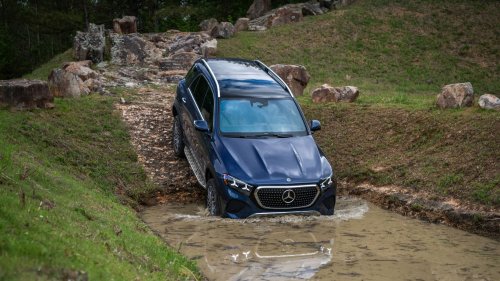
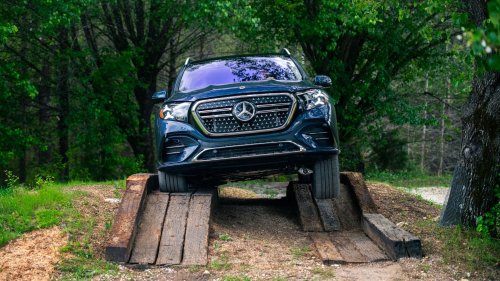
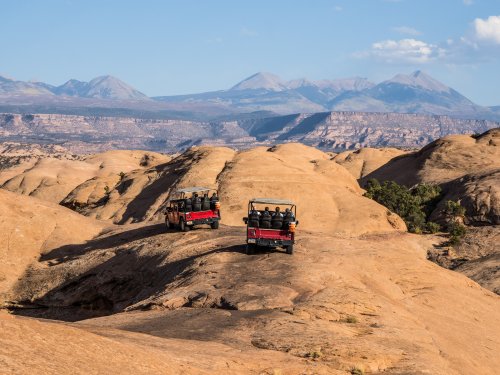
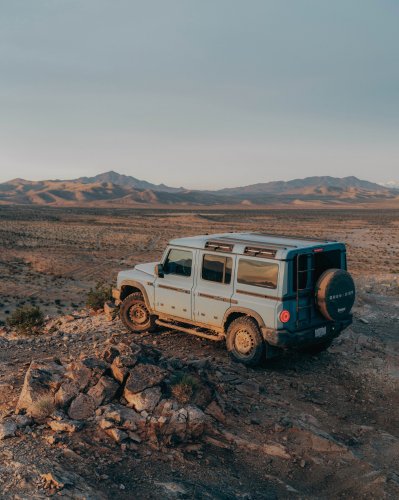
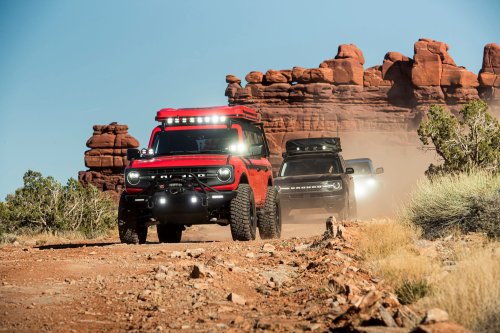
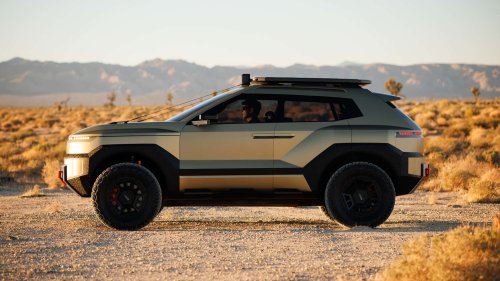
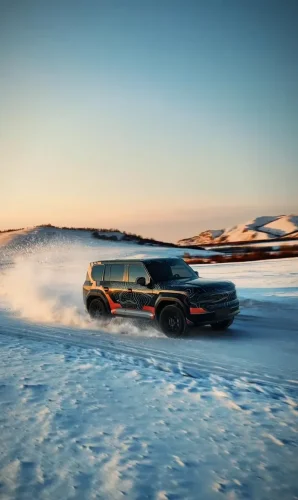
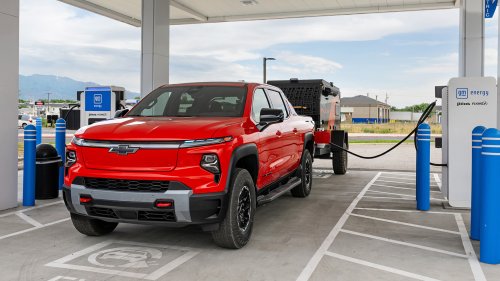
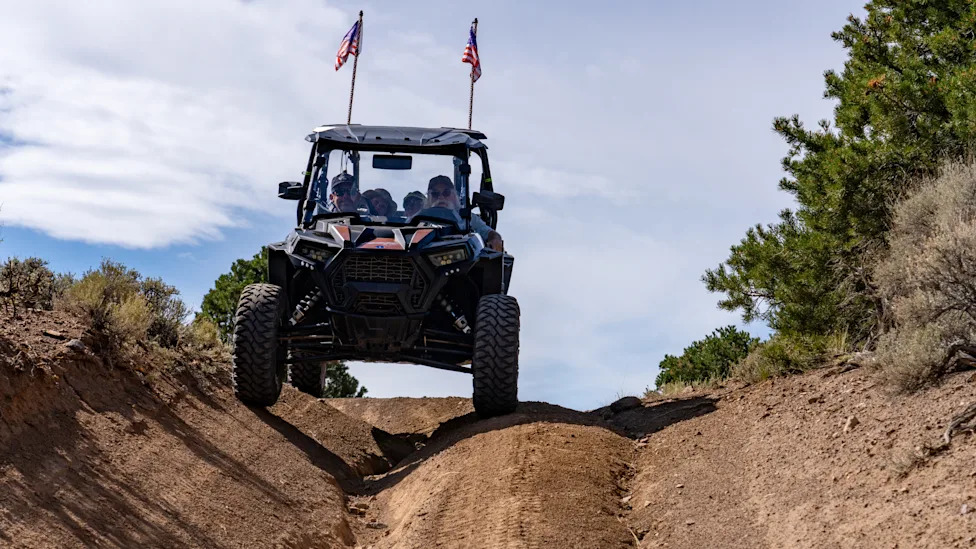
Off-roading in a 4-wheel drive UTV on a washed-out dirt road in the Piute Trail System near Marysvale, Utah.Late last week, the president rescinded a pair of executive orders that helped govern where and how you're allowed to drive in America's National Parks. This week, we're hearing that the U.S. Forest Service is about to open up millions of acres of public land to off-road vehicles (ORVs). Here's what it means for drivers.Is this a win for 4×4 enthusiasts? A loss for conservationists? Or is this simply an example of a much-needed purge of redundant and outdated regulations? As it turns out, it's a bit of all three, but it will have some tangible impacts on users of our National Parks.In many cases, these changes have been lumped in with the relaxation of some hunting restrictions, but we're not going to delve into that here. This is The Drive, after all, not The Blind.Quick Download on Trump's Off-Road Vehicle OrderWhat did Trump's executive order do? This order does nothing except rescind two previous executive orders signed in the 1970s: Executive Order 11644 and Executive Order 11989.What is Executive Order 11644? This order was signed in 1972 by then-President Richard Nixon. Recognizing the rise in popularity of ATVs, dirt bikes, and other motorized recreational vehicles, it sought to create a "unified Federal policy toward the use of such vehicles on the public lands." It laid out a framework for defining off-road vehicles (ORVs) and where they were allowed to operate.What is Executive Order 11989? This order was signed later in the same decade by President Jimmy Carter. It gave federal agency heads more leeway to designate areas off-limits to 4x4s "whenever he determines that the use of ORVs will cause or is causing considerable adverse effects on the soil, vegetation, wildlife, wildlife habitat or cultural or historic resources of particular areas or trails of the public lands."Why were those two orders overturned? The administration says that the orders are redundant to federal law and present barriers to both recreational and industrial use of public land.What Will Actually Change Right Now?Not very much. While ORVs will gain access to more roads and designated recreation areas on public land, this is far short of a free-for-all. The use of ORVs on public land will still be restricted to such trails and recreation areas; there will simply be more of them. While this order will expand the legal use of ORVs on public land, it does not change two key elements of the current policy framework:AdvertisementAdvertisementThe definition of "off-road vehicle" (ORV) is not being modified by this executive order.It is illegal to drive any vehicle off-road on public land.There's no single federal law that says it's illegal to take that tempting, muddy shortcut. Instead, there's a handful of separate codes that spell it out depending on where you are. Title 43 Part 420 covers anything governed by the U.S. Bureau of Land Management; title 36 does the same for National Parks. Both say that ORVs are restricted to officially designated routes; leaving a marked road or trail or taking highway-only vehicles onto designated ORV trails can result in fines and prison time.What Is an Off-Road Vehicle?When most people hear "off-road vehicle," their minds instantly turn to ATVs and other purpose-built powersports equipment, but it's also used colloquially to refer to on-road vehicles that are built with off-road equipment. Here's how the government defines an off-road vehicle, summarized neatly by our colleague Wes Siler:"The National Highway Traffic Safety Administration […] defines an 'off-road vehicle' as any that has four-wheel drive," he said, "or a gross vehicle weight rating of at least 6,000 pounds. In addition to one of those factors, a vehicle needs at least four of these five additional features: an approach angle of at least 28 degrees, a breakover angle of at least 14 degrees, a departure angle of at least 20 degrees, and either 7.8 inches of total ground clearance or 7.1 inches of axle clearance."AdvertisementAdvertisementIf you're a fan of any brands that built off-road vehicles, a few of those numbers probably sound familiar. That's because automakers have spent the last several decades honing their SUVs and crossovers to exploit this definition, which also comes with relaxed safety and emissions (read: fuel economy) requirements.Without These Executive Orders, What Federal Laws Protect Public Land?The administration explicitly cited four laws that were redundant to the executive orders it has chosen to rescind:The National Historic Preservation Act (1966)The National Environmental Policy Act (1970)The Endangered Species Act (1973), andThe Federal Land Policy and Management Act (1976)Not cited was the Wilderness Act of 1964, which made it illegal to operate a motor vehicle (among other things) in designated wilderness areas (emphasis added by the author):(c) Except as specifically provided for in this Act, and subject to existing private rights, there shall be no commercial enterprise and no permanent road within any wilderness area designated by this Act and except as necessary to meet minimum requirements for the administration of the area for the purpose of this Act (including measures required in emergencies involving the health and safety of persons within the area), there shall be no temporary road, no use of motor vehicles, motorized equipment or motorboats, no landing of aircraft, no other form of mechanical transport, and no structure or installation within any such area.As written, the Wilderness Act allows agency heads to modify existing wilderness zones, which is why the Forestry Service (with the Secretary of Agriculture's authorization) can authorize the recommended changes reported above by The New York Times:(e) Any modification or adjustment of boundaries of any wilderness area shall be recommended by the appropriate Secretary after public notice of such proposal and public hearing or hearings as provided in subsection (d) of this section. The proposed modification or adjustment shall then be recommended with map and description thereof to the President. The President shall advise the United States Senate and the House of Representatives of his recommendations with respect to such modification or adjustment and such recommendations shall become effective only in the same manner as provided for in subsections (b) and (c) of this section.So, yes, this is a win for enthusiasts, but it's not carte blanche to go tear old Mother Nature a new one. It's also not quite the ecological catastrophe some conservation groups are suggesting. No matter where you plan to wheel, have fun and stay safe. And remember, treading lightly isn't just about saving the environment; it's about preserving these fun spaces so that more enthusiasts have the opportunity to experience them.AdvertisementAdvertisementHave a story tip? Let us know at tips@thedrive.com!



















 +23 others