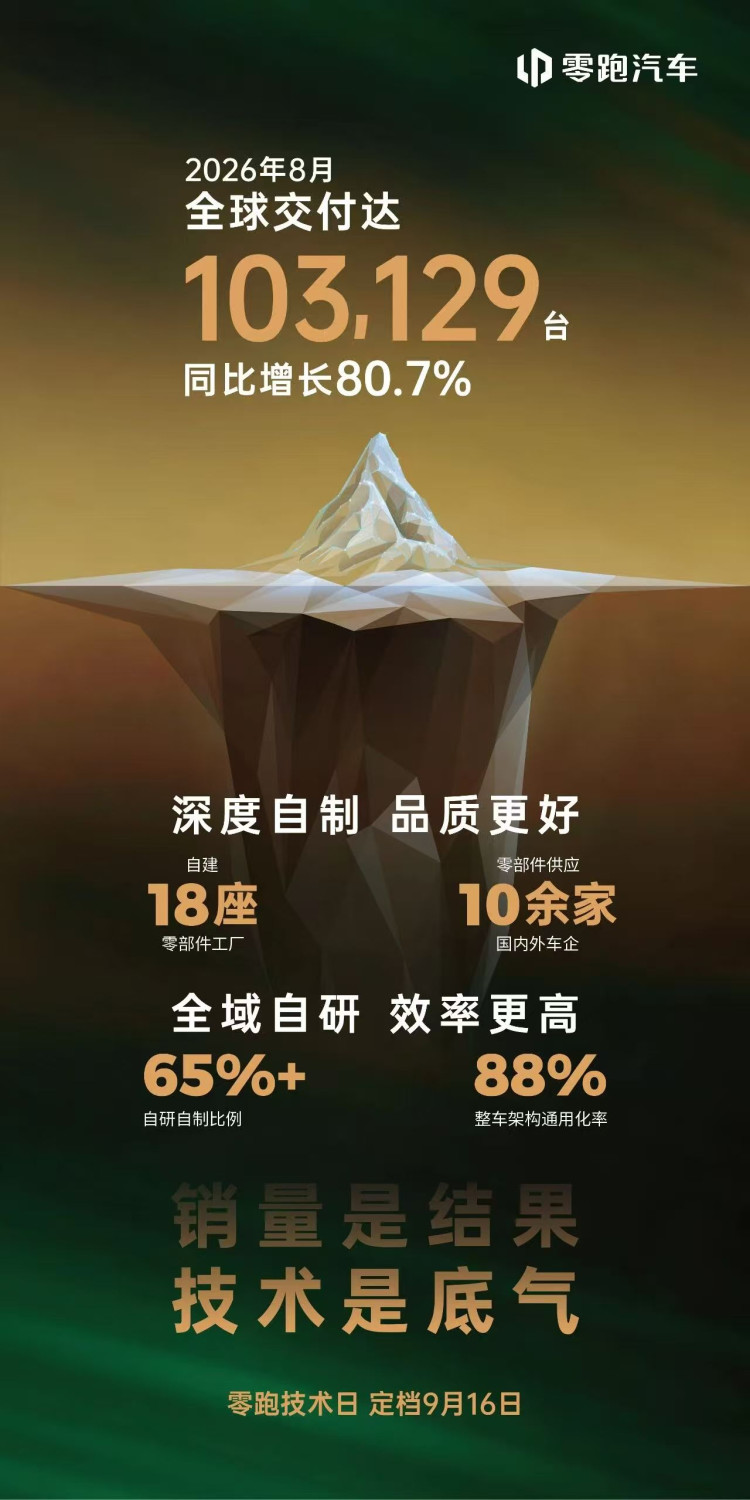
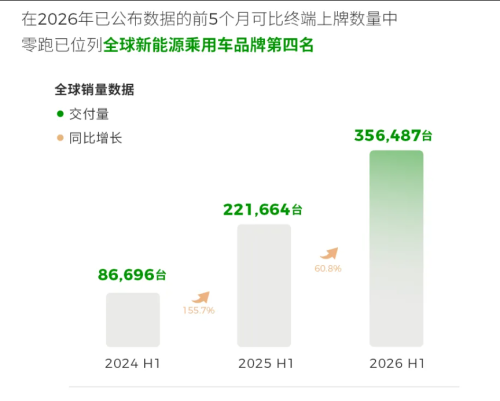
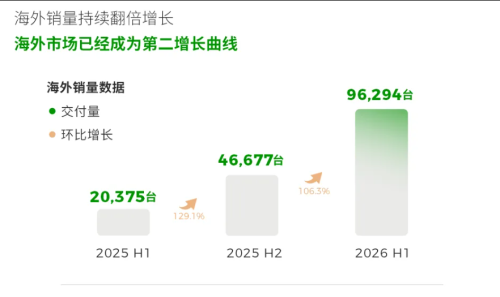
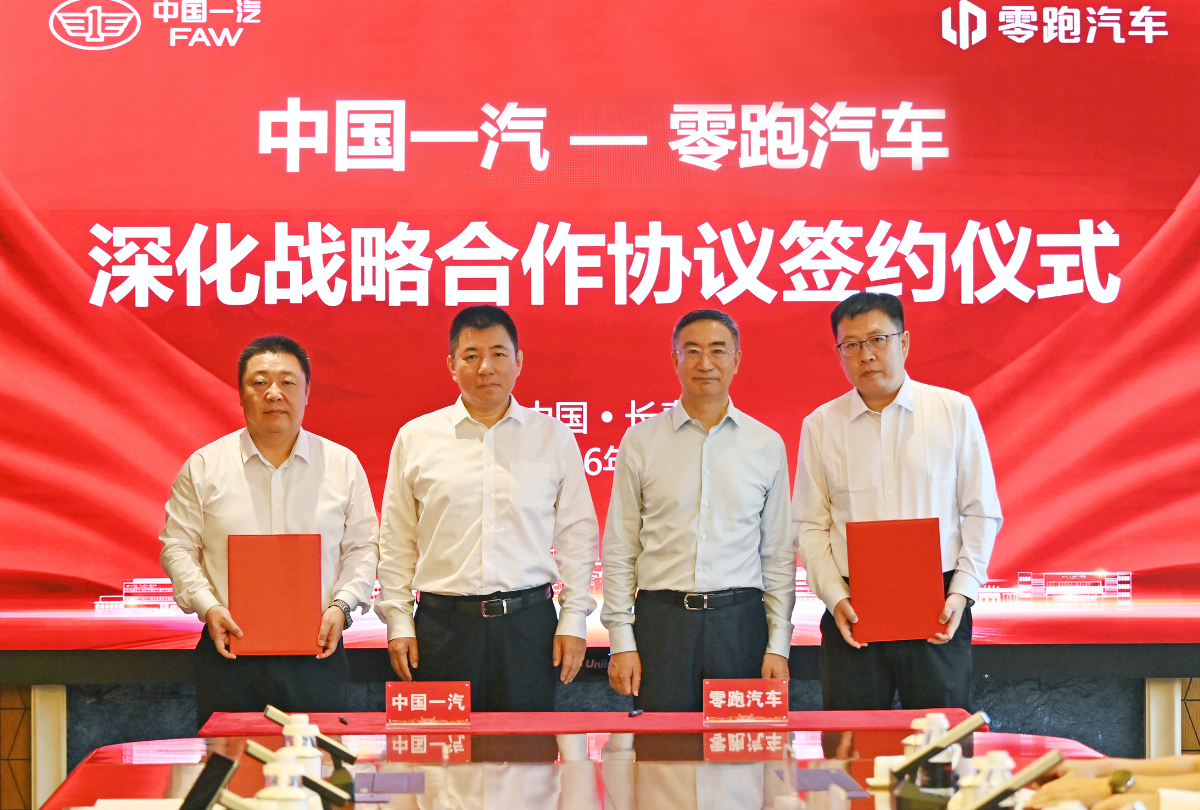
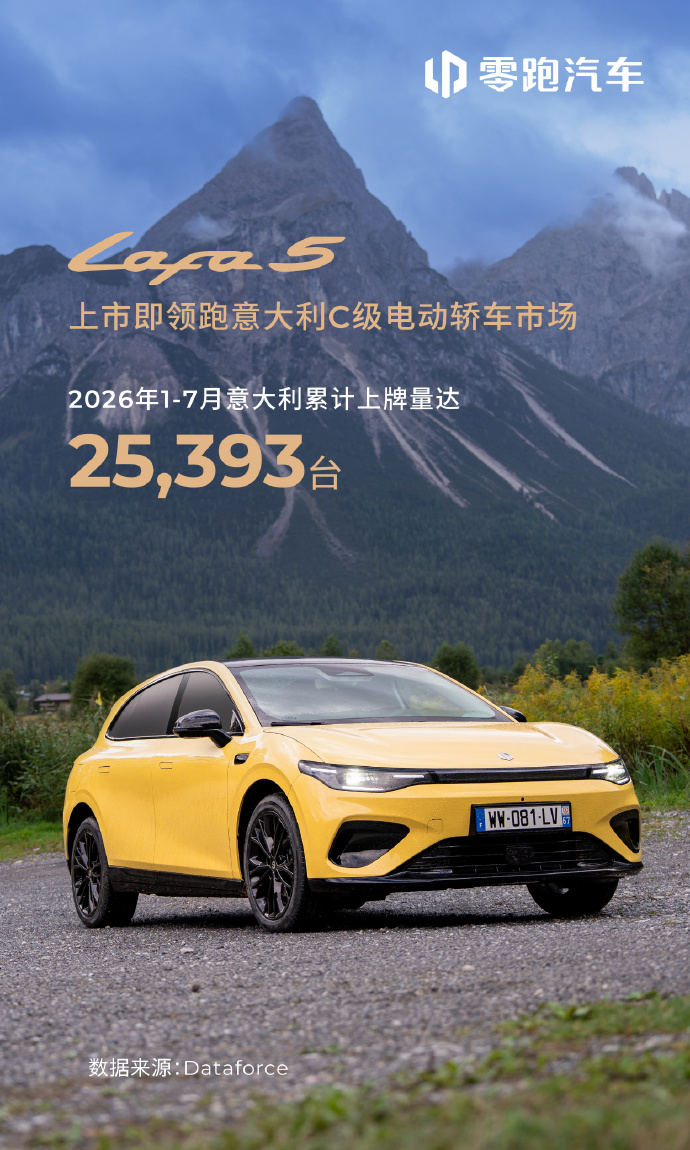
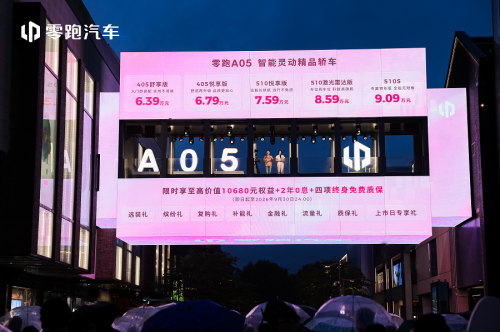
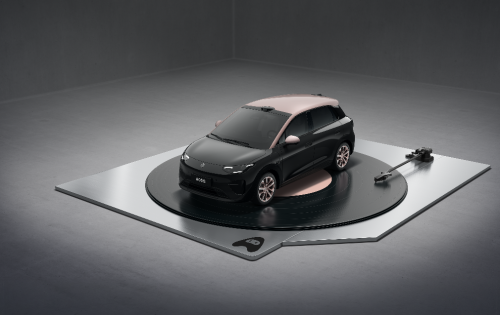
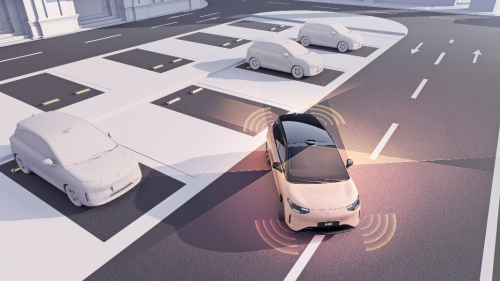
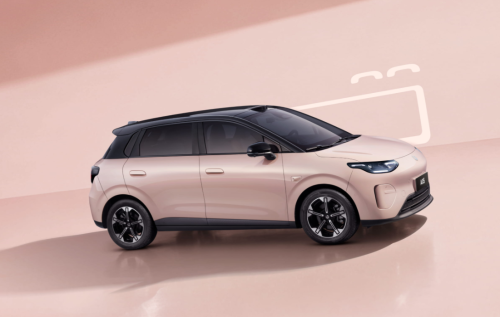
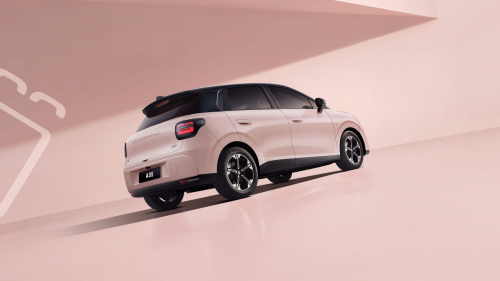
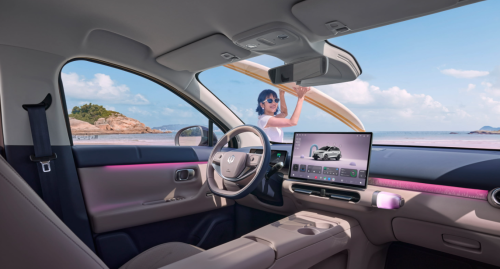
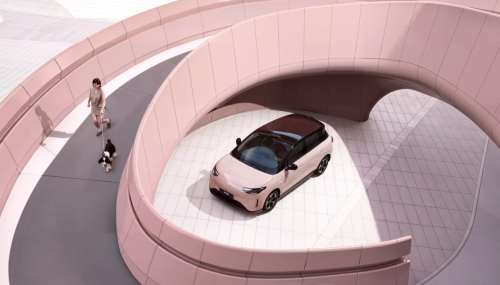
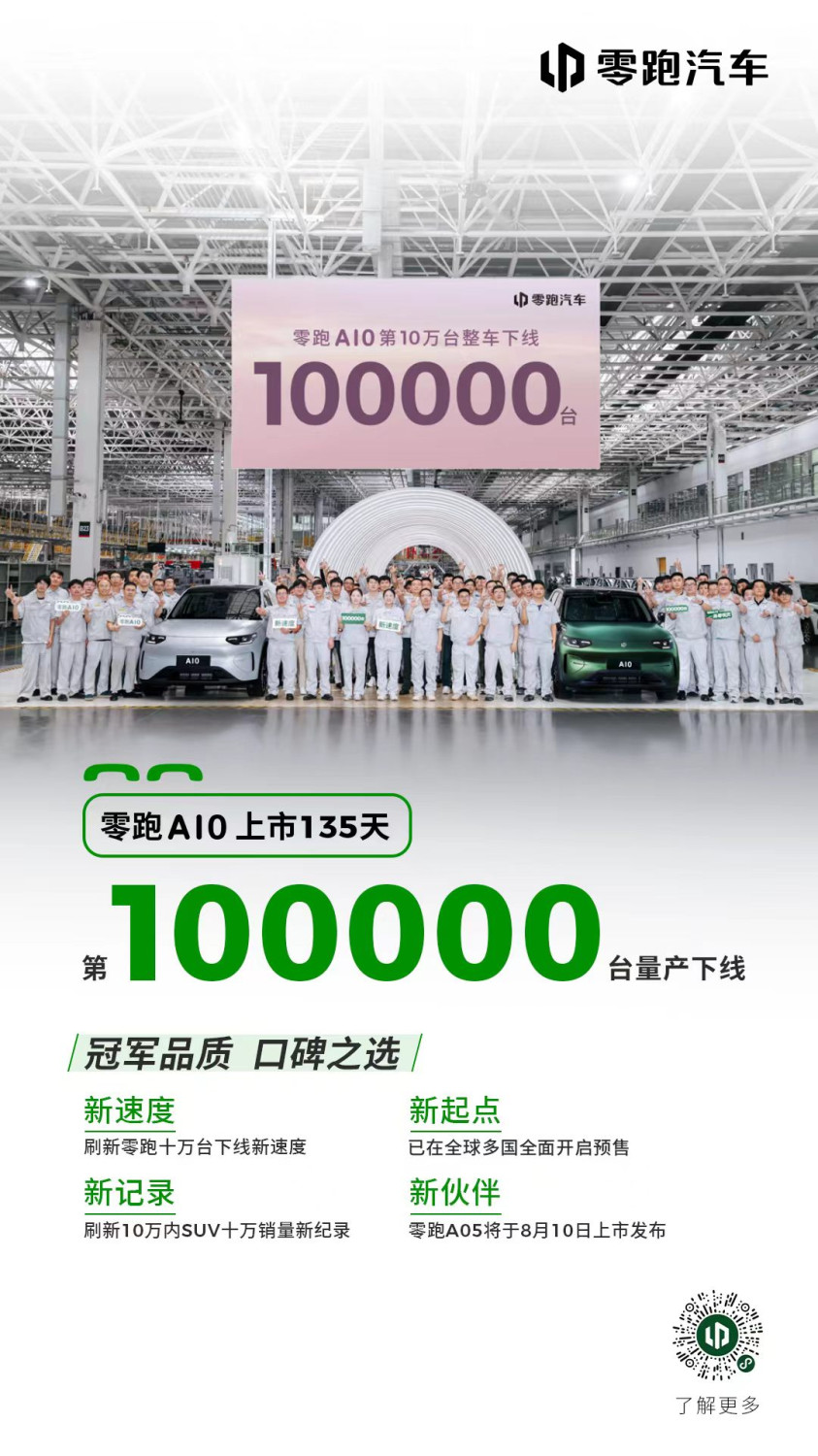
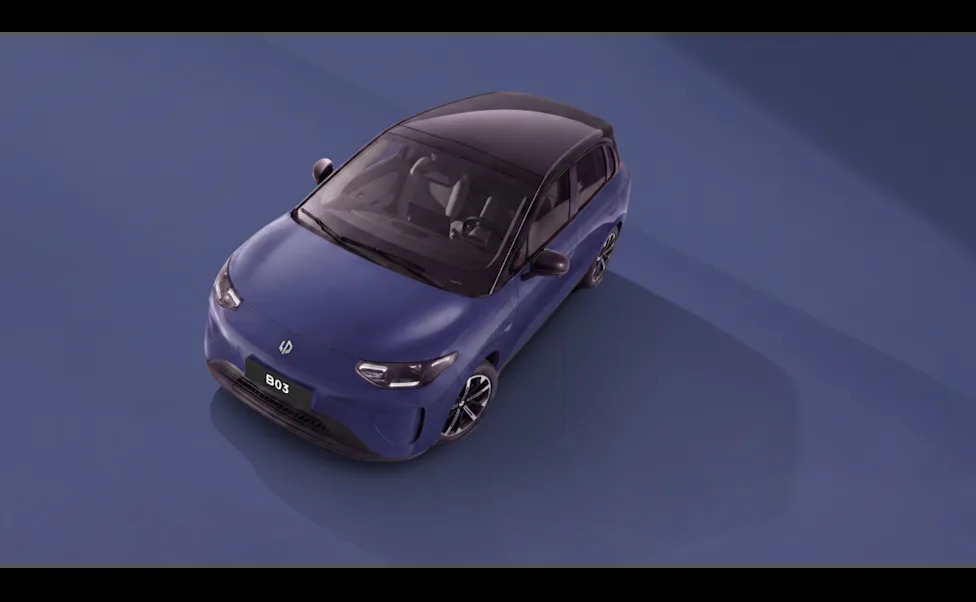
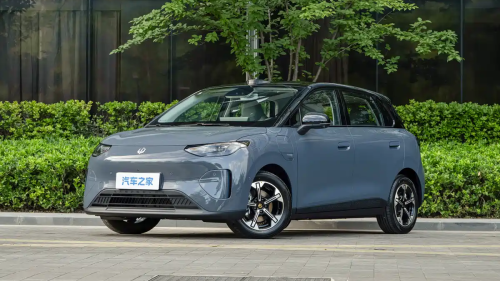
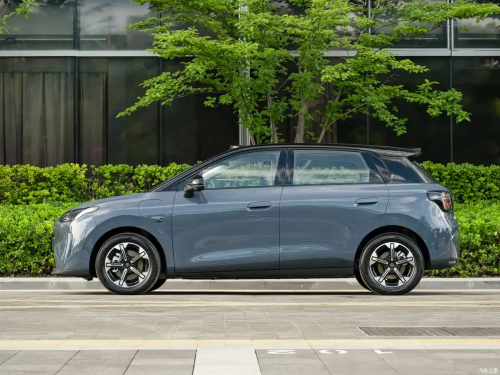
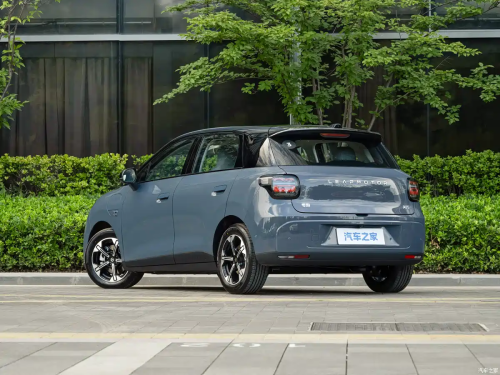
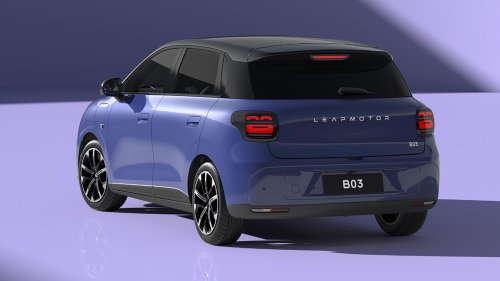
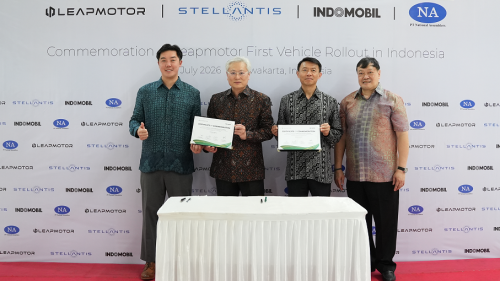
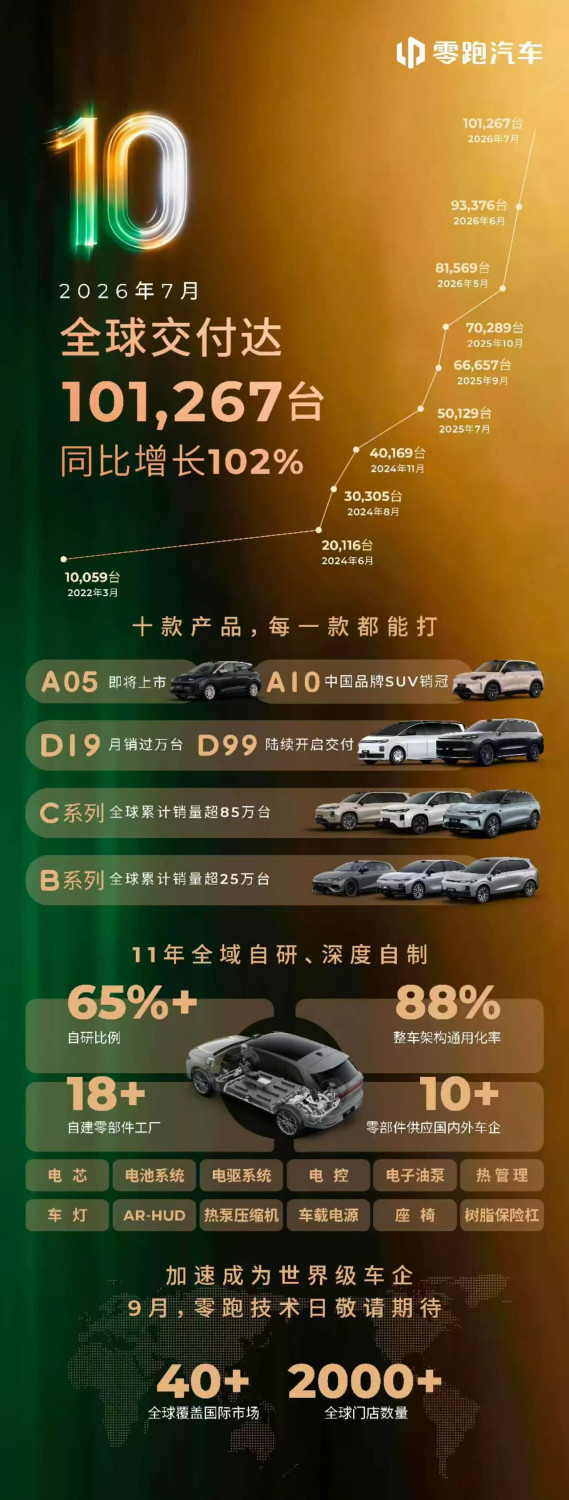
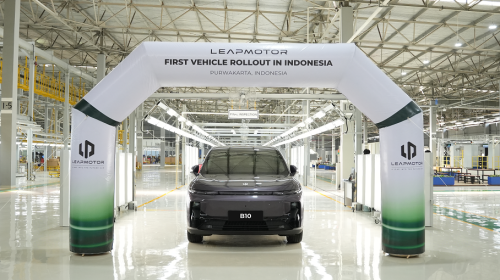
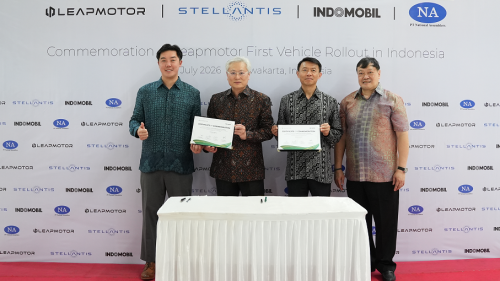
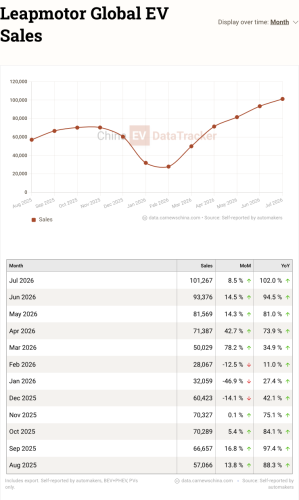
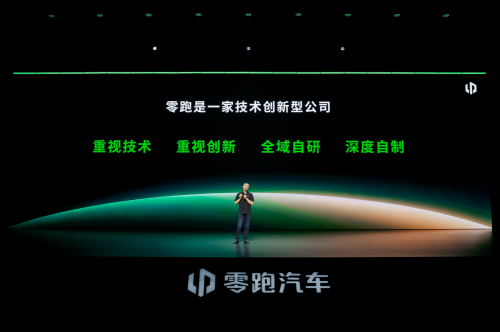
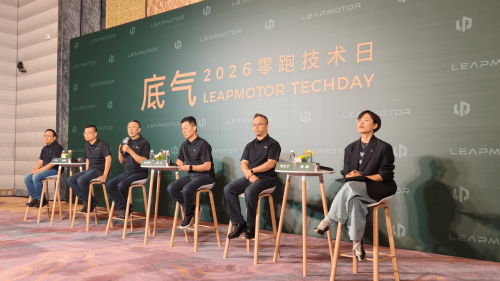
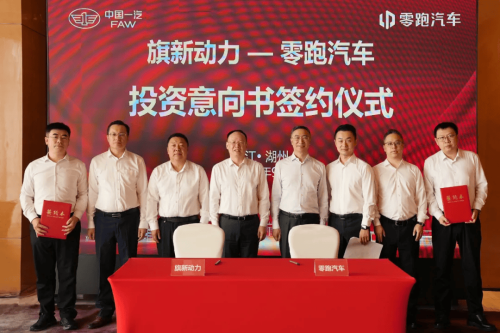
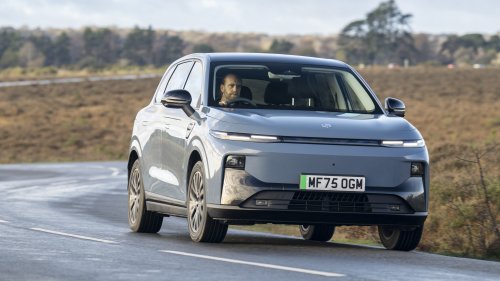
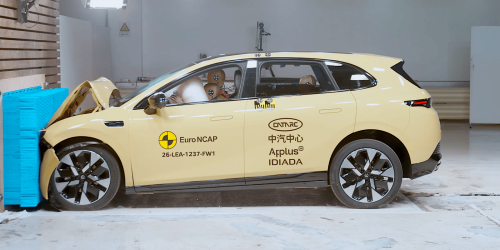
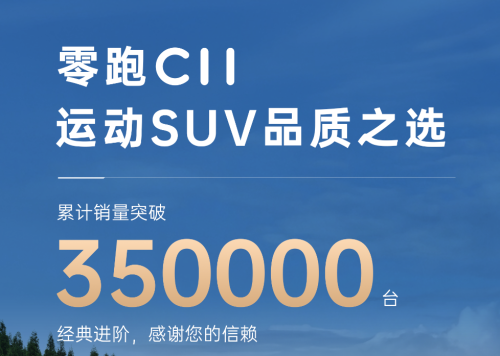
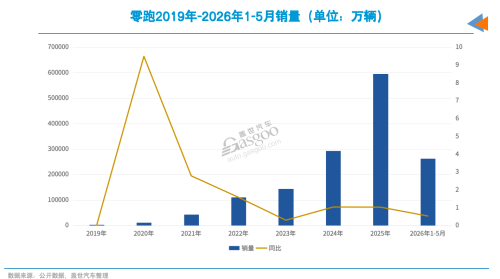
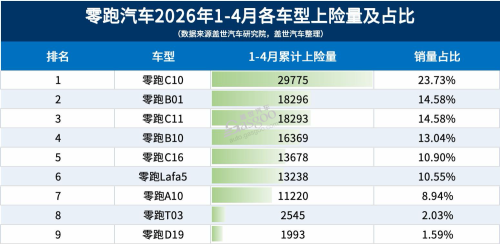
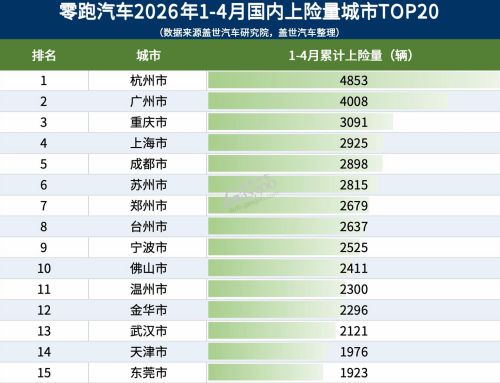
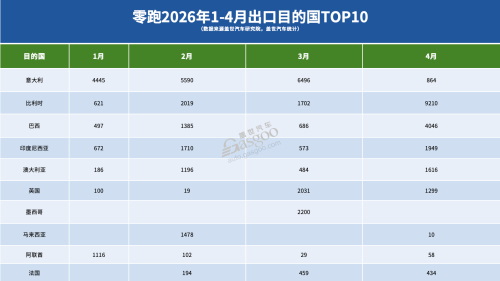
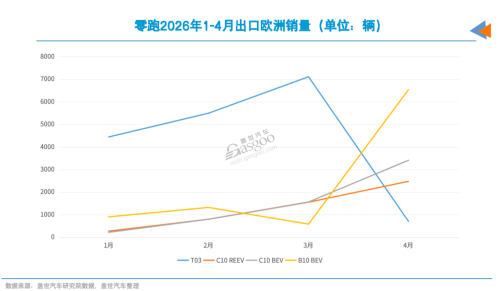
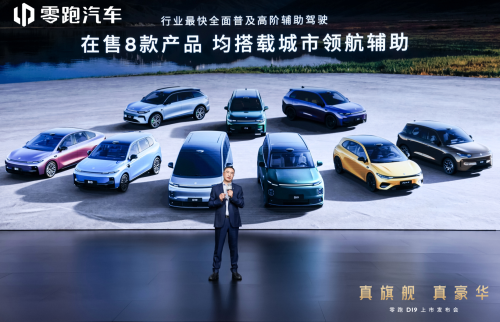
Gasgoo Munich- "Deliveries in May hit 81,569 units, an 81% surge year-on-year and a 14.26% increase from April."Leapmotor released this data in early June. Should this momentum hold, annual sales could approach or exceed 1 million units. This scale would essentially secure a spot among the top 10 domestic passenger vehicle sellers. For context, CPCA wholesale data for 2025 shows Tesla ranked 10th with 852,000 annual sales, averaging roughly 71,000 units per month. Leapmotor's single-month delivery in May has already surpassed Tesla's monthly average from last year.In comparison with other new forces, the four leading brands—Li Auto, XPENG, NIO, and ZEEKR—all recorded May deliveries in the 30,000-unit range.From selling fewer than 3,000 units of its first model, the S01, in all of 2019, to delivering nearly 600,000 vehicles in 2025, and now standing at 80,000 units this past May, Leapmotor has become one of the fastest-growing new energy brands in China."Who exactly is buying Leapmotor?" This was the reaction from an industry insider to Gasgoo after the monthly sales figure of 80,000 units dropped. By analyzing domestic insurance registration data provided by the Gasgoo Institute, alongside overseas sales figures, we can observe the reality behind Leapmotor's growth.More Than Just Benefiting from New Energy GrowthOnce the penetration rate of new energy passenger vehicles exceeded 50%, market logic shifted.In the early days, the market was driven by early adopters—consumers eager to embrace new tech, sensitive to smart features, and willing to tolerate some trial-and-error. Today, the force expanding the market comes increasingly from replacement demand by traditional internal combustion engine users.For many ordinary families, buying a car is not about chasing cutting-edge technology; it is a calculated economic decision. Data from the NDRC and others shows retail prices for No. 92 gasoline in most major provinces have fluctuated around 8 yuan per liter for a long time, meaning a standard fuel sedan incurs annual fuel costs generally exceeding 10,000 yuan.In contrast, the daily cost advantage of new energy models has become clear. Families in the 100,000 to 200,000 yuan budget bracket have discovered that for the same outlay, a new energy vehicle not only lowers ongoing costs but also offers more space, richer features, and a smarter experience. This is driving a large influx of fuel vehicle owners into the new energy market.Leapmotor operates in this price band where demand is most concentrated. Unlike some brands that rely on the high-end market or niche segments, its core models cover the 100,000 to 200,000 yuan market—the largest segment by volume in China's passenger vehicle market—and it is benefiting from the sector's electrification.Image Source: LeapmotorRetail feedback confirms this. Research by Sinolink Securities shows that many showroom visitors previously drove traditional family models like the Nissan Sylphy, Volkswagen Lavida, Toyota Corolla, or Haval H6. When these replacement buyers enter the showroom, their focus is remarkably consistent: Is the space big enough? Does the range cover daily use? Are the features rich? Is the price right?Furthermore, Leapmotor is capturing the incremental growth from the penetration of new energy vehicles into lower-tier markets. Over the past few years, charging infrastructure in third- and fourth-tier cities and county regions has gradually improved, easing charging bottlenecks that previously held back buyers in these lower-tier markets and unleashing significant demand.The A10 is a prime example. This entry-level model, launched in March of this year, reached sales of 23,000 units in May. Research by AJ Securities indicates that retail orders for this vehicle are concentrated in lower-tier prefecture-level cities and county markets.This shows that Leapmotor is not simply benefiting from rising penetration rates. Instead, it has secured a strategic position as two trends converge: the replacement of fuel vehicles and first-time purchases in lower-tier markets.Domestically, Who Is Buying Leapmotor?Compared to wholesale sales, insurance registration data—which differs from official wholesale figures due to statistical scope—more accurately reflects real domestic retail demand. Looking at domestic insurance data for the first four months of 2026, the profile of Leapmotor's users is clear.Regarding model structure, most buyers are families. The C10 accumulated nearly 30,000 insurance registrations, accounting for about one-quarter of Leapmotor's total domestic registrations (125,000 units) for the first four months. The B01 and C11 both registered around 18,000 units; the B10 registered 16,000; and the C16 accounted for over 10%.Meanwhile, two new models, the A10 and Lafa 5, have also shown strong momentum. The A10, launched less than two months ago, saw April insurance registrations approach 10,000 units; the Lafa 5 reached 13,000 units in sales over the first four months; and the recently launched D19 also surpassed 1,000 insurance registrations in April.The sales figures indicate that Leapmotor is distributing volume across multiple models, with several new cars showing potential to become hits. Although its product line spans various price bands, it targets essentially the same demographic: pragmatic families.Sales share analysis suggests most family budgets cluster around 150,000 yuan, with buyers seeking maximum space, a smart cabin, longer range, and lower operating costs within that budget.Comparing the user profiles of the A10 and D19 side by side offers a clearer understanding of Leapmotor's targeted coverage across different price segments.The A10 enters the market at the 100,000-yuan level, targeting young families buying their first or second car. Leapmotor's profile of the first batch of firm order holders shows a skew toward parents, with core decision factors being space, driver assistance systems, and smart cabins. Over 60% are families with children, and women account for 42% of users; 43.2% of users enjoy travel and tend to choose the 505km long-range version. The top five cities for initial firm orders were Hangzhou, Tianjin, Shanghai, Chengdu, and Beijing.The profile of the first D19 owners reveals a different demographic: 69.6% are aged 30 to 44, 62.6% hold a bachelor's degree or higher, and 74.4% are in management roles. 95% are purchasing additional or replacement vehicles; among those adding another vehicle, 30% are current owners of BBA (Mercedes-Benz, BMW, Audi) models, while 19.7% of those trading in are existing Leapmotor owners. 35.5% live in Zhejiang, Guangdong, or Jiangsu provinces, with 62% being local residents.Zhu Jiangming stated: "New orders for the D19 continued to exceed 10,000 in May." This flagship SUV, launched just in April, entered a stable production ramp-up phase in its very first month on the market.The difference between the A10 and D19 profiles reflects the two ends of Leapmotor's product matrix: the A series satisfies first-time or additional purchases for mainstream families with high value for money, while the D series caters to middle-class families upgrading to higher-priced, luxury-equipped vehicles. These two lines, along with the B and C series, form a range of replacement and additional purchases that together constitute the user base behind Leapmotor's 80,000 monthly sales.City distribution also provides insights. Among the top 15 cities for domestic insurance registrations in the first four months of 2026, Hangzhou, Guangzhou, Chongqing, Shanghai, and Chengdu ranked at the top. With the exception of a few top-tier cities like Shanghai, the others are mostly first- or new first-tier cities with large populations of middle-class families. These buyers tend to make decisions based on actual needs, focusing on the product itself rather than brand prestige.As Leapmotor is headquartered in Zhejiang, multiple prefecture-level cities in the province performed strongly: Taizhou with 2,637 units, Ningbo with 2,525, and Wenzhou with 2,300—all entering the top 15 list for January to April registrations. This demonstrates that the brand reputation and channel foundation accumulated over the long term in the Zhejiang market have helped the brand achieve stable growth.The sales structure is particularly noteworthy. April insurance data shows that the proportion of Leapmotor vehicles used for taxis or ride-hailing operations is extremely low; the vast majority are private cars or non-commercial purchases by enterprises. Against the backdrop of many new energy brands relying on ride-hailing platform purchases to drive sales, Leapmotor's retail sales are fundamentally driven by individual users.Overseas, Who Is Buying Leapmotor?As the domestic market gradually enters a stage of market saturation, overseas markets are becoming an increasingly important source of growth for some Chinese automakers. For Leapmotor, this is no exception.Data from the Gasgoo Institute shows that from January to April 2026, Leapmotor exported a cumulative 64,000 vehicles. Its single-month exports in April reached 22,000 units, accounting for 30% of the brand's total monthly sales.Consumer needs vary significantly across markets, and Leapmotor's strategy involves launching models adapted to local markets.Europe is Leapmotor's largest overseas market, with cumulative sales reaching 38,000 units from January to April. In particular, sales in Italy and Belgium each exceeded 10,000 units during the same period, ranking them as the top two export destinations. Additionally, positive results were achieved in the UK and France, with sales surpassing 1,000 units.The T03 has become the primary model in Leapmotor's exports to Europe. Due to persistently high local energy prices, as well as issues like narrow streets in historic cities and limited parking, small pure electric models hold a natural advantage.From January to April, exports of the T03 alone to Europe reached 18,000 units, accounting for nearly half of its total European sales, with Italy being the primary destination. Compared to European micro EVs, the T03 is roughly 20% cheaper yet offers more features, including Level 2 driver assistance and a large display. Value for money is its key selling point.The Southeast Asian market differs. Countries like Indonesia and Malaysia have relatively low per capita income, and vehicle budgets are generally limited. From January to April, Leapmotor exported a total of about 8,000 units to Southeast Asia, with the T03 accounting for 5,479 registrations. This model balances price, range, and practicality, making it easier to gain acceptance among local consumers.In South America, Leapmotor focuses on Brazil. With its large territory and frequent long-distance driving, combined with developing charging infrastructure, range-extended products are better suited to local needs. From January to April, Leapmotor exported 6,614 units to Brazil, with the C10 range-extended version accounting for 6,557 of those.Product adaptation solves the question of "what to sell," but "how to sell" is equally critical. As the scale of overseas sales expands, a corresponding channel network is required. Moreover, to serve customers well, the channel network is a priority.To accelerate channel establishment and build brand awareness in unfamiliar countries, Leapmotor chose to partner with a global automaker. In 2023, Leapmotor partnered with Stellantis, which invested 1.5 billion euros for a stake, leading to the creation of a joint venture, Leapmotor International. Leveraging Stellantis's mature dealership network in Europe and resources in South America, the joint venture takes full responsibility for the sales, maintenance, and localized promotion of Leapmotor models.In 2025, Leapmotor International opened its first batch of 41 outlets in South America—36 in Brazil and 5 in Chile—with plans for gradual expansion in Argentina, Colombia, and other nations.At the same time, to further strengthen competitiveness in the European market and mitigate tariff risks, Leapmotor is advancing local assembly plants in Spain, Malaysia, and other locations. The significant sales growth in European markets like Italy and Belgium validates this channel strategy.For most Chinese brands, the primary challenge in overseas markets is often not the product itself, but the channel and after-sales network. Building stores, training staff, and establishing service capabilities usually takes several years. By leveraging established channels, Leapmotor has significantly shortened its market entry cycle.This is because product value is the foundation of global expansion, but channel capability determines the speed. Leapmotor's overseas volume surge is the result of the combined effect of product adaptation and channel capabilities.Why Leapmotor?Returning to the initial question: Among the new forces, why has only Leapmotor achieved the milestone of 80,000 monthly sales?In recent years, the industry has frequently discussed advanced autonomous driving, large AI models, and ecosystem building. While these directions are certainly important, from the perspective of market scale, what truly determines the sales ceiling is always the massive number of ordinary families.For most Chinese consumers, a car is first and foremost a durable consumer good—it needs sufficient space, high specifications, low operating costs, and an affordable price. This demand may seem ordinary, but it represents the largest user group in the market. Leapmotor's sales growth is essentially built on its consistent focus on this demographic.Image Source: LeapmotorRegarding product structure, the brand has established multiple product lines: A, B, C, and D. New models were launched in force in 2026: the A10 launched in late March, the D19 flagship SUV went on sale in April, and the D99 MPV and overseas-exclusive models will follow. Product prices range from 70,000 to 300,000 yuan, covering segments from entry-level commuting to family SUVs.Regarding cost control, full-domain in-house R&D is Leapmotor's core capability. Brokerage reports indicate Leapmotor's in-house development rate for core components exceeds 65%, and the component commonality rate of its LEAP vehicle platform is as high as 88%. From the electric powertrain and electronic control to in-vehicle chips and vehicle architecture, independent R&D and production have allowed it to eliminate supplier premiums.Regarding market layout, its combined domestic insurance registrations and overseas exports from January to April approached 190,000 units (differences may arise from statistical scope). Notably, the share of overseas sales rose from less than 10% in 2025 to 30%, and simultaneous growth in both domestic and overseas markets further mitigates the risks brought by fluctuations in a single market.This three-pronged strategy of product, cost, and market actually points to a single conclusion: Leapmotor has not chased unproven trends, but has instead steadily rooted itself in a demand pool that has already been validated and continues to expand.Image Source: LeapmotorThe cost advantages derived from full-domain in-house R&D, combined with the formation of economies of scale, are all reflected in Leapmotor's financial data.In 2025, Leapmotor achieved a full-year net profit attributable to shareholders of 540 million yuan, making it one of the few new forces to achieve full-year profitability. In the first quarter of 2026, although impacted by investments in new product R&D and overseas factory construction, its net profit attributable to shareholders was -390 million yuan. However, gross margin remained at 9.4%, still outperforming many peers who rely on loss-making sales to drive volume.Starting as a niche manufacturer in 2019 to now selling 80,000 units per month, Leapmotor's growth path is not complex: no focus on the high-end, no hype around concepts—just rooting itself in the 100,000 to 200,000 yuan family market and optimizing the balance of space, range, features, and price.Full-domain in-house R&D kept costs in check, multiple models covered family needs across different budgets, and overseas partnerships with Stellantis enabled rapid volume scaling. The combination of these three factors allowed Leapmotor to reach the inflection point where new energy vehicles shift from early adoption to mass adoption.Leapmotor's ability to sell 80,000 units also illustrates one thing: when the industry stops selling brand stories, ordinary families vote with their budgets. Whoever can deliver the most practical value within a limited budget can seize more market share. As for technical slogans and ecosystem visions, those are issues for the next stage.



















 +71 others